Author: truthupfront_editor

  • Low Pillow Height Linked to Throat Reflux

    Low Pillow Height Linked to Throat Reflux

    Millions of people with throat-related reflux symptoms could find a lot of relief by making a small change to how they sleep. A groundbreaking study has shown that people with gastro-oesophageal reflux disease (GORD) who sleep with a low pillow are much more likely to have laryngopharyngeal reflux (LPR), or throat reflux. This isn’t just a little bit of pain; it’s a condition that can cause chronic coughing, hoarseness, and constant irritation of the throat, which can have a huge impact on a person’s quality of life.

    So, what is really going on? When you lie down, gravity isn’t on your side anymore, which makes it easier for stomach acid to go back up into your esophagus and, in some cases, all the way to your throat and voice box. For the estimated 20% of adults in the U.S. who have GORD, nighttime can be a very hard time.

    The Science Behind the Slant

    The recent study conducted at Yijishan Hospital of Wannan Medical College in China examined the lifestyles of 323 GORD patients and 225 healthy individuals to identify the specific factors that induce throat reflux. 131 of the GORD patients also had LPR. The researchers examined various factors, including diet, stress, meal timing, and, importantly, sleep behavior.

    The results were surprisingly easy to understand. Eating a lot of fat, eating too much, feeling anxious, and lying down too soon after a meal all had an effect, but none were as strong as one simple thing: low pillow height. It became the most significant independent risk factor for the onset of LPR in individuals with existing GORD.

    A regular pillow just holds your head up. Medical experts say that this isn’t enough to stop stomach acid from coming back up because your torso stays flat. The answer is to raise your whole upper body. This is where wedge pillows come in. These special pillows are made to lift your torso at an angle, usually between 30 and 45 degrees, and use gravity to keep your stomach contents where they should be.

    What You Need to Know About Throat Reflux (LPR)

    It’s important to know the difference between GORD and LPR. LPR is a different animal, even though both have stomach acid going the wrong way. Heartburn, which is a burning feeling in the chest, is the main symptom of GORD. This happens because acid irritates the esophagus.

    But LPR happens when that acid goes even higher, past the esophagus, and into the delicate tissues of the larynx (the voice box) and pharynx (the throat). The symptoms are often less obvious and can be mistaken for allergies or a cold that won’t go away:

    • Hoarseness
    • A constant need to clear your throat
    • A chronic cough
    • A feeling of a lump in your throat

    Many people suffer for years without a proper diagnosis because these symptoms aren’t the “classic” heartburn that people think of when they think of reflux. This new study shows how important it is to think about how a patient sleeps when they have these kinds of throat problems.

    Not Just a Pillow

    Of course, dealing with GORD and LPR well often means using more than one method. Raising your head is a big part of the puzzle, but making other changes to your life can help even more.

    • Position of Sleep: Interestingly, sleeping on your left side is recommended. When you’re on your back or right side, gravity can’t help get any fluid that has refluxed back to the stomach as well as it can when you’re on your left side.
    • Meal Timing: This is a piece of advice that has stood the test of time. Don’t lie down for at least three hours after eating so that your stomach can empty.
    • Diet and Habits: Obesity, smoking, eating too much, and eating too many high-fat foods are all known to cause GORD. Taking care of these can make a big difference in how often and how bad the symptoms are.

    The Chinese research team even made a predictive model using six of these key variables, which was very good at finding GORD patients who were most likely to get LPR. This could be a useful tool for doctors to use in the clinic, as it could help them tell patients to make changes to their lives before their symptoms get worse.

    This study opens up a new way to look into throat irritation, a chronic cough, or hoarseness that doesn’t have a clear cause. It’s a strong reminder that sometimes the best answers aren’t found in a drugstore, but in small, useful changes we can make to our daily lives. It could be that the answer is right in your bedroom.

  • The Best and Worst Foods for High Blood Pressure: An Expert Guide

    The Best and Worst Foods for High Blood Pressure: An Expert Guide

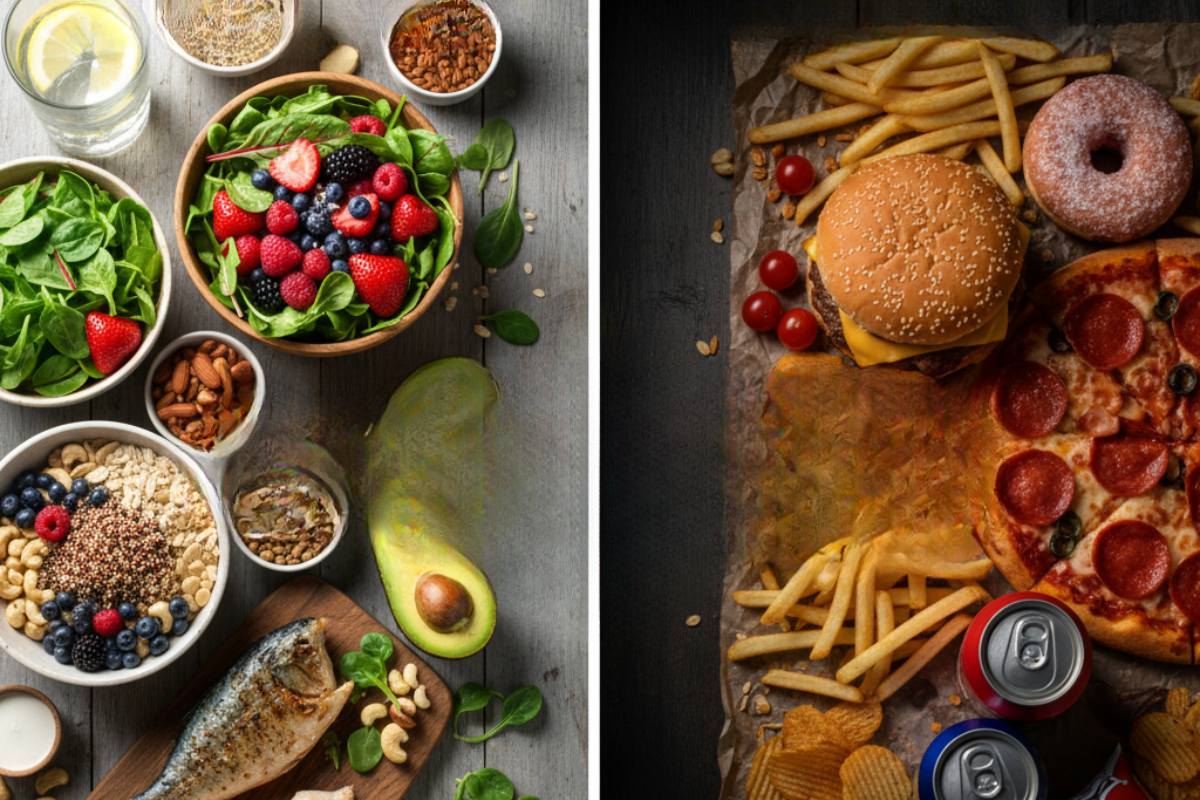
    You don’t have to give up flavor to control high blood pressure. It’s about making better choices and knowing which foods are good for you and which ones are bad for you.

    Knowing Your Diet and Blood Pressure

    Hypertension, or high blood pressure… It’s turned into a kind of silent epidemic. More than a billion people around the world are dealing with it, and the numbers keep going up.

    Not only are the numbers concerning, but this condition is also the most common risk factor for heart disease that can be avoided.

    But your diet can be a very powerful tool. Studies have shown that what you eat can either help keep your blood pressure stable or make it rise.

    It might seem like the numbers that define high blood pressure, systolic readings of 130 mm Hg or more and diastolic readings above 80 mm Hg, are technical, but they have a big effect on your daily life.

    Changes to your lifestyle, especially your diet, can lower your blood pressure and lower your risk of heart-related problems by a lot. Sure, doctors often give you ACE inhibitors and other drugs, but they’ll tell you the same thing: food is important.

    The Science Behind Diet and High Blood Pressure

    There is a link between what you eat and your blood pressure readings. There are a lot of different things going on here, and knowing how they work can help you understand why some foods make such a big difference.

    When you eat too much sodium, your body does a number of things. First, your body holds onto more fluid, which makes your blood volume bigger and your heart pump more blood.

    This starts what scientists call the “pressure-natriuresis mechanism,” which makes your kidneys work extra hard to bring things back into balance.

    But sodium has more effects than that. Eating a lot of salt can damage the endothelium, which lowers the production of nitric oxide, which is important for keeping blood vessels relaxed.

    It can also cause small resistant arteries to change shape and make arteries stiffer. Salt even affects your sympathetic nervous system, which controls how your body’s autonomic functions control your heart and blood vessels.

    On the other hand, some nutrients, like potassium and magnesium, are good for you. Researchers have found that potassium, in particular, can lower blood pressure a lot.

    The groundbreaking DASH trial, Dietary Approaches to Stop Hypertension, definitively established this. Even though they didn’t lose weight, people who followed the DASH diet saw their systolic blood pressure drop by 6 mm Hg and their diastolic blood pressure drop by 3 mm Hg.

    For people with full-blown hypertension, the results were even more impressive: 11 and 6 mm Hg drops, respectively.

    Five Foods That Are Good for Lowering Blood Pressure

    Vegetables with Green Leaves

    Swiss chard, spinach, and other greens with leaves… They’re not just health foods that are in style. These vegetables are very good for your health when it comes to controlling high blood pressure.

    For instance, Swiss chard. A 145-gram serving gives you about 17% of your daily potassium needs (about 792 mg) and a huge 30% of your magnesium needs.

    What does this mean? Research shows that eating 0.6 grams more potassium every day can lower your systolic blood pressure by 1.0 mm Hg and your diastolic blood pressure by 0.52 mm Hg.

    Magnesium is also very important in its own way. It works as a natural calcium channel blocker, stopping calcium from getting into cells in the heart and arteries.

    This helps your blood vessels relax, which lowers the pressure. The DASH diet, which is full of fruits and vegetables, showed lower blood pressure levels within two weeks of starting the plan.

    Fatty Fish That Are High in Omega-3s

    These fatty fish, like salmon, mackerel, and sardines, have more than just protein. They are full of omega-3 fatty acids, which have been studied a lot for how they help the heart.

    Omega-3s help keep your blood vessels safe by reducing inflammation. They help the endothelium, which is the important inner lining of blood vessels that controls pressure through chemical signals.

    Eating fatty fish regularly can help your heart stay healthy and keep your blood pressure stable.

    Citrus Fruits and Berries

    Blueberries, strawberries, oranges, and grapefruits… These bright fruits aren’t just for dessert. They are high in vitamin C and contain strong chemicals called flavonoids.

    Researchers have looked into how berries can help blood vessels work better. The antioxidants in them help fight oxidative stress, which can hurt blood vessels and make high blood pressure worse.

    Citrus fruits add another level with their high potassium content and healthy plant compounds.

    Why is it great to eat these fruits? They are naturally low in sodium and high in fiber, which makes them perfect for the DASH diet. Plus, they satisfy your sweet tooth without the bad effects of added sugars.

    Nuts, Seeds, and Beans

    Pumpkin seeds are worth mentioning here. They are full of potassium, magnesium, and arginine, three nutrients that work well together to keep blood pressure in check.

    Studies on pumpkin seed oil have shown good results. Supplementing with just 3 grams of pumpkin seed oil daily for six weeks significantly reduced systolic blood pressure compared to a placebo.

    Almonds, walnuts, flaxseeds, and other seeds and nuts have similar health benefits because they are high in healthy fats and minerals.

    Beans, lentils, and chickpeas are all legumes that have their own benefits. They’re rich in both potassium and magnesium while being naturally low in sodium.

    Also, their high fiber content helps with weight loss, which is another way to keep blood pressure in check.

    Low-Fat Dairy Products

    Low-fat or non-fat yogurt, milk, and cheese can help control blood pressure. These foods are important parts of the DASH diet.

    Low-fat dairy provides calcium and protein without excessive saturated fat. The DASH studies showed that this way of eating, which includes low-fat dairy, fruits, and vegetables, not only lowered blood pressure but also lowered total cholesterol and LDL (“bad”) cholesterol.

    The DASH approach suggests eating low-fat dairy, but there is some disagreement about whether this is always a good idea. But the evidence as a whole supports including these foods in a diet that lowers blood pressure.

    Five Foods That Are Bad for Your Blood Pressure

    Processed Foods and Salty Snacks

    Chips, crackers, and pretzels… Yes, they’re easy to use. But they also have a lot of sodium and preservatives in them, which are two big causes of high blood pressure.

    These snacks may look harmless, but the hidden salt can add up quickly. A lot of people don’t know how much sodium they eat when they mindlessly eat a bag of chips.

    These processed foods can have between 150 and 300 mg of sodium per serving. Let’s be honest: who stops at one serving?

    The recommended daily amount of sodium is about 2,300 mg. For people with high blood pressure, the best amount is 1,500 mg.

    The DASH-Sodium study showed that the lower the amount of salt people ate, the more their blood pressure went down. People who already had high blood pressure saw the biggest drops when they ate less sodium.

    Meats from the Deli and Processed Meats

    Bacon, ham, sausages, and cold cuts are some of the worst things to eat. They are very salty to keep them fresh and add flavor, and many also have nitrates in them.

    It takes a lot of salt to keep these meats fresh. This isn’t just a small problem; eating too much salt throws off the balance of fluids in your body.

    What happened? High blood pressure can last if these foods stay a part of your diet.

    Eating processed meats regularly has been linked to higher cardiovascular risks that go beyond just raising blood pressure. It’s one of those times when cutting back can be good for your health in more than one way.

    Vegetables and Soups in Cans

    Here’s where convenience costs money. Many canned foods are full of sodium, even though they last a long time and are easy to prepare.

    One can of soup can have more salt than you should eat in a day. That’s not an overstatement; some types have 800 to 1,000 mg of sodium or more per cup.

    Even vegetables in cans, which look healthy on the outside, often have extra salt added to them to keep them fresh.

    People who eat these foods a lot are at a quiet but serious risk of having trouble controlling their blood pressure. If you do use canned goods, look for ones that say “low sodium” or “no salt added.”

    Always rinse canned vegetables before using them.

    Frozen Meals and Pizzas

    Dinners that are frozen, pizza, and ready-to-eat meals… They’re made for busy people. But they usually have a lot of sodium, saturated fats, and preservatives in them.

    For people who are worried about their blood pressure, these ingredients make frozen convenience foods especially bad. One frozen pizza can have 800 to 1,200 mg of sodium per serving, but the “serving size” on the package doesn’t always match what people actually eat.

    A lot of sodium and saturated fat together are bad for your heart health. Saturated fats raise cholesterol levels and make blood clots more likely, which can cause heart attacks.

    You should only get 5–6% of your daily calories from saturated fats, but one frozen meal can easily go over that limit.

    High-Fat Proteins and Red Meat

    Research has shown that red meat is directly linked to higher blood pressure, even though it may seem healthier than processed versions. Red meats like beef, lamb, and pork tend to have a lot of salt and saturated fats.

    You don’t have to stop eating meat because of this. But it makes a big difference if you cut back on red meat and only eat lean cuts when you do.

    The DASH diet allows meat, but only in small amounts. It focuses on lean proteins, fish, and plant-based foods.

    Special Considerations: Sugar and Artificial Sweeteners

    Sugar substitutes and how they might affect heart health are becoming a bigger and bigger issue that needs to be looked into.

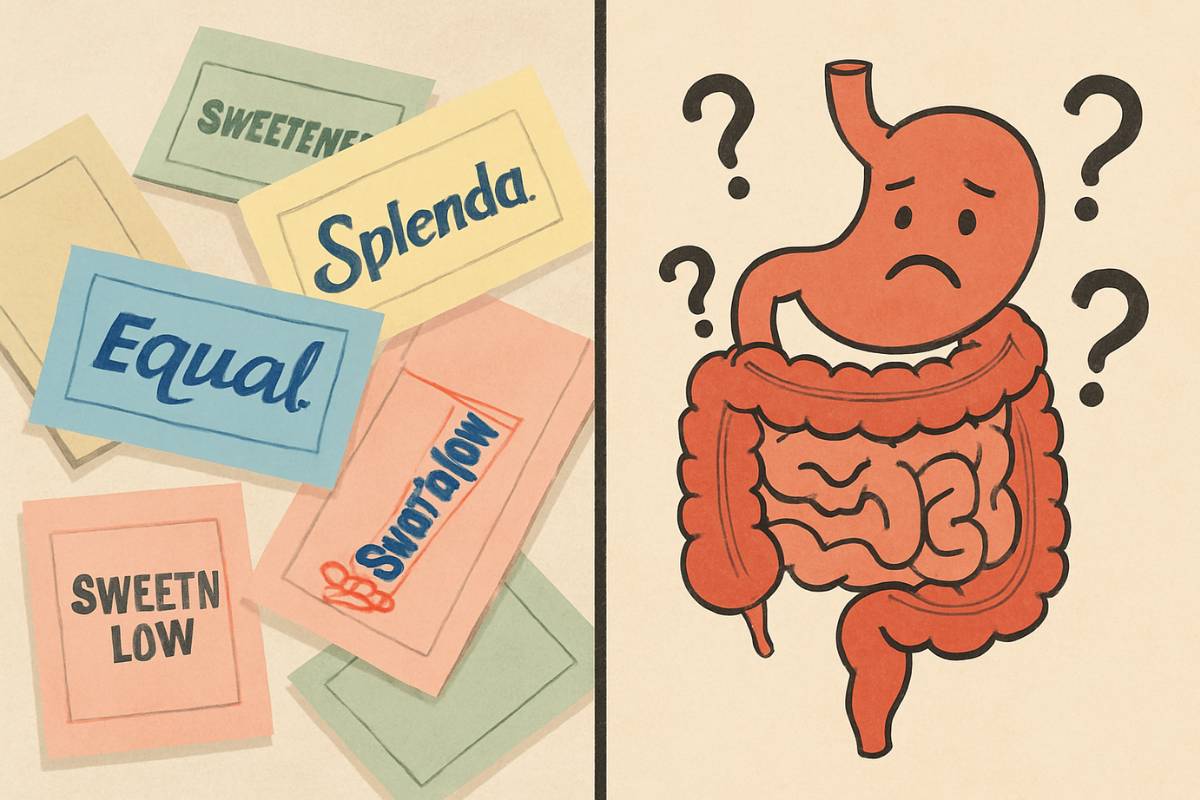
    Recent research has raised questions about artificial sweeteners, even though they don’t directly raise blood pressure like sodium does. Research on sugar alcohols like erythritol and xylitol has linked them to a higher risk of heart problems.

    For example, having more xylitol in your blood was linked to a 50% higher risk of having heart problems over three years.

    It looks like the mechanism has to do with how platelets work. These sweeteners may make blood platelets more sensitive to signals that tell them to clot, which could raise the risk of having a heart attack or stroke.

    People’s blood xylitol levels went up 1,000 times in 30 minutes after they drank xylitol-sweetened drinks. During this time, their platelets became more sensitive.

    Studies indicate that excessive intake of both sugar-sweetened and artificially sweetened beverages may contribute to elevated blood pressure. Some theories suggest impacts on the gut microbiome and vascular health.

    Problems with the balance of gut bacteria have been linked to metabolic disorders like insulin resistance, obesity, and high blood pressure.

    You don’t need to worry if your toothpaste has xylitol in it. But it does suggest being careful with products that have a lot of these fake sweeteners in them, especially when trying to control blood pressure.

    The DASH Diet: A Proven Approach

    The DASH diet is a structured eating plan that is based on solid research, so you should think about it seriously.

    The DASH approach isn’t a fad diet; it was developed through studies by the National Institutes of Health and has been tested on a wide range of people. The American Heart Association says it is “specific and well-documented across age, sex, and ethnic groups.”

    What makes DASH work?

    • It has a lot of fruits, vegetables, whole grains, and low-fat dairy
    • It includes meat, fish, poultry, nuts, and beans
    • It limits foods that are high in sugar, red meat, and added fats
    • The pattern changes depending on how many calories you need each day, which can be anywhere from 1,600 to 3,100

    The results speak for themselves. Blood pressure went down for everyone following the DASH diet, and the more sodium they reduced, the more their blood pressure decreased.

    People who already had high blood pressure saw the biggest changes. And these changes happened in less than two weeks after starting the plan.

    The DASH diet doesn’t just lower blood pressure on its own. Also, LDL cholesterol and total cholesterol went down.

    The USDA recommends it as a healthy eating plan for everyone, and it’s one of three healthy diets that the U.S. Dietary Guidelines highlight, along with Mediterranean and vegetarian diets.

    Practical Tips for Implementation

    Knowing what to eat and then doing it… Those are two different problems. Here are some ways to help close that gap:

    • Start gradually: Don’t change everything at once. This week, trade one processed snack for a piece of fresh fruit. Next week, switch out your regular chips for unsalted nuts. Over time, small changes add up.
    • Read nutrition labels religiously: Be careful about how much sodium is in the food and how big the servings are. A lot of products say they are healthy, but actually have too much salt in them.
    • Cook at home more often: This gives you full control over the sodium and other ingredients. If you do use packaged foods, pick ones that say “no salt added” or “low sodium.”
    • Season creatively: Use herbs, spices, citrus, and vinegar instead of salt to add flavor. Your taste buds will change over time. Foods that used to taste normal will start to taste too salty after you cut back on them.
    • Increase potassium-rich foods strategically: The blood pressure-lowering effect of potassium is well-established. Bananas are well-known for their potassium, but leafy greens, beans, potatoes, and yogurt are also great sources.
    • Stay hydrated with water: Rather than sugary or artificially sweetened beverages. This easy change fixes a lot of possible problems at once.

    Why These Dietary Changes Matter

    Let’s take a step back and look at the whole thing for a moment.

    High blood pressure isn’t just the numbers on a monitor. It is linked to a higher risk of death and illness from heart disease.

    A small but steady decrease in salt intake, or the need to completely cut it out, can lower blood pressure in people with high blood pressure and people with normal blood pressure.

    The effects are felt by people of all backgrounds. Lowering the amount of salt in your diet lowers blood pressure, no matter what race or gender you are. When you cut back on salt, your systolic pressure goes down more.

    This is important because high blood pressure affects more than a billion people around the world. In many cases, it can be stopped, and it can be managed by changing your diet and other aspects of your life.

    If you don’t control your high blood pressure, you could have heart attacks, strokes, kidney disease, and other serious problems.

    When you choose leafy greens over frozen pizza or grilled fish over processed deli meat, you’re not just following the rules for what to eat. You’re doing things to keep your heart and blood vessels healthy.

    You’re lowering inflammation, helping your blood vessels work properly, and helping your body keep the right amount of fluids.

    Moving Forward With Confidence

    You don’t have to be perfect to control high blood pressure with your diet. It needs to be done consistently and with awareness.

    Focus on adding healthy foods rather than worrying about every restriction. Add colorful vegetables to your plate, eat fatty fish a few times a week, and snack on unsalted nuts instead of chips.

    These good things naturally push out less healthy choices.

    Work with your healthcare provider. They can help you figure out what foods are best for you, especially if you’re taking blood pressure medications. Some changes to your diet can make your medications work better, but you need to be careful about how you do them.

    Keep an eye on how you’re doing. Checking your blood pressure regularly, whether at home, at a pharmacy, or at your doctor’s office, gives you objective information.

    The DASH studies found that blood pressure improved in just two weeks, so you won’t have to wait long to see if your changes are working.

    Keep in mind that these eating habits are good for everyone, not just people who have high blood pressure. They’re meant to be balanced and long-lasting ways for most people to eat.

    One benefit is lower blood pressure, but better overall health and a lower risk of disease go far beyond that one measure.

    The relationship between food and blood pressure is complex, involving many body systems and biochemical pathways. But the real-world use doesn’t have to be hard.

    Pick whole foods over processed ones, focus on plants and lean proteins, and keep an eye on how much sodium you eat. If you follow these simple rules all the time, you can lower your blood pressure and improve your health over time.

    Your fork is more powerful than you might think. Use it wisely.

  • Are Natural Energy Drinks Really Better for You? Experts Give Their Thoughts

    Are Natural Energy Drinks Really Better for You? Experts Give Their Thoughts

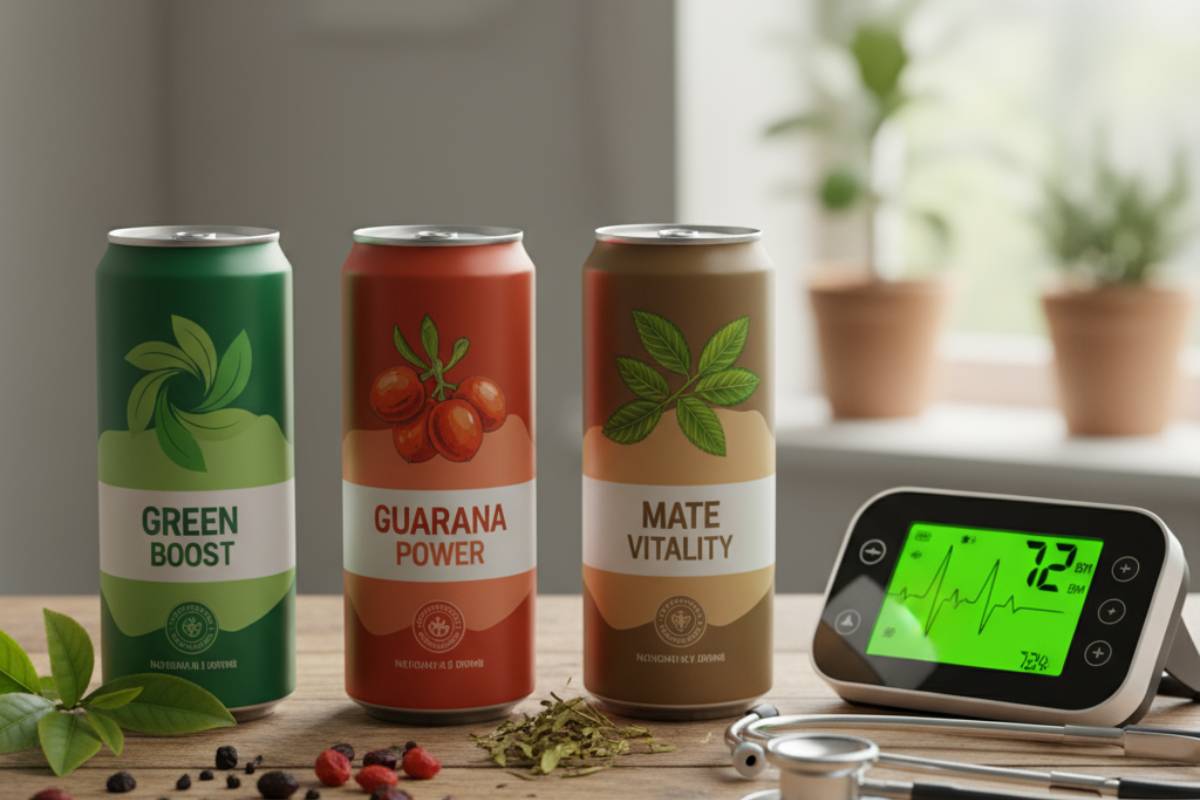
    The energy drink business promises people a quick fix, but is “natural” really better? Global sales of energy drinks are now over $7 billion a year, and more and more health-conscious people are choosing products that are marketed as “clean” or “organic.” These drinks say they get their caffeine from plants like green tea, guarana, and guayusa instead of man-made ones. But experts say that when it comes to heart health, “natural” doesn’t always mean “safer.”

    The Natural Energy Boom

    Health trends are causing changes in the energy drink market that have never happened before. People want clear information, organic ingredients, and what companies call “clean energy.” Green coffee extract, yerba mate, and ashwagandha are just a few of the natural energy drink ingredients that promise more than just a boost of energy.

    But here’s the thing: your body processes caffeine the same way whether it comes from a coffee bean or a lab. Dr. Anna Svatikova from the Mayo Clinic says that natural sources of caffeine may also have other bioactive compounds, like polyphenols and antioxidants, but the main effects stay the same.

    Blood Pressure: The Risk You Don’t See

    Research shows worrying trends. Energy drinks, no matter how “natural” they claim to be, can quickly raise blood pressure in both healthy people and people who already have health problems. Studies show that stress hormones go up by about 70% after drinking just one energy drink.

    The mechanism is simple but worrisome. Caffeine stops adenosine receptors in the brain from working, which starts a chain reaction that makes neurons fire more and releases adrenaline. This process makes blood vessels smaller and raises systolic and diastolic pressure for up to four hours or more.

    Natural energy drinks with 80 to 260 mg of caffeine per serving can have the same effects on the heart and blood vessels. A regular 8-ounce Red Bull has 80mg of caffeine, but some natural options, like green tea extract, have 150mg or more.

    The Debate: Synthetic vs. Natural

    Marketing teams love to talk about “natural” caffeine, but the science is more complicated. There are some benefits to getting caffeine from natural sources like green tea. The caffeine in green tea attaches to antioxidants, which makes the body absorb it more slowly and release energy more steadily, without the big crash that comes with synthetic versions.

    L-theanine is an amino acid that is naturally present in tea leaves. It works against the jittery effects of caffeine. This mix can give you energy without the shakes that synthetic caffeine often causes. But these benefits don’t completely get rid of the risks to the heart.

    Chinese pharmaceutical companies make synthetic caffeine, which absorbs quickly and gives you energy faster, but it also makes you crash faster. This cheaper, lab-made alternative is what most regular energy drinks use.

    New Worries Arise Due to Ingredient Complexity

    Caffeine isn’t the only thing that natural energy drinks have. They often have a mix of stimulants that can make the effects stronger. When taurine, an amino acid, is mixed with caffeine, it can make caffeine’s effects on heart rate and blood pressure stronger. Guarana adds more caffeine than manufacturers may not clearly label, which increases the total amount of stimulants.

    Dr. Svatikova says that the combination of several stimulants, not just caffeine, is what makes safety a concern. She says that even natural ingredients can have a “synergistic effect” that makes the heart work harder.

    Real Sugar vs. Fake Sugar

    Natural energy drinks have a problem with sweetening. To appeal to health-conscious customers, many brands lower the amount of sugar in their products and use artificial sweeteners or sugar alcohols instead. This does take care of calorie concerns, but studies show that artificial sweeteners may also be bad for your heart.

    Some “natural” choices use fruit juices to sweeten, but this can add 10 grams of sugar per can, which is 40% of the daily sugar limit for women. Blood pressure spikes and long-term metabolic problems are caused by high sugar levels.

    Who Should Not Drink These?

    Energy drinks are more dangerous for some groups of people, even if they are made with natural ingredients. Energy drinks should be avoided completely by:

    • Pregnant women
    • People with heart problems
    • People taking certain medications

    Kids and teens are especially at risk. The American Academy of Pediatrics says that there is no safe amount of caffeine for kids and teens. But natural energy drinks often target younger people with flavors that appeal to them and marketing that promotes health.

    Energy drink stimulants can be very dangerous for people who take antidepressants, anti-anxiety medications, or blood thinners. When combined with prescription drugs, “natural” doesn’t always mean safe.

    The Dehydration Factor

    Natural energy drinks have another bad thing in common with regular ones: they can make you more dehydrated. Dr. Svatikova says that even though these drinks are marketed as hydrating, caffeine makes you urinate more, which means they have a “net dehydrating effect.”

    Athletes who drink natural energy drinks to boost their performance may accidentally make themselves less hydrated when they need it the most. This puts more stress on the heart and blood vessels when you exercise.

    Effects on Health in the Long Run

    New studies show that drinking energy drinks regularly, whether they are natural or not, may:

    • Make arteries stiffer
    • Make insulin less effective
    • Causes long-term high blood pressure

    Some natural ingredients can be dangerous on their own. For example, drinking yerba mate regularly over time has been linked to a higher risk of cancer, especially when combined with drinking alcohol or smoking.

    The liver and kidneys have to work harder when they have to deal with high levels of stimulants and other bioactive compounds in these drinks. The long-term effects of newer natural ingredients like guayusa and ashwagandha are still mostly unknown when they are mixed with energy drinks.

    Safer Ways to Get Natural Energy

    Experts say that instead of quick fixes, we should focus on long-term energy solutions:

    • Getting enough sleep
    • Exercising regularly
    • Drinking enough water

    When you need caffeine, plain coffee or green tea are better choices than energy drinks, which have worrying combinations of additives.

    If you want a natural boost, small amounts of dark chocolate, which has natural caffeine and good flavonoids, may give you a gentler boost of energy. Foods high in B vitamins help your body use energy naturally, without the big ups and downs that come with energy drinks.

    The Truth About Marketing

    People want healthier options, and the natural energy drink industry takes advantage of that. But these drinks often have the same risks as regular energy drinks. Words like “clean energy” and “organic” make things sound safer than they really are.

    There is still not much regulatory oversight. The FDA doesn’t make energy drink makers tell people exactly how much caffeine is in their drinks, which makes it hard for people to make smart choices. Natural ingredients can have very different levels of strength, which can cause effects to be different from batch to batch.

    The Bottom Line for Customers

    Natural energy drinks may be better than synthetic ones in some ways, such as:

    • How well they are absorbed
    • How many antioxidants do they have
    • How few artificial additives they have

    But they still pose serious risks to the heart and blood vessels, especially for people who use them often or who have health problems that make them more likely to have heart problems.

    The rise in blood pressure, heart rate, and hormone levels that comes with energy drinks stays the same no matter where the ingredients come from. Healthy adults may not be harmed right away by using it every once in a while, but the long-term effects of regular use are still worrying.

    Before you grab an energy drink, whether it’s natural or not, think about whether the short-term boost in energy is worth the possible stress on your heart. For most people, traditional ways of keeping energy levels up are safer and last longer.

    The idea of natural energy drinks sounds good because we want to make healthier choices, but science says that the source of the stimulants doesn’t matter as much as how they affect our bodies when they are all together. Just because something is natural doesn’t mean it’s safe, especially if you eat it a lot or in large amounts.

  • Why Am I So Stressed? 12 Surprising Reasons Why

    Why Am I So Stressed? 12 Surprising Reasons Why

    Stress is everywhere now, to be honest. Even after eight hours of sleep, you wake up tired. Your shoulders are always tense. And that feeling that something is always wrong? It won’t go away.

    But what if the things that are really causing you stress aren’t what you think they are?

    Of course, we all know about deadlines at work and problems in our relationships. Those are clear. We don’t always notice the sneaky, hidden things that add to our stress without us even realizing it.

    The Stress Epidemic No One Knows About

    Let’s be honest: Americans are more stressed out than ever before. Recent studies show that almost 75% of adults have had symptoms of stress in the last month. That’s three out of four people who are out and about feeling stressed, anxious, or just not right.

    Stress isn’t always a big deal, though. It doesn’t always show up with panic attacks or trouble sleeping. It sometimes whispers. It can even look like something else completely.

    Why Stressors That Are Hidden Are So Bad

    Here’s why these sneaky stress triggers are so bad: they add up. Picture your stress tolerance as a bucket. You can see the big rocks going into the bucket, like job stress and money worries. But what about these hidden ones? They’re like sand, slowly filling in all the gaps until one little extra stress makes everything overflow.

    12 Hidden Stress Triggers and How to Deal With Them

    Too Much Digital Stuff Without Limits

    Your phone vibrates. Your laptop makes a sound. Your smartwatch shakes.

    Does this sound familiar? People check their phones an average of 96 times a day, which is once every ten minutes when they’re awake. But here’s the kicker: we don’t even know we’re doing it anymore.

    Researchers call this “continuous partial attention” because of how connected we are all the time. Your brain never really focuses on one thing because it’s always waiting for the next notification. What happened? A low-level stress response that never quite goes away.

    What you can do:

    • Make sure you have certain hours when you don’t use your phone
    • Start small, like only during meals or the first hour after you wake up
    • Your nervous system needs real breaks from digital stimulation

    Not Getting Enough Sleep Even Though You Have Enough Hours

    You could be in bed for seven to eight hours, but are you really getting a good night’s sleep? Not getting enough good sleep can be a big stressor that you don’t even know about.

    Things like the temperature in your room, the amount of light you get, or even that glass of wine before bed can break up your sleep cycles. Your body makes more cortisol, the stress hormone, when you don’t get enough deep sleep. This makes the cycle worse.

    Things to look out for:

    • Waking up feeling tired
    • Needing more than one alarm
    • Feeling sleepy all morning

    Solutions:

    • Keep your bedroom between 65 and 68 degrees Fahrenheit
    • Use blackout curtains
    • Stay away from screens for at least an hour before bed
    • That wine you had that night might help you fall asleep, but it will definitely make your sleep worse later on

    High Standards That Are Really Perfectionism

    This is a tough one because our culture values perfectionism. We say “having high standards” or “paying attention to detail.”

    But being a perfectionist is not the same as being excellent. Excellence means, “I want to do this right.” Perfectionism says, “I’m a failure if I don’t do this perfectly.” That constant pressure from within? It’s tiring.

    Perfectionism makes you stressed out by:

    • Putting things off (because starting means risking not being perfect)
    • Overthinking decisions
    • Always feeling like you haven’t done enough
    • Being afraid of making mistakes

    The fix: For low-stakes situations, think “good enough.” You don’t have to write a book in that email to your coworker. If the content is good, that presentation slide doesn’t have to be perfect in every way.

    Long-Term Dehydration

    This may sound silly, but please bear with me. Even losing 2% of your body’s water can raise cortisol levels and make you feel more stressed.

    A lot of the time, we don’t even know we’re a little dehydrated. We drink more coffee than water, we don’t change how much we eat when we exercise or when it’s hot, and we think we’re hungry when we’re thirsty.

    Quick check: Check the color of your pee. You need more water if it’s darker than pale yellow.

    Easy fix: Put a water bottle on your desk where you can see it. Sometimes it’s better to have a simple reminder than a complicated tracking app.

    The Comparison Trap of Social Media

    Social media makes a kind of stress that wasn’t there even 20 years ago. It happens automatically, without you even thinking about it. It’s called “compare and despair.”

    When you look at carefully chosen highlight reels of vacation photos, job announcements, and perfect family moments, your brain doesn’t realize that these are edited pictures. It takes them as real and sees your own life as lacking in comparison.

    The stress response kicks in: “Why isn’t my life like that?” What am I doing that is wrong?

    The cure:

    • Choose your feeds carefully
    • Stop following accounts that always make you feel bad about yourself
    • Follow people who inspire you and don’t make you feel bad about yourself

    Messy Living Areas

    You might not know how much your surroundings affect your mental health. Your brain has to constantly process and filter out the visual chaos that clutter creates.

    A study from UCLA found that people who lived in messy homes had higher levels of cortisol all day long. The mess doesn’t have to be big; even a stack of papers on your desk or clothes hanging over a chair can add to your stress.

    Why it matters: Your brain needs things to be in order and predictable. When your physical space is messy, it gives you a subtle but constant sense of being out of control.

    Begin small: Pick one surface, like your kitchen counter or bedside table, and keep it completely clear. Pay attention to how it feels to have one area in your space that is perfectly organized.

    Tired of Making Decisions

    You make thousands of small choices every day. What to wear, what to eat, which way to go, and how to reply to that text message. Every choice you make, no matter how small, takes mental energy.

    By the afternoon, you won’t be able to make any more decisions. This is when you spend too much time choosing what to watch on Netflix or staring at the fridge for ten minutes without being able to decide what to eat.

    When you have decision fatigue, your brain is working too hard on things that shouldn’t be hard, which makes you stressed.

    Strategic solutions:

    • Make routines that get rid of small choices (like having the same breakfast every day or laying out your clothes the night before)
    • Group together similar choices (like planning meals on Sundays and picking out clothes for the whole week)
    • Give yourself a time limit for low-impact choices (no more than two minutes to decide what to watch)

    Problems with Other People’s Boundaries

    This is a big one, and people often don’t see it because setting limits can seem “mean” or “selfish.”

    Boundary problems can cause stress by:

    • Making other people’s problems your own
    • Saying yes when you mean no
    • Feeling responsible for how other people feel
    • Not being clear about what you need

    The friend who always calls to complain but never listens to what you have to say. The family member who shows up without warning. The coworker who often asks you to do their work for them.

    Every time you cross a line, you add a little stress to your system.

    Practice this: Begin with situations that don’t matter much. “I can’t talk right now, but we can talk this weekend.” Or, “I can’t help with that project right now.” Keep in mind that saying no doesn’t mean the world ends.

    Financial Stress, Even When You Have Money

    Not having enough money isn’t the only thing that causes financial stress. It can also come from:

    • Not knowing where your money goes
    • Not planning your finances
    • Keeping money secrets from your partner
    • Comparing your financial situation to others
    • Being afraid of not having “enough” (even when your needs are met)

    More money isn’t always the answer; more clarity is. A lot of people feel less stressed when they make a budget, even if it shows that they have less money to spend than they thought. It’s better to know than to guess and worry.

    Multitasking All the Time

    People have told us that multitasking is a good way to get things done, but studies show that it is actually stressful and counterproductive.

    Your brain doesn’t really do two things at the same time when you multitask. It quickly switches between tasks, and each switch takes mental energy. What happened? You feel frazzled, and everything takes longer.

    Signs that you are a chronic multitasker:

    • Reading emails while on the phone
    • Eating while working
    • Trying to focus on other things while listening to podcasts
    • Always having a lot of browser tabs open

    Give this a shot: Choose one thing to do and do it for 25 minutes. There are no exceptions. Pay attention to how different it feels to give something your full attention.

    No Routine That Matters

    People do best when their schedules are predictable, but a lot of us have schedules that are always changing. Your brain has to work harder to get through each day if you don’t have regular routines.

    This doesn’t mean you have to plan out every minute of your life. Having a few regular things to do, like waking up at the same time every day, working out at the same time every day, or preparing meals once a week, can help you deal with daily stress.

    Why routines are important: They make things easier for your brain, which is what psychologists call “cognitive ease.” When you do things automatically during the day, you have more mental energy for things that are important.

    Feelings That Haven’t Been Processed

    This could be the most important hidden stressor on the list. A lot of us learned to push through hard feelings instead of really feeling and dealing with them.

    Anger that is not expressed turns into tension. Sadness that isn’t dealt with turns into depression. Panic sets in when you don’t deal with your anxiety.

    Unprocessed feelings don’t go away; they build up in your body as stress.

    Things to look for if your feelings need help:

    • Physical problems that don’t have a clear cause, like headaches, stomach problems, and muscle tension
    • Not feeling anything or being emotionally “numb”
    • Getting too upset over small things
    • Trouble sleeping because of racing thoughts

    What helps: Let yourself feel things all the way through, even if it’s hard. You might need to cry, talk to a therapist, or just admit that you’re angry instead of acting like everything’s fine.

    The Compound Effect: How Stressors You Don’t Know About Build Up

    These hidden stressors are especially dangerous because they don’t work alone. Researchers call the cumulative wear and tear on your body from chronic stress “allostatic load.” This is what happens when they stack on top of each other.

    You wake up thirsty (stressor #1), check your phone right away (stressor #2), rush around because you didn’t lay out your clothes the night before (stressor #3), and eat breakfast while scrolling through social media (stressors #4 and #5). And you haven’t even left your house yet.

    By the time “real” stressors like traffic, work deadlines, and tough conversations come up, your stress bucket is already half full.

    Making Your Own Stress Audit

    So how do you find out what hidden stressors are bothering you? Give this simple task a try:

    Keep a short stress journal for a week. Not a full diary, just short notes about when you feel stressed, overwhelmed, or “off.”

    Note:

    • What time of day did it happen
    • What were you doing
    • How were you feeling physically?
    • What thoughts were going through your mind

    Find patterns. Do you always feel nervous after looking at social media? Do you feel like you’re all over the place on days when you don’t eat breakfast? When decision fatigue sets in in the afternoon, does your stress level go up?

    The 80/20 Rule for Dealing with Stress

    You might be surprised to learn this, but you don’t have to fix everything at once. In fact, trying to deal with all of your hidden stressors at once will probably make things worse.

    Use the 80/20 rule instead. Find the two or three hidden stressors that are affecting your daily life the most and deal with those first.

    For you, it could be better sleep and digital boundaries. For someone else, it could be getting rid of things and planning meals. The most important thing is to choose what will give you the most value for your time and effort.

    When to Get Professional Help

    These hidden stressors are common and normal, but sometimes stress gets too much for you to handle on your own. If you think you might need to talk to a professional:

    • Your stress is getting in the way of work, relationships, or daily tasks
    • You’re using alcohol, food, or other drugs to cope
    • You’re having physical symptoms that won’t go away (headaches, digestive issues, sleep problems)
    • You feel hopeless or like nothing will help
    • You’re thinking about hurting yourself

    It’s okay to ask for help. An outside view can sometimes help you see stress patterns that you can’t see from the inside.

    Making Your Life Strong Against Stress

    It’s not about making your life perfect and stress-free when you manage hidden stressors. That’s not possible, and to be honest, it would probably be boring. Instead, it’s about building resilience, or your ability to deal with stress when it comes up.

    It’s like being physically fit. You don’t work out to never get tired. You work out so that your body can handle climbing stairs or carrying groceries without getting tired.

    Stress resilience works in the same way. You’re not getting rid of all the stress in your life when you deal with these hidden stressors. You’re making room so that when real problems come up – and they will – you’ll be able to deal with them without feeling completely overwhelmed.

    When you feel stressed for no reason, look at this list again. The things that stress us out the most are sometimes the ones we don’t see coming. But once you know what to look for, you can start making the small changes that will make your life much calmer and easier to handle.

    Which hidden stressor hit home the most for you? Which one will you work on first?

    When you feel stressed for no reason, look at this list again. The things that stress us out the most are sometimes the ones we don’t see coming. But once you know what to look for, you can start making the small changes that will make your life much calmer and easier to handle.

    Which hidden stressor hit home the most for you? Which one will you work on first?

  • The Unseen Drawbacks of Plant-Based Meats

    The Unseen Drawbacks of Plant-Based Meats

    You can’t help but notice all the talk about plant-based meats. You can see them in any grocery store aisle: burgers that “bleed,” sausages that sizzle, and chicken nuggets that taste almost exactly like the real thing. For a lot of people, these foods are a way to enjoy familiar flavors without feeling bad about it. They are also better for their health and the environment. But as the excitement dies down, things are starting to look more complicated. Are these highly processed foods really the healthy options they are said to be?

    It’s a good question to ask. When you look past the clever advertising and really look at the nutrition label, you often find a surprisingly long list of ingredients, including a lot of sodium and a lot of additives. This has led to more and more people talking about whether we’ve traded one set of problems for another and whether a diet based on whole, unprocessed foods might still be the best way to go.

    What do you put in a plant-based burger?

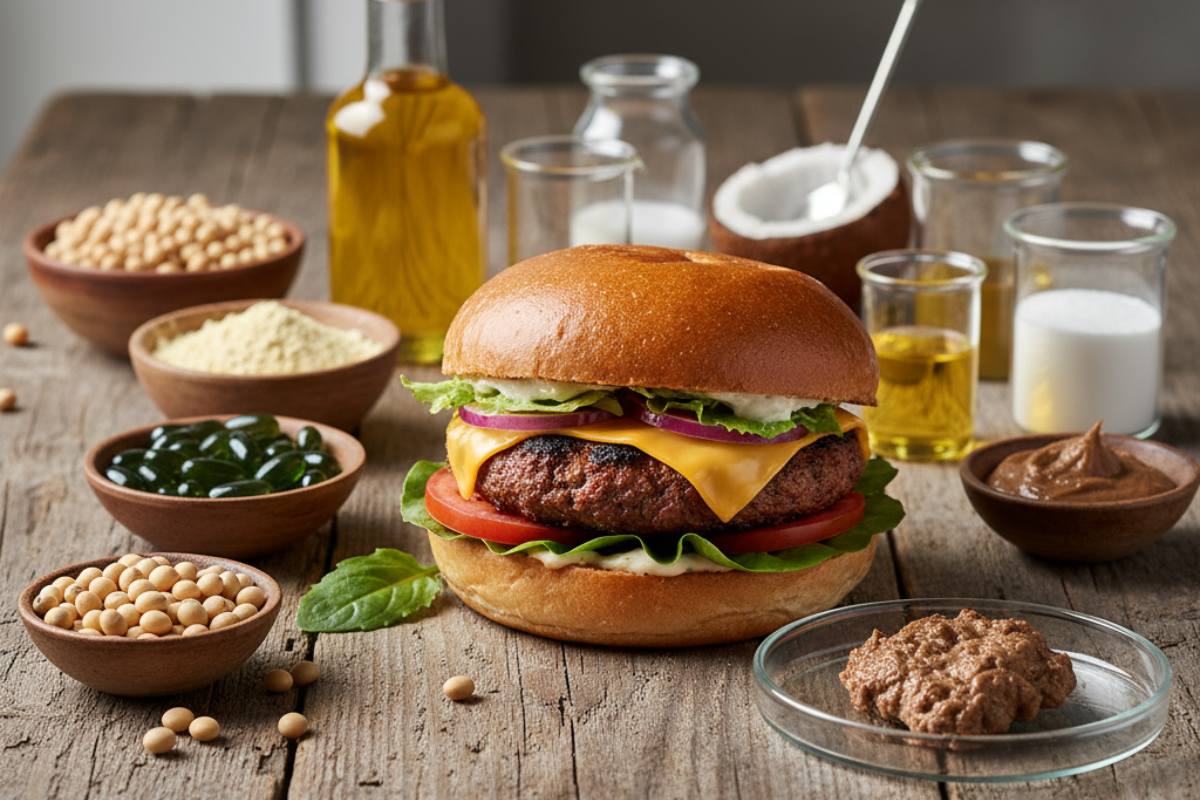
    You need to know how these things are made before you can understand the possible downsides. It’s an interesting, though complicated, piece of food science. The goal is “biomimicry,” which means using only plants to make meat that tastes, feels, and looks like animal meat.

    • Most of the time, the process starts with a protein source, which is usually soy, pea, or wheat gluten. This protein is taken out and separated, and then it is given a texture to make it look like muscle tissue.
    • Manufacturers use advanced methods like high-moisture extrusion, which uses heat and pressure, or shear-cell technology, which stretches plant proteins into layers that look like muscle fibers. This is the step that makes a plant-based patty chewy and satisfying.
    • But protein by itself doesn’t make a good meat substitute. Adding fats like coconut and sunflower oil makes the food juicy and gives it a marbled look like animal meat, which keeps it from being dry or crumbly.
    • Then there are the binders and emulsifiers, like methylcellulose and different starches, which are very important for keeping everything together so the burger doesn’t fall apart on the grill.
    • Lastly, taste and color are important. Yeast extract is often used to give food a savory, umami flavor. Some brands use heme, a molecule that comes from soy leghemoglobin, to give food a taste that is similar to iron and beef. To get that familiar reddish color, people often add natural colorants like beet or pomegranate juice.

    When you put it all together, it shows how far food engineering has come. But is it food like nature meant it to be?

    The Salty Truth: A Closer Look at Sodium

    The amount of sodium in plant-based meats is one of the biggest worries people have about them. You might think that a product made from plants would be healthier by nature, but the data tells a different story. Researchers have found that many plant-based meat substitutes have “unnecessarily high” levels of salt.
    It’s really a mix of things. Some research has shown that, on average, plant-based foods have less saturated fat and sodium than animal-based foods. One study found that they had, on average, about 22% less sodium. But other studies tell a very different story. A study in the UK found that more than 75% of the plant-based meat products they looked at did not meet the government’s goals for lowering salt levels. Another study found that plant-based mince could have up to six times as much sodium as real beef mince.

    The difference can be very big. Some products have been found to have as much as 1,200 mg/100 g of sodium, while most have less than 500 mg/100 g. That’s more than half of what an adult should eat in a day in one patty. A study of products sold in Italy in 2025 found that an amazing 93% of meat substitutes had more sodium than the World Health Organization’s limit for that type of food. Plant-based “cured meats” had the most of them.

    This isn’t just a little thing; it’s a big deal for public health. Diets that are high in sodium can make you more likely to have serious health problems, like heart disease and stroke. The same things that a lot of people want to avoid by switching to a plant-based diet.

    A List of Ingredients You Can’t Say

    There are also additives to think about in addition to the salt. To get that meat-like texture and long shelf life, companies use a lot of functional ingredients that you probably don’t have in your kitchen.

    • Thickeners and stabilizers are the most common of these. Methylcellulose is a synthetic chemical compound that comes from cellulose. It is a common binder. It helps the product keep its shape while cooking and gives it a firm texture.
    • There are also a lot of gums, such as xanthan, gellan, carrageenan, and guar gum, that do the same thing: they help thicken the product and keep the ingredients from separating.

    These extra ingredients are what make a lot of plant-based meats fall into the category of ultra-processed foods (UPFs). Some experts call this the “health halo” effect, which means that people think a product is healthy just because it says “vegan” or “plant-based” on the label, without looking at the fine print.

    “A nutritionist might say, ‘People see “plant-based” and right away think “healthy,” but that’s not always the whole story.” “They’re not paying attention to the sodium, saturated fat, or the number of ingredients they can’t say. A long, complicated list of ingredients is often a warning sign.

    Whole Foods vs. Processed Foods

    This leads us to the main point of the debate: the difference between eating plants and eating highly processed foods made from plants. Plant-based meats are naturally free of cholesterol and can have the same amount of protein and more fiber than animal meat. However, they are not the same as whole foods in terms of nutrition.

    When you eat a lentil, bean, or mushroom, you’re getting a lot of vitamins, minerals, and phytonutrients all at once. When you turn a pea into a texturized protein isolate, you lose some of its original nutritional value. You end up with a product that has been put back together from its parts, and it often has less nutritional variety than the whole food it came from.

    Look at it this way. A black bean burger made at home with beans, onions, spices, and a whole-grain binder is very different from a lab-made patty that is supposed to taste like beef down to the last molecule. Both are “plant-based,” but they have very different nutritional profiles and effects on health.

    A lot of customers are starting to get this point. “I switched my family to plant-based burgers because I thought they were healthier,” someone might say. “But then I really did read the label. The amount of salt shocked me. We’re trying to make more things from scratch now. You know, simple things? For example, lentil shepherd’s pie or bean chili. “It just feels better.”

    Making a Smart Decision

    So, what do you think? Are plant-based meats a healthy new idea or a processed trap? As is often the case, the truth is somewhere in the middle.

    These foods can be very helpful for people who want to eat less meat. They are “transition foods” that make it easier to switch to a diet that is mostly plant-based. They have the tastes and textures that people are used to, which can be a big help in sticking to new eating habits. They are also better for the environment and have more fiber and less saturated fat than many meat products.

    But they aren’t a cure-all for health problems. People need to be careful when they buy them, read the nutrition labels carefully, and remember that “plant-based” doesn’t always mean “healthy.” These are often heavily processed foods that are high in sodium and have a long list of extra ingredients.

    In the end, the best way to stay healthy is still to eat a lot of whole, unprocessed foods like fruits, vegetables, legumes, and whole grains. Plant-based meats can be part of a healthy diet, maybe as a quick fix, but they shouldn’t be the main part of it. You need to see them for what they are: an amazing feat of food science, but not a replacement for real, whole food.

  • New Study Shows How Cholesterol Can Cause Permanent Hair Loss

    New Study Shows How Cholesterol Can Cause Permanent Hair Loss

    Scientists from India and the United States have found a groundbreaking link between how cholesterol is broken down and hair loss that can’t be reversed. This could change the way millions of people with permanent baldness are treated.

    The prestigious journal PLOS One published the collaborative study, which shows how disrupted cholesterol biosynthesis damages hair follicle stem cells in a way that causes a devastating form of hair loss that wasn’t fully understood before.

    Revolutionary Discovery Links Cholesterol to Hair Cell Death

    This isn’t just another study on hair loss. It’s a big change in thinking.

    Researchers from the University of Kerala, Dr. DY Patil Medical College in Pune, and the University of Wisconsin-Milwaukee have found that cholesterol metabolism is very important for the survival of hair follicle stem cells (HFSC). These important stem cells, which are in charge of making hair grow back, start to die when cholesterol production goes wrong.

    Dr. P. Sreejith, head of zoology at Kerala University and the study’s corresponding author, says, “Our work shows how cholesterol is often ignored in skin and hair follicle biology.” “It changes what we know about hair loss and helps us see it as a problem with molecular stem cells.”

    The effects are very important. This finding may elucidate the reasons behind specific forms of hair loss, especially primary cicatricial alopecia (PCA), which inflict permanent, irreversible harm to hair follicles.

    Understanding Primary Cicatricial Alopecia

    Primary cicatricial alopecia is one of the worst types of hair loss. PCA, on the other hand, causes scarring that permanently destroys hair follicles, which is not the case with normal male pattern baldness. Before, scientists had a hard time figuring out why this condition was so bad and couldn’t be fixed.

    The new study gives us answers. When cholesterol biosynthesis is disrupted, it not only impedes hair growth but also induces the demise of the stem cells responsible for hair regeneration.

    Innovative Research Methods Validate Findings

    The research team used several cutting-edge methods to check their results and make sure they were both correct and could be repeated.

    Multi-Platform Investigation

    The study was based on real-world evidence from people with cicatricial alopecia who had scalp biopsies. These samples showed that the cholesterol metabolism pathways in the affected hair follicles were very messed up.

    Researchers were able to see how cholesterol disruption affects individual hair follicle stem cells in controlled laboratory conditions thanks to advanced cell-based assays. The researchers also did tests on mice, putting cholesterol precursors on their skin to see how it affected hair growth.

    The researchers used 3D hair follicle organoid systems, which are tiny, lab-grown hair follicles that act like real ones, which is probably the most impressive thing they did. This new method gave us new information about how cholesterol metabolism affects hair growth at the cellular level.

    Chemical Intervention Studies

    The research team used two important compounds to mess up cholesterol metabolism:

    • BM15766, which stops cholesterol biosynthesis
    • 7-dehydrocholesterol (7-DHC), which builds up when cholesterol production goes wrong

    Both substances had very impressive effects. When hair follicle stem cells were exposed to these chemicals, they didn’t work as well, and more cells died. When these compounds were put on the skin of mice, they stopped hair growth, clogged hair follicles, and caused inflammatory cells to move in.

    Molecular Mechanisms That Cause Hair Loss

    The research uncovers a multifaceted sequence of events that transitions from cholesterol disturbance to irreversible hair loss.

    Stem Cell Dysfunction

    For hair follicle stem cells to live and work, they need to be able to properly break down cholesterol. When cholesterol biosynthesis is disrupted, these important cells lose their ability to regenerate and start dying through a process called apoptosis.

    The scientists used advanced methods like BrdU pulse-chase experiments to follow the fate of stem cells and TUNEL assays to confirm that the cells were dying.

    Inflammatory Response

    Disrupted cholesterol metabolism doesn’t just kill stem cells; it also starts an inflammatory response that destroys cells. When cholesterol precursors build up, they turn on pro-inflammatory chemokine genes, which makes it hard for hair to grow.

    This inflammation turns on toll-like receptors and interferon gene expression, which brings in macrophages that surround hair follicles and speed up their destruction. Cholesterol disruption causes inflammation, which hurts the follicles even more and makes it impossible to heal.

    International Collaboration Drives Innovation

    This breakthrough shows how powerful it is for scientists from different countries to work together to solve hard medical problems.

    Kerala University’s Leading Role

    The research that took place at Kerala University took place at two important places:

    • The Department of Zoology
    • The Advanced Centre for Regenerative Medicine and Stem Cell in Cutaneous Research

    This specialized center, which was set up with Rs 4.4 crore in funding through the PLEASE scheme, is dedicated to research on hair and skin regeneration.

    Dr. Sreejith is the honorary director of the center and is known for doing cutting-edge research on hair follicles. He said, “A lot of companies have already shown interest in the hair follicle culture we made to test how well hair growth products work.”

    Multi-Institutional Expertise

    The partnership brought together skills from three institutions in two countries that worked well together. The University of Wisconsin-Milwaukee gave us advanced research facilities and technical knowledge in molecular biology, while Dr. DY Patil Medical College in Pune gave us clinical insights and patient samples.

    This international partnership shows how modern medical research needs a wider range of skills and resources that no one institution can provide on its own.

    Therapeutic Implications and Future Directions

    Finding out that cholesterol is linked to hair loss that can’t be reversed opens up new possibilities for developing treatments.

    Cholesterol-Targeted Therapies

    Dr. Sreejith says, “The results of the study give patients who are losing their hair hope because they now have a new way to treat alopecia.” The new information could apply to other diseases where cholesterol metabolism and stem cell regulation interact, not just hair loss.

    The research team is already working on the next part of their study. Dr. Sreejith said, “Now that we know there is a link, we plan to separate the stem cells, do cholesterol-targeted therapy, and then put them back together to watch the growth.”

    Stem Cell Intervention Strategies

    This new approach would involve taking hair follicle stem cells from patients, treating them in a lab with therapies that target cholesterol, and then putting the healthy cells back into the body to help hair grow back. It’s a personalized medicine approach that could change the way people with permanent hair loss are treated.

    Broader Medical Applications

    The research findings may extend their implications beyond the treatment of hair loss. Understanding how cholesterol metabolism affects stem cell function could help us find ways to treat other problems that cause stem cells not to work properly, like some skin diseases, and uses of stem cells in regenerative medicine.

    Clinical Context and Patient Impact

    Millions of people around the world suffer from hair loss, but cicatricial alopecias are especially bad because they cause damage that can’t be fixed.

    Understanding Different Types of Hair Loss

    Most people know about common male pattern baldness (androgenetic alopecia), but cicatricial alopecias are a different type of hair loss. These include:

    • Lichen planopilaris (LPP)
    • Frontal fibrosing alopecia (FFA)
    • Central centrifugal cicatricial alopecia (CCCA)

    It’s not just that these conditions cause hair loss that makes them so bad; they also scar the hair follicles, which means that current treatments can’t help them grow back. Patients frequently endure not only aesthetic concerns but also considerable psychological distress due to the permanence of their condition.

    Previous Treatment Limitations

    Conventional methods for cicatricial alopecia have predominantly emphasized the management of inflammation and the prevention of additional hair loss, rather than facilitating regrowth. This reactive approach often doesn’t give patients many choices after they have lost a lot of hair.

    The new research shows why past treatments haven’t worked very well: they didn’t fix the cholesterol metabolism problem that causes stem cells to die.

    Scientific Methodology and Validation

    The strength of this study comes from the fact that it used multiple layers of validation.

    Gene Expression Analysis

    The researchers performed an extensive gene expression analysis, investigating pathways linked to hair follicle stem cell markers in scalp samples from patients with different types of cicatricial alopecia. This study showed that the expression of HFSC marker genes was much lower in the patients who were affected.

    Advanced Microscopy and Cell Tracking

    Researchers were able to look at how proteins were expressed in affected tissues using immunofluorescence techniques. BrdU pulse-chase experiments allowed them to follow the fate of individual stem cells over time, giving them direct proof that cells die when cholesterol metabolism is messed up.

    Statistical Validation

    All results were carefully examined statistically to make sure they were significant. The consistent outcomes across diverse experimental platforms, including patient samples, cell cultures, animal models, and organoid systems, furnish compelling evidence for the validity of the conclusions.

    Historical Context of Cholesterol-Hair Research

    This new discovery builds on earlier studies that found links between cholesterol and hair biology.

    Previous Observations

    Previous research indicated that certain patients on cholesterol-lowering medications experienced alopecia, implying a possible correlation between cholesterol metabolism and hair follicle proliferation. Nonetheless, these observations did not comprehensively elucidate the underlying mechanisms or the reasons for the irreversibility of specific hair loss types.

    A study from 2012 by some of the same researchers found that cicatricial alopecia patients had disrupted cholesterol biosynthesis and that sterol intermediates could cause inflammatory responses. The current study builds on these results by directly showing how they affect hair follicle stem cells.

    Emerging Understanding

    Recent studies have also shown that finasteride, a common hair loss drug, may have unexpected effects on how the body processes cholesterol. A 2024 study from the University of Illinois found that men who took finasteride had lower cholesterol levels than men who didn’t, with an average drop of 30 points.

    These converging lines of evidence bolster the increasing acknowledgment that cholesterol metabolism is integral to hair biology.

    Research Limitations and Future Studies

    This research, though innovative, constitutes a significant initial step rather than a comprehensive resolution.

    Current Study Scope

    The study concentrated on cicatricial alopecias, a specific category of hair loss disorders. It is yet to be established whether analogous disruptions in cholesterol metabolism are implicated in prevalent types of hair loss, such as androgenetic alopecia.

    The experimental timeline for certain components was notably brief, especially the 14-day mouse studies. To fully understand how cholesterol-related hair loss gets worse and to see if any treatments work, we will need to do longer-term studies.

    Translation to Human Therapy

    It will take a lot more research to turn laboratory results into treatments that work for people. The planned stem cell intervention studies are the next logical step, but it will probably be years before clinical trials in people begin.

    Safety will be especially important for any cholesterol-targeted therapies, since cholesterol is important for many biological processes besides hair growth.

    Global Research Collaboration Trends

    This partnership between India and the US is part of a larger trend in international scientific cooperation.

    Indo-US Science Partnerships

    For years, the Indo-U.S. Science and Technology Forum (IUSSTF) has been pushing for research partnerships between the two countries. These kinds of partnerships bring together India’s growing research skills with the American research infrastructure and expertise that is already in place.

    Recent projects have focused on new technologies and health research, so it makes sense for hair loss studies to be part of a larger investigation.

    Benefits of International Collaboration

    International partnerships bring together different points of view, complementary skills, and shared resources that make it possible to do more thorough research than any one country could do on its own. In this instance, the amalgamation of Indian clinical insights and patient demographics with American technological proficiencies and research infrastructure demonstrated exceptional efficacy.

    Conclusion

    The groundbreaking discovery connecting cholesterol metabolism to permanent hair loss signifies substantial progress in comprehending one of medicine’s most psychologically demanding conditions. Scientists have found new ways to treat conditions that were thought to be hopeless by working together in new ways and using the latest research methods.

    This research gives hope to millions of people who are permanently losing their hair and shows how powerful international scientific cooperation can be in solving difficult medical problems. The path from laboratory discovery to clinical treatment is still long, though. The next stage of research, which will look at stem cell therapies that target cholesterol, may finally give people who are losing their hair for good some real answers.

  • Is a gluten-free diet making you gain weight? The Truth That Was Hidden

    Is a gluten-free diet making you gain weight? The Truth That Was Hidden

    You’ve seen it all over the place. Gluten-free signs all over the grocery store, celebrities swearing by wheat-free diets, and friends saying they’ve “never felt better” since they stopped eating gluten. But here’s the thing: that gluten-free diet you thought would help you lose weight? It could be doing the opposite.

    It doesn’t make sense, does it? Well, get ready, because the science behind gluten-free weight gain is more complicated than most people want to admit.

    The Big Gluten-Free Mistake

    Let’s get real for a minute. Alexandra Anca, a dietitian in Toronto, says it plainly: “The idea that avoiding gluten will automatically help you lose weight is a big mistake.” She has actually seen the exact opposite in her practice.

    Not only is this one expert’s opinion. Studies have shown time and time again that people who stop eating gluten often gain weight instead of losing it. A study of 369 adults with celiac disease found that 27% of those who were overweight at first gained even more weight after almost three years on a gluten-free diet.

    But hold on, there’s more. Another study of 371 adults with celiac disease found that 82% of overweight patients gained more weight after two years on a gluten-free diet. The numbers for kids are just as shocking: the percentage of overweight kids with celiac disease almost doubled from 11% to 21% after they stuck to a gluten-free diet for at least a year.

    Why gluten-free foods have more calories

    This is where things get really interesting. Those gluten-free options that look so innocent on your pantry shelf? They often look like healthy foods but are actually high in calories.

    For instance, bread. A piece of regular whole wheat bread has about 71 calories and 0.9 grams of fat. Look at it next to its gluten-free version: Each slice has 77 calories and 2.3 grams of fat. It may not sound like much, but it adds up faster than you think.

    But the problem goes beyond just bread. Rice, tapioca, potato, and sorghum are some of the most common gluten-free flours. They have a higher glycemic index than wheat. They have more carbs and calories in each serving.

    And here’s the kicker: gluten-free baking needs more sugar and fat to make up for the texture and taste that gluten naturally gives. It’s like cooking chemistry, and sadly, the answer is usually more calories.

    The Restaurant Truth Check

    Eating out? The gap in calories gets even bigger. The “GlutenWise” individual pizzas from Boston Pizza have about 720 calories, while the regular-crust versions have about 500 calories. That’s 44% more calories, as well as more fat, sodium, and sugar.

    This happens over and over again with many food manufacturers and restaurant chains. When gluten is removed, other ingredients are added to keep the taste and texture. What are those extra ingredients? Most of the time, sugar, fat, and calories.

    The Health Halo Effect

    Psychologists talk about the “health halo effect,” which is making waistlines everywhere bigger. People think that something is healthier if it says “gluten-free” on the label, even if it isn’t.

    This mental shortcut makes people do something dangerous: eat more food. If it’s “healthy,” why not have more, right? No. Studies show that people eat more of foods they think are healthy, which can actually make them gain weight instead of stopping it.

    Recent research shows how common this misunderstanding has become. A survey from 2013 found that 65% of American adults think gluten-free foods are healthier by nature, and 27% choose gluten-free products specifically to lose weight. Spoiler alert: science doesn’t back up either of these ideas.

    What gluten-free products really have inside

    Let’s take a look behind the curtain of marketing, shall we? Plant Foods for Human Nutrition published a full study that looked at gluten-free foods and their regular counterparts. The results were… let’s just say they weren’t good.

    Gluten-free foods usually have:

    • More sugar
    • More calories
    • Less protein
    • Less fiber
    • Fewer important nutrients

    Sachin Rustgi from Clemson University, who wrote the study, said that “many perceived benefits of gluten-free products – such as weight control and diabetes management – are exaggerated.”

    But why do companies add sugar and fat to these things? It doesn’t mean it’s necessary. Food scientists need other ways to make textures and flavors that people will like because gluten doesn’t bind things together. Sadly, those other options usually cost more calories.

    The Fiber and Protein Issue

    People don’t know this, but grains that contain gluten, like wheat, rye, and barley, are great sources of arabinoxylan, a fiber that is very good for your health in many ways. By cutting out gluten, you are also cutting out this helpful fiber.

    This has a double whammy effect. First, you’re eating foods that have extra sugars and fats in them. Second, you’re missing out on fiber, which helps control blood sugar, keeps your gut bacteria healthy, and makes you feel full longer.

    The protein situation isn’t much better either. A lot of gluten-free foods have a lot less protein than foods that are made with wheat. And here’s the really frustrating part: sometimes manufacturers add fiber supplements to make up for it, but these can actually make it harder for the body to break down protein.

    The Link to Celiac

    Now, let’s be very clear about something important. The Canadian Celiac Association says that about 1 in 133 people have celiac disease, and for them, a gluten-free diet is not an option. It’s necessary for health.

    Here’s the strange thing: even people who need gluten-free diets often gain weight when they start them. Why? People with celiac disease start to absorb nutrients better when their damaged intestines heal. This better absorption includes calories, which can make you gain weight if you keep eating the same amount.

    Researchers have seen this pattern over and over again. “People with celiac disease will often gain weight as their intestines heal and they can get more nutrients from their food,” said one study.

    The Long-Term Effect on Weight

    Meta-analyses of long-term gluten-free diets show a worrying trend. Long-term adherence to gluten-free dietary patterns has been consistently linked to elevated body mass index (BMI) and nutritional deficiencies.

    A systematic review and meta-analysis of 27 studies concluded that gluten-free diets exerted “no significant effect” on weight loss. In fact, the effect on BMI and body fat was “significantly higher” in interventions lasting more than 48 weeks.

    What does this mean in real life? If you stay on a gluten-free diet for too long, you are more likely to gain weight than lose it.

    The Nutritional Deficiency Trap

    Gluten-free diets that aren’t needed can cause nutritional gaps in addition to weight gain. Packaged gluten-free foods often don’t have enough fiber and don’t have added vitamins and minerals.

    People who don’t eat gluten often have trouble getting enough of:

    • Folic acid
    • Dietary fiber
    • Calcium
    • Vitamins B
    • Iron

    Alexandra Anca says that people who eat gluten-free “need to get dietary fiber, folic acid, calcium, and B vitamins from other foods.” “That’s a lot of work to do on nutrition for a diet that’s supposed to be “healthier.”

    When it makes sense to be gluten-free

    Let’s be honest. It’s not bad to eat gluten-free foods; they just don’t work for most people as magic weight-loss tools.

    People with celiac disease need these diets for medical reasons.

    • Wheat allergies
    • Non-celiac gluten sensitivity

    Avoiding gluten can greatly improve the quality of life and stop serious health problems from happening in these cases. That’s medical care, not a choice of lifestyle.

    The Problem with Processing

    You might be surprised to learn that a lot of foods that don’t have gluten are very good for you. Fresh fruits, vegetables, lean meats, fish, nuts, and seeds are all naturally gluten-free and full of nutrients.

    The problems start when we depend too much on gluten-free processed foods. To get a good taste and texture without gluten, these products often go through a lot of processing. More processing usually means more sugars, fats, preservatives, and additives.

    According to Harvard’s School of Public Health, gluten-free foods usually have less fiber and more sugar and fat than regular foods. They’ve also seen “a trend toward weight gain and obesity among those who follow gluten-free diets.

    The Cost Factor

    It’s bad enough that you gain weight, but gluten-free products also cost a lot more than regular ones. Recent studies show that American shoppers “often pay more for gluten-free products” but get “less protein and more sugar and calories.”

    It’s like paying a lot of money for bad food. That’s not really the health boost that most people want.

    Smart Ways to Eat Well

    So what should someone who cares about their health do? Not all gluten-free foods are bad for you; the key is to make better choices in general.

    When it comes to eating healthy, food experts always say to “get back to the basics.” This means paying attention to:

    • Foods that are whole and not too processed
    • Fruits and vegetables that are fresh
    • Lean proteins
    • Fats that are good for you
    • Enough fiber from a variety of sources

    No proof that cutting back on gluten will help your health or waistline if you don’t have celiac disease or gluten sensitivity. Nutrition experts at the Cleveland Clinic say it clearly: “There is absolutely no evidence that simply getting rid of gluten will result in weight loss.”

    The Bottom Line on Losing Weight Without Gluten

    The gluten-free industry doesn’t want you to know this, but it’s true: their products are often less nutritious and higher in calories than regular ones.

    The research is clear and consistent. A lot of studies show that gluten-free foods usually have more calories, sugar, and fat and less protein and fiber than regular foods.

    For people who don’t have a medical reason to avoid gluten, going gluten-free often makes them gain weight instead of lose it. The “health halo effect” makes people eat more of foods they think are healthy, but these foods are often higher in calories than the foods they replace.

    The Yale School of Medicine says it best: “A common misconception is that a gluten-free diet is healthier in and of itself, even for people who don’t have medical reasons for following it.”

    If you really want to lose weight, cutting out gluten isn’t the answer. The answer is to eat a balanced diet and exercise regularly to create a calorie deficit that lasts. Eat whole foods, watch how much you eat, and don’t buy gluten-free processed foods unless you really need them for medical reasons. This will save you money.

    The best diet is one that you can stick to for a long time and still get all the nutrients you need. Most people don’t need to stop eating gluten; they just need to stop believing the wrong things about what makes food healthy.

    The gluten-free diet trend has led to the creation of a billion-dollar industry that promises better health and weight loss. But the science is clear: for most people, going gluten-free is more likely to make your waistline bigger than smaller.

  • The Best Stress Management: Scientific Approaches Unpack What Actually Works

    The Best Stress Management: Scientific Approaches Unpack What Actually Works

    Isn’t the modern world a constant source of stress? Financial concerns, relationship problems, and work deadlines. Numerous wellness fads promise immediate relief, but scientific research shows which approaches actually produce long-lasting effects.

    The Science of Stress Reduction

    Methods Based on Evidence That Truly Work

    Studies consistently show that mindfulness-based interventions enhance emotional regulation and successfully lower cortisol levels. Participants who used evidence-based practices demonstrated statistically significant improvements in both psychological and physiological markers, according to a thorough 2024 analysis of stress management interventions.

    One of the most proven methods is Mindfulness-Based Stress Reduction. More than 3,000 participants in several randomized controlled trials demonstrated that MBSR has moderate to large effect sizes in lowering depression and anxiety. These advantages last for at least six months.

    The intriguing aspect of mindfulness? In fact, it alters the structure of your brain. Research shows:

    • A decrease in amygdala reactivity – your brain’s stress warning system
    • An increase in gray matter in regions linked to emotional regulation

    Progressive Muscle Relaxation: The Underappreciated Hero

    You might be surprised to learn that progressive muscle relaxation routinely works better than a lot of popular methods. When compared to control groups, a head-to-head comparison study revealed that PMR produced immediate physiological benefits with linear trends toward relaxation.

    Muscle groups are systematically tensed and released as part of the technique. Sounds easy, doesn’t it? However, the outcomes are significant. Both measurable physiological changes and psychological relaxation states significantly improved for the participants.

    Deep Breathing: Not Just Hot Air

    The parasympathetic nervous system, which is your body’s natural “rest and digest” response, is activated by deep breathing exercises. There is especially compelling evidence that the 4-7-8 technique reduces stress reactivity:

    • Breathe in for four counts
    • Hold for seven
    • Exhale for eight

    The speed at which this works is amazing. Attention span can be protected and improved with just 12 minutes of practice per day for five days. Deep breathing results in quantifiable physiological relaxation, according to studies that use electrodermal activity and heart rate monitoring.

    Common Approaches Under Scientific Examination

    Yoga: Traditional Practice, Contemporary Approval

    Yoga creates the ideal environment for stress relief by fusing physical postures, mindful breathing, and awareness. A 2025 bibliometric analysis showed that yoga’s benefits for treating stress-related illnesses are becoming more widely acknowledged, including:

    • Anxiety management
    • Depression relief
    • Burnout prevention

    The study goes into detail regarding the physiological advantages of yoga. Yoga has been shown to improve cardiovascular health in studies that track blood pressure and heart rate variability. According to one comparative study, yoga performed the best in terms of classification when it came to differentiating between states of stress and relaxation.

    Nature-Based Stress Reduction: The Ignored Answer

    Time spent in nature regularly improves mood and well-being while lowering stress and anxiety. Even virtual reality simulations of nature can significantly reduce stress. Exposure to nature is currently advised by the American Heart Association as a valid stress-reduction technique.

    Sound Science in Music Therapy

    Playing or listening to music can help:

    • Divert the mind
    • Ease tense muscles
    • Lower stress hormones

    Though more research is required to establish optimal protocols, the physiological mechanisms are well-documented.

    Popular Methods: Where’s the Proof?

    Digital Solutions and Apps: Practicality vs. Efficiency

    Compared to conventional guided mindfulness practices, mobile mindfulness apps show promise but have lower success rates. The advantages of planned, in-person interventions might not be replaced by digital solutions, despite their convenience.

    Depending on the algorithm, the classification accuracy for stress reduction through mobile apps varied from 51 to 94%, whereas traditional yoga had an accuracy of 72 to 97%. This implies that although apps can be useful, you shouldn’t rely solely on them to manage your stress.

    Other Methods: Contradictory Outcomes

    Although the effects of aromatherapy, especially lavender, on stress vary greatly from study to study, there are some benefits. There is currently little data supporting acupuncture’s ability to manage stress in general, but it does show some modest effects on blood pressure in hypertensive patients.

    Although the effectiveness of guided imagery techniques varies greatly from person to person, they do produce quantifiable relaxation benefits. The method is most effective when used in conjunction with other evidence-based strategies.

    Advice from Medical Experts

    The Best Methods Are Integrated

    Instead of depending solely on one intervention, healthcare providers are increasingly advocating for the combination of several evidence-based techniques. The most successful programs incorporate:

    • Relaxation methods
    • Exercise
    • Mindfulness
    • All-encompassing stress management regimens

    Incorporating stress management training into routine rehabilitation led to significantly higher stress reduction and, importantly, lower rates of adverse cardiovascular events over the years, according to a seminal study of 151 cardiac patients. This illustrates that achieving quantifiable health results from stress management is more important than simply feeling better.

    Consistency and Duration Are Important

    Conventional MBSR programs consist of eight weeks of:

    • Body scanning
    • Sitting meditation
    • Gentle yoga

    Shorter interventions might work for some people, according to research, but longer programs usually yield more long-lasting effects.

    It seems that daily practice is necessary. Research continuously demonstrates that individuals who practice regularly reap more advantages than those who practice infrequently.

    Physiological Mechanisms: The Reasons These Techniques Are Effective

    The System of Stress Reaction

    Prolonged stress raises cortisol and triggers the sympathetic nervous system, which:

    • Impairs immune function
    • Raises blood pressure
    • Quickens the heartbeat

    In order to counteract these negative effects, evidence-based stress management techniques activate the parasympathetic nervous system.

    Effective methods result in quantifiable changes in blood pressure, stress hormone levels, and heart rate variability, according to studies employing cutting-edge monitoring equipment. There is observable physiological improvement in addition to psychological benefits.

    Long-Term Changes and Neuroplasticity

    The brain is actually rewired by regular application of evidence-based practices. Studies using neuroimaging reveal:

    • Elevated activity in the prefrontal and anterior cingulate cortices – critical regions for controlling emotions
    • Your brain’s stress center, the amygdala, gradually becomes less reactive

    Formulating Your Plan for Evidence-Based Stress Management

    Begin With Tested Bases

    Start with the methods that have the most scientific backing:

    • Progressive muscle relaxation
    • Mindfulness meditation
    • Consistent exercise

    These are the cornerstones of efficient stress reduction.

    Instead of attempting several methods at once, think about beginning with just 10–20 minutes a day of one technique. When it comes to stress management, consistency is more important than intensity.

    Track Your Development

    When feasible, keep track of both objective indicators and subjective metrics, such as your feelings. Concrete indicators of your progress include:

    • Overall energy levels
    • Blood pressure (if you have any concerns)
    • Quality of your sleep

    When to Get Expert Assistance

    Even though self-management of stress can be very successful, there are some circumstances in which professional assistance is necessary. Clinical assistance may be necessary for:

    • Persistent stress
    • Anxiety that interferes with day-to-day functioning
    • Depression that affects daily activities

    The evidence is unmistakable: scientific research identifies the strategies that actually work, despite popular culture’s many claims of stress relief. Regular physical activity, progressive muscle relaxation, mindfulness-based techniques, and systematic breathing exercises have all been shown to have quantifiable positive effects on mental and physical health.

    Selecting evidence-based techniques that work for your lifestyle and using them regularly is more important than trying to find the “perfect” method. Science, not fads, should be the foundation of your stress management toolkit.

  • “Healthy” Yogurts: Is Your Breakfast Snack Really Dessert?

    “Healthy” Yogurts: Is Your Breakfast Snack Really Dessert?

    People who care about their health often choose yogurt as a healthy breakfast or snack because they trust its reputation as a healthy dairy product. But research shows a troubling fact: many yogurts sold in stores have sugar levels similar to those of desserts, which goes against the health benefits they advertise.

    The yogurt industry has cleverly sold a lot of products as healthy options, even though they are full of added sugars and artificial flavors. This dishonest practice turns a healthy food into what some researchers call “dessert in disguise.”

    The Sugar Shock That Hides in Yogurt Aisles

    A thorough study of almost 900 yogurt products in major UK supermarkets found that most categories had very high levels of sugar. The study found that flavored yogurts had median sugar levels of more than 10 grams per 100 grams, with some products having as much as 32.6 grams per serving.

    To put this in context, the World Health Organization says that adults should only get about 25 to 50 grams of free sugar each day, or less than 10% of their total daily calories. A single serving of some flavored yogurts can give you up to 60% of this daily limit.

    Children’s Yogurt Products

    Yogurts for kids were especially hard to deal with. These products aimed at kids often had more sugar than many candies, with an average of 10.8 grams of sugar per 100 grams. Some well-known brands of yogurt for kids had Disney characters on the packaging and had 13 grams of sugar per serving, which is more than 3 teaspoons of pure sugar.

    Dr. J. Bernadette Moore, who led the UK supermarket study, found that her own daughter’s favorite yogurt got 60% of its calories from sugar alone. Researchers said, “What is concerning is that yogurt, which is thought to be a ‘healthy food,’ may be an unrecognized source of free or added sugars in our diets.”

    The “Health Halo” Effect: How Marketing Lies

    Yogurt companies take advantage of what nutritionists call the “health halo effect,” which is when people think certain foods are healthy because of marketing claims instead of the food’s actual nutritional value. Companies use words like “naturally sweetened,” “probiotic-rich,” or “low-fat” to sell sugary foods, but they don’t tell you how much sugar is really in them.

    Some studies found that organic yogurts, which are often thought to be the healthiest choice, had the most sugar, with 13.1 grams per 100 grams. The organic label tells you how the product was made, not how healthy it is. However, people always think that organic foods have fewer calories than they do.

    Marketing Examples

    • GoGurt: A well-known brand of yogurt for kids that uses this kind of misleading advertising. Even though it is marketed as healthy because it doesn’t have high fructose corn syrup, it does have a lot of other added sugars.
    • Yoplait strawberry Greek yogurt: The packaging focuses on the protein content, while the yogurt itself has 18 grams of sugar per serving.

    The Sugar Replacement Problem with Low-Fat Yogurt

    When food companies take fat out of dairy products, they often add more sugar, thickeners, and fake ingredients to make up for the loss of flavor and texture. This makes it seem like “healthier” low-fat options are actually less nutritious than full-fat options.

    Nutritional Comparison

    Low-fat yogurts usually have a little more protein and calcium than full-fat yogurts, but they often have extra sweeteners that can raise blood sugar levels:

    • Low-fat yogurt: 11 grams of protein and 400 mg of calcium per cup
    • Full-fat yogurt: 8 grams of protein and 300 mg of calcium per cup

    However, many low-fat yogurt products have more sugar than full-fat yogurt.

    Studies show that 55% of low-fat yogurt products have between 10 and 20 grams of sugar per 100 grams, which is much higher than what is recommended for healthy eating. Full-fat yogurts, on the other hand, often need fewer extra ingredients because their texture and taste are already so good.

    The Difference Between Natural and Artificial Flavors

    Even though the packaging makes it look like flavored yogurts have real fruit in them, they usually don’t. Instead, makers use fruit purees, concentrates, and fake flavors that add a lot of sugar without the fiber and nutrients that whole fruits have.

    The WHO defines “free sugars” as added sugars that add empty calories without any nutritional value. These processed fruit parts fit that definition. A typical strawberry yogurt has fruit concentrates with sugar levels similar to candy, but it keeps its healthy image through smart marketing.

    Natural Sugar vs. Added Sugar

    Plain yogurt has lactose in it, which is the natural sugar in milk:

    • Plain yogurt: 4 to 5 grams per 100 grams (naturally occurring lactose)
    • Flavored varieties: Three to four times this amount due to extra sweeteners

    Because this lactose is found in milk naturally, it doesn’t count toward the WHO’s free sugar recommendations.

    The Probiotic Promise vs. the Reality of Sugar

    Yogurt is known as a health food mostly because it has probiotics in it, which are good bacteria that help with digestion. But many store-bought yogurts have too much sugar, which can actually make these benefits worse by feeding bad bacteria in the gut.

    Health Concerns

    • Eating a lot of sugar can throw off the balance of bacteria in the gut, which could make probiotics less effective
    • People with blood sugar problems may have dangerous spikes after eating high-sugar yogurts
    • These products are especially bad for diabetics

    It’s even more ironic that the FDA just approved qualified health claims that let yogurt makers say their products “may reduce the risk of type 2 diabetes.” This claim is true no matter how much sugar is in the yogurt, which could confuse customers who think it means all yogurt products, even those with a lot of sugar.

    Ingredients That Aren’t Listed and Labels That Aren’t Clear

    Many countries’ current labeling laws don’t require manufacturers to list added sugars separately from naturally occurring ones. This gap in the rules lets companies hide the real sugar content by putting all sugars in one group on nutrition labels.

    Hidden Sugar Names

    Manufacturers use a lot of different names for sugar to keep people from finding out:

    • Sucrose
    • Fructose
    • Glucose
    • Dextrose
    • Corn syrup
    • Fruit juice concentrate
    • Many more sweetener names

    This intentional confusion makes it almost impossible for regular people to find very sweet products.

    The amount of sodium in flavored yogurts is another hidden worry. Yogurt is thought of as a light, healthy snack, but high sodium levels can make you retain water and feel bloated. A lot of flavored kinds have as much sodium as processed snack foods.

    The Yogurt Crisis for Kids

    Deceptive yogurt advertising is especially harmful to kids. Candy companies would be embarrassed by the amount of sugar in products with cartoon characters, celebrity endorsements, and bright packaging.

    Daily Sugar Intake Guidelines

    The UK dietary guidelines say that kids aged 4 to 6 shouldn’t eat more than 19 grams of sugar a day. One serving of many kids’ yogurts can give you almost half of this limit, which doesn’t leave much room for other foods without going over the healthy sugar limit.

    Research Findings

    The Consumer Council of Hong Kong found that the sugar content in children’s yogurt varied by almost five times between products:

    • Lowest: 3.3 grams per 100 grams
    • Highest: 18.8 grams per 100 grams

    This big difference happens even within the same flavor groups, which shows how random it is to add sugar.

    Parents unknowingly make their kids overweight and give them dental problems by choosing yogurts they think are healthier than obvious treats like cookies or candy. Tooth decay is so common in kids that tooth extractions are the main reason kids aged 5 to 9 need general anesthesia in UK hospitals.

    Greek Yogurt Isn’t Always the Best Choice for Your Health

    People think Greek yogurt is a healthier choice because it is strained, which removes whey and concentrates protein. Plain Greek yogurt does have better nutrition because it has more protein and less natural sugar.

    But flavored Greek yogurts often have as much added sugar as regular ones. Some companies add cheaper sweeteners to Greek yogurt to make it taste better and make more money, even though the straining process that makes it healthier also makes it more expensive to make.

    People often think that Greek yogurt is healthier, but flavored kinds can have 15–20 grams of sugar per serving and only a little more protein than regular yogurt. This is another case of health halo marketing tricking people who mean well.

    What the Industry Is Doing and Where the Rules Are Lacking

    The yogurt industry has tried to address health concerns by starting programs to cut down on sugar, but progress is still slow and often not enough. The UK government told yogurt makers to cut sugar by 20% by 2020, but many products still have too much sugar for a healthy diet.

    Industry Tactics

    Manufacturers use a variety of methods to make their products look healthier without making big changes:

    • Cut back on sugar content instead of portion sizes
    • Shift the focus of their marketing to other nutrients like protein or calcium
    • Add “no added sugar” varieties that use fruit concentrates (technically natural, but work like added sugar)

    Some companies have really changed the recipes for their products to lower the amount of sugar in them, but these changes are mostly for adult products and not for kids’ products. The fact that companies keep marketing high-sugar yogurts to kids is a very worrying part of how they do business.

    Choosing Yogurt That Is Better for You

    People who want to eat truly healthy yogurt should choose plain, unsweetened kinds and add their own fresh fruit for flavor. Plain Greek yogurt has the most protein and the least sugar. It usually only has naturally occurring lactose.

    Shopping Guidelines

    • Read ingredient lists: This is better than believing what the front of the package says
    • Avoid products with: Sugar, corn syrup, fruit juice concentrate, or fake sweeteners as one of the first few ingredients
    • Sugar limit: Yogurts that have more than 10 grams of sugar per serving are too high for healthy eating

    For Families with Children

    If you have kids, giving them plain yogurt early on can help them develop healthy taste preferences before they get addicted to sugar. Adding fresh berries, sliced bananas, or a little honey to your food is a natural way to sweeten it without the extra sugar that comes in store-bought kinds.

    Full-Fat vs. Low-Fat

    People have different dietary goals, so they can choose between full-fat and low-fat yogurt. Both can be healthy if they aren’t sweetened:

    • Full-fat options: Fill you up better and need fewer additives
    • Low-fat options: Have a little more protein and calcium

    The key is to stay away from foods that have added sugars, no matter how much fat they have.

    The change from healthy fermented dairy products to sugar-loaded desserts in commercial yogurt is part of a bigger trend in food manufacturing: the corruption of traditional healthy foods through industrial processing and marketing tricks. Real yogurt is still a good source of probiotics, protein, and calcium, but people have to be careful in a market that is becoming more and more misleading to find products that actually help their health instead of hurting it with too much sugar.

  • Indian Consumers Prioritize Food Safety Over Price in 2025

    Indian Consumers Prioritize Food Safety Over Price in 2025

    The Indian food scene is changing quickly, and safety and health are now the most important factors for consumers when they choose what to eat. The Voice of the Consumer 2025 report from PwC India shows that a shocking 84% of Indian consumers now put food safety first when deciding what to buy. This is changing the way brands do business in a big way.

    This isn’t just about going along with the crowd. It’s about staying alive in a market where traditional factors that drive loyalty, like taste and price, are being challenged by more complex demands for openness, health, and sustainability.

    More People Are Aware of Their Health

    Food Safety Is No Longer Up for Discussion

    The PwC survey, which included 1,031 Indian consumers and more than 21,000 people from 28 other countries, shows that worries about food safety have never been higher. What stands out the most? 29% of customers now say health benefits are one of the top three reasons they switch brands, and 21% say it is the main reason they choose a brand.

    This change isn’t happening by itself. More than half of consumers want brands to offer more nutritional value because they are worried about ultra-processed ingredients, pesticides, and additives. Food safety is now more important to consumers than other reasons to buy, and they actively look for:

    • Clear labeling
    • Trustworthy certifications
    • Open communication about the benefits of a product

    Technology Integration Changes the Way We Think About Health

    The data shows another interesting fact: 80% of Indian consumers now use at least one healthcare app or wearable tech to help them stay healthy. This tech-savvy way of looking at health goes beyond just tracking fitness; people are using AI-powered tools to plan their diets and keep track of their health.

    The integration is so important that 60% of consumers are okay with generative AI making their diet plans. This is a big step toward personalized wellness, where technology doesn’t just keep track of health metrics but also helps people make decisions about what to eat and how to live.

    Health Goals Meet Economic Pressures

    Smart Shopping Behaviors Are Driven by Cost Concerns

    Even though health is important, money is still the most important thing. The survey shows that 63% of respondents are worried about the cost of food, which makes them change their shopping habits to save the most money. To save money, people are:

    • Shopping at more than one store
    • Looking for discount stores
    • Buying in bulk

    This is where it gets interesting: taste is still very important. Taste is one of the top three reasons people buy things, with 40% of people saying it’s one of the top three. Price is close behind at 39%, and nutritional value is next at 38%. This makes things complicated because brands have to do well in many areas at once.

    Different Types of Shopping Channels

    In this changing landscape, convenience is very important. Consumer shopping patterns show:

    • More than 70% of people shop at supermarkets
    • 60% shop at local stores
    • 55% use digital delivery services

    This multi-channel approach shows that customers want to get the best deal on their favorite products while also making things easier for them.

    The rising demand for ready-to-eat meals shows this balance even more:

    • 46% buy ready-to-eat meals
    • 41% order takeout
    • 38% eat out at least once a week

    These behaviors show that people are willing to pay for convenience as long as it fits with their health and budget goals.

    Cultural Heritage Meets Modern Health Standards

    Traditional Values Affect Modern Decisions

    One of the most interesting things is that 74% of Indian consumers say that their food choices are strongly influenced by their cultural heritage and traditions. This isn’t about not wanting to change; it’s about bringing traditional tastes up to date with modern health standards.

    Functional claims are being used to rebrand heritage foods. People now market traditional drinks like:

    • Aam panna as “digestive aids”
    • Jeera water as “gut health boosters”

    This shows how brands can respect cultural differences while still meeting modern health standards.

    Sustainability Awareness Comes Out

    People are also making buying decisions based on environmental issues. Key sustainability trends include:

    • Almost half of shoppers put eco-friendly packaging first
    • 73% are willing to pay more for food that helps the environment
    • Preference for local food and brands that are good for the environment

    People are willing to pay extra for eco-friendly products, which shows that being eco-friendly is more than just a nice-to-have feature; it’s becoming a way to stand out in the Indian market.

    The Revolution in Personalization Driven by Technology

    AI-Powered Health Solutions Are Getting More Popular

    The survey shows that people are very open to wellness solutions that use technology. Indian health startups like HealthifyMe, Fitelo, and Fitterfly are using AI to offer personalized nutrition and fitness plans. These platforms use data from continuous glucose monitoring to:

    • Guess when glucose levels will rise
    • Make meal plans just for each person

    It’s clear that it works: after adding AI features, HealthifyMe’s engagement went up by 50%. This shows that people aren’t just putting up with AI-powered health solutions; they’re actually using them and finding value in how they can be tailored to their needs.

    Putting Together Wearable Technology

    Another big trend is the use of wearable technology in everyday life. People are buying more health-monitoring wearables because diseases caused by lifestyle choices, like diabetes and high blood pressure, have risen by more than 25% in the last ten years. Market statistics show:

    • In 2021, fitness trackers made up 42.68% of the market
    • By 2028, the market for all wearable payment devices is expected to be worth $5.28 billion

    What This Means for Brands and the Market

    From Loyalty to Relationships Based on Performance

    The survey results indicate a significant transition from conventional brand loyalty to performance-oriented relationships. Heritage and reputation used to be the most important factors in consumer choice, but now product-led differentiation is more important. People are making more and more choices based on:

    • How healthy they think the food is
    • How clear the ingredients are
    • How much does it cost?

    This change gives brands both problems and chances. Companies that don’t keep up with changing expectations could become less relevant, but those that do could see growth in a number of value pools.

    New Ideas in Personalized Health and Wellness

    The combination of technology, health awareness, and cultural preferences opens up new ways to innovate. Brands can:

    • Use AI-driven platforms
    • Work with healthtech companies
    • Add QR codes for tracking
    • Look into working with insurance companies to offer discounts on meals based on what you choose

    Looking Ahead: What Will People Eat in the Future

    The Age of Personalized Health

    Ravi Kapoor, Partner and Leader for Retail and Consumer Sector at PwC India, says, “We’re entering an era of personalized wellness – creating pathways for brands to harness tech-driven solutions for enhanced growth.” This personalization goes beyond simple changes to include full health coaching that takes into account:

    • Abilities
    • Nutrition
    • Dietary restrictions
    • Disease history
    • Stress
    • Mental state

    Requirements for Adapting to the Market

    The food industry is dealing with two problems at once:

    • Supply chain problems that are getting worse
    • Customers who want healthier, tech-savvy options that change quickly

    These problems are made worse by consumers’ uncertainty about how their incomes will grow and how their savings will be squeezed. At the same time, brands face tough competition and a volatile market.

    But this changing world also offers great chances for businesses that are willing to make openness, technology, and sustainability their main business goals.

    Methodology and Global Context

    The full survey took place in January and February 2025 and included 21,075 people from 28 countries and territories, including 1,031 people from India. Everyone who answered was at least 18 years old and was asked about:

    • Their eating habits
    • Grocery shopping habits
    • Health concerns
    • The use of new technologies
    • Climate and sustainability issues

    The Indian results fit in with larger global trends, but they also have their own cultural traits. India’s focus on traditional heritage and openness to new technology makes its market different from other major consumer markets.

    India’s changing food consumption patterns are more than just changing tastes; they show a fundamental shift toward making choices based on health, technology, and sustainability that are based on facts. The message for brands is clear: change with these changing expectations or risk becoming irrelevant in a market that is quickly changing what food means to people

  • Pink Guava vs White Guava for Blood Sugar Control

    Pink Guava vs White Guava for Blood Sugar Control

    A lot of people want to know if pink guava is better than white guava when it comes to keeping blood sugar levels stable. The most recent research shows what these two tropical powerhouses can do to help people with diabetes.

    Both types are very good for your health, but they have very different nutritional profiles and healing properties. Let’s really get into this sweet science.

    What Makes Pink and White Guavas Different

    Colors, Textures, and Flavors

    Carotenoids, the same chemicals that make tomatoes red and carrots orange, give pink guava its bright color. These natural pigments, especially lycopene, don’t just add color; they also have a lot of antioxidant power.

    White guava, on the other hand, doesn’t have enough carotenoids to color its flesh. It may not look as good, but it makes up for it with its texture and usefulness.

    You can also tell the difference in taste:

    • Pink guava is usually sweeter and juicier, which makes it great for smoothies and eating fresh
    • White guava has a firmer texture and a slight tang, making it great for jams and preserves where structure is important

    Battle of the Nutritional Profiles

    This is where things get interesting for keeping blood sugar in check. The Indian Food Composition Tables show that the differences are bigger than you might think:

    For every 100 grams:

    • Energy: White guava has 32 kcal, while pink guava has 47 kcal
    • Natural Sugar: 4g in white guava and 8g in pink guava
    • Fiber: White guava has 9 grams, while pink guava has 7 grams
    • Carbohydrates: White guava has 5g, while pink guava has 9g

    Do you see the pattern? White guava always has less sugar and more fiber, which are two things that help you control your blood sugar.

    The Scientific Evidence on Blood Sugar Impact

    Managing Diabetes with the Glycemic Index

    Both types of guava have very low glycemic index scores, ranging from 12 to 25. This means they are definitely “diabetes-friendly,” as they don’t cause blood sugar levels to rise as much as high-GI fruits.

    The important difference is that white guava has less sugar (4g per 100g vs. 8g per 100g), which means it has an even milder effect on blood sugar levels. This difference is important for people with diabetes who need to keep an eye on every gram of sugar.

    The Journal of Clinical and Diagnostic Research published a study that found that taking guava supplements, especially without the peel, lowered blood sugar, total cholesterol, and triglycerides. The study didn’t say which types of guava to use, but the fact that white guava has less sugar in it makes it seem like it might work better for this.

    How Fiber Helps Control Blood Sugar

    The amount of fiber tells an interesting story. White guava has 9 grams of fiber per 100 grams, while pink guava has 7 grams. This makes white guava better for controlling blood sugar.

    Dietary fiber, especially the pectin in guava, slows down how quickly sugar is absorbed and stops glucose spikes from happening too quickly. After eating white guava, your blood sugar rises more slowly and stays stable for longer.

    Powerful Antioxidants and Benefits for Metabolism

    The Lycopene Advantage of Pink Guava

    Pink guava is very high in antioxidants, especially lycopene. This strong compound has several metabolic benefits that indirectly help with blood sugar control:

    • Lowers oxidative stress, which is high in people with diabetes
    • Helps the liver work and break down glucose
    • Could make insulin work better

    Research shows that lycopene from red guava can help reduce inflammation and protect the liver from damage. This is especially important for people with diabetes, who are more likely to have inflammation.

    The Vitamin C Power of White Guava

    White guava usually has a little more vitamin C, which is great for the immune system. This extra vitamin C boost could help people with diabetes, who often have weak immune systems.

    Vitamin C also works as an antioxidant, which helps fight the oxidative stress that comes with diabetes. Both types are high in vitamin C, but white guava has a little more, which makes it even better for people with diabetes.

    The Guava Leaf Connection

    Interestingly, guava leaf extract seems to be very helpful for managing diabetes. Clinical studies have shown that guava leaf tea lowers blood sugar levels after meals by a large amount.

    One study found that diabetic patients who drank guava leaf tea for eight weeks had much lower HbA1c levels, and people with hyperinsulinemia had lower serum insulin levels. The leaves have chemicals that stop alpha-glucosidase enzymes from working, which slows down the digestion and absorption of sugar.

    This applies to both types, but eating white guava fruit with less sugar and drinking guava leaf tea together could be the best way to control blood sugar levels.

    Weight Management Considerations

    The Effect of Calories and Fullness

    Controlling your weight is very important for controlling diabetes, and white guava has another benefit in this area. White guava has 32 calories per 100 grams, while pink guava has 47 calories. This means that you get more satisfaction from eating white guava.

    White guava has more fiber, which makes you feel full and may help you eat fewer calories overall. White guava is especially good for people who have diabetes and are trying to lose weight because it has fewer calories and more fiber.

    Structure vs. Hydration

    Pink guava has a lot more water in it (about 83g per 100g), which keeps you hydrated, helps your metabolism, and can help you lose weight. But the firmer structure of white guava might make it more enjoyable to eat, which could help with portion control.

    Practical Guidelines for Eating

    The Best Serving Sizes for People with Diabetes

    People with diabetes should eat one medium-sized guava every day, according to nutritionists. Because of the differences in nutrition, this could mean:

    • White guava: One medium fruit (about 100–120g)
    • Pink guava: A little less because it has more sugar in it

    When to Eat It

    Both kinds are best as snacks in the middle of the morning or afternoon, not during meals. This timing helps keep blood sugar levels stable during meals and gives you energy all day long.

    Don’t eat guava late at night because the high fiber content can make your stomach hurt.

    Culinary Applications and Blood Sugar Impact

    White Guava: The Smart Choice

    Because of its firm texture, white guava is great for:

    • Eating fresh with seasonings that are good for people with diabetes, like chaat masala
    • Making jams at home without sugar using natural sweeteners
    • Along with savory foods, where sweetness needs to be kept in check

    Pink Guava: The Antioxidant Powerhouse

    Pink guava is good for:

    • Smoothies that are high in antioxidants (in small amounts)
    • Fruit salads with fresh fruit that look good
    • Juicing (whole fruit is better for fiber benefits)

    The Verdict: Which Guava is Better for Blood Sugar?

    Based on a thorough nutritional analysis and scientific evidence, white guava is the better option for controlling blood sugar. Here’s why:

    Benefits of white guava:

    • 4g of natural sugar per 100g, which is 50% less than 8g
    • More fiber (9g vs. 7g per 100g) by 28%
    • 32% fewer calories (32 instead of 47 per 100g)
    • Overall, it has a lower glycemic impact

    Pink guava does have some good points, though:

    • Lycopene has more antioxidants than it does
    • Better at fighting inflammation
    • More help with staying hydrated

    Choosing the Right Thing

    White guava is the best fruit for people who want to control their blood sugar levels. It has lower sugar, more fiber, and fewer calories, which is the best way to keep blood sugar levels stable.

    But here’s the thing: both types are much better than most fruits for managing diabetes. It often comes down to personal preference, what is available, and what health goals you have.

    Expert Recommendations

    Healthcare professionals recommend using both types strategically:

    • Main choice: White guava to eat every day
    • Pink guava: A good treat now and then if you want something different or need more antioxidants
    • Supplement for leaf tea: No matter what fruit you choose, guava leaf tea may help lower your blood sugar even more

    Important Considerations and Precautions

    Individual Response Variations

    Everyone’s blood sugar reacts differently. Some people may be better able to handle the higher sugar content of pink guava than others, depending on things like:

    • Current state of diabetes management
    • Schedule for taking medicine
    • The overall makeup of the diet
    • How much do you move around

    Ripeness and Quality Are Important

    Pick guavas that are firm but give a little when you press on them. No matter what kind of fruit it is, overripe ones have more sugar in them. Slightly underripe white guavas have the best nutritional profile for keeping blood sugar levels stable.

    Possible Side Effects

    Both types are usually safe, but eating too much of them can cause:

    • Digestive problems because of too much fiber
    • Sensitive people may feel bloated or gassy
    • Possible interference with some medications (talk to your doctor about this)

    Beyond Blood Sugar: Additional Health Benefits

    Heart Health Support

    Both types of guava help keep your heart healthy in different ways. The fiber in white guava lowers cholesterol, and the lycopene in pink guava protects blood vessels from damage caused by free radicals.

    Immune System Boost

    Both types of guava, especially white guava, are very high in vitamin C, which is great for the immune system. This is especially important for people with diabetes, who may have weak immune systems.

    Digestive Health Improvement

    The pectin fiber in both types works as a prebiotic, helping good bacteria in the gut. This has effects that go beyond digestion; it could also affect blood sugar control through the gut-brain axis.

    Final Recommendations

    Both pink and white guavas are good for your health, but white guava is the best choice for keeping your blood sugar levels stable. People with diabetes or prediabetes should eat it because it has less sugar, more fiber, and fewer calories.

    You shouldn’t stay away from pink guava altogether, though. Its unique mix of antioxidants, especially lycopene, gives it health benefits that go well with a diet for people with diabetes.

    The best way to go? Choose white guava as your main fruit, and eat pink guava now and then to get the most antioxidants. When used with guava leaf tea and proper portion control, both kinds can be helpful in a complete plan for managing blood sugar.

    Keep in mind that the best fruit for keeping your blood sugar stable is the one you will eat regularly as part of a healthy, balanced diet that is good for people with diabetes. Choosing pink or white is good for your health either way.

  • The “Zero-Calorie” Trap: Why Fake Sugar Messes Up Your Body

    The “Zero-Calorie” Trap: Why Fake Sugar Messes Up Your Body

    Artificial sweeteners promise to make things taste sweet without adding calories. But what if your body is sending you mixed signals? New research shows that these zero-calorie substitutes may be causing metabolic responses that weren’t expected, which could lead to the health problems they are supposed to prevent.

    The Sweet Trick: How Your Brain Plays Tricks on Your Body

    At first, your brain doesn’t know the difference between real sugar and fake sugar when you taste something sweet. Your body gets ready for a sugar rush as soon as you taste diet soda. This is known as the cephalic phase response. It is a very complicated biological system that has been improved over thousands of years.

    This is where things get interesting and hard.

    Your pancreas makes insulin in case glucose comes, but it never does. It’s as if your body is throwing a metabolic party, but the guest of honor, real sugar, never shows up.

    The Insulin Confusion: When Signals Get Mixed Up

    Recent studies show that things are not looking good. Dr. Kushagra Mathur’s research on diabetic patients found something interesting: people who used artificial sweeteners had much higher insulin resistance than people who didn’t. The numbers don’t lie: the average HOMA-IR value for people who used artificial sweeteners was 7.39, while the average value for people who didn’t use them was only 2.6.

    But not all sweeteners work the same way. Studies show that stevia lowered insulin levels more than aspartame and regular sugar. Sucralose, on the other hand, seems to be especially bad, as some studies have shown that it makes healthy people less sensitive to insulin.

    The Metabolic Mayhem Begins

    There is more confusion than just insulin. When your body thinks it will get glucose but doesn’t, a number of things happen one after the other:

    • Glucose transporters become overactive, which could lead to fat buildup in cells
    • Insulin sensitivity decreases over time with repeated exposure
    • Blood sugar regulation becomes impaired, which raises the risk of diabetes

    Dr. Sabyasachi Sen’s groundbreaking research at George Washington University showed that sucralose causes fat to build up in a dose-dependent way, which means that more sweetener means more fat is stored.

    The Link Between the Gut Microbiome

    Your gut bacteria may be the most interesting and worrying thing you find out. These tiny creatures that live in your intestines are very important for metabolism, and artificial sweeteners are throwing off their delicate balance.

    Research shows that artificial sweeteners like saccharin and sucralose greatly lower the number of different types of microbes. It’s not just that you have fewer types of bacteria; you also lose the good ones that help keep your metabolism in check.

    The Battlefield of Bacteria

    When scientists looked into what happens to gut bacteria when they are exposed to different sweeteners, they found some worrying trends:

    • Sucralose increased harmful bacterial families like Enterobacteriaceae
    • Natural sweeteners increased helpful bacteria like Lachnospiraceae
    • Saccharin changed important bacterial genera that are linked to liver inflammation

    What does this mean? Your friendly gut bacteria, which help break down food and control inflammation, are being replaced by bacteria that could be bad for you.

    The WHO’s Warning Shot

    The World Health Organization sent a warning to the artificial sweetener industry in May 2023. Their thorough review found that non-sugar sweeteners don’t help with long-term weight control and may even raise the risk of type 2 diabetes, heart disease, and death in adults.

    Francesco Branca, WHO’s Director for Nutrition and Food Safety, said, “People need to think about other ways to cut down on free sugars.” The group stressed that artificial sweeteners “have no nutritional value” and suggested cutting back on the overall sweetness of the diet.

    The Mystery of Individual Differences

    Not everyone reacts to artificial sweeteners in the same way. Studies show that only some people, called “responders,” have strong insulin responses to sweeteners like sucralose. This genetic lottery decides if your body gets stuck in the metabolic confusion trap.

    The shape is also important, which is interesting. Solid foods with artificial sweeteners caused stronger insulin responses than drinks. That diet yogurt you eat in the morning might mess up your metabolism more than that diet soda you drink in the afternoon.

    The Problem of Duration

    Long-term use seems to make these effects stronger. Mathur’s research showed that the longer you use artificial sweeteners, the more insulin resistance you will have. It’s not just about having one diet drink; it’s about the long-term effects over months and years.

    Some long-term studies of people found that eating artificial sweeteners at levels that were thought to be “safe” caused problems with blood vessels and made them store more fat.

    Beyond Diabetes: The Bigger Picture of Health

    The metabolic confusion goes beyond just problems with blood sugar. Studies indicate that artificial sweeteners may play a role in:

    • Metabolic syndrome development
    • Cardiovascular disease risk
    • Obesity paradoxically, despite zero calories
    • Inflammation and dysfunction of the liver
    • Accelerated aging processes

    Dr. Sen’s research even found that sucralose makes oxygen radicals build up, which are very reactive particles that hurt cells and slow down metabolism.

    What Science Says About the Confusion

    Artificial sweeteners affect taste receptors not only in your mouth, but also in your entire digestive system. These receptors, which evolved to detect natural sugars, send mixed signals when they come into contact with synthetic sugars.

    For example, the compound sucralose turns on the T1R2 and T1R3 taste receptors, which stimulate the intestines and raise levels of hormones like GIP and GLP-1 in the blood. This can cause hyperinsulinemia. Your body’s old sugar-detection system just wasn’t made to work with these new chemical fakes.

    Understanding Mixed Messages

    The research landscape is not entirely unidimensional. Some studies that last a shorter amount of time show little effect, while others show big changes in metabolism. This inconsistency probably comes from differences in people’s genes, eating habits, and study methods.

    But the evidence is starting to point to caution. The WHO’s recommendation is the most thorough evaluation to date, based on systematic reviews of the evidence that is available.

    The Way Forward: What This Means in Real Life

    What should people who care about their health do now that there is new evidence? The study proposes various strategies:

    Gradual reduction of overall sweetness preference, commencing early in life, seems to be the most advantageous. Instead of using artificial sweeteners instead of sugar, the goal should be to retrain your taste buds to enjoy less sweet foods.

    Natural alternatives like small amounts of stevia have better metabolic profiles. If you need to use sweeteners, plant-based ones may be better for your gut microbiome than synthetic ones.

    Individual monitoring is very important for people with diabetes or other metabolic issues. Because people respond so differently, it makes sense to work with healthcare providers to keep track of your own metabolic markers.

    The claim that artificial sweeteners have no calories may not be true, and they may have hidden metabolic costs. Even though they might help you lose weight in the short term, the long-term effects on insulin sensitivity, gut health, and diabetes risk show that biology doesn’t like being tricked. Sometimes, the body’s ancient knowledge is better than modern food science.

    Your metabolism developed over millions of years to process the natural sugars found in whole foods. If we try to trick this system with chemical substitutes, our bodies might end up outsmarting us instead.

  • Managing Daily Anxiety: Important Tips for Staying Mentally Healthy

    Managing Daily Anxiety: Important Tips for Staying Mentally Healthy

    Anxiety disorders affect almost 19% of American adults every year, making them one of the most common mental health problems of our time. But here’s the good news: anxiety doesn’t have to run your life. You can build resilience and find peace in the middle of life’s storms if you use the right methods and practice regularly.

    Getting to Know What Causes Modern Anxiety

    The Crisis of Mental Health at Work

    Anxiety is more common in today’s workplaces than ever before. Recent data shows that 84% of workers had at least one mental health problem in the past year, and 71% of them said they had symptoms related to stress. The move to remote work has made it harder to tell the difference between work and personal life, and we’re still figuring out how to deal with it.

    Generation Z workers are especially affected, with seven out of ten having poor mental health scores at work. Experts say that the constant connectivity, fear of losing a job to AI, and increased workload pressures create a “perfect storm” for anxiety to develop.

    Things that stress us out in the digital age

    Even though social media sites help us connect, they can also make us anxious by making us compare ourselves to others. Research indicates that utilizing multiple social media platforms markedly elevates anxiety risk; individuals engaging with 7-11 platforms possess 3.2 times the likelihood of encountering elevated anxiety levels in contrast to those using merely 2 platforms. The endless stream of curated lives sets standards that are too high for our minds to handle in a healthy way.

    Physical Ways to Deal with Anxiety Every Day

    Breathing exercises that really work

    Let’s start with something you can do right now. Deep breathing exercises aren’t just good for you; they really do help with anxiety. Structured breathing exercises have been shown to improve mood and lower physiological arousal more effectively than regular mindfulness meditation.

    Box breathing is one that works really well.

    • Inhale for four counts
    • Hold for four
    • Exhale for four
    • Hold for four

    This method wakes up your parasympathetic nervous system, which tells your body that it is safe to relax.

    For anxiety at work, even one 5- to 20-minute breathing session can help healthy adults feel less anxious. One study found that people who did diaphragmatic breathing for eight weeks had less negative emotions and lower levels of stress hormones.

    Exercise: Your Natural Way to Relieve Anxiety

    Exercise releases endorphins, which are brain chemicals that make you feel good right away and lower your anxiety. You don’t need to go to the gym every day for hours on end. Just walking quickly for 30 minutes every day is enough to make a big difference.

    Not how hard you work out, but how often you do it is the key. Start off slowly and add to your routine over time. Movement, like yoga, biking, or just taking the stairs instead of the elevator, helps break down stress hormones and gives anxious energy a healthy way to get rid of it.

    Ways of Controlling Anxiety with Your Mind

    Changing the way you think about bad things

    Cognitive Behavioral Therapy (CBT) techniques are very helpful for dealing with anxiety every day. What is the main idea? Challenging those terrible thoughts that get out of hand. When you’re feeling anxious, ask yourself, “Is this thought true, or am I making it worse?”

    Studies show that cognitive behavioral therapy (CBT) is one of the best ways to treat anxiety disorders. It helps people identify and stop negative thought patterns before they get worse. The best thing about CBT techniques is that you can use them anywhere, anytime you feel anxious.

    Mindfulness Without the Weirdness

    Mindfulness doesn’t mean sitting in the lotus position for hours. When anxiety pulls you toward worries about the future or regrets about the past, it’s about bringing your attention back to the present. Research shows that practicing mindfulness for just 5 to 10 minutes a day can greatly lower stress and anxiety.

    Mindfulness apps like Headspace and Calm have made it easier to do, but you can do it anywhere.

    • Pay attention to your breath
    • Feel things in your body
    • Just look around you without judging

    The goal isn’t to stop thinking; it’s to change how you think about them.

    Changes to Your Lifestyle for Long-Term Relief

    Sleep: The Key to Good Mental Health

    Not getting enough sleep makes anxiety worse, which makes it hard to break the cycle. Good sleep isn’t a luxury; it’s necessary for managing emotions and dealing with stress. To help your body make more melatonin, stick to a regular bedtime routine, make your room calm, and stay away from screens for at least an hour before bed.

    Studies show that sleep problems often come before anxiety disorders, so it’s important to practice good sleep hygiene to avoid them. If you still have trouble sleeping, don’t be afraid to talk to your doctor about it. Dealing with sleep problems often makes anxiety symptoms much better.

    How nutrition can help with anxiety

    The food you eat has a direct effect on how stressed you are. Salmon and walnuts are two foods high in omega-3 fatty acids that have been shown to help with anxiety. Eating leafy greens, whole grains, and foods high in vitamin B can help you feel better and calm your nerves.

    On the other hand, too much sugar and caffeine can make you anxious all day long. That afternoon coffee might seem like a must-have, but it could be making your anxiety worse. Think about cutting back on caffeine slowly and keeping an eye on how it affects your anxiety.

    Strategies for Society and the Environment

    Making Your Support Network

    Being alone makes anxiety worse, but being with others helps it. Support from others is very important for mental health. Even short, meaningful conversations can help you feel better and see things from a different angle when you’re feeling anxious. Don’t let worry keep you from being with people you care about or doing things that usually make you happy.

    Make time to talk to people who make you feel good about yourself on a regular basis, whether it’s through:

    • Phone calls
    • Coffee dates
    • Doing things together

    Talking about your worries with a trusted friend can sometimes help you see things more clearly.

    Making places that lower anxiety

    The place you live has a big effect on how anxious you are. As more people work from home, it’s becoming more important to set limits between work and personal life.

    • Learn how to say “no” when you need to
    • Set priorities for your tasks
    • Don’t try to do too many things at once, which can make you more stressed

    The Pomodoro Technique, which involves working for 25 minutes and then taking a 5-minute break, is a great way to deal with stress at work. Taking breaks often can help you recharge your mental energy and stop feeling overwhelmed, which can make anxiety worse.

    Advanced Methods for Long-Term Anxiety

    Writing in a journal to learn about yourself

    Writing about what you’ve been through can help you figure out what makes you anxious and how to deal with it. Keep a list of things that make you feel better when you’re stressed. This information is very helpful for you and for any mental health professionals you work with.

    Another powerful method is to keep a gratitude journal. When you focus on the good things in your life, you go from feeling stressed to feeling grateful. Make it easy at first: write down three things you’re thankful for every day. This practice actually changes the way your brain works so that you notice good things more easily.

    Ways to Relax Gradually

    Progressive muscle relaxation and visualization techniques are real ways to let go of the physical tension that comes with anxiety. These methods teach you how to relax different muscle groups in a planned way, which helps you tell the difference between tension and relaxation.

    Guided imagery and meditation are two more ways to help with anxiety symptoms. These techniques might feel strange at first, but with practice, you’ll be able to calm yourself down when you’re feeling anxious.

    Help and treatment options from professionals

    When to Get Help

    When anxiety gets in the way of daily tasks, relationships, or quality of life, it becomes a problem. If your worries are bigger than what is actually happening, or if your anxiety stops you from doing normal things, getting help from a professional can make a big difference.

    Early intervention works best. Anxiety disorders are very easy to treat, but only about 25% of people with anxiety get help. Don’t wait until your anxiety gets too bad to get help. Getting help early makes treatment easier and more effective.

    Learning About Different Treatment Options

    Cognitive behavioral therapy is still the best way to treat anxiety. Studies have shown that it works better than medication alone for long-term anxiety management. Exposure therapy is good for certain fears, and mindfulness-based methods give you tools for dealing with worry as a mental process.

    For some people, the best way to deal with severe anxiety or anxiety that happens with depression is to combine therapy with medication. Learning and practicing how to deal with anxiety, on the other hand, usually leads to the most lasting improvements.

    Making Your Own Anxiety Action Plan

    Ways to Stop It Every Day

    To build anxiety resilience, you need to do the same things every day instead of just dealing with crises. Pick one or two techniques that seem doable to you, like:

    • Breathing exercises in the morning
    • Writing in a gratitude journal at night

    Find out what makes you anxious and come up with ways to deal with each one. If social media makes you more anxious, set times when you can check your accounts and stick to them. Set limits on when you’ll check and respond to work emails if they make you anxious.

    Ways to Deal with Acute Anxiety in an Emergency

    When anxiety suddenly gets worse, having go-to techniques can help keep it from getting worse. The 5-4-3-2-1 grounding technique is helpful. It tells you to notice:

    • Five things you can see
    • Four things you can touch
    • Three things you can hear
    • Two things you can smell
    • One thing you can taste

    This takes the focus off internal worry and puts it on the outside world.

    Box breathing, which we talked about earlier, quickly turns on your body’s relaxation response. Even just 30 seconds of focused breathing can start to change your body’s state from anxious to calm.

    The Science Behind Long-Term Recovery

    Getting Stronger Over Time

    Managing anxiety isn’t about staying calm all the time; it’s about becoming stronger so you can deal with the stresses that life throws at you. Research shows that people who regularly use anxiety management techniques get better at controlling their emotions over time.

    The most important thing is to be patient with the process. Just like getting in shape takes time, so does building emotional strength through regular practice. Some techniques will feel more natural to you than others. Instead of trying to master every approach, just focus on what works for you.

    Learning About the Recovery Process

    Getting better from anxiety disorders isn’t a straight line. As you learn new ways to deal with things, expect both good and bad days. The most important thing is the overall path toward better health and daily life.

    As techniques become more automatic, many people find that managing their anxiety gets easier over time. Because the brain is neuroplastic, regular practice literally rewires neural pathways, so calm responses become more natural than anxious ones.

  • Quick Ways to Relieve Stress for Busy People in 2025

    Quick Ways to Relieve Stress for Busy People in 2025

    Life today doesn’t stop for stress relief. When deadlines pile up, meetings run late, and personal obligations need your attention, it can be hard to find time for traditional self-care. But managing stress doesn’t mean spending hours meditating or going to expensive wellness retreats. It means finding ways to fit it into your busy life.

    The Need for Stress Management Right Now

    In 2025, stress at work is higher than it has ever been. Almost 40% of workers have cried at work in the last month, and 66% of workers are burned out at work, which is the highest number ever. The youngest generation has some unique problems. Young adults aged 18 to 24 are the most likely to need time off for mental health problems caused by stress.

    The effects go beyond just making you feel bad. Long-term stress can lead to high blood pressure, heart disease, and a weakened immune system. Every year, depression and anxiety cost the world $1 trillion in lost productivity and 12 billion working days. This isn’t just a problem for you; it’s a public health and economic crisis that needs to be dealt with right away.

    Quick Stress Relief Methods That Work

    Studies show over and over again that short interventions can lower stress levels. More than 200 research trials show that mindfulness-based methods work to lower stress, even in short sessions. Guided imagery, deep breathing, and progressive muscle relaxation all make people feel much more relaxed in just 20 minutes.

    Breathing Techniques for Combat

    Box Breathing (2 to 4 Minutes)

    Military personnel use this method in high-stress situations. It involves breathing in a certain way that triggers the body’s relaxation response. You have to breathe in for four counts, hold it for four counts, breathe out for four counts, and hold it again for four counts. Even just two minutes of box breathing can lower cortisol levels and help you control your emotions better.

    The Breathing Space Exercise (1 Minute)

    This very fast method only takes a minute and can be done anywhere. Push all other thoughts aside and concentrate only on your breath. Be aware of how it feels to breathe in and out, and bring your attention back to your breath whenever your mind starts to wander. This exercise helps you feel better right away if your mind is racing or you feel overwhelmed.

    Small Mindfulness Exercises

    The STOP Method (2 Minutes)

    STOP means:

    • Stop what you’re doing
    • Take a breath
    • Observe your surroundings and internal state
    • Proceed with purpose

    This method breaks the cycle of stress and clears your mind without needing special places or tools.

    Quick Body Scan (30 seconds to 2 minutes)

    Pick a part of your body and pay attention to it as if you were looking at it through a microscope. Pay attention to how things feel, like temperature, tension, or pressure, without trying to change them. Move this focused attention around your body slowly and see what you find.

    The Grounding Technique 5-4-3-2-1

    This method, which is based on the senses, helps keep your attention in the present. List:

    • Five things you can see
    • Four things you can touch
    • Three things you can hear
    • Two things you can smell
    • One thing you can taste

    This exercise is especially helpful when you feel like you can’t control your anxiety or stress.

    Quick Relief Through Movement

    Breaks to Walk and Talk (5–10 Minutes)

    Do some light exercise while talking to someone or thinking quietly. Choose a safe way to get around in or out of your office. To fully disconnect, walk at a comfortable pace and don’t talk about work. Moving around releases endorphins, which are the body’s natural stress relievers.

    Stretching at Your Desk (2–3 Minutes)

    Stretching can help you get rid of physical tension that builds up during busy days at work. Focus on:

    • Neck rolls
    • Shoulder shrugs
    • Gentle twists of the spine

    You can do these moves in professional clothes without getting too much attention.

    Tips for Digital Wellness

    Breaks from Screens and Time in Nature (5–15 minutes)

    Taking short breaks from screens helps your eyes and mind relax. Being outside for even 10 to 15 minutes lowers cortisol levels and makes you feel better naturally. If you can’t go outside, looking out a window or at pictures of nature can give you similar benefits.

    Managing Notifications

    Digital interruptions that happen all the time make stress levels go up a lot. Turning off phone notifications for an hour each day gives you time to focus on your work and clear your mind. This small change can make you feel much less like you’re always “on call.”

    Longer Techniques Based on Evidence (15–30 minutes)

    While quick techniques give you quick relief, longer ones give you deeper restoration for those who can make time for them.

    Relaxing Your Muscles Progressively (15–20 minutes)

    This method involves systematically tightening and loosening different muscle groups. Studies show that PMR greatly boosts both mental and physical relaxation. It’s especially good at letting go of built-up physical tension from long, stressful workdays.

    Parts of Mindfulness-Based Stress Reduction (MBSR)

    You need eight weeks of training to do MBSR the traditional way, but you can practice each part on its own. While lying down, the “body scan” technique guides your attention through different parts of your body without judging them. This helps you be more aware of and accept your body’s feelings.

    Applications for the Workplace

    Rituals for Changing Meetings (1–2 Minutes)

    Instead of jumping right into the next task, use the time between meetings to do short reset exercises. Options include:

    • Take three deep breaths
    • Think about what you want to accomplish in the next meeting
    • Do a quick body scan

    Mindful Task Changes

    Take a 30-second break before switching between projects to mentally “close” the last one and “open” the next one. This stops the mental mess that happens when tasks mix together without clear lines.

    Making the Most of Your Lunch Break

    If you can’t take a full lunch break, even eating the first few bites mindfully, paying attention to taste, texture, and temperature, can help you clear your mind.

    Creating Habits That Help You Deal with Stress in the Long Run

    Start Small and Slowly Build Up

    Start with just one method that doesn’t take more than two minutes. Duration doesn’t matter as much as consistency. Once a short practice becomes second nature, you can slowly add other techniques or make the practice longer.

    Link to Routines That Already Exist

    Add stress-relieving activities to things you already do:

    • While your coffee brews, do breathing exercises
    • While you wait for the elevator, do a body scan
    • Use your commute time to do mindfulness exercises

    Keep an Eye on What Works

    Pay attention to which methods help you the most with your own stress patterns. Some people do better with movement-based methods, while others like breathing or mindfulness techniques better.

    When to Get More Help

    Quick ways to relieve stress work well for dealing with everyday stress, but if you have long-term stress, anxiety, or signs of burnout, you may need professional help. Warning signs include:

    • Trouble sleeping
    • Trouble remembering things
    • Being more irritable
    • Feeling tense in your body
    • Feeling like you have too many choices to make every day

    Combining professional therapy with daily stress-relieving activities like mindfulness, exercise, and setting healthy boundaries greatly improves mental health and resilience. Mental health professionals can help you find ways to deal with chronic stress that are right for you and help you deal with the things that are causing it.

    In 2025, stress management needs to be based on real-life situations and use methods that can fit into real-life schedules. These quick tips won’t get rid of all the stress in your life, but they will help you stay mentally clear, emotionally stable, and physically healthy even when things are tough. It’s not about finding more time; it’s about being more mindful of the time you already have.

  • Diet Soda and Losing Weight: A Secret Sabotage?

    Diet Soda and Losing Weight: A Secret Sabotage?

    It’s a scene that happens a lot. You’re looking through the drink aisle, determined to pick a healthier option. Your hand hovers for a moment before confidently grabbing the diet soda. No sugar, no calories. It feels like a win without guilt, a smart way to cheat in the hard game of losing weight. But what if that sweet, fizzy drink isn’t your friend after all? What if it’s working against you without you knowing?

    More and more scientific studies are starting to show what is really going on with drinks that are sweetened with artificial sweeteners. The story that is coming out is a lot more complicated than the labels make it seem. Even though these drinks don’t have any calories, they might be causing a chain reaction of biological and behavioral responses that could, strangely, cause weight gain instead of loss. It’s a trip that takes us deep into the brain’s complex wiring and the delicate dance of our metabolism.

    The Zero-Calorie Promise: A Temptation That Isn’t Real?

    At first glance, the idea of using diet soda to lose weight makes sense. A regular can of cola has about 140 calories and a lot of sugar. Over time, switching to a zero-calorie option can help you get rid of thousands of “empty” calories from your diet. For a lot of people, this easy change seems like a basic step toward their health goals.

    But the data from the real world often tells a different, more complicated story. Several big studies have found a strange connection between drinking diet soda regularly and an increase in waist size and body weight over time. For instance, a study that lasted 10 years found that people who drank diet soda every day had waistlines that grew almost four times as much as people who didn’t drink it.

    Of course, this doesn’t mean that the drinks are to blame right away. Researchers talk about a phenomenon called “reverse causation,” which means that people who are already overweight or at risk of becoming overweight are more likely to choose diet drinks in an effort to lose weight. This can make it seem like the drinks are making you gain weight when they might just be a sign of a problem that was already there.

    But that’s not the whole story. Other studies point to something more direct that happens as soon as you taste artificial sweetness.

    Brain Games: How Sweeteners Might Trick Your Body

    Evolution has wired the human brain to connect sweetness with energy, or calories. It’s a simple way to stay alive that has been around for a long time. When you eat something sweet, your brain’s reward centers light up, and your body gets ready for a rush of energy. This system doesn’t work well with artificial sweeteners. They taste very sweet but don’t have any calories, which some scientists call a “predictable relationship” disruption.

    A new study from the Keck School of Medicine at the University of Southern California showed exactly how this happens. The study, which was published in JAMA Network Open, found that drinks with sucralose, a common artificial sweetener, could greatly increase appetite.

    Dr. Katie Page, a doctor who specializes in obesity and was the study’s lead author, said, “We found that women and people who were obese had more brain reward activity after eating the artificial sweetener.”

    Her team used functional MRI scans to see that areas of the brain that control hunger and cravings became more active in these groups after they drank the sucralose-sweetened drink. The brain was promised a reward by the sweet taste, but when the calories didn’t come, it wanted more. Laura Schmidt, a professor at the University of California, San Francisco, said that this could mean that “artificial sweeteners could be getting the brains of obese people ready to want high-calorie foods.”

    The study went on. Researchers also discovered that in women and individuals with obesity, consuming the diet beverage resulted in a decrease in the hormones that indicate satiety. When these people were given a buffet after the experiment, they ate more food than when they drank a regular sugary drink. It looks like the “diet” drink not only didn’t fill them up, but it also made them hungrier.

    Metabolic Mayhem: A Hidden Problem

    Diet soda may have effects on more than just brain chemistry and cravings; it may also mess with our body’s basic metabolic processes. One of the main worries is insulin, the hormone that helps sugar move from the blood into our cells so they can use it for energy.

    When you eat sugar, your body usually makes insulin. But some studies show that artificial sweeteners can make the brain release insulin on its own because they are so strongly linked to sugar. A study discovered that the ingestion of sucralose resulted in elevated blood glucose and insulin levels.

    What does this mean? It can be confusing if your body is constantly releasing insulin when there isn’t any sugar to deal with. These frequent insulin spikes can lead to insulin resistance over time. This means that your cells don’t respond as well to the hormone’s signals. Insulin resistance is a big reason why people get Type 2 diabetes.

    This is related to larger worries about metabolic syndrome, which is a group of problems that includes high blood sugar, too much belly fat, high blood pressure, and cholesterol levels that are not normal. Drinking diet drinks has been strongly linked to a higher risk of metabolic syndrome. In some cases, the belly fat that people want to lose by switching to diet soda could actually get worse. Some studies have shown that people who are overweight and switch to diet soda may end up eating more calories than people who stick with regular soda.

    The Full Picture: Conflicting Results and Questions That Remain

    It’s important to remember that the science on fake sugars isn’t settled yet. Some studies show different results, so the picture is complicated. For every study that raises a red flag, there is another that says diet drinks might not be as bad as they seem and might even help you lose weight in some cases.

    One study, for example, found that people who drank diet soda lost more weight than people who only drank water. Another study found that drinks with artificial sweeteners don’t seem to have a big effect on metabolic risk factors, either way.

    These contradictory results highlight the intricacy of the matter. It is very hard to study how people eat and act. It is difficult to separate the effect of one dietary component because of things like the quality of the overall diet, exercise habits, and individual genetics. Susan Swithers, a behavioral scientist at Purdue University, says that research into the complicated ways that artificial sweeteners affect our weight and metabolism is still very much going on.

    It’s not as easy as saying “good” or “bad” when it comes to diet soda. It’s a complicated issue that probably changes from person to person. Your current weight, your biological sex, and even the specific bacteria in your gut may all affect how the effects work.

    So, what does that mean for you, standing in the drink aisle? The main point is not to be afraid of diet soda, but to be careful. It’s not a quick fix for losing weight, and for some people, it might be a hidden problem. It might be more accurate to think of it as a less-bad substitute for sugary sodas than as a “health” drink. The evidence indicates that prioritizing water and understanding the impact of these sweeteners on your body’s hunger and craving signals is the most judicious course of action. There is still no clear answer on diet drinks, but the research is helping us figure out what questions we should be asking.

  • A Complete Guide to Dealing with Stress and Anxiety in 2025

    A Complete Guide to Dealing with Stress and Anxiety in 2025

    Stress and anxiety are now common problems for millions of people in today’s hyper-connected world. The pace isn’t slowing down; if anything, it’s getting faster. But here’s the thing: it doesn’t have to be impossible to deal with these problems.

    You’re not the only one who is having trouble with work deadlines, family obligations, or just trying to keep up with the demands of modern life. And even more importantly, there are proven methods that work.

    How to Tell the Difference Between Stress and Anxiety in 2025

    Let’s get started with the basics. Even though people often use these words interchangeably, they are very different.

    Stress is how your body reacts to outside pressures, like deadlines, problems in relationships, or money worries. It usually goes away once the stressor is dealt with and is usually linked to certain situations.

    Anxiety, on the other hand, is more like that annoying voice in your head that won’t go away. It can last even when there isn’t an immediate threat, which makes you feel uneasy about what might happen in the future.

    The difference is important because, well, different problems need different answers.

    The Stress Landscape Today

    One thing that makes 2025 so hard is that we’re dealing with stressors that our ancestors couldn’t have imagined. A perfect storm has formed because of:

    • Too much information on social media
    • Too many remote work boundaries
    • Worries about the climate
    • Too much technology

    Our brains haven’t quite gotten used to this yet. They are still wired to deal with the occasional saber-toothed tiger, not the constant news cycles and notifications that go off all the time.

    Stress Relief Techniques That Work Right Away

    You need tools that work quickly when you’re in the middle of a stressful time. Here are some methods that have been shown to work:

    The 4-7-8 Breathing Method

    This isn’t just new-age nonsense; science backs it up. This is how it works:

    • Take a breath through your nose for four counts
    • Count to seven and hold your breath
    • Breathe out through your mouth for eight counts
    • Do it 3 to 4 times

    When you breathe out for a long time, your parasympathetic nervous system kicks in, which tells your body to relax.

    Relaxing Your Muscles in Stages

    Begin with your toes and move up. Hold each muscle group tight for five seconds, then let go. Your body learns what “calm” really feels like by switching between tension and relaxation.

    It’s surprisingly helpful, especially when you think about how much stress you’ve been under without even knowing it.

    The 5-4-3-2-1 Grounding Method

    This method brings you back to the present when your anxiety starts to get out of control:

    • 5 things you can see
    • 4 things you can touch
    • 3 things you can hear
    • 2 things you can smell
    • 1 thing you can taste

    Easy? Yes. Is it working? Yes, for sure.

    Ways to Deal with Anxiety in the Long Term

    Quick fixes are nice, but real change happens when you make habits that last. Use these as the base for managing your anxiety.

    Cognitive-behavioral techniques for everyday life

    You don’t have to go to therapy to use CBT; you can do it on your own. The main point? Your thoughts, feelings, and actions all have an effect on each other.

    Challenge Catastrophic Thinking

    That voice in your head that says “everything will go wrong”? Ask it. What proof backs up this idea? What proof goes against it? Most of the time, the worst things that could happen are just that: scenarios, not real life.

    The Method of Keeping a Thought Record

    Write down anxious thoughts when you notice them. Include:

    • The situation
    • How you feel (1-10 scale)
    • The exact thoughts
    • Proof for and against these ideas
    • A point of view that is more balanced

    At first, it feels strange, but this practice can actually change the way you think over time.

    Developing Emotional Strength

    Being resilient doesn’t mean you can’t be broken; it means you learn how to get back up faster when life knocks you down.

    Build Your Network of Support

    People are made to connect with each other. It makes a huge difference to have people you can talk to, laugh with, or just be around. You don’t need a lot of friends; sometimes one or two real connections are all you need.

    Be kind to yourself

    Most people have a hard time being as nice to themselves as they would be to a good friend. What do you say to yourself when you make a mistake or run into a problem? If what you’re saying is harsher than what you’d say to someone you care about, you can do better.

    Changes to your lifestyle to lower stress

    Your daily habits either make your anxiety worse or help it. There is no middle ground here.

    How to Get Better Sleep for Your Mental Health

    Anxiety and lack of sleep make each other worse. Anxiety makes it hard to sleep, and not getting enough sleep makes anxiety worse. To break this cycle, you have to work hard on purpose.

    Make a Wind-Down Ritual

    Your brain needs time to switch gears. 1–2 hours before bed:

    • Turn down the lights
    • Move your devices to another room (yes, really)
    • Try stretching or reading gently
    • Keep the bedroom cool and dark

    The Two-Hour Rule

    No caffeine after 2 PM, no big meals within two hours of going to bed, and no hard exercise within three hours of going to sleep. Your body needs some time to calm down.

    How food affects stress levels

    What you eat has a direct effect on how you feel. It’s not about getting the best nutrition; it’s about making choices that are good for your mental health.

    Foods That Help with Anxiety

    • Salmon and mackerel are fatty fish that are high in omega-3s
    • Leafy greens are full of folate
    • Nuts and seeds are good sources of magnesium
    • Foods high in probiotics for gut health
    • Foods high in complex carbohydrates for stable blood sugar

    What to Cut Back On

    Too much caffeine, alcohol, processed foods, and sugar can all make anxiety worse. You don’t have to get rid of them completely, but you should use them in moderation.

    Exercise as a Natural Way to Reduce Anxiety

    Moving around is good for your mind. You don’t have to be a fitness nut; consistency is more important than intensity.

    Options with little impact

    • Walking, especially in nature
    • Yoga
    • Swimming
    • Dancing
    • Tai chi

    Benefits of High Intensity

    That also works if you like to work out harder. Running, biking, and lifting weights can all help you deal with anxiety. The most important thing is to find something you really like, because you won’t stick with something you hate.

    Digital Health and Technology

    We have to admit that technology is both good and bad for our mental health. The key is to learn how to use it on purpose.

    Making Healthy Digital Boundaries

    No Phones Allowed

    Set aside certain times or places where devices are not allowed. The bedroom is a good place to start. The first hour after you wake up is too.

    Managing Notifications

    Not every ping needs your immediate attention. Turn off notifications that aren’t necessary, and only check your messages when you want to, not when your phone tells you to.

    Mindfulness on Social Media

    It’s time to rethink whether scrolling makes you feel worse. Unfollow people who make you feel bad or compare yourself to them. Be careful about what you put in your feeds.

    Useful Apps and Tools for 2025

    Technology can also help solve the problem:

    Apps for Meditation

    For people of all skill levels, Headspace, Calm, and Insight Timer all have guided sessions. Five minutes can make a difference.

    Tracking Your Mood

    Apps like Daylio and Moodpath can help you find patterns in how you feel. Seeing the data can help you find triggers that you might not have noticed otherwise.

    Tracking Your Sleep

    Knowing how you sleep can help you see how sleep affects your mood. You can use dedicated apps or built-in sleep tracking on many smartphones.

    When to Get Help from a Professional

    It’s important to know that there is no shame in getting help from a professional. It’s normal for self-help strategies not to always work.

    Knowing the Signs

    If you have anxiety that gets in the way of your daily life, you should think about talking to a mental health professional when you experience:

    • Anxiety that gets in the way of your daily life
    • Avoiding situations out of fear
    • Physical symptoms (like headaches or digestive problems) that won’t go away
    • Sleep problems that last more than a few weeks
    • Feeling hopeless or overwhelmed most days
    • Friends or family expressing worry about you

    Different Kinds of Professional Help

    Therapists and Counselors

    Different people need different ways to do things:

    • Cognitive Behavioral Therapy (CBT) to help you change the way you think
    • Acceptance and Commitment Therapy (ACT) helps people be more flexible in their minds
    • EMDR helps people with anxiety caused by trauma
    • Mindfulness-Based Stress Reduction (MBSR)

    Doctors

    Sometimes taking medicine can help you stay stable enough to go to therapy and make changes to your life. This isn’t a sign of weakness; it’s just another tool.

    Groups for Support

    Connecting with people who understand what you’re going through, whether in person or online, can be very healing.

    Making Your Own Plan for Dealing with Stress

    This is where everything comes together. You need a plan that works for you, not for someone else.

    Finding Out What Makes You Stress

    Take some time to figure out what exactly makes you angry:

    • Stress from work?
    • Problems in your relationship?
    • Money worries?
    • Are you worried about your health?
    • Situations with other people?

    Knowing your patterns helps you get ready and respond better.

    Putting Together Your Tools

    Choose 3 to 5 of the strategies that speak to you from the list. Begin with something small:

    • One quick way to feel better
    • One thing you do every day
    • One thing you do every week
    • Check in once a month

    For instance, deep breathing can help right away, a 10-minute walk can help with daily stress, a yoga class once a week, and a monthly check-in to see what’s working.

    Keeping an eye on progress and making changes

    You can only manage what you measure. Make a simple record of:

    • Your stress levels (on a scale of 1 to 10)
    • What strategies do you use?
    • What worked best
    • What didn’t help

    Look over this every month and change how you do things as needed.

    How to Build Habits That Last in 2025

    It’s hard to change, but it’s easier if you do it in a planned way.

    The Strength of Little Changes

    Instead of making big changes to your life, focus on small ones:

    • Have herbal tea instead of one coffee
    • Use the stairs instead of the elevator
    • Before bed, think about what you’re thankful for for two minutes
    • Before stressful meetings, take three deep breaths

    These little changes add up over time.

    Making the environment more helpful

    Make the healthy choice the simple choice:

    • Keep a water bottle on your desk
    • Set out your workout clothes the night before
    • Keep healthy snacks in your kitchen
    • Make your bedroom a calm place to sleep

    The Importance of Being Accountable

    Tell your friends or family about your goals. When your willpower is low, having someone check in on your progress or just knowing that they care can help you stay motivated.

    Conclusion: Where to Go Next

    It’s not about getting to a perfect state of calm when you manage stress and anxiety. It’s about getting stronger, learning how to deal with problems, and knowing when to ask for help.

    The tips in this guide won’t solve all your problems. They’re tools, and like any other tool, they work best when you use them often.

    Begin with what you have and where you are. Choose one or two techniques that seem doable and give them a real shot. Take your time as you work on these new habits.

    Don’t forget that asking for help doesn’t mean giving up; it means taking charge of your health. Every step you take to get better is important, whether it’s talking to a friend, trying a new way to relax, or getting help from a professional.

    You should care about your mental health just as much as you care about your physical health. They’re not two different things; they’re two sides of the same coin.

    It’s a journey to learn how to deal with stress and anxiety better. Some days will be good and some will be hard. The most important thing is to have the right tools and know how to use them when you need them.

    You can do this. One breath, one step, and one day at a time.

  • 15 Proven Ways to Deal with Stress and Feel Better

    15 Proven Ways to Deal with Stress and Feel Better

    Stress has become an unwanted friend for millions of people around the world. It affects everything from how well they sleep to how much work they get done. The good news is that strategies that have been shown to work can really help you take back control and become more resilient in the face of life’s stresses.

    Let’s look at fifteen proven ways that scientists and mental health professionals swear by. Managing stress isn’t just about feeling better; it’s also about keeping your health and well-being safe in the long run.

    Understanding Modern Stress: Why We Need Better Ways to Deal with It

    Before we start looking for solutions, we should know what we’re up against. We have to deal with things that our ancestors never had to deal with, like always being connected, too much information, money problems, and comparing ourselves to others on social media.

    Dr. Sarah Chen, a clinical psychologist at Stanford Medical Center, says it simply: “Our brains are still wired for threats from the past, but we’re dealing with problems in the present. That difference causes long-term stress.”

    The numbers tell a sad story. Recent surveys by the American Psychological Association show that almost 75% of adults say stress has caused them to have physical symptoms. Well, that’s most of us.

    But here’s the thing: there isn’t one way to deal with stress that works for everyone. What works for your coworker might make you even more angry. That’s why it’s important to have a lot of evidence-based strategies on hand.

    Real Ways to Deal with Physical Stress

    Deep Breathing Exercises: Your Reset Button

    When you’re under a lot of stress, your breathing gets shallow and fast. It happens on its own. But you can change the story.

    This is how the 4-7-8 method works: you breathe in for four counts, hold your breath for seven, and then let it out for eight. Easy? Yes. Does it work? Yes, for sure. Harvard Medical School research shows that this turns on your parasympathetic nervous system, which tells your body to relax.

    Dr. Michael Rodriguez, a pulmonologist, says, “I use this with patients who have panic attacks.” “Most people notice their heart rate going down in less than two minutes.”

    Do it now. For real. Four in, seven hold, and eight out. Do you feel that change? That’s your nervous system getting back on track.

    Progressive Muscle Relaxation: Letting Go of Physical Stress

    Your body stores stress in strange places. Your shoulders, jaw, and even your toes. When you do progressive muscle relaxation, you learn how to tense and relax groups of muscles in a planned way.

    Start with your toes. Squeeze them tight for five seconds, then let go. Go up from your calves to your thighs, stomach, and all the way to your scalp. Your body remembers what “relaxed” feels like better when you switch between tense and relaxed.

    Studies in the Journal of Clinical Psychology show that doing this technique regularly can lower cortisol levels by up to 25%.

    Regular Exercise: Getting Your Mind Clear by Moving Your Body

    Working out isn’t just about how good you look in jeans. It’s all in the brain chemistry.

    Your body makes endorphins, which are natural mood boosters, when you work out. But that’s not all. Exercise also raises levels of brain-derived neurotrophic factor (BDNF), which helps your brain deal with stress better.

    You don’t have to go to the gym all the time. A 20-minute walk can do a lot of good. It’s okay to dance in your living room, too. The most important thing is to be consistent, not intense.

    Good Sleep: Your Brain’s Nightly Maintenance Plan

    There is a complicated link between sleep and stress. Stress makes it hard to sleep, and not getting enough sleep makes stress worse.

    To break this cycle, you need to practice what sleep researchers call “sleep hygiene.” That means:

    • Going to bed at the same time every night (yes, even on weekends)
    • Making the bedroom cool and dark
    • Staying away from screens for at least an hour before bed
    • Not drinking caffeine after 2 PM

    “People often treat sleep like a luxury,” says Dr. Lisa Park, a sleep medicine expert. But it’s when your brain sorts through feelings and stores memories. “Don’t do it, and stress will get out of hand.”

    Ways to Relieve Mental and Emotional Stress

    Mindfulness Meditation: How to Train Your Mind to Pay Attention

    A lot of people talk about mindfulness these days, but what does it really mean? It’s about being aware of the present moment without judging it.

    You can start with small things. Five minutes of paying attention to your breath. When your mind starts to wander (and it will), gently bring it back. That’s not failing; that’s just the way it is.

    Johns Hopkins University looked at more than 19,000 studies on meditation and found that mindfulness programs can help with anxiety, depression, and pain. Not too bad for being quiet.

    Cognitive Restructuring: Changing the Way You Think

    Sometimes, the way we see things, not the things themselves, causes us stress.

    Cognitive restructuring is the process of finding negative thought patterns and questioning them. Say “I’m learning this skill” instead of “I’m terrible at this.” Instead of saying “Everything’s falling apart,” try saying “This is a hard time I can get through.”

    It may sound silly, but studies of cognitive-behavioral therapy show that this method lowers stress and makes people more resilient.

    Writing in a Journal: Getting Your Thoughts Out of Your Head

    Writing about stressful events can help you deal with your feelings and see things from a different angle. You don’t have to write like Shakespeare; stream-of-consciousness writing is fine.

    Studies on expressive writing show that writing about hard times for 15 to 20 minutes a day can help your mental and physical health. Dr. James Pennebaker’s research at the University of Texas discovered that individuals who documented their traumas exhibited enhanced immune function and sought medical attention less often.

    Time Management: Working Smarter, Not Harder

    Bad time management makes stress that isn’t real. You know what it’s like to be up against a deadline that you could have easily met if you had planned better.

    The Eisenhower Matrix is helpful here. Put tasks into groups based on how important and urgent they are:

    • Important and urgent (do first)
    • Important but not urgent (make a plan)
    • Urgent but not important (delegate)
    • Not important or urgent (get rid of)

    This isn’t about getting more done; it’s about cutting down on the chaos that makes you stressed.

    Ways to Deal with Stress in Your Social Life and Daily Life

    Making Strong Social Connections

    People are social animals. We need to connect with other people, just like we need food and water.

    Having a lot of friends and family around can help you deal with stress. When things go wrong, it’s easier to deal with them when you have people to talk to – really talk to.

    The Harvard Study of Adult Development, which followed people for more than 80 years, found that having good relationships makes us happier and healthier. Quality is more important than quantity in this case.

    Making Healthy Limits

    Boundaries aren’t walls; they’re rules for how you want to be treated and what you can handle.

    It’s important to learn how to say “no” without feeling bad. A “yes” to one thing means a “no” to another. Make sure that your “yeses” match your goals and how much energy you have.

    Dr. Amanda Foster, a therapist, says, “Setting boundaries is self-care, not selfishness.” “You can’t pour from a cup that is empty.”

    Doing Things That Are Creative

    Creativity is a way to let out feelings and take a break from thinking logically. Creative activities like painting, cooking, playing music, or making things use different parts of your brain.

    Studies on art therapy show that being creative lowers cortisol levels and makes you feel better. You don’t need to be good at something; you just need to want to play and explore.

    Things About Food and Living That Can Help with Stress

    Keeping a Balanced Diet

    What you eat can change how you feel. Blood sugar spikes and drops can make stress symptoms worse or make them look like they are getting worse.

    Pay attention to:

    • Complex carbohydrates (whole grains and vegetables)
    • Lean proteins
    • Eating healthy fats like nuts, avocados, and olive oil
    • Eating at the same time every day

    Cut back on caffeine and alcohol, which can make anxiety worse and mess up your sleep.

    Being Outside

    Being in nature is more than just nice; it also calms you down. Environmental Science & Technology research shows that spending just five minutes in green spaces can make you feel better and boost your self-esteem.

    “Forest bathing,” or shinrin-yoku, is a Japanese practice that involves being aware of nature through all of your senses. Research shows that it lowers stress hormones and boosts the immune system.

    Can’t get to a forest? It helps to look at pictures of nature or have plants in your office.

    Advanced Ways to Handle Stress

    Professional Help and Therapy

    It’s okay to feel like stress is too much sometimes. It’s not weak to ask for help from a professional; it’s smart.

    Different types of therapy work for different people:

    • Cognitive-behavioral therapy (CBT) for altering thought patterns
    • Acceptance and Commitment Therapy (ACT) for living according to your values
    • Eye Movement Desensitization and Reprocessing (EMDR) for stress caused by trauma

    Don’t put it off until you’re in trouble. A therapist can help you learn how to deal with stress before it gets too bad.

    Learning How to Be Resilient in the Long Term

    Resilience doesn’t mean avoiding stress; it means being better able to deal with it when it happens. To build resilience, you need to:

    • Developing hope (realistic, not blind)
    • Learning how to solve problems
    • Getting better at understanding your own and other people’s feelings
    • Keeping things in perspective when things get tough
    • Finding meaning in problems

    Dr. Martin Seligman’s work on positive psychology shows that people can learn and get better at being resilient over time.

    Making Your Own Plan for Dealing with Stress

    The thing is, just knowing these techniques won’t help unless you use them. Start with something small. Choose two or three strategies that speak to you.

    The 4-7-8 breathing technique might help right away, and journaling might help you sort through your thoughts. Or maybe better sleep habits and regular walks. The best plan is the one you will really follow.

    Keep track of what works. Pay attention to patterns. Do you feel more stressed on some days? At certain times? Knowing what makes you stressed helps you use the right techniques at the right times.

    Keep in mind that it takes time to form new habits. It takes an average of 66 days for a behavior to become second nature, according to research. As you try new things and make changes, be kind to yourself.

    The Science Behind How to Handle Stress Well

    What makes these methods work? It all depends on how stress affects your body and mind.

    Stress that lasts a long time keeps your sympathetic nervous system active, which is the “fight or flight” response. This fills your body with cortisol and adrenaline, which are good for short periods of time but bad for a long time.

    The “rest and digest” response is activated by stress management techniques. This helps with healing, getting things back to normal, and controlling emotions.

    Evidence-based strategies are great because they work with your body instead of against it.

    Moving Forward: Your Future Without Stress

    To manage stress, you don’t have to get rid of all the pressure in your life. That’s not possible or healthy. It’s about learning how to deal with problems in a way that makes you stronger and more flexible.

    Begin today. Choose one of these methods and promise to use it for a week. Pay attention to how you feel. Your future self will be grateful that you took this step to handle stress better.

    Keep in mind that managing stress is a skill that takes time to learn. It’s normal for some days to be harder than others. It’s not about being perfect; it’s about making progress.

    Having the right tools and knowing you can handle anything life throws at you is what matters most. Because you can. These fifteen strategies based on evidence prove it.

  • Can Egg Increase Cholesterol? What Science Really Says

    Can Egg Increase Cholesterol? What Science Really Says

    Most people who eat a moderate amount of eggs do not see a big rise in their blood cholesterol levels. This is because the body adjusts cholesterol production to match intake, and saturated fat raises LDL cholesterol more than dietary cholesterol does. People respond differently: “hyper-responders” may see small increases in LDL and HDL levels, but the ratio of LDL to HDL usually stays the same. Meta-analyses show that eating one egg a day is usually good for your heart, but eating more than that can be good or bad for some groups of people, depending on their overall health and diet quality. Eggs are a great source of protein and important micronutrients, and they are also very filling. When eaten with other heart-healthy foods, eggs can be a great addition to a well-planned meal.

    Can eggs make cholesterol levels go up? This question has caused decades of arguments between nutritionists, cardiologists, and health-conscious consumers. Eggs are a cheap and easy way to get a lot of high-quality protein, but their yolks have a lot of dietary cholesterol—about 186–210 mg per large egg. In the past, nutritional guidelines said to limit egg consumption to lower serum cholesterol. However, new research suggests that dietary cholesterol may not have as big of an effect on blood cholesterol as was previously thought.

    Introduction

    Cholesterol is a waxy material necessary for cell membranes, hormone synthesis, and vitamin D production. The body receives cholesterol from two sources: endogenous synthesis (mainly in the liver) and dietary absorption. Low-density lipoprotein (LDL) delivers cholesterol to tissues, whereas high-density lipoprotein (HDL) returns excess cholesterol to the liver for elimination. High LDL cholesterol is an established risk factor for atherosclerosis and cardiovascular disease (CVD), while increased HDL is usually protective.

    Dietary vs. Blood Cholesterol

    In most individuals, dietary cholesterol has a minor impact on blood cholesterol due to the liver reducing cholesterol output in response to increased intake. In about 15–25 percent of the population, also referred to as “hyper‑responders,” there are larger increases in serum LDL and HDL following intake of dietary cholesterol, but usually, the ratio of LDL to HDL does not change significantly, offsetting CVD risk.

    Egg Nutritional Profile

    A big chicken egg (~50 g) contributes approximately 70 calories, 6 g of protein, 5 g of fat (including 1.6 g saturated fat), and 186–210 mg of cholesterol, all being in the yolk; there is water and protein only in the white. Apart from cholesterol, eggs have essential nutrients in the form of vitamins D, B12, A, and E, minerals like selenium and phosphorus, and choline, a critical nutrient ensuring brain health as well as intact cell membranes.

    Can Eggs Increase Cholesterol? What the Science Says

    Randomized Controlled Trials

    Subsequent systematic reviews and meta-analyses of randomized controlled trials have concluded that egg addition to the diet raises total cholesterol, LDL‑C, and HDL‑C versus no‑egg diets but not versus low‑egg control diets; the size of the difference is small and inconsistent between studies. Another analysis concluded that each 100 mg of dietary cholesterol increased LDL by approximately 1.9 mg/dL and HDL by approximately 0.4 mg/dL, changes not likely to greatly modify cardiovascular risk in most individuals.

    Observational Cohort Studies

    Prospective studies that follow tens of thousands of adults for decades typically have no robust correlation between moderate egg consumption (up to one egg per day) and an increased risk of coronary heart disease or stroke in healthy groups. A meta-analysis published in the Journal of the American College of Nutrition found that up to one egg per day did not increase CVD risk, but greater intakes had inconsistent results based on the health and eating habits of participants.

    Subgroup Considerations

    • Type 2 Diabetes: Certain studies reported that in people with type 2 diabetes, increased egg intake (greater than one per day) is associated with higher CVD risk, perhaps because of differences in metabolism and dietary confounding factors.
    • Genetic Predisposition: Hyper‑responders, approximately 15–25 percent of the population, have small increases in both LDL and HDL cholesterol but preserve a constant LDL/HDL ratio, indicating minimal effect on CVD risk.
    • Overall Diet Quality: Eggs in the context of an overall good, plant‑rich diet are associated with healthier cardiovascular results than eggs eaten in the context of high‑saturated‑fat foods such as bacon and butter.

    Mechanisms Behind the Response

    Dietary cholesterol affects serum levels via feedback responses: excess intake downregulates hepatic cholesterol production and upregulates LDL receptor activity, which facilitates cholesterol removal from blood. Saturated and trans fatty acids, and not dietary cholesterol, exert a more predictable effect on elevating LDL cholesterol and advancing atherogenesis.

    Practical Recommendations

    Practical Recommendations

Dietary cholesterol.
    • Restrict Saturated Fat Emphasize reduction of high‑saturated‑fat foods (e.g., processed meat, whole-fat dairy) instead of strictly cutting dietary cholesterol.
    • Include Eggs in a Balanced Diet. One egg per day is safe for most healthy adults; two eggs a day may be tolerated in older adults with normal LDL.
    • Combine Eggs with Heart‑Healthy Foods. Eat eggs with vegetables, whole grains, and healthy fats (olive oil, avocado) to maximize nutrient benefits and reduce harmful effects.
    • Watch for Individual Response. Individuals with hypercholesterolemia, diabetes, or genetic susceptibility should speak with healthcare providers and track lipid profiles when changing egg consumption.

    Frequently Asked Questions

    Q: Does consuming egg whites rather than whole eggs resolve cholesterol issues?
    Egg whites have no cholesterol or fat and offer protein but not the micronutrients in the yolk, such as choline and vitamin D.

    Q: Might fortified or omega-3-enriched eggs be beneficial?
    A few studies suggest that omega‑3 fortified eggs may enhance lipid profiles without increasing LDL cholesterol, possibly because of supplemental unsaturated fats and vitamins.

    Q: Are free‑range eggs healthier?
    Free-range eggs have slightly higher intakes of specific nutrients (e.g., omega-3s), but have the same cholesterol effect as traditional eggs.

    Conclusion

    Can eggs make cholesterol levels go up? Most people can eat up to one egg a day without significantly raising their blood cholesterol or heart disease risk, as long as they eat a diet low in saturated fat and high in plant-based foods. Individual differences exist, so choosing what to eat based on lipid monitoring and expert advice keeps eggs a healthy and heart-friendly option.

  • Which Cooking Oil Has the Highest Smoke Point?

    Which Cooking Oil Has the Highest Smoke Point?

    When cooking, it’s very important to use the right oil. One thing to look for is cooking oil with a high smoke point. The oil you use can change the taste, texture, and even the healthiness of the food you are cooking. Anyone who wants to get the best results in the kitchen, whether they’re a beginner or a pro, needs to know about the smoke point.

    Decoding Smoke Point: What It Is and Why It Matters

    The smoke point of cooking oil is the temperature at which it starts to break down and make smoke that can be seen. The heat breaks down the fats in the oil, which is what causes this. You might see the oil sparkle in the pan before this happens.

    This breakdown process is not just a visual cue; it’s also a change in the oil’s chemical makeup. When oil gets too hot, it lets out free radicals and a chemical called acrolein. Acrolein gives food a bad taste and smell that smells like burnt and bitter. The fumes will also make your eyes water and make your kitchen smell bad.

    Using cooking oil past its smoke point is bad for your health because it releases toxic substances. There are free radicals that are linked to oxidative stress in the body. More importantly, as the oil gets worse, it gets closer to its flash point, which is the temperature at which it releases gases that can catch fire. There is no risk of spontaneous combustion when cooking normally, but it is still a safety risk that should be avoided. For many ways to cook, it’s important to use oil that has the right smoke point.

    Oils that can handle a lot of heat, like searing, deep frying, and stir frying, need to be able to handle temperatures over 400°F (205°C). Using an oil with a low smoke point in these processes not only makes your food taste bad, but it also makes it less healthy. The data that has been collected over and over again shows that going over the smoke point not only makes the food taste bad, but it could also be bad for your health because it releases harmful substances. This shows how important it is to know and think about smoke points when cooking with oils and fats..

    The Quest for the Highest Smoke Point: Unveiling the Top Contenders 

    The quest for the oil that has the best smoke point is usually followed by a debate about various oils and how they are processed. Normally, refined oils will have higher smoke points than their unrefined counterparts. Refining oils eliminates impurities and free fatty acids, which are recognized to reduce the smoke point of an oil.

    Among vegetable oils, refined avocado oil often finds itself to be a top candidate for having the highest smoke point. The average range of its smoke point is near 520°F (271°C).
    Refined safflower oil is another oil that has a very high smoke point. Its smoke point, when averaged, is typically reported at approximately 510°F (266°C).

    Surprisingly, algae oil was determined to possibly possess the absolute highest smoke point of traditionally debated cooking oils. Its smoke point can go as high as 535°F (279°C). Nevertheless, it should be added that algae oil may not be as widely accessible for consumers as some of the more popular choices, such as avocado or safflower oil.

    Outside of these leading contenders, several other oils have high smoke points (over 450°F), such as refined rice bran oil, refined peanut oil, refined soybean oil, and corn oil. Refined avocado and safflower oils are always among the best performers, but algae oil has a potentially even higher smoke point. This would indicate a relatively newer or less popular choice for those who prefer cooking at very high temperatures.

    A Closer Examination of High Smoke Point Cooking Oils

    For a better comprehension of which cooking oil possesses the highest smoke point and which would be best for you, let’s examine a few of the best in greater detail.

    Refined Avocado Oil

    Refined avocado oil is obtained from the pulp of the avocado fruit and is widely valued due to its versatility as well as its high smoke point. The smoke point of refined avocado oil is often quoted as 520°F (271°C), though some sources quote a marginally lower range of 480-520°F.

    The taste of refined avocado oil is, in general, deemed to be neutral, which makes it a good all-around option that won’t have a heavy impact on the flavor of your dish. Unrefined avocado oil, on the other hand, still has a very light, butty, and occasionally grassy taste.

    With its high smoke point, the refined avocado oil is great for a wide range of high-heat cooking techniques such as deep-frying, searing, stir-frying, grilling, and baking. Nutritionally, it is rich in monounsaturated fats, specifically heart-healthy oleic acid. The key difference is between unrefined and refined avocado oil. The refined one values high smoke point and neutral taste and is highly versatile for high-heat procedures, while the unrefined one is more suitable for uses where its taste is wanted and lower heat is applied.

    Refined Safflower Oil

    Refined safflower oil comes from the seeds of the safflower plant and is also a very good choice for high-heat cooking because of its remarkable smoke point. The smoke point is often stated at about 510°F (266°C), though some state it between 450-500°F.   Just like refined avocado oil, refined safflower oil possesses a mild and neutral taste. This quality makes it fit for a broad variety of food uses without overwhelming the flavor of the other food ingredients.

    Refined safflower oil is suitable for high-heat cooking techniques like frying, stir-frying, sautéing, roasting, and baking. Several refined safflower oils are rich in monounsaturated fats, especially oleic acid, which makes them stable and have a high smoke point. The high oleic acid content of refined safflower oil makes it stable and can handle high temperatures, and thus it is an ideal choice for different cooking techniques where a neutral taste is desired.

    Algae Oil

    Algae oil is a relatively new player in the cooking oil industry and is distinguished by having a very high smoke point. It has a smoke point of as much as 535°F (279°C), which makes it one of the best choices for cooking at high heat.

    The taste of algae oil is characterized as neutral and clean, which means it will not alter the flavor of your foods. That is why it is best suited for cooking at high temperatures, such as searing and deep-frying. Nutritionally, algae oil contains heart-healthy omega-9 fatty acids. Although its extremely high smoke point and neutral taste make it a great option for cooking at high heat, and its omega-9 content is a nutritional plus, its availability may be a limiting factor for some consumers over more established brands.

    Comprehensive Comparison of Cooking Oil Smoke Points

    For a quick reference, the following table provides a comparison of the smoke points of various common cooking oils:

    Oil NameRefined/UnrefinedSmoke Point (°F)Smoke Point (°C)
    Refined Avocado OilRefined480-520249-271
    Unrefined Avocado OilUnrefined350-400177-204
    Refined Safflower OilRefined450-510232-266
    Unrefined Safflower OilUnrefined225107
    Algae OilRefined535-540279-282
    Refined Rice Bran OilRefined450-490232-254
    Unrefined Rice Bran OilUnrefined450232
    Refined Peanut OilRefined450232
    Unrefined Peanut OilUnrefined320-350160-177
    Refined Soybean OilRefined450232
    Unrefined Soybean OilUnrefined320160
    Refined Corn OilRefined400-450204-232
    Unrefined Corn OilUnrefined352178
    Refined Sunflower OilRefined450232
    Unrefined Sunflower OilUnrefined225-320107-160
    Light/Refined Olive OilRefined390-470199-243
    Extra Virgin Olive OilUnrefined325-410163-210
    Canola OilRefined400-475204-246
    Unrefined Canola OilUnrefined375-450190-232
    Ghee (Clarified Butter)Clarified375-485190-252
    Coconut OilRefined400-450204-232
    Coconut OilUnrefined350177
    ButterUnrefined302-350150-177

    This table offers a convenient way for readers to compare the smoke points of various frequently used cooking oils. Including both Fahrenheit and Celsius caters to a wider audience. Specifying whether an oil is refined or unrefined is crucial because this significantly impacts its smoke point. The data presented is compiled from multiple sources to provide a comprehensive and well-rounded overview, acknowledging potential variations in reported values.

    Factors That Influence a Cooking Oil’s Smoke Point

    There are a number of factors that can affect the smoke point of a cooking oil. Knowing these factors will allow you to make better decisions in the kitchen.

    The degree of processing, or refinement, is the most important aspect. Refining raises the smoke point by eliminating impurities like sediment and free fatty acids. Unrefined or “virgin” oils contain more of these solids, which burn at lower temperatures, causing a lower smoke point. This is why there are usually separate smoke points for the same oil, depending on whether it is refined or not.

    The level of free fatty acid (FFA) content in an oil is also very important. FFAs are not as stable as fatty acids that are in triglyceride form and will smoke at lower temperatures. FFAs increase when oils are heated, and this is why repeated heating of cooking oil is usually not advisable, since it reduces the smoke point with every repeated heating.
    Sedimentation, or residual solids from the oil’s processing (more common in crude oils), also influences the smoke point. The solids will burn at lower temperatures than the pure oil, lowering the smoke point overall.

    Last, the storage and age of the oil can influence its smoke point as well. Exposure to air, heat, and light can also break down the oil over time, which will reduce its smoke point. Thus, it is important to store your cooking oils properly in a dark, cool place in tightly closed containers to preserve the quality and smoke point of your cooking oils. Processing level is the most significant factor that determines a cooking oil’s smoke point. It explains why the refined and unrefined forms of the same oil tend to have varied smoke points.

    Pairing Smoke Point to Cooking Technique:

    Cooking Technique

    Selecting the right oil with the correct smoke point for your cooking technique is the key to maximizing results and preventing the adverse effects of overheating oil. For cooking techniques involving high heat, such as deep-frying, searing, and stir-frying, oils with smoke points higher than 400°F (205°C) are preferable. Some good options in this group are refined avocado oil, refined safflower oil, algae oil, refined peanut oil, refined soybean oil, refined corn oil, and light refined olive oil.  

    Medium-heat cooking, such as sautéing, pan-frying, and baking, is ideally suitable for oils of medium smoke point, commonly around 350-400°F (177-204°C). The following are oils of such type: unrefined avocado oil, extra virgin olive oil, refined coconut oil, grapeseed oil, and canola oil.

    Low-heat cooking, including gentle sautéing and low-heat baking, uses oils with lower smoke points, typically below 350°F (177°C). Choices here include unrefined coconut oil, unrefined sesame oil, and butter.
    For no-heat uses such as salad dressings and finishing oils, oils with very low smoke points may be employed. These oils, for example, flaxseed oil, walnut oil, and other non-refined nut oils, tend to be selected for their specific flavors and nutritional values when consumed raw. Various cooking techniques require varying amounts of heat and, therefore, varying smoke points.

    Offering specific oil recommendations for each technique provides useful advice and aids the reader in putting their knowledge of smoke points into practice.

    Beyond the Smoke: Other Key Considerations When Cooking Oils

    Though the smoke point is important, it’s not the only detail to pay attention to when selecting a cooking oil. The taste of an oil can greatly influence the flavor of your finished dish. Neutral oils, like refined avocado, safflower, canola, vegetable, corn, soybean, rice bran, and peanut oil, are safe choices and won’t overwhelm the other flavors in your dish.   Conversely, oils with strong flavors, such as olive oil, sesame oil, and nut oils, may impart distinctive and favorable attributes to specific foods.

    The nutritional value of various cooking oils is also a significant factor to consider. Oils have different types of fats, such as monounsaturated, polyunsaturated, and saturated fats, with varying health effects. Certain oils are also higher in certain vitamins or antioxidants, which can also play a role in overall health.
    Lastly, the price and accessibility of some oils may also determine a consumer’s decision. Although a high smoke point may be preferable for some types of cooking, the usability of accessing and paying for a specific oil is also important to many home cooks. Although smoke point is a top consideration, flavor, nutrition, and usability are also important considerations that people make when choosing cooking oils. Recognizing these elements gives a more holistic view.

    Conclusion: Making Knowledgeable Choices for High-Heat Cooking.

    It’s very important to know the smoke point of the oils you use for cooking, especially when you cook at high temperatures. Choosing an oil that can handle the temperatures needed for your cooking method will make the food taste better, keep harmful chemicals from getting out, and make the kitchen safer.

    Refined safflower oil, refined avocado oil, and algae oil are the best choices for cooking oil with the highest smoke point. Refined avocado oil is a common product that has no taste and a smoke point of about 520°F. Refined safflower oil is another great choice because it has a similar smoke point and no taste. Algae oil has a higher smoke point (535°F) and a pure taste, though it may be harder to find.

    Finally, the best cooking oil for you will depend on how you cook, your taste, your nutritional needs, and what you can find. You can make better choices about the cooking oils you use and have more fun in the kitchen by using the information given.

  • Top Reasons of Hairfall in Female: Causes, Solutions, and Expert Advice

    Top Reasons of Hairfall in Female: Causes, Solutions, and Expert Advice

    A woman’s hair is an important part of who she is and how she sees herself. So, when hair starts to fall out too much, it can be annoying and upsetting mentally. You’re not the only one who has thinning hair or hair loss that you can see. Finding a good solution to hair loss in women starts with knowing what causes it. This book will explain the science behind female hair loss, go over all the main causes, and give you real solutions that can work.

    Hair Fall in Women

    Every person loses hair daily; it’s an integral part of the hair cycle. Exceeding 100 hairs a day could be a sign of some underlying problem. The cause of hairfall in females can be from lifestyle to a medical condition. The determination of the basic cause is important for effective treatment.

    Main Reasons for Hairfall in Females

    Let’s get into the most prevalent and science-supported reasons for hair loss among women in deeper detail:

    1. Hormonal Imbalances

    Hormones have a strong role to play in the regulation of the growth cycle of the hair. Shifts in the hormones, particularly androgens (male hormones found in minuscule proportions in females), can reduce the size of the hair follicles and cause hair thinning.

    Typical causatives:

    • Polycystic ovary syndrome (PCOS)
    • Menopause
    • Pregnancy and giving birth
    • Thyroid disease

    These hormonal fluctuations tend to interrupt the regular hair cycle, forcing more hair into the shedding (telogen) stage.

    2. Female Pattern Hair Loss (Genetic Factors)

    Hereditary factors can be a major cause of hair loss in females. Also referred to as androgenetic alopecia, this genetic condition leads to slow thinning, particularly on the crown or vertex of the scalp.

    • Typically apparent after age 40
    • More diffuse than male pattern baldness
    • Can be treated with therapies such as Minoxidil

    3. Stress and Mental Health

    Physical or emotional stress can cause telogen effluvium, a condition in which a large percentage of hair follicles enter the resting phase too early.

    Common stressors:

    • Trauma
    • Surgery
    • Divorce
    • Job loss
    • Grief

    Hair loss usually begins 2-3 months following the stressful episode and can persist for several months.

    4. Nutritional Deficiencies

    A suboptimal diet with insufficient nutrients adversely impacts hair health. Deficiency of nutrients is usually an under-appreciated cause of hairfall in females.

    Essential nutrients for healthy hair:

    • Iron
    • Vitamin D
    • Vitamin B12
    • Zinc
    • Protein

    Iron deficiency, in specific, is one of the most common causes of hair loss in women of reproductive age.

    5. Hairstyling Habits and Chemical Processes

    How you style your hair may be doing more harm than you realize.

    Harmful practices are:

    • Frequent styling with flat irons or curling irons
    • Tight hairstyles, such as ponytails or braids, can lead to traction alopecia.
    • Chemical processes such as bleaching, perming, or relaxing

    Repeatedly, these practices break hair shafts and roots, so hair is more likely to fall out.

    6. Medication and Medical Treatment

    Some medications have hair loss as a listed side effect. If you’ve recently taken a new medication, that might be the culprit.

    Typical offenders:

    • Chemotherapy
    • Antidepressants
    • Blood pressure medication
    • Birth control pills
    • Medications for acne (such as isotretinoin)

    Talk to your doctor if you think your prescription is impacting your hair.

    7. Thyroid Disorders

    An underactive (hypothyroidism) or overactive thyroid (hyperthyroidism) can have a major impact on your hair.

    Symptoms may be:

    • Thinning hair
    • Dry, brittle hair
    • Slow hair growth

    A blood test can quickly diagnose thyroid disorders, and treating them typically makes hair healthier.

    8. Autoimmune Diseases

    Alopecia areata is an autoimmune disease where the body’s immune system attacks its hair follicles.

    • Suddenly, patchy hair loss
    • May appear on the scalp, eyebrows, or body elsewhere
    • May be reversible with treatment

    Other autoimmune illnesses, such as lupus, will cause balding or thinning of hair as well.

    9. Scalp Infections and Conditions

    Scalp health is associated with direct links to hair health. Irritations such as dandruff, psoriasis, or fungal infections may destroy hair follicles and block hair growth.

    Symptoms to watch for:

    • Itchy, scaly scalp
    • Redness or an inflamed appearance
    • Bumps with pus

    Treating the scalp with medicated shampoos or seeking dermatological attention can correct scalp balance.

    How to Determine the Exact Cause of Hairfall in Females?

    If you’re witnessing unusual hair fall, don’t make assumptions. Professional diagnosis is important.

    Steps you can take:.

    • Consult a dermatologist or trichologist: They can do a scalp biopsy or blood work.
    • Hormone level check: If you have acne or irregular periods.
    • Nutrient analysis: Blood tests to find out if there’s a deficiency.
    • Hair pull test: To determine how much hair is being shed while tugging gently

    Solutions and Treatment Options

    So now that we’ve gone through the reasons behind it, let’s see what you can do to fight this hair loss.

    Medical Treatment

    • Minoxidil (Rogaine): FDA-approved for female pattern hair loss
    • Finasteride: Not strictly approved for females, but occasionally administered off-label
    • Hormone therapy: In PCOS or menopausal women
    • Corticosteroids: In autoimmune-related hair loss

    Nutritional Supplements
    If your hair loss is caused by a lack of certain nutrients, correcting that may result in regrowth.

    Recommended supplements:

    • Biotin
    • Iron (talk to a doctor before taking)
    • Omega-3 fatty acids
    • Vitamin D

    Hair Care Tips

    • Shampoo with a mild, sulfate-free formula
    • Don’t brush wet hair
    • Cut back on heat styling
    • Oil your hair regularly (e.g., coconut oil, castor oil)

    Natural Remedies
    Although not supported by all scientists, plenty of people have been successful with natural remedies.

    Popular options:

    • Aloe vera
    • Onion juice
    • Rosemary oil
    • Green tea rinses

    Be careful with home treatment and apply a patch test before complete application.

    Preventive Steps to Minimize Hairfall in Women

    You cannot always avoid hair fall, but the following habits can minimize the risk:

    • Eat a well-balanced diet
    • Drink plenty of water
    • Exercise regularly
    • Give up smoking and alcohol

    Reduce stress by practicing yoga, meditation, or therapy

    Don’t neglect sleep, 7-8 hours every night

    When to Consult a Physician

    If your hair falls:

    • Abrupt or patchy
    • With other symptoms such as fatigue or weight loss
    • Ongoing despite proper hair care
    • Affecting your self-esteem or mental well-being

    Then it’s time to see a healthcare professional for further assessment.

    Conclusion:

    Hair loss is a very personal and annoying problem, but with the right attitude, it can usually be dealt with. Knowing the cause of hair loss in women gives you the power to make smart choices if your hair loss is due to hormones, lack of nutrients, stress, or an underlying illness.

    Keep in mind that each woman’s hair journey is different. There is no one-size-fits-all answer, but with time, professional help, and regular care, you can have healthy hair.

  • Building a Better Brain: Advice for Cognitive Growth in Children and Teenagers

    Building a Better Brain: Advice for Cognitive Growth in Children and Teenagers

    The brain grows a lot during the early years of life. A child’s brain is actually developing to about 90% capacity by the time they are five years old. That means that living a healthy life during those early years can help your brain grow and set you up for success in the future. That is something that parents and teachers have a lot of power over. Adults can help kids and teens build strong cognitive skills that will last a lifetime by putting a lot of emphasis on good nutrition, enough sleep, a balanced media diet, a love of learning, and a stimulating home environment.

    Nutrition for Cognitive Development

    What children eat directly affects their brain development and learning. A healthy diet with plenty of necessary nutrients enhances memory, attention, and problem-solving abilities. Some of the most important nutrients are:

    • Omega-3 fatty acids (EPA and DHA): These “good fats” are key components of brain cells. Omega-3s support the growth and communication of neurons. Sufficient intake of omega-3s (from sources such as fatty fish, walnuts, and flaxseeds) is essential for proper brain function. For pregnant or lactating women, foods high in omega-3s can also promote infant brain growth.
    • Iron: Iron transports oxygen to the brain and is required for learning and memory. Iron-deficient children usually exhibit delayed cognitive development. Even non-anemic iron deficiency has been associated with lower cognitive functioning in children and adolescents. Lean red meat, poultry, beans, and cereals are good sources. Having sufficient iron in the diet prevents these delays.
    • Zinc: Zinc plays an important role in brain signaling and neurotransmitter function. Zinc deficiency can decrease attention, learning, and memory in children. Zinc assists in making new neurons and affects brain plasticity. Meat, seafood, whole grains, nuts, and seeds are sources of zinc.
    • B vitamins (especially B6, B12, folate): B vitamins help with nerve function and making energy for the brain. Vitamin B12 is needed for insulating nerve fibers and brain growth. A lack of B12 in early life has been associated with slower motor and language development. Eggs, meat, dairy products, and green leafy vegetables are good food sources.

    Preventing malnutrition is important: undernourished children lag in tests, and better-performing kids have regular meals. Even simple routines, such as never skipping breakfast, enhance attention and memory. Shoot for a rainbow on the plate: bright-colored fruits and vegetables, whole grains, and sufficient protein build and power young brains. If kids are finicky eaters, try blending healthy nutrients into foods they already like.

    Nutrition Tip: Begin the day with a balanced breakfast. Adding whole grains, protein (such as eggs or yogurt), and a piece of fruit can stimulate your child’s attention and memory for morning school time.

    Importance of Quality Sleep for Brain Health

    Good sleep is like gasoline for a growing brain. While sleeping, children’s brains sort and save what they have learned throughout the day. Sleep also aids in brain development and emotional control. Children who get enough sleep generally have improved attention, memory, and school performance compared to those who don’t. Experts suggest:

    • School-age children (6–12 years): 9–12 hours at night.
    • Teenagers (13–17 years): 8–10 hours at night.

    Sticking to these amounts each night supports optimal cognitive health. Too little sleep can lead to inattention, mood swings, and poorer learning. Inadequate sleep has even been linked to a higher risk of obesity and illness, which can further distract from school and play.

    Good sleep quality is just as important. A restful bedroom (quiet, dark, and cool) and consistent bedtime routines help children fall asleep and stay asleep. Establish regular bedtimes, even on weekends. Restrict heavy meals or caffeine at night. Above all, switch off electronic screens (TVs, tablets, smartphones) at least 30 minutes before sleeping. The blue light emitted by screens can mislead the brain into believing that it’s still daytime and can lead to difficulty sleeping.

    • Establish a routine: Bedtime and wake-up time must remain the same every day.
    • Wind down: Listen to soothing music or read a book before bedtime rather than watching videos.
    • Screen curfew: Ban TVs and tablets from the bedroom, and stash devices hours before bedtime.

    Sleep Tip: Promote a calming bedtime routine. For instance, switch off screens at least 30 minutes prior to bedtime to assist your child in sleeping and enhance the quality of sleep. Reading or quiet play before lights-out can alert the brain that it’s time to sleep.

    Effects of Screen Time on Developing Brains

    Screens are omnipresent, yet excessive screen use actually gets in the way of learning and brain health. The research indicates that too much screen time (TV, tablets, smartphones) is associated with difficulties such as disrupted sleep, problems with attention, and even language delay. Young brains require active playtime and socializing; passive viewing on screens simply can’t compensate for it.

    Guidelines by age:

    • Less than 18 months: Do not use screens except for video-chatting with family.
    • 18–24 months: If exposed to digital media, select highly high-quality education programs and watch together with your child.
    • 2–5 years: Restrict to no more than 1 hour per day of high-quality programming, and attempt to co-view and discuss.
    • 6 years old and above: Instead of a strict time limit, the emphasis is on consistent limits and supervision. Make sure screen time doesn’t replace sleep, exercise, homework, or in-person family time.

    Increased screen time may translate into decreased time for hands-on learning, reading, and play. Heavy screen time has been associated by experts with lower school achievement and increased risk of depression and anxiety in adolescents. Teenagers who enjoy reading when young watch fewer hours of TV and sleep earlier by adolescence. Too much screen time is connected with attention deficits, poor weight, behavior problems, and language delay.

    By establishing healthy boundaries, parents can help ensure children consume media in intelligent ways. Promote interactive, learning apps or programs, and whenever you can, watch with your child and probe (“What do you like about this? What did you learn?”). Moderation is essential: screens are a learning tool and should not replace real-world discovery, physical activity, and human interaction.

    Promoting Lifelong Learning Habits

    A curious, learning attitude is one of the greatest things you can bestow upon a child or adolescent. Children who enjoy reading, trying new things, and engaging in hobbies are likely to have more resilient brains. These are some methods to promote this:

    • Reading for enjoyment: Get children to read for pleasure every day from an early age. Children who read for fun between the ages of 2–9 do better on tests of cognitive ability later in life. Early readers are better at verbal and memory tasks and even have bigger brain areas to use when learning. Attempt to make family reading time a daily occurrence.
    • Encourage curiosity: Cultivate questions and inquiry. Easy routines such as taking nature walks and having your child report back on what they are seeing, or inviting “why” and “how” questions during dinner, have a significant impact. Curious kindergarten students perform equally well with higher-income children on reading and math exams.
    • Hobbies and play: Provide support for interests such as art, music, science experiments, or sports. Practice and problem-solving activities develop cognitive skills. Ensure there is time for structured and unstructured activities. Allow children to pursue what they like to keep their brains active and flexible.

    Lifelong learning tip: Balance scheduled schooling with unscheduled time. When kids get to choose their activities at times, they learn to make goals and figure things out independently. Encourage effort and curiosity to support a growth mindset.

    Building a Brain-Boosting Home Environment

    Brain-Boosting Home Environment

    The home environment can fuel or slow brain development. Small adjustments in daily life can add up to huge benefits for a child’s brain:

    • Create habits: Having consistent meal times, homework times, and bedtime creates a sense of security in children. Habits are what help the brain get things right.
    • Promote play and discovery: Allow children time and space to play. Play is a child’s “work,” whether building with blocks, drawing, or playing tag outside. These things stimulate the brain to connect. Outdoor time is brain food, too: exercise boosts blood flow and aids memory.
    • Chat and listen: Keep having conversations with your child regularly. It isn’t the sheer volume of words a child has heard, but the interactive exchanges that are most important. Talking to your child (not talking at them) and asking questions and listening for responses, you create neural paths associated with thinking and language.
    • Create a language-rich environment: In the early years, especially, narrate everyday activities: describe what you’re doing, sing songs, and read picture books together. For teens, encourage family discussions about books, news, and events.
    • Support challenges and learning together: Show your child how you enjoy learning. Work on a puzzle together, try a new recipe, or explore a science kit. Guide them patiently when they face tough problems to build resilience.

    Conversation Tip: Develop brainpower with conversation! Practice back-and-forth chat and open-ended questioning with your child every day. This active dialogue enhances language development and mental acuity.

    • Reduce stress and distractions: Peaceful, caring surroundings facilitate brain learning. Curtail hectic timetables and prevent ongoing overstimulation. Be loving and encouraging, stress-free loving homes allow children to explore and concentrate.

    Summary: Bringing It All Together

    Creating a smarter brain is a collaborative effort that begins early and accumulates piece by piece. Parents and teachers can greatly help a child’s intellectual growth by stressing good nutrition, enough sleep, healthy screen time, learning opportunities, and a warm, stimulating home environment. The daily habits listed above can have a big effect on how well young children learn, remember, and adapt because their brains grow so quickly.

    The same rules apply to teens: a healthy diet, enough sleep, limited screen time, and a curious mind will keep their brains strong and flexible. Most kids will do well with regular care that includes talking, playing, and doing things with their hands.

    Caregivers can make brain-strengthening changes that will affect generations to come by giving cognitive health the attention it deserves. For example, they can encourage people to eat whole foods instead of snack-packaged foods and to sleep instead of watching TV, movies, or playing computer games at night.

  • The Psychological Effects of Cold Plunges: Mind Over Muscle

    The Psychological Effects of Cold Plunges: Mind Over Muscle

    The phrase “mind over muscle” perfectly sums up how cold plunges affect the mind. There is a lot of evidence for the physical benefits, but the mental strength, emotional control, and clarity are often what make the biggest difference. Cold plunges are a great way to improve your mental health, whether you’re an athlete, a busy professional, or just someone who wants to clear their mind.

    The next time you’re standing there, not sure if you want to get into a cold tub, remember that every cold hug makes your mind stronger.

    Cold water immersion (CWI), also known as cold plunges, is becoming popular not just with athletes but also with people who want to feel better mentally and physically. Cold plunges are said to be good for your health by everyone from professional sports teams to people who are into wellness. But there is a powerful but less well-known area beyond reducing inflammation and helping muscles heal: the psychology of cold plunges. In this article, we look at how being in cold water can have a big effect on motivation, stress relief, and how quickly you think you’re getting better.

    What Are Cold Plunges?

    Cold plunges are when you put your body in cold water, usually between 50°F and 59°F (10°C to 15°C), for a short time, usually between 2 and 10 minutes. This is not scary at all; it’s an old health practice based on ancient health rituals and backed up by modern science.

    An Overview of the Physical Benefits:

    • Decreases muscle soreness and inflammation
    • Enhances circulation
    • Accelerates exercise recovery
    • Enhances immune response

    Now let’s see what this shock to the system does to the mind.

    The Psychological Effects of Cold Plunges

    1. Motivation and Mental Resilience

    One of the most intriguing psychological benefits of cold plunges is the way they increase motivation and mental resilience. When you get into ice water, your body’s natural fight-or-flight response is triggered. By deliberately staying in, you’re conditioning your brain to tolerate discomfort. With repetition, this develops mental toughness.

    How It Works:

    • Neurochemical Response: Cold exposure releases norepinephrine, a hormone and neurotransmitter that increases alertness, concentration, and mood.
    • Behavioral Conditioning: Consistent cold exposure conditions the mind to cope with stress more effectively, enhancing grit and willpower in daily challenges.

    Key Insight: A journal article in Medical Hypotheses observed that cold showers will be an electroshock of mild intensity to the brain, transmitting electrical impulses through peripheral nerve endings to the brain, which could lead to an anti-depressive effect.

    2. Stress Reduction

    Cold plunges are a great way to deal with stress. In the current fast-paced world, chronic stress is perhaps the largest health issue. Surprisingly, self-imposed cold stress can regulate and reduce overall stress levels.

    Mechanisms Behind Stress Relief:

    • Activates Parasympathetic Nervous System: Cold water immersion after the initial shock serves to activate the parasympathetic system, which is responsible for relaxation and recovery.
    • Regulation of Cortisol: Exposure to cold assists in balancing cortisol levels, the body’s stress hormone, and thus alleviates the sense of being overwhelmed.
    • Mindful Presence: The harsh cold compels you to pay complete attention to the present moment, similar to meditation or breathwork exercises.

    Real-World Example: Wim Hof, colloquially referred to as “The Iceman,” has made cold immersion with breathwork popular to significantly alleviate anxiety and induce mental clarity.

    3. Improved Mood and Decreased Symptoms of Depression

    Another strong psychological advantage of cold plunges is their mood-boosting effect. Many users experience a euphoric sensation after immersion, commonly known as the “cold plunge high.”

    Why It Occurs:

    • Dopamine Release: Cold water can release dopamine by 250%, as per some studies, enhancing overall mood and drive.
    • Endorphin Rush: The body releases endorphins during and after the plunge, causing feelings of pleasure and decreased pain.

    Study Spotlight: A study released in the North American Journal of Medical Sciences indicates that cold hydrotherapy could be used as a possible treatment for mood disorders and depression.

    4. Perceived Recovery and Confidence Boost

    Most athletes and fitness professionals feel “recharged” mentally after a cold plunge. Whether the physical recovery effects are only partly placebo, the perception of recovery can make all the difference.

    The Power of Perception

    • Placebo Effect: If you think you’re recovering quicker, you’re more apt to go back to training with renewed energy.
    • Increased Confidence: Defeating the mental hurdle of cold immersion creates a feeling of success that translates to other parts of life.

    Quote from Experts: “Perceived recovery is just as important as actual recovery in optimizing performance,” states Dr. Andrew Huberman, neuroscientist at Stanford University.

    How to Begin Cold Plunges Safely

    If you’re new to cold plunging, it’s essential to start safely and gradually.

    Step-by-Step Guide:

    • Start with Cold Showers: Begin by ending your regular shower with 30 seconds of cold water.
    • Short Sessions: Limit your first immersion to 2-3 minutes.
    • Use a Thermometer: Ensure the water temperature is in the recommended range.
    • Practice Breathing: Controlled breathing helps manage the shock response.
    • Have a Warm Recovery Plan: Always warm up gradually after a plunge.

    Cold Plunges and Daily Mental Toughness

    Add cold plunges to your lifestyle, and it will be like lifting weights for your brain. Psychological impacts of cold plunges not only produce temporary mood elevations but also have lasting mental benefits.

    How to Incorporate:

    • Morning Routine: Start your morning with vigor and concentration.
    • Post-Workout: Blend body and mind recuperation.
    • Bad Days: Take advantage of cold immersion as a mental reset button.

    Final Thoughts: Mind Over Muscle

    Psychological effects of cold plunges

    The phrase “mind over muscle” perfectly sums up how cold plunges affect the mind. There is a lot of evidence for the physical benefits, but the mental strength, emotional control, and clarity are often what make the biggest difference. Cold plunges are a great way to improve your mental health, whether you’re an athlete, a busy professional, or just someone who wants to clear their mind.

    The next time you’re standing there, not sure if you want to get into a cold tub, remember that every cold hug makes your mind stronger.

  • 7 Belly Fat Myths Debunked: Stop Wasting Time on What Doesn’t Work

    7 Belly Fat Myths Debunked: Stop Wasting Time on What Doesn’t Work

    Belly fat isn’t just an aesthetic issue; it’s linked to serious health conditions like heart disease, type 2 diabetes, and some cancers. Unfortunately, the web is full of misinformation and quick fixes that promise to burn belly fat overnight. In this article, we’ll debunk the most popular belly fat myths, tell you why they won’t work, and point you in the direction of evidence-based, sustainable solutions.

    Myth 1: Spot Reduction Is Possible, Just Crunch More

    One of the most enduring pieces of fitness folklore is that you can burn belly fat by targeting specific exercises like crunches or planks. This is called the spot reduction myth and has been thoroughly debunked by science.

    When you exercise, your body burns fat from everywhere, not just the area you’re exercising. Fat loss happens evenly throughout the body, depending on genetics and hormones. Core exercises can tone the abdominal muscles, but won’t directly reduce the fat layer over them. Successful belly fat loss is dependent on overall fat loss through diet and exercise.

    Myth 2: Fat-Burning Pills Will Melt Belly Fat

    There are so many supplements that claim to burn fat easily. Most of these fat-burning pills have no science and have not been tested for safety. Research shows that over-the-counter weight loss supplements do not cause significant fat loss and are bad for your health. Some prescription drugs can help with weight loss, but have side effects and need to be taken under medical supervision.

    Myth 3: Belly Wraps Trim You Down


    Belly wraps are also promoted as gadgets to slim your waist and melt belly fat. But these wraps do nothing but temporarily trigger water loss through sweating and not fat loss. Any inch lost is temporary and comes back once you drink water again. There is no science to back up that belly fat wraps work in losing fat in the long run.

    Myth 4: You Can Lose Belly Fat Fast with Fad Diets

    Severe diets that claim to burn belly fat fast are unhealthy and unsustainable. Although you will see fast results, they might be due to water loss or muscle breakdown and not fat reduction. Plus, they will slow down your metabolism and cause nutrient deficiencies. The best and most sustainable way to lose belly fat is through a healthy diet with regular exercise.

    Myth 5: More Cardio = Less Belly Fat

    Cardio is good for overall health and can contribute to weight loss, but doing only cardio is not the best way to lose belly fat. Adding strength training to your workout increases muscle mass, which increases resting metabolic rate and fat burning. A combination of strength training and cardio is best for losing belly fat.

    Myth 6: Missing Meals Leads to Losing Belly Fat

    Missing meals can result in greater hunger and subsequent overeating later in the day, potentially leading to weight gain, including belly fat. Balanced, regular meals keep blood sugar levels stable and regulate appetite. Regular eating habits promote improved metabolism and energy levels, supporting effective belly fat loss.

    Myth 7: Fat-Free Foods Are Best

    Fat-free or low-fat foods are also seen as healthy foods. The foods may have added sugars and minimal nutrients, though. Healthy fats play an important role in hormone synthesis and nutrient uptake. Avocados, nuts, and olive oil are good sources of healthy fats and can contribute to good health and weight loss.

    What Works: Evidence-Based Strategies to Reduce Belly Fat

    Strategies to Reduce Belly Fat
    1. Combine Strength Training and Cardio
      Add resistance training and cardio exercises to your exercise routine. Strength training will add muscle mass, raising your resting metabolic rate, and cardio will burn calories and improve your heart health.
    2. Eat a Balanced Diet
      Emphasize a whole foods diet that consists of fruits, vegetables, lean meats, whole grains, and healthy fats. Steer clear of processed meals and sugary drinks. Keeping a calorie deficit, eating fewer calories than you expend, is needed for fat loss.
    3. Stress Management
      Stress can result in elevated cortisol levels, which are linked to fat gain, especially around the midsection. Use stress-reducing methods like meditation, deep breathing, or yoga.
    4. Sleep First
      Target 7–9 hours of good-quality sleep at night. Bad sleep is associated with weight gain and excess belly fat. Set a consistent sleep schedule and establish a soothing sleeping environment.
    5. Drink Hydrating Fluids
      Consuming sufficient water facilitates metabolism and helps manage appetite. Swap sugary beverages with water to lower calorie consumption.

    Final Thoughts

    Losing belly fat isn’t so much about fad diets or spot training certain areas with specific exercises. It’s about adopting a holistic strategy that encompasses a healthy diet, routine exercise, stress control, and quality sleep. By dispelling such belly fat myths, you can target methods that work and result in sustainable, long-term health rewards.

  • Top Habits That Harm Your Brain: What to Avoid for Long-Term Cognitive Health

    Top Habits That Harm Your Brain: What to Avoid for Long-Term Cognitive Health

    Keeping your brain healthy for life is important to live independently and happily. But some habits can make your brain older, make you forget, impair your judgment, and increase your risk of dementia. In this article, we will find out how high alcohol consumption, smoking, high sugar intake, and sleeplessness affect brain health. Knowing them will help you make intelligent decisions to protect your brain well.

    How Excessive Drinking Affects Cognitive Function

    Excessive drinking has a deep impact on the brain. Even moderate drinking (more than 8 drinks a week) can increase the risk of brain lesions by 133% which are linked to cognitive impairment and Alzheimer’s disease.

    How Alcohol Harms the Brain

    How Alcohol Harms the Brain
    • Brain Shrinkage: Long-term alcohol consumption decreases brain volume, especially in regions involved in decision-making and memory.
    • Memory Impairment: Alcohol interferes with neurotransmitter balance, disrupting memory development and recall.
    • Enhanced Risk for Dementia: Chronic alcohol use is associated with an increased risk of developing dementia, including alcohol-related dementia with symptoms of memory difficulties and an inability to complete complex tasks.

    Mitigating the Risks

    To safeguard your cognitive well-being, alcohol consumption should be kept to a minimum. Dieticians suggest that one drink a day for women and two for men is acceptable. Alcohol intake should be cut back to avoid neurodamage and the loss of brain function.

    Smoking: A Driver of Cognitive Decline

    Smoking causes many toxins to enter the body, some of which are harmful to the brain. Smokers are 30% more likely to suffer from dementia than non-smokers

    Effects of Smoking on the Brain

    • Accelerated Cognitive Decline: Middle-aged male smokers undergo faster cognitive deterioration compared to non-smokers.
    • Loss of Brain Volume: Smoking is linked to increased age-related brain volume reduction, impacting areas essential for memory and decision-making.
    • Increased Risk of Stroke: Smokers are at a higher risk of experiencing strokes, which have the potential to cause severe cognitive impairments.

    Benefits of Quitting Smoking

    The good news is that quitting smoking can reverse some of its harmful effects. Within five years of cessation, the risk of stroke decreases to that of a non-smoker. Additionally, quitting can lead to positive structural changes in the brain’s cortex, improving cognitive functions over time.

    High Sugar Intake and Its Cognitive Consequences

    Eating excessive sugar is not just unhealthy for the body but also extremely dangerous to brain health.

    Sugar and Brain Function

    • Memory and Learning Decline: Excessive sugar consumption has an inverse correlation with overall cognition, episodic memory, semantic memory, working memory, and perceptual speed.
    • Increased Risk of Dementia: People in the top quintile for sugar intake have twice the likelihood of developing Alzheimer’s dementia as those in the bottom quintile.
    • Neuroinflammation: Too much sugar can produce inflammation in the brain, upsetting normal neuronal functioning and leading to cognitive impairment.

    Strategies to Reduce Sugar Consumption

    To protect your cognitive health, try these

    • Restrict Added Sugars: Pay attention to hidden sugars in processed foods and drinks.
    • Select Whole Foods: Select natural sweet sources, such as fruits, that contain important nutrients and fiber.
    • Read Labels: Read nutrition labels to track sugar levels in processed foods.

    The Essential Function of Sleep for Cognitive Health

    Proper sleep is essential for memory consolidation, emotional regulation, and general cognitive function. Ongoing sleep deprivation can have drastic effects on brain health.

    Cognitive Effects of Sleep Deprivation

    • Memory Consolidation Disruption: Sleep is necessary for the transfer and consolidation of memories. Sleep loss interferes with this process, causing forgetfulness and learning problems
    • Increased Risk of Alzheimer’s: Poor quality sleep has been linked to increased risk for Alzheimer’s disease through the buildup of beta-amyloid brain proteins.
    • Emotional Instability: Sleep deprivation impacts the amygdala, resulting in increased emotional reactivity, mood fluctuations, and greater stress.

    Improving Sleep Quality

    To enhance sleep and safeguard cognitive health:

    • Use a Regular Sleep Routine: Sleep and rise at the same time every day.
    • Establish a Comfortable Sleeping Environment: Make your bedroom quiet, dark, and cool.
    • Have Limited Screen Time Before Bed: Steer clear of electronic devices at least one hour before bedtime to limit blue light exposure.
    • Steer Clear of Stimulants: Avoid the use of caffeine or nicotine near bedtime.

    Conclusion

    Cognitive health in the long term is determined by everyday habits. Excessive drinking, smoking, excessive sugar consumption, and sleep deprivation are major risk factors for cognitive impairment and dementia. By adopting mindful lifestyle modifications, like controlling alcohol consumption, stopping smoking, limiting sugar intake, and focusing on quality sleep, you can safeguard your brain health and improve your quality of life.

  • Why Socializing Is Serious Brain Exercise: The Power of Connection

    Why Socializing Is Serious Brain Exercise: The Power of Connection

    It’s easy to forget how much human interaction affects our mental health in today’s fast-paced digital world. But socializing is a serious brain workout that gives you cognitive benefits that go beyond normal mental exercises. Having deep conversations and being close to other people makes us happier and protects our brains from losing their ability to think. Let’s look at how the magic of connection can improve our mental health.

    The Cognitive Workout: How Socializing Engages the Brain

    Social interactions are complicated processes that involve many parts of the brain at the same time. We listen, read body language, come up with answers, and empathize all at the same time when we talk. This active engagement works on memory, attention, language, and emotional control.

    Experts say that social activities use all of our senses and make us think about things like body language, tone of voice, and what someone says. This thorough brain engagement strengthens existing neural connections and helps new ones form, which makes cognitive resilience stronger.

    Building Cognitive Reserve Through Social Engagement

    The concept of “cognitive reserve” refers to the brain’s ability to improvise and find alternative ways of completing tasks when faced with challenges. Regular social interaction contributes significantly to building this reserve. Engaging in conversations, participating in group activities, and forming relationships provides mental stimulation that enhances our brain’s adaptability.

    Research has shown that people with active social lives are less likely to develop dementia. The study indicates that social interactions challenge and reinforce neural networks, thus postponing cognitive decline.

    Emotional Benefits: Stress Reduction and Mood Enhancement

    In addition to mental stimulation, socializing is also important for emotional health. Positive social interactions release oxytocin, a hormone that lowers stress and enhances feelings of trust and bonding. This hormonal reaction decreases cortisol levels, counteracting the damaging effects of chronic stress on the brain.

    In addition, social interaction can reduce loneliness and depression. Older adults with robust social support networks have better sleep quality and enhanced stress management, both of which are crucial for cognitive health.

    Improving Memory and Learning Through Interaction

    Socializing is not merely about emotional support; it’s also a very effective memory builder and learning aid. Having a conversation involves recalling facts, speaking them out, and digesting new concepts, all of which build on memory paths.

    Scientific studies prove that social contacts increase memory retrieval as well as improves cognitive performance. For example, older persons taking part in recurrent video dialogues demonstrated stronger connectivity in regions of the brain relevant to attention and, hence, reinforced attention capacities.

    Socializing Across the Lifespan: A Lifelong Brain Booster

    The intellectual advantages of social interaction are not limited to any stage of life. Through childhood into old age, holding on to social relationships promotes brain health.

    • Children and Adolescents: Social play and interactions with friends are essential to the development of communication skills, empathy, and problem-solving skills.
    • Adults: Keeping work, family, and social life in balance may prove trying, yet keeping up friendships and participating in community activities offers mental stimulation and stress reduction.
    • Older Adults: Staying socially engaged can slow down cognitive decline and lower the risk of dementia. Being part of group activities, volunteering, or even just keeping in touch with friends and family regularly can make a big difference.

    Practical Tips toPractical Tips to Incorporate Socializing into Daily Life

    Incorporate Socializing into Daily Life

    Incorporating social activities into your daily life doesn’t have to be done with grand gestures. Here are some practical tips to stay socially engaged:

    Participate in Online Communities: Although face-to-face interactions are best, social media and online communities can provide significant connections, too.

    Schedule Regular Meetups: Allocate time every week to meet up with friends or relatives, either in person or online.

    Join Clubs or Groups: Engage in book clubs, hobby clubs, or community groups that interest you.

    Volunteer: Volunteering your time for causes that matter to you can bond you with similar individuals.

    Attend Workshops or Classes: Opportunities for lifelong learning bring both educational and social rewards.

    Conclusion: Adopt Social Interaction for Cognitive Vigor

    It’s not just a hobby to add social interaction to your daily life; it’s an important part of keeping your mind healthy. You can make your brain work harder, build up your cognitive reserve, and feel better emotionally by having interesting conversations and building strong relationships. Don’t forget that being social is good for your mental health, and being in a relationship is like putting your mental health on the line.

  • Stress Less, Think Clearer: Practical Mindfulness & Stress-Reduction Techniques for Optimal Brain Health

    Stress Less, Think Clearer: Practical Mindfulness & Stress-Reduction Techniques for Optimal Brain Health

    We’ve all been there: our hearts racing, our shoulders hunched, and our minds racing with a million things to worry about. Stress seems like a necessary evil in our fast-paced world. A little bit of stress can give you energy, but constant, unending stress can have a big effect on your brain, which is the most important organ. The good news is? We can do something. We can proactively work to Stress Less, Think Clearer by learning how stress affects us and using useful strategies. This will help us stay mentally sharp and improve our overall health. This article goes into detail about the science of stress and how it affects brain health, focusing on the effects of the stress hormone cortisol. More importantly, we’ll talk about practical, evidence-based ways to be mindful and reduce stress, like meditation, deep breathing, and spending time in nature. You can use these techniques in your daily life to become calmer, clear your mind, and make your brain stronger.

    The Brain Under Siege: How Chronic Stress Sabotages Your Mind

    Our bodies possess an extremely advanced mechanism for coping with perceived threats – the “fight-or-flight” response. When under threat (whether it’s an ancient predator or a deadline looming on your calendar), the brain invokes the release of hormones, including mainly adrenaline and cortisol, which are controlled by the Hypothalamic-Pituitary-Adrenal (HPA) axis.

    • Adrenaline: Provides that quick energy rush, boosting heart rate and wakefulness.
    • Cortisol: The major stress hormone of the body raises blood sugars (glucose), boosts your brain’s glucose use, and makes substances available that repair tissues. Cortisol also suppresses functions that would be unnecessary or even harmful in a fight-or-flight situation, such as modifying immune system functions and dampening the digestive system, reproductive system, and growth processes.

    This system is great for survival in the short term. The issue is when the stressor is not a temporary danger but an ongoing presence – financial stress, work pressure, relationship tension, information overload, or even chronic negative thought patterns. When the HPA axis is continuously stimulated, we have chronic stress, which means we have prolonged exposure to high levels of cortisol.

    The Cortisol Effect: Slow Damage to Key Brain Areas

    Slow Damage to Key Brain Areas

    Though needed in brief spurts, chronically elevated cortisol levels become brain-toxic, affecting structure, function, and health in several important ways:

    • Reducing the Hippocampus: This seahorse-shaped structure, far within the brain, plays a vital role in learning, the formation of memories (particularly the transfer of short-term to long-term memories), and spatial orientation. Studies repeatedly indicate that long-term exposure to elevated cortisol levels can harm and kill hippocampal neurons and inhibit the growth of new neurons (a process referred to as neurogenesis). This can result in problems with recalling memories, learning new things, and even cause mood disorders such as depression.
    • Expanding the Amygdala: The amygdala is the fear center of the brain, involved in processing fear, anxiety, and aggression. Ongoing stress can make the amygdala larger and more active. This hyper-sensitizes the brain to stress, making it go into a hyper-reactive mode where you get easily triggered, anxious, and afraid. It conditions the brain for an increased stress response, producing a self-reinforcing cycle.  
    • Damaging the Prefrontal Cortex (PFC): Located in the front of the brain, the PFC is our executive control hub. It directs sophisticated cognitive skills such as decision-making, planning, problem-solving, working memory, attention, social conduct, and emotional self-regulation. Elevated cortisol damages weaken ties to the PFC while energizing ties to the more basic amygdala and hippocampus. This adaptation can appear as:
      • Difficulty sustaining concentration and attention
      • Poor judgment and impulsive decision-making
      • Decreased working memory capacity (easier to forget information).
      • Troubles with managing emotions and impulses.
      • Trouble with planning and organization.
    • Interfering with Neurotransmitter Balance: Long-term stress can get in the way of the subtle balance between brain chemicals (neurotransmitters) such as serotonin (mood), dopamine (reward and motivation), and GABA (anxiety-reducing effect), and cause anxiety, depression, and decreased feelings of pleasure or motivation.
    • Increasing Inflammation: Chronic stress promotes low-grade inflammation throughout the body, including the brain. Neuroinflammation is increasingly linked to cognitive decline, neurodegenerative diseases like Alzheimer’s, and mental health disorders.
    • Disrupting the Blood-Brain Barrier (BBB): The BBB is a barrier that protects and regulates what is passed from the blood to the brain. Its integrity can be impaired by chronic stress, allowing toxic substances to enter and lead to inflammation and further damage
     changes your brain

    .Essentially, chronic stress not only makes you feel stressed; it changes your brain in ways that erode your capacity to think, remember well. Slow Damage to Key Brain Areas. This underscores the essential value of proactive stress management for long-term brain function and mental vitality.

    Reclaiming Your Calm: Actionable Techniques to Stress Less, Think Clearer

    Understanding the issue is step one. The second, more empowering step, is action. Fortunately, many effective methods based on mindfulness and physiological regulation can counteract the adverse effects of stress, soothe the nervous system, and foster a healthier brain environment.

    1. Mindfulness Meditation: Training Your Attention Muscle
      Mindfulness is the act of bringing attention to the current moment – your thoughts, emotions, body sensations, and environment – deliberately and without judgment. Meditation is a structured method of developing this ability.

    How it Aids the Brain: Consistent meditation practice has been found to cause beneficial structural and functional changes in the brain (neuroplasticity). Research indicates it can:

    • Increase grey matter density in regions linked to learning, memory, emotional regulation, and self-awareness (such as the hippocampus and prefrontal cortex).  
    • Reduce grey matter density in the amygdala, possibly lowering reactivity to stress.  
    • Enhance connections among diverse brain regions, allowing for greater communication and efficiency.
    • Soothe the HPA axis, lowering cortisol levels. 

    Getting Started (Easy Steps):

    • Find a Quiet Space: Select a spot where you are unlikely to be bothered easily.
    • Get Comfortable: Sit in a chair with your feet on the floor, or cross-legged on a cushion. Maintain a relatively straight back but not stiff. You may also lie down if sitting is painful.
    • Center on Your Breath: Kindly bring your awareness to the feel of your breath moving into and out of your body. Attend to the movement of rising and falling of your chest or abdomen. Try not to do anything with the breath, but merely watch.
    • Acknowledge Distractions: Your mind will go astray. That’s fine. As soon as you notice thoughts, emotions, or sensations coming up, kindly acknowledge them without judgment (“Ah, thinking”) and then gently refocus your attention onto your breath.
    • Start Small: Start with only 5-10 minutes per day and lengthen the time as you get more at ease. Consistency is most important.

    Types to Investigate: Guided meditations (through apps such as Calm, Headspace, or available online free resources), unguided silent meditation, body scan meditations (bringing attention in sequence to areas of the body), loving-kindness meditation (fostering feelings of warmth and compassion).

    2. Deep Breathing Exercises (Pranayama): Hacking Your Nervous System
    Your breath is among the most potent and readily available means for changing your physiological state. Fast, shallow chest breathing is typical of the stress response. Deep, slow belly breathing, on the other hand, engages the parasympathetic nervous system – the body’s “rest-and-digest” system, which opposes the “fight-or-flight” response.

    How it Aids the Brain: Deep breathing sends a direct message of safety to your brain. It:

    • Reduces heart rate and blood pressure.
    • Relaxes muscle tension
    • Enhances oxygenation to the brain, possibly enhancing clarity.
    • Quickly alleviates anxiety and feelings of being overwhelmed by soothing the nervous system.

    Effective Techniques:
    Diaphragmatic (Belly) Breathing:

    1. Sit or lie down. Put one hand on your belly, just below your rib cage, and the other on your chest.
    2. Breathe slowly and deeply in through your nose, letting your belly push your hand outwards (your chest hand will barely move).
    3. Breathe slowly out through your nose or mouth, allowing your belly to softly tighten.
    4. Concentrate on making the exhalation just a bit longer than the inhalation. Repeat for a few minutes.

    4-7-8 Breathing (Dr. Andrew Weil):

    1. Breathe out fully through your mouth, creating a whoosh sound.
    2. Close your mouth and breathe in quietly through your nose to a count of 4.
    3. Hold your breath for a count of 7.
    4. Exhale fully through your mouth, producing a whoosh sound, to a count of 8.
    5. This is one cycle of breathing. Repeat the cycle 3 more times (for a total of 4 breaths).

    Box Breathing (Navy SEAL Technique):

    1. Exhale fully to a count of 4.
    2. Slowly inhale through your nose to a count of 4.
    3. Hold your breath lightly for a count of 4.
    4. Slowly exhale through your nose or mouth to a count of 4.
    5. Gently hold the breath (lungs empty) for a count of 4.
    6. Repeat the cycle for a few minutes.

    You can use these techniques whenever you feel stressed, anxious, or overwhelmed, or integrate them into your daily routine (e.g., before sleep, at breaks).

    3. Embracing Nature (Nature Therapy / Ecotherapy): The Ultimate Brain Reset
    Humans developed in natural environments, and being in nature has deep restorative effects on our bodies and minds.

    How it Benefits the Brain: Being in nature, even for short durations, has been associated with:
    Lower levels of cortisol.

    • Lower blood pressure and heart rate.
    • Better mood and less rumination (repetitive negative thought).
    • Improved cognitive performance, especially attention and working memory (Attention Restoration
    • Theory proposes that nature automatically captures our attention, so directed-attention fatigue can recover.
    • Boosted activity in brain regions that are linked to relaxation and good mood.

    Actionable Ideas:

    • Take mindful strolls: Take a walk through a park, woods, or along the water. Notice the sights, sounds, smells, and textures that surround you. Leave your phone at home or set it on silent.
    • Sit outside: Sit on a bench or just sit down on the lawn and take a look around you. Feel the sun or wind on your skin.
    • Gardening: Working with soil and with plants can be very grounding and stress-reducing.
    • Take nature inside: Put houseplants in your residence or office, open windows, or listen to nature sounds.
    • “Forest Bathing” (Shinrin-yoku): This Japanese practice involves simply immersing yourself in a forest atmosphere, engaging all your senses without any specific goal other than relaxation.  

    Aim to incorporate some form of nature exposure into your routine regularly, even if it’s just a 15-20 minute walk during your lunch break.

    4. Mindful Movement: Connecting Body and Mind
    Physical activity is a well-known stress reliever, but when combined with mindfulness, the benefits are amplified.

    How it Helps the Brain: Mindful movement:
    Releases tension in muscles.

    • Enhances body awareness, assisting you in identifying early warning signals of stress.
    • Releases endorphins (natural mood elevators).
    • Offers a point of attention (bodily sensations, movement) that grounds you in the present, as in body awareness during meditation.
    • Soothes the nervous system with rhythmic movement and concentrated attention

    Practices to Try:

    • Yoga: Blends physical postures (asanas), breathing exercises (pranayama), and meditation/relaxation. Pay attention to the feelings in your body as you move and hold positions.  
    • Tai Chi / Qigong: Slow, flowing movements with deep breathing and mental concentration. Great for balance, flexibility, and stress relief.
    • Mindful Walking: Notice the feeling of your feet striking the ground, the movement of your arms and legs, your breath, and what’s around you while you walk.
    • Mindful Stretching: Pay attention to stretching feelings in your muscles, breathing into places of tension.

    Even ordinary activities such as dancing or light stretching can become mindful exercises if you attend to them with focused, non-judgmental awareness.

    5. Fostering Gratitude: Refocusing Your Attention
    Consciously paying attention to and valuing the positive aspects of your life, no matter how minor, can strongly overcome the brain’s inherent negativity bias (the tendency to give more attention to threats and issues) that is frequently heightened by stress.

    How it Benefits the Brain: Cultivating gratitude is linked with:
    More activity in brain regions involved in positive emotions, reward (release of dopamine), and social bonding.

    • Lower levels of cortisol.
    • Enhanced mood and stress resilience.
    • Improved quality of sleep.

    Easy Practices:
    Gratitude Journal: At the end of each day, record 3-5 things you are thankful for. Be specific (e.g., “thankful for the hot cup of tea this morning” instead of just “tea”).

    • Gratitude Moments: Throughout the day, take a few moments to mindfully observe something good and appreciate it.
    • Express Gratitude: Express to someone that you appreciate them or send a thank-you note.

    Integrating Stress Reduction into Daily Life: Making it Stick

    Knowing these techniques is one thing; making them a consistent part of your life is another. Here’s how to weave stress reduction into your daily fabric:

    • Begin with Small Steps and Be Patient: Don’t try to do too much at the same time. Select one of the techniques that appeals to you and promise to practice it for a few minutes every day. Consistency will eventually overcome intensity, particularly initially.
    • Schedule It: Make your stress-reduction practice a valued appointment. Block time in your calendar, even if it is only 10 minutes.
    • Link to Existing Habits: Build your new habit onto an existing daily habit (e.g., meditate for 5 minutes after you brush your teeth, practice deep breathing before you check your email).
    • Mindfulness in Everyday Activities: You don’t always need a formal practice. Bring mindful awareness to routine tasks like washing dishes (feel the warm water, notice the soap bubbles), eating (savour the flavours and textures), or commuting (notice your surroundings instead of getting lost in thought).
    • Set Boundaries: Practice saying “no” to commitments that overextend you. Guard your time and energy. Set work hours and adhere to them as much as possible.
    • Prioritise Sleep: Stress frequently disrupts sleep, and sleep aggravates stress – another vicious cycle. Try to get 7-9 hours of quality sleep every night. Create a soothing bedtime routine.
    • Nourish Your Body: Eat a balanced diet with plenty of whole foods, fruits, vegetables, and healthy fats to support brain resilience and health. Avoid processed foods, too much sugar, and caffeine, which can worsen stress symptoms.
    • Be Kind to Yourself: There will be times when you miss your practice or feel more stressed. Don’t criticize yourself. Acknowledge it, and just go back to your practice the following day. Progress, not perfection, is the goal.

    Stress Less, Think Clearer: Mindfulness as a Way of Life

    Ultimately, becoming skilled at Stress Less, Think Clearer isn’t about avoiding stress altogether – that’s not possible and sometimes not even desirable. It’s about transforming your relationship with stress. It’s about developing an inner toolkit that enables you to cope with challenges with more calm, resilience, and mental clarity.
    By incorporating mindfulness, deep breathing, nature exposure, mindful movement, and gratitude into your life, you are not merely containing symptoms; you are actively investing in long-term brain health and functionality. You are cushioning yourself from the destructive impact of chronic cortisol exposure and developing a mindset that includes greater concentration, improved memory, improved emotional regulation, and greater overall well-being.

    Conclusion: Your Brain Will Thank You

    There is no doubt that chronic stress is bad for brain health. Cortisol levels that are too high can change the physical structure of important brain areas that control memory, emotion, and executive function. This makes it harder for us to think clearly and live fully. But we can do something about these effects.

    Mindfulness meditation, slow breathing exercises, spending time in nature, mindful movement, and practicing gratitude are not just things that make you feel good; they are evidence-based practices that can change the structure and function of your brain for the better, calm your nervous system, and build resilience.
    Adding these things to your daily routine will improve your mental health, emotional stability, and overall quality of life. Start today, even if it’s just for five minutes. A single deep breath, a moment of mindful awareness, or a peaceful walk outside can all help you start your journey to Stress Less, Think Clearer. Your brain will be grateful.

  • The Best Exercises for Belly Fat Loss That Actually Work: Forget Crunches

    The Best Exercises for Belly Fat Loss That Actually Work: Forget Crunches

    Let’s be honest: dealing with stubborn belly fat is a common problem. A lot of us dream about having a smaller waist and do crunches over and over again in the hopes that they will somehow magically get rid of that bulge. You’ve probably typed “exercises for belly fat” into a search engine many times, hoping to find that one little trick. The truth is that the fitness industry doesn’t always shout from the rooftops that you can’t spot-reduce fat. Doing hundreds of crunches might tone your abs (which is a good thing), but it won’t get rid of the fat that is covering them. So if crunches don’t work,

    what does? How do you lose belly fat?

    The key is to learn how fat loss works and focus on exercises and strategies that help you lose fat all over your body. Your belly fat will also go down when your body fat percentage as a whole goes down.

    This ultimate guide will show you the best ways to get rid of spot reduction once and for all. We will look closely at the powerful combination of compound exercises, High-Intensity Interval Training (HIIT), regular cardio, and smart strength training methods that are meant to turn your body into a lean, fat-burning machine. Get ready to learn the real exercises that work to get rid of belly fat and make you stronger and healthier.

    The Myth of Spot Reduction: Why Crunches Won’t Flatten Your Stomach Alone

    It makes sense, doesn’t it? Exercise the muscles in the region you want to lose fat from, and the fat just melts away. Not quite, unfortunately. Our bodies don’t function that way. Fat loss is a systemic phenomenon, which means your body chooses where it draws energy (fat) from depending on genetics, hormones, and total energy balance, not depending on what muscles you’re training at any given moment.

    Consider this: when you take money out of your bank account, you can’t ask the bank to take only bills that were deposited from a particular deposit.

    The bank pays you from the overall pool. Likewise, when your body requires energy when you exercise or due to being in a calorie deficit, it uses fat from storage depots throughout your body. Others tend to store fat in their hips, thighs, or belly, and these may be the last places to lose weight.

    • What Crunches Do Achieve: Crunches and other conventional ab exercises do develop and strengthen the rectus abdominis (the “six-pack” muscles), obliques (side abs), and transverse abdominis (deep core muscle). A strong core is great for posture, stability, avoiding back pain, and enhancing athletic performance.
    • What Crunches Don’t Do: They don’t torch a large quantity of calories like larger, multi-joint exercises. They don’t specifically address the subcutaneous (below the skin) or visceral (around the organs) fat in your stomach area

    .Thus, while including core exercises for a flat stomach can be helpful to develop muscle definition beneath the fat and enhance core strength, they are not the main culprits behind losing belly fat. You require mechanisms that burn additional calories and enhance your metabolism.

    The Winning Strategy: Total Fat Loss Through Calorie Expenditure

    To burn fat from anywhere on your body, including your stomach, you must be in a state of caloric deficit at all times. That is, burn more calories than you take in. Exercise contributes hugely to the “calories burned” end of this calculation.

    The best exercises for burning calories and supporting fat loss are those that:

    1. Engage Multiple Large Muscle Groups: Exercising larger muscles (such as legs and back) takes more energy.
    2. Elevate Your Heart Rate Significantly: This shows a higher intensity and more calorie burn during exercise.
    3. Boost Your Metabolism: Certain types of exercise can keep your metabolism boosted even after you stop exercising.

    This is where compound exercises, HIIT, strength training, and cardio fit in. Let’s dissect each element.

    HIIT for Belly Fat: The Metabolic Powerhouse

    High-Intensity Interval Training (HIIT) is a training method in which you provide maximum, one hundred percent effort in brief, intense bursts of exercise, followed by brief, sometimes active, periods of recovery. This kind of training raises and maintains your heart rate and burns more fat in a shorter time.

    1. Why HIIT Works for Fat Loss:

    • High Calorie Burn: You are expending a high number of calories during a brief HIIT workout (usually 15-30 minutes).
    • EPOC (Excess Post-exercise Oxygen Consumption): This is the “afterburn effect.” Following an intense HIIT workout, your body requires additional oxygen to recover and return to a resting state. Recovery takes energy, so you continue to burn excess calories for hours after your workout is complete. Research indicates HIIT can cause a larger EPOC effect than steady-state cardio.
    • Improved Insulin Sensitivity: HIIT can help improve how your body uses insulin, which is important for managing blood sugar and can influence fat storage.  
    • Time Efficiency: Get a powerful workout done in a fraction of the time compared to longer, slower cardio sessions

    2. Effective HIIT Exercises (Examples):

    • Burpees: A full-body exercise combining a squat, push-up, and jump. It’s tough but incredibly effective.
    • Mountain Climbers: A dynamic plank variation that engages the core, shoulders, and legs while driving up your heart rate.  
    • High Knees: Running in place while bringing your knees up as high as possible towards your chest.  
    • Jump Squats: An explosive version of the squat that builds power and burns serious calories.  
    • Jumping Lunges: An advanced lunge variation adding a plyometric element.
    • Battle Ropes: When possible, using battle ropes offers a high-intensity upper body and core training.
    • Kettlebell Swings: A heavy hip-hinge motion that targets the posterior chain and sends heart rate skyward.

    3. Example of HIIT Workout Structure:

    • Warm-up: 5 minutes of light cardio and dynamic stretching.
    • Workout: Select 4-5 exercises. Do each exercise as hard as possible for 30-45 seconds, rest or move at low intensity for 15-30 seconds (such as in-place walking). Do the whole circuit 3-5 times.
    • Cool-down: 5 minutes of stretching.


    Key Note: HIIT is not for the faint of heart. Begin slowly (perhaps 1-2 times per week) and give your body sufficient time to recover between sessions. Listen to your body and adjust exercises accordingly. A fitness professional should always be consulted, particularly if you’re new to exercise or have health issues. Applying HIIT to lose belly fat is a powerful approach, but it must be done in the right manner.

    Strength Training to Burn Belly Fat: Create Muscle, Burn Additional Calories

    While cardio and HIIT reign as calorie-burning kings during the session and shortly afterwards, strength training has a one-of-a-kind long-term fat-loss benefit. Gaining lean muscle mass drastically alters your metabolism.

    1. Why Strength Training Contributes to Fat Loss

     Strength Training Contributes to Fat Loss
    • Higher Resting Metabolic Rate (RMR): Muscle tissue is more metabolically active than fat tissue. This translates to the fact that the greater your muscle mass, the greater the number of calories your body burns at rest, 24/7. Even when you’re sleeping or sitting at your desk, greater muscle mass allows you to burn more calories.
    • Better Body Composition: Strength training tones your body by adding muscle and decreasing fat, creating a lean, toned appearance (and the abdominal region as well, once the fat is removed).
    • Increased Fat Burning During Work: Harder muscles can work longer and harder during all forms of activity, including cardiovascular and HIIT, resulting in higher overall caloric expenditure.
    • Hormonal Benefits: Strength training can benefit fat metabolism and muscle-building hormones.  

    2. Prioritize Compound Exercises:

    These are multi-joint exercises that target multiple muscle groups at once. They are much more effective for building total strength and burning calories than isolation exercises (such as bicep curls). Make these your top priority in your strength training belly fat loss program:

     Prioritize Compound Exercises:
    • Squats (Barbell, Dumbbell, Goblet): Engages quads, glutes, hamstrings, core, and back. King of lower body exercise.
    • Deadlifts (Conventional, Romanian, Sumo): Nearing every muscle in the human body, mainly the posterior chain (back, glutes, hamstrings) and core. Amazing fat burner and strength developer.
    • Lunges (Walking, Static, Reverse): Engages quads, glutes, and hamstrings, while engaging balance and stability in the core.
    • Push-ups (alternating variations: Incline/Knee Push-ups): Engages chest, shoulders, triceps, and core.
    • Rows (Dumbbell Rows, Barbell Rows, Cable Rows): Activates the muscles of the back (lats, rhomboids, traps) as well as the biceps. Posture vital.
    • Overhead Press (Barbell or Dumbbell): Targets shoulders, triceps, and core strength

    Organizing Your Strength Training

    • Shoot for 2-4 strength workouts a week, training all your main muscle groups.
    • Focus on progressive overload: gradually increasing the weight, reps, or sets over time to continually challenge your muscles.  
    • Include a mix of compound and some isolation exercises if desired.
    • Ensure proper form to prevent injury. Consider hiring a coach for initial guidance.

    Remember, the goal of strength training for belly fat isn’t just about lifting heavy; it’s about building functional muscle that boosts your metabolism long-term.

    The Unsung Hero: Steady Cardio for Belly Fat

    Although HIIT is given a lot of credit for being so intense, old-school steady-state cardio continues to play a crucial role in any successful plan for fat loss.

    What Is Steady-State Cardio? It’s doing aerobic exercise at moderate intensity (being able to chat but not hold a song and dance comfortably) for an extended duration (generally 30+ minutes).

    Benefits of Cardio for Fat Loss:

    Benefits of Cardio for Fat Loss
    • High Calorie Burn: Long cardio workouts burn a lot of calories, which directly adds to your caloric deficit.
    • Enhanced Cardiovascular Health: Pumps up your heart and lungs, improves blood flow, and reduces blood pressure.  
    • Enhanced Endurance: Enables you to maintain activity for longer periods, both during exercise and in day-to-day life.
    • Stress Relief: Oftentimes, people find activities such as jogging or cycling to be meditative and useful for stress management (which affects belly fat through cortisol).
    • Accessibility: Most types of cardio use little equipment (running, brisk walking).

    Good Cardio Choices:

    • Brisk Walking: Very accessible, low-impact, and effective, particularly when performed regularly and at a decent pace.
    • Running/Jogging: Old-school high-impact calorie burner.
    • Cycling (Outdoor or Stationary): Great low-impact choice, excellent for leg strength.
    • Swimming: Full-body, non-impact exercise that’s easy on the joints.
    • Elliptical Trainer: Simulates running with less impact.
    • Rowing Machine: Gives an amazing full-body strength and cardio exercise.  
    • Dancing: An Energetic and enjoyable method for raising your heart rate.

    Finding the Right Balance: A good strategy is often a combination of both HIIT and steady-state cardio for belly fat control. For instance, 1-2 HIIT sessions and 2-3 moderate-intensity cardio sessions per week, in addition to strength training. Consistency is the key. Choose activities you like so you’ll maintain them in the long run.

    Revisiting the Core: Smart Core Exercises for a Flat Stomach (Appearance)

    Now that we’ve covered how to burn the fat layer over your belly, let’s discuss building the muscles beneath. Although not fat burners per se, certain core exercises for a flat stomach are essential once the fat layer begins to decrease. A strong, defined core helps with

    1. Better Posture: Makes you stand taller, immediately making your midsection appear leaner.
    2. A Tighter “Corset”: Strengthening the deep transverse abdominis acts like an internal weight belt, helping to pull everything in.
    3. Stability and Injury Prevention: A strong core supports your spine during everyday movements and heavy lifting.
    4. Enhanced Definition: Once body fat is low enough, strong abdominal muscles will be visible.
    5. Effective Core Exercises (Beyond Crunches):
      • Plank: The ultimate core stabilizer. Engages the entire core musculature isometrically. Variations: side planks, forearm planks, plank jacks.
      • Bird Dog: Great for core stability, balance, and activation of the deep core muscles without putting stress on the lower back.
      • Leg Raises (Lying or Hanging): More effectively targets the lower abdominal area than crunches. Make sure your lower back remains pressed into the ground (if lying).
      • Russian Twists (Weighted or Unweighted): Targets obliques for rotational strength. Concentrate on deliberate torso rotation, not merely moving your arms.
      • Dead Bug: Like the Bird Dog but done lying on your back, excellent for controlling opposite limbs while maintaining a stable core.
      • Pallof Press: Anti-rotation exercise with cable machine or resistance band, great for core stability.
      • Ab Wheel Rollouts: An advanced exercise that strongly engages the entire core.

    Include 2-3 core-specific sessions within your weekly training, or toss a few core exercises onto the end of your strength or cardio training. Prioritize quality reps and form over quantity.

    Putting It All Together: Creating Your Lose Belly Fat Workout Plan

    So, how do you put all these pieces together into a good lose belly fat workout routine? There’s no one-size-fits-all perfect plan since it would vary with your fitness level, interests, and time availability. But here’s a balanced way of doing things, maybe:

    Weekly Schedule Example:

    • Monday: Full Body Strength Training (compound lifts) + 10 min Core Work
    • Tuesday: HIIT Session (20-25 minutes)
    • Wednesday: Active Recovery (light walk, stretch, yoga) or Rest
    • Thursday: Strength Training for Upper Body + 10 min Core
    • Friday: Steady-State Cardio (30-45 minutes – e.g., cycling, jogging)
    • Saturday: Lower Body Strength Training OR alternative HIIT session
    • Sunday: Rest or light exercise such as walking.

    Principles for Success:

    • Consistency: Following your plan week in and week out is more crucial than having the occasional “perfect” workout.
    • Progression: Progressively increase the difficulty of your workouts (increase weight, duration, intensity, or reps/sets).
    • Listen to Your Body: Have rest days and do not push through sudden pain. Recovery is when your body is adapting and building stronger.
    • Enjoyment: Try doing things you enjoy to promote adherence.
    • Proper Form: Keep correct form, completing work at the expense of speed or weight to maximize effectiveness and lower the chance of injury.

    Beyond Exercise: The Crucial Role of Nutrition and Lifestyle

    You can’t talk about losing belly fat without also talking about diet and lifestyle changes. You might have the best workout plan in the world, but if your diet doesn’t match your goals, you won’t make any progress or it will be slow. Remember the “calories in vs. calories out” equation.

    Nutrition:

    • Calorie Deficit: Eat slightly fewer calories than you expend.
    • Prioritize Protein: Aids in maintaining muscle mass while losing fat and encourages fullness.
    • Focus on Whole Foods: Fruits, vegetables, lean proteins, whole grains, and healthy fats provide essential nutrients and fiber.
    • Limit Processed Foods, Sugary Drinks, and Excessive Alcohol: These often contribute empty calories and can hinder fat loss.  
    • Stay Hydrated: Drink plenty of water throughout the day.

    Lifestyle:

    • Adequate Sleep: Target 7-9 hours of good sleep at night. Insufficient sleep can interfere with hormones (such as cortisol and ghrelin) that regulate hunger and fat storage, especially around the stomach.
    • Stress Management: Stress in the long term raises cortisol, a hormone associated with greater storage of abdominal fat. Discover positive ways to handle stress, like meditation, yoga, walking outdoors, or hobbies.

    Conclusion: The Sustainable Path to a Flatter Stomach

    It’s not about finding one amazing exercise or doing crunches until you can’t do them anymore to lose belly fat. It’s about accepting a whole system that focuses on losing body fat. The best exercises for getting rid of belly fat are those that burn a lot of calories, build muscle that speeds up your metabolism, and improve your heart health.

  • Drinking Coffee Helps You Live Longer: Science Behind Coffee’s Health Benefits

    Drinking Coffee Helps You Live Longer: Science Behind Coffee’s Health Benefits

    ​Coffee is more than just a morning ritual; it might also be the key to living longer and healthier. Recent studies show that drinking coffee can help you live longer because it has a lot of antioxidants and other healthy substances. Moderate coffee consumption has been linked to reduced risks of chronic diseases and even mortality in individuals consuming black, decaffeinated, or lightly milked coffee.k.

    How Drinking Coffee Keeps You Alive Longer

    Drinking Coffee Keeps You Alive Longer

    Many big studies have found a strong link between drinking coffee and living a long time. For instance, a study published in the Annals of Internal Medicine in 2022 looked at data from over 170,000 people in the UK and found that people who drank 1.5 to 3.5 cups of coffee a day were up to 30% less likely to die during the study than people who didn’t drink coffee.

    Harvard scientists also found that drinking three to five cups of coffee a day lowered the risk of dying from type 2 diabetes, heart disease, and neurological disorders. These effects were seen whether the coffee had caffeine in it or not, which means that other things besides caffeine are what make these benefits happen. ​

    The Science Behind Coffee’s Health Benefits

    Coffee contains antioxidants like chlorogenic acid that fight oxidative stress, a process involved in aging and disease. These antioxidants can decrease inflammation and increase insulin sensitivity, hence reducing the risk of type 2 diabetes and cardiovascular disease.

    Besides that, coffee is rich in polyphenols and other bioactive molecules that might guard against certain cancers and assist with liver well-being. The complicated chemical structure of the beverage adds to the possibility of promoting longevity.​

    Coffee and Heart Health

    Moderate coffee intake has been linked to a lower risk of heart disease. Drinking two to three cups of coffee per day has been found, according to a study in the European Journal of Preventive Cardiology, to be associated with a 20% lower risk of cardiovascular disease. ​
    The research further pointed out that both caffeinated and decaffeinated coffee beans were responsible for this advantage, suggesting that something other than caffeine is responsible for heart health.​

    Effects of Coffee on Brain Health

    Effects of Coffee on Brain Health

    Regular consumption of coffee can also improve cognitive function and lower the chances of neurodegenerative disease. Research has shown that those who consume coffee have less of a chance of developing neurodegenerative diseases such as Alzheimer’s and Parkinson’s diseases.
    Healthline

    The neuroprotective actions are believed to be due to the antioxidant activity of coffee and its capacity to modulate neurotransmitter function, improving mood and cognitive function.​

    Coffee and Type 2 Diabetes

    Several studies have identified coffee consumption as being associated with a reduced risk of type 2 diabetes. The antioxidants and anti-inflammatory compounds in the beverage can enhance insulin sensitivity and glucose metabolism.

    Both caffeinated and decaf coffee seem to confer this protective benefit, so adding it to a diabetes-preventive diet could be a valuable choice.​

    Coffee and Mental Health

    In addition to physical health, coffee can have a positive effect on mental well-being. Scientific studies show that moderate coffee use is linked to a reduced chance of depression and can improve mood overall. ​

    The caffeine in coffee is a weak antidepressant because it enhances the synthesis of neurotransmitters such as serotonin and dopamine, which are associated with mood control.​

    Coffee’s Role in Healthy Aging

    One recent study that had participants above age 55 showed that having two to three cups of coffee every day was linked to a 64% reduction in frailty risk. Frailty is linked with an increased risk of falls and decreased recovery from disease or injury. The coffee’s antioxidants might be responsible for maintaining muscle strength and overall vigor among older individuals.

    How Much Coffee Is Optimal?

    Coffee is good for your health in many ways, but you should only drink it in moderation. Most studies show that the best health benefits come from drinking two to five cups a day. Drinking more can make you feel bad, like making you sleepy, jittery, or raising your heart rate. ​

    It’s also important to think about how the coffee is made. Filtered coffee is usually better than unfiltered coffee, like French press, because it gets rid of things that can raise cholesterol levels.. ​

    What Not to Do in Your Coffee

    To get the maximum health benefits from coffee, it is recommended to restrict the use of sugar, cream, and flavored syrups, which provide extra calories and cancel out some of the beneficial effects. Drinking black coffee or adding small quantities of milk or natural sweeteners can keep its health-promoting attributes intact.

    Conclusion: Adopting Coffee for a Healthier Life

    Drinking a moderate amount of coffee every day can be a fun and healthy habit. Coffee is more than just a soothing drink; it could help you live longer by lowering your risk of chronic diseases and improving your mental and physical health.

  • What is Visceral Fat? Understanding the Hazards of Deep Belly Fat

    What is Visceral Fat? Understanding the Hazards of Deep Belly Fat

    Visceral fat, also known as deep belly fat, is a harmful type of fat that builds up around organs. Belly fat is a real danger, unlike the fat that you can pinch under your skin. To protect your long-term health, it’s important to know the dangers of visceral fat and how to get rid of it. In this article, we’ll talk about visceral fat, how it differs from subcutaneous fat, why it’s so dangerous, and some real-world tips for dealing with this sneaky threat.

    Visceral fat is part of the answer to the question of why two people with the same body mass index (BMI) can have very different health profiles. Someone who is at a healthy weight but has more deep belly fat may be more likely to get chronic diseases than someone who has a higher BMI but less internal fat. Let’s get started.

    What Is Visceral Fat?

    Visceral fat is an active type of fat stored deep in the abdominal cavity. It encircles large organs, like the liver, pancreas, and intestines, serving as a cushion but also producing hormones and inflammatory chemicals. Unlike subcutaneous fat, which is located just beneath the skin, visceral fat can only be accurately measured through imaging methods like CT scans or MRI.

    This “hidden” internal fat is influenced by genetic factors, diet, physical activity, sleep quality, and stress levels. While some visceral fat is normal and even protective in small amounts, excess visceral fat upsets your body’s hormonal balance, raises inflammation, and increases your risk for serious conditions.

    Visceral Fat vs. Subcutaneous Fat: Key Differences

    Although both types of fat accumulate in the abdomen, subcutaneous and visceral fat behave very differently:

    Location

    • Subcutaneous fat lies directly under the skin and can be pinched between your fingers.
    • Visceral fat is deeper, enveloping organs and not accessible on the surface.

    Metabolic Activity

    • Subcutaneous fat is fairly inactive, holding calories in reserve to be used at a later time.
    • Isceral fat is very active, releasing free fatty acids and inflammatory cytokines into the bloodstream.

    Health Implications

    • Extra subcutaneous fat adds to body weight but is less likely to have direct metabolic consequences.
    • Visceral fat creates havoc with insulin sensitivity, blood pressure, and lipid balance, fueling the progression of metabolic syndrome.

    Knowing these distinctions explains why addressing visceral fat is critical, even when overall body weight appears fine.

    The Hazards of Visceral Fat

    Visceral fat gets its nickname “the silent killer” because it is concealed inside and stealthily compromises your well-being. Two important facts make it particularly dangerous:

    Inflammatory Signals

    Visceral fat cells release pro-inflammatory cytokines (e.g., interleukin-6, tumor necrosis factor-alpha) that initiate chronic, low-grade inflammation. This inflammatory condition injures blood vessels and blunts insulin signaling.

    Hormonal Disruption

    It also releases hormones such as adiponectin and leptin in changed proportions, resulting in insulin resistance, appetite dysregulation, and increased blood pressure.

    In addition to these mechanisms, deep belly fat generates a feedback loop: inflammation increases fat storage, and excess fat increases inflammation. Over time, this vicious cycle speeds up disease progression.

    Health Risks of Deep Belly Fat

    Having too much deep belly fat significantly increases your risk for a variety of conditions

    1. Cardiovascular Disease
    Visceral fat encourages atherosclerosis by raising “bad” LDL cholesterol and lowering “good” HDL cholesterol. Individuals with excess internal fat are at least 50% more likely to have heart attacks or strokes than those with less.

    2. Diabetes
    By interfering with insulin sensitivity, visceral fat is a foundation of metabolic syndrome. Almost 80% of patients with type 2 diabetes have excessive deep belly fat.

    3. Hypertension
    The inflammatory substances secreted by visceral fat constrict blood vessels and harden arteries, increasing systolic and diastolic blood pressure in the long run.

    4. Non-Alcoholic Fatty Liver Disease (NAFLD)
    Visceral fat excess overloads the liver with free fatty acids, causing fat to build up in liver cells. If not controlled, this can advance to inflammation, fibrosis, and even cirrhosis.

    5. Certain Cancers
    Research has associated elevated visceral fat with enhanced risk of colorectal, post-menopausal breast, and pancreatic cancers, all possibly resulting from chronic inflammation and hormonal imbalance.

    6. Cognitive Decline
    New evidence indicates that thick belly fat is responsible for inducing brain inflammation and increasing the risk of Alzheimer’s disease and other dementias.

    All of these conditions not only affect quality of life but also contribute to healthcare expenses and shorten life expectancy. That’s why addressing visceral fat early is so important.

    How to Reduce Visceral Fat

    Reducing visceral fat demands a comprehensive approach. Here are evidence-based techniques to help you lose internal fat efficiently:

    1. Adopt a Balanced, Nutrient-Dense Diet

    • Focus on whole foods: vegetables, fruits, lean proteins, whole grains, and healthy fats (e.g., olive oil, nuts).
    • Add soluble fiber: oats, beans, and flaxseed keep you full and level out blood sugar.
    • Avoid added sugars and refined carbohydrates: sugary beverages, pastry, and white bread cause a rapid spike in insulin and encourage fat storage.
    • Be moderate about drinking alcohol: Excess alcohol contributes to increased visceral fat storage.

    2. Exercise Regularly

    • Aerobic (Cardio): At least 150 minutes of moderate-intensity physical activity (e.g., brisk walking, cycling) per week. Cardio burns more calories and abdominal fat than other fats.
    • Resistance Training: Weightlifting or body-weight exercises, two to three times a week, build muscle, enhancing resting metabolic rate and insulin sensitivity.
    • High-Intensity Interval Training (HIIT): Intense bursts of activity with rest in between have been found to speed up visceral fat loss within 12 weeks.

    3. Enhance Sleep and Stress Management

    • Poor sleep (less than 7 hours a night) interferes with hunger hormones, causing overeating and weight gain.
    • Chronic stress raises cortisol, a hormone that promotes fat storage around the belly. Add relaxation methods like meditation, deep breathing, or yoga.

    4. Keep Portion Sizes Small and Practice Mindful Eating

    • Mindful eating, tasting each bite, chewing slowly, and stopping between bites, prevents overeating.
    • Employ smaller plates, have meals without screens, and attend to body hunger signals.

    5. Seek Professional Assistance

    • Partnership with a registered dietitian or certified fitness professional will offer customized recommendations and support.
    • Physicians might, in certain situations, prescribe medications (e.g., orlistat) or refer to a bariatric professional for extreme obesity.

    By combining these lifestyle modifications regularly, the majority of individuals can anticipate a 5–10% loss of visceral fat in 3 to 6 months, sufficient to witness significant improvements in blood sugar, blood pressure, and cholesterol.

    Tracking Your Internal Fat: Equipment and Techniques

    Tracking Your Internal Fat: Equipment and Techniques

    Measuring visceral fat accurately is more than what a bathroom scale can do. Here are usable techniques

    Waist Circumference

    Measure at navel level:

    40 inches (102 cm) in men or > 35 inches (88 cm) in women is a sign of increased visceral fat.

    Divide the waist measurement by the hip measurement:

    Ratios of > 0.90 (men) or > 0.85 (women) indicate increased internal fat

    Body Composition Scales

    Bioelectrical impedance machines estimate visceral fat, but results differ by brand. Interpret trends over time, not absolute values.

    Imaging

    CT scans and MRIs are the gold standards for measuring visceral fat, often used in research or clinical settings.

    Checking progress regularly, every 3 to 6 months, allows you to make changes to your diet and exercise program based on actual progress, not just on fluctuations in weight.

    Conclusion

    Deep belly fat, or visceral fat, could be hiding, but it should never leave your mind. It is a type of internal fat that causes inflammation, hormonal imbalance, and a number of serious diseases, including heart disease, diabetes, some cancers, and cognitive decline. The good news is that over time, making specific changes to your lifestyle, eating a balanced diet, working out regularly, getting enough sleep, and managing stress can all help you lose a lot of visceral fat. If you keep an eye on your waist size and stay consistent, you’ll not only lose weight around your middle, but you’ll also protect your long-term health.

    Start today by replacing refined carbs with whole grains, going for a brisk walk after dinner, and getting seven hours of sleep. With each small change, you’ll be getting rid of visceral fat, which is a hidden threat, and making your future healthier.

  • How Physical Exercise Improves Your Brain Health

    How Physical Exercise Improves Your Brain Health

    Everyone knows that going to the gym, running, or doing yoga is good for our bodies. We see the results in toned bodies, better endurance, and maybe even a lower number on the scale. But what if I told you that the changes that will last the longest are happening in your head, which is less obvious but much more complex? Yes, we’re going to talk about how working out can make your brain healthier in a big way. It’s a fascinating journey that goes far beyond building biceps. It shows how moving our bodies affects our memory, sharpens our focus, and even makes new brain cells. Don’t think of exercise as just a way to stay in shape; it’s one of the best ways to boost your mental health.

    For a long time, people thought that the brain was a pretty stable organ that grew up through childhood and then slowly got worse with age. But neuroscience has proven this idea wrong with the idea of neuroplasticity, which is the brain’s amazing ability to change itself, make new neural pathways, and rewire itself over the course of a person’s life. And guess what? Exercise has a strong effect on all of this good rewiring. It’s not just about how good you feel because of endorphins; every time you exercise, your brain changes in real, structural, and functional ways.

    In this article, we’ll look at the complicated link between exercise and how the brain works. We’ll look at how different types of exercise, like aerobic exercise, strength training, and yoga/mind-body exercises, help improve memory, concentration, and the amazing process of neurogenesis, which is the creation of new brain cells. Get ready to learn how your workout routine is doing more for your brain than you ever thought possible.

    The Brain-Body Connection: More Than Muscle Fuel

    Let’s learn how exercise affects the brain before we dive into the exercises themselves. It’s a complex process:
    1. Increased Blood Flow: Your heart beats faster when you exercise, pumping more blood through your body, including your brain, which is ravenous for resources, using up to 20% of the oxygen and energy of your body. Increased blood flow provides an important supply of oxygen and glucose, the brain cells’ main fuel. It also facilitates the removal of metabolic waste products more effectively. Imagine upgrading the delivery system to your brain headquarters – quicker, more efficient, and better armed.

    2. The Chemical Cocktail: Exercise releases a potent blend of neurochemicals:  

    • Endorphins: Renowned for the “runner’s high,” these are natural mood elevators and painkillers.
    • Dopamine: Essential in motivation, reward, learning, and attention. Exercise will frequently result in a surge of dopamine, creating feelings of accomplishment and concentration.
    • Serotonin: Regulates mood, sleep, and appetite. Regular exercise can balance serotonin levels, a move that may ease symptoms of depression and anxiety.
    • Norepinephrine: Plays a role in alertness, attention, and the stress response. Exercise regulates its release, enhancing focus and resilience.
    • Brain-Derived Neurotrophic Factor (BDNF): It’s a star player in brain rewiring. BDNF is fertilizer for your neurons. It helps existing neurons survive, promotes the growth of new ones (neurogenesis), and helps form new connections (synaptogenesis). We’ll discuss much more about BDNF.
    • Insulin-like Growth Factor 1 (IGF-1): Secreted in the muscles and liver during exercise, IGF-1 makes its way to the brain and acts in conjunction with BDNF to stimulate neuronal growth, survival, and plasticity.

    3. Decreased Inflammation: Chronic inflammation is bad for overall health, including brain health. It’s associated with cognitive decline and neurodegenerative disease. Regular moderate exercise has anti-inflammatory properties, protecting the brain from this damage.
    4. Stress Reduction: Exercise is an excellent stress buster. It normalizes the body’s stress response system (the hypothalamic-pituitary-adrenal or HPA axis) and reduces cortisol levels, the major stress hormone. Chronic stress has been shown to shrink the hippocampus (important for memory) and disrupt prefrontal cortex function (critical for decision-making), so reducing stress through exercise has great neuroprotective advantages.
    These processes interact with one another, developing a situation within the brain that is beneficial to growth, adjustment, and highest functioning. Exercise isn’t simply strengthening your heart; it’s refining the control center of your entire organism.

    Aerobic Exercise: The Cardio Champion for Cognitive Enhancement

    When most individuals think of “exercise for brain health,” aerobic exercises tend to spring to mind first, and there’s a reason for that. Exercises such as running, swimming, cycling, brisk walking, dancing – anything that raises your heart rate and maintains it for an extended amount of time – are especially effective brain enhancers.

    Effect on Memory:

    Aerobic exercise significantly impacts the hippocampus, a brain area responsible for learning and the creation of memory, especially spatial memory and transferring short-term memory to long-term memory. This is how

    • BDNF Spurt: Aerobic exercise pumps up BDNF levels profoundly, particularly in the hippocampus. This surge enhances neurogenesis (more later!) and strengthens synaptic links, facilitating easier creation and recall of memories. Aerobic exercise has been demonstrated to grow the hippocampus itself, reversing age-related shrinkage that so commonly leads to declining memory.
    • Enhanced Blood Flow: The greater oxygen and nutrient supply directly supports the function and resilience of hippocampal cells.
    • Neurotransmitter Balance: The activation of acetylcholine, dopamine, and norepinephrine through aerobic exercise also contributes to memory encoding and retrieval.

    Imagine your hippocampus as a library of your memories. Aerobic exercise creates more neurons (neurogenesis), makes the old ones stronger (synaptic plasticity), and enhances the librarian’s performance (neurotransmitter function).

    Impact on Focus and Attention:

    Getting a little fuzzy mentally? A run or brisk walk could be the ticket. Aerobic exercise improves executive functions, which are overseen mostly by the prefrontal cortex. These include:

    • Planning and organization
    • Working memory (keeping information in mind to play around with it)
    • Attention control and focus
    • Inhibitory control (staying on track despite distractions)
    • Cognitive flexibility (alternating between tasks)

    How does cardio help?

    • Increased Prefrontal Cortex Activity: Aerobic exercise increases blood flow and activity in this vital area.
    • Dopamine and Norepinephrine Release: These neurotransmitters are critical to sustain alertness, attention, and goal-directed behavior.
    • Improved Efficiency of Neural Networks: Regular aerobic exercise appears to make the communication networks between various brain regions responsible for attention and control more efficient.

    Impact on Neurogenesis:

    This is where aerobic exercise comes into its own.
    Although neurogenesis persists throughout life, it can happen most easily within the hippocampus
    Cardiovascular exercise is the most intensively reported behaviourally evoked stimulus to induce hippocampal neurogenesis in adults. BDNF increased dramatically following cardio, directly impelling stem cells of the hippocampus to convert to new neurons. New neurons make their way into established hippocampal networks and improve the learning potential, as well as memory versatility. It’s constructing a ‘younger’ brain, neuron by neuron.

    Strength Training: Developing Brainpower Along with Building Muscle.

    For many years, the mental benefits of exercise were mostly credited to aerobic exercise. But more and more studies are now demonstrating that strength training (or resistance training) – weight lifting, resistance band work, or bodyweight exercises such as push-ups and squats – also has distinctive and substantial benefits for your brain.

    Impact on Memory and Executive Function:

    Although perhaps not as strongly stimulating BDNF as high-intensity aerobic exercise, strength training accomplishes its magic through slightly different, yet complementary, mechanisms:

    • IGF-1 Boost: Resistance exercise particularly well elevates levels of Insulin-like Growth Factor 1 (IGF-1). As noted above, IGF-1 traverses the blood-brain barrier and works together with BDNF to promote neuronal health and plasticity and thereby potentially enhance memory and cognitive function.
    • Myokines: Muscles also behave like endocrine organs under strength training, secreting signalling molecules known as myokines (e.g., irisin, cathepsin B). Certain myokines can penetrate the brain and affect cognitive processes, such as memory and possibly neurogenesis, although studies are in progress.
    • Better Glucose Metabolism: Strength training makes your body (and brain) more sensitive to insulin, so it can use glucose better. Better glucose metabolism is associated with improved cognitive function and reduced risk of dementia.
    • Improved Executive Functions: Research indicates that strength training can enhance executive functions, perhaps by improving functional connectivity within brain networks supporting attention and cognitive control. The concentration demanded by lifts, planning exercise regimens, and monitoring progress may be part of the reason.  

    Preventing Cognitive Decline:

    Strength training appears to hold special promise for maintaining cognitive function as we grow older:

    • Maintaining Brain Volume: According to some research, resistance exercise will help retain, and possibly add volume, to certain parts of the brain, potentially offsetting age-related shrinking.  
    • Cutting Back White Matter Lesions: White matter lesions correlate with mental decline. Strength training will cut back their growth.
    • Better Functional Independence: Since resistance training serves to preserve strength and muscle mass, it encourages older adults to remain active, which indirectly translates to cognitive advantage.

    Aerobic exercise may be the MVP for hippocampal neurogenesis, but strength training is an equally effective add-on strategy with the ability to enhance executive functioning, metabolic status favoring the brain, as well as have potentially distinct neuroprotective impacts via factors arising from muscle tissue. A healthy regimen that blends both is probable the best overall strategy.

    Yoga and Mind-Body Practices: Finding Focus, Calm, and Clarity

    Yoga, Tai Chi, and Qigong combine physical postures, breathing techniques, and meditation or mindfulness elements. These practices offer a unique blend of physical and mental training with distinct benefits for the brain.

    Impact on Focus, Attention, and Interoception:

     Mind-body practices train your ability to pay attention, both to external stimuli and internal sensations (interoception).

    • Improved Attention Control: The attention needed to maintain postures, coordinate breath with movement, and meditate strengthens the brain’s attention networks. fMRI studies have demonstrated changes in brain areas involved in attention (such as the prefrontal cortex) in frequent yoga practitioners.
    • Enhanced Interoception: Mindfulness and yoga develop sensitivity to subtle body cues – your heartbeat, breath, muscle tension. Increased interoceptive awareness is associated with improved emotional regulation and decision-making.
    • Mindfulness and Working Memory: The mindfulness aspect, being present without judgment, can decrease mental clutter and enhance working memory capacity.

    Effect on Stress Reduction and Mood:

    This is one of the key strengths of mind-body practices.

    • Parasympathetic Activation: Techniques for deep breathing that are typical of yoga (pranayama) trigger the parasympathetic nervous system – the body’s “rest and digest” system. This opposes the “fight or flight” response of the sympathetic nervous system, decreasing heart rate, blood pressure, and cortisol.
    • GABA Boost: Certain research indicates that yoga is able to elevate levels of GABA (gamma-aminobutyric acid), a neuroinhibiting neurotransmitter responsible for soothing nervous system activity. Low GABA levels are related to anxiety and mood disorders.  
    • Amygdala Regulation: Meditation techniques, commonly included within yoga, have been found to decrease activity and even grey matter volume in the amygdala, the center of fear within the brain, resulting in lowered reactivity towards stressors.

    Effect on Memory

    Although direct neurogenesis impacts may be less significant than with intense cardio, yoga positively affects memory indirectly

    • Stress Reduction: By reducing cortisol, yoga shields the hippocampus from the harmful impacts of chronic stress.
    • Improved Focus: Increased attention and decreased mental clutter naturally enhance memory encoding and retrieval processes.
    • Structural Changes: Long-term practice of yoga has been linked to higher grey matter volume in areas of the brain that are implicated in learning, memory, and emotional regulation.

    Yoga and other mindfulness practices rewire the brain by increasing self-awareness, refining emotional regulation, soothing the nervous system, and improving focus, building a mental landscape that supports clarity and resilience of mind.

    How Physical Exercise Rewires Your Brain: The Science of Neurogenesis and Neuroplasticity

    Let’s focus on the two fundamental concepts that describe how physical exercise reshapes your brain: neurogenesis and neuroplasticity.

    Neurogenesis: Creating New Brain Cells

    As stated, neurogenesis is the creation of new neurons. We used to think that we were born with every neuron we’d ever possess. We now realize that this is not the case, especially in certain areas of the brain such as the hippocampus (memory) and the olfactory bulb (smell). Aerobic exercise, in particular, is a strong inducer of hippocampal neurogenesis.

    • The Process: Exercise raises BDNF. BDNF instructs neural stem cells in the dentate gyrus of the hippocampus to divide and mature into functional new neurons.
    • Integration: These new neurons move and integrate into pre-existing neural circuits. This is not only about quantity; this is about increasing the capacity of the network. New neurons are believed to be highly excitable and plastic and play an important role in learning new things and differentiating between similar things (pattern separation).
    • Survival: Not all the new neurons live. Whether or not they get used – doing mentally stimulating tasks and exercise allows these new cells to remain and play a role in the long term.

    Exercise provides the potential for greater learning and memory by offering up the building materials (new neurons) and supportive conditions (BDNF, blood flow).

    Neuroplasticity: Redesigning Connections

    Neuroplasticity is the general concept that includes the capacity of the brain to change its structure and function in relation to experience. It occurs continually, but exercise significantly enhances several types of plasticity:
    Synaptic Plasticity: This is a term for modifications in the strength of synapses between cells. Exercise promotes processes such as Long-Term Potentiation (LTP), which enhances synapses and enables more efficient communication between cells. This is essential for learning and memory. Consider it to be paving and expanding the highways between brain locations that regularly have a lot of traffic. BDNF comes into play here as well.

    Structural Plasticity: Exercise can cause visible changes in brain structure, including:

    • Greater volume of grey matter (neuron cell bodies, dendrites, synapses) in regions like the hippocampus and prefrontal cortex.
    • Enhanced white matter integrity (myelinated nerve fibres that link different brain areas), which results in speedier and more effective communication between brain networks.
    • Higher density of dendritic spines (dendrites are neuron branches that receive inputs). More spines, more possible connections.

    Functional Plasticity: The brain can reassign functions from the damaged region to an undamaged region or reorganize the way it engages various regions to accomplish a task more effectively. Exercise appears to enhance this adaptive function.

    Basically, exercise makes your brain more efficient, resilient, and flexible. Exercise strengthens valuable connections, weakens poor ones, promotes new pathway growth, and even restructures the physical landscape of brain areas responsible for thinking, learning, and emotion. This continuous rebuilding is the quintessence of how physical exercise rewires your brain

    Practical Tips: Incorporating Brain-Boosting Exercise into Your Life

    Incorporating Brain-Boosting Exercise into Your Life

    .Learning the amazing brain advantages is inspiring, but how do you take that and turn it into action?

    • Find What You Enjoy: You’re more apt to stick with things you really like. Try on various activities – dancing, hiking, team sports, weightlifting, swimming, yoga classes, and fast-paced walking with a podcast.
    • Mix Up Different Types: Try to mix aerobic, strength, and mind-body exercises for the widest variety of brain advantages. For instance, 2-3 days of cardio, 2 strength training days, and 1-2 sessions of yoga or stretching per week.
    • Follow Guidelines (But Start Where You Are): General guidelines usually recommend 150 minutes of moderate-intensity aerobic activity (such as brisk walking) or 75 minutes of vigorous-intensity aerobic activity (such as running) per week, with muscle-strengthening activities two times a week. But something is better than nothing. Begin slowly and increase duration and intensity over time.
    • Consistency is the Key: Daily exercise yields the greatest long-term brain advantages. Prioritize consistency over occasional intense bursts. Short, regular sessions also accumulate.
    • Listen to Your Body: Prevent overtraining that can lead to increased stress and inflammation. Leave room for rest days and recovery.
    • Make it Social: Working out with friends or taking a class can increase motivation and provide a social connection factor, which is also good for brain health.
    • Mindful Movement: Tune into your body and breath while exercising, even with cardio or strength training. This increases the mind-body connection.

    Conclusion: Move Your Body, Master Your Mind

    TThe evidence is undeniable and convincing: exercise is not just good for your body; it’s also good for your mind. Understanding how physical activity affects your brain changes the way we think about exercise from a chore to an investment in our mental sharpness, emotional strength, and brain health over time.
    Movement changes the structure and function of your brain in a good way. For example, aerobic exercise can help you remember things better, strength training can help you concentrate better, and yoga can help you relax and think more clearly. Exercise improves the way we think, learn, and feel by increasing blood flow, releasing good neurochemicals like BDNF, reducing inflammation, and promoting neuroplasticity.

    When you put on your running shoes, pick up a weight, or step onto your yoga mat, remember that you’re doing more than just working out your muscles. You are taking part in an act that will change your brain in a big way. You’re making your brain stronger, sharper, and tougher with each workout. Don’t just look at the biceps; recognize movement as the powerful brain tool it is. Your future self will be grateful..