Tag: Belly Fat

  • How to Lose Belly Fat Quickly: 7 Effective Strategies That Work

    How to Lose Belly Fat Quickly: 7 Effective Strategies That Work

    Do you have that stubborn belly fat and wonder how to get rid of it quickly? You are not the only one. Belly fat is more than just a physical problem; it can also lead to serious health problems like diabetes, heart disease, and more. The good news is that you can lose belly fat by making the right changes to your diet, exercise, and way of life. We’ll talk about seven useful tips that work in this article. Let’s get started!

    Why Is Belly Fat So Stubborn?

    Before we dive into how to lose belly fat quickly, let’s talk about why belly fat is so hard to lose

    There are two kinds of belly fat:

    • Subcutaneous fat: The soft fat just beneath your skin.
    • Visceral fat: Fat that wraps around your internal organs.

    Visceral fat is particularly dangerous since it tends to cause inflammation and severe health issues. Hormonal imbalances, aging, genetics, and unhealthy habits all contribute to belly fat, making losing it a body-wide effort, not a matter of endless sit-ups!

    1. Eat a Healthy, Balanced Diet

    When it comes to evidence-based belly fat loss, diet ranks number one. You just cannot exercise your way past a bad diet.

    Here’s how to tweak your diet:

    • Boost protein: Protein-rich diets increase metabolism and suppress hunger. Eat foods such as chicken, fish, tofu, beans, and Greek yogurt.
    • Decrease sugar and refined carbohydrates: Sweets and refined carbohydrates rapidly raise blood glucose and promote the storage of fat around the midsection.
    • Consume more fiber: Soluble fiber in oats, flaxseeds, avocados, and berries slows the digestion process and aids in fat loss.
    • Choose healthy fats: Replace butter with olive oil and snack on nuts, seeds, and avocados for heart-healthy fats.

    Even simple changes like adding more fiber to your meals can have a big impact on belly fat loss.

    2. Prioritize Strength Training

    If you’re serious about how to lose belly fat fast, strength training should be part of your weekly routine.
    Muscle building increases your resting metabolism, so you burn more calories even when at rest.

    Strength training advice:

    • Concentrate on large muscle groups such as legs, back, chest, and arms.
    • Use 2–3 strength training sessions per week.
    • Use compound exercises such as squats, deadlifts, and rows.

    Adding strength training to cardio can be particularly effective at burning belly fat.

    3. Add High-Intensity Interval Training (HIIT)

    One of the strongest evidence-based methods for losing fat is High-Intensity Interval Training (HIIT).
    HIIT is a series of brief intervals of high-intensity exercise interspersed with brief recovery periods, burning more calories in less time.

    Example HIIT Workout:

    • Run 30 seconds, walk 1 minute. Repeat 8–10 times.
    • 20 seconds of burpees followed by 10 seconds of rest. Repeat 8 rounds.

    Benefits of HIIT:

    • Increases metabolism.
    • Burns more belly fat than steady-state cardio.
    • Enhances cardiovascular health.

    A few HIIT sessions per week can have a significant impact on your waistline.

    4. Add High-Intensity Interval Training (HIIT)

    High levels of stress can result in an increase in cortisol, a hormone that promotes fat storage around the belly.

    Easy ways to reduce stress:

    • Practice deep breathing, meditation, or yoga.
    • Spend time outside or go for nature walks.
    • Develop a relaxing evening routine and cut down on screen time.

    Reducing your stress not only assists with losing fat but also with your general health.

    5. Sleep Plenty

    Sleeping enough is necessary for both your waistline and your health.
    When you do not sleep much, hunger hormones go up, fullness hormones drop, and unhealthy food cravings can go sky-high

    Some tips for better sleep:

    • Strive to sleep 7–9 hours at night.
    • Keep a consistent sleeping schedule, even on weekends.
    • Keep your bedroom quiet, dark, and cool for the best sleep.

    Prioritizing sound sleep habits assists in the regulation of hormones and aids in long-term fat loss.

    Monitor Your Drink Choices

    Drinks can be hidden culprits of sugar and calories, which complicate losing belly fat.

    Avoid these drinks:

    • Sugary sodas and energy drinks
    • Sweetened coffee and tea
    • Alcohol, particularly beer and sweet cocktails

    Healthier drink alternatives:

    • Water, with lemon or cucumber added or not
    • Herbal teas
    • Black coffee or green tea without added sugars

    Swapping high-calorie drinks for more nutritious alternatives can really reduce your calorie intake daily.
    secret to losing belly fat in a hurry

    Be Consistent and Patient

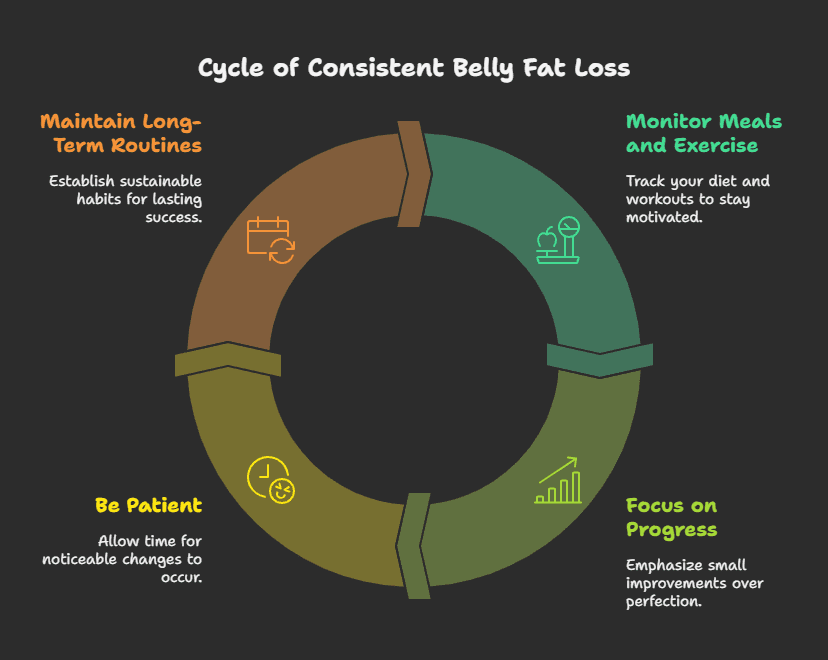
    The true secret to losing belly fat in a hurry is being consistent.
    You might desire instant results, but lasting changes develop over time.

    Consistency tips:

    • Monitor your meals and exercise to keep yourself motivated.
    • Focus on making progress, not being perfect; tiny changes accumulate.
    • Be patient, it can take a few weeks for you to feel a noticeable change.

    Remember, true success is about long-term routines, not quick fixes. Hold on to these proven tactics, and the outcome will come.

    Final Thoughts: How to Lose Belly Fat Fast with Proven Strategies

    You now know seven proven ways to quickly lose belly fat.
    Combining healthy eating, regular exercise, stress reduction, getting enough sleep, being mindful of what you drink, and being patient gives you the best results.
    It’s not about fad diets or magic pills; it’s about making changes to your life that help you.
  • What is Visceral Fat? Understanding the Hazards of Deep Belly Fat

    What is Visceral Fat? Understanding the Hazards of Deep Belly Fat

    Visceral fat, also known as deep belly fat, is a harmful type of fat that builds up around organs. Belly fat is a real danger, unlike the fat that you can pinch under your skin. To protect your long-term health, it’s important to know the dangers of visceral fat and how to get rid of it. In this article, we’ll talk about visceral fat, how it differs from subcutaneous fat, why it’s so dangerous, and some real-world tips for dealing with this sneaky threat.

    Visceral fat is part of the answer to the question of why two people with the same body mass index (BMI) can have very different health profiles. Someone who is at a healthy weight but has more deep belly fat may be more likely to get chronic diseases than someone who has a higher BMI but less internal fat. Let’s get started.

    What Is Visceral Fat?

    Visceral fat is an active type of fat stored deep in the abdominal cavity. It encircles large organs, like the liver, pancreas, and intestines, serving as a cushion but also producing hormones and inflammatory chemicals. Unlike subcutaneous fat, which is located just beneath the skin, visceral fat can only be accurately measured through imaging methods like CT scans or MRI.

    This “hidden” internal fat is influenced by genetic factors, diet, physical activity, sleep quality, and stress levels. While some visceral fat is normal and even protective in small amounts, excess visceral fat upsets your body’s hormonal balance, raises inflammation, and increases your risk for serious conditions.

    Visceral Fat vs. Subcutaneous Fat: Key Differences

    Although both types of fat accumulate in the abdomen, subcutaneous and visceral fat behave very differently:

    Location

    • Subcutaneous fat lies directly under the skin and can be pinched between your fingers.
    • Visceral fat is deeper, enveloping organs and not accessible on the surface.

    Metabolic Activity

    • Subcutaneous fat is fairly inactive, holding calories in reserve to be used at a later time.
    • Isceral fat is very active, releasing free fatty acids and inflammatory cytokines into the bloodstream.

    Health Implications

    • Extra subcutaneous fat adds to body weight but is less likely to have direct metabolic consequences.
    • Visceral fat creates havoc with insulin sensitivity, blood pressure, and lipid balance, fueling the progression of metabolic syndrome.

    Knowing these distinctions explains why addressing visceral fat is critical, even when overall body weight appears fine.

    The Hazards of Visceral Fat

    Visceral fat gets its nickname “the silent killer” because it is concealed inside and stealthily compromises your well-being. Two important facts make it particularly dangerous:

    Inflammatory Signals

    Visceral fat cells release pro-inflammatory cytokines (e.g., interleukin-6, tumor necrosis factor-alpha) that initiate chronic, low-grade inflammation. This inflammatory condition injures blood vessels and blunts insulin signaling.

    Hormonal Disruption

    It also releases hormones such as adiponectin and leptin in changed proportions, resulting in insulin resistance, appetite dysregulation, and increased blood pressure.

    In addition to these mechanisms, deep belly fat generates a feedback loop: inflammation increases fat storage, and excess fat increases inflammation. Over time, this vicious cycle speeds up disease progression.

    Health Risks of Deep Belly Fat

    Having too much deep belly fat significantly increases your risk for a variety of conditions

    1. Cardiovascular Disease
    Visceral fat encourages atherosclerosis by raising “bad” LDL cholesterol and lowering “good” HDL cholesterol. Individuals with excess internal fat are at least 50% more likely to have heart attacks or strokes than those with less.

    2. Diabetes
    By interfering with insulin sensitivity, visceral fat is a foundation of metabolic syndrome. Almost 80% of patients with type 2 diabetes have excessive deep belly fat.

    3. Hypertension
    The inflammatory substances secreted by visceral fat constrict blood vessels and harden arteries, increasing systolic and diastolic blood pressure in the long run.

    4. Non-Alcoholic Fatty Liver Disease (NAFLD)
    Visceral fat excess overloads the liver with free fatty acids, causing fat to build up in liver cells. If not controlled, this can advance to inflammation, fibrosis, and even cirrhosis.

    5. Certain Cancers
    Research has associated elevated visceral fat with enhanced risk of colorectal, post-menopausal breast, and pancreatic cancers, all possibly resulting from chronic inflammation and hormonal imbalance.

    6. Cognitive Decline
    New evidence indicates that thick belly fat is responsible for inducing brain inflammation and increasing the risk of Alzheimer’s disease and other dementias.

    All of these conditions not only affect quality of life but also contribute to healthcare expenses and shorten life expectancy. That’s why addressing visceral fat early is so important.

    How to Reduce Visceral Fat

    Reducing visceral fat demands a comprehensive approach. Here are evidence-based techniques to help you lose internal fat efficiently:

    1. Adopt a Balanced, Nutrient-Dense Diet

    • Focus on whole foods: vegetables, fruits, lean proteins, whole grains, and healthy fats (e.g., olive oil, nuts).
    • Add soluble fiber: oats, beans, and flaxseed keep you full and level out blood sugar.
    • Avoid added sugars and refined carbohydrates: sugary beverages, pastry, and white bread cause a rapid spike in insulin and encourage fat storage.
    • Be moderate about drinking alcohol: Excess alcohol contributes to increased visceral fat storage.

    2. Exercise Regularly

    • Aerobic (Cardio): At least 150 minutes of moderate-intensity physical activity (e.g., brisk walking, cycling) per week. Cardio burns more calories and abdominal fat than other fats.
    • Resistance Training: Weightlifting or body-weight exercises, two to three times a week, build muscle, enhancing resting metabolic rate and insulin sensitivity.
    • High-Intensity Interval Training (HIIT): Intense bursts of activity with rest in between have been found to speed up visceral fat loss within 12 weeks.

    3. Enhance Sleep and Stress Management

    • Poor sleep (less than 7 hours a night) interferes with hunger hormones, causing overeating and weight gain.
    • Chronic stress raises cortisol, a hormone that promotes fat storage around the belly. Add relaxation methods like meditation, deep breathing, or yoga.

    4. Keep Portion Sizes Small and Practice Mindful Eating

    • Mindful eating, tasting each bite, chewing slowly, and stopping between bites, prevents overeating.
    • Employ smaller plates, have meals without screens, and attend to body hunger signals.

    5. Seek Professional Assistance

    • Partnership with a registered dietitian or certified fitness professional will offer customized recommendations and support.
    • Physicians might, in certain situations, prescribe medications (e.g., orlistat) or refer to a bariatric professional for extreme obesity.

    By combining these lifestyle modifications regularly, the majority of individuals can anticipate a 5–10% loss of visceral fat in 3 to 6 months, sufficient to witness significant improvements in blood sugar, blood pressure, and cholesterol.

    Tracking Your Internal Fat: Equipment and Techniques

    Tracking Your Internal Fat: Equipment and Techniques

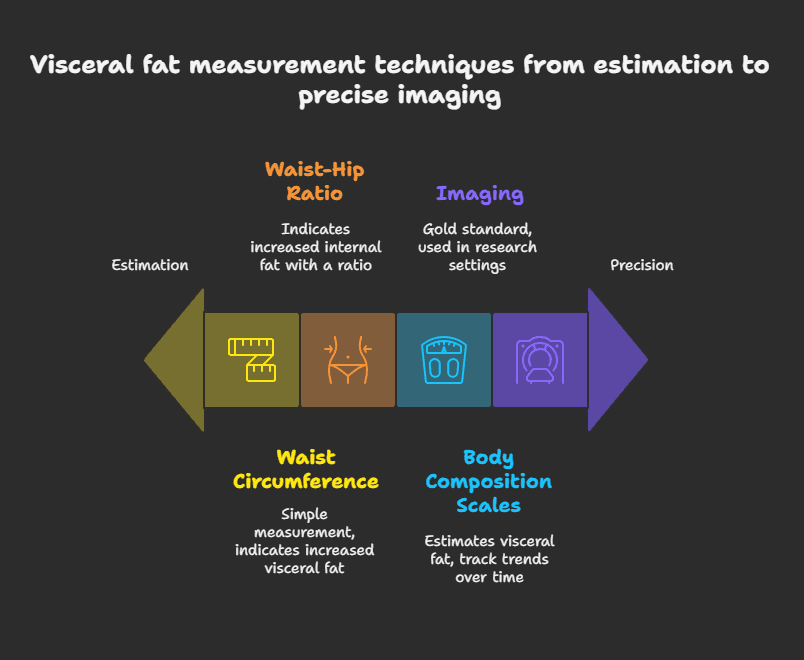
    Measuring visceral fat accurately is more than what a bathroom scale can do. Here are usable techniques

    Waist Circumference

    Measure at navel level:

    40 inches (102 cm) in men or > 35 inches (88 cm) in women is a sign of increased visceral fat.

    Divide the waist measurement by the hip measurement:

    Ratios of > 0.90 (men) or > 0.85 (women) indicate increased internal fat

    Body Composition Scales

    Bioelectrical impedance machines estimate visceral fat, but results differ by brand. Interpret trends over time, not absolute values.

    Imaging

    CT scans and MRIs are the gold standards for measuring visceral fat, often used in research or clinical settings.

    Checking progress regularly, every 3 to 6 months, allows you to make changes to your diet and exercise program based on actual progress, not just on fluctuations in weight.

    Conclusion

    Deep belly fat, or visceral fat, could be hiding, but it should never leave your mind. It is a type of internal fat that causes inflammation, hormonal imbalance, and a number of serious diseases, including heart disease, diabetes, some cancers, and cognitive decline. The good news is that over time, making specific changes to your lifestyle, eating a balanced diet, working out regularly, getting enough sleep, and managing stress can all help you lose a lot of visceral fat. If you keep an eye on your waist size and stay consistent, you’ll not only lose weight around your middle, but you’ll also protect your long-term health.

    Start today by replacing refined carbs with whole grains, going for a brisk walk after dinner, and getting seven hours of sleep. With each small change, you’ll be getting rid of visceral fat, which is a hidden threat, and making your future healthier.

  • 7 Belly Fat Myths Debunked: Stop Wasting Time on What Doesn’t Work

    7 Belly Fat Myths Debunked: Stop Wasting Time on What Doesn’t Work

    Belly fat isn’t just an aesthetic issue; it’s linked to serious health conditions like heart disease, type 2 diabetes, and some cancers. Unfortunately, the web is full of misinformation and quick fixes that promise to burn belly fat overnight. In this article, we’ll debunk the most popular belly fat myths, tell you why they won’t work, and point you in the direction of evidence-based, sustainable solutions.

    Myth 1: Spot Reduction Is Possible, Just Crunch More

    One of the most enduring pieces of fitness folklore is that you can burn belly fat by targeting specific exercises like crunches or planks. This is called the spot reduction myth and has been thoroughly debunked by science.

    When you exercise, your body burns fat from everywhere, not just the area you’re exercising. Fat loss happens evenly throughout the body, depending on genetics and hormones. Core exercises can tone the abdominal muscles, but won’t directly reduce the fat layer over them. Successful belly fat loss is dependent on overall fat loss through diet and exercise.

    Myth 2: Fat-Burning Pills Will Melt Belly Fat

    There are so many supplements that claim to burn fat easily. Most of these fat-burning pills have no science and have not been tested for safety. Research shows that over-the-counter weight loss supplements do not cause significant fat loss and are bad for your health. Some prescription drugs can help with weight loss, but have side effects and need to be taken under medical supervision.

    Myth 3: Belly Wraps Trim You Down


    Belly wraps are also promoted as gadgets to slim your waist and melt belly fat. But these wraps do nothing but temporarily trigger water loss through sweating and not fat loss. Any inch lost is temporary and comes back once you drink water again. There is no science to back up that belly fat wraps work in losing fat in the long run.

    Myth 4: You Can Lose Belly Fat Fast with Fad Diets

    Severe diets that claim to burn belly fat fast are unhealthy and unsustainable. Although you will see fast results, they might be due to water loss or muscle breakdown and not fat reduction. Plus, they will slow down your metabolism and cause nutrient deficiencies. The best and most sustainable way to lose belly fat is through a healthy diet with regular exercise.

    Myth 5: More Cardio = Less Belly Fat

    Cardio is good for overall health and can contribute to weight loss, but doing only cardio is not the best way to lose belly fat. Adding strength training to your workout increases muscle mass, which increases resting metabolic rate and fat burning. A combination of strength training and cardio is best for losing belly fat.

    Myth 6: Missing Meals Leads to Losing Belly Fat

    Missing meals can result in greater hunger and subsequent overeating later in the day, potentially leading to weight gain, including belly fat. Balanced, regular meals keep blood sugar levels stable and regulate appetite. Regular eating habits promote improved metabolism and energy levels, supporting effective belly fat loss.

    Myth 7: Fat-Free Foods Are Best

    Fat-free or low-fat foods are also seen as healthy foods. The foods may have added sugars and minimal nutrients, though. Healthy fats play an important role in hormone synthesis and nutrient uptake. Avocados, nuts, and olive oil are good sources of healthy fats and can contribute to good health and weight loss.

    What Works: Evidence-Based Strategies to Reduce Belly Fat

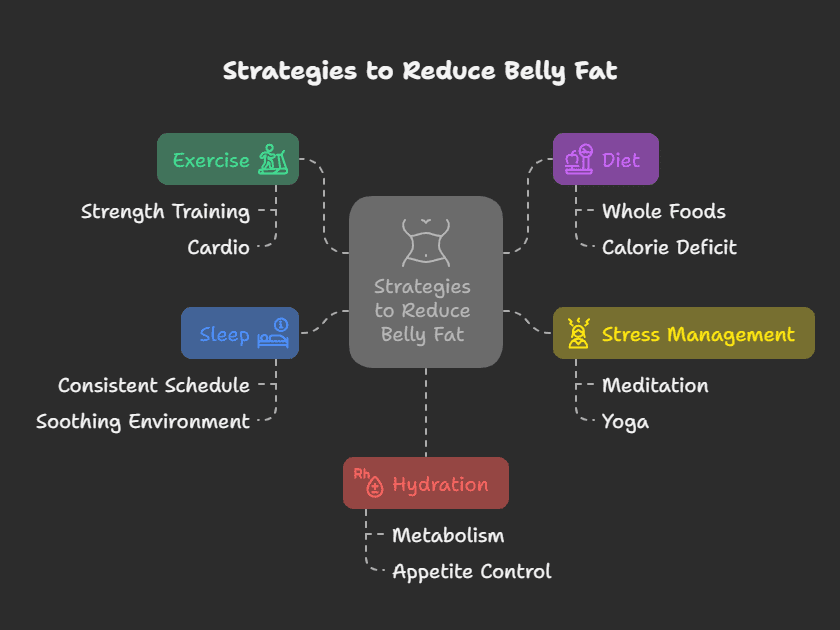
    Strategies to Reduce Belly Fat
    1. Combine Strength Training and Cardio
      Add resistance training and cardio exercises to your exercise routine. Strength training will add muscle mass, raising your resting metabolic rate, and cardio will burn calories and improve your heart health.
    2. Eat a Balanced Diet
      Emphasize a whole foods diet that consists of fruits, vegetables, lean meats, whole grains, and healthy fats. Steer clear of processed meals and sugary drinks. Keeping a calorie deficit, eating fewer calories than you expend, is needed for fat loss.
    3. Stress Management
      Stress can result in elevated cortisol levels, which are linked to fat gain, especially around the midsection. Use stress-reducing methods like meditation, deep breathing, or yoga.
    4. Sleep First
      Target 7–9 hours of good-quality sleep at night. Bad sleep is associated with weight gain and excess belly fat. Set a consistent sleep schedule and establish a soothing sleeping environment.
    5. Drink Hydrating Fluids
      Consuming sufficient water facilitates metabolism and helps manage appetite. Swap sugary beverages with water to lower calorie consumption.

    Final Thoughts

    Losing belly fat isn’t so much about fad diets or spot training certain areas with specific exercises. It’s about adopting a holistic strategy that encompasses a healthy diet, routine exercise, stress control, and quality sleep. By dispelling such belly fat myths, you can target methods that work and result in sustainable, long-term health rewards.