Tag: Brain Health

  • How Physical Exercise Improves Your Brain Health

    How Physical Exercise Improves Your Brain Health

    Everyone knows that going to the gym, running, or doing yoga is good for our bodies. We see the results in toned bodies, better endurance, and maybe even a lower number on the scale. But what if I told you that the changes that will last the longest are happening in your head, which is less obvious but much more complex? Yes, we’re going to talk about how working out can make your brain healthier in a big way. It’s a fascinating journey that goes far beyond building biceps. It shows how moving our bodies affects our memory, sharpens our focus, and even makes new brain cells. Don’t think of exercise as just a way to stay in shape; it’s one of the best ways to boost your mental health.

    For a long time, people thought that the brain was a pretty stable organ that grew up through childhood and then slowly got worse with age. But neuroscience has proven this idea wrong with the idea of neuroplasticity, which is the brain’s amazing ability to change itself, make new neural pathways, and rewire itself over the course of a person’s life. And guess what? Exercise has a strong effect on all of this good rewiring. It’s not just about how good you feel because of endorphins; every time you exercise, your brain changes in real, structural, and functional ways.

    In this article, we’ll look at the complicated link between exercise and how the brain works. We’ll look at how different types of exercise, like aerobic exercise, strength training, and yoga/mind-body exercises, help improve memory, concentration, and the amazing process of neurogenesis, which is the creation of new brain cells. Get ready to learn how your workout routine is doing more for your brain than you ever thought possible.

    The Brain-Body Connection: More Than Muscle Fuel

    Let’s learn how exercise affects the brain before we dive into the exercises themselves. It’s a complex process:
    1. Increased Blood Flow: Your heart beats faster when you exercise, pumping more blood through your body, including your brain, which is ravenous for resources, using up to 20% of the oxygen and energy of your body. Increased blood flow provides an important supply of oxygen and glucose, the brain cells’ main fuel. It also facilitates the removal of metabolic waste products more effectively. Imagine upgrading the delivery system to your brain headquarters – quicker, more efficient, and better armed.

    2. The Chemical Cocktail: Exercise releases a potent blend of neurochemicals:  

    • Endorphins: Renowned for the “runner’s high,” these are natural mood elevators and painkillers.
    • Dopamine: Essential in motivation, reward, learning, and attention. Exercise will frequently result in a surge of dopamine, creating feelings of accomplishment and concentration.
    • Serotonin: Regulates mood, sleep, and appetite. Regular exercise can balance serotonin levels, a move that may ease symptoms of depression and anxiety.
    • Norepinephrine: Plays a role in alertness, attention, and the stress response. Exercise regulates its release, enhancing focus and resilience.
    • Brain-Derived Neurotrophic Factor (BDNF): It’s a star player in brain rewiring. BDNF is fertilizer for your neurons. It helps existing neurons survive, promotes the growth of new ones (neurogenesis), and helps form new connections (synaptogenesis). We’ll discuss much more about BDNF.
    • Insulin-like Growth Factor 1 (IGF-1): Secreted in the muscles and liver during exercise, IGF-1 makes its way to the brain and acts in conjunction with BDNF to stimulate neuronal growth, survival, and plasticity.

    3. Decreased Inflammation: Chronic inflammation is bad for overall health, including brain health. It’s associated with cognitive decline and neurodegenerative disease. Regular moderate exercise has anti-inflammatory properties, protecting the brain from this damage.
    4. Stress Reduction: Exercise is an excellent stress buster. It normalizes the body’s stress response system (the hypothalamic-pituitary-adrenal or HPA axis) and reduces cortisol levels, the major stress hormone. Chronic stress has been shown to shrink the hippocampus (important for memory) and disrupt prefrontal cortex function (critical for decision-making), so reducing stress through exercise has great neuroprotective advantages.
    These processes interact with one another, developing a situation within the brain that is beneficial to growth, adjustment, and highest functioning. Exercise isn’t simply strengthening your heart; it’s refining the control center of your entire organism.

    Aerobic Exercise: The Cardio Champion for Cognitive Enhancement

    When most individuals think of “exercise for brain health,” aerobic exercises tend to spring to mind first, and there’s a reason for that. Exercises such as running, swimming, cycling, brisk walking, dancing – anything that raises your heart rate and maintains it for an extended amount of time – are especially effective brain enhancers.

    Effect on Memory:

    Aerobic exercise significantly impacts the hippocampus, a brain area responsible for learning and the creation of memory, especially spatial memory and transferring short-term memory to long-term memory. This is how

    • BDNF Spurt: Aerobic exercise pumps up BDNF levels profoundly, particularly in the hippocampus. This surge enhances neurogenesis (more later!) and strengthens synaptic links, facilitating easier creation and recall of memories. Aerobic exercise has been demonstrated to grow the hippocampus itself, reversing age-related shrinkage that so commonly leads to declining memory.
    • Enhanced Blood Flow: The greater oxygen and nutrient supply directly supports the function and resilience of hippocampal cells.
    • Neurotransmitter Balance: The activation of acetylcholine, dopamine, and norepinephrine through aerobic exercise also contributes to memory encoding and retrieval.

    Imagine your hippocampus as a library of your memories. Aerobic exercise creates more neurons (neurogenesis), makes the old ones stronger (synaptic plasticity), and enhances the librarian’s performance (neurotransmitter function).

    Impact on Focus and Attention:

    Getting a little fuzzy mentally? A run or brisk walk could be the ticket. Aerobic exercise improves executive functions, which are overseen mostly by the prefrontal cortex. These include:

    • Planning and organization
    • Working memory (keeping information in mind to play around with it)
    • Attention control and focus
    • Inhibitory control (staying on track despite distractions)
    • Cognitive flexibility (alternating between tasks)

    How does cardio help?

    • Increased Prefrontal Cortex Activity: Aerobic exercise increases blood flow and activity in this vital area.
    • Dopamine and Norepinephrine Release: These neurotransmitters are critical to sustain alertness, attention, and goal-directed behavior.
    • Improved Efficiency of Neural Networks: Regular aerobic exercise appears to make the communication networks between various brain regions responsible for attention and control more efficient.

    Impact on Neurogenesis:

    This is where aerobic exercise comes into its own.
    Although neurogenesis persists throughout life, it can happen most easily within the hippocampus
    Cardiovascular exercise is the most intensively reported behaviourally evoked stimulus to induce hippocampal neurogenesis in adults. BDNF increased dramatically following cardio, directly impelling stem cells of the hippocampus to convert to new neurons. New neurons make their way into established hippocampal networks and improve the learning potential, as well as memory versatility. It’s constructing a ‘younger’ brain, neuron by neuron.

    Strength Training: Developing Brainpower Along with Building Muscle.

    For many years, the mental benefits of exercise were mostly credited to aerobic exercise. But more and more studies are now demonstrating that strength training (or resistance training) – weight lifting, resistance band work, or bodyweight exercises such as push-ups and squats – also has distinctive and substantial benefits for your brain.

    Impact on Memory and Executive Function:

    Although perhaps not as strongly stimulating BDNF as high-intensity aerobic exercise, strength training accomplishes its magic through slightly different, yet complementary, mechanisms:

    • IGF-1 Boost: Resistance exercise particularly well elevates levels of Insulin-like Growth Factor 1 (IGF-1). As noted above, IGF-1 traverses the blood-brain barrier and works together with BDNF to promote neuronal health and plasticity and thereby potentially enhance memory and cognitive function.
    • Myokines: Muscles also behave like endocrine organs under strength training, secreting signalling molecules known as myokines (e.g., irisin, cathepsin B). Certain myokines can penetrate the brain and affect cognitive processes, such as memory and possibly neurogenesis, although studies are in progress.
    • Better Glucose Metabolism: Strength training makes your body (and brain) more sensitive to insulin, so it can use glucose better. Better glucose metabolism is associated with improved cognitive function and reduced risk of dementia.
    • Improved Executive Functions: Research indicates that strength training can enhance executive functions, perhaps by improving functional connectivity within brain networks supporting attention and cognitive control. The concentration demanded by lifts, planning exercise regimens, and monitoring progress may be part of the reason.  

    Preventing Cognitive Decline:

    Strength training appears to hold special promise for maintaining cognitive function as we grow older:

    • Maintaining Brain Volume: According to some research, resistance exercise will help retain, and possibly add volume, to certain parts of the brain, potentially offsetting age-related shrinking.  
    • Cutting Back White Matter Lesions: White matter lesions correlate with mental decline. Strength training will cut back their growth.
    • Better Functional Independence: Since resistance training serves to preserve strength and muscle mass, it encourages older adults to remain active, which indirectly translates to cognitive advantage.

    Aerobic exercise may be the MVP for hippocampal neurogenesis, but strength training is an equally effective add-on strategy with the ability to enhance executive functioning, metabolic status favoring the brain, as well as have potentially distinct neuroprotective impacts via factors arising from muscle tissue. A healthy regimen that blends both is probable the best overall strategy.

    Yoga and Mind-Body Practices: Finding Focus, Calm, and Clarity

    Yoga, Tai Chi, and Qigong combine physical postures, breathing techniques, and meditation or mindfulness elements. These practices offer a unique blend of physical and mental training with distinct benefits for the brain.

    Impact on Focus, Attention, and Interoception:

     Mind-body practices train your ability to pay attention, both to external stimuli and internal sensations (interoception).

    • Improved Attention Control: The attention needed to maintain postures, coordinate breath with movement, and meditate strengthens the brain’s attention networks. fMRI studies have demonstrated changes in brain areas involved in attention (such as the prefrontal cortex) in frequent yoga practitioners.
    • Enhanced Interoception: Mindfulness and yoga develop sensitivity to subtle body cues – your heartbeat, breath, muscle tension. Increased interoceptive awareness is associated with improved emotional regulation and decision-making.
    • Mindfulness and Working Memory: The mindfulness aspect, being present without judgment, can decrease mental clutter and enhance working memory capacity.

    Effect on Stress Reduction and Mood:

    This is one of the key strengths of mind-body practices.

    • Parasympathetic Activation: Techniques for deep breathing that are typical of yoga (pranayama) trigger the parasympathetic nervous system – the body’s “rest and digest” system. This opposes the “fight or flight” response of the sympathetic nervous system, decreasing heart rate, blood pressure, and cortisol.
    • GABA Boost: Certain research indicates that yoga is able to elevate levels of GABA (gamma-aminobutyric acid), a neuroinhibiting neurotransmitter responsible for soothing nervous system activity. Low GABA levels are related to anxiety and mood disorders.  
    • Amygdala Regulation: Meditation techniques, commonly included within yoga, have been found to decrease activity and even grey matter volume in the amygdala, the center of fear within the brain, resulting in lowered reactivity towards stressors.

    Effect on Memory

    Although direct neurogenesis impacts may be less significant than with intense cardio, yoga positively affects memory indirectly

    • Stress Reduction: By reducing cortisol, yoga shields the hippocampus from the harmful impacts of chronic stress.
    • Improved Focus: Increased attention and decreased mental clutter naturally enhance memory encoding and retrieval processes.
    • Structural Changes: Long-term practice of yoga has been linked to higher grey matter volume in areas of the brain that are implicated in learning, memory, and emotional regulation.

    Yoga and other mindfulness practices rewire the brain by increasing self-awareness, refining emotional regulation, soothing the nervous system, and improving focus, building a mental landscape that supports clarity and resilience of mind.

    How Physical Exercise Rewires Your Brain: The Science of Neurogenesis and Neuroplasticity

    Let’s focus on the two fundamental concepts that describe how physical exercise reshapes your brain: neurogenesis and neuroplasticity.

    Neurogenesis: Creating New Brain Cells

    As stated, neurogenesis is the creation of new neurons. We used to think that we were born with every neuron we’d ever possess. We now realize that this is not the case, especially in certain areas of the brain such as the hippocampus (memory) and the olfactory bulb (smell). Aerobic exercise, in particular, is a strong inducer of hippocampal neurogenesis.

    • The Process: Exercise raises BDNF. BDNF instructs neural stem cells in the dentate gyrus of the hippocampus to divide and mature into functional new neurons.
    • Integration: These new neurons move and integrate into pre-existing neural circuits. This is not only about quantity; this is about increasing the capacity of the network. New neurons are believed to be highly excitable and plastic and play an important role in learning new things and differentiating between similar things (pattern separation).
    • Survival: Not all the new neurons live. Whether or not they get used – doing mentally stimulating tasks and exercise allows these new cells to remain and play a role in the long term.

    Exercise provides the potential for greater learning and memory by offering up the building materials (new neurons) and supportive conditions (BDNF, blood flow).

    Neuroplasticity: Redesigning Connections

    Neuroplasticity is the general concept that includes the capacity of the brain to change its structure and function in relation to experience. It occurs continually, but exercise significantly enhances several types of plasticity:
    Synaptic Plasticity: This is a term for modifications in the strength of synapses between cells. Exercise promotes processes such as Long-Term Potentiation (LTP), which enhances synapses and enables more efficient communication between cells. This is essential for learning and memory. Consider it to be paving and expanding the highways between brain locations that regularly have a lot of traffic. BDNF comes into play here as well.

    Structural Plasticity: Exercise can cause visible changes in brain structure, including:

    • Greater volume of grey matter (neuron cell bodies, dendrites, synapses) in regions like the hippocampus and prefrontal cortex.
    • Enhanced white matter integrity (myelinated nerve fibres that link different brain areas), which results in speedier and more effective communication between brain networks.
    • Higher density of dendritic spines (dendrites are neuron branches that receive inputs). More spines, more possible connections.

    Functional Plasticity: The brain can reassign functions from the damaged region to an undamaged region or reorganize the way it engages various regions to accomplish a task more effectively. Exercise appears to enhance this adaptive function.

    Basically, exercise makes your brain more efficient, resilient, and flexible. Exercise strengthens valuable connections, weakens poor ones, promotes new pathway growth, and even restructures the physical landscape of brain areas responsible for thinking, learning, and emotion. This continuous rebuilding is the quintessence of how physical exercise rewires your brain

    Practical Tips: Incorporating Brain-Boosting Exercise into Your Life
    Incorporating Brain-Boosting Exercise into Your Life

    .Learning the amazing brain advantages is inspiring, but how do you take that and turn it into action?

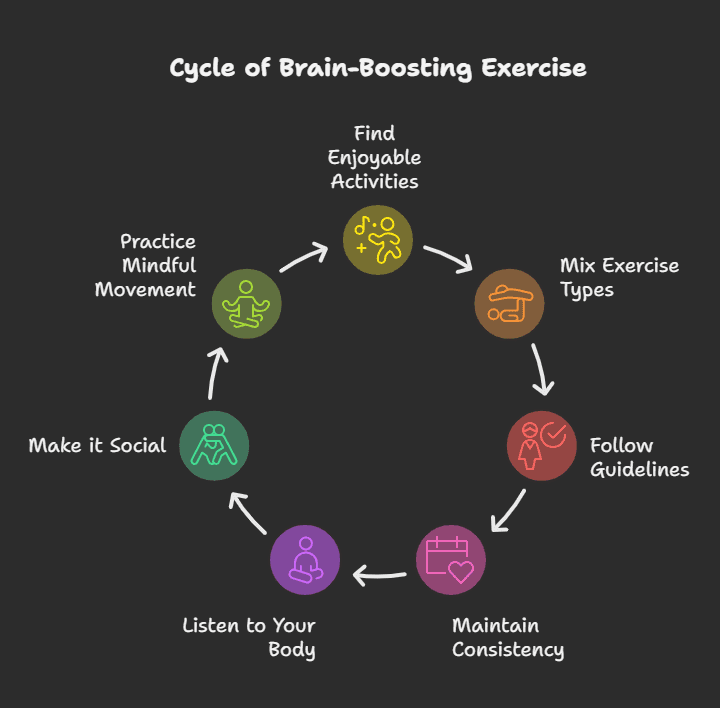
    • Find What You Enjoy: You’re more apt to stick with things you really like. Try on various activities – dancing, hiking, team sports, weightlifting, swimming, yoga classes, and fast-paced walking with a podcast.
    • Mix Up Different Types: Try to mix aerobic, strength, and mind-body exercises for the widest variety of brain advantages. For instance, 2-3 days of cardio, 2 strength training days, and 1-2 sessions of yoga or stretching per week.
    • Follow Guidelines (But Start Where You Are): General guidelines usually recommend 150 minutes of moderate-intensity aerobic activity (such as brisk walking) or 75 minutes of vigorous-intensity aerobic activity (such as running) per week, with muscle-strengthening activities two times a week. But something is better than nothing. Begin slowly and increase duration and intensity over time.
    • Consistency is the Key: Daily exercise yields the greatest long-term brain advantages. Prioritize consistency over occasional intense bursts. Short, regular sessions also accumulate.
    • Listen to Your Body: Prevent overtraining that can lead to increased stress and inflammation. Leave room for rest days and recovery.
    • Make it Social: Working out with friends or taking a class can increase motivation and provide a social connection factor, which is also good for brain health.
    • Mindful Movement: Tune into your body and breath while exercising, even with cardio or strength training. This increases the mind-body connection.

    Conclusion: Move Your Body, Master Your Mind

    TThe evidence is undeniable and convincing: exercise is not just good for your body; it’s also good for your mind. Understanding how physical activity affects your brain changes the way we think about exercise from a chore to an investment in our mental sharpness, emotional strength, and brain health over time.
    Movement changes the structure and function of your brain in a good way. For example, aerobic exercise can help you remember things better, strength training can help you concentrate better, and yoga can help you relax and think more clearly. Exercise improves the way we think, learn, and feel by increasing blood flow, releasing good neurochemicals like BDNF, reducing inflammation, and promoting neuroplasticity.

    When you put on your running shoes, pick up a weight, or step onto your yoga mat, remember that you’re doing more than just working out your muscles. You are taking part in an act that will change your brain in a big way. You’re making your brain stronger, sharper, and tougher with each workout. Don’t just look at the biceps; recognize movement as the powerful brain tool it is. Your future self will be grateful..

  • Stress Less, Think Clearer: Practical Mindfulness & Stress-Reduction Techniques for Optimal Brain Health

    Stress Less, Think Clearer: Practical Mindfulness & Stress-Reduction Techniques for Optimal Brain Health

    We’ve all been there: our hearts racing, our shoulders hunched, and our minds racing with a million things to worry about. Stress seems like a necessary evil in our fast-paced world. A little bit of stress can give you energy, but constant, unending stress can have a big effect on your brain, which is the most important organ. The good news is? We can do something. We can proactively work to Stress Less, Think Clearer by learning how stress affects us and using useful strategies. This will help us stay mentally sharp and improve our overall health. This article goes into detail about the science of stress and how it affects brain health, focusing on the effects of the stress hormone cortisol. More importantly, we’ll talk about practical, evidence-based ways to be mindful and reduce stress, like meditation, deep breathing, and spending time in nature. You can use these techniques in your daily life to become calmer, clear your mind, and make your brain stronger.

    The Brain Under Siege: How Chronic Stress Sabotages Your Mind

    Our bodies possess an extremely advanced mechanism for coping with perceived threats – the “fight-or-flight” response. When under threat (whether it’s an ancient predator or a deadline looming on your calendar), the brain invokes the release of hormones, including mainly adrenaline and cortisol, which are controlled by the Hypothalamic-Pituitary-Adrenal (HPA) axis.

    • Adrenaline: Provides that quick energy rush, boosting heart rate and wakefulness.
    • Cortisol: The major stress hormone of the body raises blood sugars (glucose), boosts your brain’s glucose use, and makes substances available that repair tissues. Cortisol also suppresses functions that would be unnecessary or even harmful in a fight-or-flight situation, such as modifying immune system functions and dampening the digestive system, reproductive system, and growth processes.

    This system is great for survival in the short term. The issue is when the stressor is not a temporary danger but an ongoing presence – financial stress, work pressure, relationship tension, information overload, or even chronic negative thought patterns. When the HPA axis is continuously stimulated, we have chronic stress, which means we have prolonged exposure to high levels of cortisol.

    The Cortisol Effect: Slow Damage to Key Brain Areas

    Slow Damage to Key Brain Areas

    Though needed in brief spurts, chronically elevated cortisol levels become brain-toxic, affecting structure, function, and health in several important ways:

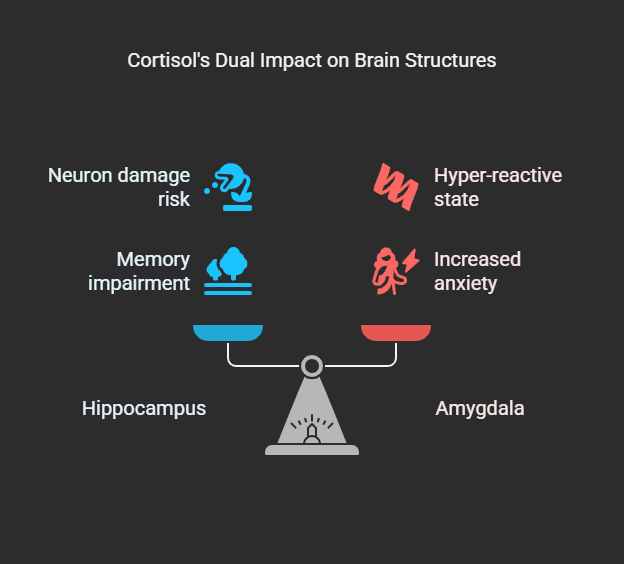
    • Reducing the Hippocampus: This seahorse-shaped structure, far within the brain, plays a vital role in learning, the formation of memories (particularly the transfer of short-term to long-term memories), and spatial orientation. Studies repeatedly indicate that long-term exposure to elevated cortisol levels can harm and kill hippocampal neurons and inhibit the growth of new neurons (a process referred to as neurogenesis). This can result in problems with recalling memories, learning new things, and even cause mood disorders such as depression.
    • Expanding the Amygdala: The amygdala is the fear center of the brain, involved in processing fear, anxiety, and aggression. Ongoing stress can make the amygdala larger and more active. This hyper-sensitizes the brain to stress, making it go into a hyper-reactive mode where you get easily triggered, anxious, and afraid. It conditions the brain for an increased stress response, producing a self-reinforcing cycle.  
    • Damaging the Prefrontal Cortex (PFC): Located in the front of the brain, the PFC is our executive control hub. It directs sophisticated cognitive skills such as decision-making, planning, problem-solving, working memory, attention, social conduct, and emotional self-regulation. Elevated cortisol damages weaken ties to the PFC while energizing ties to the more basic amygdala and hippocampus. This adaptation can appear as:
      • Difficulty sustaining concentration and attention
      • Poor judgment and impulsive decision-making
      • Decreased working memory capacity (easier to forget information).
      • Troubles with managing emotions and impulses.
      • Trouble with planning and organization.
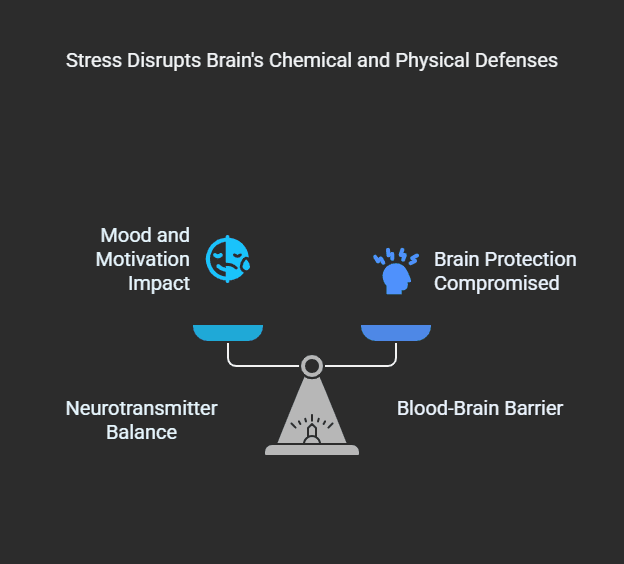
    • Interfering with Neurotransmitter Balance: Long-term stress can get in the way of the subtle balance between brain chemicals (neurotransmitters) such as serotonin (mood), dopamine (reward and motivation), and GABA (anxiety-reducing effect), and cause anxiety, depression, and decreased feelings of pleasure or motivation.
    • Increasing Inflammation: Chronic stress promotes low-grade inflammation throughout the body, including the brain. Neuroinflammation is increasingly linked to cognitive decline, neurodegenerative diseases like Alzheimer’s, and mental health disorders.
    • Disrupting the Blood-Brain Barrier (BBB): The BBB is a barrier that protects and regulates what is passed from the blood to the brain. Its integrity can be impaired by chronic stress, allowing toxic substances to enter and lead to inflammation and further damage
     changes your brain

    .Essentially, chronic stress not only makes you feel stressed; it changes your brain in ways that erode your capacity to think, remember well. Slow Damage to Key Brain Areas. This underscores the essential value of proactive stress management for long-term brain function and mental vitality.

    Reclaiming Your Calm: Actionable Techniques to Stress Less, Think Clearer

    Understanding the issue is step one. The second, more empowering step, is action. Fortunately, many effective methods based on mindfulness and physiological regulation can counteract the adverse effects of stress, soothe the nervous system, and foster a healthier brain environment.

    1. Mindfulness Meditation: Training Your Attention Muscle
      Mindfulness is the act of bringing attention to the current moment – your thoughts, emotions, body sensations, and environment – deliberately and without judgment. Meditation is a structured method of developing this ability.

    How it Aids the Brain: Consistent meditation practice has been found to cause beneficial structural and functional changes in the brain (neuroplasticity). Research indicates it can:

    • Increase grey matter density in regions linked to learning, memory, emotional regulation, and self-awareness (such as the hippocampus and prefrontal cortex).  
    • Reduce grey matter density in the amygdala, possibly lowering reactivity to stress.  
    • Enhance connections among diverse brain regions, allowing for greater communication and efficiency.
    • Soothe the HPA axis, lowering cortisol levels. 

    Getting Started (Easy Steps):

    • Find a Quiet Space: Select a spot where you are unlikely to be bothered easily.
    • Get Comfortable: Sit in a chair with your feet on the floor, or cross-legged on a cushion. Maintain a relatively straight back but not stiff. You may also lie down if sitting is painful.
    • Center on Your Breath: Kindly bring your awareness to the feel of your breath moving into and out of your body. Attend to the movement of rising and falling of your chest or abdomen. Try not to do anything with the breath, but merely watch.
    • Acknowledge Distractions: Your mind will go astray. That’s fine. As soon as you notice thoughts, emotions, or sensations coming up, kindly acknowledge them without judgment (“Ah, thinking”) and then gently refocus your attention onto your breath.
    • Start Small: Start with only 5-10 minutes per day and lengthen the time as you get more at ease. Consistency is most important.

    Types to Investigate: Guided meditations (through apps such as Calm, Headspace, or available online free resources), unguided silent meditation, body scan meditations (bringing attention in sequence to areas of the body), loving-kindness meditation (fostering feelings of warmth and compassion).

    2. Deep Breathing Exercises (Pranayama): Hacking Your Nervous System
    Your breath is among the most potent and readily available means for changing your physiological state. Fast, shallow chest breathing is typical of the stress response. Deep, slow belly breathing, on the other hand, engages the parasympathetic nervous system – the body’s “rest-and-digest” system, which opposes the “fight-or-flight” response.

    How it Aids the Brain: Deep breathing sends a direct message of safety to your brain. It:

    • Reduces heart rate and blood pressure.
    • Relaxes muscle tension
    • Enhances oxygenation to the brain, possibly enhancing clarity.
    • Quickly alleviates anxiety and feelings of being overwhelmed by soothing the nervous system.

    Effective Techniques:
    Diaphragmatic (Belly) Breathing:

    1. Sit or lie down. Put one hand on your belly, just below your rib cage, and the other on your chest.
    2. Breathe slowly and deeply in through your nose, letting your belly push your hand outwards (your chest hand will barely move).
    3. Breathe slowly out through your nose or mouth, allowing your belly to softly tighten.
    4. Concentrate on making the exhalation just a bit longer than the inhalation. Repeat for a few minutes.

    4-7-8 Breathing (Dr. Andrew Weil):

    1. Breathe out fully through your mouth, creating a whoosh sound.
    2. Close your mouth and breathe in quietly through your nose to a count of 4.
    3. Hold your breath for a count of 7.
    4. Exhale fully through your mouth, producing a whoosh sound, to a count of 8.
    5. This is one cycle of breathing. Repeat the cycle 3 more times (for a total of 4 breaths).

    Box Breathing (Navy SEAL Technique):

    1. Exhale fully to a count of 4.
    2. Slowly inhale through your nose to a count of 4.
    3. Hold your breath lightly for a count of 4.
    4. Slowly exhale through your nose or mouth to a count of 4.
    5. Gently hold the breath (lungs empty) for a count of 4.
    6. Repeat the cycle for a few minutes.

    You can use these techniques whenever you feel stressed, anxious, or overwhelmed, or integrate them into your daily routine (e.g., before sleep, at breaks).

    3. Embracing Nature (Nature Therapy / Ecotherapy): The Ultimate Brain Reset
    Humans developed in natural environments, and being in nature has deep restorative effects on our bodies and minds.

    How it Benefits the Brain: Being in nature, even for short durations, has been associated with:
    Lower levels of cortisol.

    • Lower blood pressure and heart rate.
    • Better mood and less rumination (repetitive negative thought).
    • Improved cognitive performance, especially attention and working memory (Attention Restoration
    • Theory proposes that nature automatically captures our attention, so directed-attention fatigue can recover.
    • Boosted activity in brain regions that are linked to relaxation and good mood.

    Actionable Ideas:

    • Take mindful strolls: Take a walk through a park, woods, or along the water. Notice the sights, sounds, smells, and textures that surround you. Leave your phone at home or set it on silent.
    • Sit outside: Sit on a bench or just sit down on the lawn and take a look around you. Feel the sun or wind on your skin.
    • Gardening: Working with soil and with plants can be very grounding and stress-reducing.
    • Take nature inside: Put houseplants in your residence or office, open windows, or listen to nature sounds.
    • “Forest Bathing” (Shinrin-yoku): This Japanese practice involves simply immersing yourself in a forest atmosphere, engaging all your senses without any specific goal other than relaxation.  

    Aim to incorporate some form of nature exposure into your routine regularly, even if it’s just a 15-20 minute walk during your lunch break.

    4. Mindful Movement: Connecting Body and Mind
    Physical activity is a well-known stress reliever, but when combined with mindfulness, the benefits are amplified.

    How it Helps the Brain: Mindful movement:
    Releases tension in muscles.

    • Enhances body awareness, assisting you in identifying early warning signals of stress.
    • Releases endorphins (natural mood elevators).
    • Offers a point of attention (bodily sensations, movement) that grounds you in the present, as in body awareness during meditation.
    • Soothes the nervous system with rhythmic movement and concentrated attention

    Practices to Try:

    • Yoga: Blends physical postures (asanas), breathing exercises (pranayama), and meditation/relaxation. Pay attention to the feelings in your body as you move and hold positions.  
    • Tai Chi / Qigong: Slow, flowing movements with deep breathing and mental concentration. Great for balance, flexibility, and stress relief.
    • Mindful Walking: Notice the feeling of your feet striking the ground, the movement of your arms and legs, your breath, and what’s around you while you walk.
    • Mindful Stretching: Pay attention to stretching feelings in your muscles, breathing into places of tension.

    Even ordinary activities such as dancing or light stretching can become mindful exercises if you attend to them with focused, non-judgmental awareness.

    5. Fostering Gratitude: Refocusing Your Attention
    Consciously paying attention to and valuing the positive aspects of your life, no matter how minor, can strongly overcome the brain’s inherent negativity bias (the tendency to give more attention to threats and issues) that is frequently heightened by stress.

    How it Benefits the Brain: Cultivating gratitude is linked with:
    More activity in brain regions involved in positive emotions, reward (release of dopamine), and social bonding.

    • Lower levels of cortisol.
    • Enhanced mood and stress resilience.
    • Improved quality of sleep.

    Easy Practices:
    Gratitude Journal: At the end of each day, record 3-5 things you are thankful for. Be specific (e.g., “thankful for the hot cup of tea this morning” instead of just “tea”).

    • Gratitude Moments: Throughout the day, take a few moments to mindfully observe something good and appreciate it.
    • Express Gratitude: Express to someone that you appreciate them or send a thank-you note.

    Integrating Stress Reduction into Daily Life: Making it Stick

    Knowing these techniques is one thing; making them a consistent part of your life is another. Here’s how to weave stress reduction into your daily fabric:

    • Begin with Small Steps and Be Patient: Don’t try to do too much at the same time. Select one of the techniques that appeals to you and promise to practice it for a few minutes every day. Consistency will eventually overcome intensity, particularly initially.
    • Schedule It: Make your stress-reduction practice a valued appointment. Block time in your calendar, even if it is only 10 minutes.
    • Link to Existing Habits: Build your new habit onto an existing daily habit (e.g., meditate for 5 minutes after you brush your teeth, practice deep breathing before you check your email).
    • Mindfulness in Everyday Activities: You don’t always need a formal practice. Bring mindful awareness to routine tasks like washing dishes (feel the warm water, notice the soap bubbles), eating (savour the flavours and textures), or commuting (notice your surroundings instead of getting lost in thought).
    • Set Boundaries: Practice saying “no” to commitments that overextend you. Guard your time and energy. Set work hours and adhere to them as much as possible.
    • Prioritise Sleep: Stress frequently disrupts sleep, and sleep aggravates stress – another vicious cycle. Try to get 7-9 hours of quality sleep every night. Create a soothing bedtime routine.
    • Nourish Your Body: Eat a balanced diet with plenty of whole foods, fruits, vegetables, and healthy fats to support brain resilience and health. Avoid processed foods, too much sugar, and caffeine, which can worsen stress symptoms.
    • Be Kind to Yourself: There will be times when you miss your practice or feel more stressed. Don’t criticize yourself. Acknowledge it, and just go back to your practice the following day. Progress, not perfection, is the goal.

    Stress Less, Think Clearer: Mindfulness as a Way of Life

    Ultimately, becoming skilled at Stress Less, Think Clearer isn’t about avoiding stress altogether – that’s not possible and sometimes not even desirable. It’s about transforming your relationship with stress. It’s about developing an inner toolkit that enables you to cope with challenges with more calm, resilience, and mental clarity.
    By incorporating mindfulness, deep breathing, nature exposure, mindful movement, and gratitude into your life, you are not merely containing symptoms; you are actively investing in long-term brain health and functionality. You are cushioning yourself from the destructive impact of chronic cortisol exposure and developing a mindset that includes greater concentration, improved memory, improved emotional regulation, and greater overall well-being.

    Conclusion: Your Brain Will Thank You

    There is no doubt that chronic stress is bad for brain health. Cortisol levels that are too high can change the physical structure of important brain areas that control memory, emotion, and executive function. This makes it harder for us to think clearly and live fully. But we can do something about these effects.

    Mindfulness meditation, slow breathing exercises, spending time in nature, mindful movement, and practicing gratitude are not just things that make you feel good; they are evidence-based practices that can change the structure and function of your brain for the better, calm your nervous system, and build resilience.
    Adding these things to your daily routine will improve your mental health, emotional stability, and overall quality of life. Start today, even if it’s just for five minutes. A single deep breath, a moment of mindful awareness, or a peaceful walk outside can all help you start your journey to Stress Less, Think Clearer. Your brain will be grateful.

  • Stress and Dementia: Modern Life Affects Your Future Brain Health

    Stress and Dementia: Modern Life Affects Your Future Brain Health

    Stress is a constant part of life for many people in today’s fast-paced, high-strung world. But what if that constant feeling of being overwhelmed and stressed out is doing more than just making your daily life hard? What if it’s quietly letting in an even worse problem down the road, like dementia? The connection between stress and dementia is becoming more and more important to study and worry about. Knowing about this connection is the first step toward keeping your brain healthy. This article goes into great detail about the complicated link between long-term stress and dementia, looking at the science, the risks, and most importantly, what you can do.

    It’s easy to think of stress as just a part of modern life that you can’t avoid. Stressors that are common include having a rough day at work, worrying about money, and having problems in a relationship. Researchers are now seeing that chronic stress, the kind that lasts day after day, is a major but hidden cause of cognitive decline and, eventually, a higher risk of getting dementia. The process from stress to dementia is long and complicated, but the evidence is strong enough to warrant further investigation.

    Getting to Know the Perpetrators: What Are Stress and Dementia, After All?

    Before we untangle their relationship, let’s first appreciate these two terms independently.

    What is Stress?

    Stress, in its simplest terms, is the body’s automatic reaction to any stress or danger. When you feel threatened – be it a physical threat or a mental one, such as an impending deadline – your nervous system goes into overdrive, releasing a cascade of hormones, including adrenaline and cortisol. This “fight-or-flight” mechanism is meant to assist you in coping with the moment at hand.

    • Acute Stress: This is temporary stress. It can be helpful, heightening your senses and giving you an energy boost when you need it most (e.g., slamming on brakes to prevent an accident). After the danger has passed, your body reverts to its normal state
    • Chronic Stress: This is chronic, ongoing stress. It happens when the cause of stress is ongoing, or when the stress response is locked in the “on” mode. Typical causes are persistent financial struggles, unhappy work arrangements, extended caregiving, or lingering trauma. It’s this chronic type of stress and dementia that scientists are most interested in.

    The body’s physiological reaction to long-term stress is having your body bathed in stress hormones all the time. This can result in:

    • Increased heart rate and blood pressure
    • Weakened immune system
    • Gastrointestinal problems
    • Sleep disturbances
    • Mental illnesses such as anxiety and depression
    • And, importantly, alterations in the brain.

    What is Dementia?

    Dementia is not a disease but a broad term for a variety of progressive neurological disorders that impair cognitive function. It’s a loss of memory, thinking, problem-solving, language, and judgment severe enough to interfere with daily life.

    Common forms of Dementia:

    • Alzheimer’s Disease: The most prevalent form, occurring in 60-80% of cases. It includes the formation of abnormal proteins (amyloid plaques and tau tangles) in the brain.
    • Vascular Dementia: Frequently develops after a stroke or from conditions that injure brain blood vessels
    • Lewy Body Dementia: Marked by unusual deposits of a protein called alpha-synuclein (Lewy bodies) in brain cells.
    • Frontotemporal Dementia: Affects the frontal and temporal areas of the brain, causing personality, behavioral, and linguistic changes.

    Symptoms of dementia are based on the type and location of the brain affected, but can be:

    • Memory loss (particularly short-term)
    • Trouble finding the right words
    • Troubles with decision-making or judgment
    • Getting lost in familiar environments
    • Mood and behavior changes
    • Trouble carrying out routine tasks

    The Scientific Bridge: How Chronic Stress and Dementia Intersect

    The notion that chronic mental stress might affect long-term brain health is not new, but new science is painting a more distinct picture of the mechanisms by which chronic stress and dementia are connected.

    The Cortisol Connection:

    When you’re under chronic stress, your body produces too much cortisol, commonly referred to as the “stress hormone.” Although cortisol is essential in limited amounts, chronically elevated levels can be harmful to the brain.

    • Hippocampal Damage: The hippocampus is one area of the brain responsible for learning and memory creation – functions both severely compromised in dementia, and specifically in Alzheimer’s disease. Studies demonstrate that excessive exposure to elevated cortisol levels can harm and shrink the hippocampus. It can decrease neurogenesis (the growth of new neurons) and result in dendritic atrophy (shrinkage of the branches of neurons responsible for communication).
    • Memory Impairment: Research has directly associated elevated cortisol levels with reduced performance on tests of cognitive function, including memory, executive function, and processing speed.

    Inflammation: The Brain on Fire:

    Chronic stress stimulates a low-grade inflammation within the body, including the brain (neuroinflammation).

    • Dysregulation of the Immune System: Stress can interfere with the proper functioning of the immune system. In the brain, immune cells known as microglia may over-activate, releasing inflammatory chemicals that cause damage to neurons and their connections.
    • Misfolding of Proteins: Chronic inflammation is considered to contribute to Alzheimer’s disease development by helping cause the misfolding and clumping of amyloid-beta and tau proteins – the disease hallmarks.

    The HPA Axis Dysregulation:

    The Hypothalamic-Pituitary-Adrenal (HPA) axis is the central stress response system of the body. Its dysregulation can be caused by chronic stress, or it does not shut off as it should.

    • Prolonged Stress Response: Continuously active HPA axis implies the ongoing release of stress hormones, fueling the deleterious impact on the brain. This dysfunction is now more often regarded as a pivotal element on the road to chronic stress and dementia.

    Effect on Brain Structure and Plasticity:

    Outside the hippocampus, other important brain areas can be influenced by chronic stress:

    • Prefrontal Cortex (PFC): It is responsible for higher-order cognitive processes such as decision-making, planning, and emotion regulation. Chronic stress can diminish PFC volume and disrupt its functions.
    • Amygdala: The fear center of the brain. Hyperactivity and even enlargement of the amygdala can occur with chronic stress, and this can make people more sensitive to anxiety and stress, which are themselves risk factors for dementia.
    • Decreased Brain Plasticity: Brain plasticity, or neuroplasticity, refers to the brain’s capacity to reshape itself through new neural connections. Chronic stress can undermine this adaptability and expose the brain to age-related changes and pathologies.

    Indirect Pathways:

    Chronic stress usually results in poor coping behaviors and lifestyle habits that are independent risk factors for dementia.

    • Poor Sleep: Stress is a significant etiology of insomnia and disrupted sleep. Sleep is essential for brain detoxification (including amyloid protein removal) and memory consolidation.
    • Unhealthy Diet: Stressed individuals are likely to consume comfort foods rich in sugar and unhealthy fats, which can lead to obesity, diabetes, and cardiovascular issues, all associated with an elevated risk for dementia.
    • Deficient Physical Activity: Stress may drain motivation for exercise. Exercise is neuroprotective.
    • Social Isolation: Withdrawal from social contacts can result from chronic stress. Social interaction is essential for cognitive well-being.
    • Risk of Depression and Anxiety: These are highly associated with stress, and they are also considered major risk factors for developing dementia.

    Chronic Stress and Dementia Risk: What Do the Studies Say?

    Chronic Stress and Dementia Risk

    The link isn’t just theoretical; a growing body of research supports the connection between chronic stress and dementia:

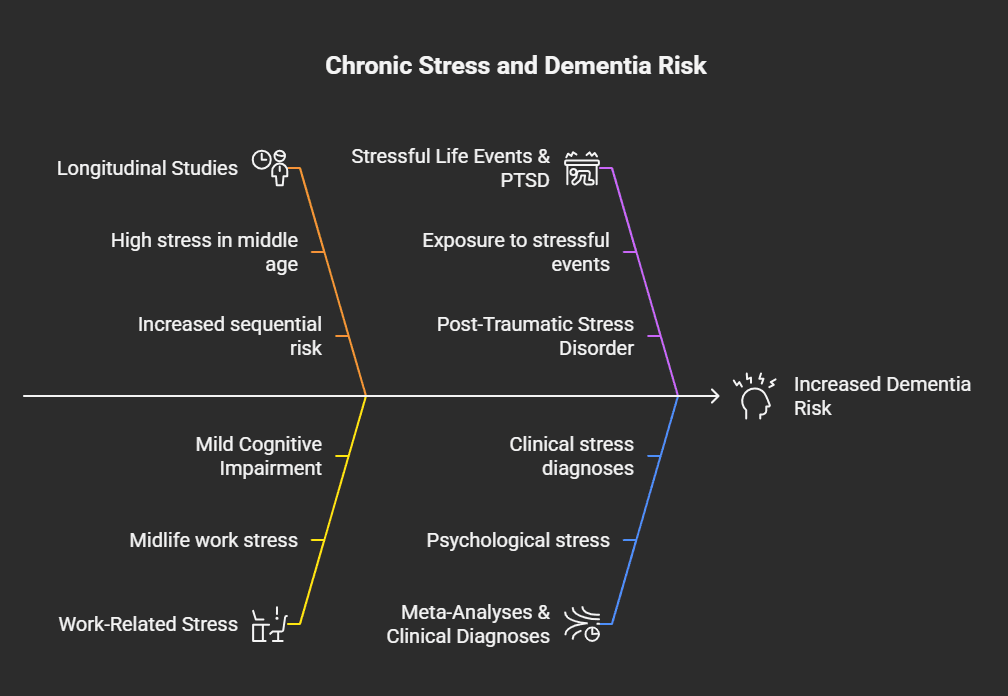
    • Longitudinal Studies: Longitudinal research on tracking people over decades has identified that individuals who reported high stress levels in middle age have a very high risk of developing dementia, including Alzheimer’s disease, in their old age. Increased sequential risk is indicated by some studies with more and longer experiences of stress.
    • Work-Related Stress: Research focusing on midlife work-related stress has identified links with increased risk of Mild Cognitive Impairment (MCI – usually a harbinger of dementia), dementia, and Alzheimer’s disease.
    • Stressful Life Events & PTSD: Having been exposed to a large quantity of stressful life events or having Post-Traumatic Stress Disorder (PTSD) has been correlated with a greater chance of cognitive decline and dementia.
    • Meta-Analyses: Large-scale reviews combining data from multiple studies (meta-analyses) have consistently concluded that various forms of psychological stress, including perceived stress, neuroticism (a personality trait characterized by anxiety and negative emotions), and exposure to stressful life events, are associated with an elevated risk of both MCI and all-cause dementia.
    • Clinical Stress Diagnoses: Those who are given clinical diagnoses of stress-related disorders during midlife also seem to have an increased subsequent rate of dementia.

    It should be mentioned here that studies frequently wrestle with the inherently subjective nature of stress – what is enormously stressful to one is not stressful at all to another. But the replication across types of studies and measures of stress indicates a real and alarming relationship.

    Can We Break the Cycle? Stress Management to Potentially Lower Dementia Risk

    The silver lining is that even though chronic stress and dementia are associated with each other, dementia is not a foregone conclusion of a stressful life. Many of the contributors are reversible. By taking proactive steps to manage stress, we might be able to counteract its negative impact on the brain and possibly lower our risk for dementia. These evidence-based strategies are:

    Welcome Physical Activity:

    Routine exercise is a top stress-buster and brain booster.

    • How it works: It slows down cortisol and adrenaline production, releases endorphins (natural mood elevators), increases blood flow to the brain, and fosters the growth of new neurons.
    • Aim for: A minimum of 150 minutes of moderate-intensity aerobic exercise (such as brisk walking, biking, or swimming) weekly, plus muscle-strengthening exercises two times a week.

    Prioritize Quality Sleep:

    Sleep is when your brain washes itself and fixes memories.

    • How it helps: Good sleep calms stress hormones and enables the brain to flush out metabolic waste, including Alzheimer s-related waste.
    • Aim for: 7-9 hours of quality sleep each night. Establish a consistent sleep schedule, develop a calming bedtime routine, and turn your bedroom into a sleep sanctuary.

    Practice Mindfulness and Meditation:

    These methods can assist you in becoming more present in your thoughts and emotions without judgment, which decreases reactivity to stressors.

    • How it helps: Ongoing practice can decrease cortisol, inflammation, increase attention, and even affect positive structural changes in the brain.
    • Try: Mindfulness meditation, yoga, tai chi, or deep breathing exercises. Just a few minutes each day can have an impact.

    Feed Your Brain a Healthy Diet:

    Your diet has a direct effect on your brain health.

    • How it helps: Anti-inflammatory foods high in antioxidants, omega-3 fatty acids, vitamins, and minerals may protect brain cells and oxidative damage.
    • Emphasize: Diets such as the Mediterranean diet or the MIND diet (Mediterranean-DASH Intervention for Neurodegenerative Delay), focusing on fruits, vegetables, whole grains, lean protein (primarily fish), nuts, seeds, and olive oil. Avoid processed foods, sweetened beverages, and excessive red meat.

    Nurture Strong Social Ties:

    Strong social connections and a busy social life shield against stress and mental deterioration.

    • How it helps: Social engagement activates the brain, offers emotional support, and lowers loneliness and isolation, which are stress factors.
    • Engage: Contribute to loved ones, participate in clubs, volunteer, or take courses.

    Challenge Your Brain Continuously:

    Stimulating your brain and keeping it occupied aids in the development of cognitive reserve – the brain’s resistance to damage.

    • How it works: Acquiring new knowledge and participating in mentally challenging activities may enhance neural pathways and retard the development of cognitive symptoms.
    • Activities: Puzzles, reading, studying a new language or instrument, playing strategic games, or acquiring a new hobby.

    Reduce Unhealthy Coping Behaviors:

    Reaching for alcohol, cigarettes, or too much caffeine to cope with stress can boomerang on your brain’s health.

    • Why it works: Minimizing or removing these drugs decreases their direct adverse effect on brain cells and overall health.
    • How to seek: Healthier means of stress management, like the above-mentioned techniques.

    Identify Your Stressors and Learn to Manage Them:

    Although you can’t always avoid stress, you can modify your reaction to it.

    • How it assists: Knowing what triggers your stress enables you to create plans to avoid them or deal with your response to them better.
    • Strategies: Prioritizing, boundary setting, problem-solving, cognitive restructuring, and learning to say “no.”

    Take Professional Assistance When Necessary:

    When stress becomes too much to handle or if you’re having any of the following symptoms: anxiety, depression, or ongoing memory issues, do not hesitate to seek help.

    • How it assists: Therapists can offer coping mechanisms for stress, depression, and anxiety. Physicians can eliminate other conditions and offer proper interventions or referrals. Early evaluation of cognitive alterations is also very important.

    When to be Worried: Identifying Early Warning Signs

    It is normal to experience periodic memory slips or feel uptight from time to time. Nevertheless, the following signs may prompt a consultation with a healthcare provider:

    Symptoms of Chronic Stress Overload:

    • Recurrent feelings of worry, anxiety, or irritation
    • Trouble concentrating or making decisions
    • Ongoing feelings of being overwhelmed or drained
    • Sleep changes (too much or too little)
    • Changes in appetite or weight
    • Increased alcohol or drug use to manage emotions
    • Physical complaints such as headaches, muscle tension, or stomach problems

    Early Warning Signs That Might Suggest Cognitive Decline (More Than Normal Aging):

    • Forgetting recently acquired information, important dates, or recurrent feelings of worry, anxiety, or irritation
    • Trouble concentrating or making decisions
    • Ongoing feelings of being overwhelmed or drained
    • Sleep changes (too much or too little)
    • Changes in appetite or weight
    • Increased alcohol or drug use to manage emotions
    • Physical complaints such as headaches, muscle tension, or stomach problemsepeating the same questions over and over
    • Problems with planning or problem-solving
    • Difficulty with familiar tasks at home, work, or during leisure time
    • Disorientation with time or place
    • Difficulty with visual images and visual-spatial relationships
    • New difficulty with words in conversation or writing
    • Forgetting things and losing the ability to retrace steps
    • Poor or decreased judgment
    • Withdrawal from work or social life
    • Mood and personality changes (e.g., becoming more easily confused, suspicious, depressed, fearful, or anxious)

    If you or a family member is having a number of these symptoms, seeing a doctor is a good first step. Early detection of diseases such as MCI or dementia can result in improved management and care.

    The Takeaway: Empowering Yourself Against Stress and Dementia

    The link between chronic stress and dementia is a worrying issue, yet it is also a point of prevention. By learning how long-term stress can affect our brain’s health, we become empowered to take action. Stress management isn’t merely about living better today; it is an essential investment in your mental future.

    While there are no promises in avoiding dementia, embracing a brain-healthy lifestyle that incorporates effective stress management can quite literally tip the scales in your direction. It’s about making conscious decisions every day to feed your mind and body. The path to guarding your brain against the negative impacts of chronic stress and dementia starts with awareness and is maintained by regular, positive action.