Tag: Eggs

  • Is Eating Eggs Every Day Bad? Everything you need to know

    Is Eating Eggs Every Day Bad? Everything you need to know

    Eggs. They’re a breakfast staple, a baking must, and a fast protein food eaten around the world. They’re not expensive, convenient, and full of nutrients. But for decades, they’ve been the centre of a nutrition controversy, mainly over cholesterol. So many have wondered: Is daily egg consumption bad for you? It’s a question that comes up often, driven by changing dietary advice and sometimes confusing health reports.

    If you’ve been wondering if your morning omelette or boiled egg habit is doing you more harm than good, you’re not alone. The debate about eggs and the daily eating of them has swung one way and then the other. Formerly demonised for their cholesterol levels, eggs are now often promoted for their nutritional value. So what’s the truth? Can you indulge in eggs every day and get away with it, or must there be moderation?

    In this article, we’ll crack open the facts on daily egg eating. We’ll look at the nutritional powerhouse that is the egg, review the history and current knowledge of the cholesterol controversy, review the benefits and dangers, and talk about how many eggs are best for you. Let’s unscramble the facts and get to the bottom of whether eating eggs daily is bad.

    What Are You Eating? The Nutritional Content of an Egg

    Let’s see what’s inside that shell before we decide if eating eggs daily is bad. One large egg (around 50g) is a treasure trove of nutrients:

    1. High-Quality Protein:

    Eggs contain roughly 6 grams of complete protein, or all nine amino acids our bodies cannot synthesize by themselves. These are essential for tissue building and repair, enzyme and hormone production, and general body function. Egg protein is also very nutritious in terms of bioavailability, or how easily and well our bodies can absorb and use it.

    2. Key Vitamins:

    Eggs are an important source of many key vitamins:
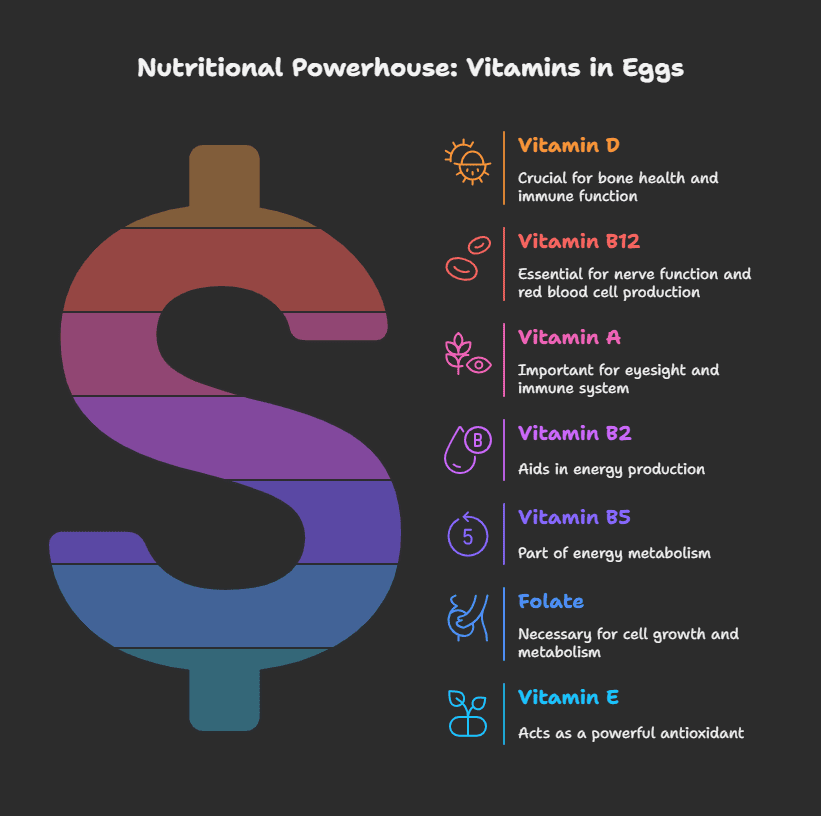
    Eggs are an important source of many key vitamins
    • Vitamin D: Important for bone health, immune function, and mood. One of the limited natural food sources of Vitamin D.
    • Vitamin B12 (Cobalamin): Necessary for nerve function, red blood cell production, and DNA synthesis. Important for vegetarians who may not find sufficient elsewhere (though eggs are not technically vegetarian).
    • Vitamin A: Essential for eyesight, the immune system, and skin.
    • Vitamin B2 (Riboflavin): Assists in burning food for energy.
    • Vitamin B5 (Pantothenic Acid): Also a part of energy metabolism.
    • Folate: Essential for cell growth and metabolism, especially needed during pregnancy.
    • Vitamin E: A powerful antioxidant that safeguards cells against damage.

    3. Essential Minerals:

    Don’t overlook the minerals filled with:

    • Selenium: A strong antioxidant that guards against cell damage and maintains thyroid function.
    • Phosphorus: Needed for bone health and energy metabolism.
    • Iron: Necessary for transporting oxygen in the blood (although the iron in eggs, non-heme iron, isn’t as easily absorbed as heme iron from meat).
    • Iodine: Needed for the production of thyroid hormones.
    • Zinc: Needed for immune function and wound healing.

    4. Choline:

    Eggs are an excellent source of choline, a nutrient that is essential for brain growth, liver function, nerve function, and muscle contraction. It’s especially important during pregnancy and lactation for the brain development of the fetus

    5. Antioxidants (Lutein and Zeaxanthin):

    Present mainly in the yolk, these strong antioxidants settle in the retina of the eye. They have an important role in preventing age-related macular degeneration and cataracts, two primary reasons for vision loss and blindness.

    6. Healthy Fats:

    Healthy Fats: There are approximately 5 grams of fat in an egg, and it’s mainly monounsaturated and polyunsaturated fats, which are the heart-healthy fats. Yes, it does have saturated fat (approximately 1.6 grams in a large egg), which we will talk about further.
    This list indicates that eggs provide a wide range of beneficial nutrients. But cholesterol and saturated fat content have dominated these advantages at all times.

    The Great Cholesterol Debate: Unscrambling the Facts


    For decades, dietary recommendations cautioned against the intake of foods high in cholesterol, such as eggs, out of concern that they would cause a direct rise in blood cholesterol levels and thus heart disease risk. One large egg has about 185-200 mg of cholesterol, all in the yolk. With earlier recommendations that you keep your daily intake of dietary cholesterol below 300 mg, even consuming two eggs might exceed that level.Antioxidants (Lutein and Zeaxanthin): The Great Cholesterol Debate: Unscrambling the Facts
    For decades, dietary recommendations cautioned against the intake of foods high in cholesterol, such as eggs, out of concern that they would cause a direct rise in blood cholesterol levels and thus heart disease risk. One large egg has about 185-200 mg of cholesterol, all in the yolk. With earlier recommendations that you keep your daily intake of dietary cholesterol below 300 mg, even consuming two eggs might exceed that level.

    However, scientific understanding has evolved significantly. Here’s what we now know:

    • Dietary vs. Blood Cholesterol: As it happens, for most of us, the cholesterol you consume (dietary cholesterol) has a surprisingly minor effect on the cholesterol in your blood (serum cholesterol). Your liver makes most of the cholesterol in your body because it’s needed to construct cells and make hormones. When you consume more cholesterol, your body usually makes less.
    • The Contribution of Saturated and Trans Fats: More research now indicates that saturated fats and, particularly, trans fats play a much more significant role in increasing unhealthy LDL (“bad”) cholesterol levels than does dietary cholesterol. Although eggs do contain some saturated fat, their fat profile in general is very positive compared to many processed foods or fatty meats that are rich in saturated and trans fats.
    • Individual Variability: It’s important to note that responses to dietary cholesterol can vary. A portion of the population, sometimes referred to as “hyper-responders,” may experience a more significant increase in blood cholesterol levels after consuming cholesterol-rich foods. People with certain health conditions, like type 2 diabetes or existing hypercholesterolemia (high blood cholesterol), might also need to be more cautious.
    • Changing Guidelines: Reflected in this new understanding, large health organizations have relaxed their recommendations on dietary cholesterol. For example, the Dietary Guidelines for Americans eliminated the exact upper limit for dietary cholesterol in their 2015-2020 edition, instead emphasizing the reduction of saturated fat intake and healthy eating patterns overall.


    Therefore, the once-upon-a-time fear of clogging your arteries by merely consuming egg yolks is mostly a relic for the general healthy individual. The emphasis has now turned to the overall diet trend.

    Potential Health Benefits of Adding Eggs to Your Everyday Diet

    Since their high nutrient content and the updated knowledge on cholesterol, adding eggs every day could have many health benefits:

    • Maintains Muscle Health: Eggs’ excellent quality protein offers the required amino acids for muscle repair, regrowth, and maintenance. Good for sportspeople, fit individuals, and older persons prone to sarcopenia (muscle wasting that occurs with aging).
    • Enhances Brain Activity: Choline is essential to cell membrane structure and the manufacture of acetylcholine, a neurotransmitter essential to memory, mood, and intellectual performance. Proper intake of choline, aided by eggs, might help support healthy brain function at any age.
    • Encourages Eye Health: Lutein and zeaxanthin in egg yolks shield the eyes against damaging high-energy light waves (such as UV rays) and lower the risk of chronic eye diseases.
    • Assists with Weight Control: Eggs are very satiating, i.e., they make you feel full and content for a longer period of time. Adding eggs to breakfast, say, may lower calorie consumption later in the day, possibly helping with weight control. The protein content also assists in maintaining muscle mass during weight reduction.
    • Nutrient Density: Eggs are a very broad range of necessary vitamins and minerals packed into a fairly modest calorie package (around 70-80 calories per large egg), which makes them a nutrient-dense food option.
    • Heart Health (in Moderation): Although this was the most worrisome area, numerous large observational studies have concluded no substantial link between consumption of up to one egg per day and higher heart disease or stroke risk in overall healthy populations. Several even indicate benefits as a result of their nutrient composition, although that is usually attributed to substituting less healthy morning meals.

    Are There Risks? Challenging Fears Over Daily Consumption of Eggs


    Despite the advantages, one should also take into account the possible downsides or certain situations under which daily egg intake may be inadvisable

    • Is Eating Eggs Daily Harmful to Cholesterol Levels in Everyone? While dietary cholesterol isn’t the villain it was once thought to be for most people, the “hyper-responder” group does exist. If you have genetically high cholesterol (familial hypercholesterolemia) or find that your cholesterol levels are sensitive to dietary changes, monitoring your intake and consulting with a healthcare provider is wise. They can help determine if limiting eggs or other cholesterol sources is necessary for your specific situation.
    • Saturated Fat Content: While not excessively high, eggs do carry saturated fat (approximately 1.6g per large egg). Current advice tends to suggest keeping saturated fat intake below 10% of daily calories. If your diet already contains large quantities of saturated fat from other foods (such as red meat, processed meats, full-fat dairy, baked foods, fried foods), having several eggs a day might put you above the suggested limit. The solution is looking at eggs in the context of your overall diet.  
    • Risk for People with Type 2 Diabetes: This is a topic with mixed research. A few large studies have hinted at a possible connection between greater egg intake (more than one per day) and a greater risk of heart disease in people with type 2 diabetes. Other research hasn’t identified this connection. The reasons are not entirely understood, but it may have something to do with variations in cholesterol metabolism in people with diabetes or confounding variables involving overall diet quality. Individuals with diabetes should talk to their physician or registered dietitian about their egg intake.
    • Cooking Methods: How you prepare your eggs significantly impacts their healthfulness. Frying eggs in butter, unhealthy oils, or alongside bacon and processed sausages adds substantial amounts of saturated fat, sodium, and calories, negating many potential benefits. Healthier methods include boiling, poaching, scrambling with minimal healthy fat (like olive oil) and plenty of vegetables, or baking.  
    • Food Safety (Salmonella): Raw or under-cooked eggs can be contaminated by Salmonella bacteria, leading to food poisoning. Diarrhoea, fever, and cramps in the stomach are the signs. Keeping the eggs refrigerated and cooking thoroughly (both white and yolk set) lessens this chance. Those having weak immune systems, young kids, elderly adults, and pregnant women need extra vigilance.
    • Egg Allergies: Egg allergy is one of the most common food allergies in children, though many outgrow it. Reactions can range from mild skin rashes to severe anaphylaxis.  

    How Many Eggs Are Safe to Eat Daily? Finding Your Balance

    So, what’s the magic number? Unfortunately, there isn’t a single, universal answer. However, based on current research, here are some general guidelines:

    • For Healthy Adults: Healthy adults can probably eat up to one whole egg daily as a component of a heart-healthy diet without harm to their heart disease risk. Some evidence indicates that even up to seven eggs weekly is well within healthy dietary patterns.
    • Considering Specific Health Goals: Athletes or highly active individuals needing more protein might consume more, often focusing on egg whites if saturated fat or calorie intake is a concern (though remember the yolk holds many key nutrients).
    • For People with Health Issues: Those who have high LDL cholesterol, type 2 diabetes, or current heart disease need to see their doctor or registered dietitian. They may advise limiting whole eggs to several times a week or checking blood lipid levels more often if they are consumed every day.
    • Listen to Your Body and Think About Your Overall Diet: Finally, the “right” number is a function of your personal health status, genetics, and, most importantly, the rest of your diet. One egg per day in a diet full of fruits, vegetables, whole grains, lean protein, and healthy fats is quite different from one egg per day with processed foods, sugary beverages, and lots of saturated fat.

    The Bigger Picture: Eggs are Only a Small Part of the Picture

    It’s important to keep in mind that nutrition is multifaceted, and concentrating too much on one food item – either positively or negatively – can be unhelpful. Is it bad to eat eggs daily? It largely depends on what the rest of your plate and life are like.
    Consider:

    • What you have with your eggs: Scrambled eggs with spinach and whole-wheat toast are nutritionally distinct from fried eggs with bacon, sausage, and white bread.
    • Your overall eating pattern: Are you eating a Mediterranean-style diet, a plant-based diet, or a typical Western diet with lots of processed foods? Eggs will fit differently into each.
    • Your cooking techniques: As noted, boiling or poaching is usually healthier than frying in unhealthy fats.
    • Your lifestyle: Daily exercise, stress reduction, sufficient sleep, and not smoking are all equally important elements of cardiovascular wellness that may have greater influence than arguing the use of one additional egg each week.

    Rather than keeping eggs separate, think of them as just a part of a diverse and balanced diet. They can be a good addition to healthy eating, but they are not a quick fix, and neither are they probably dietary villains for the majority of individuals when eaten responsibly.

    Busting Common Egg Myths

    Let us quickly dispel a couple of popular myths:

    • Myth: Brown eggs are healthier than white eggs.
    • Fact: The color of the eggshell is entirely determined by the breed of the hen and is irrelevant to the nutritional value or flavor of the egg. Use either or whatever is cheaper!
    • Myth: You can only eat egg whites to avoid fat and cholesterol.
    • Fact: Although egg whites are nearly pure protein and have fewer calories, the yolk holds the overwhelming majority of the vitamins, minerals, choline, and protective antioxidants such as lutein and zeaxanthin. Throwing away the yolk is sacrificing substantial nutritional value. Unless you have a valid medical reason to drastically restrict fat or cholesterol recommended by a health expert, consuming the entire egg is usually more beneficial.

    Conclusion: The Verdict on Daily Egg Consumption

    So let’s circle back to our central question: Is daily egg consumption bad?
    On the basis of the burden of available scientific evidence, for most healthy individuals, the answer will probably be no. Having up to one egg per day is safe and even potentially helpful as part of an overall and diverse diet. Eggs are nutrient-rich powerhouses containing high-quality protein, necessary vitamins, minerals, and special substances such as choline and antioxidants that protect the eyes.
    The decades-long anxiety about their cholesterol levels has largely disappeared, with studies indicating that dietary cholesterol has little effect on blood cholesterol in most of the population relative to saturated and trans fats.


  • Eating Eggs Raise Your Cholesterol: Science Surrounding the Controversy

    Eating Eggs Raise Your Cholesterol: Science Surrounding the Controversy

    Do eggs raise your cholesterol levels? People who care about their health have been asking this question because dietary advice is always changing, and reports sometimes contradict each other. If you’ve ever stood there for a moment, unsure of whether or not to crack an egg into the pan, you’re not alone. The person is hesitant because they know that high levels of blood cholesterol are a major risk factor for heart disease.

    Many studies have looked at the complicated relationship between the cholesterol we eat (dietary cholesterol) and the cholesterol in our blood (blood cholesterol) over the years. Science has come a long way, and the early warnings didn’t tell the whole story. This article wants to look into that science, bust the myths, and talk about how eggs can be part of a heart-healthy diet in the modern age. We’ll look at what cholesterol is, how eggs are good for you, how our bodies break down dietary cholesterol, and what the most recent research says about how eating eggs affects our blood cholesterol levels and heart health.

    First Things First: Understanding Cholesterol

    Before going into eggs in particular, let’s get a better understanding of what cholesterol is. It’s always talked about in a negative context, but cholesterol is a waxy, fat-like molecule that’s life-essential. Your body requires it to carry out a variety of important functions, including:

    • Creating Cell Membranes: Cholesterol gives form and flexibility to the outside covering of all your cells.
    • Creating Hormones: It’s a precursor to steroid hormones such as estrogen, testosterone, and cortisol.
    • Producing Vitamin D: Cholesterol in your skin is processed into vitamin D when exposed to the sun.
    • Producing Bile Acids: Your liver synthesizes bile acids from cholesterol, which are important for the digestion of fats.

    Your liver is the main producer of cholesterol in your body – it produces all the cholesterol you require. Cholesterol is also present in foods of animal origin, including meat, poultry, dairy foods, and, yes, egg yolks. This is referred to as dietary cholesterol.

    Good vs. Bad Cholesterol: HDL and LDL Explained

    Cholesterol moves in your blood bound to proteins. These are referred to as lipoproteins. You’ve probably heard of the two most common ones:

    • Low-Density Lipoprotein (LDL): Also known as “bad” cholesterol. High LDL cholesterol levels may cause plaque (a fatty buildup) to form in your arteries, a condition known as atherosclerosis. This hardens the arteries and raises the risk of heart attack, stroke, and peripheral.
    • High-Density Lipoprotein (HDL): Sometimes referred to as “good” cholesterol. HDL is a scavenger that collects excess cholesterol from your arteries and brings it back to the liver, where it is eliminated from the body. Increased levels of HDL cholesterol are usually thought to be protective against heart disease.

    When physicians speak of your “cholesterol levels,” they are most often discussing a lipid panel test, which tests for total cholesterol, LDL cholesterol, HDL cholesterol, and triglycerides (another fat in your blood). It’s the relative balance between LDL and HDL, more so the amount of LDL, that is an important marker of cardiovascular risk.

    Dietary Cholesterol vs. Blood Cholesterol: The Important Difference

    This is where a lot of the egg confusion comes in. For many years, it was believed that consuming foods with high dietary cholesterol would have a direct and significant effect on raising blood cholesterol levels, especially the “bad” LDL cholesterol. This made sense.

    But the human body has a highly developed system for controlling cholesterol levels. When you eat cholesterol, your liver will usually counteract it by making less cholesterol of its own. For most individuals, this protective mechanism results in dietary cholesterol having a surprisingly minor impact on their total blood cholesterol levels. The effect is different from one person to another, but overall, the connection isn’t as direct or as powerful as was thought.

    The Nutritional Powerhouse: What’s in an Egg?

    Eggs contain a lot more than cholesterol. They contain an impressive array of important nutrients, making them one of the most nutrient-dense foods around. One large egg (around 50 grams) has about:

    • Calories: Around 70-80
    • Protein: 6 grams of top-quality protein (with all nine essential amino acids)
    • Fat: 5 grams (including beneficial unsaturated fats)
    • Cholesterol: About 185-200 milligrams (mostly contained in the yolk)
    • Vitamins: Good sources of Vitamin D (essential for bone health and immunity), Vitamin B12 (essential for nervous function and formation of red blood cells), Riboflavin (B2), Folate (B9), Vitamin A, and Vitamin E.
    • Minerals: Well-sourced minerals of Selenium (an essential antioxidant), Phosphorus, and Iron.
    • Choline: An Essential nutrient essential to brain function, memory, the functioning of the liver, and fetal development. Eggs are one of the highest food sources for choline.
    • Antioxidants: Lutein and Zeaxanthin, both of which occur in the yolk, promote good eye health and have been shown to cut the risk of age-related macular degeneration and cataracts.

    A large percentage of these beneficial nutrients, including choline, vitamin D, lutein, and zeaxanthin, are all contained within the yolk – the same part where the cholesterol also occurs. To throw away the yolk is to miss out on all the considerable health advantages.

    The Historical Perspective: Why Eggs Got a Bad Rap

    The issue with eggs and cholesterol has been around for decades. Early studies were very much concerned with the quantity of cholesterol in foods. Since egg yolks were found to be one of the highest dietary sources of cholesterol (one of the highest dietary sources in the average diet), recommendations were put forward suggesting very tight restrictions on egg intake, sometimes as few as two or three whole eggs per week. This was under the presumption that cholesterol from diet was a key cause of high cholesterol in the blood and heart disease.

    These guidelines were built into public health counsel for decades, causing a general assumption that eggs were bad for one’s health, especially heart health. Yet as nutritional science continued to advance, scientists started questioning this linear correlation.

    Contemporary Science: Does Consuming Eggs Increase Your Cholesterol Levels Considerably?

    This leads us back to our original question, with a better knowledge of cholesterol and the egg diet. So, does egg consumption increase your cholesterol according to available evidence?

    The overwhelming opinion of many large studies and meta-analyses in the last several decades is that for most healthy individuals, egg consumption in reasonable amounts will not raise blood cholesterol levels or the risk of heart disease significantly.

    Here’s why the thought process has changed:

    • Limited Effect of Dietary Cholesterol: As stated above, the body adjusts for dietary cholesterol consumption. Studies have revealed that for approximately 70-75% of the population (sometimes referred to as “normal responders” or “hypo-responders”), consuming cholesterol-rich foods such as eggs has no effect or very little effect on their blood LDL or total cholesterol levels. Their bodies effectively regulate internal cholesterol production.
    • Attention Focused on Saturated and Trans Fats: Scientific studies have indicated over decades now that saturated fats and, in particular, man-made trans fats play much stronger roles in elevating blood levels of LDL (“bad”) cholesterol than does dietary cholesterol. Food sources high in these fats include fatty meats, processed meats (such as sausage and bacon), butter, full-fat dairy products, fried foods, shortening-based baked products, and many ultra-processed snack foods. Eggs per se are quite low in saturated fat (approximately 1.6 grams per large egg).
    • HDL (“Good”) Cholesterol: There is even a hint from some studies that consuming eggs may increase HDL (“good”) cholesterol slightly in some people, which might be helpful for heart health. The total cholesterol to HDL cholesterol ratio is sometimes a better predictor of risk of heart disease than total cholesterol, and eggs don’t appear to negatively impact this ratio in most people.
    • Nutrient Synergy: The dense nutrient package of eggs (protein, vitamins, minerals, antioxidants) can potentially provide health benefits that negate any possible slight impact of their cholesterol content.
    • Population Studies: Large observational cohorts with thousands of individuals followed for many years have largely been unable to detect a significant association between moderate egg eating (up to one egg daily) and increased risk of heart disease or stroke in the general population.

    What About “Hyper-Responders”?

    Most individuals adapt to dietary cholesterol easily, but there is a smaller group of people (estimated at 25-30%) that consists of “hyper-responders” or “hyper-responders.” In these individuals, the intake of dietary cholesterol does result in a greater rise in both LDL and HDL cholesterol levels

    Genetics also has an important role to play in establishing if a person is a hyper-responder or not. Individuals with specific genetic inclinations, along with individuals with existing ailments such as type 2 diabetes or familial hypercholesterolemia (a genetic disorder that leads to extremely high cholesterol levels), may have to watch their dietary cholesterol more carefully, including from eggs.

    Saturated Fat: The Bigger Dietary Culprit for Blood Cholesterol

    It’s important to distinguish the impacts of dietary cholesterol from saturated and trans fats. When you consume foods rich in saturated fat, your liver’s reaction is to create more LDL cholesterol. Trans fats (located in partially hydrogenated oils, although largely phased out of most food supplies) are worse because they not only increase LDL but decrease protective HDL cholesterol.

    Think about the way eggs tend to be consumed:

    • Fried in butter or oil.
    • Served with bacon, sausage, or ham (saturated fat and sodium content high).
    • Scrambled with cheese (contains saturated fat).

    In these instances, likely it is the foods eaten alongside the eggs and the ways they are cooked, not the eggs themselves, which most directly raise blood cholesterol and heart disease risk. When you boil or poach your eggs and serve them with whole-grain toast and avocado, you have a very different effect on your cholesterol level than you would if you had them fried, topped with processed meats.

    Beyond Cholesterol: The Many Health Benefits of Eggs

    Only looking at cholesterol misses the important positive roles eggs play in a nutritious diet:

    • High-Quality Protein: Necessary for tissue building and repair, muscle maintenance, and immune system support. Protein also helps with fullness, which can assist with weight control.
    • Brain Health: Choline is essential for making neurotransmitters (acetylcholine) and brain development before birth and in early life. Proper choline consumption is associated with improved cognitive function and memory.
    • Eye Health: Lutein and zeaxanthin concentrate in the retina and protect eyes against damaging blue light and oxidative stress, possibly lowering the risk of cataracts and macular degeneration.
    • Weight Management: The protein-fat combination in eggs makes you feel fuller for longer, which can lower total calorie consumption and support weight management efforts.
    • Nutrient Density: Eggs offer a wide range of fundamental vitamins and minerals in proportion to their calorie count, making eggs a very effective method of augmenting nutrient intake.

    How Many Eggs Are Acceptable to Eat?

    According to contemporary scientific opinion, advice has evolved dramatically

    For Healthy People: The majority of major health organizations now concur that eating up to one entire egg every day is included in a healthy eating pattern for the general population and does not raise the risk of heart disease. There is a suggestion from some studies that healthy people might be able to tolerate even higher levels, but one a day is a commonly held guideline.
    For Those with Risk Factors: Those with type 2 diabetes, a history of heart disease, or who are hyper-responders to dietary cholesterol might be told to reduce their egg yolk intake. Some recommendations include limiting intake to a few yolks a week. But this can differ, and these individuals need to talk to a doctor or registered dietitian about their diet. Egg whites, being protein without fat or cholesterol, may typically be eaten more liberally.
    Emphasize the Overall Diet: The most crucial aspect may be that foods are viewed in the context of the overall diet. A diet full of fruits, vegetables, whole grains, lean meats, and healthy fats (such as the Mediterranean or DASH diets) is essential for heart health. An egg in such a pattern is quite different from an egg eaten in a diet with a high content of processed foods, added sugars, and unhealthy fats.

    Cooking Styles Make a Difference

    The way you cook your eggs can greatly influence their nutritional profile

    Healthier Choices: Boiling, poaching, scrambling, or making omelets using less oil (using non-stick utensils or a pinch of olive/avocado oil), and adding vegetables are good options.

    Less Healthy Choices: Cooking eggs in large quantities of butter, coconut oil, or other saturated fats, or pairing them with high-fat, processed sides such as sausage and bacon, contributes large amounts of saturated fat, sodium, and calories.

    The Bottom Line: Eggs and Your Cholesterol

    So let’s go back to the main question one last time: Does eating eggs increase your cholesterol?

    The response is complex but overall comforting for the majority of individuals. Though eggs do bear dietary cholesterol, studies find that for the majority of the population, this has little effect on their blood cholesterol levels, particularly when compared to the influence of saturated and trans fats. The body’s regulatory system typically replaces the cholesterol absorbed from food.

    Eggs are nutritional dynamos, providing first-class protein, vitamins, minerals, and helpful substances such as choline and antioxidants. Healthy individuals can include eggs (e.g., a daily maximum of one) as part of an overall diet filled with whole foods and be largely safe, if not even healthful.

    Attention to keeping cholesterol levels healthy and minimizing heart disease risk should center on:

    • Limit Saturated and Trans Fats: Decrease consumption of fatty meats, processed meats, fried foods, and commercially baked snacks.
    • Increasing Fiber Intake: Consume a lot of fruits, vegetables, whole grains, and legumes.
    • Healthy Fats: Use unsaturated fats in olive oil, avocados, nuts, and seeds.
    • Healthy Weight: Equilibrate calorie consumption with activity.
    • Regular Exercise: Aim for a minimum of 150 minutes of moderate-intensity aerobic physical activity per week.
    • Not Smoking: Smoking harms blood vessels and greatly raises the risk of heart disease.

    It’s more beneficial to pay attention to your general eating habits and lifestyle rather than fearing eggs. You can probably still eat eggs occasionally as part of a varied and well-balanced diet if you enjoy them. It is always best to consult your doctor or registered dietitian for personalized advice tailored to your needs and current health status if you have any health conditions, such as diabetes, heart disease, or extremely high cholesterol. They can tell you how foods like eggs fit into your heart-healthy diet.

  • Can Egg Increase Cholesterol? What Science Really Says

    Can Egg Increase Cholesterol? What Science Really Says

    Most people who eat a moderate amount of eggs do not see a big rise in their blood cholesterol levels. This is because the body adjusts cholesterol production to match intake, and saturated fat raises LDL cholesterol more than dietary cholesterol does. People respond differently: “hyper-responders” may see small increases in LDL and HDL levels, but the ratio of LDL to HDL usually stays the same. Meta-analyses show that eating one egg a day is usually good for your heart, but eating more than that can be good or bad for some groups of people, depending on their overall health and diet quality. Eggs are a great source of protein and important micronutrients, and they are also very filling. When eaten with other heart-healthy foods, eggs can be a great addition to a well-planned meal.

    Can eggs make cholesterol levels go up? This question has caused decades of arguments between nutritionists, cardiologists, and health-conscious consumers. Eggs are a cheap and easy way to get a lot of high-quality protein, but their yolks have a lot of dietary cholesterol—about 186–210 mg per large egg. In the past, nutritional guidelines said to limit egg consumption to lower serum cholesterol. However, new research suggests that dietary cholesterol may not have as big of an effect on blood cholesterol as was previously thought.

    Introduction

    Cholesterol is a waxy material necessary for cell membranes, hormone synthesis, and vitamin D production. The body receives cholesterol from two sources: endogenous synthesis (mainly in the liver) and dietary absorption. Low-density lipoprotein (LDL) delivers cholesterol to tissues, whereas high-density lipoprotein (HDL) returns excess cholesterol to the liver for elimination. High LDL cholesterol is an established risk factor for atherosclerosis and cardiovascular disease (CVD), while increased HDL is usually protective.

    Dietary vs. Blood Cholesterol

    In most individuals, dietary cholesterol has a minor impact on blood cholesterol due to the liver reducing cholesterol output in response to increased intake. In about 15–25 percent of the population, also referred to as “hyper‑responders,” there are larger increases in serum LDL and HDL following intake of dietary cholesterol, but usually, the ratio of LDL to HDL does not change significantly, offsetting CVD risk.

    Egg Nutritional Profile

    A big chicken egg (~50 g) contributes approximately 70 calories, 6 g of protein, 5 g of fat (including 1.6 g saturated fat), and 186–210 mg of cholesterol, all being in the yolk; there is water and protein only in the white. Apart from cholesterol, eggs have essential nutrients in the form of vitamins D, B12, A, and E, minerals like selenium and phosphorus, and choline, a critical nutrient ensuring brain health as well as intact cell membranes.

    Can Eggs Increase Cholesterol? What the Science Says

    Randomized Controlled Trials

    Subsequent systematic reviews and meta-analyses of randomized controlled trials have concluded that egg addition to the diet raises total cholesterol, LDL‑C, and HDL‑C versus no‑egg diets but not versus low‑egg control diets; the size of the difference is small and inconsistent between studies. Another analysis concluded that each 100 mg of dietary cholesterol increased LDL by approximately 1.9 mg/dL and HDL by approximately 0.4 mg/dL, changes not likely to greatly modify cardiovascular risk in most individuals.

    Observational Cohort Studies

    Prospective studies that follow tens of thousands of adults for decades typically have no robust correlation between moderate egg consumption (up to one egg per day) and an increased risk of coronary heart disease or stroke in healthy groups. A meta-analysis published in the Journal of the American College of Nutrition found that up to one egg per day did not increase CVD risk, but greater intakes had inconsistent results based on the health and eating habits of participants.

    Subgroup Considerations

    • Type 2 Diabetes: Certain studies reported that in people with type 2 diabetes, increased egg intake (greater than one per day) is associated with higher CVD risk, perhaps because of differences in metabolism and dietary confounding factors.
    • Genetic Predisposition: Hyper‑responders, approximately 15–25 percent of the population, have small increases in both LDL and HDL cholesterol but preserve a constant LDL/HDL ratio, indicating minimal effect on CVD risk.
    • Overall Diet Quality: Eggs in the context of an overall good, plant‑rich diet are associated with healthier cardiovascular results than eggs eaten in the context of high‑saturated‑fat foods such as bacon and butter.

    Mechanisms Behind the Response

    Dietary cholesterol affects serum levels via feedback responses: excess intake downregulates hepatic cholesterol production and upregulates LDL receptor activity, which facilitates cholesterol removal from blood. Saturated and trans fatty acids, and not dietary cholesterol, exert a more predictable effect on elevating LDL cholesterol and advancing atherogenesis.

    Practical Recommendations

    Practical Recommendations

Dietary cholesterol.
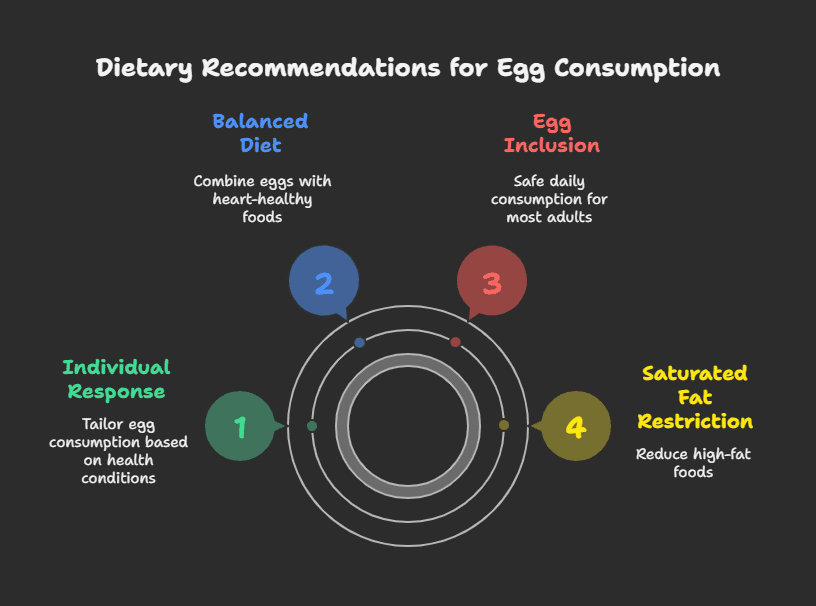
    • Restrict Saturated Fat Emphasize reduction of high‑saturated‑fat foods (e.g., processed meat, whole-fat dairy) instead of strictly cutting dietary cholesterol.
    • Include Eggs in a Balanced Diet. One egg per day is safe for most healthy adults; two eggs a day may be tolerated in older adults with normal LDL.
    • Combine Eggs with Heart‑Healthy Foods. Eat eggs with vegetables, whole grains, and healthy fats (olive oil, avocado) to maximize nutrient benefits and reduce harmful effects.
    • Watch for Individual Response. Individuals with hypercholesterolemia, diabetes, or genetic susceptibility should speak with healthcare providers and track lipid profiles when changing egg consumption.

    Frequently Asked Questions

    Q: Does consuming egg whites rather than whole eggs resolve cholesterol issues?
    Egg whites have no cholesterol or fat and offer protein but not the micronutrients in the yolk, such as choline and vitamin D.

    Q: Might fortified or omega-3-enriched eggs be beneficial?
    A few studies suggest that omega‑3 fortified eggs may enhance lipid profiles without increasing LDL cholesterol, possibly because of supplemental unsaturated fats and vitamins.

    Q: Are free‑range eggs healthier?
    Free-range eggs have slightly higher intakes of specific nutrients (e.g., omega-3s), but have the same cholesterol effect as traditional eggs.

    Conclusion

    Can eggs make cholesterol levels go up? Most people can eat up to one egg a day without significantly raising their blood cholesterol or heart disease risk, as long as they eat a diet low in saturated fat and high in plant-based foods. Individual differences exist, so choosing what to eat based on lipid monitoring and expert advice keeps eggs a healthy and heart-friendly option.

  • Will Eating Eggs Raise Cholesterol? A Science-Backed Insight

    Will Eating Eggs Raise Cholesterol? A Science-Backed Insight

    Eating one egg a day is not bad for a healthy person’s blood cholesterol levels. Meta-analyses of randomized trials and extensive cohort studies indicate that moderate egg consumption does not elevate cardiovascular risk; however, a small subset of “hyper-responders” may experience an increase in LDL (“bad”) cholesterol levels..

    Cholesterol: Types and Functions

    Cholesterol is a waxy, fat-like material vital for cell membrane function, hormone production, and the production of vitamin D. In the blood, it is carried in lipoproteins:

    • LDL (Low-Density Lipoprotein): Delivers cholesterol to tissues; elevated levels are associated with the development of plaque in arteries.
    • HDL (High-Density Lipoprotein): Carries excess cholesterol from tissues to the liver to be eliminated; considered preventive against heart disease.

    Notably, food cholesterol is different from blood cholesterol (in the bloodstream), and the two do not relate as closely as previously thought.

    The Relationship Between Dietary Cholesterol and Blood Cholesterol

    In the past, people were told to limit their dietary cholesterol to 300 mg/day, which made many people avoid egg yolks. More recently, scientists have come to agree that dietary cholesterol doesn’t raise blood LDL as much as saturated and trans fats do. The 2020 U.S. Dietary Guidelines did away with the cholesterol limit and instead focused on how people eat in general..

    Will Eggs Impact Cholesterol Levels?

    When we inquire about whether eggs impact cholesterol, research demonstrates:

    • Nutritional Profile of Eggs. Egg intake raises total cholesterol and both LDL‑C and HDL‑C by comparable amounts, with little change in the LDL‑C: HDL‑C ratio.
    • A randomized controlled trial concluded that the consumption of 12 fortified eggs per week did not increase LDL‑C relative to consuming fewer than two eggs per week; some measures improved.
    • Observational cohort trials mostly show no meaningful correlation between moderate egg consumption (≤1 egg/day) and cardiovascular events in the general population.

    Nutritional Profile of Egg

    A big (50 g) whole egg contains:

    • Cholesterol: ~186 mg (all in the yolk)
    • Protein: ~6 g of excellent, complete protein.
    • Healthy fat: ~5 g of both monounsaturated and polyunsaturated fat.
    • Vitamins & minerals: A, D, E, B12, riboflavin, folate, selenium, choline, and lutein/zeaxanthin for eye health.

    Egg whites have no cholesterol from the yolk, so they are a cholesterol‑free protein choice.

    What Science Says: Research Evidence

    Observational Cohort Studies

    Large prospective cohorts demonstrate no excess cardiovascular disease (CVD) risk from moderate egg consumption (up to 1 egg/day) in apparently healthy individuals. However, certain studies in individuals with diabetes result in an additional slight CVD risk, potentially as a result of confounding diet.

    Randomized Controlled Trials

    • A systematic review reinforced that eggs elevate both LDL‑C and HDL‑C, but neither changes their ratio, an important predictor of CVD risk.
    • A trial detected no harmful lipid changes after 4 months’ consumption of 12 enriched eggs per week; some subjects experienced decreased insulin resistance.

    Meta‑Analyses & Umbrella Reviews

    • An umbrella review concluded there was no relation between up to one egg a day and risk of CVD in the general population.
    • However, a prospective meta‑analysis noted a small relationship between increased egg consumption and CVD in specific high‑risk populations, highlighting the requirement for tailored advice.

    Factors Influencing Individual Response

    Why do others observe larger cholesterol changes?

    • Genetics: Approximately 25% of individuals are “hyper‑responders” whose LDL increases more dramatically with dietary cholesterol.
    • Baseline lipid profile: Those with pre-existing elevated LDL can have larger relative increases.
    • Total diet: Saturated fat intake exaggerates LDL response more than dietary cholesterol by itself.
    • Lifestyle factors: Physical activity, weight status, cigarette smoking, and other lifestyles regulate cholesterol metabolism.

    Practical Recommendations for Egg Consumption

    • General healthy adults: One egg per day as part of a balanced diet is healthy and safe.– Target reducing saturated fats (fatty meats, butter) instead of eggs.
    • High cholesterol or diabetics:– Limit to 4–5 eggs per week; use egg whites and vegetable proteins.– Keep an eye on lipid profile with periodic check‑ups and decrease intake accordingly.
    • Persons with familial hypercholesterolemia:– See a healthcare provider for individualized dietary advice; egg limitation may be recommended.
    • Tips for cooking:– Use boiling, poaching, or low‑oil frying to reduce added saturated fats.– Accompany eggs with vegetables, whole grains, and healthy fat sources (olive oil, avocado) for a healthy heart meal.

    Conclusion

    So, will eggs affect cholesterol? For most people, eating a moderate amount of eggs doesn’t raise blood cholesterol or the risk of heart disease. Eggs are a great source of essential nutrients, high-quality protein, important vitamins, and healthy fats. When eaten with fruits, vegetables, whole grains, and lean proteins, they can be part of a heart-healthy diet. People who already have lipid disorders or are genetically prone to them should change how many eggs they eat with the help of a doctor. You can eat eggs and still be healthy if you focus on broad patterns of eating instead of individual nutrients.