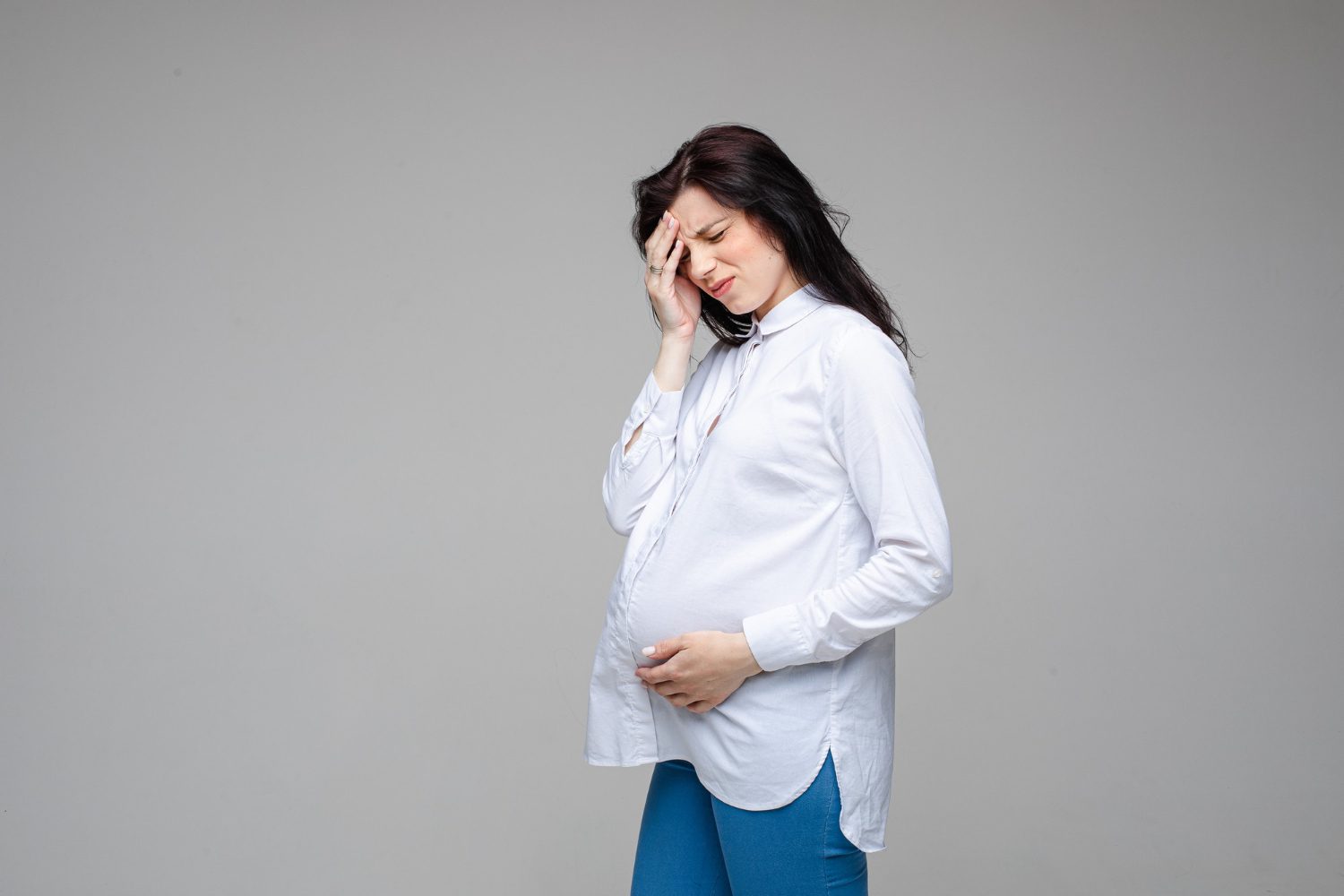
People often call pregnancy a miracle because it is full of hope and joy. It brings a lot of excitement, but it also causes a lot of physical changes and discomfort. One of the most common problems that women who want to be mothers have is headaches during pregnancy. If you’re pregnant and have a headache, don’t worry—you’re not the only one. Headaches are usually not serious, but it’s important to know what might be causing them, how to safely relieve them, and when a headache might mean something else to keep your mind and body healthy. This article wants to be your guide and tell you everything you need to know about headaches during this special time. Headaches happen a lot, and during pregnancy, they can seem to get worse or happen more often, especially in certain trimesters. Most headaches that happen during pregnancy are primary headaches, like tension headaches or migraines, which aren’t caused by another medical condition. This is a good thing. But the changes in your body that are happening right now can definitely play a role.
Why Does a Headache during Pregnancy Occur? Understanding the Causes
Identifying the precise cause of each Headache during Pregnancy is challenging because more than one factor tends to overlap. Nonetheless, some crucial physiological alterations and lifestyle features are recognized contributors:
1. Hormonal Rollercoaster: This is probably the most important factor, particularly in the first trimester. The levels of hormones such as estrogen and progesterone change dramatically after conception. These hormones affect blood flow, blood vessel behavior, and neurotransmitter activity in the brain, all of which can cause headaches. For some women who already had hormone-related migraines regularly before pregnancy, these may surprisingly get better during pregnancy, whereas others may get them for the first time.
2. Increased Blood Volume: Your body works overtime during pregnancy, significantly increasing blood volume (by up to 50%!) to support your growing baby and placenta. This increase can affect circulation and pressure within blood vessels, potentially leading to headaches.
3. Changes in Circulation: Along with increased volume, the way blood circulates changes. This can sometimes lead to temporary fluctuations in blood pressure or affect blood flow to the brain.
4. Postural Strain: As your baby grows, your centre of gravity changes. This, allied with your added weight, can cause you to slouch and put more strain on your neck, shoulders, and upper back muscles. Tension in these muscles is a classic reason for tension-type headaches.
5. Dehydration: Nausea and vomiting (“morning sickness”), especially prevalent during the first trimester, are easily followed by dehydration. Mild dehydration is itself a recognized cause of headaches. It’s extremely important to keep an eye on fluid consumption during your pregnancy.
6. Caffeine Withdrawal: If you were previously a frequent coffee, tea, or soda consumer before pregnancy and reduced caffeine drastically or eliminated it abruptly, you may find yourself with withdrawal headaches. It is usually advisable to limit caffeine consumption during pregnancy, but extreme switches will have transient side effects.
7. Lack of Sleep or Fatigue: Being pregnant can be tiring! Difficulty in getting a good sleeping position, the need to urinate repeatedly at night, and general pregnancy exhaustion can interfere with sleep. Poor quality or inadequate sleep is a headache nightmare for many individuals.
8. Stress and Anxiety: Understandably, pregnancy can bring a mix of excitement and worry. Concerns about the baby’s health, childbirth, finances, or lifestyle changes can increase stress levels. Stress often manifests physically, including through tension headaches.
9. Low Blood Sugar (Hypoglycemia): Skipping meals or waiting too long between meals can make your blood sugar fall. The drop in blood sugar may cause some people to experience headaches. Taking regular, balanced meals and snacks is crucial during pregnancy to maintain even energy and blood sugar.
10. Sinus Congestion and Allergies: Pregnancy may occasionally exacerbate nasal congestion or allergies as a result of hormonal influences on mucous membranes. This sinus pressure may result in sinus headaches, which are pain around the eyes, cheeks, and forehead.
11. Eyestrain: Although less frequent, hormonal changes may occasionally influence vision slightly during pregnancy. If you’re working long hours in front of screens or find yourself squinting, eyestrain may be a factor in headaches.
12. Specific Foods: Although less commonly the initial trigger during pregnancy than hormonal changes, some people still react to headache causes such as aged cheeses, processed meats, chocolate, or artificial sweeteners. Being attentive to possible dietary causes may be useful if headaches occur often.
Trimester-Specific Considerations:
- First Trimester: Hormonal peaks, increased blood volume, morning sickness resulting in dehydration, tiredness, and withdrawal from caffeine are commonly the leading offenders for headaches in early pregnancy.
- Second and Third Trimester: Although hormonal headaches may diminish for some during the second trimester (“honeymoon phase”), symptoms such as poor posture from the enlarging belly, sleep disruption, weight gain, and muscle tension become more noticeable. Importantly, headaches during the later months of pregnancy, especially if they are severe or are accompanied by other symptoms, need to be carefully assessed to exclude conditions such as preeclampsia.
Types of Headaches Commonly Experienced During Pregnancy
While any headache can feel disruptive, understanding the type might help identify triggers and appropriate relief:
- Tension Headaches: By far the most prevalent during pregnancy. These usually feel like a steady ache or pressure across the head, particularly on the temples or base of the head and neck. It may feel as though a tight band goes around your forehead. They are often caused by stress, fatigue, poor posture, and muscle tension.
- Migraines: They are more severe, frequently throbbing headaches, most often located on one side of the head. Migraines may have associated nausea, vomiting, and light and sound sensitivity. Others experience an “aura” before the migraine onset (visual effects such as flashing lights or blind spots). Pregnancy has a tremendous variability of effect on migraines; some women have relief, and others notice no change or worsening. It is essential to handle migraines carefully during pregnancy under medical surveillance.
- Sinus Headaches: These are responsible for causing a constant, deep pain in the forehead, cheekbones, or bridge of the nose. The pain typically becomes worse with abrupt head movement or straining. They are commonly accompanied by other sinus symptoms such as nasal congestion, a runny nose, and facial pressure.
Finding Relief: Safe Ways to Manage Headaches during Pregnancy
When a Headache during Pregnancy hits, your initial reaction may be to grab medication. But when pregnant, it is always best to attempt non-pharmacological techniques first and to be very careful with medications. Always check with your doctor or midwife before taking any medication, including over-the-counter medication.
First Choice of Non-Medication Strategies:
These are the safest options and surprisingly effective in many cases:
- Rest: Lie in a dark, quiet space. Keep your eyes closed and attempt to relax or nap. Reducing sensory input may decrease headache severity, particularly in the case of migraines.
- Temperature Therapy: Place a cold compress or ice pack covered by a thin towel on the back of your neck, forehead, or temples. The cold may constrict blood vessels and numb the pain. Or, a warm compress or warm shower may ease tight neck and shoulder muscles that cause tension headaches. Try to find out what works best for you.
- Stay Hydrated: Drink water regularly during the day. Try to have a minimum of 8-10 glasses (about 2-2.5 litres) per day, maybe more if you’re vomiting or you live in a hot environment. At times, just rehydrating will help to get rid of a headache due to dehydration.
- Eat Regularly: Don’t skip meals. Have healthy snacks available (such as fruit, nuts, yoghurt, or whole-grain crackers) to keep blood sugar levels stable.
- Practice Good Posture: Be aware of how you sit and stand. Use pillows for support when sitting or sleeping. Stretch your neck and shoulders gently from time to time, particularly if you spend a lot of time sitting. Use a support pregnancy pillow at night.
- Gentle Exercise: With your doctor’s permission, regular gentle exercise such as walking or swimming can enhance circulation, ease stress, and possibly even head off headaches. Don’t overdo it during a headache attack.
- Massage: A light massage of the neck, shoulders, and back can ease tension in the muscles that cause headaches. Your partner can assist, or you may want to have a prenatal massage from a professional therapist.
- Relaxation Techniques: Deep breathing exercises, meditation, mindfulness, or prenatal yoga can be effective in reducing stress, a frequent cause. Numerous apps and online sites are offering guided relaxation.
- Identify and Avoid Triggers: Maintain a headache diary. Record when headaches happen, what you have eaten, your sleeping habits, stress levels, and activities leading up to the headache. This can help you discover personal triggers (e.g., certain foods, sleep deprivation, pungent odors) that you can then attempt to avoid.
- Check Your Environment: Practice good ventilation. Keep away from strong perfumes, smoke, or pungent chemical odors that may induce headaches. If they help with computer use, take regular breaks, and modify screen brightness.
- Think About Complementary Therapies (with Physician’s Permission): A few women report relief from acupuncture or chiropractic manipulations while pregnant. Make sure you visit practitioners with experience in treating pregnant patients, and always consult your primary health care provider first.
Medication: Use with Extreme Caution and Doctor Supervision
If non-medication strategies are not yielding enough relief, talk over medication alternatives with your doctor or midwife. Self-treatment with medication while pregnant is dangerous.
Acetaminophen (Paracetamol): This is usually regarded as the first-line pain medication for intermittent use in pregnancy when needed by your doctor. It possesses the longest history of use in pregnancy among all over-the-counter pain medications, but:
- Always see your physician first. Never take it unless they recommend it.
- Take the lowest effective dose for the least amount of time.
- Recent evidence indicates possible connections between frequent or long-term use of acetaminophen in pregnancy and particular developmental outcomes, further supporting safe use under professional supervision. Ask your provider to discuss these concerns with you.
Drugs Generally to Avoid (Unless Specifically Prescribed):
- NSAIDs (Nonsteroidal Anti-inflammatory Drugs): These include ibuprofen (Advil, Motrin) and naproxen (Aleve). These are not usually advised, particularly in the third trimester, as they may have the potential to harm the baby, such as premature closure of a fetal heart vessel (ductus arteriosus) and altering amniotic fluid levels.
- Aspirin: Low-dose aspirin may occasionally be prescribed by your doctor for certain pregnancy situations, such as avoiding preeclampsia, but standard-strength aspirin taken for headache relief should normally be avoided except specifically recommended by your doctor.
- Triptans (Migraine Drugs): Drugs such as sumatriptan are prescribed specifically for migraines. Their safety during pregnancy is less well established than with acetaminophen. Use should be only under the close supervision of a physician who can balance the risks and benefits, particularly if migraines are severe and disabling.
- Ergotamines: These drugs for migraines are usually contraindicated (should not be used) during pregnancy.
- Codeine and other Opioids: These carry risks of dependence for both mother and baby and potential neonatal withdrawal syndrome and should be avoided for headache management during pregnancy unless necessary and prescribed under close medical supervision for severe pain unresponsive to other treatments
The golden rule: Never take any medication during pregnancy without discussing it with your healthcare provider first.
When Is a Headache During Pregnancy A Cause for Concern?
Identifying Red Flags Although most pregnancy headaches are harmless, some headaches may be an indication of an underlying serious condition that necessitates urgent medical attention. It’s important to note these warning signs:
Preeclampsia: This life-threatening pregnancy complication usually occurs after 20 weeks of pregnancy and is marked by high blood pressure and evidence of damage to other body systems, usually the liver and kidneys. A severe, unrelenting headache that is not relieved by normal measures is a prime symptom. Other symptoms include:
- Vision changes (blurriness, flashing lights, spots, sensitivity to light)
- Upper abdominal pain (usually below the ribs on the right)
- Sudden or severe swelling (edema), particularly in the hands, face, or eyes (some swelling of the legs/ankles is normal)
- Rapid weight gain (due to fluid retention)
- Nausea or vomiting (sudden onset in the second half of pregnancy)
- Shortness of breath
- Reduced urine output
Preeclampsia needs to be evaluated and treated immediately by a doctor because it can be harmful to both the mother and the baby.
Other Warning Signs That Need Immediate Medical Attention:
- Sudden, very severe headache: Often described as the “worst headache of your life” or a “thunderclap” headache.
- Headache with fever and/or stiff neck: May be meningitis or other infection.
- Headache after a fall or head injury.
- A headache that continually worsens or markedly changes pattern.
- Headache with neurological symptoms:
- Confusion or disorientation
- Slurred speech
- Numbness or weakness of one side of the body
- eizures
Recurrent vomiting in addition to the headache.
A headache wakes you up from sleep.
Trust your gut. If a headache feels unusual, more severe than usual, or has any other alarming symptoms, don’t wait. Call your doctor, midwife, or get immediate medical attention (go to the emergency room). It’s always better to err on the side of caution and get checked out.
Can You Prevent Headaches During Pregnancy?
Though you may not be able to avoid all Headaches during Pregnancy, by incorporating healthy practices, their frequency and intensity can be greatly lessened:
- Sleep Right: Try for 7-9 hours of good quality sleep every night. Sleep on pillows and on a side-lying position with your head and body supported (the left side is commonly advised to get maximum blood flow)
- .Stay Hydrated: Keep that water bottle handy and sip throughout the day.
- Eat Regularly: Avoid missing meals. Eat well-balanced food with whole grains, lean protein, fruits, and vegetables.
- Manage Stress: Practice relaxation methods daily. Share your worries with your partner, friends, or a medical practitioner.
- Exercise Gently: Engage in physician-recommended physical activities.
- Maintain Good Posture: Be careful when sitting, standing, and lifting.
- Limit Caffeine Gradually: If cutting back on caffeine, do it gradually to prevent withdrawal headaches. Consult your physician regarding safe limits of caffeine consumption during pregnancy (typically under 200mg a day).
- Avoid Known Triggers: If you’ve determined the specific food, smell, or environmental triggers that cause your headaches, attempt to steer clear of them.
Speaking with Your Doctor Regarding Your Headaches
Keep communication open with your doctor. Inform your doctor about any headaches you’re having during your prenatal visits, no matter how slight they may feel. To help your physician comprehend the issue, be ready to tell him or her:
- Frequency: How frequently do the headaches appear?
- Timing: At what time of day or on what days do they tend to occur?
- Duration: How long do they last?
- Location: Where is the pain located (temples, forehead, back of head, one side)?
- Quality: How does it feel (throbbing, dull ache, tight band, sharp)?
- Severity: Score the pain 1-10.
- Triggers: Have you found anything that appears to trigger them?
- Associated Symptoms: Do you have nausea, vomiting, light/sound sensitivity, change in vision, or other symptoms with the headache?
- Relief Measures: What have you attempted to improve it, and was it successful?
- Medications: List any medicines (prescription or over-the-counter) that you have taken.
This information will assist your physician in identifying the probable cause, eliminating dangerous conditions, and advising the safest and most effective treatment plan for you.
Conclusion: Taking Headaches Seriously, But Not Panicking
It’s common to get headaches while pregnant, but most of the time they can be managed with lifestyle changes and safe, non-medical ways to relieve them. Knowing what could be causing your problems, like hormonal changes, dehydration, or stress, gives you the power to take action. Putting rest, hydration, nutrition, and stress management first can make a big difference.
But it’s also important to know when you should see a doctor for a headache. Don’t ignore headaches that are severe or last a long time, especially in the second half of pregnancy, or headaches that come with warning signs like vision problems or high blood pressure. It’s important to quickly find and treat preeclampsia and other problems.
Your pregnancy should be as easy as possible. If you have headaches, don’t wait to talk to your doctor or midwife about them. They are there to help you have a healthy pregnancy for both you and your baby. You can easily handle this common pregnancy symptom with confidence if you are well-informed and honest.