Tag: Health

  • Are Natural Energy Drinks Really Better for You? Experts Give Their Thoughts

    Are Natural Energy Drinks Really Better for You? Experts Give Their Thoughts

    The energy drink business promises people a quick fix, but is “natural” really better? Global sales of energy drinks are now over $7 billion a year, and more and more health-conscious people are choosing products that are marketed as “clean” or “organic.” These drinks say they get their caffeine from plants like green tea, guarana, and guayusa instead of man-made ones. But experts say that when it comes to heart health, “natural” doesn’t always mean “safer.”

    The Natural Energy Boom

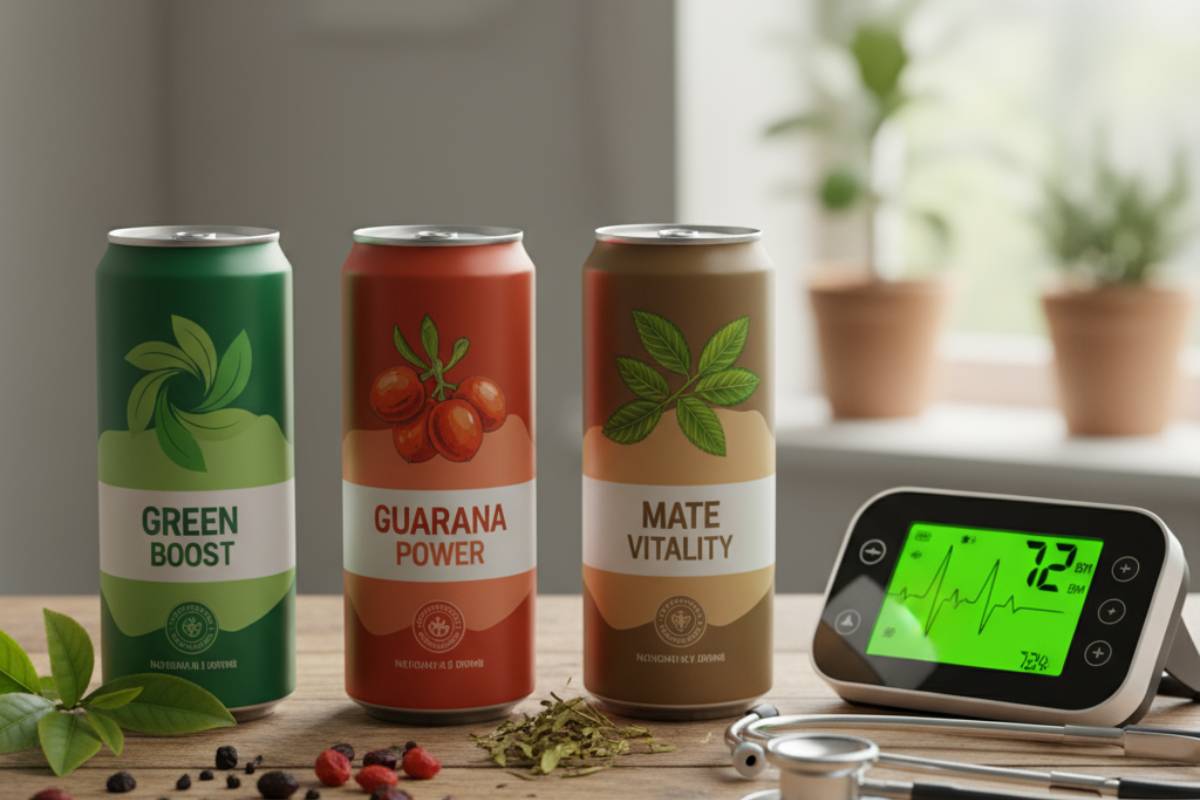
    Health trends are causing changes in the energy drink market that have never happened before. People want clear information, organic ingredients, and what companies call “clean energy.” Green coffee extract, yerba mate, and ashwagandha are just a few of the natural energy drink ingredients that promise more than just a boost of energy.

    But here’s the thing: your body processes caffeine the same way whether it comes from a coffee bean or a lab. Dr. Anna Svatikova from the Mayo Clinic says that natural sources of caffeine may also have other bioactive compounds, like polyphenols and antioxidants, but the main effects stay the same.

    Blood Pressure: The Risk You Don’t See

    Research shows worrying trends. Energy drinks, no matter how “natural” they claim to be, can quickly raise blood pressure in both healthy people and people who already have health problems. Studies show that stress hormones go up by about 70% after drinking just one energy drink.

    The mechanism is simple but worrisome. Caffeine stops adenosine receptors in the brain from working, which starts a chain reaction that makes neurons fire more and releases adrenaline. This process makes blood vessels smaller and raises systolic and diastolic pressure for up to four hours or more.

    Natural energy drinks with 80 to 260 mg of caffeine per serving can have the same effects on the heart and blood vessels. A regular 8-ounce Red Bull has 80mg of caffeine, but some natural options, like green tea extract, have 150mg or more.

    The Debate: Synthetic vs. Natural

    Marketing teams love to talk about “natural” caffeine, but the science is more complicated. There are some benefits to getting caffeine from natural sources like green tea. The caffeine in green tea attaches to antioxidants, which makes the body absorb it more slowly and release energy more steadily, without the big crash that comes with synthetic versions.

    L-theanine is an amino acid that is naturally present in tea leaves. It works against the jittery effects of caffeine. This mix can give you energy without the shakes that synthetic caffeine often causes. But these benefits don’t completely get rid of the risks to the heart.

    Chinese pharmaceutical companies make synthetic caffeine, which absorbs quickly and gives you energy faster, but it also makes you crash faster. This cheaper, lab-made alternative is what most regular energy drinks use.

    New Worries Arise Due to Ingredient Complexity

    Caffeine isn’t the only thing that natural energy drinks have. They often have a mix of stimulants that can make the effects stronger. When taurine, an amino acid, is mixed with caffeine, it can make caffeine’s effects on heart rate and blood pressure stronger. Guarana adds more caffeine than manufacturers may not clearly label, which increases the total amount of stimulants.

    Dr. Svatikova says that the combination of several stimulants, not just caffeine, is what makes safety a concern. She says that even natural ingredients can have a “synergistic effect” that makes the heart work harder.

    Real Sugar vs. Fake Sugar

    Natural energy drinks have a problem with sweetening. To appeal to health-conscious customers, many brands lower the amount of sugar in their products and use artificial sweeteners or sugar alcohols instead. This does take care of calorie concerns, but studies show that artificial sweeteners may also be bad for your heart.

    Some “natural” choices use fruit juices to sweeten, but this can add 10 grams of sugar per can, which is 40% of the daily sugar limit for women. Blood pressure spikes and long-term metabolic problems are caused by high sugar levels.

    Who Should Not Drink These?

    Energy drinks are more dangerous for some groups of people, even if they are made with natural ingredients. Energy drinks should be avoided completely by:

    • Pregnant women
    • People with heart problems
    • People taking certain medications

    Kids and teens are especially at risk. The American Academy of Pediatrics says that there is no safe amount of caffeine for kids and teens. But natural energy drinks often target younger people with flavors that appeal to them and marketing that promotes health.

    Energy drink stimulants can be very dangerous for people who take antidepressants, anti-anxiety medications, or blood thinners. When combined with prescription drugs, “natural” doesn’t always mean safe.

    The Dehydration Factor

    Natural energy drinks have another bad thing in common with regular ones: they can make you more dehydrated. Dr. Svatikova says that even though these drinks are marketed as hydrating, caffeine makes you urinate more, which means they have a “net dehydrating effect.”

    Athletes who drink natural energy drinks to boost their performance may accidentally make themselves less hydrated when they need it the most. This puts more stress on the heart and blood vessels when you exercise.

    Effects on Health in the Long Run

    New studies show that drinking energy drinks regularly, whether they are natural or not, may:

    • Make arteries stiffer
    • Make insulin less effective
    • Causes long-term high blood pressure

    Some natural ingredients can be dangerous on their own. For example, drinking yerba mate regularly over time has been linked to a higher risk of cancer, especially when combined with drinking alcohol or smoking.

    The liver and kidneys have to work harder when they have to deal with high levels of stimulants and other bioactive compounds in these drinks. The long-term effects of newer natural ingredients like guayusa and ashwagandha are still mostly unknown when they are mixed with energy drinks.

    Safer Ways to Get Natural Energy

    Experts say that instead of quick fixes, we should focus on long-term energy solutions:

    • Getting enough sleep
    • Exercising regularly
    • Drinking enough water

    When you need caffeine, plain coffee or green tea are better choices than energy drinks, which have worrying combinations of additives.

    If you want a natural boost, small amounts of dark chocolate, which has natural caffeine and good flavonoids, may give you a gentler boost of energy. Foods high in B vitamins help your body use energy naturally, without the big ups and downs that come with energy drinks.

    The Truth About Marketing

    People want healthier options, and the natural energy drink industry takes advantage of that. But these drinks often have the same risks as regular energy drinks. Words like “clean energy” and “organic” make things sound safer than they really are.

    There is still not much regulatory oversight. The FDA doesn’t make energy drink makers tell people exactly how much caffeine is in their drinks, which makes it hard for people to make smart choices. Natural ingredients can have very different levels of strength, which can cause effects to be different from batch to batch.

    The Bottom Line for Customers

    Natural energy drinks may be better than synthetic ones in some ways, such as:

    • How well they are absorbed
    • How many antioxidants do they have
    • How few artificial additives they have

    But they still pose serious risks to the heart and blood vessels, especially for people who use them often or who have health problems that make them more likely to have heart problems.

    The rise in blood pressure, heart rate, and hormone levels that comes with energy drinks stays the same no matter where the ingredients come from. Healthy adults may not be harmed right away by using it every once in a while, but the long-term effects of regular use are still worrying.

    Before you grab an energy drink, whether it’s natural or not, think about whether the short-term boost in energy is worth the possible stress on your heart. For most people, traditional ways of keeping energy levels up are safer and last longer.

    The idea of natural energy drinks sounds good because we want to make healthier choices, but science says that the source of the stimulants doesn’t matter as much as how they affect our bodies when they are all together. Just because something is natural doesn’t mean it’s safe, especially if you eat it a lot or in large amounts.

  • How the Junk Food Intake Can Influence Your Health

    How the Junk Food Intake Can Influence Your Health

    Have you ever found yourself reaching for that bag of chips or looking at the drive-thru on your way home from work? You are not alone. Most people around the world eat junk food because it’s easy to get and tastes good. But have you ever thought about what these foods are doing to your body and mind? Let’s go on a trip to find out the truth about junk food and how it affects our health.

    What is Junk Food Exactly

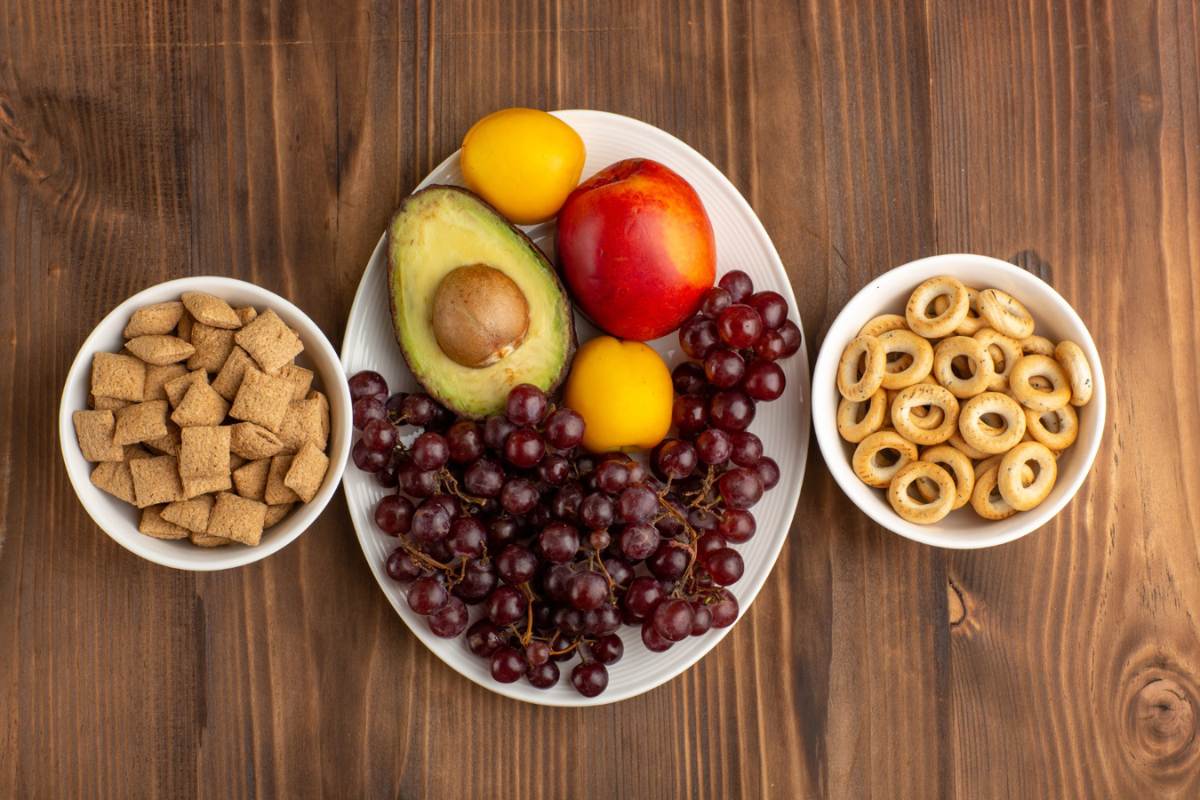
    Before we get into the impact, let’s define what we’re referring to by “junk food.” Generally speaking, these are foods that are calorie-dense but not very nutritious. Consider:

    • Sweets: Candies, chocolates, and pastries.
    • Salty snacks: Chips, pretzels, and salted nuts.
    • Fast food: Burgers, fries, and pizzas.
    • Sweet drinks: Sodas, energy drinks, and sweet teas.

    These foods tend to include too much sugar, salt, unhealthy fats, and artificial additives, and not enough nutrients such as vitamins, minerals, and fiber.

    The Immediate Aftermath: Short-Term Effects


    Eating junk food now and then may not seem so bad, but even short-term consumption can have noticeable consequences

    Energy Highs and Crashes

    Ever had a sudden energy spurt after a sweet treat, only to feel exhausted a little later? This ride is because of sudden spikes and crashes in blood sugar levels, causing tiredness and crankiness

    Digestive Uncomfort

    Excessive fat and minimal fiber content in most junk foods can make digestion slow, resulting in bloating and discomfort. These foods also interfere with the balance of the gut bacteria, which is responsible for healthy digestion.

    Poor Concentration

    That lethargy after a fast meal is not imaginary. Saturated-fat and sugar-rich diets can slow down brain function, making it difficult to focus and impair memory.

    The Cumulative Toll: Long-Term Health Risks

    Junk food habits aren’t just accumulating around the waistline; they’re setting the stage for a range of chronic diseases.

    Weight Gain and Obesity

    Junk foods contain high calories and tend to be eaten in excess. The outcome? Unwanted weight gain and, eventually, obesity. Worryingly, research has demonstrated that ultra-processed food diets are firmly linked to weight gain and obesity.

    Heart Disease

    Large amounts of trans fats, saturated fats, and sodium in junk foods tend to raise bad cholesterol (LDL) and blood pressure, putting one at a higher risk for heart disease and stroke. Diet plays an important part in coronary heart disease, with diet-related factors such as obesity and hypertension.

    Type 2 Diabetes

    Constant consumption of sugary foods and drinks can cause insulin resistance, a condition that often precedes type 2 diabetes. According to a 2023 meta-analysis, every 10% rise in the intake of ultra-processed foods contributed to a 12% greater risk of type 2 diabetes.

    Mental Health Implications

    The Science Behind the Addiction
    Ever wonder why you can’t seem to stop after just one chip? Junk food is designed to strike the “bliss point,” a sweet and fatty, salty mix that gets the reward system in your brain going, causing a rush of dopamine. The reaction is identical to that from addictive substances, and soon we’re in withdrawal, desiring more.

    Breaking the Cycle: Practical Strategies

    Knowledge is the beginning of understanding. Below is how you can cut back on junk foods:

    • Plan Your Meals: Cooking meals ahead of time can eliminate the urge for fast food.
    • Healthy Snacking: Eat fruits, nuts, and yogurt rather than chips and candies.
    • Stay Hydrated: At times, our bodies get confused between hunger and thirst. Drinking water can cut down on unnecessary snacking.
    • Mindful Eating: Listen to what and when you eat. Being aware of emotional eating can assist in making healthier food choices.

    Conclusion

    Eating junk food once in a while won’t hurt you, but doing it all the time can cause serious health problems, both physically and mentally. Being aware of these risks and making smart food choices can help you live a healthier, more active life. Don’t forget that it’s not about denying yourself; it’s about finding a balance that feeds both your body and your soul.

  • Walk This Way to Better Health: Exploring the Benefits of Different Walking Styles

    Walk This Way to Better Health: Exploring the Benefits of Different Walking Styles

    Without giving our gait much thought, we all fasten our shoelaces and go for a stroll. Beyond the well-established advantages of exercise, however, recent studies suggest that your gait may have some unexpectedly significant health impacts. Your walk may hold the secret to a host of unanticipated health advantages, ranging from boosting cognitive function to developing specific muscles.

    The Foundation: Advantages of Walking Daily

    We all tie our shoelaces and take a walk without really thinking about how we walk. However, new research indicates that your gait may have some surprisingly important health effects in addition to the well-known benefits of exercise. From improving cognitive function to building particular muscles, your walk could be the key to some unexpected health benefits.

    Step It Up the Intensity: The Benefits of Brisk and Power Walking

    For those who want to step up the health benefits, taking your step can pay off. Brisk walking, usually described as walking at over 100 steps per minute or approximately 3 to 4 miles per hour, has been associated with greater heart health and longevity. Studies have shown that converting a leisurely 14-minute walk to a brisk 7-minute walk may cut your risk of heart disease by 14%. In the long run, walking briskly may even result in your biological age being up to 16 years younger than that of those who walk slowly. Simply incorporating a brief, 10-minute brisk walk into daily life has been estimated to enhance life expectancy. Interestingly enough, the pace of your gait may be a better predictor of your likelihood of dying of heart disease than the usual suspects, such as blood pressure and cholesterol.

    One step further is power walking, which is usually at an average of 4 to 5.5 miles per hour. This more intense type of walking provides similar benefits to jogging, including a heightened heart rate and calories burned, but with decreased joint impact. Power walking has been found to decrease the risk of developing high blood pressure, high cholesterol, and diabetes. It can also lead to bone strength and greatly reduce the risk of hip fractures. In addition, it will tone muscles in your glutes, calves, core, arms, shoulders, and back. In addition to the physical benefits, power walking will also benefit your mental state in terms of decreased anxiety and depression, and cognitive function improvement, as well as sleep quality.

    Hiring More Muscles: The Nordic Walking Method

    For a total workout that utilizes both upper and lower body muscles, try Nordic walking. This technique consists of using specially adapted poles to push yourself along actively, working your arms, shoulders, and core as well as your legs. Research has established that Nordic walking is more efficient than fast walking without poles in heart rate, oxygen uptake, and exercise capacity. It has also proved to be advantageous for individuals with other conditions, such as reducing resting heart rate, blood pressure, and exercise tolerance. In addition, Nordic walking may reduce pain and tiredness in individuals with chronic illnesses such as back pain and fibromyalgia. It can also enhance upper-body strength, cardiovascular fitness, and flexibility, which makes it most suitable for older adults.

    The Unexpected Twist: Health Gains from Backward Walking

    In an unexpected finding, studies have uncovered distinct advantages to walking backward, or retro walking. This opposite direction of walking activates muscles differently than forward movement, including your hip flexors, glutes, quadriceps, hamstrings, and calves. Backward walking studies estimate that it strengthens back muscles and increases hamstring flexibility. It can also aid in the strengthening of ankles and enhancing balance, posture, and coordination. For lower back pain sufferers, walking backwards may provide relief and can be easier on the knee and hip joints. Surprisingly, it is connected to heightened activity in the prefrontal cortex, the part of the brain related to problem-solving and decision-making. Physiologically, it is more strenuous than forward walking, burning more calories. Backward walking has also been found to enhance gait, walking pace, and balance, particularly in recovery from an injury.

    Finding Your Inner Peace: The Benefits of Mindful Walking

    Turn your ordinary walk into a mind-body practice by practicing mindfulness. Mindful walking brings together physical movement, attentive focus, awareness of the sensations in your body, and regulated breathing. The emphasis lies in being entirely present with each step, instead of focusing on the goal of reaching somewhere. The practice has been found to help decrease stress by reducing cortisol levels. Mindful walking also activates the release of endorphins, which are natural mood elevators, and can also help lead to better sleep. By heightening your awareness of your body, you can increase self-awareness, possibly resulting in healthier lifestyle habits. Research has also shown that mindful walking can enhance metabolic health, such as maintaining blood pressure and blood sugar levels.

    Walk This Way: The Significance of Proper Technique

    No matter what kind of walking style you adopt, you must have an appropriate technique to achieve maximum benefits and avoid injuries. Professionals suggest keeping your head in a raised position, gazing forward, releasing your shoulders, swinging your arms naturally, using your core, and involving a heel-to-toe roll in every step. Steer clear of slouching, taking unusually long strides, and wearing proper shoes as well.

    Listen to Your Body: When to Exercise Caution

    Walking is generally safe, but in certain situations, precautions or adjustments may be necessary. It is important for people with neurological conditions, musculoskeletal conditions, joint disorders, arthritis, or balance issues to understand their limitations. A medical professional should always be consulted, especially when starting a new or more demanding walking technique.

    You can tailor your daily walk to target specific fitness goals and overall health by learning about the surprising health benefits of various walks. A healthier and happier you can achieve by varying your walking routine, whether you choose to increase your pace with brisk or power walking, work more muscles with Nordic walking, challenge your body and mind with walking backwards, or develop inner peace with mindful walking.

    Table: Summary of Key Health Benefits by Walking Style

    Walking StyleKey Benefits
    Regular WalkingImproved cardiovascular health, blood sugar control, weight management, sleep quality, mental well-being, and reduced risk of chronic diseases
    Brisk WalkingEnhanced cardiovascular benefits, increased calorie expenditure, reduced risk of heart disease and early death, and potential for increased life expectancy
    Power WalkingSimilar benefits to jogging, with lower joint impact, increased calorie burn, muscle toning, improved VO2 max, enhanced mental health, and cognitive function
    Nordic WalkingUpper body engagement, increased energy expenditure, improved cardiovascular fitness, benefits for chronic pain, back pain, diabetes, and cardiovascular disease, enhanced balance and posture
    Backward WalkingStrengthens specific muscle groups (quadriceps, glutes, hamstrings), improves balance and coordination, has potential cognitive benefits, increases calorie burn, and may ease knee and back pain
    Mindful WalkingStress reduction, improved mood, enhanced body awareness, potential positive impacts on metabolic health (blood pressure, blood sugar), increased sense of presence and gratitude
  • High Smoke Point Cooking Oils vs. Low Smoke Point Oils: What’s the Difference?

    High Smoke Point Cooking Oils vs. Low Smoke Point Oils: What’s the Difference?

    So, What’s the Deal with Smoke Points Anyway?

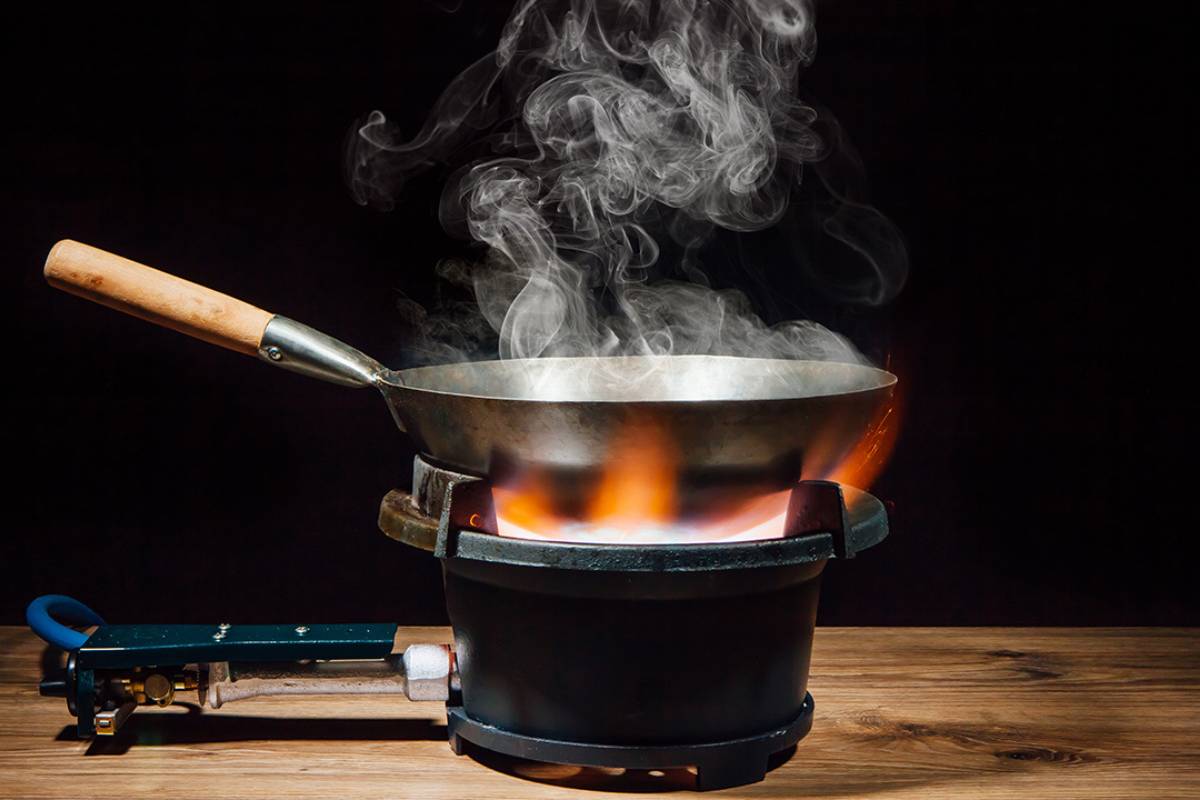
    Let’s get this out of the way: not all oils for cooking are the same. Some can handle the heat. What else? Not really. Believe it or not, the reason has to do with something called the “smoke point.” Sounds like a lot, doesn’t it? For example, “the point of no return.”

    The smoke point is the temperature at which oil begins to smoke and break down. If you’re not careful, it can also make your kitchen smell like a chemistry lab gone wrong. Not great. Things start to get strange after that. The oil’s taste changes (not in a good way), nutrients start to leave, and you might even find some bad stuff floating around in your food. Oh no.

    Why Should You Even Care?

    Let’s be honest. Most of us just grab the oil that is closest and hope for the best. But here’s the catch: using the right oil for the right job? A total game changer. Your food tastes better, your kitchen stays less smoky, and you don’t accidentally make your meals less healthy.

    Ever tried frying chicken in extra virgin olive oil? Yeah. Don’t. (Unless you like the taste of burnt dreams.)

    High Smoke Point Oils: The Heavy Lifters

    Okay, picture this: you’re about to sear a steak, or maybe you’re deep-frying something crispy (fries, tempura, you name it). You need an oil that can handle the heat, literally. Enter: high smoke point oils.

    These are the tough guys. The ones that don’t flinch when things get hot. Avocado oil? Practically unbothered at 520°F. Refined peanut oil? It’s chilling at 450°F. Safflower, sunflower, and canola—these are your go-tos for anything that sizzles, pops, or needs a golden crust.

    And here’s a fun fact: it’s usually the refined oils that can take the heat. They’ve had their “impurities” (which, let’s be real, sometimes means flavor) stripped out, so they’re more stable. Less drama in the pan.

    Low Smoke Point Oils: The Delicate Types

    Now, on the flip side, you’ve got your low smoke point oils. These are the sensitive souls. The ones you want to treat gently, like a fancy olive oil you picked up on vacation, or that tiny bottle of walnut oil you splurged on because, well, why not?

    These oils start to smoke at lower temperatures. We’re talking 225°F for flaxseed oil (basically, don’t even look at it funny), 320°F for walnut oil, and around 350°F for unrefined coconut oil. Butter? It’s in this club, too. And extra virgin olive oil, yes, the one everyone raves about for “health,” is best for drizzling, dipping, or low-heat sautéing.

    So, what do you do with these? Think salad dressings, finishing touches, or a gentle sauté. Anything more, and you’re risking a smoky kitchen and wasted flavor.

    The Science-y Bit (But Not Boring, Promise)

    Why do some oils smoke sooner than others? It’s all about what’s in them. Refined oils have had a lot of the stuff that burns easily (free fatty acids, little bits of plant matter) taken out. That’s why they’re more heat-resistant. Unrefined oils? They’re packed with flavor and nutrients, but also with things that don’t love high heat.

    And then there’s the fat breakdown. Saturated fats (like coconut oil and butter) are a bit more stable, but often have lower smoke points. Monounsaturated and polyunsaturated fats (think olive, avocado, sunflower) can go either way, depending on how they’re processed.

    Health: Is Hotter Always Better?

    Here’s where it gets interesting. You might think, “Hey, if high smoke point oils are more stable, they must be healthier, right?” Well… not so fast. It’s complicated.

    Refined oils can handle the heat, but sometimes they lose nutrients in the process. Unrefined oils keep all their good stuff—antioxidants, vitamins, and flavor—but you can’t crank up the heat without losing those perks. And if you push any oil past its smoke point, you risk creating not-so-great compounds (acrolein, anyone?).

    So, what’s the move? Use high-smoke-point oils for high-heat jobs. Save the fancy, flavorful stuff for when you want to taste it. And don’t stress too much; balance is key.

    Real-Life Scenarios (Because Who Doesn’t Love a Good Example?)

    Cooking Method

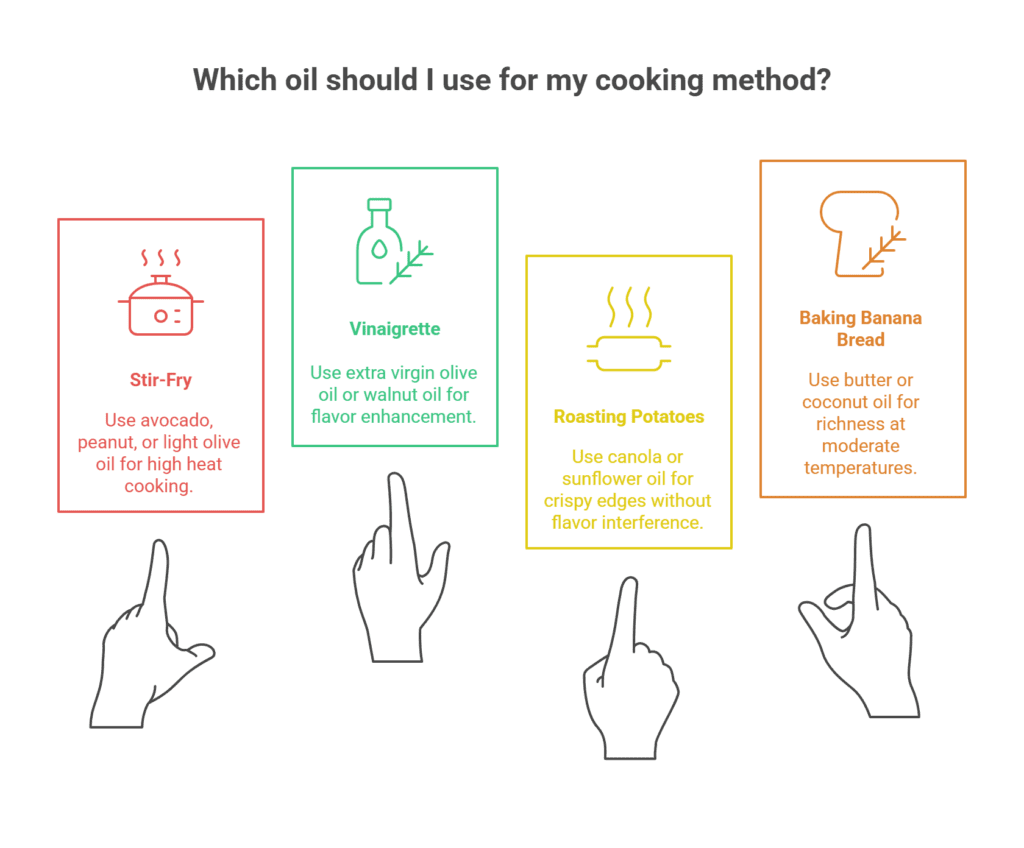
    Let’s say you’re making stir-fry. You want that pan screaming hot. Grab avocado oil, peanut oil, or even light olive oil (not extra virgin). Your veggies will thank you.

    Making a vinaigrette? Now’s the time to break out the extra virgin olive oil or walnut oil. You’ll actually taste the difference.

    Roasting potatoes? Canola or sunflower oil will get you that crispy edge without any weird flavors.

    Baking banana bread? Butter or coconut oil adds richness, but keep the temp reasonable.

    Quick Table (Because Sometimes You Just Want the Facts)

    Oil TypeSmoke Point (°F)What It’s Good For
    Avocado (refined)520Searing, frying, grilling
    Safflower (refined)510Roasting, frying
    Sunflower (refined)450Sautéing, frying
    Peanut (refined)450Deep frying, stir-frying
    Canola (refined)400Baking, sautéing
    Grapeseed420Sautéing, frying
    Olive (extra virgin)325-375Dressings, drizzling, low-heat
    Coconut (unrefined)350Baking, low-heat sautéing
    Flaxseed225Dressings, finishing
    Walnut320Dressings, finishing

    (And yes, you can totally screenshot this for later.)

    Picking the Right Oil: It’s Not Rocket Science

    Here’s the thing: you don’t need a PhD to pick the right oil. Just ask yourself a few questions. How hot is your pan going to get? Do you want the oil to add flavor, or just do its job quietly in the background? Are you after health perks, or just that perfect crispy edge?

    If you’re frying, roasting, or grilling, go for a high smoke point. If you’re making a salad or finishing a dish, go low smoke point, and let the flavor shine.

    And don’t be afraid to experiment. Sometimes the “wrong” oil ends up being your new favorite. (Just, you know, maybe open a window.)

    FAQs, Because Everyone’s Got Questions

    Can I fry with extra virgin olive oil?
    Technically, yes, but you’ll lose a lot of its flavor and health benefits. Plus, it’ll smoke up your kitchen. Save it for drizzling.

    Is coconut oil good for high heat?
    Refined coconut oil can handle more heat than unrefined, but it’s still not the best for deep frying. Use it for baking or gentle sautéing.

    What happens if I use the wrong oil?
    Worst case? Burnt taste, smoky kitchen, maybe some not-so-great compounds in your food. Not the end of the world, but not ideal.

    Are high-smoke-point oils less healthy?
    Not always. It depends on the oil and how it’s processed. Just don’t overdo it, moderation is your friend.

    What’s the healthiest oil?
    Depends on who you ask, but oils high in monounsaturated fats (like olive and avocado) are usually a safe bet.

    A Few Tips (From Someone Who’s Burned a Pan or Two)

    Store your oils somewhere cool and dark; sunlight is not their friend. Keep the lids tight. If it smells weird, toss it. And don’t buy the giant jug unless you’re running a restaurant. Fresh is best.

    The Bottom Line (Or, Why Any of This Matters)

    Let’s be honest: the oil you use can make or break your food. If you need to cook something hot and fast, high-smoke-point oils are the way to go. Oils with a low smoke point? For flavor and finishing touches, they’re the secret weapon.

    Mix it up. Try new things. Don’t be afraid to mess up; some of the best kitchen stories start with, “So I accidentally used the wrong oil…”