Tag: Health Benefits

  • The Keto Diet: A Comprehensive Guide to Weight Loss and Health Benefits

    The Keto Diet: A Comprehensive Guide to Weight Loss and Health Benefits

    The Keto Diet has taken the health and wellness world by storm, promising quick weight loss, clearer thinking, and better metabolic health. But what is this diet really, and does it really work? This in-depth guide will look at the science behind the keto diet, its pros and cons, tips for making it work, and common myths. This article gives you evidence-based advice to help you make smart, data-driven decisions, whether you’re new to keto or want to improve your plan.

    The Keto Diet: How It Works

    The ketogenic (keto) diet is a way of eating that is high in fat and low in carbs. Its goal is to get your body into a state of ketosis. Normally, your body gets its energy from glucose, which comes from carbs. When you cut back on carbs a lot (usually to 20–50 grams a day), your body starts to use fat for energy. The liver turns fats into ketones, which the brain and muscles can use as fuel instead of glucose.

    Key Principles of the Keto Diet:

    • Low Carbs: 5–10% of daily calories from carbohydrates.
    • High Fat: 70–80% of calories from healthy fats.
    • Moderate Protein: 15–20% of calories from protein.

    This macronutrient balance not only encourages fat burning but also maintains blood sugar and insulin levels within a healthy range.

    Benefits of the Keto Diet

    Scientific research and personal accounts point to several possible benefits of the keto diet:
    Benefits of the Keto Diet
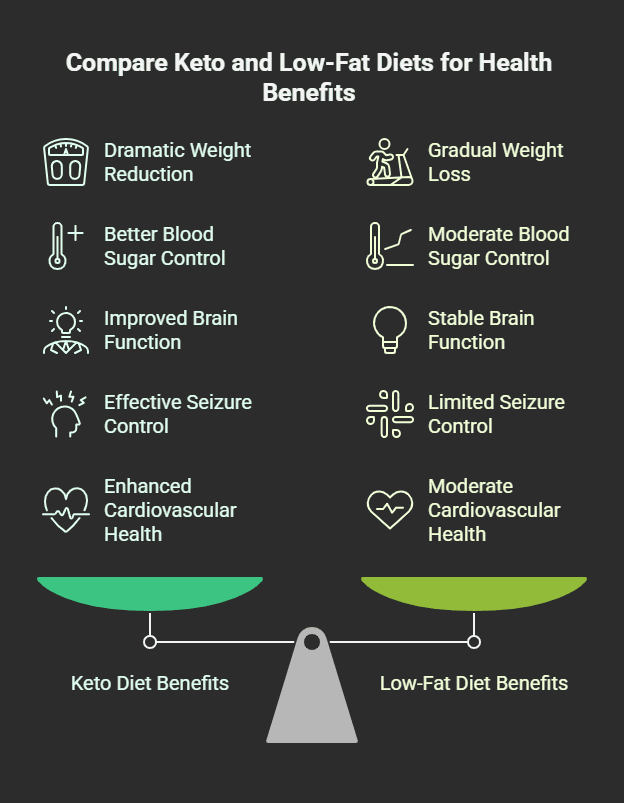
    • Weight Loss: By reducing hunger and increasing fat burning, keto can result in dramatic weight reduction. A review of the British Journal of Nutrition in 2013 discovered that keto dieters lost more weight than low-fat dieters over six months.
    • Better Blood Sugar Control: A study in Nutrition & Metabolism (2018) indicates that keto could lower HbA1c levels, which is helpful for those with type 2 diabetes or prediabetes.
    • Improved Brain Function: Ketones are a productive fuel for the brain, possibly enhancing concentration and lessening brain fog.
    • Seizure Control: First formulated in the 1920s as an epilepsy treatment, the keto diet is still a treatment for drug-resistant epilepsy.
    • Cardiovascular Health: If executed well (focusing on unsaturated fats), keto can enhance HDL cholesterol and triglycerides.

    Foods to Enjoy on the Keto Diet

    Structuring a keto plate involves strategically choosing nutrient-rich, low-carb foods

    • Healthy Fats: Avocados, olive oil, coconut oil, nuts, seeds, and fatty fish such as salmon.
    • Proteins: Grass-fed meats, poultry, eggs, and tofu.
    • Low-Carb Vegetables: Spinach, kale, broccoli, cauliflower, and zucchini.
    • Dairy: Full-fat cheese, butter, and unsweetened Greek yogurt.
    • Beverages: Water, herbal tea, and black coffee.

    Avoid: Sugary snacks, grains, legumes, starchy vegetables (potatoes, corn), and most fruits (except berries in small amounts).

    Potential Side Effects and How to Manage Them

    Switching to keto may produce short-term side effects, commonly referred to as the “keto flu”:

    • Fatigue
    • Headaches
    • Nausea
    • Constipation

    Solutions:

    • Hydrate and replenish electrolytes (sodium, potassium, magnesium).
    • Taper off carbs gradually rather than an immediate change.
    • Add fiber-rich, low-carb vegetables to facilitate digestion.

    Most symptoms disappear within a week as the body adjusts.

    7 Tips for Being Successful on the Keto Diet

    • Plan Meals: Pre-cook keto essentials such as cauliflower rice or grilled chicken.
    • Monitor Macros: MyFitnessPal-type apps enable monitoring of carb consumption.
    • Experiment with Recipes: Experiment with keto pancakes (almond flour + eggs) or zucchini noodles.
    • Watch for Hidden Carbs: Read labels for sugars in sauces, dressings, and processed foods.
    • Get Moving: Exercise speeds up ketone production and burning fat.
    • Sleep Well: Poor sleep disrupts ketosis and heightens cravings.
    • Consult an Expert: A nutritionist can make the diet specific to you.

    Debunking Common Keto Myths

    • “Keto Means Eating Unlimited Bacon”: Although keto is fat-heavy, quality is more important. Use avocados and nuts instead of processed meats
    • Keto is Unsustainable.”: Most use cyclical keto (5–6 keto days with 1–2 higher-carb days) to maintain long-term compliance.
    • “Keto Causes Muscle Loss”: Proper protein intake maintains muscle mass, particularly when combined with strength training.

    The Science Behind the Keto Diet

    Recent research supports its effectiveness:

    • A 2020 meta-analysis in Obesity Reviews upheld keto’s advantage over low-fat diets for short-term weight loss.
    • Cell (2017) research associated ketosis with less inflammation and a longer lifespan in mice.

    Long-term effects (more than 2 years) are still poorly researched.

    Who Should Not Follow the Keto Diet?

    Safe for the majority, keto is not ideal for

    • Pregnant or lactating women.
    • People with pancreatitis, liver disease, or unusual metabolic disorders.
    • Those with a history of eating disorders.

    Always consult a medical professional before beginning.

    Conclusion

    The keto diet is an interesting way to lose weight and improve your metabolism, and new research backs it up. But to be successful, you need to plan ahead, pay attention to your body, and choose your food carefully. You can decide if keto is right for you by weighing the pros and cons. Keep in mind that there is no one-size-fits-all answer. Balance and sustainability are the keys to staying healthy for a long time.


  • Intermittent Fasting: Unlocking Health Benefits and Practical Guide

    Intermittent Fasting: Unlocking Health Benefits and Practical Guide

    Intermittent fasting is a way of eating based on time that can help with weight control, metabolic health, cellular renewal through autophagy, brain health, and maybe even living longer. However, people need to be careful about possible side effects like hunger, overeating, and heart problems. This article talks about intermittent fasting, its most common forms, how it works, its proven benefits and risks, practical advice, and tips for success.

    What Is Intermittent Fasting?

    Intermittent fasting is a way of eating that involves fasting and eating at certain times, rather than telling you what foods to eat or how much of each macronutrient to eat. It usually includes cycles of daily time-restricted windows and weekly whole-day fasts. Intermittent fasting limits the time of day when a person can eat, and it has become a popular way to lose weight and improve health. People eat very few or no calories during fasting periods, and then they go back to their regular diet.

    Intermittent Fasting Types

    Time-Restricted Eating (TRE)

    The most popular type of intermittent fasting, sometimes referred to as the 16/8 method, is to fast for 16 hours and eat within an 8-hour window daily. Some people do variations such as 14/10 or even narrower 4- to 6-hour windows, depending on their lifestyle and preference.

    Eat-Stop-Eat

    This method involves a complete 24-hour fast one or two times a week. Supporters claim that it can be more complicated and might involve experience with previous fasting to endure it comfortably.

    5:2 Diet

    With this regimen, one eats normally five days per week and limits caloric intake to about 500–600 calories on two non-consecutive days. Research demonstrates this strategy achieves weight-reduction outcomes similar to, and sometimes superior to, calorie restriction on every occasion.

    Alternate-Day Fasting (ADF)

    ADF varies between days of free eating and days of complete or partial fasting, usually in the range of 25% of normal calorie intake. Meta-analyses indicate ADF might produce more fat-mass loss and improved compliance compared to usual calorie-restricted diets.

    Periodic Fasting

    Periodic fasting comprises longer fasts (2–7 days) repeated at long intervals, i.e., monthly or quarterly.
    This strategy, otherwise referred to as extended or periodic fasting, is being explored for its impact on healthspan as well as disease prevention.

    How Intermittent Fasting Works

    Energy Metabolism Shift

    Intermittent fasting prolongs the amount of time that the body has depleted stored glucose (glycogen) and has started mobilizing fat reserves as fuel, increasing fat-burning effectiveness.

    Cellular Repair and Autophagy

    Fasting initiates autophagy, a cellular “cleanup” mechanism that degrades and recycles faulty cells.

    Hormonal Adjustments

    Fasting may enhance insulin sensitivity and lower insulin levels, enabling fat loss. The release of growth hormone could increase, helping maintain muscle and regulating metabolism.

    Circadian Rhythm Alignment

    Synchronizing eating periods with daylight can perhaps maximize circadian biology, helping to improve sleep, digestion, and metabolic benefits.

    Health Benefits of Intermittent Fasting

    Weight Loss and Metabolic Health

    Several trials document weight loss between 0.8% and 13% of initial body weight without serious adverse events, with results comparable to standard calorie-restriction diets. Time-restricted eating has been associated with decreased fat mass and enhanced compliance relative to continuous restriction. In type 2 diabetics, fasting has shown increased weight loss and blood sugar levels compared to control diets.

    Cellular Repair and Disease Prevention

    With heightened autophagy, alternate-day fasting can prevent the occurrence of faulty proteins and cellular debris associated with senescence and diseases like Alzheimer’s and Parkinson’s.Periodic fasting is being researched for its ability to delay cellular aging and decrease disease risk factors.

    Brain Function and Cognitive Health

    Cognitive effects research is inconsistent: short-term trials in healthy individuals reveal no distinct cognitive improvements, whereas other studies indicate enhancements in executive function and memory in certain groups. Animal and initial human research indicate that intermittent fasting can enhance brain resilience through metabolic and cellular processes.

    Longevity and Healthspan

    Evidence from animal models and new human studies suggests that periodic and intermittent fasting can enhance physiological function, increase physical performance, and retard aging markers, possibly increasing healthspan.

    Risks and Considerations

    Although usually safe for normal-weight adults, intermittent fasting can produce side effects like hunger, headaches, irritability, and disrupted social interactions from meal timing limitations. Consuming excess calories during eating windows can counteract caloric deficits, sabotaging weight-loss efforts.
    Some observational data associate strict time-restricted eating (e.g., 8-hour windows) with increased cardiovascular mortality risk, although causation is not established, and more studies are required.
    Long-term evidence proposes a possible doubled risk of fatal cardiac events relative to more extended meal schedules, advising caution for cardiovascular risk factor sufferers. Intermittent fasting might not be appropriate for pregnant or breastfeeding women, people with a history of eating disorders, young children, or those with some chronic diseases unless monitored by healthcare providers.

    How to Begin Intermittent Fasting

    • Select a Method: Pick a fasting regimen (e.g., 16/8, 5:2, ADF) that suits your lifestyle and comfort level.
    • Gradual Adjustment: Start with a shorter fasting period (e.g., 12 hours) and gradually advance to your desired duration to avoid discomfort.
    • Hydrate: Consume water, herbal tea, or black coffee during fasting periods to suppress hunger and sustain energy.
    • Attentive Eating: Eat nutrient-dense, whole foods during eating periods to facilitate satiety and overall health.
    • Consult Healthcare Providers: Individuals with pre-existing medical conditions or concerns must consult a professional before they start fasting.

    Success Tips for Intermittent Fasting

    • Stick to a Routine Schedule: Sync fasting and eating periods with your daily schedule to create a lasting habit.
    • Balance Macronutrients: Focus on sufficient protein, healthy fats, and fiber-dense carbohydrates to remain full and satiated.
    • Monitor Progress: Monitor body measurements, energy levels, and blood markers (if accessible) to determine benefits and make adjustments.
    • Be Patient: Metabolic changes can take weeks; regular practice usually provides more accurate results than sudden alteration.

    Frequently Asked Questions

    Q: Will intermittent fasting slow my metabolism?
    A: Preliminary short-term studies indicate that metabolism is maintained or can even rise somewhat during fasting, as a result of hormonal feedback such as increased norepinephrine.
    Q: Can I work out while fasting?
    A: Mild to moderate exercise is usually okay; pay attention to your body and stay hydrated. For intense workouts, some do not like working out while they are fasting.
    Q: Is calorie restriction the same as intermittent fasting?
    A: Although both target lowering total caloric consumption, intermittent fasting emphasizes timing over constant counting of calories. Both have similar weight-reduction results, according to studies.

    Conclusion

    Intermittent fasting offers a flexible, evidence-based approach for improving weight management, metabolic health, cellular repair, and potentially cognitive function and lifespan. It looks promising, but it needs to be used carefully and with care to avoid side effects, especially by people who already have health problems. People can get the most out of intermittent fasting as a long-term, healthy way of life by choosing the right fasting method, sticking with it, and focusing on balanced nutrition.

  • Drinking Coffee Helps You Live Longer: Science Behind Coffee’s Health Benefits

    Drinking Coffee Helps You Live Longer: Science Behind Coffee’s Health Benefits

    ​Coffee is more than just a morning ritual; it might also be the key to living longer and healthier. Recent studies show that drinking coffee can help you live longer because it has a lot of antioxidants and other healthy substances. Moderate coffee consumption has been linked to reduced risks of chronic diseases and even mortality in individuals consuming black, decaffeinated, or lightly milked coffee.k.

    How Drinking Coffee Keeps You Alive Longer

    Drinking Coffee Keeps You Alive Longer

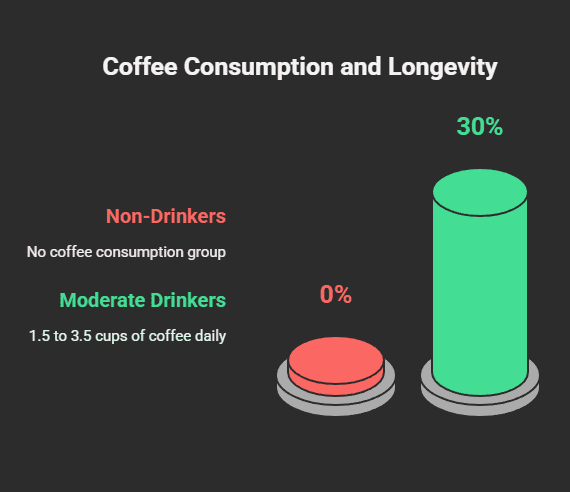
    Many big studies have found a strong link between drinking coffee and living a long time. For instance, a study published in the Annals of Internal Medicine in 2022 looked at data from over 170,000 people in the UK and found that people who drank 1.5 to 3.5 cups of coffee a day were up to 30% less likely to die during the study than people who didn’t drink coffee.

    Harvard scientists also found that drinking three to five cups of coffee a day lowered the risk of dying from type 2 diabetes, heart disease, and neurological disorders. These effects were seen whether the coffee had caffeine in it or not, which means that other things besides caffeine are what make these benefits happen. ​

    The Science Behind Coffee’s Health Benefits

    Coffee contains antioxidants like chlorogenic acid that fight oxidative stress, a process involved in aging and disease. These antioxidants can decrease inflammation and increase insulin sensitivity, hence reducing the risk of type 2 diabetes and cardiovascular disease.

    Besides that, coffee is rich in polyphenols and other bioactive molecules that might guard against certain cancers and assist with liver well-being. The complicated chemical structure of the beverage adds to the possibility of promoting longevity.​

    Coffee and Heart Health

    Moderate coffee intake has been linked to a lower risk of heart disease. Drinking two to three cups of coffee per day has been found, according to a study in the European Journal of Preventive Cardiology, to be associated with a 20% lower risk of cardiovascular disease. ​
    The research further pointed out that both caffeinated and decaffeinated coffee beans were responsible for this advantage, suggesting that something other than caffeine is responsible for heart health.​

    Effects of Coffee on Brain Health

    Effects of Coffee on Brain Health

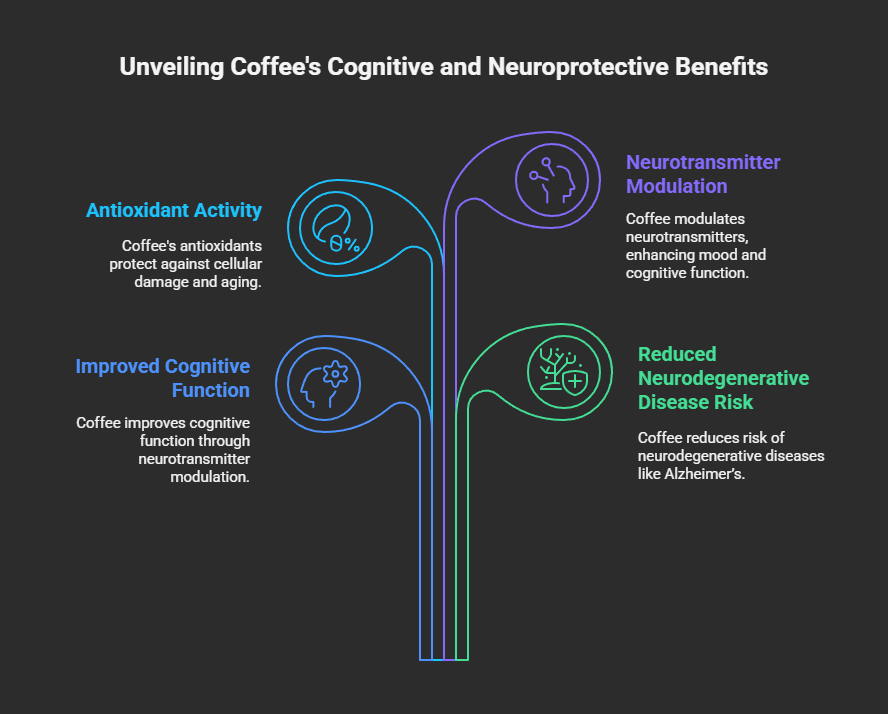
    Regular consumption of coffee can also improve cognitive function and lower the chances of neurodegenerative disease. Research has shown that those who consume coffee have less of a chance of developing neurodegenerative diseases such as Alzheimer’s and Parkinson’s diseases.
    Healthline

    The neuroprotective actions are believed to be due to the antioxidant activity of coffee and its capacity to modulate neurotransmitter function, improving mood and cognitive function.​

    Coffee and Type 2 Diabetes

    Several studies have identified coffee consumption as being associated with a reduced risk of type 2 diabetes. The antioxidants and anti-inflammatory compounds in the beverage can enhance insulin sensitivity and glucose metabolism.

    Both caffeinated and decaf coffee seem to confer this protective benefit, so adding it to a diabetes-preventive diet could be a valuable choice.​

    Coffee and Mental Health

    In addition to physical health, coffee can have a positive effect on mental well-being. Scientific studies show that moderate coffee use is linked to a reduced chance of depression and can improve mood overall. ​

    The caffeine in coffee is a weak antidepressant because it enhances the synthesis of neurotransmitters such as serotonin and dopamine, which are associated with mood control.​

    Coffee’s Role in Healthy Aging

    One recent study that had participants above age 55 showed that having two to three cups of coffee every day was linked to a 64% reduction in frailty risk. Frailty is linked with an increased risk of falls and decreased recovery from disease or injury. The coffee’s antioxidants might be responsible for maintaining muscle strength and overall vigor among older individuals.

    How Much Coffee Is Optimal?

    Coffee is good for your health in many ways, but you should only drink it in moderation. Most studies show that the best health benefits come from drinking two to five cups a day. Drinking more can make you feel bad, like making you sleepy, jittery, or raising your heart rate. ​

    It’s also important to think about how the coffee is made. Filtered coffee is usually better than unfiltered coffee, like French press, because it gets rid of things that can raise cholesterol levels.. ​

    What Not to Do in Your Coffee

    To get the maximum health benefits from coffee, it is recommended to restrict the use of sugar, cream, and flavored syrups, which provide extra calories and cancel out some of the beneficial effects. Drinking black coffee or adding small quantities of milk or natural sweeteners can keep its health-promoting attributes intact.

    Conclusion: Adopting Coffee for a Healthier Life

    Drinking a moderate amount of coffee every day can be a fun and healthy habit. Coffee is more than just a soothing drink; it could help you live longer by lowering your risk of chronic diseases and improving your mental and physical health.

  • Founded Health Benefits of Ghee: Beyond Clarified Butter

    Founded Health Benefits of Ghee: Beyond Clarified Butter

    Indian medicine and home cooking have loved ghee, a golden, fragrant fat, for thousands of years. Ghee used to be thought of as just a cooking oil, but now it’s making a comeback around the world thanks to health advocates and food explorers. But what does modern science say about this old food besides its rich, nutty taste and cultural importance? This article goes into great detail about the health benefits of ghee, looking at the studies that back up its growing reputation as a good addition to a healthy diet. Let’s find out what makes this liquid gold so great, from how it helps with digestion to how it gives you important nutrients and makes you a star in the kitchen. 

    What is Ghee Exactly? The Golden Elixir Explained

    In short, ghee is butter that has been clarified. Making traditional ghee is both simple and dramatic. It starts by gently simmering butter that hasn’t been salted. When you heat the butter, the water in it evaporates, and the milk solids, which are mostly lactose (milk sugar) and casein (milk protein), break off and settle at the bottom or rise to the surface, where they can be skimmed off or strained out.
    The only thing left is pure butterfat, which is a clear, golden liquid when hot and a creamy or slightly grainy liquid when cold. This process of clarification does more than just clean the butter; it changes its taste a lot. Ghee is better for cooking at higher temperatures because it has a higher smoke point than regular butter. It also has a unique, slightly nutty, and caramelized flavor that most people can’t resist.

    While the fundamental process is the same, you may find various forms of ghee:

    • Cow Ghee: Generally the one of the choices in Ayurveda, usually lighter in colour and easier to digest according to some schools.
    • Buffalo Ghee: May be richer, creamier, and whiter, with a greater fat content.
    • Grass-Fed Ghee: Produced from the milk of pasture-grazing cows. This form is commonly promoted since what the cows eat can impact the fatty acid composition of the milk, possibly making it richer in certain desirable components such as Conjugated Linoleic Acid (CLA) and Vitamin K2 than grain-fed cow ghee.
    • Cultured Ghee: Produced from butter that has been first cultured (fermented), sometimes giving a slightly tangier taste.

    The process of removing the milk solids also makes ghee practically lactose- and casein-free, so it is an available choice for most who are sensitive to these in dairy.

    A Look Inside: The Nutritional Profile of Ghee

    It begins with understanding the nutritional composition of ghee. As clarified butterfat, ghee consists mainly of fat, naturally, in the form of about 99.5%. It has negligible protein and carbohydrate content.
    A standard tablespoon (about 14-15 grams) of ghee has the following:

    • Calories: 112-130
    • Total Fat: 13-15 grams
    • Saturated Fat: About 8-9 grams (about 50-60% of total fat)
    • Monounsaturated Fat: About 4-5 grams (about 20-30% of total fat)
    • Polyunsaturated Fat: Approximately 0.5 grams (Omega-3 and Omega-6 fatty acids)

    Protein: Trace amounts
    Carbohydrates: Trace amounts (essentially zero)
    Lactose: Trace amounts (essentially zero)
    Casein: Trace amounts (essentially zero)
    Though the excessive fat, specifically saturated fat, content calls for cautious consumption, ghee is also a carrier of valuable fat-soluble vitamins and certain fatty acids that are associated with health benefits:

    • Fat-Soluble Vitamins: Ghee has Vitamins A, D, E, and K.
    • Vitamin A: Tends to supply about 12-13% of the Daily Value (DV) per tablespoon. Essential for vision, immune function, reproduction, and cell growth.
    • Vitamin E: Supplies about 2% of the DV per tablespoon. Powerful antioxidant that defends cells against damage.
    • Vitamin K: Supplies about 1% of the DV per tablespoon. Important for blood clotting and bone health (particularly K2, which could be greater in grass-fed ghee).
    • Vitamin D: Found, although levels may differ. Essential for immune response and calcium absorption.

    Butyric Acid: A short-chain fatty acid (SCFA) with positive effects on gut health. Ghee is a rich source.
    Conjugated Linoleic Acid (CLA): A polyunsaturated fatty acid present naturally in ruminant meat and dairy. Levels may be higher in grass-fed ghee. Studies associate CLA with numerous possible health benefits.
    Omega-3 and Omega-6 Fatty Acids: In smaller quantities, these are essential fatty acids that the body cannot synthesize on its own.
    It’s this special combination of fats and micronutrients that forms the basis of many of the health benefits linked with ghee.

    Delving into the Research-Backed Health Benefits of Ghee

    While ancient wisdom has long prized ghee, contemporary science is increasingly examining its properties. Let’s discuss some of the primary areas where research indicates ghee provides real health benefits.

    The Digestive Health Benefits of Ghee: Powering Your Gut

    One of the most often-quoted health benefits of ghee is that it is related to digestion. This is largely due to its composition of butyric acid (or butyrate)

    • What is Butyric Acid? It’s a short-chain fatty acid (SCFA). Though ghee includes pre-formed butyrate, our gut flora also create butyrate upon fermenting the dietary fiber.
    • Energy to Colon Cells: Butyrate is the optimal fuel for our colon cells’ lining cells (colonocytes). A sufficient supply of energy contributes to the upkeep of the gut lining’s health and integrity.
    • Gut Lining Integrity: A robust gut lining is essential to absorb nutrients correctly and avoid letting unwanted substances sneak into the bloodstream (commonly known as “leaky gut”).
    • Possible Anti-inflammatory Effects: Studies, including those referenced by and performed on gut cells, indicate that butyrate has anti-inflammatory effects in the digestive system. This could ease inflammation and may be useful for some digestive disorders, though more human clinical trials are required.
    • Relaxing Digestion: Ayurvedic tradition employs ghee to aid digestion, thinking it induces the secretion of stomach acids to facilitate the breakdown of food. Some contemporary sources indicate that ghee lubricates the digestive tract, which might relieve constipation.
    • Absorption of Nutrients: By maintaining a healthy gut ecosystem, ghee might indirectly assist in the absorption of other nutrients from food.

    While ghee offers butyrate directly, remember that nurturing your gut microbiome with plenty of fiber-rich foods (fruits, vegetables, whole grains, legumes) is the primary way your body generates its own supply of this vital SCFA. Using ghee can be seen as a supplementary source.

    A Rich Source of Essential Fat-Soluble Vitamins

    Ghee is an excellent dietary source of fat-soluble vitamins A, D, E, and K. Fat is necessary for the absorption of these vitamins, and ghee acts as a good carrier in this respect.

    • Vitamin A: As noted, ghee is an excellent source. Vitamin A is essential for having good vision (particularly in dim light), a healthy immune system, healthy skin, and is involved in bone growth and cell communication (Health.com, Consumer Affairs).
    • Vitamin E: Ghee is rich in Vitamin E, a strong antioxidant. Antioxidants keep your body’s cells safe from damage by unstable molecules known as free radicals. This protective mechanism is associated with a reduced risk of many chronic diseases, such as heart disease and some cancers.
    • Vitamin K: While better recognized for its function in blood coagulation, Vitamin K (particularly K2, possibly more in grass-fed ghee) is also essential for bone mineralization. It controls calcium deposition, causing it to be deposited into bones and teeth and not in arteries and soft tissues.
    • Vitamin D: Though quantities may fluctuate depending on diet and exposure to sunlight, ghee does impart some Vitamin D. This vitamin is vital to the body’s ability to absorb calcium, bone health, immune system operation, and mood balance.

    In addition, the process of frying vegetables and other nutrient-dense foods with ghee can increase your fat-soluble vitamin absorption in those foods themselves. A spoonful of ghee over your steamed carrots or leafy greens may give you more nutritional bang for your buck. 5.3 Potential

    Anti-Inflammatory and Antioxidant Effects

    Chronic inflammation is associated with many health issues, ranging from heart disease to arthritis. Ghee has several compounds that can potentially fight inflammation and oxidative stress.

    • Butyrate: As explained in the case of digestion, butyrate also has anti-inflammatory effects outside the gut. Research indicates it can modulate the immune response.
    • Conjugated Linoleic Acid (CLA): Certain studies show that CLA has anti-inflammatory properties (ResearchGate, VCE Publications). It may act by affecting the signalling pathways used in inflammation.
    • Antioxidants: Ghee has antioxidants such as Vitamin E and possibly others formed during the process of heating. These substances neutralize free radicals, minimizing oxidative stress, which is one of the main causes of inflammation and cellular aging.
    • Ayurvedic Use: Ayurvedic medicine has long utilized ghee both internally and externally (e.g., for burns and swelling) due to its perceived anti-inflammatory and calming qualities.
    • Although promising, most of the evidence regarding ghee’s direct anti-inflammatory action is based on animal or cell studies. More human trials on a large scale are necessary to fully realize its effect on systemic inflammation in humans. Still, the presence of known anti-inflammatory compounds is reassuring.

    Ghee and Weight Management: The CLA Connection

    The suggestion that an unpolluted fat such as ghee could play a part in weight regulation is counterintuitive, yet there is evidence that suggests its CLA activity is likely the factor.

    • CLA and Body Composition: Research, frequently employing CLA supplements or specially enriched foods, indicates that CLA can decrease body fat mass and possibly enhance lean body mass (WebMD, VCE Publications). The mechanisms suggested include actions on energy metabolism, fat cell formation, and fat oxidation.
    • Energy Source: It is stated in some sources that ghee does contain Short-Chain and Medium-Chain Fatty Acids (SCFAs such as butyrate and possibly some MCFAs), which are broken down in a different manner from long-chain fats, perhaps being utilized more directly for energy instead of stored as fat (Shree Radhey Dairy cites SCFA/MCFA). Yet ghee is made up mainly of long-chain fatty acids.
    • Satiety: Fats, including those in ghee, contribute to feelings of fullness (satiety), which could help regulate appetite and reduce overall calorie intake when consumed as part of a balanced meal.  

    Important Caveats:

    • Mixed Evidence: Research on CLA and weight loss in humans has yielded mixed results, and effects may be modest. Many positive studies used concentrated CLA supplements, not just dietary ghee.
    • Calorie Density: Ghee has very high calories (approximately 120-130 per tablespoon). Its intake in large quantities will cause weight gain, irrespective of its CLA contentModeration is strictly the key.
    • No Magic Bullet: Ghee is not a weight loss food in isolation. Effective weight control depends on a balanced diet, portion control, and regular exercise


    Thus, while ghee (particularly grass-fed types possibly richer in CLA) may have some metabolic benefits in moderation, it must not be seen as a green light to indulge excessively.

    The High Smoke Point Benefit for Healthier Cooking

    One of the most useful and established advantages of ghee is its high smoke point. The smoke point is the temperature at which a fat or oil starts to deteriorate, smoke, and even create unhealthy compounds.

    • Stability of Ghee: Ghee generally has a smoke point of between 450°F and 485°F (232°C and 252°C). This is much greater than normal butter (about 350°F / 177°C) and most everyday vegetable oils, such as soybean or sunflower oil.
    • Why it Matters: When oils are heated beyond their smoke point, they become oxidized and degraded. Not only do they produce unpleasant flavours and odours, but they can also create dangerous free radicals and possibly toxic substances such as acrylamide (although acrylamide risk is greater with starchy foods). Free radicals cause oxidative stress and inflammation in the body.
    • Safer High-Heat Cooking: The stability of ghee renders it a superb option for cooking techniques involving high heat
    • Preserving Quality: Using a stable fat like ghee in cooking serves to retain the flavour and possibly the nutritional quality of food being cooked, while reducing the formation of unwanted byproducts.

    This high smoke point is also a function of the clarification process, which eliminates the water and milk solids that will burn at lower temperatures.

    A Gentler Fat for Dairy Intolerances

    For those with trouble digesting dairy foods because of lactose intolerance or sensitivity to milk proteins such as casein, ghee is frequently a good substitute.

    • Lactose Removal: Lactose intolerance arises due to an inability to digest lactose, which is the main sugar found in milk. Clarification removes nearly all lactose from ghee
    • Casein Removal: Casein is among the primary proteins in milk that may initiate allergic reactions or sensitivities in individuals. Making ghee also removes the overwhelming majority of casein
    • Delighting in Buttery Taste: This enables most individuals with dairy intolerance to delight in the creamy, buttery taste and cooking quality of ghee without the gastrointestinal distress (bloating, gas, diarrhea) they may experience with butter or milk


    Note: Although ghee contains virtually no lactose or casein, minute residues may be present. People with extreme dairy allergies should continue to use caution and possibly speak with a healthcare professional or allergist before ingesting ghee. To the majority of individuals with lactose intolerance, though, ghee tends to be very well-received.

    Ayurvedic Tradition: Ghee in Ayurveda

    It’s not possible to talk about ghee completely without recognizing its deep role in Ayurveda, India’s traditional medicine. Ghee has been a sattvic food – one that encourages positivity, expansion, and purity of consciousness – for thousands of years.

    • Digestive Fire: Ayurveda instructs that ghee sparks agni, or the digestive fire, enhancing digestion and metabolism without increasing pitta (the fire element within us).
    • Nourishment and Vigor: Ghee is said to nourish ojas, the subtle essence of all body tissues, which is responsible for vitality, immunity, and longevity.
    • Mental and Brain Health: It’s said to be good for the mind, inducing memory, intellect, and serenity.
    • Detoxification: Ghee is an integral part of Panchakarma, which is the detoxification process practiced in Ayurveda. Draining ever-more ghee has been believed to loosen and draw out fat-dissolvable poisons from underlying tissues (oliation or snehana), a process readying them for disposal (LifeSpa).
    • Carrier for Herbs: Ghee is a very good carrier material (anupana) for medicinal herbs. Its lipophilic (fat-loving) nature facilitates the movement of the active constituents of herbs deeper into the tissues of the body, thus increasing their action. Medicated ghee is are popular Ayurvedic formulation

    Even though modern science keeps proving many of these old claims, it’s interesting that Ayurvedic uses (like for digestion and inflammation) and modern research findings (like the role of butyrate) are coming together. This shows that people have known a lot about ghee for a long time.