Tag: No Sugar Diet

  • What to Eat on a No Sugar Diet: Guide to Healthy, Sugar-Free Living

    What to Eat on a No Sugar Diet: Guide to Healthy, Sugar-Free Living

    Starting a no-sugar diet can be hard at first, but the benefits, more energy, better health, and a lower risk of chronic diseases, are worth it. If you want to lose weight, manage diabetes, or just live a cleaner life, knowing what to eat on a no-sugar diet is very important. We’ll go over the basics of eating sugar-free in this guide, from figuring out where to find hidden sugars to making tasty, healthy meals. Let’s get started!

    What Is a No-Sugar Diet?

    A no-sugar diet cuts out added sugars and focuses on whole, unprocessed foods. You don’t have to stay away from all sugars; you can still eat the natural sugars that are found in fruits, vegetables, and dairy. The goal is to get rid of added sugars, which can lead to obesity, heart disease, and type 2 diabetes. The American Heart Association says that adult women should eat no more than 25g (6 tsp) of added sugar per day and adult men should eat no more than 36g (9 tsp) of added sugar per day. However, the average American eats more than 77g of added sugar per day!

    Foods to Eat on a No Sugar Diet

    Here’s your handy list of nutrient-rich, sugar-free essentials:

    1. Non-Starchy Vegetables

    Stock up on fiber-full vegetables that level out blood sugar:

    • Leafy greens (spinach, kale)
    • Cruciferous vegetables (broccoli, cauliflower)
    • Bell peppers, zucchini, asparagus, and mushrooms.

    Tip: Try to make vegetables half your plate at each meal.

    2. High-Quality Proteins

    Protein is full-sustaining and muscle-supporting:

    • Grass-fed meat, poultry, and wild-caught fish.
    • Eggs, tofu, tempeh, and legumes (in moderation).
    • Unsweetened Greek yogurt or cottage cheese.

    3. Healthy Fats

    Fats give constant energy and squash sugar cravings:

    • Avocados, olives, and olive oil.
    • Nuts and seeds (almonds, chia seeds, flaxseeds).
    • Fatty fish like salmon (rich in omega-3s).

    4. Low-Sugar Fruits

    Choose fruits with a low glycemic index:

    • Berries (strawberries, blueberries, raspberries).
    • Green apples, kiwi, and citrus fruits.
    • Skip dried fruits, which are sugar-concentrated.

    5. Whole Grains and Alternatives

    Pick unprocessed, high-fiber carbs:

    • Quinoa, oats, and brown rice.
    • Almond flour or coconut flour for baking.

    6. Foods to Avoid on a No Sugar Diet

    Avoid these hidden sources of sugar:

    • Sugary drinks: Sodas, juice, and sweetened teas.
    • Processed treats: Cookies, candy, and granola bars.
    • Condiments: Ketchup, BBQ sauce, and salad dressings (read the labels!).
    • White carbs: White bread, pasta, and pastries.
    • Artificial sweeteners: Aspartame and sucralose (they can create cravings).

    Did You Know? One tablespoon of ketchup has 4g of sugar!

    7. Day No Sugar Diet Meal Plan

    Here’s a sample week to get you started:

    Day 1

    • Breakfast: Omelet with veggies and avocado.
    • Lunch: Grilled chicken salad with olive oil dressing.
    • Dinner: Roasted salmon with Brussels sprouts.

    Day 2

    • Breakfast: Berry unsweetened Greek yogurt.
    • Lunch: Hummus with turkey lettuce wraps.
    • Dinner: Pesto with shrimp and zucchini noodles.

    (Repeat through Day 7 with comparable balanced meals.)

    How to Beat Sugar Cravings

    Cravings are natural! Try these tips:

    • Stay hydrated: Sometimes thirst masquerades as hunger.
    • Eat protein snacks: Hard-boiled almonds or eggs.
    • Choose natural sweetness: Sprinkle oatmeal with cinnamon or puree frozen bananas into “nice cream.”

    Hidden Sugars: What to Keep an Eye On

    Added sugars hide in seemingly healthy foods:

    • “Healthy” foods: Yogurt with fruit, granola, and protein bars.
    • Bread: Some bread brands place 2–3g of sugar per piece.
    • Canned foods: Even soups and beans contain a little bit of sugar.

    Guideline: Anything that contains more than 5g of added sugar per serving, avoid.

    FAQs Concerning a No Sugar Diet

    Q: Are honey or maple syrup okay?
    A: Although natural, they are still sugars. Use sparingly or use monk fruit sweetener.

    Q: Will I lose weight on a no-sugar diet?
    A: Many do, as cutting sugar reduces calorie consumption and normalizes insulin.

    Q: Is fruit bad for you?
    A: No! Fresh fruits provide fiber and nutrients, but limit to 1–2 servings per day.

    Tips for Being Successful Until It Becomes a Habit

    • Read labels faithfully: Watch for sucrose, fructose, and syrup.
    • Prep meals ahead: Beat temptation with pre-prepared snacks.
    • Celebrate small wins: Progress, not perfection, is key.

    Conclusion

    Not eating sugar isn’t about going without; it’s about finding whole foods and getting healthy again. You can break free from sugar’s hold by eating more fruits and vegetables, lean proteins, and healthy fats. Are you ready to go? Print this guide, fill your kitchen with food, and cook one meal at a time. Your future self will thank you!

  • 5 Surprising Advantages of a No Sugar Diet

    5 Surprising Advantages of a No Sugar Diet

    Getting rid of sugar may not be the easiest thing to do, especially since it’s so well hidden in so many common foods. But the rewards can be amazing once you leap. Most people think of losing weight when they hear the term “sugar-free diet,” but there are some benefits that most people don’t know about that can help their health in ways they can’t even imagine. If you’ve been hesitant, here are five shocking benefits of a no-sugar diet that might completely change how you think.

    1. Your Skin Gets a Natural Glow

    One of the first things that many notice when they eliminate added sugar from their diet is their skin. Excessive sugar consumption can cause inflammation, which tends to manifest as acne, redness, or puffiness. Without sugar provoking those inflammatory reactions, your complexion could become clearer and more even. With time, your skin could look more radiant and youthful, all without the use of costly skincare products.

    2. You’ll Feel More Energized Throughout the Day

    Sugar tends to make your energy surge and then plummet, causing you to feel lethargic and drained. When you cut out sugar from your diet, your blood sugars remain stable, leading to a consistent supply of energy. You will find yourself experiencing fewer energy crashes in the afternoon, better endurance, and steadier moods. You can make it easily through the day without reaching for coffee or sugary treats.

    3. Mental Fog Starts to Lift

    If you’ve ever struggled to concentrate or felt like your thoughts were in a haze, your sugar intake might be partly to blame. Reducing sugar helps stabilize insulin levels, which plays a key role in cognitive performance. Many people who cut back on sugar report sharper focus, better memory, and improved mental clarity, making it easier to stay productive and alert.

    4. Your Immune System Is Boosted

    Another of the less expected advantages of a no-sugar diet is its impact on your immune system. Excessive consumption of sugar is known to impair your body’s defenses, which means it becomes more difficult to ward off colds and infections. With reduced consumption of sugar, your immune system operates more effectively, possibly leading to fewer days off work and faster recovery times.

    5. Your Gut Health Enhances

    Your digestive system also improves when you eliminate sugar. Sugar provides energy for the bad bacteria in your gut, which creates an imbalance that can cause bloating, gas, and discomfort. When you eliminate sugar, you promote the growth of good bacteria, which aids in improved digestion and overall gut health. A healthier gut can also positively impact your mood and immune system.

    Final Thoughts

    There are many unexpected benefits of a no-sugar diet that go beyond losing weight. The benefits can be both mental and physical, such as clearer skin, more energy, sharper thinking, and a stronger immune system. If you don’t want to give up all sugars, cutting back on processed foods and sugary drinks is an easy way to get healthier. Try it for a few weeks; you’ll be amazed at how good you feel.

  • Discover the Surprising benefits of a No Sugar Diet

    Discover the Surprising benefits of a No Sugar Diet

    “Sugar is sweet, but freedom from it is sweeter.”

    Are you thinking about giving up sugar? It might be hard, especially since sugar hides in things like pasta sauce and dressings. But here’s the good news: you don’t have to miss out on anything when you stop eating sugar. It’s really a way to feel great. You will find many health benefits of a No Sugar Diet that can make you feel better, boost your mood, and even give you more confidence. We’ll talk about five surprising benefits of giving up refined sugars in this post, as well as some simple tips to help you stick with it and enjoy the ride..

    1. A Glowing, Healthy Complexion

    One of the earliest things you’ll notice on a no-added-sugar diet is how your skin looks. Here’s why:

    • Less Inflammation: Added sugars induce inflammation and fuel the bacteria that cause acne on your skin. By removing added sugars, you reduce markers of inflammation such as C-reactive protein (CRP), which dermatologists attribute to redness, swelling, and breakouts.
    • Balanced Collagen Production: Excessive sugar consumption promotes glycation, a reaction in which sugar molecules attach to collagen strands, rendering skin less elastic and more susceptible to wrinkles. A no-sugar diet keeps collagen integrity intact, resulting in firmer, younger-looking skin.
    • Hydration and pH Balance: Fruits and vegetables that take the place of sugary snacks tend to be high in water and nutritious elements like vitamin C and antioxidants. These promote skin hydration, even pH, and antioxidant protection from free radical damage.

    Real-Life Story: Sarah, a 32-year-old marketing manager, struggled with adult-onset acne. After six weeks sugar-free, she reported a 60% reduction in breakouts and a clearer complexion, without changing her skincare routine.

    Pro Tips for Glowing Skin on a No-Sugar Diet

    • Hydrate Wisely: Target 2–3 liters of water per day; infuse with cucumber or mint to taste.
    • Boost Antioxidants: Add berries, nuts, and green tea to combat oxidative stress.
    • Gentle Exfoliation: Apply a weekly enzyme-based scrub to exfoliate dead skin cells.

    2. Sustained Energy from Morning to Night

    Do you find yourself crashing mid-afternoon, grabbing for a sugary snack or extra cup of coffee? Here’s how the no-sugar diet revolutionizes things:

    • Stable Blood Sugar: Without the ups and downs of spikes and crashes, your body is able to keep a steady concentration of glucose, allowing muscles and organs to have consistent fuel.
    • Improved Fat Adaptation: As the years pass, your cells get better at tapping into stored fat for energy, increasing endurance and less of those energy crashes.
    • Regulated Hormones: Insulin sensitivity is enhanced, minimizing spikes in cortisol (the stress hormone) that cause you to feel jittery or drained.

    Supporting Research: A 2023 study in the Journal of Nutritional Biochemistry found that participants on a low-sugar plan experienced 25% fewer energy crashes than those on a standard diet.

    Practical Tips to Maintain Energy

    • Protein Breakfast: Eat eggs, Greek yogurt, or a plant protein smoothie.
    • Smart Snacks: Have nuts, hummus, and veggie sticks, or slices of cheese, handy.
    • Regular Exercise: Short walks or stretch breaks every 60–90 minutes can increase circulation and alertness.

    3. Clearer Focus, Sharper Mind

    Brain fog, those times when focus is like swimming in molasses, is frequently related to diet. Below’s why eliminating sugar can improve your mental clarity:

    • Neurotransmitter Balance: Fluctuating glucose changes levels of dopamine and serotonin, mood, and attention. Consistent sugar consumption maintains optimal neurotransmitter function.
    • Less Oxidative Stress: Too much sugar produces free radicals that can destroy brain cells. Antioxidant-sufficient, sugar-free diets maximize neuroprotection.
    • Better Sleep Quality: Diminished sugar intake tends to promote deeper, more restful sleep, critical for memory consolidation and learning.

    Dietary Tips for a Brain-Friendly Diet

    • Include Omega-3s: Fatty fish, flaxseeds, and walnuts nourish brain cell membranes.
    • Complex Carbs: Quinoa, sweet potatoes, and legumes yield slow-release energy.
    • Herbal Brain Boosters: Rosemary and ginkgo biloba are old-fashioned nootropics to try.

    4. A Robust Immune Guard

    • Did you know that sugar can take your immune system offline? The evidence is clear:
      White Blood Cell Suppression: Excessive glucose reduces the function of neutrophils, your initial defense against infection, by as much as 50% for a few hours following sugar consumption.
    • Chronic Inflammation: Repeated sugar spikes induce systemic inflammation, making it more difficult for the immune system to fight legitimate threats.
    • Gut-Immune Link: A diet rich in sugar promotes unhealthy gut bacteria, which can interfere with the gut-associated lymphoid tissue (GALT) that accounts for 70% of your immune system.

    Study Highlight: In a 2022 trial, individuals who cut added sugars saw a 40% reduction in upper-respiratory infections over 12 weeks compared to those who didn’t change their diets.

    Boost Your Defenses Naturally

    • Stock Up on Vitamin C: Citrus fruits, bell peppers, and strawberries.
    • Probiotic Power: Yogurt, kefir, and fermented veggies keep the gut in balance.
    • Get Sufficient Sleep: 7–9 hours; lack of sleep compromises immunity.

    5. Balanced Gut, Happier You

    Your gut microbiome feeds on fiber and varied nutrients, not on refined sugars. This is what happens when you stay sugar-free:

    • Microbial Diversity: Friendly bacteria such as Lactobacillus and Bifidobacteria thrive without sugar-driven overgrowth of pathogens.
    • Improved Nutrient Absorption: A balanced gut lining absorbs vitamins and minerals better.
    • Less Bloating: Sugar-free diets tend to include more whole foods, cutting down on FODMAP overload and stomach discomfort.

    Feed Your Microbiome

    • Fiber-Rich Foundations: Oats, chia seeds, and leafy greens.
    • Probiotic Delights: Kimchi, sauerkraut, and kombucha (unsweetened).
    • Polyphenol-Specific Foods: Dark chocolate (85 %+ cocoa), green tea, and olives.

    Getting Started: Tips and Tricks

    Getting Started Tips and Tricks visual selection
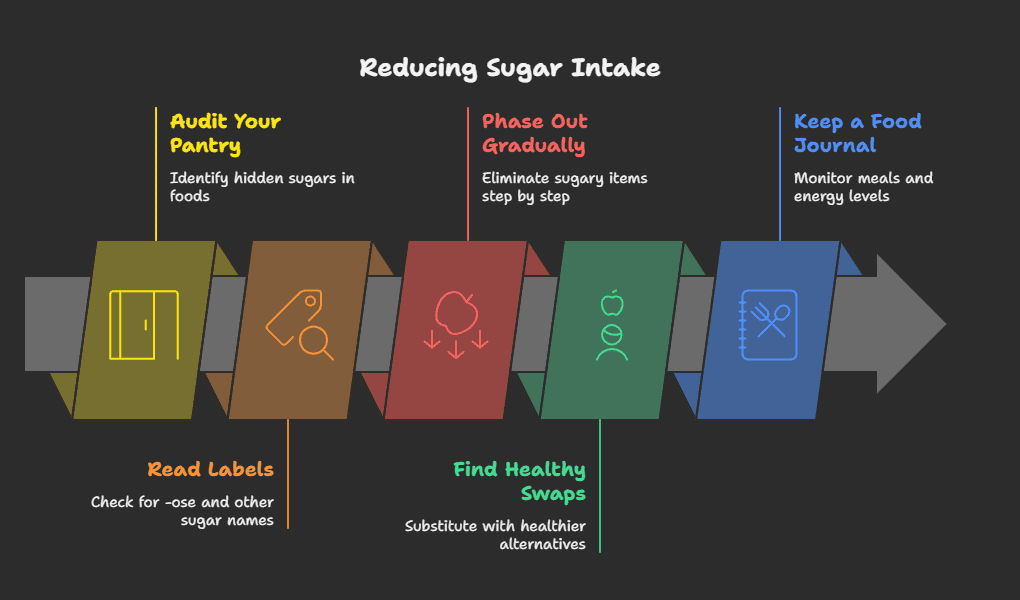
    • Audit Your Pantry: Find hidden sugars in sauces, condiments, and packaged foods.
    • Read Labels: Check for -ose (fructose, dextrose, maltose) and other names such as corn syrup or agave.
    • Phase Out Gradually: Begin by eliminating beverages, then desserts, then condiments.
    • Find Healthy Swaps: Substitute mashed banana or unsweetened applesauce in baking.
    • Keep a Food Journal: Monitor meals, moods, and energy levels to identify patterns.

    Common Challenges and How to Overcome Them {challenges}

    ChallengeStrategy
    Sugar CravingsDrink water, chew sugar-free gum, or snack on nuts and seeds.
    Social Situations
    Offer to bring a no-sugar dish or enjoy naturally sweet fruits
    Cooking AdaptationExperiment with spices like cinnamon, vanilla, and citrus zest.
    Dining OutAsk for sauces on the side and choose whole-food dishes.

    Meal Plan Sample: 7 Days of No-Sugar Inspiration {meal-plan}

    DayBreakfastLunchDinnerSnack
    MondayVeggie omelet with spinach & tomatoGrilled chicken salad with olive oilBaked salmon with asparagusApple slices with almond butter
    TuesdayChia pudding with berriesQuinoa bowl with chickpeas & avocadoTurkey meatballs with zucchini noodlesCarrot sticks & hummus
    WednesdayGreek yogurt parfait w/o granolaLentil soup & side saladStir-fry tofu with broccoliHandful of walnuts
    ThursdaySmoothie (spinach, banana, protein)Tuna lettuce wrapBeef stir-fry with peppersCelery with peanut butter
    FridayScrambled eggs & sautéed kaleCauliflower rice burrito bowlGrilled shrimp & mixed veggiesOlives & cheese cubes
    SaturdayAvocado toast on sprouted breadTomato soup & grilled chicken slicesWith roasted carrotsPork tenderloin carrotsPork tenderloin w
    Dark chocolate
    (85 %+)
    SundayPancakes (almond flour, banana)Buddha bowl w/ sweet potato & beansEggplant parmesan (no breadcrumbs)Berry mix