Category: News

  • Is a gluten-free diet making you gain weight? The Truth That Was Hidden

    Is a gluten-free diet making you gain weight? The Truth That Was Hidden

    You’ve seen it all over the place. Gluten-free signs all over the grocery store, celebrities swearing by wheat-free diets, and friends saying they’ve “never felt better” since they stopped eating gluten. But here’s the thing: that gluten-free diet you thought would help you lose weight? It could be doing the opposite.

    It doesn’t make sense, does it? Well, get ready, because the science behind gluten-free weight gain is more complicated than most people want to admit.

    The Big Gluten-Free Mistake

    Let’s get real for a minute. Alexandra Anca, a dietitian in Toronto, says it plainly: “The idea that avoiding gluten will automatically help you lose weight is a big mistake.” She has actually seen the exact opposite in her practice.

    Not only is this one expert’s opinion. Studies have shown time and time again that people who stop eating gluten often gain weight instead of losing it. A study of 369 adults with celiac disease found that 27% of those who were overweight at first gained even more weight after almost three years on a gluten-free diet.

    But hold on, there’s more. Another study of 371 adults with celiac disease found that 82% of overweight patients gained more weight after two years on a gluten-free diet. The numbers for kids are just as shocking: the percentage of overweight kids with celiac disease almost doubled from 11% to 21% after they stuck to a gluten-free diet for at least a year.

    Why gluten-free foods have more calories

    This is where things get really interesting. Those gluten-free options that look so innocent on your pantry shelf? They often look like healthy foods but are actually high in calories.

    For instance, bread. A piece of regular whole wheat bread has about 71 calories and 0.9 grams of fat. Look at it next to its gluten-free version: Each slice has 77 calories and 2.3 grams of fat. It may not sound like much, but it adds up faster than you think.

    But the problem goes beyond just bread. Rice, tapioca, potato, and sorghum are some of the most common gluten-free flours. They have a higher glycemic index than wheat. They have more carbs and calories in each serving.

    And here’s the kicker: gluten-free baking needs more sugar and fat to make up for the texture and taste that gluten naturally gives. It’s like cooking chemistry, and sadly, the answer is usually more calories.

    The Restaurant Truth Check

    Eating out? The gap in calories gets even bigger. The “GlutenWise” individual pizzas from Boston Pizza have about 720 calories, while the regular-crust versions have about 500 calories. That’s 44% more calories, as well as more fat, sodium, and sugar.

    This happens over and over again with many food manufacturers and restaurant chains. When gluten is removed, other ingredients are added to keep the taste and texture. What are those extra ingredients? Most of the time, sugar, fat, and calories.

    The Health Halo Effect

    Psychologists talk about the “health halo effect,” which is making waistlines everywhere bigger. People think that something is healthier if it says “gluten-free” on the label, even if it isn’t.

    This mental shortcut makes people do something dangerous: eat more food. If it’s “healthy,” why not have more, right? No. Studies show that people eat more of foods they think are healthy, which can actually make them gain weight instead of stopping it.

    Recent research shows how common this misunderstanding has become. A survey from 2013 found that 65% of American adults think gluten-free foods are healthier by nature, and 27% choose gluten-free products specifically to lose weight. Spoiler alert: science doesn’t back up either of these ideas.

    What gluten-free products really have inside

    Let’s take a look behind the curtain of marketing, shall we? Plant Foods for Human Nutrition published a full study that looked at gluten-free foods and their regular counterparts. The results were… let’s just say they weren’t good.

    Gluten-free foods usually have:

    • More sugar
    • More calories
    • Less protein
    • Less fiber
    • Fewer important nutrients

    Sachin Rustgi from Clemson University, who wrote the study, said that “many perceived benefits of gluten-free products – such as weight control and diabetes management – are exaggerated.”

    But why do companies add sugar and fat to these things? It doesn’t mean it’s necessary. Food scientists need other ways to make textures and flavors that people will like because gluten doesn’t bind things together. Sadly, those other options usually cost more calories.

    The Fiber and Protein Issue

    People don’t know this, but grains that contain gluten, like wheat, rye, and barley, are great sources of arabinoxylan, a fiber that is very good for your health in many ways. By cutting out gluten, you are also cutting out this helpful fiber.

    This has a double whammy effect. First, you’re eating foods that have extra sugars and fats in them. Second, you’re missing out on fiber, which helps control blood sugar, keeps your gut bacteria healthy, and makes you feel full longer.

    The protein situation isn’t much better either. A lot of gluten-free foods have a lot less protein than foods that are made with wheat. And here’s the really frustrating part: sometimes manufacturers add fiber supplements to make up for it, but these can actually make it harder for the body to break down protein.

    The Link to Celiac

    Now, let’s be very clear about something important. The Canadian Celiac Association says that about 1 in 133 people have celiac disease, and for them, a gluten-free diet is not an option. It’s necessary for health.

    Here’s the strange thing: even people who need gluten-free diets often gain weight when they start them. Why? People with celiac disease start to absorb nutrients better when their damaged intestines heal. This better absorption includes calories, which can make you gain weight if you keep eating the same amount.

    Researchers have seen this pattern over and over again. “People with celiac disease will often gain weight as their intestines heal and they can get more nutrients from their food,” said one study.

    The Long-Term Effect on Weight

    Meta-analyses of long-term gluten-free diets show a worrying trend. Long-term adherence to gluten-free dietary patterns has been consistently linked to elevated body mass index (BMI) and nutritional deficiencies.

    A systematic review and meta-analysis of 27 studies concluded that gluten-free diets exerted “no significant effect” on weight loss. In fact, the effect on BMI and body fat was “significantly higher” in interventions lasting more than 48 weeks.

    What does this mean in real life? If you stay on a gluten-free diet for too long, you are more likely to gain weight than lose it.

    The Nutritional Deficiency Trap

    Gluten-free diets that aren’t needed can cause nutritional gaps in addition to weight gain. Packaged gluten-free foods often don’t have enough fiber and don’t have added vitamins and minerals.

    People who don’t eat gluten often have trouble getting enough of:

    • Folic acid
    • Dietary fiber
    • Calcium
    • Vitamins B
    • Iron

    Alexandra Anca says that people who eat gluten-free “need to get dietary fiber, folic acid, calcium, and B vitamins from other foods.” “That’s a lot of work to do on nutrition for a diet that’s supposed to be “healthier.”

    When it makes sense to be gluten-free

    Let’s be honest. It’s not bad to eat gluten-free foods; they just don’t work for most people as magic weight-loss tools.

    People with celiac disease need these diets for medical reasons.

    • Wheat allergies
    • Non-celiac gluten sensitivity

    Avoiding gluten can greatly improve the quality of life and stop serious health problems from happening in these cases. That’s medical care, not a choice of lifestyle.

    The Problem with Processing

    You might be surprised to learn that a lot of foods that don’t have gluten are very good for you. Fresh fruits, vegetables, lean meats, fish, nuts, and seeds are all naturally gluten-free and full of nutrients.

    The problems start when we depend too much on gluten-free processed foods. To get a good taste and texture without gluten, these products often go through a lot of processing. More processing usually means more sugars, fats, preservatives, and additives.

    According to Harvard’s School of Public Health, gluten-free foods usually have less fiber and more sugar and fat than regular foods. They’ve also seen “a trend toward weight gain and obesity among those who follow gluten-free diets.

    The Cost Factor

    It’s bad enough that you gain weight, but gluten-free products also cost a lot more than regular ones. Recent studies show that American shoppers “often pay more for gluten-free products” but get “less protein and more sugar and calories.”

    It’s like paying a lot of money for bad food. That’s not really the health boost that most people want.

    Smart Ways to Eat Well

    So what should someone who cares about their health do? Not all gluten-free foods are bad for you; the key is to make better choices in general.

    When it comes to eating healthy, food experts always say to “get back to the basics.” This means paying attention to:

    • Foods that are whole and not too processed
    • Fruits and vegetables that are fresh
    • Lean proteins
    • Fats that are good for you
    • Enough fiber from a variety of sources

    No proof that cutting back on gluten will help your health or waistline if you don’t have celiac disease or gluten sensitivity. Nutrition experts at the Cleveland Clinic say it clearly: “There is absolutely no evidence that simply getting rid of gluten will result in weight loss.”

    The Bottom Line on Losing Weight Without Gluten

    The gluten-free industry doesn’t want you to know this, but it’s true: their products are often less nutritious and higher in calories than regular ones.

    The research is clear and consistent. A lot of studies show that gluten-free foods usually have more calories, sugar, and fat and less protein and fiber than regular foods.

    For people who don’t have a medical reason to avoid gluten, going gluten-free often makes them gain weight instead of lose it. The “health halo effect” makes people eat more of foods they think are healthy, but these foods are often higher in calories than the foods they replace.

    The Yale School of Medicine says it best: “A common misconception is that a gluten-free diet is healthier in and of itself, even for people who don’t have medical reasons for following it.”

    If you really want to lose weight, cutting out gluten isn’t the answer. The answer is to eat a balanced diet and exercise regularly to create a calorie deficit that lasts. Eat whole foods, watch how much you eat, and don’t buy gluten-free processed foods unless you really need them for medical reasons. This will save you money.

    The best diet is one that you can stick to for a long time and still get all the nutrients you need. Most people don’t need to stop eating gluten; they just need to stop believing the wrong things about what makes food healthy.

    The gluten-free diet trend has led to the creation of a billion-dollar industry that promises better health and weight loss. But the science is clear: for most people, going gluten-free is more likely to make your waistline bigger than smaller.

  • Indian Consumers Prioritize Food Safety Over Price in 2025

    Indian Consumers Prioritize Food Safety Over Price in 2025

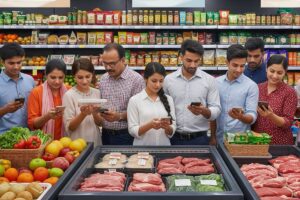
    The Indian food scene is changing quickly, and safety and health are now the most important factors for consumers when they choose what to eat. The Voice of the Consumer 2025 report from PwC India shows that a shocking 84% of Indian consumers now put food safety first when deciding what to buy. This is changing the way brands do business in a big way.

    This isn’t just about going along with the crowd. It’s about staying alive in a market where traditional factors that drive loyalty, like taste and price, are being challenged by more complex demands for openness, health, and sustainability.

    More People Are Aware of Their Health

    Food Safety Is No Longer Up for Discussion

    The PwC survey, which included 1,031 Indian consumers and more than 21,000 people from 28 other countries, shows that worries about food safety have never been higher. What stands out the most? 29% of customers now say health benefits are one of the top three reasons they switch brands, and 21% say it is the main reason they choose a brand.

    This change isn’t happening by itself. More than half of consumers want brands to offer more nutritional value because they are worried about ultra-processed ingredients, pesticides, and additives. Food safety is now more important to consumers than other reasons to buy, and they actively look for:

    • Clear labeling
    • Trustworthy certifications
    • Open communication about the benefits of a product

    Technology Integration Changes the Way We Think About Health

    The data shows another interesting fact: 80% of Indian consumers now use at least one healthcare app or wearable tech to help them stay healthy. This tech-savvy way of looking at health goes beyond just tracking fitness; people are using AI-powered tools to plan their diets and keep track of their health.

    The integration is so important that 60% of consumers are okay with generative AI making their diet plans. This is a big step toward personalized wellness, where technology doesn’t just keep track of health metrics but also helps people make decisions about what to eat and how to live.

    Health Goals Meet Economic Pressures

    Smart Shopping Behaviors Are Driven by Cost Concerns

    Even though health is important, money is still the most important thing. The survey shows that 63% of respondents are worried about the cost of food, which makes them change their shopping habits to save the most money. To save money, people are:

    • Shopping at more than one store
    • Looking for discount stores
    • Buying in bulk

    This is where it gets interesting: taste is still very important. Taste is one of the top three reasons people buy things, with 40% of people saying it’s one of the top three. Price is close behind at 39%, and nutritional value is next at 38%. This makes things complicated because brands have to do well in many areas at once.

    Different Types of Shopping Channels

    In this changing landscape, convenience is very important. Consumer shopping patterns show:

    • More than 70% of people shop at supermarkets
    • 60% shop at local stores
    • 55% use digital delivery services

    This multi-channel approach shows that customers want to get the best deal on their favorite products while also making things easier for them.

    The rising demand for ready-to-eat meals shows this balance even more:

    • 46% buy ready-to-eat meals
    • 41% order takeout
    • 38% eat out at least once a week

    These behaviors show that people are willing to pay for convenience as long as it fits with their health and budget goals.

    Cultural Heritage Meets Modern Health Standards

    Traditional Values Affect Modern Decisions

    One of the most interesting things is that 74% of Indian consumers say that their food choices are strongly influenced by their cultural heritage and traditions. This isn’t about not wanting to change; it’s about bringing traditional tastes up to date with modern health standards.

    Functional claims are being used to rebrand heritage foods. People now market traditional drinks like:

    • Aam panna as “digestive aids”
    • Jeera water as “gut health boosters”

    This shows how brands can respect cultural differences while still meeting modern health standards.

    Sustainability Awareness Comes Out

    People are also making buying decisions based on environmental issues. Key sustainability trends include:

    • Almost half of shoppers put eco-friendly packaging first
    • 73% are willing to pay more for food that helps the environment
    • Preference for local food and brands that are good for the environment

    People are willing to pay extra for eco-friendly products, which shows that being eco-friendly is more than just a nice-to-have feature; it’s becoming a way to stand out in the Indian market.

    The Revolution in Personalization Driven by Technology

    AI-Powered Health Solutions Are Getting More Popular

    The survey shows that people are very open to wellness solutions that use technology. Indian health startups like HealthifyMe, Fitelo, and Fitterfly are using AI to offer personalized nutrition and fitness plans. These platforms use data from continuous glucose monitoring to:

    • Guess when glucose levels will rise
    • Make meal plans just for each person

    It’s clear that it works: after adding AI features, HealthifyMe’s engagement went up by 50%. This shows that people aren’t just putting up with AI-powered health solutions; they’re actually using them and finding value in how they can be tailored to their needs.

    Putting Together Wearable Technology

    Another big trend is the use of wearable technology in everyday life. People are buying more health-monitoring wearables because diseases caused by lifestyle choices, like diabetes and high blood pressure, have risen by more than 25% in the last ten years. Market statistics show:

    • In 2021, fitness trackers made up 42.68% of the market
    • By 2028, the market for all wearable payment devices is expected to be worth $5.28 billion

    What This Means for Brands and the Market

    From Loyalty to Relationships Based on Performance

    The survey results indicate a significant transition from conventional brand loyalty to performance-oriented relationships. Heritage and reputation used to be the most important factors in consumer choice, but now product-led differentiation is more important. People are making more and more choices based on:

    • How healthy they think the food is
    • How clear the ingredients are
    • How much does it cost?

    This change gives brands both problems and chances. Companies that don’t keep up with changing expectations could become less relevant, but those that do could see growth in a number of value pools.

    New Ideas in Personalized Health and Wellness

    The combination of technology, health awareness, and cultural preferences opens up new ways to innovate. Brands can:

    • Use AI-driven platforms
    • Work with healthtech companies
    • Add QR codes for tracking
    • Look into working with insurance companies to offer discounts on meals based on what you choose

    Looking Ahead: What Will People Eat in the Future

    The Age of Personalized Health

    Ravi Kapoor, Partner and Leader for Retail and Consumer Sector at PwC India, says, “We’re entering an era of personalized wellness – creating pathways for brands to harness tech-driven solutions for enhanced growth.” This personalization goes beyond simple changes to include full health coaching that takes into account:

    • Abilities
    • Nutrition
    • Dietary restrictions
    • Disease history
    • Stress
    • Mental state

    Requirements for Adapting to the Market

    The food industry is dealing with two problems at once:

    • Supply chain problems that are getting worse
    • Customers who want healthier, tech-savvy options that change quickly

    These problems are made worse by consumers’ uncertainty about how their incomes will grow and how their savings will be squeezed. At the same time, brands face tough competition and a volatile market.

    But this changing world also offers great chances for businesses that are willing to make openness, technology, and sustainability their main business goals.

    Methodology and Global Context

    The full survey took place in January and February 2025 and included 21,075 people from 28 countries and territories, including 1,031 people from India. Everyone who answered was at least 18 years old and was asked about:

    • Their eating habits
    • Grocery shopping habits
    • Health concerns
    • The use of new technologies
    • Climate and sustainability issues

    The Indian results fit in with larger global trends, but they also have their own cultural traits. India’s focus on traditional heritage and openness to new technology makes its market different from other major consumer markets.

    India’s changing food consumption patterns are more than just changing tastes; they show a fundamental shift toward making choices based on health, technology, and sustainability that are based on facts. The message for brands is clear: change with these changing expectations or risk becoming irrelevant in a market that is quickly changing what food means to people

  • Salt Warning Labels in Restaurants: Reduce Sodium Consumption and Improve Public Health

    Salt Warning Labels in Restaurants: Reduce Sodium Consumption and Improve Public Health

    Salt’s Place at the Table

    Sodium. We all want it, and most of the time, we don’t even know it. It makes up a lot of what we eat out, like soups, seasonings, breads, curries, and sauces. Most people who eat out don’t stop to think, “How much sodium did I just eat?” But as more and more medical evidence comes in, health officials around the world are starting to worry about that. Here’s the kicker: new research shows that putting clear salt warning labels on restaurant menus can sometimes push people toward lower-sodium options. Let’s go over these new findings and what they mean for your health, your favorite restaurants, and the country’s food policy before you order your next plate of fries.

    Why We Care: Salt Intake and Health Disasters

    Too much salt doesn’t feel like a crisis when you’re eating. But according to the World Health Organization (WHO), adults should consume less than 5g a day (that’s under a teaspoon). Now here’s the scary part: 1.89 million deaths per year are linked to too much sodium.

    Salt overload causes blood sodium which causes water retention which causes higher blood volume. The fallout? High blood pressure or hypertension. Untreated it’s a ticket to strokes, cardiovascular disease, kidney damage, osteoporosis and even obesity. And with restaurant food often packed with ‘hidden salt’, eating out can blow your diet out of the water.

    So can a little label on a menu save lives? Turns out it just might.

    What Happened: Salt Warning Labels Unveiled

    The Research Setup

    Researchers in the UK, led by teams at the University of Liverpool, decided to put the theory to the test with a pair of rigorous randomized controlled trials (RCTs).

    • Trial 1: Real-world restaurant experiment, 454 participants.
    • Trial 2: Online menu simulation, 2,391 UK adults.

    Participants received menus either with or without salt warning labels, bright triangles or octagons signaling dishes with high sodium. Some featured a red triangle for visibility; others, black or red octagons. The control group got standard menus.

    Impact on Choices and Salt Consumption

    Salt Consumption

    The results? Far from subtle.

    • Restaurant Setting: Diners given labelled menus ordered meals with 12.5% less salt, about 0.54g less per meal, compared to those with ‘unlabelled’ menus.
    • Online Setting: Participants selected food with 0.26g less salt per meal after seeing labels. That’s a 7–8% drop per restaurant meal, and around 8.5% less per packaged item at supermarkets.

    Funny thing is, every label worked, black, red, triangle, octagon, but the red octagon prompted the most dramatic reduction in high-salt selections.

    And here’s something reassuring: labels moved behavior across the board. Age, gender, and educational background didn’t matter. All groups responded. Salt warning labels offered equal nudge power, so the policy won’t sharpen health inequalities.

    Peeling Back Why It Works

    So, why do these little symbols push people to rethink dinner? Turns out, it’s all about visibility and simplicity.

    • A clear label, right next to the menu item, instantly brings salt content into focus, without you tracking down microprint nutrition panels.
    • Most people don’t know recommended salt limits or which dishes are the big offenders. When the label calls out hidden salt, the choice feels straightforward: avoid the one with a warning.
    • Researchers found that labelled menus made customers 19 times more likely to think about salt content as they ordered.

    Quote from Dr. Rebecca Evans, lead researcher:

    “Our study has found that salt warning labels on menus help people make healthier choices. Given that excess salt intake is a leading cause of diet-related disease, this kind of labeling policy could play a vital role in improving population health”.

    How Diners Reacted: Not Just Numbers

    Of course, not everyone changed their order; some still went for the salty option. But, most found the warnings helpful. Labels were rated as not just clear, but meaningful. They brought a real, immediate awareness that was missing before. A few saw the label and shrugged it off, but for the majority, it triggered a pause. “Do I want, or need, this much salt right now?”

    Some consumers shared that they felt labels were especially valuable for people with health concerns, hypertension, kidney disease, or diets needing tight sodium control. Parents said warning labels made it easier to pick meals for kids; others that it felt reassuring simply to know what they were eating.

    Global Context: Menu Warnings and Policy Change

    India, as it happens, is considering similar steps. The country’s food regulator is actively exploring front-of-pack warnings for foods high in salt, sugar, and fat, a move aimed at dialing down ultra-processed food intake. The global mood is shifting. Countries like the US and UK have started testing salt warnings in restaurants and supermarkets. In places like Chile and Uruguay, front-of-package (FOP) warning labels for high-salt, high-fat, or sugar foods have shown marked success. “Clear and visible warnings help people avoid the unhealthiest purchases,” says a Pan-American Health Organization report.

    And, for restaurants themselves? An unexpected benefit: menu labelling might push chefs and food companies to reformulate recipes, lowering salt at the source over time.

    What Do These Labels Look Like?

    • A red triangle or octagon beside the menu item, a universal sign of warning, not quite “danger!”, but a signal: “Hey, this dish is high in salt.”
    • Simple, explicit text. No tricks. No ambiguous icons.

    Researchers tested design variations, but the message was clear: as long as the label stood out and was easy to understand, results followed. The red octagon edged out the others in effectiveness, but all forms worked, as long as they were visible, unambiguous, and included a plain-language warning.

    The Science Behind the Salt: Physiological Damage Explained

    High Salt Intake Health Risks

    Let’s step back and peek at what all this sodium does inside the human body.

    • Blood Pressure: Salt raises sodium levels in your bloodstream. More sodium equals more water held in the body. That bumps up blood volume…and blood pressure.
    • Cardiovascular Chaos: Over time, high pressure wears down arteries, boosting risks for heart attacks and strokes.
    • Kidneys & Water Balance: Kidneys struggle to balance sodium excretion; too much salt leads to kidney strain, and eventually damage.
    • Bone Health: Salt leeches calcium from bones, paving the way for osteoporosis.
    • Obesity Linkages: Some studies suggest excess salt can make you gain weight, partly by influencing appetite and eating patterns.

    Salt: The Sneaky Ingredient in Everyday Foods

    Think it’s only junk food? Think again. Restaurant staples, bread, soups, curries, fried foods, salads, often pack more sodium than a day’s worth in a single serving. Sometimes, even meals that taste “healthy” hide heavy doses. Supermarkets? Packaged items frequently exceed half the recommended daily salt limit in a single portion.

    This makes warnings doubly important in commercial kitchens and chains, where corporate recipes rarely change unless flagged by policy or public scrutiny.

    How Do These Warnings Compare to Other Nutrition Labels?

    Salt warnings aren’t the only game in town. Many countries have tried nutrient warnings for sugar, fat, and calories.

    But here’s the twist: salt warnings, especially big and bold, may be the most universally effective. Studies show that consumers find FOP (front-of-package) warnings simpler, more “see it, get it”, than nutrition panels or traffic-light systems. You don’t need to tally grams or study nutritional science. If the dish flashes a “high salt” warning, most people look for another option.

    Policy Challenges: Will Restaurants Play Ball?

    Rolling out menu warnings won’t be simple. Restaurants must identify which dishes pass the threshold and relabel promptly. Regulations vary: New York City, for example, uses a limit of 2,300mg sodium per item; the UK study flagged dishes at 3g or more. Unless policies define “high salt” clearly and consistently worldwide, there’s a risk of confusion for both eateries and diners.

    Also, let’s not forget, change takes time. Initial data from New York showed little immediate reformulation of dishes, though purchases of high-sodium items did decline. Restaurant owners may need prompts, incentives, or simply more time to adjust recipes.

    Beyond the Restaurant: The Ripple Effect

    Funny thing is, once warning labels hit menus, ripple effects sweep across the food environment.

    • Packaged Foods: Warning labels reduce salt purchases not just in restaurants, but at the supermarket. Consumers start to check, consciously or unconsciously.
    • Industry Reformulation: Food companies notice shifting customer preferences; some quietly lower sodium in recipes, hoping their products escape the warning label altogether.
    • Health Awareness: As labels become routine, salt consumption peaks fade. The population, you, your family, people everywhere, tips toward the WHO-recommended daily limits.

    Not Just Numbers: What People Say

    Interesting as the numbers are, it’s worth pausing on the voices behind the statistics. From Liverpool to Beijing, public health researchers and consumers alike echo similar themes.

    • “Clear labels make me feel safer ordering food for my kids,” one parent shared.
    • “Now I know I can avoid the salty stuff; before, it all looked the same.”
    • “Honestly, if there’s a warning, I think twice. Not every time, but more than before.”

    Some downplay the power of labels: “If I want to eat it, I’ll eat it,” one diner shrugged. But, in aggregate, labels move the needle for the population, and that’s where lives, health budgets, and policies change.

    Implementation in India: What’s Next?

    India’s food regulator (FSSAI) has publicly acknowledged the need for stronger labeling policies. Discussions include front-of-pack warnings for salt, sugar, and saturated fat on packaged goods and restaurant menus. Given India’s rising rates of hypertension and cardiovascular disease, and with eating out part of urban and rural life, a national rollout could redefine public health, sparking shifts in recipes, supermarket offerings, and consumer habits.

    The Small Nudge with a Big Impact

    What this clutch of studies makes clear is surprising, not just the effect size (sometimes double-digit percentage drops), but the fact that a “little nudge” at the point of purchase can make a real, immediate difference in public health.

    As a policymaker, Dr. Evans put it:

    “Even small nudges at the point of purchase can encourage healthier choices”.

    Salt warning labels won’t banish sodium from every plate overnight. But they help diners make informed choices, nudging us back toward healthier living, one meal at a time.

    Bottom Line: Eat With Your Eyes Open

    In the end, the proof tells a simple story. When you look at a restaurant menu next time, don’t be surprised if you see a bright red triangle or octagon next to some of the dishes. That short warning might help you and millions of other people make better, healthier choices about what you eat.

    In a world full of sodium, even a small triangle might be the best tool we have.

    Key Takeaways

    • Salt warning labels on menus help people reduce their sodium intake by as much as 12.5% per meal in real-world trials.
    • All versions of the label (triangle, octagon, red, black) work, but red octagons deliver the biggest impact.
    • The effect holds for every demographic group, with no added health inequalities.
    • With 1.89 million annual deaths linked to excessive salt, these tiny warnings may save lives, prevent strokes, heart attacks, and kidney disease.
    • India and other nations are considering rolling out similar policies for both restaurants and packaged foods.
    • Menu labels prompt diners and the food industry alike to rethink how much salt we need.

    Remember: knowledge is power, and sometimes, it comes in a tiny, salty triangle.