Category: Health Care

  • Low Pillow Height Linked to Throat Reflux

    Low Pillow Height Linked to Throat Reflux

    Millions of people with throat-related reflux symptoms could find a lot of relief by making a small change to how they sleep. A groundbreaking study has shown that people with gastro-oesophageal reflux disease (GORD) who sleep with a low pillow are much more likely to have laryngopharyngeal reflux (LPR), or throat reflux. This isn’t just a little bit of pain; it’s a condition that can cause chronic coughing, hoarseness, and constant irritation of the throat, which can have a huge impact on a person’s quality of life.

    So, what is really going on? When you lie down, gravity isn’t on your side anymore, which makes it easier for stomach acid to go back up into your esophagus and, in some cases, all the way to your throat and voice box. For the estimated 20% of adults in the U.S. who have GORD, nighttime can be a very hard time.

    The Science Behind the Slant

    The recent study conducted at Yijishan Hospital of Wannan Medical College in China examined the lifestyles of 323 GORD patients and 225 healthy individuals to identify the specific factors that induce throat reflux. 131 of the GORD patients also had LPR. The researchers examined various factors, including diet, stress, meal timing, and, importantly, sleep behavior.

    The results were surprisingly easy to understand. Eating a lot of fat, eating too much, feeling anxious, and lying down too soon after a meal all had an effect, but none were as strong as one simple thing: low pillow height. It became the most significant independent risk factor for the onset of LPR in individuals with existing GORD.

    A regular pillow just holds your head up. Medical experts say that this isn’t enough to stop stomach acid from coming back up because your torso stays flat. The answer is to raise your whole upper body. This is where wedge pillows come in. These special pillows are made to lift your torso at an angle, usually between 30 and 45 degrees, and use gravity to keep your stomach contents where they should be.

    What You Need to Know About Throat Reflux (LPR)

    It’s important to know the difference between GORD and LPR. LPR is a different animal, even though both have stomach acid going the wrong way. Heartburn, which is a burning feeling in the chest, is the main symptom of GORD. This happens because acid irritates the esophagus.

    But LPR happens when that acid goes even higher, past the esophagus, and into the delicate tissues of the larynx (the voice box) and pharynx (the throat). The symptoms are often less obvious and can be mistaken for allergies or a cold that won’t go away:

    • Hoarseness
    • A constant need to clear your throat
    • A chronic cough
    • A feeling of a lump in your throat

    Many people suffer for years without a proper diagnosis because these symptoms aren’t the “classic” heartburn that people think of when they think of reflux. This new study shows how important it is to think about how a patient sleeps when they have these kinds of throat problems.

    Not Just a Pillow

    Of course, dealing with GORD and LPR well often means using more than one method. Raising your head is a big part of the puzzle, but making other changes to your life can help even more.

    • Position of Sleep: Interestingly, sleeping on your left side is recommended. When you’re on your back or right side, gravity can’t help get any fluid that has refluxed back to the stomach as well as it can when you’re on your left side.
    • Meal Timing: This is a piece of advice that has stood the test of time. Don’t lie down for at least three hours after eating so that your stomach can empty.
    • Diet and Habits: Obesity, smoking, eating too much, and eating too many high-fat foods are all known to cause GORD. Taking care of these can make a big difference in how often and how bad the symptoms are.

    The Chinese research team even made a predictive model using six of these key variables, which was very good at finding GORD patients who were most likely to get LPR. This could be a useful tool for doctors to use in the clinic, as it could help them tell patients to make changes to their lives before their symptoms get worse.

    This study opens up a new way to look into throat irritation, a chronic cough, or hoarseness that doesn’t have a clear cause. It’s a strong reminder that sometimes the best answers aren’t found in a drugstore, but in small, useful changes we can make to our daily lives. It could be that the answer is right in your bedroom.

  • The Best and Worst Foods for High Blood Pressure: An Expert Guide

    The Best and Worst Foods for High Blood Pressure: An Expert Guide

    You don’t have to give up flavor to control high blood pressure. It’s about making better choices and knowing which foods are good for you and which ones are bad for you.

    Knowing Your Diet and Blood Pressure

    Hypertension, or high blood pressure… It’s turned into a kind of silent epidemic. More than a billion people around the world are dealing with it, and the numbers keep going up.

    Not only are the numbers concerning, but this condition is also the most common risk factor for heart disease that can be avoided.

    But your diet can be a very powerful tool. Studies have shown that what you eat can either help keep your blood pressure stable or make it rise.

    It might seem like the numbers that define high blood pressure, systolic readings of 130 mm Hg or more and diastolic readings above 80 mm Hg, are technical, but they have a big effect on your daily life.

    Changes to your lifestyle, especially your diet, can lower your blood pressure and lower your risk of heart-related problems by a lot. Sure, doctors often give you ACE inhibitors and other drugs, but they’ll tell you the same thing: food is important.

    The Science Behind Diet and High Blood Pressure

    There is a link between what you eat and your blood pressure readings. There are a lot of different things going on here, and knowing how they work can help you understand why some foods make such a big difference.

    When you eat too much sodium, your body does a number of things. First, your body holds onto more fluid, which makes your blood volume bigger and your heart pump more blood.

    This starts what scientists call the “pressure-natriuresis mechanism,” which makes your kidneys work extra hard to bring things back into balance.

    But sodium has more effects than that. Eating a lot of salt can damage the endothelium, which lowers the production of nitric oxide, which is important for keeping blood vessels relaxed.

    It can also cause small resistant arteries to change shape and make arteries stiffer. Salt even affects your sympathetic nervous system, which controls how your body’s autonomic functions control your heart and blood vessels.

    On the other hand, some nutrients, like potassium and magnesium, are good for you. Researchers have found that potassium, in particular, can lower blood pressure a lot.

    The groundbreaking DASH trial, Dietary Approaches to Stop Hypertension, definitively established this. Even though they didn’t lose weight, people who followed the DASH diet saw their systolic blood pressure drop by 6 mm Hg and their diastolic blood pressure drop by 3 mm Hg.

    For people with full-blown hypertension, the results were even more impressive: 11 and 6 mm Hg drops, respectively.

    Five Foods That Are Good for Lowering Blood Pressure

    Vegetables with Green Leaves

    Swiss chard, spinach, and other greens with leaves… They’re not just health foods that are in style. These vegetables are very good for your health when it comes to controlling high blood pressure.

    For instance, Swiss chard. A 145-gram serving gives you about 17% of your daily potassium needs (about 792 mg) and a huge 30% of your magnesium needs.

    What does this mean? Research shows that eating 0.6 grams more potassium every day can lower your systolic blood pressure by 1.0 mm Hg and your diastolic blood pressure by 0.52 mm Hg.

    Magnesium is also very important in its own way. It works as a natural calcium channel blocker, stopping calcium from getting into cells in the heart and arteries.

    This helps your blood vessels relax, which lowers the pressure. The DASH diet, which is full of fruits and vegetables, showed lower blood pressure levels within two weeks of starting the plan.

    Fatty Fish That Are High in Omega-3s

    These fatty fish, like salmon, mackerel, and sardines, have more than just protein. They are full of omega-3 fatty acids, which have been studied a lot for how they help the heart.

    Omega-3s help keep your blood vessels safe by reducing inflammation. They help the endothelium, which is the important inner lining of blood vessels that controls pressure through chemical signals.

    Eating fatty fish regularly can help your heart stay healthy and keep your blood pressure stable.

    Citrus Fruits and Berries

    Blueberries, strawberries, oranges, and grapefruits… These bright fruits aren’t just for dessert. They are high in vitamin C and contain strong chemicals called flavonoids.

    Researchers have looked into how berries can help blood vessels work better. The antioxidants in them help fight oxidative stress, which can hurt blood vessels and make high blood pressure worse.

    Citrus fruits add another level with their high potassium content and healthy plant compounds.

    Why is it great to eat these fruits? They are naturally low in sodium and high in fiber, which makes them perfect for the DASH diet. Plus, they satisfy your sweet tooth without the bad effects of added sugars.

    Nuts, Seeds, and Beans

    Pumpkin seeds are worth mentioning here. They are full of potassium, magnesium, and arginine, three nutrients that work well together to keep blood pressure in check.

    Studies on pumpkin seed oil have shown good results. Supplementing with just 3 grams of pumpkin seed oil daily for six weeks significantly reduced systolic blood pressure compared to a placebo.

    Almonds, walnuts, flaxseeds, and other seeds and nuts have similar health benefits because they are high in healthy fats and minerals.

    Beans, lentils, and chickpeas are all legumes that have their own benefits. They’re rich in both potassium and magnesium while being naturally low in sodium.

    Also, their high fiber content helps with weight loss, which is another way to keep blood pressure in check.

    Low-Fat Dairy Products

    Low-fat or non-fat yogurt, milk, and cheese can help control blood pressure. These foods are important parts of the DASH diet.

    Low-fat dairy provides calcium and protein without excessive saturated fat. The DASH studies showed that this way of eating, which includes low-fat dairy, fruits, and vegetables, not only lowered blood pressure but also lowered total cholesterol and LDL (“bad”) cholesterol.

    The DASH approach suggests eating low-fat dairy, but there is some disagreement about whether this is always a good idea. But the evidence as a whole supports including these foods in a diet that lowers blood pressure.

    Five Foods That Are Bad for Your Blood Pressure

    Processed Foods and Salty Snacks

    Chips, crackers, and pretzels… Yes, they’re easy to use. But they also have a lot of sodium and preservatives in them, which are two big causes of high blood pressure.

    These snacks may look harmless, but the hidden salt can add up quickly. A lot of people don’t know how much sodium they eat when they mindlessly eat a bag of chips.

    These processed foods can have between 150 and 300 mg of sodium per serving. Let’s be honest: who stops at one serving?

    The recommended daily amount of sodium is about 2,300 mg. For people with high blood pressure, the best amount is 1,500 mg.

    The DASH-Sodium study showed that the lower the amount of salt people ate, the more their blood pressure went down. People who already had high blood pressure saw the biggest drops when they ate less sodium.

    Meats from the Deli and Processed Meats

    Bacon, ham, sausages, and cold cuts are some of the worst things to eat. They are very salty to keep them fresh and add flavor, and many also have nitrates in them.

    It takes a lot of salt to keep these meats fresh. This isn’t just a small problem; eating too much salt throws off the balance of fluids in your body.

    What happened? High blood pressure can last if these foods stay a part of your diet.

    Eating processed meats regularly has been linked to higher cardiovascular risks that go beyond just raising blood pressure. It’s one of those times when cutting back can be good for your health in more than one way.

    Vegetables and Soups in Cans

    Here’s where convenience costs money. Many canned foods are full of sodium, even though they last a long time and are easy to prepare.

    One can of soup can have more salt than you should eat in a day. That’s not an overstatement; some types have 800 to 1,000 mg of sodium or more per cup.

    Even vegetables in cans, which look healthy on the outside, often have extra salt added to them to keep them fresh.

    People who eat these foods a lot are at a quiet but serious risk of having trouble controlling their blood pressure. If you do use canned goods, look for ones that say “low sodium” or “no salt added.”

    Always rinse canned vegetables before using them.

    Frozen Meals and Pizzas

    Dinners that are frozen, pizza, and ready-to-eat meals… They’re made for busy people. But they usually have a lot of sodium, saturated fats, and preservatives in them.

    For people who are worried about their blood pressure, these ingredients make frozen convenience foods especially bad. One frozen pizza can have 800 to 1,200 mg of sodium per serving, but the “serving size” on the package doesn’t always match what people actually eat.

    A lot of sodium and saturated fat together are bad for your heart health. Saturated fats raise cholesterol levels and make blood clots more likely, which can cause heart attacks.

    You should only get 5–6% of your daily calories from saturated fats, but one frozen meal can easily go over that limit.

    High-Fat Proteins and Red Meat

    Research has shown that red meat is directly linked to higher blood pressure, even though it may seem healthier than processed versions. Red meats like beef, lamb, and pork tend to have a lot of salt and saturated fats.

    You don’t have to stop eating meat because of this. But it makes a big difference if you cut back on red meat and only eat lean cuts when you do.

    The DASH diet allows meat, but only in small amounts. It focuses on lean proteins, fish, and plant-based foods.

    Special Considerations: Sugar and Artificial Sweeteners

    Sugar substitutes and how they might affect heart health are becoming a bigger and bigger issue that needs to be looked into.

    Recent research has raised questions about artificial sweeteners, even though they don’t directly raise blood pressure like sodium does. Research on sugar alcohols like erythritol and xylitol has linked them to a higher risk of heart problems.

    For example, having more xylitol in your blood was linked to a 50% higher risk of having heart problems over three years.

    It looks like the mechanism has to do with how platelets work. These sweeteners may make blood platelets more sensitive to signals that tell them to clot, which could raise the risk of having a heart attack or stroke.

    People’s blood xylitol levels went up 1,000 times in 30 minutes after they drank xylitol-sweetened drinks. During this time, their platelets became more sensitive.

    Studies indicate that excessive intake of both sugar-sweetened and artificially sweetened beverages may contribute to elevated blood pressure. Some theories suggest impacts on the gut microbiome and vascular health.

    Problems with the balance of gut bacteria have been linked to metabolic disorders like insulin resistance, obesity, and high blood pressure.

    You don’t need to worry if your toothpaste has xylitol in it. But it does suggest being careful with products that have a lot of these fake sweeteners in them, especially when trying to control blood pressure.

    The DASH Diet: A Proven Approach

    The DASH diet is a structured eating plan that is based on solid research, so you should think about it seriously.

    The DASH approach isn’t a fad diet; it was developed through studies by the National Institutes of Health and has been tested on a wide range of people. The American Heart Association says it is “specific and well-documented across age, sex, and ethnic groups.”

    What makes DASH work?

    • It has a lot of fruits, vegetables, whole grains, and low-fat dairy
    • It includes meat, fish, poultry, nuts, and beans
    • It limits foods that are high in sugar, red meat, and added fats
    • The pattern changes depending on how many calories you need each day, which can be anywhere from 1,600 to 3,100

    The results speak for themselves. Blood pressure went down for everyone following the DASH diet, and the more sodium they reduced, the more their blood pressure decreased.

    People who already had high blood pressure saw the biggest changes. And these changes happened in less than two weeks after starting the plan.

    The DASH diet doesn’t just lower blood pressure on its own. Also, LDL cholesterol and total cholesterol went down.

    The USDA recommends it as a healthy eating plan for everyone, and it’s one of three healthy diets that the U.S. Dietary Guidelines highlight, along with Mediterranean and vegetarian diets.

    Practical Tips for Implementation

    Knowing what to eat and then doing it… Those are two different problems. Here are some ways to help close that gap:

    • Start gradually: Don’t change everything at once. This week, trade one processed snack for a piece of fresh fruit. Next week, switch out your regular chips for unsalted nuts. Over time, small changes add up.
    • Read nutrition labels religiously: Be careful about how much sodium is in the food and how big the servings are. A lot of products say they are healthy, but actually have too much salt in them.
    • Cook at home more often: This gives you full control over the sodium and other ingredients. If you do use packaged foods, pick ones that say “no salt added” or “low sodium.”
    • Season creatively: Use herbs, spices, citrus, and vinegar instead of salt to add flavor. Your taste buds will change over time. Foods that used to taste normal will start to taste too salty after you cut back on them.
    • Increase potassium-rich foods strategically: The blood pressure-lowering effect of potassium is well-established. Bananas are well-known for their potassium, but leafy greens, beans, potatoes, and yogurt are also great sources.
    • Stay hydrated with water: Rather than sugary or artificially sweetened beverages. This easy change fixes a lot of possible problems at once.

    Why These Dietary Changes Matter

    Let’s take a step back and look at the whole thing for a moment.

    High blood pressure isn’t just the numbers on a monitor. It is linked to a higher risk of death and illness from heart disease.

    A small but steady decrease in salt intake, or the need to completely cut it out, can lower blood pressure in people with high blood pressure and people with normal blood pressure.

    The effects are felt by people of all backgrounds. Lowering the amount of salt in your diet lowers blood pressure, no matter what race or gender you are. When you cut back on salt, your systolic pressure goes down more.

    This is important because high blood pressure affects more than a billion people around the world. In many cases, it can be stopped, and it can be managed by changing your diet and other aspects of your life.

    If you don’t control your high blood pressure, you could have heart attacks, strokes, kidney disease, and other serious problems.

    When you choose leafy greens over frozen pizza or grilled fish over processed deli meat, you’re not just following the rules for what to eat. You’re doing things to keep your heart and blood vessels healthy.

    You’re lowering inflammation, helping your blood vessels work properly, and helping your body keep the right amount of fluids.

    Moving Forward With Confidence

    You don’t have to be perfect to control high blood pressure with your diet. It needs to be done consistently and with awareness.

    Focus on adding healthy foods rather than worrying about every restriction. Add colorful vegetables to your plate, eat fatty fish a few times a week, and snack on unsalted nuts instead of chips.

    These good things naturally push out less healthy choices.

    Work with your healthcare provider. They can help you figure out what foods are best for you, especially if you’re taking blood pressure medications. Some changes to your diet can make your medications work better, but you need to be careful about how you do them.

    Keep an eye on how you’re doing. Checking your blood pressure regularly, whether at home, at a pharmacy, or at your doctor’s office, gives you objective information.

    The DASH studies found that blood pressure improved in just two weeks, so you won’t have to wait long to see if your changes are working.

    Keep in mind that these eating habits are good for everyone, not just people who have high blood pressure. They’re meant to be balanced and long-lasting ways for most people to eat.

    One benefit is lower blood pressure, but better overall health and a lower risk of disease go far beyond that one measure.

    The relationship between food and blood pressure is complex, involving many body systems and biochemical pathways. But the real-world use doesn’t have to be hard.

    Pick whole foods over processed ones, focus on plants and lean proteins, and keep an eye on how much sodium you eat. If you follow these simple rules all the time, you can lower your blood pressure and improve your health over time.

    Your fork is more powerful than you might think. Use it wisely.

  • New Study Shows How Cholesterol Can Cause Permanent Hair Loss

    New Study Shows How Cholesterol Can Cause Permanent Hair Loss

    Scientists from India and the United States have found a groundbreaking link between how cholesterol is broken down and hair loss that can’t be reversed. This could change the way millions of people with permanent baldness are treated.

    The prestigious journal PLOS One published the collaborative study, which shows how disrupted cholesterol biosynthesis damages hair follicle stem cells in a way that causes a devastating form of hair loss that wasn’t fully understood before.

    Revolutionary Discovery Links Cholesterol to Hair Cell Death

    This isn’t just another study on hair loss. It’s a big change in thinking.

    Researchers from the University of Kerala, Dr. DY Patil Medical College in Pune, and the University of Wisconsin-Milwaukee have found that cholesterol metabolism is very important for the survival of hair follicle stem cells (HFSC). These important stem cells, which are in charge of making hair grow back, start to die when cholesterol production goes wrong.

    Dr. P. Sreejith, head of zoology at Kerala University and the study’s corresponding author, says, “Our work shows how cholesterol is often ignored in skin and hair follicle biology.” “It changes what we know about hair loss and helps us see it as a problem with molecular stem cells.”

    The effects are very important. This finding may elucidate the reasons behind specific forms of hair loss, especially primary cicatricial alopecia (PCA), which inflict permanent, irreversible harm to hair follicles.

    Understanding Primary Cicatricial Alopecia

    Primary cicatricial alopecia is one of the worst types of hair loss. PCA, on the other hand, causes scarring that permanently destroys hair follicles, which is not the case with normal male pattern baldness. Before, scientists had a hard time figuring out why this condition was so bad and couldn’t be fixed.

    The new study gives us answers. When cholesterol biosynthesis is disrupted, it not only impedes hair growth but also induces the demise of the stem cells responsible for hair regeneration.

    Innovative Research Methods Validate Findings

    The research team used several cutting-edge methods to check their results and make sure they were both correct and could be repeated.

    Multi-Platform Investigation

    The study was based on real-world evidence from people with cicatricial alopecia who had scalp biopsies. These samples showed that the cholesterol metabolism pathways in the affected hair follicles were very messed up.

    Researchers were able to see how cholesterol disruption affects individual hair follicle stem cells in controlled laboratory conditions thanks to advanced cell-based assays. The researchers also did tests on mice, putting cholesterol precursors on their skin to see how it affected hair growth.

    The researchers used 3D hair follicle organoid systems, which are tiny, lab-grown hair follicles that act like real ones, which is probably the most impressive thing they did. This new method gave us new information about how cholesterol metabolism affects hair growth at the cellular level.

    Chemical Intervention Studies

    The research team used two important compounds to mess up cholesterol metabolism:

    • BM15766, which stops cholesterol biosynthesis
    • 7-dehydrocholesterol (7-DHC), which builds up when cholesterol production goes wrong

    Both substances had very impressive effects. When hair follicle stem cells were exposed to these chemicals, they didn’t work as well, and more cells died. When these compounds were put on the skin of mice, they stopped hair growth, clogged hair follicles, and caused inflammatory cells to move in.

    Molecular Mechanisms That Cause Hair Loss

    The research uncovers a multifaceted sequence of events that transitions from cholesterol disturbance to irreversible hair loss.

    Stem Cell Dysfunction

    For hair follicle stem cells to live and work, they need to be able to properly break down cholesterol. When cholesterol biosynthesis is disrupted, these important cells lose their ability to regenerate and start dying through a process called apoptosis.

    The scientists used advanced methods like BrdU pulse-chase experiments to follow the fate of stem cells and TUNEL assays to confirm that the cells were dying.

    Inflammatory Response

    Disrupted cholesterol metabolism doesn’t just kill stem cells; it also starts an inflammatory response that destroys cells. When cholesterol precursors build up, they turn on pro-inflammatory chemokine genes, which makes it hard for hair to grow.

    This inflammation turns on toll-like receptors and interferon gene expression, which brings in macrophages that surround hair follicles and speed up their destruction. Cholesterol disruption causes inflammation, which hurts the follicles even more and makes it impossible to heal.

    International Collaboration Drives Innovation

    This breakthrough shows how powerful it is for scientists from different countries to work together to solve hard medical problems.

    Kerala University’s Leading Role

    The research that took place at Kerala University took place at two important places:

    • The Department of Zoology
    • The Advanced Centre for Regenerative Medicine and Stem Cell in Cutaneous Research

    This specialized center, which was set up with Rs 4.4 crore in funding through the PLEASE scheme, is dedicated to research on hair and skin regeneration.

    Dr. Sreejith is the honorary director of the center and is known for doing cutting-edge research on hair follicles. He said, “A lot of companies have already shown interest in the hair follicle culture we made to test how well hair growth products work.”

    Multi-Institutional Expertise

    The partnership brought together skills from three institutions in two countries that worked well together. The University of Wisconsin-Milwaukee gave us advanced research facilities and technical knowledge in molecular biology, while Dr. DY Patil Medical College in Pune gave us clinical insights and patient samples.

    This international partnership shows how modern medical research needs a wider range of skills and resources that no one institution can provide on its own.

    Therapeutic Implications and Future Directions

    Finding out that cholesterol is linked to hair loss that can’t be reversed opens up new possibilities for developing treatments.

    Cholesterol-Targeted Therapies

    Dr. Sreejith says, “The results of the study give patients who are losing their hair hope because they now have a new way to treat alopecia.” The new information could apply to other diseases where cholesterol metabolism and stem cell regulation interact, not just hair loss.

    The research team is already working on the next part of their study. Dr. Sreejith said, “Now that we know there is a link, we plan to separate the stem cells, do cholesterol-targeted therapy, and then put them back together to watch the growth.”

    Stem Cell Intervention Strategies

    This new approach would involve taking hair follicle stem cells from patients, treating them in a lab with therapies that target cholesterol, and then putting the healthy cells back into the body to help hair grow back. It’s a personalized medicine approach that could change the way people with permanent hair loss are treated.

    Broader Medical Applications

    The research findings may extend their implications beyond the treatment of hair loss. Understanding how cholesterol metabolism affects stem cell function could help us find ways to treat other problems that cause stem cells not to work properly, like some skin diseases, and uses of stem cells in regenerative medicine.

    Clinical Context and Patient Impact

    Millions of people around the world suffer from hair loss, but cicatricial alopecias are especially bad because they cause damage that can’t be fixed.

    Understanding Different Types of Hair Loss

    Most people know about common male pattern baldness (androgenetic alopecia), but cicatricial alopecias are a different type of hair loss. These include:

    • Lichen planopilaris (LPP)
    • Frontal fibrosing alopecia (FFA)
    • Central centrifugal cicatricial alopecia (CCCA)

    It’s not just that these conditions cause hair loss that makes them so bad; they also scar the hair follicles, which means that current treatments can’t help them grow back. Patients frequently endure not only aesthetic concerns but also considerable psychological distress due to the permanence of their condition.

    Previous Treatment Limitations

    Conventional methods for cicatricial alopecia have predominantly emphasized the management of inflammation and the prevention of additional hair loss, rather than facilitating regrowth. This reactive approach often doesn’t give patients many choices after they have lost a lot of hair.

    The new research shows why past treatments haven’t worked very well: they didn’t fix the cholesterol metabolism problem that causes stem cells to die.

    Scientific Methodology and Validation

    The strength of this study comes from the fact that it used multiple layers of validation.

    Gene Expression Analysis

    The researchers performed an extensive gene expression analysis, investigating pathways linked to hair follicle stem cell markers in scalp samples from patients with different types of cicatricial alopecia. This study showed that the expression of HFSC marker genes was much lower in the patients who were affected.

    Advanced Microscopy and Cell Tracking

    Researchers were able to look at how proteins were expressed in affected tissues using immunofluorescence techniques. BrdU pulse-chase experiments allowed them to follow the fate of individual stem cells over time, giving them direct proof that cells die when cholesterol metabolism is messed up.

    Statistical Validation

    All results were carefully examined statistically to make sure they were significant. The consistent outcomes across diverse experimental platforms, including patient samples, cell cultures, animal models, and organoid systems, furnish compelling evidence for the validity of the conclusions.

    Historical Context of Cholesterol-Hair Research

    This new discovery builds on earlier studies that found links between cholesterol and hair biology.

    Previous Observations

    Previous research indicated that certain patients on cholesterol-lowering medications experienced alopecia, implying a possible correlation between cholesterol metabolism and hair follicle proliferation. Nonetheless, these observations did not comprehensively elucidate the underlying mechanisms or the reasons for the irreversibility of specific hair loss types.

    A study from 2012 by some of the same researchers found that cicatricial alopecia patients had disrupted cholesterol biosynthesis and that sterol intermediates could cause inflammatory responses. The current study builds on these results by directly showing how they affect hair follicle stem cells.

    Emerging Understanding

    Recent studies have also shown that finasteride, a common hair loss drug, may have unexpected effects on how the body processes cholesterol. A 2024 study from the University of Illinois found that men who took finasteride had lower cholesterol levels than men who didn’t, with an average drop of 30 points.

    These converging lines of evidence bolster the increasing acknowledgment that cholesterol metabolism is integral to hair biology.

    Research Limitations and Future Studies

    This research, though innovative, constitutes a significant initial step rather than a comprehensive resolution.

    Current Study Scope

    The study concentrated on cicatricial alopecias, a specific category of hair loss disorders. It is yet to be established whether analogous disruptions in cholesterol metabolism are implicated in prevalent types of hair loss, such as androgenetic alopecia.

    The experimental timeline for certain components was notably brief, especially the 14-day mouse studies. To fully understand how cholesterol-related hair loss gets worse and to see if any treatments work, we will need to do longer-term studies.

    Translation to Human Therapy

    It will take a lot more research to turn laboratory results into treatments that work for people. The planned stem cell intervention studies are the next logical step, but it will probably be years before clinical trials in people begin.

    Safety will be especially important for any cholesterol-targeted therapies, since cholesterol is important for many biological processes besides hair growth.

    Global Research Collaboration Trends

    This partnership between India and the US is part of a larger trend in international scientific cooperation.

    Indo-US Science Partnerships

    For years, the Indo-U.S. Science and Technology Forum (IUSSTF) has been pushing for research partnerships between the two countries. These kinds of partnerships bring together India’s growing research skills with the American research infrastructure and expertise that is already in place.

    Recent projects have focused on new technologies and health research, so it makes sense for hair loss studies to be part of a larger investigation.

    Benefits of International Collaboration

    International partnerships bring together different points of view, complementary skills, and shared resources that make it possible to do more thorough research than any one country could do on its own. In this instance, the amalgamation of Indian clinical insights and patient demographics with American technological proficiencies and research infrastructure demonstrated exceptional efficacy.

    Conclusion

    The groundbreaking discovery connecting cholesterol metabolism to permanent hair loss signifies substantial progress in comprehending one of medicine’s most psychologically demanding conditions. Scientists have found new ways to treat conditions that were thought to be hopeless by working together in new ways and using the latest research methods.

    This research gives hope to millions of people who are permanently losing their hair and shows how powerful international scientific cooperation can be in solving difficult medical problems. The path from laboratory discovery to clinical treatment is still long, though. The next stage of research, which will look at stem cell therapies that target cholesterol, may finally give people who are losing their hair for good some real answers.

  • 5 Fruits That May Reduce Your Cancer Risk

    5 Fruits That May Reduce Your Cancer Risk

    Discover how a rainbow of fruits, berries, apples, tomatoes, citrus, and avocados can reduce inflammation, boost immunity, and lower your cancer risk with powerful nutrients and antioxidants.

    Eating a variety of fruits is more than a treat; it’s an active way to keep you well and reduce your cancer risk. Experts agree that a diet rich in fruits and plant-based foods gives you the essential vitamins, antioxidants, and phytochemicals that fight inflammation and cancer processes.

    Why Fruits Are Key to Cancer Prevention

    Fruits do multiple jobs in a cancer-preventative diet

    Anti-Inflammatory Benefits: Chronic inflammation is the precursor to most cancers. Vitamins and antioxidants in fruits counteract inflammation.

    Antioxidant Protection: Phytochemicals and antioxidants in fruits destroy free radicals that may prevent cancer-forming processes.

    Immune System Support: Fruits’ nutrients can activate your immune system, your body’s natural defence against abnormal cell growth.

    Fiber & Gut Health: Fruits have fiber that helps digest food and also creates beneficial compounds by gut bacteria – defending cells, especially those of the colon.

    Recommended daily intake: Experts like Candice Schreiber, RD, CSO, LD with The Ohio State University Comprehensive Cancer Center – James recommend 1.5 to 2 cups of a mix of fruit a day. (Learn more about healthy eating recommendations at the American Cancer Society and Harvard T.H. Chan School of Public Health)

    1. Berry Boost: Nature’s Tiny Powerhouses

    Key Benefits:

    Nutrients & Fiber: Berries like blueberries, raspberries, blackberries, and strawberries are high in fiber, folate, and vitamin C.

    Cancer-Fighting Phytochemicals: They are rich in polyphenols—chemicals that might interfere with cancer cell growth.

    Whole vs. Processed: While acai berry is well-marketed as a superfood, it’s healthier to have it in its whole state. Most acai products, like powders and juices, may have added sugars, lessening their health value.

    2. An Apple a Day Keeps Cancer at Bay

    Key Benefits:

    Fiber & Vitamin C: Apples are an affordable source of vital nutrients.

    Pectin for Gut Health: Apple fiber, particularly in the peel, promotes beneficial gut bacteria that produce compounds that shield colon cells.

    Flexible Snack: Have apples whole, slice them in salads, or even bake with veggies to include a natural sweetness to your diet.

    The Tomato: Beyond Being a Salad Standby

    Primary Advantages:

    Full of Lycopene: This potent antioxidant has demonstrated promising anti-cancer benefits, most notably against prostate cancer.

    Improved Absorption: Tomatoes cooked, particularly with healthy fats such as olive oil, enhance the bioavailability of lycopene.

    Synergistic Effects: When tomatoes are combined with other vegetables such as broccoli, their cancer-fighting capabilities may be enhanced.

    Citrus Fruits: Sour and Therapeutic

    Key Benefits:

    Vitamin C and Flavonoids: Oranges, grapefruits, lemons, and limes contain immune-boosting vitamin C and health-promoting flavonoids.

    Multi-Use: Enjoy a half-grapefruit as breakfast or lemon and lime juice in water for added flavor and nutrient uptake.

    Medication Worry: Grapefruit does interfere with some drugs, such as some cholesterol-controlling medications. Always check with your doctor prior to making considerable dietary changes.

    5. The Miracle Avocado: Rich and Packed with Nutrition

    Main Advantage:

    Healthy Fats: Avocados are a great source of monounsaturated fats that promote heart health.

    Full of Vitamins & Minerals: They contain a range of vitamins, antioxidants, and phytochemicals.

    Fiber & Potassium: Fiber and potassium in avocados help to regulate a normal heart rate and healthy blood pressure.

    Calorie Consciousness: At approximately 250 calories per fruit, portion control is essential. Homemade guacamole prepared with lime juice, cilantro, garlic, onions, and tomatoes can be a healthier alternative to restaurant-style versions filled with added oils.

    Conclusion


    Adding a variety of fruits to your daily food intake is a tasty and natural way to decrease your cancer risk. Enjoying the advantages of berries, apples, tomatoes, citrus fruits, and avocados will assist in fighting off inflammation, boosting your immune system, and maintaining overall health. Keep in mind that a healthy diet, proper exercise, and keeping a healthy weight are all important ingredients in preventing cancer.

    Further Reading & Resources

    American Cancer Society – Nutrition and Cancer

    Harvard T.H. Chan School of Public Health – The Nutrition Source

  • 8 Proven Strategies to Slim Your Face Naturally

    8 Proven Strategies to Slim Your Face Naturally

    Learn how to lose facial fat by changing your diet, exercising, and making other lifestyle changes. Find out how drinking enough water, getting enough sleep, and other things can help you get a thinner face. A lot of people want to find ways to make their faces look thinner and their cheekbones stand out. Genetics does play a role, but losing weight all over your body and making specific lifestyle changes can help get rid of facial fat and puffiness. This article gives you eight proven ways to lose fat on your face naturally and keep the results for a long time.

    Embrace a Balanced, Nutrient-Dense Diet

    A calorie-controlled diet rich in whole foods supports overall fat loss, which includes facial fat reduction. Focus on:

    • Lean proteins, chicken, turkey, fish, tofu, and legumes, help maintain muscle mass and increase satiety.
    • Whole grains: Brown rice, quinoa, and oats provide fiber and stabilize blood sugar.
    • Fruits and vegetables: High in vitamins, minerals, and antioxidants.
    • Healthy fats: Avocado, nuts, seeds, and olive oil support hormonal balance.

    Replace refined carbs (e.g., white bread and pastries) with whole grains to prevent insulin spikes and reduce fat storage.

    Increase Cardiovascular Exercise

    Cardio workouts elevate heart rate and burn calories, contributing to overall fat loss. The CDC recommends at least 150 minutes of moderate-intensity or 75 minutes of vigorous-intensity aerobic activity per week, plus two days of strength training.

    Effective cardio options:

    1. Running or jogging—burns approximately 300–400 calories per 30 minutes.
    2. Cycling—indoor or outdoor, great for low-impact calorie burn.
    3. Swimming—a full-body workout that can burn 200–300 calories per half hour.
    4. High-intensity interval training (HIIT)—alternating bursts of intense effort with rest periods; can burn up to 500 calories in 30 minutes.

    Stay Hydrated

    Proper hydration supports metabolism and can reduce water retention, minimizing facial bloating. Studies show drinking 500 ml of water before meals may reduce calorie intake and aid weight loss.

    • Aim for 8–10 cups (2–2.5 liters) of water daily.
    • Swap sugary drinks for water or herbal teas.
    • Add lemon or cucumber slices for flavor and added nutrients.

    Limit Alcohol and Sugary Beverages

    Alcohol and sugar-sweetened drinks are high in “empty calories” and can lead to dehydration and puffiness.

    • Moderate alcohol intake: No more than one drink per day for women, two for men (CDC).
    • Avoid soda and energy drinks: Opt for water, sparkling water, or unsweetened tea.

    Perform Facial Exercises

    While spot reduction is debated, facial exercises may tone muscles and improve appearance. A 2021 study found that a 20-week facial exercise program increased cheek fullness and improved facial rejuvenation.

    Try these exercises:

    • Cheek puff: Fill cheeks with air, and move from side to side for 30 seconds.
    • Fish face: Suck in cheeks and hold for 10 seconds, repeat 10 times.
    • Jaw release: Simulate chewing with lips closed, then open wide and hold for 5 seconds; repeat 10 times.

    Prioritize Quality Sleep

    Inadequate sleep disrupts hunger hormones (leptin, ghrelin) and increases cortisol, leading to weight gain. Adults need 7–9 hours per night.

    Sleep hygiene tips:

    • Maintain a consistent schedule.
    • Create a dark, cool environment.
    • Limit screens at least an hour before bed.

    Reduce Sodium Intake

    High sodium leads to water retention and facial puffiness. Most dietary sodium comes from processed foods.

    • Cook at home using fresh ingredients.
    • Flavor with herbs and spices instead of salt.
    • Read labels and choose low-sodium options.

    Boost Fiber Intake

    Dietary fiber promotes fullness, reduces calorie intake, and supports gut health. A review of 62 studies showed soluble fiber intake is linked to weight and waist reduction.

    High-fiber foods:

    • Legumes: Lentils, chickpeas, beans.
    • Whole grains: Barley, oats, quinoa.
    • Fruits and vegetables: Berries, pears, broccoli, carrots.

    Additional Tips for a Slimmer Face

    • Manage stress: Chronic stress raises cortisol, encouraging fat storage. Practice meditation or yoga.
    • Monitor progress: Take weekly photos and measurements to stay motivated.
    • Consult professionals: A dietitian or trainer can tailor plans to your needs.

    Conclusion

    To slim down your face, you need to take care of your whole body by eating a balanced diet, getting enough sleep and water, and making smart choices about how you live your life. Use these eight strategies consistently to see gradual, long-lasting improvements. If you want personalized advice, you might want to talk to a doctor or nurse.

    External Links:

    CDC Physical Activity Guidelines

    Dietary Guidelines for Americans

    National Sleep Foundation

  • Colon Cancer’s New Face: Why Younger Adults Must Wake Up

    Colon Cancer’s New Face: Why Younger Adults Must Wake Up

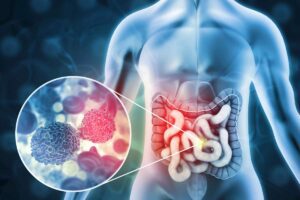
    Colon cancer, also known as colorectal cancer (CRC), is becoming more common around the world, and even more frighteningly, it’s happening to younger adults more than ever before. This is a health trend that is quietly calling us to action. People used to think that this was a disease that only older people got. This isn’t just a number; it’s a call for us to be aware, learn, and take charge of our health.

    Researchers are trying to figure out what caused this change, especially the rise in early-onset colorectal cancer (EOCRC), which is usually CRC that happens in people under 50. But we don’t know the final “why” yet. We do know the “what”: we need to talk about colon cancer, learn the risks, recognize the signs, and accept the authority of screening and prevention.

    This article wants to break down this worrying trend, talk about possible causes, list symptoms and risk factors, and highlight the most important things you can do to protect yourself and your loved ones.

    The Changing Face of Colon Cancer: Alarming Statistics

    In most developed countries, the overall rates of colorectal cancer have been going down for years. This is mostly because more people are getting screening tests like colonoscopies, which can find and remove pre-cancerous polyps before they turn into cancer. But hidden deep within this larger trend was a worrying counter-trend: a steady and large rise in diagnoses among adults under 50.

    Here are some points to consider:

    • Early-Onset Rise: Reports from all over North America, Europe, and Australia have uniformly demonstrated an increase in EOCRC incidence since the mid-1990s. Rates have almost doubled in the under-50 age group for colon cancer and have quadrupled for rectal cancer, according to some reports.
    • Generational Shift: Studies indicate that people born about 1990 have about twice the risk of colon cancer and four times the risk of rectal cancer as those born about 1950, if they live to the same age.
    • More Advanced Stages: Alarming, younger adults tend to be diagnosed at more advanced, later stages of the disease. This could be a result of a reduced index of suspicion (in both patients and occasionally clinicians who do not first think about CRC in young individuals), resulting in delays in treatment and diagnosis.
    • Global Phenomenon: Although many data points are from Western nations, parallel increases in EOCRC are also being reported elsewhere in the world, implying that factors other than strictly local environmental or lifestyle concerns may be involved.


    These numbers make it clear: colon cancer is no longer just an “old person’s disease.” The growth in younger adults calls for a change in our mindset, our screening recommendations, and our individual health awareness.

    What Exactly Is Colon Cancer?

    Before we go further, let’s define what we’re discussing. Colorectal cancer begins in the colon (the large intestine) or rectum (the last part of the large intestine). Most start as small, noncancerous growths of cells called polyps, namely adenomatous polyps.

    With time, often years, a few of them may grow into cancer. That slow process is good news in one way: it gives a window of opportunity for finding and removing the polyps before cancer arises. Screening tests are meant to identify these polyps or detect cancer in its earliest, most curable forms.

    If not discovered, cancer cells may grow across the wall of the colon or rectum, invade lymph nodes near the area, and even spread (metastasize) to distant locations in the body, including the liver or lungs, where treatment becomes significantly more complicated.

    Why the Increase? Investigating Possible Causes

    This is the million-dollar question, particularly about the increase in early-onset cases. Although one single definitive answer is not available, evidence suggests a multifactorial interplay, probably varying to some extent between classic CRC and EOCRC:

    Lifestyle Factors: These are strongly implicated, especially recent changes over the last few decades:

    • Diet: The “Western diet” – red and processed meats, saturated fats, refined grains, and sugar, with low fiber, fruits, and vegetables – is a prime suspect. Low fiber intake can retard bowel transit time, which can lead to enhanced exposure to carcinogens. Preservatives such as nitrates and nitrites in processed meats can combine with amino acids to produce cancer-forming compounds.
    • Obesity: Obesity rates have skyrocketed worldwide, paralleling the increase in EOCRC. Obesity is associated with chronic inflammation, insulin resistance, and hormonal alterations, all of which can foster a cancer-promoting environment. Fat tissue itself secretes hormones and inflammatory mediators that can support tumor growth.
    • Sedentary Behaviour: Physical inactivity is a risk factor that is independent of others. Exercise maintains a normal weight, increases insulin sensitivity, decreases inflammation, and can increase bowel transit time. Our growing sedentary lifestyle is the cause of this risk.
    • Alcohol Consumption: Excessive drinking is a confirmed risk factor for many cancers, including colorectal cancer.
    • Smoking: Though usually associated most strongly with lung cancer, smoking is also an important risk factor for CRC.


    Environmental Factors & Gut Microbiome:

    • Gut Microbiome Disruption: There is increasing interest in the function of the trillions of bacteria that live in our gut. Diet, the use of antibiotics (particularly during childhood), and other environmental exposures can change the equilibrium of this microbiome (dysbiosis). Some bacterial species or dysbiosis may foster inflammation or have metabolites that facilitate polyp formation and cancer growth. This is a topic of active investigation by EOCRC.
    • Environmental Exposures: Though more difficult to identify, researchers are investigating possible associations with certain environmental toxins, pollutants, or particular food additives, though hard evidence remains lacking.


    Delayed Diagnosis in Younger Adults: Although not an etiology of the cancer, delayed diagnosis is a factor in the perception of increasing impact. In younger individuals, symptoms may be initially attributed to less severe conditions such as hemorrhoids or irritable bowel syndrome (IBS), resulting in important delays before a definitive diagnosis through colonoscopy.

    Genetics: Although the vast majority of CRCs are sporadic (non-inherited), approximately 5-10% of them are associated with inherited genetic syndromes such as Lynch syndrome or Familial Adenomatous Polyposis (FAP). These established syndromes, however, do not explain the sudden increase in EOCRC. Perhaps other, as yet undiscovered, genetic predispositions combined with environmental stimuli.

    It is important to realize that these factors most probably interact. A person may have a mild genetic predisposition that only materializes as cancer when compounded by a bad diet and a lack of exercise over many years. The increasing incidence of EOCRC indicates that early life exposures, even in the uterus, added to contemporary lifestyle factors, may be speeding up the process of carcinogenesis in vulnerable people.

    Knowing the Signs: How to Identify the Symptoms

    One of the greatest difficulties with colon cancer is that early stages do not present with any symptoms. This makes the importance of screening all the more critical. But as the cancer develops, it can cause signs and symptoms that must never be dismissed, no matter your age:

    • A persistent alteration in your bowel movements: This involves diarrhea, constipation, or a change in the caliber (narrowing) or consistency of your stool that continues for longer than a few weeks.
    • Rectal bleeding or blood in stool: This may look like bright red blood on the toilet paper or in the bowl, or cause stools to appear dark brown or black (older blood). Never think that bleeding is hemorrhoids without getting checked.
    • Persistent abdominal pain: Cramps, gas, pain, or like your bowel does not empty all the way.
    • Unintentional weight loss: Losing weight unexpectedly may be due to several causes, such as cancer.
    • Fatigue or weakness: Frequently because of chronic blood loss and consequent iron deficiency anemia.
    • The urge that you have to move your bowels and the urge is not relieved by it (tenesmus).


    If you notice any of these symptoms, particularly if they persist or are a change from your usual, visit your doctor. Don’t wait and don’t ignore symptoms because you believe you are “too young” for colon cancer. Speak up and ask for an appropriate investigation if your symptoms persist.

    Are You at Risk? Understanding the Factors

    While EOCRC is on the rise, age remains the strongest risk factor for colorectal cancer in general; risk rises considerably after age 50. But it is important to know the entire range of risk factors:

    • Age: Rising age (though the cut-off for “high risk” is essentially decreasing).
    • Personal History: A history of colorectal polyps (particularly adenomas) or colorectal cancer greatly raises your risk of developing it again. In addition, a history of chronic inflammatory bowel diseases (IBD) such as Crohn’s disease or ulcerative colitis greatly raises the risk after many years of disease activity.
    • Family History: A first-degree relative (parent, sibling, child) with colorectal cancer or polyps raises your risk, particularly if they were diagnosed at a younger age (e.g., under 60). Having more than one affected relative increases the risk.
    • Inherited Genetic Syndromes: Disorders such as Lynch syndrome (HNPCC) and FAP significantly raise lifetime risk. Genetic counseling and testing may be indicated in families with strong histories.
    • Lifestyle Factors (as mentioned earlier): Unhealthy diet (low fiber, high red/processed meat), physical inactivity, obesity, smoking, and excessive alcohol consumption.
    • Race and Ethnicity: In a few areas, some racial or ethnic groups (e.g., US African Americans) have higher rates of incidence and mortality, perhaps due to a complicated combination of socioeconomic factors, access to treatment, and possibly intrinsic biological differences. Ashkenazi Jewish heritage is also linked with a slightly increased risk.
    • Type 2 Diabetes: People with type 2 diabetes are at higher risk for developing colorectal cancer. Knowing your risk profile is the first step in talking to your doctor about proper screening strategies.

    The Power of Screening: Your Best Defense

    Screening is perhaps our greatest weapon against colorectal cancer. It serves to:

    • Prevent Cancer: By finding and removing precancerous polyps.
    • Detect Cancer Early: By detecting cancer at an early stage, when treatment is most effective and cure rates are the highest (more than 90% for localized disease).


    Due to the rising rates of EOCRC, major health organizations in many countries (including the American Cancer Society and the US Preventive Services Task Force) have lowered the recommended age to start average-risk screening from 50 to 45. This is a critical change reflecting the new reality of the disease. If you are 45 or older, it’s time to discuss screening with your doctor, even if you don’t have symptoms. Those with increased risk factors will need to begin screening earlier and possibly more often.

    Some typical screening options include:

    • Laparoscopy: Considered the “gold standard” by many. A flexible tube with a camera examines the entire colon and rectum. Polyps can be removed during the same procedure. Typically repeated every 10 years if normal and no polyps are found. Requires bowel preparation.
    • Stool-Based Tests:
    • Fecal Immunochemical Test (FIT): Picks up occult blood in the stool, which may be an indicator of polyps or cancer. Performed every year at home. If positive, a colonoscopy is required.
    • Guaiac-based Fecal Occult Blood Test (gFOBT): An Older test also for blood, sometimes necessitating dietary restrictions. Typically performed every year. If positive, a colonoscopy is required.
    • Stool DNA Test (e.g., Cologuard): Identifies abnormal DNA from cancer or polyp cells, and blood. Every 3 years at home. If positive, needs a colonoscopy.


    Flexible Sigmoidoscopy: Less invasive than colonoscopy, but looks only at the lower section of the colon (rectum and sigmoid colon). Every 5 years, possibly with FIT testing.
    CT Colonography (Virtual Colonoscopy): Utilizes a CT scanner to generate images of the colon. Bowel prep is required. If polyps are detected, a regular colonoscopy will be necessary to remove them. Performed every 5 years.


    The “best” test is the one that gets accomplished. Discuss advantages and disadvantages with your physician depending on your personal risk, individual preferences, and available resources.

    Taking Control: Prevention Strategies

    Although screening is essential for detection, prevention depends on lifestyle choices as well:

    • Diet High in Fiber: Pile on the fruits, vegetables, whole grains, legumes, and nuts. Fiber keeps the digestive system in motion and can dilute or bind suspected carcinogens.
    • Restrict Red and Processed Meats: Cut back on beef, pork, lamb, hot dogs, bacon, sausages, and deli meats. Replace with poultry, fish, or plant proteins.
    • Maintain a Healthy Weight: Balance calorie intake with physical activity to prevent excess weight gain.
    • Be Physically Active: At least 150 minutes of moderate-intensity or 75 minutes of vigorous-intensity aerobic activity per week, plus muscle-strengthening activity.
    • Don’t smoke: If you are a smoker, quit. If you are not, don’t become one.
    • Limit Alcohol Intake: If you consume alcohol, do it in moderation (less than one drink a day for women, less than two drinks a day for men).
    • Get Enough Calcium and Vitamin D: Some research indicates that these nutrients might offer protection, but more studies are necessary. Consult with your physician if supplements are needed.

    These lifestyle modifications provide general benefits to health in addition to decreasing the risk of colon cancer.

    Hope on the Horizon: Treatment and Prognosis

    Don’t lose hope if colon cancer is diagnosed. Treatment has come a long way and may include a combination of treatments:

    • Surgery: The main treatment for colon cancer that is localized, to remove the tumor and surrounding lymph nodes.
    • Chemotherapy: Treats cancer cells with drugs, frequently after surgery (adjuvant) to destroy remaining cells or for cancer that has spread.
    • Radiation Therapy: Directs high-energy rays to kill cancer cells, most often employed in rectal cancer, commonly preceded by surgery.
    • Targeted Therapy: Medicines that directly attack specific molecules of cancerous cell growth.
    • Immunotherapy: Stimulates the body’s natural defense, the immune system, against cancer cells, most potent against some kinds of CRC and those with special genetic markers.


    The survival for colorectal cancer largely depends on the stage of diagnosis. If diagnosed early (localized stage), the 5-year survival is greater than 90%. This dramatically falls if the cancer has reached distant organs. This dramatic difference underscores, yet again, the life-saving benefit of screening and early detection.

    Conclusion: Awareness, Action, Advocacy

    A multi-pronged approach is needed to deal with the growing problem of colon cancer, especially among young adults. It calls for more awareness among the general public and doctors, following the new screening guidelines (starting at age 45 for average-risk patients), and a concerted effort to develop healthy living habits.

    Don’t be scared or ashamed; just learn. Know what puts you at risk. Know the signs and get medical help right away if you notice them. Talk to your doctor about colorectal cancer screening. It could get rid of the cancer or catch it early enough to save your life. To fight colon cancer, you need to know what to do and then do it. Have a good day.

  • Headache from Lack of Sleep: Causes, Symptoms, and Solutions

    Headache from Lack of Sleep: Causes, Symptoms, and Solutions

    A lot of people complain about insomnia and headaches, which can make it hard to get things done and feel good overall. A single night of reduced sleep can trigger a headache, while persistent sleep deprivation often leads to more frequent and intense headaches linked to sleep. are secondary headaches, which means they are signs of another illness, like insomnia in this case. Understanding the reasons insufficient sleep induces headaches is fundamental to prevention and effective treatment..

    Learning About Headaches Due to Lack of Sleep

    Sleep is necessary for brain homeostasis, and not getting enough sleep throws off a number of bodily functions. When you don’t get enough sleep, the brain’s pain-modulating systems don’t work as well, and you become more sensitive to pain. Also, not getting enough sleep throws off the balance of neurotransmitters like serotonin and dopamine, which are important for controlling pain.

    The Role of Neurotransmitters and Blood Flow

    Neurotransmitters such as serotonin assist in mood and nociception (the sensory perception of pain) regulation. Research indicates that sleep loss results in decreased serotonin levels, which can amplify the perception of pain and cause headache attacks addition, inadequate sleep interferes with cerebral blood flow, leading to vasoconstriction and vasodilation cycles in cerebral blood vessels that occur as throbbing or pressure‑type pain.

    Circadian Disruption and Hormonal Imbalance

    The body’s circadian rhythm controls more than just sleep-wake cycles; it also controls the release of hormones like cortisol and melatonin. The sleep disturbance will lead to excessive cortisol production at inappropriate times and insufficient melatonin production, resulting in a pro-inflammatory condition that heightens the risk of headaches. This hormonal imbalance also harms brain function, which makes the stress response even less effective. This makes tension headaches and migraines even worse.

    Causes of Headache from Lack of Sleep

    Sleep deprivation headaches may occur after a single night of inadequate rest or build up over days of reduced sleep. Major contributing factors are:

    • Acute Sleep Loss: A single night of 1–3 hours less sleep can cause a headache that lasts for hours or a whole day
    • Chronic Insomnia: Long‑term trouble falling or remaining asleep is linked to a two-to threefold rise in risk for tension‑type headaches and migraines
    • Disrupted Sleep: Repeated awakenings disrupt sleep structure, blocking restorative deep and REM sleep periods that are critical to brain recovery
    • Poor Sleep Hygiene: Irregular bedtime, bed exposure to the screen, and stimulants (caffeine, alcohol) near bedtime may all lead to sleep loss and resulting headaches
    • Underlying Sleep Disorders: Sleep apnea and restless legs syndrome result in frequent sleep interruption, leading to an increased incidence of morning headaches

    Prevalence and Impact

    Headaches associated with sleep deprivation are experienced by most adults at some time. Up to 60% of individuals with insomnia have morning headaches according to In addition, population-based studies show that chronic insufficient sleepers are 2–3 times more likely to experience frequent tension-type headaches and migraines compared to healthy sleepers. The consequences reach beyond pain: sleep‑related headaches compromise cognitive functioning, mood stability, and overall quality of life, resulting in decreased productivity and increased healthcare utilization.

    Symptoms and Types

    A headache due to a lack of sleep may occur in several forms:

    • Tension‑Type Headache: Most frequent presentation, with a dull, squeezing headache around the forehead or at the back of the head
    • Migraine-Like Headache: Throbbing pain of moderate to severe intensity, usually unilateral, sometimes with light sensitivity, nausea, or aura
    • Hypnic (“Alarm Clock”) Headache: Infrequent headaches that wake people up from sleep, usually between 1–3 a.m., and more frequent after the age of 50
    • Chronic Daily Headache: Headache present ≥15 days/month for over three months; sleep deprivation is a major perpetuating factor

    Widely reported concurrent symptoms are irritability, problems concentrating, and mood changes that also contribute to enhanced pain perception

    Short‑Term and Long‑Term Effects

    Short-term effects of nocturnal wakefulness are lower mental performance, decreased reaction speed, and fleeting changes in mood. Untreated chronic sleep loss can:

    • Enhance the number and severity of headaches
    • Increase the risk of chronic pain disorder
    • Contribute to cardiovascular conditions from prolonged elevation of stress hormones
    • Disrupts immune function, rendering them more vulnerable to illness

    Prevention Strategies

    Prevention of headache due to sleep deficiency focuses on maximizing the quality and regularity of sleep:

    Sleep Hygiene Tips

    • Regular Schedule: Retire and rise at the same times every day, even weekends, to strengthen your circadian rhythm
    • Wind‑Down Routine: Spend a minimum of 30–60 minutes before bedtime on relaxing activities—reading, stretching lightly, or meditation—and avoid screens
    • Sleep‑Conducive Environment: The bedroom should be kept cool, dark, and quiet; blackout curtains and white noise machines may be needed
    • Limit Stimulants: Do not use caffeine or nicotine at least 6 hours before going to bed; keep alcohol consumption near bedtime to a minimum, as it breaks up sleep
    • Mindful Napping: If naps are required during the day, restrict them to 20–30 minutes before mid‑afternoon to avoid disruption of nighttime sleep

    Lifestyle Modifications

    • Regular Exercise: 30 minutes or more of moderate aerobic exercise on most days enhances sleep quality and latency, but steer clear of strenuous exercise in the two hours before bedtime
    • Stress Management: CBT, mindfulness, or progressive muscle relaxation can help alleviate insomnia and headaches that go with it
    • Dietary Factors: Consume regular, balanced meals; do not have large meals in the three hours leading up to bedtime, and keep an eye on consumption of headache‑inducing foods (e.g., blue cheese, bacon)

    Treatment Strategies

    Simple measures may be enough for occasional sleep deprivation headaches, whereas frequent cases may need specific treatments.

    Over-the-Counter Treatments

    • Analgesics: Mild to moderate tension-type headache can be relieved by acetaminophen, ibuprofen, or aspirin, typically within 20–60 minutes
    • Combination Products: Certain formulas combine caffeine with analgesics for increased pain relief, but excessive caffeine exacerbates sleep disturbances.

    Prescription Medications and Therapies

    • Triptans: Triptans (e.g., sumatriptan) are very effective in aborting attacks of migraine‑type headaches but must be utilized cautiously to prevent medication‑overuse headache.
    • Preventive Medications: For chronic conditions, low-dose antidepressants, anticonvulsants, or beta-blockers can decrease the frequency of headaches.
    • Cognitive Behavioral Therapy for Insomnia (CBT‑I): Shown to enhance sleep quality and reduce headache frequency by changing maladaptive sleep beliefs and behaviors
    • Biofeedback and Relaxation Training: May reduce muscle tension and stress, providing drug-free relief from tension-type headaches.

    When to Seek Medical Attention

    See a healthcare provider if you have:

    • Headaches that become worse or do not improve with routine treatments
    • Recurring headaches (15 days/month) even after making lifestyle changes
    • Other symptoms include changes in vision, weakness, or fever
    • Suspected underlying sleep disorder ( sleep apnea, chronic insomnia)

    A physician can conduct an in-depth evaluation, determine comorbid conditions, and suggest specialist treatments or referral to sleep specialists and neurologists.

    Conclusion

    A headache from not getting enough sleep is a major cause of pain and disability that can be changed. By figuring out what causes these headaches, like problems with neurotransmitters or hormones, and following evidence-based sleep hygiene and lifestyle habits, people can greatly reduce how often and how bad these headaches are. When these simple steps don’t work, targeted drug and behavioral treatments can help even more. Prioritizing restorative sleep not only alleviates pain but also enhances overall health, mood, and productivity, making it essential for both immediate comfort and enduring well-being.

  • What to Eat on a No Sugar Diet: Guide to Healthy, Sugar-Free Living

    What to Eat on a No Sugar Diet: Guide to Healthy, Sugar-Free Living

    Starting a no-sugar diet can be hard at first, but the benefits, more energy, better health, and a lower risk of chronic diseases, are worth it. If you want to lose weight, manage diabetes, or just live a cleaner life, knowing what to eat on a no-sugar diet is very important. We’ll go over the basics of eating sugar-free in this guide, from figuring out where to find hidden sugars to making tasty, healthy meals. Let’s get started!

    What Is a No-Sugar Diet?

    A no-sugar diet cuts out added sugars and focuses on whole, unprocessed foods. You don’t have to stay away from all sugars; you can still eat the natural sugars that are found in fruits, vegetables, and dairy. The goal is to get rid of added sugars, which can lead to obesity, heart disease, and type 2 diabetes. The American Heart Association says that adult women should eat no more than 25g (6 tsp) of added sugar per day and adult men should eat no more than 36g (9 tsp) of added sugar per day. However, the average American eats more than 77g of added sugar per day!

    Foods to Eat on a No Sugar Diet

    Here’s your handy list of nutrient-rich, sugar-free essentials:

    1. Non-Starchy Vegetables

    Stock up on fiber-full vegetables that level out blood sugar:

    • Leafy greens (spinach, kale)
    • Cruciferous vegetables (broccoli, cauliflower)
    • Bell peppers, zucchini, asparagus, and mushrooms.

    Tip: Try to make vegetables half your plate at each meal.

    2. High-Quality Proteins

    Protein is full-sustaining and muscle-supporting:

    • Grass-fed meat, poultry, and wild-caught fish.
    • Eggs, tofu, tempeh, and legumes (in moderation).
    • Unsweetened Greek yogurt or cottage cheese.

    3. Healthy Fats

    Fats give constant energy and squash sugar cravings:

    • Avocados, olives, and olive oil.
    • Nuts and seeds (almonds, chia seeds, flaxseeds).
    • Fatty fish like salmon (rich in omega-3s).

    4. Low-Sugar Fruits

    Choose fruits with a low glycemic index:

    • Berries (strawberries, blueberries, raspberries).
    • Green apples, kiwi, and citrus fruits.
    • Skip dried fruits, which are sugar-concentrated.

    5. Whole Grains and Alternatives

    Pick unprocessed, high-fiber carbs:

    • Quinoa, oats, and brown rice.
    • Almond flour or coconut flour for baking.

    6. Foods to Avoid on a No Sugar Diet

    Avoid these hidden sources of sugar:

    • Sugary drinks: Sodas, juice, and sweetened teas.
    • Processed treats: Cookies, candy, and granola bars.
    • Condiments: Ketchup, BBQ sauce, and salad dressings (read the labels!).
    • White carbs: White bread, pasta, and pastries.
    • Artificial sweeteners: Aspartame and sucralose (they can create cravings).

    Did You Know? One tablespoon of ketchup has 4g of sugar!

    7. Day No Sugar Diet Meal Plan

    Here’s a sample week to get you started:

    Day 1

    • Breakfast: Omelet with veggies and avocado.
    • Lunch: Grilled chicken salad with olive oil dressing.
    • Dinner: Roasted salmon with Brussels sprouts.

    Day 2

    • Breakfast: Berry unsweetened Greek yogurt.
    • Lunch: Hummus with turkey lettuce wraps.
    • Dinner: Pesto with shrimp and zucchini noodles.

    (Repeat through Day 7 with comparable balanced meals.)

    How to Beat Sugar Cravings

    Cravings are natural! Try these tips:

    • Stay hydrated: Sometimes thirst masquerades as hunger.
    • Eat protein snacks: Hard-boiled almonds or eggs.
    • Choose natural sweetness: Sprinkle oatmeal with cinnamon or puree frozen bananas into “nice cream.”

    Hidden Sugars: What to Keep an Eye On

    Added sugars hide in seemingly healthy foods:

    • “Healthy” foods: Yogurt with fruit, granola, and protein bars.
    • Bread: Some bread brands place 2–3g of sugar per piece.
    • Canned foods: Even soups and beans contain a little bit of sugar.

    Guideline: Anything that contains more than 5g of added sugar per serving, avoid.

    FAQs Concerning a No Sugar Diet

    Q: Are honey or maple syrup okay?
    A: Although natural, they are still sugars. Use sparingly or use monk fruit sweetener.

    Q: Will I lose weight on a no-sugar diet?
    A: Many do, as cutting sugar reduces calorie consumption and normalizes insulin.

    Q: Is fruit bad for you?
    A: No! Fresh fruits provide fiber and nutrients, but limit to 1–2 servings per day.

    Tips for Being Successful Until It Becomes a Habit

    • Read labels faithfully: Watch for sucrose, fructose, and syrup.
    • Prep meals ahead: Beat temptation with pre-prepared snacks.
    • Celebrate small wins: Progress, not perfection, is key.

    Conclusion

    Not eating sugar isn’t about going without; it’s about finding whole foods and getting healthy again. You can break free from sugar’s hold by eating more fruits and vegetables, lean proteins, and healthy fats. Are you ready to go? Print this guide, fill your kitchen with food, and cook one meal at a time. Your future self will thank you!

  • Feed Your Scalp: The Complete Guide to the Best Food Hair for Regrowth

    Feed Your Scalp: The Complete Guide to the Best Food Hair for Regrowth

    Have you ever looked at old pictures and daydreamed about how much thicker and fuller your hair used to be? Or maybe your brush or drain has a few more hairs than usual? Thinning and hair loss are problems that affect millions of people all over the world. There are many things that affect your health, such as genetics, age, hormones, and stress. But one thing that you can control is your diet. The health of your hair follicles and their ability to make healthy, shiny hair are both directly affected by what you eat. This guidebook goes straight to the best foods for hair growth, looking at the vitamins and minerals your hair needs and how to include them in tasty meals every day. The first step toward possibly giving your hair new life from the inside out is to understand how your diet affects your hair.

    Your hair isn’t just a dead protein strand; it grows from follicles that are alive and need a steady supply of nutrients to work well. If you don’t give them these building blocks, the growth cycle can be thrown off, which can make your hair weaker, thinner, or even cause more shedding. Let’s go on this journey together to find out how eating better can make your hair healthier.

    Why Your Diet is a Game-Changer for Hair Health.

    Before we dive into individual foods, let’s touch on why nutrition is so important to your hair. Hair has an ongoing cycle:

    • Anagen (Growth Stage): The growth stage where rapidly dividing hair cells make the hair shaft longer. This stage can range from 2 to 7 years. Most of your head hairs (about 85-90%) are usually in this stage.
    • Catagen (Intermediate Stage): Brief intermediate phase (lasting weeks) during which hair growth halts and the follicle shrinks a little.
    • Telogen (Resting Phase): The follicle rests for 2-4 months, and the previous hair stays in.
    • Exogen (Shedding Phase): The previous hair falls out, and the follicle prepares to grow a new one, re-initiating the anagen phase.

    Lack of nutrients can shorten the anagen phase, push more hairs into telogen too soon (which causes obvious shedding, a condition called telogen effluvium), or make hair shafts grow weaker.
    Think of your hair follicles as tiny factories. They need a steady supply of nutrients and fuel to make good hair. If the supplies run low, production stops, quality goes down, and the factory might even have to close some of its production lines for a while. These factories are always stocked and ready to work at their best when you eat well.

    The Powerhouse Nutrients Your Hair Needs

    To find the best hair regrowth food, we first have to understand which nutrients are the V.I.P.s for your follicles. Here’s a rundown of the players:

    1. Protein (Especially Keratin): Hair itself is composed mostly of a protein called keratin. A lack of protein can cause your body to skimp on protein, slowing hair growth and resulting in weaker hair.

    • Role: Supplies the basic building components of hair strength and structure.
    • Deficiency Link: May cause brittle hair and hair loss.

    2. Iron: This element is essential for the manufacture of haemoglobin, the red blood cell protein that delivers oxygen throughout your body, including to your hair follicles. Inadequate oxygen delivery can compromise follicle function. Iron deficiency (anaemia) is a recognized cause of hair loss, especially in women.

    • Role: Enables oxygen delivery to hair follicles.
    • Deficiency Link: Closely linked with telogen effluvium (shedding).

    3. Zinc: It is essential in hair tissue repair and growth. It also serves to maintain the oil glands that are near the follicles in proper functioning condition.

    • Role: Necessary for the synthesis of DNA and protein in follicles, for enzyme activity, and for the health of the oil glands.
    • Deficiency Link: May result in hair loss, delayed growth, and a change in hair texture.

    4. Vitamin C: Vitamin C is an antioxidant that will help guard the hair follicles against free-radical damage. Importantly, it’s also necessary for synthesizing collagen (a protein crucial to skin and follicle formation) and supporting iron absorption from plant sources.

    • Role: Protects against oxidation, synthesizes collagen, and enhances iron uptake.
    • Deficiency Link: Can result in brittle hair and contribute to hair loss indirectly through impaired iron absorption.

    5. B Vitamins (Biotin, Niacin, Folate, B12): These vitamins serve different purposes in the health of the hair.

    • Biotin (B7): Frequently sold separately for hair growth, biotin is part of keratin production. Although deficiency is unusual, maintaining a sufficient intake is thought to be helpful.
    • Niacin (B3): Improves circulation, which can help increase blood flow to the scalp.
    • Folate (B9) & B12: Both are associated with red blood cell production (bringing back to oxygen supply) and cell division, essential in growing tissues at high rates, such as the hair follicle.
    • Function: Energy metabolism, cell division, keratinization, and circulation aid.
    • Deficiency Connection: Both deficiencies of B12 and Folate can lead to hair loss; Biotin deficiency is very rare but will result in hair thinning.


    6. Vitamin D: Although its precise function is the subject of ongoing investigation, insufficient Vitamin D has been associated with alopecia areata (an autoimmune disease leading to hair loss) and perhaps other conditions of hair loss. Vitamin D receptors in hair follicles imply a function in the cycle of hair growth.

    • Role: Perhaps stimulates old and new hair follicles; implicated in immune function.
    • Deficiency Link: Linked to all forms of alopecia.

    7. Vitamin E: Like Vitamin C, Vitamin E is a powerful antioxidant that assists in fighting oxidative stress, which can degrade hair follicle cells.

    • Role: Antioxidant protection, possibly enhances scalp circulation.
    • Deficiency Link: Less directly associated with hair loss than other nutrients, but essential for overall cell health.

    Omega-3 Fatty Acids: These are essential fats that occur in the cell membranes of your scalp skin and in the natural oils that moisturize your scalp and hair. They also possess anti-inflammatory effects.

    • Role: Scalp health, hydration, and inflammation reduction that may impact follicles.
    • Deficiency Link: May cause dry scalp and dull hair.

    Selenium: Trace mineral antioxidant with a function of guarding against damage and the processes of hair growth.

    • Role: Antioxidant defence, processes of hair growth.
    • Deficiency/Excess Link: Deficiency as well as excessive selenium can result in loss of hair, so a balance is maintained.

    Having now seen the important ingredients, next comes the food through which these reach us in efficient quantities.

    Exploring the Best Food for Hair Regrowth: Your Grocery List for Luscious Locks

    Eating a varied, balanced diet is the best strategy. Here are some of the top food categories and specific items renowned for their hair-boosting nutrient profiles:

    1. Eggs: The Complete Package
    Often hailed as nature’s multivitamin, eggs are nutritional powerhouses for hair.

    • Key Nutrients: Rich in protein (the building blocks!) and biotin, both crucial for hair growth. They’re also packed with zinc, selenium, and other nutrients beneficial for hair health.
    • Why They Work: The fact that they’re packed with high-quality protein and easily accessible biotin makes eggs a superstar. Biotin deficiency is associated with hair loss, and protein is structurally crucial.
    • How to Enjoy: Scrambled, poached, boiled, or in omelettes – add them to your breakfast or lunch regularly.

    2. Leafy Greens:

    The Iron Champions (with a Helper!)
    Spinach, kale, Swiss chard, and other dark leafy greens are great for hair health.

    • Key Nutrients: Packed with iron, vitamin C, folate, and vitamin A.
    • Why They Work: Iron is essential for oxygen delivery to follicles. The genius aspect? Leafy greens are also a source of Vitamin C, which greatly facilitates the uptake of plant-based (non-heme) iron. Vitamin A assists with sebum secretion, lubricating the scalp. Folate supports cell growth.
    • How to Enjoy: Blend spinach into smoothies or omelets, incorporate kale in salads or baked in chips, sauté Swiss chard as a side.

    3. Fatty Fish: Omega-3 Wonders

    1. Salmon, mackerel, herring, and sardines are bursting with healthy fats and other benefits.
    • Key Nutrients: Good source of Omega-3 fatty acids, excellent protein, selenium, and vitamin D. B vitamins are included in some types.
    • Why They Work: Omega-3s suppress inflammation and help scalp health and hair hydration. Protein offers building blocks, while Vitamin D and selenium provide follicle support and protection. Research has associated omega-3 consumption with decreased hair loss and increased density.
    • How to Enjoy: Target 2 servings weekly. Grill, bake, or pan-fry salmon; toss sardines on salads or toast.

    4. Berries & Citrus Fruits: Antioxidant Powerhouses

    Blueberries, strawberries, raspberries, oranges, grapefruits, and lemons are full of goodness.

    • Key Nutrients: Exceptionally rich in Vitamin C. They also have several other antioxidants.
    • Why They Work: Vitamin C is important to shield follicles from destructive free radicals and plays a key role in making collagen, which tightens hair shafts and aids follicle structure. It also enhances iron absorption.
    • How to Enjoy: Add berries to yoghurt, oatmeal, or smoothies. Snack on citrus fruits or use their juice in dressings and marinades.

    5. Nuts and Seeds: Tiny Packages of Potency

    Almonds, walnuts, flaxseeds, chia seeds, pumpkin seeds, and sunflower seeds are nutrient-dense snacks.

    • Key Nutrients: Offer a wide array, including zinc, selenium, vitamin E, omega-3 fatty acids (especially walnuts, flax, chia), and B vitamins (including biotin in some).
    • Why They Work: This mix hits several bases: Zinc for repairing hair, Vitamin E and selenium for antioxidant protection, Omega-3s for scalp health, and B vitamins for growth processes. Pumpkin seeds are especially high in zinc.
    • How to Enjoy: Munch on a small handful, sprinkle over salads or yoghurt, blend into smoothies. Take note they are calorie-dense, so moderation is essential.

    6. Lean Meats and Poultry: Protein and Iron Sources

    Chicken, turkey, and lean beef are good sources of necessary nutrients.

    • Key Nutrients: Great sources of easily usable (heme) iron and protein. They also supply zinc and B vitamins.
    • Why They Work: Supplies the basic building blocks of protein and the most easily usable form of iron to help fight deficiency-related hair loss.
    • How to Enjoy: Choose grilled, baked, or roasted methods over fried. Use moderate amounts in your meals.

    7. Legumes: Plant-Based Power

    Beans (such as kidney beans, black beans), lentils, chickpeas, and soybeans are great plant-based choices.

    • Key Nutrients: Excellent sources of protein, iron, zinc, folate, and sometimes biotin.
    • Why They Work: Provide a plant-based substitute for essential minerals such as iron and zinc, in addition to protein and B vitamins essential for the hair cycle of growth.
    • How to Enjoy: Combine with soups, stews, salads, or prepare dips such as hummus (chickpeas). Lentil curries or bean burgers are also great options.

    8. Sweet Potatoes & Carrots: Beta-Carotene Boost

    These highly colored orange vegetables provide a special advantage.

    • Key Nutrients: High in beta-carotene, which is converted into Vitamin A in the body.
    • Why They Work: Vitamin A is required for cell growth, including hair cells. Vitamin A also assists the scalp in producing sebum, the natural oil that hydrates the scalp and keeps the hair healthy. Note: Too much Vitamin A results in hair loss, so stick to food sources rather than high-dose supplements unless instructed by a physician.
    • How to Enjoy: Roasted carrots, baked sweet potato fries, mashed sweet potatoes, or tossing grated carrots into salads.

    9. Oysters: The Ultimate Zinc Source

    Though perhaps not an everyday food, oysters stand alone.

    • Key Nutrients: One of the richest known dietary sources of zinc
    • Why They Work: Their extremely high content of zinc works directly to facilitate hair growth and repair functions. Zinc deficiency has a strong connection to hair loss.
    • How to Enjoy: Enjoy occasionally raw (if you believe the source!) or cooked. If oysters are not your favorite, concentrate on other sources of zinc, such as beef, pumpkin seeds, and lentils.

    10. Avocados: Healthy Fats and Vitamin E  

    Rich, creamy avocado is a favorite for a reason

    • Key Nutrients: A Great source of healthy monounsaturated fats, Vitamin E, some B vitamins, and Vitamin C.
    • Why They Work: Vitamin E is an antioxidant that guards the scalp. Healthy fats are beneficial to overall skin and scalp health.
    • How to Enjoy: Slice and put on toast, salads, or sandwiches; blend into smoothies for a creamy texture.

    Subheading: Your Strategy for Incorporating the Best Food for Hair Regrowth

    Discovering the best food for hair regrowth is just half the battle; it’s all about consistency. Here’s how to make it happen:

    • Emphasize Variety: Don’t consume eggs alone every day. Strive to have a good variety of the foods mentioned above all week long to guarantee you are consuming a full spectrum of nutrients.
    • Prep Your Meals: A little pre-planning can assist in guaranteeing you’re incorporating hair-healthy foods into your regimen daily. Consider tossing spinach into your omelette, sticking nuts in your lunch for a snack, or having salmon for supper.
    • Combine Foods Strategically: Remember, Vitamin C boosts iron absorption? Pair iron-rich foods (like lentils or spinach) with Vitamin C sources (like bell peppers, tomatoes, or a squeeze of lemon juice).
    • Stay Hydrated: Water is essential for transporting nutrients to your follicles and keeping your scalp hydrated. Aim for adequate water intake daily.
    • Be Patient: Hair growth is a slow process. You won’t see results overnight. It can take several months of consistent nutritional improvement to notice a difference in hair thickness or shedding rates.

    Beyond the Plate: Other Factors Affecting Hair Regrowth

    Although diet is a cornerstone, optimal hair health is often a holistic process. Consider the following factors:

    • Stress Management: Ongoing stress can force more hair follicles into the resting (telogen) phase, causing more shedding. Add stress-reducing activities such as yoga, meditation, deep breathing, or spending time in nature.
    • Gentle Hair Care: Steer clear of harsh chemical treatments, too much heat styling, and tight hairstyles that tug on the follicles (traction alopecia). Treat your hair with care, particularly when wet.
    • Scalp Health: A healthy scalp is the basis for healthy hair. Clean it regularly, but not with harsh shampoos that remove natural oils. Some gentle scalp massage from time to time might enhance circulation.
    • Adequate Sleep: Sleeping is when your body restores and rebuilds itself. Get 7-9 hours of quality sleep nightly. Growth hormone, which enables cell reproduction, is secreted while sleeping.
    • Underlying Medical Conditions: Sometimes, hair loss is a symptom of an underlying issue like thyroid disorders, hormonal imbalances (e.g., PCOS), autoimmune diseases (alopecia areata), or certain medications. If your hair loss is sudden, patchy, excessive, or accompanied by other symptoms, it’s crucial to consult a doctor or dermatologist.  

    When Diet Isn’t Enough: Seeking Professional Advice

    Emphasis on the optimal food for hair regrowth is an excellent, forward-thinking measure you can take. Still, be realistic. Nutrition can play a big role in maintaining healthy hair growth and even reversing some causes of hair loss, particularly those due to nutritional deficiencies.
    But, if hair loss is hitting you hard:

    • Don’t Self-Diagnose: There are several possible causes of hair loss, and only a medical doctor can determine the cause in your particular situation.
    • See a Doctor or Dermatologist: They can run tests (such as blood tests to identify deficiencies or hormonal imbalances) and inspect your scalp to ascertain the cause.
    • Describe Treatment Options: Treatments may vary depending on diagnosis and can be from correcting nutritional deficiencies through selective supplementation (with medical supervision), drugs (such as minoxidil or finasteride), low-level laser therapy, or surgery such as platelet-rich plasma (PRP) treatment.

    Dietary modifications would be considered secondary to other possibly required medical therapies, not instead of them, particularly for problems such as male/female pattern baldness or alopecia areata.

    Conclusion: Feed Your Follicles for Healthier Hair

    Your plate can really help you get on the road to healthier, maybe even fuller hair. You can help your hair follicles grow by eating the right foods and making sure to include the best foods for hair regrowth in your diet. These foods give your hair follicles the building blocks and protective nutrients they need to thrive.

    Don’t forget the important nutrients: protein, iron, zinc, vitamin C, B vitamins, vitamin D, vitamin E, and omega-3 fatty acids. Eat a lot of bright, colorful fruits and vegetables like berries and leafy greens, lean protein sources like eggs and fish, healthy fats like nuts and avocados, and complex carbohydrates like legumes and sweet potatoes.
    Stick with it, be patient, and think of these changes to your diet as part of a bigger commitment to your health and happiness. Food isn’t a magic wand, but eating well is a natural and powerful way to keep your hair growing and make it as strong and healthy as possible. To eat better and have better hair!

  • What Happens If You Eat Too Much Spicy Food?

    What Happens If You Eat Too Much Spicy Food?

    Spicy food lovers enjoy the heat and the zing in their food. But what happens when you eat too much spicy food? Although spices like chili peppers, black pepper, and hot sauces add flavor to meals, too much of these can produce some surprising effects in your body. From gastrointestinal distress to long-term effects, it’s important to know the effects of overeating spicy food.

    In this article, we will see what happens when you eat too much spicy food, how it affects different parts of your body, and how to enjoy it safely without harm.

    Why Do Spicy Foods Affect Your Body?

    Let’s first understand why spicy foods trigger such strong reactions in your body before we get into the effects. The burning in hot foods is mainly from capsaicin, a compound in chili peppers. When you eat spicy food, capsaicin acts on pain receptors in your digestive tract and mouth. The pain receptors are also responsible for sensing heat and pain. Your brain then registers the interaction between capsaicin and the receptors as burning, even though no heat exists.

    Your body then reacts as if it’s facing something harmful and produces a variety of physiological responses. Although a little spicy food is good, too much can cause numerous problems.

    Immediate Effects of Consuming Too Much Spicy Food

    1. Burning Feeling in the Mouth and Throat

    One of the most obvious effects of eating too much spicy food is the intense burning feeling in your mouth and throat. This happens because capsaicin irritates the mucous membranes.

    • How to relieve it: Drinking milk, eating yogurt, or consuming bread can help neutralize the burning sensation. Water alone won’t work, as capsaicin is not water-soluble.

    2. Excessive Sweating and Flushing

    Ever wonder why you begin sweating when you’ve eaten a hot meal? Capsaicin causes your body to increase in temperature, which in turn activates a process known as gustatory sweating.

    • It tends to occur on the face, scalp, and neck.
    • It occurs because capsaicin acts on nerves that stimulate your sweat glands.

    3. Stomachache and Acid Reflux

    Too much spicy food can irritate the lining of your stomach, causing discomfort and digestive problems such as:

    • Stomach aches: Capsaicin produces irritation, bringing about a burning sensation in the stomach.
    • Acid reflux (heartburn): Spicy meals can unwind the lower esophageal sphincter (LES), permitting the stomach acid to move back towards the esophagus. A burning sensation within your chest develops.
    • Who’s most vulnerable? Individuals with acid reflux disease, ulcers, or gastritis need to be aware of spicy food, as this can exacerbate symptoms.

    4. Nausea and Vomiting

    If you eat an excessively large quantity of spicy food, your body may reject it entirely. This can lead to:

    • Nausea: Irritation of the stomach may cause you to feel nauseous.
    • Vomiting: In severe cases, the body may attempt to eliminate the irritant by causing vomiting.

    Digestive Problems Due to Eating Too Much Spicy Food

    5. Diarrhea and Stomach Cramps

    Capsaicin not only irritates the stomach but also accelerates the digestion process. This can cause:

    • Diarrhea: The intestines become tighter, slowing water absorption, which results in loose stools.
    • Stomach cramps: Irritation can trigger painful cramping, particularly for individuals with delicate digestive systems.
    • How to prevent it? If you enjoy spicy food but suffer from stomach troubles frequently, consume it with foods that are rich in fiber or milk to ease irritation.

    6. Hemorrhoid Flare-Ups

    If you have hemorrhoids, excessive spicy food can make symptoms worse. Spicy food irritates the anal canal and makes bowel movements more painful.

    • Tip: When you have hemorrhoids, keep your consumption of very spicy food to a minimum to spare unnecessary discomfort.

    Long-Term Impact of Chronic Consumption of Excessive Spicy Food

    Occasional spicy meals are harmless in most cases, but frequently overindulging your body with excessive levels of spice in your diet may have long-term health implications

    7. Risk of Gastritis and Ulcers

    It is a widespread belief that spicy foods lead to ulcers in the stomach. Though capsaicin itself is not the reason for ulcers, regular excessive intake may trigger gastritis (stomach lining inflammation), which may also raise the chances of developing ulcers, particularly in Helicobacter pylori-infected individuals.

    8. Effect on Taste Buds

    Consuming excessive amounts of hot food over time will desensitize your taste buds. What that means is that you’ll have to consume more and more of it to reach the same degree of satisfaction.

    • That may render you less sensitive to other tastes, such as sweetness or saltiness.

    Possible Connections to Health Benefits (and Risks)

    Curiously, research indicates that spicy food may provide health benefits if consumed in moderation, including:

    • Increasing metabolism: Capsaicin has a modest effect on increasing calorie burn.
    • Decreasing inflammation: There is some evidence that capsaicin has anti-inflammatory effects.
    • Alleviating pain: Capsaicin is employed in topical creams to ease pain in joints.

    Still, an excess of it might result in ill effects like indigestion and possible irritation to internal organs.

    How to Eat Spicy Food Safely

    If you are fond of eating spicy food but don’t desire its ill effects, follow these tips:

    • Start Slow – If you’re not used to spicy food, gradually increase your spice levels instead of jumping straight to extremely hot peppers.
    • Pair it with Cooling Foods – Dairy products like yogurt and milk can help neutralize capsaicin.
    • Drink the Right Beverages – Avoid water; instead, drink milk or eat starchy foods like rice or bread.
    • Be Aware of Your Body’s Response – If you often have digestive problems, attempt to cut back on your consumption.
    • Don’t Eat Spicy Food at Night – Eating spicy food at night can lead to acid reflux and poor sleep.

    Last Thoughts: Should You Be Concerned About Consuming Too Much Spicy Food?

     Consuming Too Much Spicy Food

    So, what can happen if you overindulge in hot food? Generally, the results are short-term, anything from a burning taste to gastrointestinal upset. But persistent and excessive ingestion can cause long-term digestive issues, particularly among individuals with conditions such as acid reflux, gastritis, or irritable bowel syndrome. Spicy food can be a wonderful addition to your diet when consumed in moderation. Provided you listen to your body and balance your consumption, you can keep on enjoying that added kick without the unpleasant side effects!

    Are you a spice enthusiast? Have you ever felt any of these effects? Share your experience in the comments!

  • Founded Health Benefits of Ghee: Beyond Clarified Butter

    Founded Health Benefits of Ghee: Beyond Clarified Butter

    Indian medicine and home cooking have loved ghee, a golden, fragrant fat, for thousands of years. Ghee used to be thought of as just a cooking oil, but now it’s making a comeback around the world thanks to health advocates and food explorers. But what does modern science say about this old food besides its rich, nutty taste and cultural importance? This article goes into great detail about the health benefits of ghee, looking at the studies that back up its growing reputation as a good addition to a healthy diet. Let’s find out what makes this liquid gold so great, from how it helps with digestion to how it gives you important nutrients and makes you a star in the kitchen. 

    What is Ghee Exactly? The Golden Elixir Explained

    In short, ghee is butter that has been clarified. Making traditional ghee is both simple and dramatic. It starts by gently simmering butter that hasn’t been salted. When you heat the butter, the water in it evaporates, and the milk solids, which are mostly lactose (milk sugar) and casein (milk protein), break off and settle at the bottom or rise to the surface, where they can be skimmed off or strained out.
    The only thing left is pure butterfat, which is a clear, golden liquid when hot and a creamy or slightly grainy liquid when cold. This process of clarification does more than just clean the butter; it changes its taste a lot. Ghee is better for cooking at higher temperatures because it has a higher smoke point than regular butter. It also has a unique, slightly nutty, and caramelized flavor that most people can’t resist.

    While the fundamental process is the same, you may find various forms of ghee:

    • Cow Ghee: Generally the one of the choices in Ayurveda, usually lighter in colour and easier to digest according to some schools.
    • Buffalo Ghee: May be richer, creamier, and whiter, with a greater fat content.
    • Grass-Fed Ghee: Produced from the milk of pasture-grazing cows. This form is commonly promoted since what the cows eat can impact the fatty acid composition of the milk, possibly making it richer in certain desirable components such as Conjugated Linoleic Acid (CLA) and Vitamin K2 than grain-fed cow ghee.
    • Cultured Ghee: Produced from butter that has been first cultured (fermented), sometimes giving a slightly tangier taste.

    The process of removing the milk solids also makes ghee practically lactose- and casein-free, so it is an available choice for most who are sensitive to these in dairy.

    A Look Inside: The Nutritional Profile of Ghee

    It begins with understanding the nutritional composition of ghee. As clarified butterfat, ghee consists mainly of fat, naturally, in the form of about 99.5%. It has negligible protein and carbohydrate content.
    A standard tablespoon (about 14-15 grams) of ghee has the following:

    • Calories: 112-130
    • Total Fat: 13-15 grams
    • Saturated Fat: About 8-9 grams (about 50-60% of total fat)
    • Monounsaturated Fat: About 4-5 grams (about 20-30% of total fat)
    • Polyunsaturated Fat: Approximately 0.5 grams (Omega-3 and Omega-6 fatty acids)

    Protein: Trace amounts
    Carbohydrates: Trace amounts (essentially zero)
    Lactose: Trace amounts (essentially zero)
    Casein: Trace amounts (essentially zero)
    Though the excessive fat, specifically saturated fat, content calls for cautious consumption, ghee is also a carrier of valuable fat-soluble vitamins and certain fatty acids that are associated with health benefits:

    • Fat-Soluble Vitamins: Ghee has Vitamins A, D, E, and K.
    • Vitamin A: Tends to supply about 12-13% of the Daily Value (DV) per tablespoon. Essential for vision, immune function, reproduction, and cell growth.
    • Vitamin E: Supplies about 2% of the DV per tablespoon. Powerful antioxidant that defends cells against damage.
    • Vitamin K: Supplies about 1% of the DV per tablespoon. Important for blood clotting and bone health (particularly K2, which could be greater in grass-fed ghee).
    • Vitamin D: Found, although levels may differ. Essential for immune response and calcium absorption.

    Butyric Acid: A short-chain fatty acid (SCFA) with positive effects on gut health. Ghee is a rich source.
    Conjugated Linoleic Acid (CLA): A polyunsaturated fatty acid present naturally in ruminant meat and dairy. Levels may be higher in grass-fed ghee. Studies associate CLA with numerous possible health benefits.
    Omega-3 and Omega-6 Fatty Acids: In smaller quantities, these are essential fatty acids that the body cannot synthesize on its own.
    It’s this special combination of fats and micronutrients that forms the basis of many of the health benefits linked with ghee.

    Delving into the Research-Backed Health Benefits of Ghee

    While ancient wisdom has long prized ghee, contemporary science is increasingly examining its properties. Let’s discuss some of the primary areas where research indicates ghee provides real health benefits.

    The Digestive Health Benefits of Ghee: Powering Your Gut

    One of the most often-quoted health benefits of ghee is that it is related to digestion. This is largely due to its composition of butyric acid (or butyrate)

    • What is Butyric Acid? It’s a short-chain fatty acid (SCFA). Though ghee includes pre-formed butyrate, our gut flora also create butyrate upon fermenting the dietary fiber.
    • Energy to Colon Cells: Butyrate is the optimal fuel for our colon cells’ lining cells (colonocytes). A sufficient supply of energy contributes to the upkeep of the gut lining’s health and integrity.
    • Gut Lining Integrity: A robust gut lining is essential to absorb nutrients correctly and avoid letting unwanted substances sneak into the bloodstream (commonly known as “leaky gut”).
    • Possible Anti-inflammatory Effects: Studies, including those referenced by and performed on gut cells, indicate that butyrate has anti-inflammatory effects in the digestive system. This could ease inflammation and may be useful for some digestive disorders, though more human clinical trials are required.
    • Relaxing Digestion: Ayurvedic tradition employs ghee to aid digestion, thinking it induces the secretion of stomach acids to facilitate the breakdown of food. Some contemporary sources indicate that ghee lubricates the digestive tract, which might relieve constipation.
    • Absorption of Nutrients: By maintaining a healthy gut ecosystem, ghee might indirectly assist in the absorption of other nutrients from food.

    While ghee offers butyrate directly, remember that nurturing your gut microbiome with plenty of fiber-rich foods (fruits, vegetables, whole grains, legumes) is the primary way your body generates its own supply of this vital SCFA. Using ghee can be seen as a supplementary source.

    A Rich Source of Essential Fat-Soluble Vitamins

    Ghee is an excellent dietary source of fat-soluble vitamins A, D, E, and K. Fat is necessary for the absorption of these vitamins, and ghee acts as a good carrier in this respect.

    • Vitamin A: As noted, ghee is an excellent source. Vitamin A is essential for having good vision (particularly in dim light), a healthy immune system, healthy skin, and is involved in bone growth and cell communication (Health.com, Consumer Affairs).
    • Vitamin E: Ghee is rich in Vitamin E, a strong antioxidant. Antioxidants keep your body’s cells safe from damage by unstable molecules known as free radicals. This protective mechanism is associated with a reduced risk of many chronic diseases, such as heart disease and some cancers.
    • Vitamin K: While better recognized for its function in blood coagulation, Vitamin K (particularly K2, possibly more in grass-fed ghee) is also essential for bone mineralization. It controls calcium deposition, causing it to be deposited into bones and teeth and not in arteries and soft tissues.
    • Vitamin D: Though quantities may fluctuate depending on diet and exposure to sunlight, ghee does impart some Vitamin D. This vitamin is vital to the body’s ability to absorb calcium, bone health, immune system operation, and mood balance.

    In addition, the process of frying vegetables and other nutrient-dense foods with ghee can increase your fat-soluble vitamin absorption in those foods themselves. A spoonful of ghee over your steamed carrots or leafy greens may give you more nutritional bang for your buck. 5.3 Potential

    Anti-Inflammatory and Antioxidant Effects

    Chronic inflammation is associated with many health issues, ranging from heart disease to arthritis. Ghee has several compounds that can potentially fight inflammation and oxidative stress.

    • Butyrate: As explained in the case of digestion, butyrate also has anti-inflammatory effects outside the gut. Research indicates it can modulate the immune response.
    • Conjugated Linoleic Acid (CLA): Certain studies show that CLA has anti-inflammatory properties (ResearchGate, VCE Publications). It may act by affecting the signalling pathways used in inflammation.
    • Antioxidants: Ghee has antioxidants such as Vitamin E and possibly others formed during the process of heating. These substances neutralize free radicals, minimizing oxidative stress, which is one of the main causes of inflammation and cellular aging.
    • Ayurvedic Use: Ayurvedic medicine has long utilized ghee both internally and externally (e.g., for burns and swelling) due to its perceived anti-inflammatory and calming qualities.
    • Although promising, most of the evidence regarding ghee’s direct anti-inflammatory action is based on animal or cell studies. More human trials on a large scale are necessary to fully realize its effect on systemic inflammation in humans. Still, the presence of known anti-inflammatory compounds is reassuring.

    Ghee and Weight Management: The CLA Connection

    The suggestion that an unpolluted fat such as ghee could play a part in weight regulation is counterintuitive, yet there is evidence that suggests its CLA activity is likely the factor.

    • CLA and Body Composition: Research, frequently employing CLA supplements or specially enriched foods, indicates that CLA can decrease body fat mass and possibly enhance lean body mass (WebMD, VCE Publications). The mechanisms suggested include actions on energy metabolism, fat cell formation, and fat oxidation.
    • Energy Source: It is stated in some sources that ghee does contain Short-Chain and Medium-Chain Fatty Acids (SCFAs such as butyrate and possibly some MCFAs), which are broken down in a different manner from long-chain fats, perhaps being utilized more directly for energy instead of stored as fat (Shree Radhey Dairy cites SCFA/MCFA). Yet ghee is made up mainly of long-chain fatty acids.
    • Satiety: Fats, including those in ghee, contribute to feelings of fullness (satiety), which could help regulate appetite and reduce overall calorie intake when consumed as part of a balanced meal.  

    Important Caveats:

    • Mixed Evidence: Research on CLA and weight loss in humans has yielded mixed results, and effects may be modest. Many positive studies used concentrated CLA supplements, not just dietary ghee.
    • Calorie Density: Ghee has very high calories (approximately 120-130 per tablespoon). Its intake in large quantities will cause weight gain, irrespective of its CLA contentModeration is strictly the key.
    • No Magic Bullet: Ghee is not a weight loss food in isolation. Effective weight control depends on a balanced diet, portion control, and regular exercise


    Thus, while ghee (particularly grass-fed types possibly richer in CLA) may have some metabolic benefits in moderation, it must not be seen as a green light to indulge excessively.

    The High Smoke Point Benefit for Healthier Cooking

    One of the most useful and established advantages of ghee is its high smoke point. The smoke point is the temperature at which a fat or oil starts to deteriorate, smoke, and even create unhealthy compounds.

    • Stability of Ghee: Ghee generally has a smoke point of between 450°F and 485°F (232°C and 252°C). This is much greater than normal butter (about 350°F / 177°C) and most everyday vegetable oils, such as soybean or sunflower oil.
    • Why it Matters: When oils are heated beyond their smoke point, they become oxidized and degraded. Not only do they produce unpleasant flavours and odours, but they can also create dangerous free radicals and possibly toxic substances such as acrylamide (although acrylamide risk is greater with starchy foods). Free radicals cause oxidative stress and inflammation in the body.
    • Safer High-Heat Cooking: The stability of ghee renders it a superb option for cooking techniques involving high heat
    • Preserving Quality: Using a stable fat like ghee in cooking serves to retain the flavour and possibly the nutritional quality of food being cooked, while reducing the formation of unwanted byproducts.

    This high smoke point is also a function of the clarification process, which eliminates the water and milk solids that will burn at lower temperatures.

    A Gentler Fat for Dairy Intolerances

    For those with trouble digesting dairy foods because of lactose intolerance or sensitivity to milk proteins such as casein, ghee is frequently a good substitute.

    • Lactose Removal: Lactose intolerance arises due to an inability to digest lactose, which is the main sugar found in milk. Clarification removes nearly all lactose from ghee
    • Casein Removal: Casein is among the primary proteins in milk that may initiate allergic reactions or sensitivities in individuals. Making ghee also removes the overwhelming majority of casein
    • Delighting in Buttery Taste: This enables most individuals with dairy intolerance to delight in the creamy, buttery taste and cooking quality of ghee without the gastrointestinal distress (bloating, gas, diarrhea) they may experience with butter or milk


    Note: Although ghee contains virtually no lactose or casein, minute residues may be present. People with extreme dairy allergies should continue to use caution and possibly speak with a healthcare professional or allergist before ingesting ghee. To the majority of individuals with lactose intolerance, though, ghee tends to be very well-received.

    Ayurvedic Tradition: Ghee in Ayurveda

    It’s not possible to talk about ghee completely without recognizing its deep role in Ayurveda, India’s traditional medicine. Ghee has been a sattvic food – one that encourages positivity, expansion, and purity of consciousness – for thousands of years.

    • Digestive Fire: Ayurveda instructs that ghee sparks agni, or the digestive fire, enhancing digestion and metabolism without increasing pitta (the fire element within us).
    • Nourishment and Vigor: Ghee is said to nourish ojas, the subtle essence of all body tissues, which is responsible for vitality, immunity, and longevity.
    • Mental and Brain Health: It’s said to be good for the mind, inducing memory, intellect, and serenity.
    • Detoxification: Ghee is an integral part of Panchakarma, which is the detoxification process practiced in Ayurveda. Draining ever-more ghee has been believed to loosen and draw out fat-dissolvable poisons from underlying tissues (oliation or snehana), a process readying them for disposal (LifeSpa).
    • Carrier for Herbs: Ghee is a very good carrier material (anupana) for medicinal herbs. Its lipophilic (fat-loving) nature facilitates the movement of the active constituents of herbs deeper into the tissues of the body, thus increasing their action. Medicated ghee is are popular Ayurvedic formulation

    Even though modern science keeps proving many of these old claims, it’s interesting that Ayurvedic uses (like for digestion and inflammation) and modern research findings (like the role of butyrate) are coming together. This shows that people have known a lot about ghee for a long time.

  • How to Lose Belly Fat Quickly: 7 Effective Strategies That Work

    How to Lose Belly Fat Quickly: 7 Effective Strategies That Work

    Do you have that stubborn belly fat and wonder how to get rid of it quickly? You are not the only one. Belly fat is more than just a physical problem; it can also lead to serious health problems like diabetes, heart disease, and more. The good news is that you can lose belly fat by making the right changes to your diet, exercise, and way of life. We’ll talk about seven useful tips that work in this article. Let’s get started!

    Why Is Belly Fat So Stubborn?

    Before we dive into how to lose belly fat quickly, let’s talk about why belly fat is so hard to lose

    There are two kinds of belly fat:

    • Subcutaneous fat: The soft fat just beneath your skin.
    • Visceral fat: Fat that wraps around your internal organs.

    Visceral fat is particularly dangerous since it tends to cause inflammation and severe health issues. Hormonal imbalances, aging, genetics, and unhealthy habits all contribute to belly fat, making losing it a body-wide effort, not a matter of endless sit-ups!

    1. Eat a Healthy, Balanced Diet

    When it comes to evidence-based belly fat loss, diet ranks number one. You just cannot exercise your way past a bad diet.

    Here’s how to tweak your diet:

    • Boost protein: Protein-rich diets increase metabolism and suppress hunger. Eat foods such as chicken, fish, tofu, beans, and Greek yogurt.
    • Decrease sugar and refined carbohydrates: Sweets and refined carbohydrates rapidly raise blood glucose and promote the storage of fat around the midsection.
    • Consume more fiber: Soluble fiber in oats, flaxseeds, avocados, and berries slows the digestion process and aids in fat loss.
    • Choose healthy fats: Replace butter with olive oil and snack on nuts, seeds, and avocados for heart-healthy fats.

    Even simple changes like adding more fiber to your meals can have a big impact on belly fat loss.

    2. Prioritize Strength Training

    If you’re serious about how to lose belly fat fast, strength training should be part of your weekly routine.
    Muscle building increases your resting metabolism, so you burn more calories even when at rest.

    Strength training advice:

    • Concentrate on large muscle groups such as legs, back, chest, and arms.
    • Use 2–3 strength training sessions per week.
    • Use compound exercises such as squats, deadlifts, and rows.

    Adding strength training to cardio can be particularly effective at burning belly fat.

    3. Add High-Intensity Interval Training (HIIT)

    One of the strongest evidence-based methods for losing fat is High-Intensity Interval Training (HIIT).
    HIIT is a series of brief intervals of high-intensity exercise interspersed with brief recovery periods, burning more calories in less time.

    Example HIIT Workout:

    • Run 30 seconds, walk 1 minute. Repeat 8–10 times.
    • 20 seconds of burpees followed by 10 seconds of rest. Repeat 8 rounds.

    Benefits of HIIT:

    • Increases metabolism.
    • Burns more belly fat than steady-state cardio.
    • Enhances cardiovascular health.

    A few HIIT sessions per week can have a significant impact on your waistline.

    4. Add High-Intensity Interval Training (HIIT)

    High levels of stress can result in an increase in cortisol, a hormone that promotes fat storage around the belly.

    Easy ways to reduce stress:

    • Practice deep breathing, meditation, or yoga.
    • Spend time outside or go for nature walks.
    • Develop a relaxing evening routine and cut down on screen time.

    Reducing your stress not only assists with losing fat but also with your general health.

    5. Sleep Plenty

    Sleeping enough is necessary for both your waistline and your health.
    When you do not sleep much, hunger hormones go up, fullness hormones drop, and unhealthy food cravings can go sky-high

    Some tips for better sleep:

    • Strive to sleep 7–9 hours at night.
    • Keep a consistent sleeping schedule, even on weekends.
    • Keep your bedroom quiet, dark, and cool for the best sleep.

    Prioritizing sound sleep habits assists in the regulation of hormones and aids in long-term fat loss.

    Monitor Your Drink Choices

    Drinks can be hidden culprits of sugar and calories, which complicate losing belly fat.

    Avoid these drinks:

    • Sugary sodas and energy drinks
    • Sweetened coffee and tea
    • Alcohol, particularly beer and sweet cocktails

    Healthier drink alternatives:

    • Water, with lemon or cucumber added or not
    • Herbal teas
    • Black coffee or green tea without added sugars

    Swapping high-calorie drinks for more nutritious alternatives can really reduce your calorie intake daily.

    secret to losing belly fat in a hurry

    Be Consistent and Patient

    The true secret to losing belly fat in a hurry is being consistent.
    You might desire instant results, but lasting changes develop over time.

    Consistency tips:

    • Monitor your meals and exercise to keep yourself motivated.
    • Focus on making progress, not being perfect; tiny changes accumulate.
    • Be patient, it can take a few weeks for you to feel a noticeable change.

    Remember, true success is about long-term routines, not quick fixes. Hold on to these proven tactics, and the outcome will come.

    Final Thoughts: How to Lose Belly Fat Fast with Proven Strategies

    You now know seven proven ways to quickly lose belly fat.
    Combining healthy eating, regular exercise, stress reduction, getting enough sleep, being mindful of what you drink, and being patient gives you the best results.
    It’s not about fad diets or magic pills; it’s about making changes to your life that help you.

  • How Physical Exercise Improves Your Brain Health

    How Physical Exercise Improves Your Brain Health

    Everyone knows that going to the gym, running, or doing yoga is good for our bodies. We see the results in toned bodies, better endurance, and maybe even a lower number on the scale. But what if I told you that the changes that will last the longest are happening in your head, which is less obvious but much more complex? Yes, we’re going to talk about how working out can make your brain healthier in a big way. It’s a fascinating journey that goes far beyond building biceps. It shows how moving our bodies affects our memory, sharpens our focus, and even makes new brain cells. Don’t think of exercise as just a way to stay in shape; it’s one of the best ways to boost your mental health.

    For a long time, people thought that the brain was a pretty stable organ that grew up through childhood and then slowly got worse with age. But neuroscience has proven this idea wrong with the idea of neuroplasticity, which is the brain’s amazing ability to change itself, make new neural pathways, and rewire itself over the course of a person’s life. And guess what? Exercise has a strong effect on all of this good rewiring. It’s not just about how good you feel because of endorphins; every time you exercise, your brain changes in real, structural, and functional ways.

    In this article, we’ll look at the complicated link between exercise and how the brain works. We’ll look at how different types of exercise, like aerobic exercise, strength training, and yoga/mind-body exercises, help improve memory, concentration, and the amazing process of neurogenesis, which is the creation of new brain cells. Get ready to learn how your workout routine is doing more for your brain than you ever thought possible.

    The Brain-Body Connection: More Than Muscle Fuel

    Let’s learn how exercise affects the brain before we dive into the exercises themselves. It’s a complex process:
    1. Increased Blood Flow: Your heart beats faster when you exercise, pumping more blood through your body, including your brain, which is ravenous for resources, using up to 20% of the oxygen and energy of your body. Increased blood flow provides an important supply of oxygen and glucose, the brain cells’ main fuel. It also facilitates the removal of metabolic waste products more effectively. Imagine upgrading the delivery system to your brain headquarters – quicker, more efficient, and better armed.

    2. The Chemical Cocktail: Exercise releases a potent blend of neurochemicals:  

    • Endorphins: Renowned for the “runner’s high,” these are natural mood elevators and painkillers.
    • Dopamine: Essential in motivation, reward, learning, and attention. Exercise will frequently result in a surge of dopamine, creating feelings of accomplishment and concentration.
    • Serotonin: Regulates mood, sleep, and appetite. Regular exercise can balance serotonin levels, a move that may ease symptoms of depression and anxiety.
    • Norepinephrine: Plays a role in alertness, attention, and the stress response. Exercise regulates its release, enhancing focus and resilience.
    • Brain-Derived Neurotrophic Factor (BDNF): It’s a star player in brain rewiring. BDNF is fertilizer for your neurons. It helps existing neurons survive, promotes the growth of new ones (neurogenesis), and helps form new connections (synaptogenesis). We’ll discuss much more about BDNF.
    • Insulin-like Growth Factor 1 (IGF-1): Secreted in the muscles and liver during exercise, IGF-1 makes its way to the brain and acts in conjunction with BDNF to stimulate neuronal growth, survival, and plasticity.

    3. Decreased Inflammation: Chronic inflammation is bad for overall health, including brain health. It’s associated with cognitive decline and neurodegenerative disease. Regular moderate exercise has anti-inflammatory properties, protecting the brain from this damage.
    4. Stress Reduction: Exercise is an excellent stress buster. It normalizes the body’s stress response system (the hypothalamic-pituitary-adrenal or HPA axis) and reduces cortisol levels, the major stress hormone. Chronic stress has been shown to shrink the hippocampus (important for memory) and disrupt prefrontal cortex function (critical for decision-making), so reducing stress through exercise has great neuroprotective advantages.
    These processes interact with one another, developing a situation within the brain that is beneficial to growth, adjustment, and highest functioning. Exercise isn’t simply strengthening your heart; it’s refining the control center of your entire organism.

    Aerobic Exercise: The Cardio Champion for Cognitive Enhancement

    When most individuals think of “exercise for brain health,” aerobic exercises tend to spring to mind first, and there’s a reason for that. Exercises such as running, swimming, cycling, brisk walking, dancing – anything that raises your heart rate and maintains it for an extended amount of time – are especially effective brain enhancers.

    Effect on Memory:

    Aerobic exercise significantly impacts the hippocampus, a brain area responsible for learning and the creation of memory, especially spatial memory and transferring short-term memory to long-term memory. This is how

    • BDNF Spurt: Aerobic exercise pumps up BDNF levels profoundly, particularly in the hippocampus. This surge enhances neurogenesis (more later!) and strengthens synaptic links, facilitating easier creation and recall of memories. Aerobic exercise has been demonstrated to grow the hippocampus itself, reversing age-related shrinkage that so commonly leads to declining memory.
    • Enhanced Blood Flow: The greater oxygen and nutrient supply directly supports the function and resilience of hippocampal cells.
    • Neurotransmitter Balance: The activation of acetylcholine, dopamine, and norepinephrine through aerobic exercise also contributes to memory encoding and retrieval.

    Imagine your hippocampus as a library of your memories. Aerobic exercise creates more neurons (neurogenesis), makes the old ones stronger (synaptic plasticity), and enhances the librarian’s performance (neurotransmitter function).

    Impact on Focus and Attention:

    Getting a little fuzzy mentally? A run or brisk walk could be the ticket. Aerobic exercise improves executive functions, which are overseen mostly by the prefrontal cortex. These include:

    • Planning and organization
    • Working memory (keeping information in mind to play around with it)
    • Attention control and focus
    • Inhibitory control (staying on track despite distractions)
    • Cognitive flexibility (alternating between tasks)

    How does cardio help?

    • Increased Prefrontal Cortex Activity: Aerobic exercise increases blood flow and activity in this vital area.
    • Dopamine and Norepinephrine Release: These neurotransmitters are critical to sustain alertness, attention, and goal-directed behavior.
    • Improved Efficiency of Neural Networks: Regular aerobic exercise appears to make the communication networks between various brain regions responsible for attention and control more efficient.

    Impact on Neurogenesis:

    This is where aerobic exercise comes into its own.
    Although neurogenesis persists throughout life, it can happen most easily within the hippocampus
    Cardiovascular exercise is the most intensively reported behaviourally evoked stimulus to induce hippocampal neurogenesis in adults. BDNF increased dramatically following cardio, directly impelling stem cells of the hippocampus to convert to new neurons. New neurons make their way into established hippocampal networks and improve the learning potential, as well as memory versatility. It’s constructing a ‘younger’ brain, neuron by neuron.

    Strength Training: Developing Brainpower Along with Building Muscle.

    For many years, the mental benefits of exercise were mostly credited to aerobic exercise. But more and more studies are now demonstrating that strength training (or resistance training) – weight lifting, resistance band work, or bodyweight exercises such as push-ups and squats – also has distinctive and substantial benefits for your brain.

    Impact on Memory and Executive Function:

    Although perhaps not as strongly stimulating BDNF as high-intensity aerobic exercise, strength training accomplishes its magic through slightly different, yet complementary, mechanisms:

    • IGF-1 Boost: Resistance exercise particularly well elevates levels of Insulin-like Growth Factor 1 (IGF-1). As noted above, IGF-1 traverses the blood-brain barrier and works together with BDNF to promote neuronal health and plasticity and thereby potentially enhance memory and cognitive function.
    • Myokines: Muscles also behave like endocrine organs under strength training, secreting signalling molecules known as myokines (e.g., irisin, cathepsin B). Certain myokines can penetrate the brain and affect cognitive processes, such as memory and possibly neurogenesis, although studies are in progress.
    • Better Glucose Metabolism: Strength training makes your body (and brain) more sensitive to insulin, so it can use glucose better. Better glucose metabolism is associated with improved cognitive function and reduced risk of dementia.
    • Improved Executive Functions: Research indicates that strength training can enhance executive functions, perhaps by improving functional connectivity within brain networks supporting attention and cognitive control. The concentration demanded by lifts, planning exercise regimens, and monitoring progress may be part of the reason.  

    Preventing Cognitive Decline:

    Strength training appears to hold special promise for maintaining cognitive function as we grow older:

    • Maintaining Brain Volume: According to some research, resistance exercise will help retain, and possibly add volume, to certain parts of the brain, potentially offsetting age-related shrinking.  
    • Cutting Back White Matter Lesions: White matter lesions correlate with mental decline. Strength training will cut back their growth.
    • Better Functional Independence: Since resistance training serves to preserve strength and muscle mass, it encourages older adults to remain active, which indirectly translates to cognitive advantage.

    Aerobic exercise may be the MVP for hippocampal neurogenesis, but strength training is an equally effective add-on strategy with the ability to enhance executive functioning, metabolic status favoring the brain, as well as have potentially distinct neuroprotective impacts via factors arising from muscle tissue. A healthy regimen that blends both is probable the best overall strategy.

    Yoga and Mind-Body Practices: Finding Focus, Calm, and Clarity

    Yoga, Tai Chi, and Qigong combine physical postures, breathing techniques, and meditation or mindfulness elements. These practices offer a unique blend of physical and mental training with distinct benefits for the brain.

    Impact on Focus, Attention, and Interoception:

     Mind-body practices train your ability to pay attention, both to external stimuli and internal sensations (interoception).

    • Improved Attention Control: The attention needed to maintain postures, coordinate breath with movement, and meditate strengthens the brain’s attention networks. fMRI studies have demonstrated changes in brain areas involved in attention (such as the prefrontal cortex) in frequent yoga practitioners.
    • Enhanced Interoception: Mindfulness and yoga develop sensitivity to subtle body cues – your heartbeat, breath, muscle tension. Increased interoceptive awareness is associated with improved emotional regulation and decision-making.
    • Mindfulness and Working Memory: The mindfulness aspect, being present without judgment, can decrease mental clutter and enhance working memory capacity.

    Effect on Stress Reduction and Mood:

    This is one of the key strengths of mind-body practices.

    • Parasympathetic Activation: Techniques for deep breathing that are typical of yoga (pranayama) trigger the parasympathetic nervous system – the body’s “rest and digest” system. This opposes the “fight or flight” response of the sympathetic nervous system, decreasing heart rate, blood pressure, and cortisol.
    • GABA Boost: Certain research indicates that yoga is able to elevate levels of GABA (gamma-aminobutyric acid), a neuroinhibiting neurotransmitter responsible for soothing nervous system activity. Low GABA levels are related to anxiety and mood disorders.  
    • Amygdala Regulation: Meditation techniques, commonly included within yoga, have been found to decrease activity and even grey matter volume in the amygdala, the center of fear within the brain, resulting in lowered reactivity towards stressors.

    Effect on Memory

    Although direct neurogenesis impacts may be less significant than with intense cardio, yoga positively affects memory indirectly

    • Stress Reduction: By reducing cortisol, yoga shields the hippocampus from the harmful impacts of chronic stress.
    • Improved Focus: Increased attention and decreased mental clutter naturally enhance memory encoding and retrieval processes.
    • Structural Changes: Long-term practice of yoga has been linked to higher grey matter volume in areas of the brain that are implicated in learning, memory, and emotional regulation.

    Yoga and other mindfulness practices rewire the brain by increasing self-awareness, refining emotional regulation, soothing the nervous system, and improving focus, building a mental landscape that supports clarity and resilience of mind.

    How Physical Exercise Rewires Your Brain: The Science of Neurogenesis and Neuroplasticity

    Let’s focus on the two fundamental concepts that describe how physical exercise reshapes your brain: neurogenesis and neuroplasticity.

    Neurogenesis: Creating New Brain Cells

    As stated, neurogenesis is the creation of new neurons. We used to think that we were born with every neuron we’d ever possess. We now realize that this is not the case, especially in certain areas of the brain such as the hippocampus (memory) and the olfactory bulb (smell). Aerobic exercise, in particular, is a strong inducer of hippocampal neurogenesis.

    • The Process: Exercise raises BDNF. BDNF instructs neural stem cells in the dentate gyrus of the hippocampus to divide and mature into functional new neurons.
    • Integration: These new neurons move and integrate into pre-existing neural circuits. This is not only about quantity; this is about increasing the capacity of the network. New neurons are believed to be highly excitable and plastic and play an important role in learning new things and differentiating between similar things (pattern separation).
    • Survival: Not all the new neurons live. Whether or not they get used – doing mentally stimulating tasks and exercise allows these new cells to remain and play a role in the long term.

    Exercise provides the potential for greater learning and memory by offering up the building materials (new neurons) and supportive conditions (BDNF, blood flow).

    Neuroplasticity: Redesigning Connections

    Neuroplasticity is the general concept that includes the capacity of the brain to change its structure and function in relation to experience. It occurs continually, but exercise significantly enhances several types of plasticity:
    Synaptic Plasticity: This is a term for modifications in the strength of synapses between cells. Exercise promotes processes such as Long-Term Potentiation (LTP), which enhances synapses and enables more efficient communication between cells. This is essential for learning and memory. Consider it to be paving and expanding the highways between brain locations that regularly have a lot of traffic. BDNF comes into play here as well.

    Structural Plasticity: Exercise can cause visible changes in brain structure, including:

    • Greater volume of grey matter (neuron cell bodies, dendrites, synapses) in regions like the hippocampus and prefrontal cortex.
    • Enhanced white matter integrity (myelinated nerve fibres that link different brain areas), which results in speedier and more effective communication between brain networks.
    • Higher density of dendritic spines (dendrites are neuron branches that receive inputs). More spines, more possible connections.

    Functional Plasticity: The brain can reassign functions from the damaged region to an undamaged region or reorganize the way it engages various regions to accomplish a task more effectively. Exercise appears to enhance this adaptive function.

    Basically, exercise makes your brain more efficient, resilient, and flexible. Exercise strengthens valuable connections, weakens poor ones, promotes new pathway growth, and even restructures the physical landscape of brain areas responsible for thinking, learning, and emotion. This continuous rebuilding is the quintessence of how physical exercise rewires your brain

    Practical Tips: Incorporating Brain-Boosting Exercise into Your Life

    Incorporating Brain-Boosting Exercise into Your Life

    .Learning the amazing brain advantages is inspiring, but how do you take that and turn it into action?

    • Find What You Enjoy: You’re more apt to stick with things you really like. Try on various activities – dancing, hiking, team sports, weightlifting, swimming, yoga classes, and fast-paced walking with a podcast.
    • Mix Up Different Types: Try to mix aerobic, strength, and mind-body exercises for the widest variety of brain advantages. For instance, 2-3 days of cardio, 2 strength training days, and 1-2 sessions of yoga or stretching per week.
    • Follow Guidelines (But Start Where You Are): General guidelines usually recommend 150 minutes of moderate-intensity aerobic activity (such as brisk walking) or 75 minutes of vigorous-intensity aerobic activity (such as running) per week, with muscle-strengthening activities two times a week. But something is better than nothing. Begin slowly and increase duration and intensity over time.
    • Consistency is the Key: Daily exercise yields the greatest long-term brain advantages. Prioritize consistency over occasional intense bursts. Short, regular sessions also accumulate.
    • Listen to Your Body: Prevent overtraining that can lead to increased stress and inflammation. Leave room for rest days and recovery.
    • Make it Social: Working out with friends or taking a class can increase motivation and provide a social connection factor, which is also good for brain health.
    • Mindful Movement: Tune into your body and breath while exercising, even with cardio or strength training. This increases the mind-body connection.

    Conclusion: Move Your Body, Master Your Mind

    TThe evidence is undeniable and convincing: exercise is not just good for your body; it’s also good for your mind. Understanding how physical activity affects your brain changes the way we think about exercise from a chore to an investment in our mental sharpness, emotional strength, and brain health over time.
    Movement changes the structure and function of your brain in a good way. For example, aerobic exercise can help you remember things better, strength training can help you concentrate better, and yoga can help you relax and think more clearly. Exercise improves the way we think, learn, and feel by increasing blood flow, releasing good neurochemicals like BDNF, reducing inflammation, and promoting neuroplasticity.

    When you put on your running shoes, pick up a weight, or step onto your yoga mat, remember that you’re doing more than just working out your muscles. You are taking part in an act that will change your brain in a big way. You’re making your brain stronger, sharper, and tougher with each workout. Don’t just look at the biceps; recognize movement as the powerful brain tool it is. Your future self will be grateful..

  • What is Visceral Fat? Understanding the Hazards of Deep Belly Fat

    What is Visceral Fat? Understanding the Hazards of Deep Belly Fat

    Visceral fat, also known as deep belly fat, is a harmful type of fat that builds up around organs. Belly fat is a real danger, unlike the fat that you can pinch under your skin. To protect your long-term health, it’s important to know the dangers of visceral fat and how to get rid of it. In this article, we’ll talk about visceral fat, how it differs from subcutaneous fat, why it’s so dangerous, and some real-world tips for dealing with this sneaky threat.

    Visceral fat is part of the answer to the question of why two people with the same body mass index (BMI) can have very different health profiles. Someone who is at a healthy weight but has more deep belly fat may be more likely to get chronic diseases than someone who has a higher BMI but less internal fat. Let’s get started.

    What Is Visceral Fat?

    Visceral fat is an active type of fat stored deep in the abdominal cavity. It encircles large organs, like the liver, pancreas, and intestines, serving as a cushion but also producing hormones and inflammatory chemicals. Unlike subcutaneous fat, which is located just beneath the skin, visceral fat can only be accurately measured through imaging methods like CT scans or MRI.

    This “hidden” internal fat is influenced by genetic factors, diet, physical activity, sleep quality, and stress levels. While some visceral fat is normal and even protective in small amounts, excess visceral fat upsets your body’s hormonal balance, raises inflammation, and increases your risk for serious conditions.

    Visceral Fat vs. Subcutaneous Fat: Key Differences

    Although both types of fat accumulate in the abdomen, subcutaneous and visceral fat behave very differently:

    Location

    • Subcutaneous fat lies directly under the skin and can be pinched between your fingers.
    • Visceral fat is deeper, enveloping organs and not accessible on the surface.

    Metabolic Activity

    • Subcutaneous fat is fairly inactive, holding calories in reserve to be used at a later time.
    • Isceral fat is very active, releasing free fatty acids and inflammatory cytokines into the bloodstream.

    Health Implications

    • Extra subcutaneous fat adds to body weight but is less likely to have direct metabolic consequences.
    • Visceral fat creates havoc with insulin sensitivity, blood pressure, and lipid balance, fueling the progression of metabolic syndrome.

    Knowing these distinctions explains why addressing visceral fat is critical, even when overall body weight appears fine.

    The Hazards of Visceral Fat

    Visceral fat gets its nickname “the silent killer” because it is concealed inside and stealthily compromises your well-being. Two important facts make it particularly dangerous:

    Inflammatory Signals

    Visceral fat cells release pro-inflammatory cytokines (e.g., interleukin-6, tumor necrosis factor-alpha) that initiate chronic, low-grade inflammation. This inflammatory condition injures blood vessels and blunts insulin signaling.

    Hormonal Disruption

    It also releases hormones such as adiponectin and leptin in changed proportions, resulting in insulin resistance, appetite dysregulation, and increased blood pressure.

    In addition to these mechanisms, deep belly fat generates a feedback loop: inflammation increases fat storage, and excess fat increases inflammation. Over time, this vicious cycle speeds up disease progression.

    Health Risks of Deep Belly Fat

    Having too much deep belly fat significantly increases your risk for a variety of conditions

    1. Cardiovascular Disease
    Visceral fat encourages atherosclerosis by raising “bad” LDL cholesterol and lowering “good” HDL cholesterol. Individuals with excess internal fat are at least 50% more likely to have heart attacks or strokes than those with less.

    2. Diabetes
    By interfering with insulin sensitivity, visceral fat is a foundation of metabolic syndrome. Almost 80% of patients with type 2 diabetes have excessive deep belly fat.

    3. Hypertension
    The inflammatory substances secreted by visceral fat constrict blood vessels and harden arteries, increasing systolic and diastolic blood pressure in the long run.

    4. Non-Alcoholic Fatty Liver Disease (NAFLD)
    Visceral fat excess overloads the liver with free fatty acids, causing fat to build up in liver cells. If not controlled, this can advance to inflammation, fibrosis, and even cirrhosis.

    5. Certain Cancers
    Research has associated elevated visceral fat with enhanced risk of colorectal, post-menopausal breast, and pancreatic cancers, all possibly resulting from chronic inflammation and hormonal imbalance.

    6. Cognitive Decline
    New evidence indicates that thick belly fat is responsible for inducing brain inflammation and increasing the risk of Alzheimer’s disease and other dementias.

    All of these conditions not only affect quality of life but also contribute to healthcare expenses and shorten life expectancy. That’s why addressing visceral fat early is so important.

    How to Reduce Visceral Fat

    Reducing visceral fat demands a comprehensive approach. Here are evidence-based techniques to help you lose internal fat efficiently:

    1. Adopt a Balanced, Nutrient-Dense Diet

    • Focus on whole foods: vegetables, fruits, lean proteins, whole grains, and healthy fats (e.g., olive oil, nuts).
    • Add soluble fiber: oats, beans, and flaxseed keep you full and level out blood sugar.
    • Avoid added sugars and refined carbohydrates: sugary beverages, pastry, and white bread cause a rapid spike in insulin and encourage fat storage.
    • Be moderate about drinking alcohol: Excess alcohol contributes to increased visceral fat storage.

    2. Exercise Regularly

    • Aerobic (Cardio): At least 150 minutes of moderate-intensity physical activity (e.g., brisk walking, cycling) per week. Cardio burns more calories and abdominal fat than other fats.
    • Resistance Training: Weightlifting or body-weight exercises, two to three times a week, build muscle, enhancing resting metabolic rate and insulin sensitivity.
    • High-Intensity Interval Training (HIIT): Intense bursts of activity with rest in between have been found to speed up visceral fat loss within 12 weeks.

    3. Enhance Sleep and Stress Management

    • Poor sleep (less than 7 hours a night) interferes with hunger hormones, causing overeating and weight gain.
    • Chronic stress raises cortisol, a hormone that promotes fat storage around the belly. Add relaxation methods like meditation, deep breathing, or yoga.

    4. Keep Portion Sizes Small and Practice Mindful Eating

    • Mindful eating, tasting each bite, chewing slowly, and stopping between bites, prevents overeating.
    • Employ smaller plates, have meals without screens, and attend to body hunger signals.

    5. Seek Professional Assistance

    • Partnership with a registered dietitian or certified fitness professional will offer customized recommendations and support.
    • Physicians might, in certain situations, prescribe medications (e.g., orlistat) or refer to a bariatric professional for extreme obesity.

    By combining these lifestyle modifications regularly, the majority of individuals can anticipate a 5–10% loss of visceral fat in 3 to 6 months, sufficient to witness significant improvements in blood sugar, blood pressure, and cholesterol.

    Tracking Your Internal Fat: Equipment and Techniques

    Tracking Your Internal Fat: Equipment and Techniques

    Measuring visceral fat accurately is more than what a bathroom scale can do. Here are usable techniques

    Waist Circumference

    Measure at navel level:

    40 inches (102 cm) in men or > 35 inches (88 cm) in women is a sign of increased visceral fat.

    Divide the waist measurement by the hip measurement:

    Ratios of > 0.90 (men) or > 0.85 (women) indicate increased internal fat

    Body Composition Scales

    Bioelectrical impedance machines estimate visceral fat, but results differ by brand. Interpret trends over time, not absolute values.

    Imaging

    CT scans and MRIs are the gold standards for measuring visceral fat, often used in research or clinical settings.

    Checking progress regularly, every 3 to 6 months, allows you to make changes to your diet and exercise program based on actual progress, not just on fluctuations in weight.

    Conclusion

    Deep belly fat, or visceral fat, could be hiding, but it should never leave your mind. It is a type of internal fat that causes inflammation, hormonal imbalance, and a number of serious diseases, including heart disease, diabetes, some cancers, and cognitive decline. The good news is that over time, making specific changes to your lifestyle, eating a balanced diet, working out regularly, getting enough sleep, and managing stress can all help you lose a lot of visceral fat. If you keep an eye on your waist size and stay consistent, you’ll not only lose weight around your middle, but you’ll also protect your long-term health.

    Start today by replacing refined carbs with whole grains, going for a brisk walk after dinner, and getting seven hours of sleep. With each small change, you’ll be getting rid of visceral fat, which is a hidden threat, and making your future healthier.

  • Drinking Coffee Helps You Live Longer: Science Behind Coffee’s Health Benefits

    Drinking Coffee Helps You Live Longer: Science Behind Coffee’s Health Benefits

    ​Coffee is more than just a morning ritual; it might also be the key to living longer and healthier. Recent studies show that drinking coffee can help you live longer because it has a lot of antioxidants and other healthy substances. Moderate coffee consumption has been linked to reduced risks of chronic diseases and even mortality in individuals consuming black, decaffeinated, or lightly milked coffee.k.

    How Drinking Coffee Keeps You Alive Longer

    Drinking Coffee Keeps You Alive Longer

    Many big studies have found a strong link between drinking coffee and living a long time. For instance, a study published in the Annals of Internal Medicine in 2022 looked at data from over 170,000 people in the UK and found that people who drank 1.5 to 3.5 cups of coffee a day were up to 30% less likely to die during the study than people who didn’t drink coffee.

    Harvard scientists also found that drinking three to five cups of coffee a day lowered the risk of dying from type 2 diabetes, heart disease, and neurological disorders. These effects were seen whether the coffee had caffeine in it or not, which means that other things besides caffeine are what make these benefits happen. ​

    The Science Behind Coffee’s Health Benefits

    Coffee contains antioxidants like chlorogenic acid that fight oxidative stress, a process involved in aging and disease. These antioxidants can decrease inflammation and increase insulin sensitivity, hence reducing the risk of type 2 diabetes and cardiovascular disease.

    Besides that, coffee is rich in polyphenols and other bioactive molecules that might guard against certain cancers and assist with liver well-being. The complicated chemical structure of the beverage adds to the possibility of promoting longevity.​

    Coffee and Heart Health

    Moderate coffee intake has been linked to a lower risk of heart disease. Drinking two to three cups of coffee per day has been found, according to a study in the European Journal of Preventive Cardiology, to be associated with a 20% lower risk of cardiovascular disease. ​
    The research further pointed out that both caffeinated and decaffeinated coffee beans were responsible for this advantage, suggesting that something other than caffeine is responsible for heart health.​

    Effects of Coffee on Brain Health

    Effects of Coffee on Brain Health

    Regular consumption of coffee can also improve cognitive function and lower the chances of neurodegenerative disease. Research has shown that those who consume coffee have less of a chance of developing neurodegenerative diseases such as Alzheimer’s and Parkinson’s diseases.
    Healthline

    The neuroprotective actions are believed to be due to the antioxidant activity of coffee and its capacity to modulate neurotransmitter function, improving mood and cognitive function.​

    Coffee and Type 2 Diabetes

    Several studies have identified coffee consumption as being associated with a reduced risk of type 2 diabetes. The antioxidants and anti-inflammatory compounds in the beverage can enhance insulin sensitivity and glucose metabolism.

    Both caffeinated and decaf coffee seem to confer this protective benefit, so adding it to a diabetes-preventive diet could be a valuable choice.​

    Coffee and Mental Health

    In addition to physical health, coffee can have a positive effect on mental well-being. Scientific studies show that moderate coffee use is linked to a reduced chance of depression and can improve mood overall. ​

    The caffeine in coffee is a weak antidepressant because it enhances the synthesis of neurotransmitters such as serotonin and dopamine, which are associated with mood control.​

    Coffee’s Role in Healthy Aging

    One recent study that had participants above age 55 showed that having two to three cups of coffee every day was linked to a 64% reduction in frailty risk. Frailty is linked with an increased risk of falls and decreased recovery from disease or injury. The coffee’s antioxidants might be responsible for maintaining muscle strength and overall vigor among older individuals.

    How Much Coffee Is Optimal?

    Coffee is good for your health in many ways, but you should only drink it in moderation. Most studies show that the best health benefits come from drinking two to five cups a day. Drinking more can make you feel bad, like making you sleepy, jittery, or raising your heart rate. ​

    It’s also important to think about how the coffee is made. Filtered coffee is usually better than unfiltered coffee, like French press, because it gets rid of things that can raise cholesterol levels.. ​

    What Not to Do in Your Coffee

    To get the maximum health benefits from coffee, it is recommended to restrict the use of sugar, cream, and flavored syrups, which provide extra calories and cancel out some of the beneficial effects. Drinking black coffee or adding small quantities of milk or natural sweeteners can keep its health-promoting attributes intact.

    Conclusion: Adopting Coffee for a Healthier Life

    Drinking a moderate amount of coffee every day can be a fun and healthy habit. Coffee is more than just a soothing drink; it could help you live longer by lowering your risk of chronic diseases and improving your mental and physical health.

  • The Best Exercises for Belly Fat Loss That Actually Work: Forget Crunches

    The Best Exercises for Belly Fat Loss That Actually Work: Forget Crunches

    Let’s be honest: dealing with stubborn belly fat is a common problem. A lot of us dream about having a smaller waist and do crunches over and over again in the hopes that they will somehow magically get rid of that bulge. You’ve probably typed “exercises for belly fat” into a search engine many times, hoping to find that one little trick. The truth is that the fitness industry doesn’t always shout from the rooftops that you can’t spot-reduce fat. Doing hundreds of crunches might tone your abs (which is a good thing), but it won’t get rid of the fat that is covering them. So if crunches don’t work,

    what does? How do you lose belly fat?

    The key is to learn how fat loss works and focus on exercises and strategies that help you lose fat all over your body. Your belly fat will also go down when your body fat percentage as a whole goes down.

    This ultimate guide will show you the best ways to get rid of spot reduction once and for all. We will look closely at the powerful combination of compound exercises, High-Intensity Interval Training (HIIT), regular cardio, and smart strength training methods that are meant to turn your body into a lean, fat-burning machine. Get ready to learn the real exercises that work to get rid of belly fat and make you stronger and healthier.

    The Myth of Spot Reduction: Why Crunches Won’t Flatten Your Stomach Alone

    It makes sense, doesn’t it? Exercise the muscles in the region you want to lose fat from, and the fat just melts away. Not quite, unfortunately. Our bodies don’t function that way. Fat loss is a systemic phenomenon, which means your body chooses where it draws energy (fat) from depending on genetics, hormones, and total energy balance, not depending on what muscles you’re training at any given moment.

    Consider this: when you take money out of your bank account, you can’t ask the bank to take only bills that were deposited from a particular deposit.

    The bank pays you from the overall pool. Likewise, when your body requires energy when you exercise or due to being in a calorie deficit, it uses fat from storage depots throughout your body. Others tend to store fat in their hips, thighs, or belly, and these may be the last places to lose weight.

    • What Crunches Do Achieve: Crunches and other conventional ab exercises do develop and strengthen the rectus abdominis (the “six-pack” muscles), obliques (side abs), and transverse abdominis (deep core muscle). A strong core is great for posture, stability, avoiding back pain, and enhancing athletic performance.
    • What Crunches Don’t Do: They don’t torch a large quantity of calories like larger, multi-joint exercises. They don’t specifically address the subcutaneous (below the skin) or visceral (around the organs) fat in your stomach area

    .Thus, while including core exercises for a flat stomach can be helpful to develop muscle definition beneath the fat and enhance core strength, they are not the main culprits behind losing belly fat. You require mechanisms that burn additional calories and enhance your metabolism.

    The Winning Strategy: Total Fat Loss Through Calorie Expenditure

    To burn fat from anywhere on your body, including your stomach, you must be in a state of caloric deficit at all times. That is, burn more calories than you take in. Exercise contributes hugely to the “calories burned” end of this calculation.

    The best exercises for burning calories and supporting fat loss are those that:

    1. Engage Multiple Large Muscle Groups: Exercising larger muscles (such as legs and back) takes more energy.
    2. Elevate Your Heart Rate Significantly: This shows a higher intensity and more calorie burn during exercise.
    3. Boost Your Metabolism: Certain types of exercise can keep your metabolism boosted even after you stop exercising.

    This is where compound exercises, HIIT, strength training, and cardio fit in. Let’s dissect each element.

    HIIT for Belly Fat: The Metabolic Powerhouse

    High-Intensity Interval Training (HIIT) is a training method in which you provide maximum, one hundred percent effort in brief, intense bursts of exercise, followed by brief, sometimes active, periods of recovery. This kind of training raises and maintains your heart rate and burns more fat in a shorter time.

    1. Why HIIT Works for Fat Loss:

    • High Calorie Burn: You are expending a high number of calories during a brief HIIT workout (usually 15-30 minutes).
    • EPOC (Excess Post-exercise Oxygen Consumption): This is the “afterburn effect.” Following an intense HIIT workout, your body requires additional oxygen to recover and return to a resting state. Recovery takes energy, so you continue to burn excess calories for hours after your workout is complete. Research indicates HIIT can cause a larger EPOC effect than steady-state cardio.
    • Improved Insulin Sensitivity: HIIT can help improve how your body uses insulin, which is important for managing blood sugar and can influence fat storage.  
    • Time Efficiency: Get a powerful workout done in a fraction of the time compared to longer, slower cardio sessions

    2. Effective HIIT Exercises (Examples):

    • Burpees: A full-body exercise combining a squat, push-up, and jump. It’s tough but incredibly effective.
    • Mountain Climbers: A dynamic plank variation that engages the core, shoulders, and legs while driving up your heart rate.  
    • High Knees: Running in place while bringing your knees up as high as possible towards your chest.  
    • Jump Squats: An explosive version of the squat that builds power and burns serious calories.  
    • Jumping Lunges: An advanced lunge variation adding a plyometric element.
    • Battle Ropes: When possible, using battle ropes offers a high-intensity upper body and core training.
    • Kettlebell Swings: A heavy hip-hinge motion that targets the posterior chain and sends heart rate skyward.

    3. Example of HIIT Workout Structure:

    • Warm-up: 5 minutes of light cardio and dynamic stretching.
    • Workout: Select 4-5 exercises. Do each exercise as hard as possible for 30-45 seconds, rest or move at low intensity for 15-30 seconds (such as in-place walking). Do the whole circuit 3-5 times.
    • Cool-down: 5 minutes of stretching.


    Key Note: HIIT is not for the faint of heart. Begin slowly (perhaps 1-2 times per week) and give your body sufficient time to recover between sessions. Listen to your body and adjust exercises accordingly. A fitness professional should always be consulted, particularly if you’re new to exercise or have health issues. Applying HIIT to lose belly fat is a powerful approach, but it must be done in the right manner.

    Strength Training to Burn Belly Fat: Create Muscle, Burn Additional Calories

    While cardio and HIIT reign as calorie-burning kings during the session and shortly afterwards, strength training has a one-of-a-kind long-term fat-loss benefit. Gaining lean muscle mass drastically alters your metabolism.

    1. Why Strength Training Contributes to Fat Loss

     Strength Training Contributes to Fat Loss
    • Higher Resting Metabolic Rate (RMR): Muscle tissue is more metabolically active than fat tissue. This translates to the fact that the greater your muscle mass, the greater the number of calories your body burns at rest, 24/7. Even when you’re sleeping or sitting at your desk, greater muscle mass allows you to burn more calories.
    • Better Body Composition: Strength training tones your body by adding muscle and decreasing fat, creating a lean, toned appearance (and the abdominal region as well, once the fat is removed).
    • Increased Fat Burning During Work: Harder muscles can work longer and harder during all forms of activity, including cardiovascular and HIIT, resulting in higher overall caloric expenditure.
    • Hormonal Benefits: Strength training can benefit fat metabolism and muscle-building hormones.  

    2. Prioritize Compound Exercises:

    These are multi-joint exercises that target multiple muscle groups at once. They are much more effective for building total strength and burning calories than isolation exercises (such as bicep curls). Make these your top priority in your strength training belly fat loss program:

     Prioritize Compound Exercises:
    • Squats (Barbell, Dumbbell, Goblet): Engages quads, glutes, hamstrings, core, and back. King of lower body exercise.
    • Deadlifts (Conventional, Romanian, Sumo): Nearing every muscle in the human body, mainly the posterior chain (back, glutes, hamstrings) and core. Amazing fat burner and strength developer.
    • Lunges (Walking, Static, Reverse): Engages quads, glutes, and hamstrings, while engaging balance and stability in the core.
    • Push-ups (alternating variations: Incline/Knee Push-ups): Engages chest, shoulders, triceps, and core.
    • Rows (Dumbbell Rows, Barbell Rows, Cable Rows): Activates the muscles of the back (lats, rhomboids, traps) as well as the biceps. Posture vital.
    • Overhead Press (Barbell or Dumbbell): Targets shoulders, triceps, and core strength

    Organizing Your Strength Training

    • Shoot for 2-4 strength workouts a week, training all your main muscle groups.
    • Focus on progressive overload: gradually increasing the weight, reps, or sets over time to continually challenge your muscles.  
    • Include a mix of compound and some isolation exercises if desired.
    • Ensure proper form to prevent injury. Consider hiring a coach for initial guidance.

    Remember, the goal of strength training for belly fat isn’t just about lifting heavy; it’s about building functional muscle that boosts your metabolism long-term.

    The Unsung Hero: Steady Cardio for Belly Fat

    Although HIIT is given a lot of credit for being so intense, old-school steady-state cardio continues to play a crucial role in any successful plan for fat loss.

    What Is Steady-State Cardio? It’s doing aerobic exercise at moderate intensity (being able to chat but not hold a song and dance comfortably) for an extended duration (generally 30+ minutes).

    Benefits of Cardio for Fat Loss:

    Benefits of Cardio for Fat Loss
    • High Calorie Burn: Long cardio workouts burn a lot of calories, which directly adds to your caloric deficit.
    • Enhanced Cardiovascular Health: Pumps up your heart and lungs, improves blood flow, and reduces blood pressure.  
    • Enhanced Endurance: Enables you to maintain activity for longer periods, both during exercise and in day-to-day life.
    • Stress Relief: Oftentimes, people find activities such as jogging or cycling to be meditative and useful for stress management (which affects belly fat through cortisol).
    • Accessibility: Most types of cardio use little equipment (running, brisk walking).

    Good Cardio Choices:

    • Brisk Walking: Very accessible, low-impact, and effective, particularly when performed regularly and at a decent pace.
    • Running/Jogging: Old-school high-impact calorie burner.
    • Cycling (Outdoor or Stationary): Great low-impact choice, excellent for leg strength.
    • Swimming: Full-body, non-impact exercise that’s easy on the joints.
    • Elliptical Trainer: Simulates running with less impact.
    • Rowing Machine: Gives an amazing full-body strength and cardio exercise.  
    • Dancing: An Energetic and enjoyable method for raising your heart rate.

    Finding the Right Balance: A good strategy is often a combination of both HIIT and steady-state cardio for belly fat control. For instance, 1-2 HIIT sessions and 2-3 moderate-intensity cardio sessions per week, in addition to strength training. Consistency is the key. Choose activities you like so you’ll maintain them in the long run.

    Revisiting the Core: Smart Core Exercises for a Flat Stomach (Appearance)

    Now that we’ve covered how to burn the fat layer over your belly, let’s discuss building the muscles beneath. Although not fat burners per se, certain core exercises for a flat stomach are essential once the fat layer begins to decrease. A strong, defined core helps with

    1. Better Posture: Makes you stand taller, immediately making your midsection appear leaner.
    2. A Tighter “Corset”: Strengthening the deep transverse abdominis acts like an internal weight belt, helping to pull everything in.
    3. Stability and Injury Prevention: A strong core supports your spine during everyday movements and heavy lifting.
    4. Enhanced Definition: Once body fat is low enough, strong abdominal muscles will be visible.
    5. Effective Core Exercises (Beyond Crunches):
      • Plank: The ultimate core stabilizer. Engages the entire core musculature isometrically. Variations: side planks, forearm planks, plank jacks.
      • Bird Dog: Great for core stability, balance, and activation of the deep core muscles without putting stress on the lower back.
      • Leg Raises (Lying or Hanging): More effectively targets the lower abdominal area than crunches. Make sure your lower back remains pressed into the ground (if lying).
      • Russian Twists (Weighted or Unweighted): Targets obliques for rotational strength. Concentrate on deliberate torso rotation, not merely moving your arms.
      • Dead Bug: Like the Bird Dog but done lying on your back, excellent for controlling opposite limbs while maintaining a stable core.
      • Pallof Press: Anti-rotation exercise with cable machine or resistance band, great for core stability.
      • Ab Wheel Rollouts: An advanced exercise that strongly engages the entire core.

    Include 2-3 core-specific sessions within your weekly training, or toss a few core exercises onto the end of your strength or cardio training. Prioritize quality reps and form over quantity.

    Putting It All Together: Creating Your Lose Belly Fat Workout Plan

    So, how do you put all these pieces together into a good lose belly fat workout routine? There’s no one-size-fits-all perfect plan since it would vary with your fitness level, interests, and time availability. But here’s a balanced way of doing things, maybe:

    Weekly Schedule Example:

    • Monday: Full Body Strength Training (compound lifts) + 10 min Core Work
    • Tuesday: HIIT Session (20-25 minutes)
    • Wednesday: Active Recovery (light walk, stretch, yoga) or Rest
    • Thursday: Strength Training for Upper Body + 10 min Core
    • Friday: Steady-State Cardio (30-45 minutes – e.g., cycling, jogging)
    • Saturday: Lower Body Strength Training OR alternative HIIT session
    • Sunday: Rest or light exercise such as walking.

    Principles for Success:

    • Consistency: Following your plan week in and week out is more crucial than having the occasional “perfect” workout.
    • Progression: Progressively increase the difficulty of your workouts (increase weight, duration, intensity, or reps/sets).
    • Listen to Your Body: Have rest days and do not push through sudden pain. Recovery is when your body is adapting and building stronger.
    • Enjoyment: Try doing things you enjoy to promote adherence.
    • Proper Form: Keep correct form, completing work at the expense of speed or weight to maximize effectiveness and lower the chance of injury.

    Beyond Exercise: The Crucial Role of Nutrition and Lifestyle

    You can’t talk about losing belly fat without also talking about diet and lifestyle changes. You might have the best workout plan in the world, but if your diet doesn’t match your goals, you won’t make any progress or it will be slow. Remember the “calories in vs. calories out” equation.

    Nutrition:

    • Calorie Deficit: Eat slightly fewer calories than you expend.
    • Prioritize Protein: Aids in maintaining muscle mass while losing fat and encourages fullness.
    • Focus on Whole Foods: Fruits, vegetables, lean proteins, whole grains, and healthy fats provide essential nutrients and fiber.
    • Limit Processed Foods, Sugary Drinks, and Excessive Alcohol: These often contribute empty calories and can hinder fat loss.  
    • Stay Hydrated: Drink plenty of water throughout the day.

    Lifestyle:

    • Adequate Sleep: Target 7-9 hours of good sleep at night. Insufficient sleep can interfere with hormones (such as cortisol and ghrelin) that regulate hunger and fat storage, especially around the stomach.
    • Stress Management: Stress in the long term raises cortisol, a hormone associated with greater storage of abdominal fat. Discover positive ways to handle stress, like meditation, yoga, walking outdoors, or hobbies.

    Conclusion: The Sustainable Path to a Flatter Stomach

    It’s not about finding one amazing exercise or doing crunches until you can’t do them anymore to lose belly fat. It’s about accepting a whole system that focuses on losing body fat. The best exercises for getting rid of belly fat are those that burn a lot of calories, build muscle that speeds up your metabolism, and improve your heart health.

  • Treating Alopecia: Medical & Therapeutic Options for Hair Regrowth

    Treating Alopecia: Medical & Therapeutic Options for Hair Regrowth

    Reclaim Your Confidence

    It’s not just your skin that is losing hair. Your self-esteem goes down, and mornings feel different. But here’s the thing: you’re not the only one. There are proven treatments for both patchy alopecia areata and the classic thinning of androgenetic alopecia. Let’s look at the medical options, from the ones that have been around for a while to the newest ones, so you can find the one that works for you.

    Understanding Alopecia Types

    Alopecia Areata

    An autoimmune trigger attacks hair follicles, leaving sudden bald spots. Sometimes hair grows back on its own within a year. Other times, medical intervention is the game‑changer.

    Androgenetic Alopecia (Pattern Baldness)

    Genetic and hormonal factors lead to gradual thinning, such as receding hairlines or thinning crowns. It affects a wide audience, irrespective of gender.

    Knowing which type you’re dealing with is step one in crafting your tailored regrowth plan.

    1. Minoxidil (Topical & Oral)

    What Is It?

    A vasodilator repurposed from blood pressure medicine, now a topical staple that widens vessels, nourishes follicles, and prolongs the growth phase.

    Forms & Use

    • OTC topical foam or liquid (2% or 5%), applied twice daily
    • Low‑dose oral versions (off‑label) available by prescription

    Results Timeline

    Expect to wait 4–12 months. Stick with it, or you’ll lose any progress.

    Side Effects

    Scalp irritation is common. Rare side effect: excessive facial hair, especially with tight caps increasing uptake. Oral use ups the risk of unwanted hair elsewhere.

    2. Finasteride (Oral/Desktop Combo)

    How It Works

    Blocks DHT, the hormone that shrinks follicles and triggers male pattern hair loss.

    Usage

    1 mg daily, men saw 80% improvement after a year versus 52% with topical minoxidil alone.

    Side Effects

    Some men report mild libido dips or other sexual side effects, but these reversed once treatment stopped.

    For Women?

    Not FDA-approved for women in pill form. Topical trials are ongoing but still experimental.

    3. Low‑Level Laser Therapy (LLLT)

    The Device

    Comb-based, helmet-style, or cap devices shine red/infrared light onto the scalp to stimulate follicles.

    Does It Work?

    Studies report improved density and thickness over 3–12 months. It’s safe and side‑effect‑free, but consistency and patience are key.

    4. Corticosteroids & Topical Immunotherapy (For Alopecia Areata)

    Corticosteroid Injections/Topicals

    Injected directly into bald spots, helping to quiet the immune reaction and trigger regrowth.

    Immunotherapy

    Topical irritants like diphencyprone distract the immune system. Results vary, but it’s a solid option for stubborn spots.

    5. JAK Inhibitors (Breakthrough for Alopecia Areata)

    What They Do

    Target specific immune pathways, shutting down the autoimmune attack at its source.

    Approved Options

    • Baricitinib (Olumiant): FDA-approved June 2022, effective in moderate to severe cases
    • Ritlecitinib (Litfulo): Approved June 2023 for ages 12+, delivering significant regrowth in many
    • Deuruxolitinib (Leqselvi): Approved July 2024 for adults with severe cases

    Risks & Timeline

    Hair regrowth often appears within 4–6 months. Side effects can include infections, blood clots, and high cholesterol, so medical monitoring is essential.

    6. Platelet‑Rich Plasma (PRP)

    The Process

    Your blood is drawn, spun down, and the liquid with growth factors injected into your scalp.

    Regrowth & Routine

    Three sessions, one month apart, then periodic follow‑ups. Many see density improvement, though long‑term proof is still in progress.

    7. Other Systemic Immunosuppressants

    Drugs like Methotrexate or Cyclosporine

    Reserved for stubborn alopecia areata cases. They can work, but carry significant risks (e.g. liver, kidney, infection), usually paired with steroids.

    8. Combination Therapies

    Why Combine?

    Multiple approaches often deliver better results. For example:

    • Minoxidil + Finasteride = stronger together
    • Add LLLT or microneedling to enhance results
    • PRP + topicals = powerful synergy

    Choosing What’s Right for You

    1. Identify your alopecia type and severity
      • Autoimmune? Focus on JAK inhibitors, steroids, immunotherapy, PRP
      • Pattern baldness? Start with minoxidil ± finasteride ± LLLT
    2. Set expectations
      • These are long‑term plans, think months, not weeks
    3. Weigh the side effects
      • Topicals: irritation or stray facial hair
      • Orals: systemic risks
      • JAKs: serious monitoring required
    4. Consider cost & accessibility
      • OTC options are generally affordable
      • Prescription meds, injections, and specialized devices are pricier

    Emotional & Practical Support

    Hair loss isn’t just cosmetic, it’s emotional. Combine your medical journey with psychological support, peer groups, or supportive counseling. Many find healing in shared stories and hands‑on guidance.

    Treatment details

    Treatment TypeBest ForTimelineNotes & Side Effects
    Topical MinoxidilBoth types4–12 monthsScalp irritation, possible facial hair growth
    Oral MinoxidilOff‑label for both4–12 monthsPotential body hair growth, dose-dependent effects
    FinasterideMale pattern baldness3–12 monthsDHT blocker; mild sexual side effects possible
    LLLT devicesBoth types3–12 monthsSafe, requires consistency
    CorticosteroidsAlopecia areataWeeks–monthsLocal effects, injection discomfort possible
    JAK InhibitorsSevere alopecia areata4–6 monthsEffective but requires monitoring; costly
    PRP injectionsBoth typesMonthsMild, periodic sessions; long‑term data building
    Systemic ImmunosuppressantsSevere alopecia areataVariableSignificant risks; usually in combination therapy

    Final Takeaway

    Treatment strategy-alopecia

    It’s not about miracles when it comes to treating alopecia; it’s about having a plan. Begin with easy-to-get options like minoxidil and LLLT. If it makes sense, move up to finasteride (especially for men). JAK inhibitors are changing the way autoimmune cases turn out. People who want more options can also try PRP and immunosuppressants.

    Every time, consistency wins. You might notice that your hair gets thicker over time and that you feel more confident.

    Your Next Steps

    • Book an appointment with a board‑certified dermatologist
    • Confirm your diagnosis and create a treatment roadmap
    • Start with one or two options, then adjust based on results
    • Track progress with photos and revisit your plan every 3–6 months
  • Natural Remedies for Alopecia: Can Diet & Lifestyle Combat Hair Loss?

    Natural Remedies for Alopecia: Can Diet & Lifestyle Combat Hair Loss?

    It starts out slowly. A few more strands in the brush. A part that is a little wider. Then one day, in the bright light of the bathroom, you see a spot. A patch. A thinning that wasn’t there before.

    And the world sort of stops.

    That cold, quiet dread that settles in your stomach is something that a lot of us know all too well. It’s not just about losing hair. It has to do with who we are, how we feel about ourselves, and how we deal with the world. Or how we think the world is treating us. It can feel like your body is betraying you and you have lost control. You do what anyone would do: you look for answers. You go down the late-night internet rabbit hole, scrolling past clinical-looking sites and ads for miracle cures until your eyes hurt.

    The conventional route is there, of course. Steroid shots, creams that go on the skin, and drugs… and for a lot of people, they are a necessary and helpful part of the journey. But what if you want something else? Something that feels less like a fight and more like… making something. Creating a strong base of health from the inside out.

    That’s the question we need to ask. Can the decisions we make every day, like what we eat, how we deal with stress, and how we live our lives, really have an effect? Can we work with our bodies to stop hair loss?

    Let’s talk about it. Not in cold, clinical terms, but like people. People who’ve stared at their reflection and wondered, “What now?”

    Because there is a “what now?” And it’s more hopeful than you might think.

    First Things First: What Are We Even Dealing With?

    Before we get started, let’s all agree on something. The medical term for hair loss is “alopecia.” But it doesn’t work for everyone.

    Alopecia Areata is what most people think of. It’s an autoimmune disease that makes your immune system attack your hair follicles. It looks like those smooth, round patches of hair loss that are so common. Sometimes it can be worse, causing hair loss all over the body (Alopecia Universalis) or just on the scalp (Alopecia Totalis). This kind is known for being hard to predict. A real wild card.

    Androgenetic Alopecia is another type of hair loss that affects both men and women. This one has more to do with hormones and genes. Over time, it gets thinner at a slower, more predictable rate.

    And don’t forget about Telogen Effluvium, which is when your hair suddenly falls out all over your body after a big shock to your system, like giving birth, having major surgery, going through a lot of stress, or being sick.

    What does this mean? Because knowing what you’re up against helps you plan your approach. Hormonal thinning might not work as well on an autoimmune trigger as other treatments. But here’s the catch: a lot of the basic, natural methods we’re going to look at next? They help all of them. Because they’re not just about hair. They are about bringing the body into balance.

    The Elephant in the Room: Can You Really ‘Cure’ Hair Loss with Food?

    Okay, let’s be brutally honest. Is there a magic salad that will make your hair grow back overnight? No. Of course not. And anyone who tells you otherwise is probably selling something.

    But to dismiss diet and lifestyle is to miss the entire point.

    Think of your body as a garden. If the soil is depleted, lacking nutrients, and overrun with pests (hello, inflammation and stress), how can you expect anything beautiful to grow? You can’t just sprinkle some “hair growth” seeds on top and hope for the best. You have to tend to the soil. You have to nourish it, protect it, and give it what it needs to thrive.

    The food you eat, the air you breathe, the stress you carry… that’s your soil. And your hair follicles are the seeds. So, let’s get our hands dirty and start tending to that garden.

    The Anti-Inflammatory Kitchen: Your First Line of Defense

    Inflammation is a word we hear all the time. But what is it? In the short term, it’s your body’s heroic response to injury or infection. A good thing. But when it becomes chronic, a low-grade, simmering fire that never goes out, it can lead to all sorts of trouble. And for those with autoimmune conditions like alopecia areata, that fire is a major, major problem.

    Your mission, should you choose to accept it, is to become a firefighter. And your tools are in your kitchen.

    • Go Green. And Red. And Orange. Think of colors. Deep, vibrant colors. Dark leafy greens like spinach and kale are packed with antioxidants. Berries, blueberries, raspberries, and strawberries are little antioxidant powerhouses that fight off cellular damage. Sweet potatoes, carrots, bell peppers… eat the rainbow. Seriously. It’s not just a cute saying; it’s a strategy.
    • Embrace Healthy Fats. Not all fats are created equal. The fat in a greasy takeaway burger is not the same as the fat in an avocado or a handful of walnuts. You’re after Omega-3 fatty acids, the ultimate inflammation-busters. Find them in fatty fish like salmon, mackerel, and sardines. If you’re plant-based, flaxseeds, chia seeds, and walnuts are your best friends. These fats don’t just cool inflammation; they are part of the structure of your cell membranes. They’re foundational.
    • Spice Up Your Life. Certain spices are ridiculously potent anti-inflammatories. Turmeric is the king here, with its active compound curcumin. (Pro tip: always have it with a pinch of black pepper, which dramatically increases its absorption). Ginger is another giant, great for calming the gut and the immune system. Sprinkle them into your cooking, sip them in teas… get creative!

    The Gut-Hair Connection… No, Really.

    If you’d told someone 20 years ago that the bacteria in their gut could affect the hair on their head, they’d have laughed you out of the room. But believe it or not, this is one of the most exciting frontiers in health research.

    Your gut is home to trillions of microorganisms, your microbiome. This internal ecosystem is like a command center for your immune system. About 70-80% of your immune cells live in your gut. When your gut microbiome is out of whack (a state called “dysbiosis”), your immune system can get confused. It can become overactive and trigger-happy. And for someone with a predisposition to alopecia areata, that’s like pouring gasoline on a fire.

    So, how do you cultivate a healthy gut garden?

    • Probiotics Are Your Pals. These are the good guys, the beneficial bacteria. You’ll find them in fermented foods like plain yogurt, kefir (a fermented milk drink that’s even more potent than yogurt), sauerkraut, kimchi, and kombucha. Introducing these foods helps to repopulate your gut with friendly microbes.
    • Feed the Good Guys with Prebiotics. Probiotics need to eat, too. Their favorite food is fiber, specifically, prebiotic fiber. Think of it as fertilizer for your inner garden. Amazing sources include garlic, onions, leeks, asparagus, bananas, and oats.
    • Ditch the Sugar. If prebiotics are fertilizer for the good guys, sugar is junk food for the bad guys. Pathogenic yeasts and bacteria love sugar. It helps them multiply, crowd out the good microbes, and contribute to that chronic, simmering inflammation. I know, I know. It’s tough. But cutting back on refined sugar and processed foods might be one of the most powerful things you do for your gut, and by extension, your hair.

    The Building Blocks: Are You Getting Enough of the Good Stuff?

    Nutrients for Hair Health

    Beyond the big picture of inflammation and gut health, there are specific micronutrients that are non-negotiable for healthy hair follicles. A deficiency in any one of these can, at best, prevent healthy growth and, at worst, actively cause shedding.

    • Iron (and its friend, Ferritin): This is a big one, especially for women. Iron is essential for producing hemoglobin, which carries oxygen in your blood. And your hair follicles? They need a lot of oxygen to thrive. But it’s not just about your iron level; it’s about your ferritin level. Ferritin is the protein that stores your iron. Think of it as your iron savings account. Many doctors see ferritin levels within the “normal” lab range and say you’re fine, but many trichologists (hair specialists) will tell you that for optimal hair growth, you want that ferritin level to be well above 50, even closer to 70 ng/mL. Get it checked! If it’s low, focus on iron-rich foods like red meat (if you eat it), lentils, spinach, and tofu. And always pair them with Vitamin C (like a squeeze of lemon juice on your lentils) to boost absorption.
    • Vitamin D (The Sunshine Vitamin): This isn’t just a vitamin; it’s a hormone that plays a massive role in immune function. Low levels of Vitamin D are strongly linked to a whole host of autoimmune conditions, including, you guessed it, alopecia areata. It helps to regulate the immune system, hopefully telling those confused T-cells to stand down. We get it from the sun, but many of us are still deficient. Fatty fish and fortified foods have some, but supplementation is often necessary. Again, get your levels checked. Don’t just supplement blindly.
    • Zinc (The Master Mineral): Zinc is like the hardworking foreman on a construction site. It’s involved in hundreds of enzymatic reactions in the body, including cell division and protein synthesis. Hair follicles have a very high rate of cell turnover, so a zinc deficiency can bring that process to a screeching halt. It’s also crucial for a healthy immune system. Find it in oysters (the richest source by far!), beef, pumpkin seeds, and lentils.
    • Biotin (The Famous One): Ah, biotin. It’s marketed as a hair vitamin. And while a true biotin deficiency (which is very rare) can cause hair loss, just taking massive doses of it probably won’t do much if your levels are already normal. It’s one piece of a much larger puzzle. Your body needs all the B vitamins working in concert. So instead of just a biotin pill, think about foods rich in B vitamins, like eggs, salmon, and leafy greens.

    It’s Not Just What You Eat… It’s How You Live

    You could be eating the most perfect, anti-inflammatory, nutrient-dense diet on the planet, but if you’re a walking ball of stress who sleeps four hours a night, you’re still fighting an uphill battle. A massive one.

    Lifestyle isn’t the icing on the cake. It is the cake.

    The Stress Spiral: Breaking Up with Cortisol

    Let’s talk about stress. Not just “I have a deadline” stress, but the deep, chronic stress that comes from worry, anxiety, and, well, losing your hair. It’s a vicious cycle, isn’t it? You stress about your hair, and that stress makes your hair situation worse.

    When you’re chronically stressed, your body is marinating in a hormone called cortisol. In the short term, cortisol is life-saving. But long-term? It wreaks havoc. It disrupts your immune system, messes with your gut, and can prematurely push your hair follicles from the growing phase (anagen) into the shedding phase (telogen).

    You can’t eliminate stress. But you can change your relationship with it. You can build resilience.

    • Breathe. Just Breathe. This sounds so simple, it’s almost insulting. But it’s profound. When you’re anxious, your breathing becomes shallow and rapid. Taking slow, deep belly breaths activates the vagus nerve, which is the superhighway of your parasympathetic nervous system, the “rest and digest” system. It’s a physiological off-switch for the stress response. Try it right now. A four-second inhale, a seven-second hold, and an eight-second exhale. Do it three times. Feel that? That’s you taking back control.
    • Mindfulness & Meditation: This isn’t about emptying your mind. It’s about noticing your thoughts without getting swept away by them. It’s about creating a space between you and your anxieties. Apps like Calm or Headspace are fantastic starting points. Even five minutes a day can begin to rewire your brain’s response to stress. It’s exercise for your mind.
    • Move Your Body (Gently): Intense, grueling workouts can be another stressor on the body. But gentle movement? It’s magic. Think yoga, with its combination of movement, breathing, and mindfulness. Or Tai Chi. Or simply a long walk in nature, which studies have shown can measurably reduce cortisol levels. It’s about circulation, yes, but it’s more about tranquility.

    Sleep: The Unsung Hero of Hair Health

    Sleep is when your body does its repair work. It’s when you produce growth hormone, when your cells regenerate, when your brain detoxifies. If you’re skimping on sleep, you are robbing your body of its most critical healing time. Period.

    Aim for 7-9 hours of quality sleep. This means practicing good sleep hygiene:

    • Make your room dark, cool, and quiet.
    • No screens (phone, TV, laptop) for at least an hour before bed. The blue light messes with your melatonin production.
    • Try to go to bed and wake up around the same time every day, even on weekends. Your body loves a routine.

    Exploring the Path Less Traveled: Alternative Approaches

    Okay, so we’ve tended the soil with diet and managed the weather with lifestyle. What else is in the toolkit? This is where we venture into complementary therapies. The key word here is complementary; they work alongside, not necessarily instead of, other approaches.

    Scalp Love: Massage and Essential Oils

    This feels good, and it might do good, too. Gently massaging your scalp for a few minutes every day can help to increase blood flow to the follicles, bringing all those lovely nutrients you’re eating right to their doorstep.

    You can supercharge your massage with a few drops of certain essential oils diluted in a carrier oil (like jojoba or coconut oil).

    • Rosemary Oil: This is the star player. Some fascinating studies have shown it to be as effective as 2% minoxidil (the active ingredient in Rogaine) for androgenetic alopecia, without the side effects of an itchy scalp. It’s thought to work by improving circulation and inhibiting a hair-unfriendly hormone called DHT.
    • Peppermint Oil: Ever used it? That cool, tingling sensation is from the menthol increasing circulation in a big way. More blood flow = happier follicles.
    • Lavender Oil: Known for its calming properties, it can help with the stress component, and some studies suggest it may have properties that promote cell growth.

    Crucial caveat: Never, ever apply essential oils directly to your scalp. They are incredibly potent and can irritate. Always dilute a few drops into a tablespoon of a carrier oil and do a patch test on your skin first. Think of this less as a “treatment” and more as a ritual of self-care. A moment to connect with your body in a positive, nurturing way.

    Ancient Wisdom: A Nod to Acupuncture

    Acupuncture, a cornerstone of Traditional Chinese Medicine, is all about restoring the flow of energy, or “qi,” in the body. From a Western perspective, it’s thought to work by stimulating nerves, reducing inflammation, and increasing blood flow. For alopecia areata, an acupuncturist might focus on points related to immune function and stress reduction. Some people find it incredibly relaxing and see it as a way to re-establish balance in a body that feels out of control.

    Tying It All Together: This Is a Marathon, Not a Sprint

    Whew. That’s a lot. If you’re feeling a little overwhelmed, take a deep breath. (Do you remember? Four, seven, eight.

    You don’t have to do all of this tomorrow. You shouldn’t.

    This isn’t about making a frantic, perfect change. That’s just another kind of stress. It’s about making a choice. Only one.

    You might decide to add a big handful of spinach to your smoothie every morning this week. Great. That’s a win.

    You could promise to do a five-minute breathing exercise before you check your phone in the morning next week. Wow.

    This is a long journey with many small steps. It’s important to be patient, consistent, and, most importantly, kind to yourself. There will be good and bad days. Some days you eat the cake and some days you eat the kale salad. It’s fine. The goal is to make progress, not to be perfect.

    And the most important thing is to talk to a professional. It’s very important to get an accurate diagnosis from a good dermatologist. A registered dietitian or a naturopathic doctor can help you make a plan that works for you and make sure you are getting enough nutrients. Make a team. You don’t have to do this by yourself.

    Losing your hair can be very personal and painful. But the journey to get your health back can give you strength. It’s a chance to pay attention and hear what your body has been trying to tell you. It’s about taking back control, not by fighting your body, but by giving it what it needs to heal, supporting it, and feeding it.

    And who knows? As you work on growing this beautiful, healthy inner garden… You might see some new growth that you really like start to show up.

  • Uric Acid Explained: Causes, Risks, and How Your Body Processes It

    Uric Acid Explained: Causes, Risks, and How Your Body Processes It

    Yes, it’s more than just a strange chemistry word your doctor uses. It’s a tiny molecule that can cause a lot of problems if you don’t pay attention to it. Are you ready to jump in? Okay. Let’s go.

    What Even Is Uric Acid?

    Purines are small molecules that are found in DNA and many foods. Uric acid is the end product of purines. Your liver uses the enzyme xanthine oxidase to turn purines into uric acid. After that, your kidneys clean up by getting rid of about two-thirds of the waste through urine and the rest through stool. In most cases, it’s a waste product that happens behind the scenes. But what about the messy backstage? Then things go wrong.

    Why It Gets Messy: Causes of High Uric Acid

    Your uric acid levels can spike for a few key reasons, sometimes in clusters, like bad party guests who won’t leave.

    Overproduction

    • Eating purine‑rich fare, red meat, organ meats, shellfish, and beer? Your body runs on fizz.
    • Rapid cell breakdown (like during chemotherapy) floods your system with purines.

    Under‑Excretion

    • Kidneys are not pulling their weight, common in kidney disease or from hypertension.
    • Certain meds (diuretics, aspirin, niacin) can hamper uric acid clearance.
    • High-fructose diets, those sodas, sugary syrups, they jam the exit.

    Combo of Both

    Usually, it’s diet plus genetics, or kidney stress paired with meds. Add obesity, diabetes, or high blood pressure to the mix, and you’re deep in hyperuricemia territory.

    The Consequences: Why You Should Care

    Gout

    • That sudden, excruciating pain, often in the big toe, hits at night.
    • Caused by needle‑like crystals settling in joints, the immune system freaks, and inflammation ensues.
    • Repeated episodes can scar joints and form tophi (hard crystal deposits).

    Kidney Stones & Damage

    • Uric acid can crystallize in your urinary tract, causing severe pain, blood in the urine, and maybe nausea.
    • Prolonged high levels can impair the kidneys, leading to a feedback loop of worsening excretion.

    Metabolic & Heart Risks

    • Hyperuricemia often tags along with insulin resistance, fatty liver, hypertension, and heart disease.
    • While uric acid is an antioxidant in moderate amounts, once excessive, its role flips.

    Signs It’s Becoming a Problem

    Uric Acid-Becoming a Problem

    Many people stroll into trouble with zero warning. But some signs might tip you off:

    • Achy or stiff joints, especially fingers, toes, and ankles.
    • Swelling or redness (toe, wrist, knee…).
    • Night‑time discomfort, crystals love cold.
    • Lump-like tophi under the skin (in chronic cases).
    • Kidney‑related signals, flank pain, cloudy or bloody urine.

    What’s Happening Inside: Your Body’s Balancing Act

    Your Body’s Balancing Act
    1. Purine → Xanthine → Uric Acid via xanthine oxidase in your liver.
    2. Exit routes: kidneys (~66%) and intestine (~33%).
    3. No uricase in humans, unlike many other mammals, so we can’t convert uric acid into a more soluble form.
    4. When kidneys fail, uric acid piles up.
    5. A healthy gut microbiome helps break it down; antibiotics or GI issues can disrupt that.

    How Doctors Diagnose It

    • Blood test: Anything over ~6.8 mg/dL is flagged; under 6 mg/dL is ideal for managing gout.
    • 24‑hour urine test: Checks uric acid clearance.
    • Joint fluid analysis: Crystal confirmation during flares.
    • Imaging (ultrasound/CT/X‑ray): Reveals crystals, tophi, and damage.

    Fix It (Yes, You Can!)

    Lifestyle Wins

    • Cut back on meat, shellfish, sugary drinks, and alcohol.
    • Hydrate, stay ahead of crystal formation.
    • Drop excess weight; each kg counts.
    • Stick with gentle exercise, walking, swimming, and cycling.

    Helpful Foods & Drinks

    • Low‑fat dairy, vitamin C, coffee, and cherries show promising clearance benefits.
    • Skip organ meats, fatty dairy, refined carbs, sweet drinks, and booze.

    Medications (When Needed)

    • For flares: NSAIDs, colchicine, steroids.
    • Long‑term: Allopurinol, febuxostat (cut production); probenecid (boost excretion).
    • Big tophi or stones: Surgery or specialty meds like rasburicase (in tumor lysis).
    • Kidney stones may require urine alkalinization.

    Final Thoughts

    Uric acid isn’t just about painful flare-ups; it’s a window into your metabolic and renal health. Keep levels in check, and you can avoid joint damage, kidney stones, and broader metabolic risks.

    What You Can Do Today:

    1. Get tested; a simple blood draw shows a lot.
    2. Track triggers, note what you eat, and how you feel.
    3. Make smart swaps, water instead of soda, lean protein over red meat, and daily walks.
    4. Chat with your doctor, especially if you’re dealing with flares, lumps, stones, or chronic conditions.

    Many folks manage their uric acid by transforming their lifestyle, not relying on meds forever. And when medication is needed, it’s part of a plan that keeps everything balanced.

    Rapid Snapshot

    • Origins: Purine breakdown in the liver.
    • Exit: Kidneys and gut.
    • High levels = gout, stones, metabolic issues.
    • Fix: Diet, hydration, weight management, meds when needed.

    A Friendly Close

    So, the next time you grab a soda, a plate of shrimp, or a lot of fast food, take a break. Your body is doing its job, even if you don’t notice it. And what about keeping uric acid cool? It’s not just about your toes hurting. It’s about your future, healthier joints, stronger kidneys, and a better metabolic profile. You can do this.

  • Androgenetic Alopecia: Understanding Male & Female Pattern

    Androgenetic Alopecia: Understanding Male & Female Pattern

    The Hair Today, Gone Tomorrow Dilemma

    Have you ever looked in the mirror and seen your hairline moving back? Or maybe you saw a part that was getting bigger that wasn’t there before. It’s not just your mind playing tricks on you; you might have androgenetic alopecia, which is also known as pattern hair loss. And let’s be honest: it hurts your confidence in a way that’s hard to put into words if you haven’t been through it.

    But before you start to panic, take a deep breath. Your follicles won’t die because of this. It’s more like a light on your dashboard that tells you to be careful. And yes, there are things you can do about it (more on that in a minute).

    Let’s make it all clear.

    What Exactly Is Androgenetic Alopecia?

    Think of it as your hair’s “genetic timer.”

    Androgenetic alopecia is a hereditary condition. That means it runs in families, so if your dad or mom had it, there’s a good chance you might too. It affects both men and women, just differently.

    It’s all about your hormones, specifically androgens like DHT (dihydrotestosterone). These little guys bind to your hair follicles and slowly shrink them. The result? Thinner, shorter, weaker hair… until one day, the follicle taps out completely.

    Now, here’s the twist: this doesn’t happen overnight. It sneaks up on you. Slowly. Quietly. Until boom, you’re suddenly Googling “how to regrow hair” at 2 a.m. (We’ve all been there.)

    Men vs. Women: Different Patterns, Same Heartache

    For Men: The Classic “M” and the Bald Spot Saga

    Men usually notice a receding hairline first, which often forms a shape that looks like the letter “M.” Then comes the crown (that dreaded bald spot at the back). Eventually, those two zones may join forces, leaving a horseshoe-shaped ring of hair.

    Not exactly the look most guys are going for.

    For Women: The Widening Part and the Volume Vanish

    Women, on the other hand, rarely go completely bald from androgenetic alopecia. Instead, they experience a diffuse thinning, mostly on the top and crown. The center part widens, volume disappears, and the ponytail gets skinnier by the month.

    And the emotional toll? Massive. Because hair isn’t just hair, it’s identity, femininity, control.

    Funny how those little strands carry so much weight, isn’t it?

    What Triggers It?

    Okay, so genetics plays the starring role here. But they’re not the only culprit. Sometimes, it’s like the perfect storm of internal and external chaos.

    • Hormonal fluctuations, like those during menopause, pregnancy, or thyroid disorders.
    • Stress – yep, chronic stress can send your hair into a tailspin.
    • Nutrition gaps – lack of iron, protein, or biotin? Your scalp notices.
    • Age – the older we get, the less active our follicles become.
    • Medications – some drugs have hair loss as a side effect.

    Point is, it’s not always a simple “blame your parents” story. There are layers to this.

    The Emotional Fallout (Because It’s Not Just About Hair)

    This is the part no one talks about enough.

    The panic you feel when you see a clump in the shower drain. The awkward attempts to hide thinning spots with a clever combover or messy bun. The constant, exhausting math of “how many strands did I lose today?”

    It’s draining. And isolating. And downright unfair.

    Especially because most people brush it off. “It’s just hair,” they say. But it’s never just hair.

    So if you’re reading this and nodding through tears or frustration, know this: your feelings are valid. You’re not vain. You’re human.

    Diagnosis: Don’t Just Guess, Get It Checked

    Before you assume it’s androgenetic alopecia, here’s a tip: get a proper diagnosis. Because other conditions, like alopecia areata, telogen effluvium, or even scalp infections, can mimic the symptoms.

    Dermatologists usually do a combo of:

    • Scalp examination
    • Medical history review
    • Hair pull test
    • Sometimes a biopsy (don’t worry, it’s not as scary as it sounds)

    Bottom line? Don’t self-diagnose on Instagram. Let the pros do their thing.

    Treatment: The Sooner You Start, The Better the Odds

    Here’s the silver lining: hair loss from androgenetic alopecia can be managed. Not always reversed, but slowed, sometimes even improved.

    Topical Minoxidil (Rogaine):

    A cult favorite for a reason. Available over the counter. It works by improving blood flow to hair follicles and extending the growth phase. But patience is key; it takes months to show results.

    Finasteride (Propecia):

    Only for men (usually). It blocks DHT, the bad guy in this story. It’s taken orally and can help halt progression, sometimes even regrow hair. Side effects? Yeah, a few. Talk to your doctor.

    Low-Level Laser Therapy (LLLT):

    Think of it as red light therapy for your scalp. Painless. Some people swear by it. Others don’t see much change. Jury’s still out, but it’s worth exploring.

    Platelet-Rich Plasma (PRP) Injections:

    Here’s where science meets sci-fi. Your blood is drawn, spun to concentrate growth factors, and then injected into your scalp. Expensive? Very. But promising for many.

    Hair Transplant Surgery:

    The big guns. It’s permanent (if done right), natural-looking (if done really right), and pricey. But for those who’ve tried everything else, it can be life-changing.

    Supplements & Nutrition:

    Think iron, zinc, biotin, and omega-3s. But here’s the thing, they’re supportive, not a cure. So don’t expect miracles from a gummy.

    Can Lifestyle Help? (Short Answer: Absolutely)

    Hair Care Tips

    Your daily habits impact your follicles more than you think.

    • Ditch tight hairstyles – they stress the roots. Let it breathe.
    • Scalp massage – weirdly relaxing and improves circulation.
    • Eat like you love your hair – protein, healthy fats, colorful veggies.
    • Manage stress – yoga, journaling, therapy… whatever works for you.

    Tiny changes, but over time? They matter. A lot.

    The Myth Busting Moment

    Let’s kill a few myths, shall we?

    • “Wearing hats causes baldness.” Nope.
    • “Shaving makes hair grow back thicker.” Total nonsense.
    • “Only old people go bald.” Not even close, early 20s cases are super common.
    • “It’s just cosmetic.” Tell that to someone who’s been avoiding mirrors for months.

    So don’t let these lies mess with your head (or your healing).

    You’re Not Alone, And You’re Not Powerless

    This journey? It’s tough. Frustrating. Sometimes even humiliating. But there’s hope.

    Modern science, new treatments, and support communities are changing the game. Whether you choose meds, laser caps, wigs, or just radical self-acceptance, there’s no wrong way to deal with hair loss.

    You do what makes you feel like you again.

    And hey, if no one’s told you this today: you’re not defined by your hairline. You’re still strong. Still beautiful. Still you.

    Even if your strands have other plans.

    One Last Thought

    It’s okay to grieve. To cry over the brush. To feel the sting when someone says, “You’re losing hair.” But don’t let it break you.

    Let it rebuild you, wiser, kinder, more resilient. Because healing doesn’t always mean getting every strand back. Sometimes, it means learning to love the reflection that’s changing… and owning it anyway.

    Now go, flip that part, toss on that cap, or schedule that consultation. Whatever you do, just don’t give up.

  • Is Your Morning Coffee Secretly Helping You Live Longer

    Is Your Morning Coffee Secretly Helping You Live Longer

    It’s morning. The light is just beginning to slant through the blinds, painting stripes on the kitchen floor. The house is quiet, holding its breath before the day truly begins. And you, you’re standing there, in front of your coffee maker, about to perform a ritual as sacred as any. The smell of the beans, the gurgle of the machine… It’s a symphony of anticipation.

    But then comes the moment of truth. The real decision.

    Do you reach for the carton of milk, the sugar bowl, the fancy flavored syrup that tastes vaguely of French vanilla and existential comfort? Or… do you just pour that dark, steaming, unadulterated liquid straight into your mug and call it a day?

    It seems like such a small thing, doesn’t it? A simple matter of taste. A blip on the radar of your daily choices.

    Well, buckle up, buttercup. Because a massive new study just dropped, and it’s suggesting that this tiny, seemingly insignificant choice… it might just be saying more about you, and your future, than you could ever imagine. It’s a peek into your personality, your health, and your very approach to life. And honestly? It’s kind of blowing my mind.

    What Scientists Found at the Bottom of the Cup

    Alright, let’s get right to it. No beating around the bush.

    Researchers, some seriously smart folks over at Tufts University, by the way, embarked on a massive undertaking. This wasn’t some flimsy weekend survey. We’re talking about a deep dive into the lives of over 46,000 people, tracked over decades. They looked at their habits, their health, and yes, their coffee orders. And they found something that made them lean in a little closer.

    Here’s the kicker: People who consistently drank their coffee black, one to three cups a day, had a significantly lower risk of, well, dying. From anything.

    Let that sink in for a second.

    A 14% to 17% lower risk of all-cause mortality. That’s science-speak for a lower chance of kicking the bucket from pretty much any major cause, especially cardiovascular disease. It’s not just a caffeine buzz; it’s a statistical shield. Your simple, no-fuss cup of joe might be a secret weapon for a longer, healthier life.

    It’s the kind of finding that feels both unexpected and, once you think about it, strangely… right. It’s a quiet validation for every person who ever grimaced while a friend drowned their coffee in a tidal wave of cream and sugar. A little nod from the universe that says, “Yeah, you were onto something.”

    But why? What’s the magic in that dark, bitter brew? And what happens the second you add a splash of milk or a spoonful of sugar? Ah, my friend. That’s where the story gets really interesting.

    Here’s the Twist: It’s Only Magic If You Don’t Mess With It

    This is the part of the story that changes everything. The pivot upon which the whole discovery turns.

    The study’s most profound finding wasn’t just that coffee is good for you; we’ve heard whispers of that for years, right? The real headline, the game-changing revelation, was that the benefits are almost exclusively linked to black coffee.

    The moment you start adding a bunch of sugar, and especially saturated fats (hello, heavy cream and whole milk), those life-extending benefits… they start to fade. Fast. They can evaporate completely, leaving you with just a sweet, creamy beverage that’s doing you no particular favors in the long-term health department.

    Think of it this way. The coffee itself is like a superhero, packed with these amazing things called bioactive compounds and antioxidants. We’ll get to those guys in a minute. They’re your body’s personal Avengers, fighting off inflammation and cellular bad guys.

    But sugar? Sugar is like kryptonite. It swoops in and ties the superhero’s cape in knots. It promotes the very inflammation that the coffee is trying to fight. So you’re essentially sending in a hero and a villain at the same time and expecting a good outcome. It’s a biological stalemate.

    It’s like buying a state-of-the-art treadmill and then using it exclusively to hang your laundry. You have this incredible tool for health right in front of you, but you’re burying its power under a pile of… well, laundry. Or in this case, caramel syrup.

    This finding forces us to ask a different, more personal question. It’s not just “Do you drink coffee?” but “How do you drink your coffee?” And from there, the rabbit hole just gets deeper and deeper. Who are these people who choose to face the unadulterated, bitter truth of a black coffee every single morning?

    A Tale of Two Drinkers: The Purist and The Alchemist

    Let’s have a little fun with this. If coffee choice is a window into the soul, what do we see when we peek through? We essentially see two kinds of people standing at the great coffee crossroads of life.

    On one side, we have The Purist.

    You know this person. Maybe you are this person. The Purist’s life is an exercise in elegant simplicity. Their desk is probably tidy. Their inbox is probably at or near zero. They own one good coat instead of five mediocre ones. They don’t have time for fluff, for pretense, for anything that gets in the way of the thing itself.

    And their coffee? It’s a reflection of that ethos. It’s black. At night. As the void.

    For The Purist, coffee isn’t a dessert. It’s a tool. It’s a ritual. It’s about the pure, unadulterated essence of the bean. They want to taste the notes of the roast, the soil it grew in, and the journey it took to get to their cup. Adding milk or sugar would be like spray-painting a masterpiece. A sacrilege.

    They’re not masochists; they genuinely enjoy the bitter, complex taste. It’s a flavor that feels earned, adult, serious. It’s the taste of focus. Of clarity. Of getting things done. By the time the sun is fully up, after they’ve had that first powerful cup, their mind feels sharp, clean, and ready for whatever the world throws at it. They aren’t just drinking coffee; they’re calibrating their entire system for optimal performance. It’s a small, daily declaration of intent: “I am here. I am ready. And I don’t need any sugar-coating.”

    And on the other side? We have The Alchemist.

    The Alchemist views a cup of coffee not as a finished product, but as a blank canvas. A starting point. A beautiful, steaming opportunity for transformation.

    Their life is often a vibrant, wonderful, and perhaps slightly chaotic tapestry of experiences. Their workspace might be a collage of inspiring images, half-finished projects, and mugs in various states of use. They believe that more can be more. More flavor, more texture, more joy.

    When The Alchemist approaches the coffee pot, they see potential. That dark liquid is just begging for a little… magic. A splash of oat milk to give it a creamy body. A swirl of honey for a touch of natural sweetness. Maybe a dash of cinnamon, because who doesn’t love a good surprise? Their coffee is a concoction, a potion, a personal masterpiece tweaked to perfection. It’s less about the stark reality of the bean and more about creating a moment of pure, unadulterated comfort.

    Their coffee is a hug in a mug. It’s a cozy blanket on a chilly morning. It’s a sweet treat that says, “The world can be a tough place, so let’s make this moment as delightful as humanly possible.” They aren’t just seeking focus; they’re seeking solace. They’re not just starting their engine; they’re warming their soul.

    Funny thing is, neither approach is right or wrong. They’re just… different. But this new study suggests that The Purist, in their quest for authenticity, might be accidentally stumbling upon a profound health benefit that The Alchemist, in their quest for comfort, is unintentionally leaving on the table.

    The Science Made Simple (Promise!)

    Impact of Coffee on Health

    So what are these magical “bioactive compounds” we mentioned earlier? Let’s break it down without putting on a lab coat.

    Imagine your body is a bustling city. Every day, it faces threats. One of the biggest threats is a gang of troublemakers called “free radicals.” These are unstable molecules that zoom around, damaging cells, causing aging, and generally making a mess of things. This process of damage is called oxidative stress.

    Now, your body has a police force to deal with these thugs, but it can get overwhelmed. That’s where antioxidants come in. Antioxidants, which are abundant in black coffee, are like a team of highly trained, cell-protecting superheroes. They swoop in, neutralize the free radicals, and keep the city (your body) safe. They are the guardians of your cellular peace.

    Another problem our city faces is chronic inflammation. It’s like a constant, low-level state of emergency, a fire alarm that’s always ringing softly in the background. It’s linked to nearly every major modern disease, including heart disease. The compounds in coffee are fantastic anti-inflammatories. They help calm things down, turn off the alarm, and restore order.

    So, when you drink black coffee, you’re essentially flooding your system with cellular bodyguards and peacemakers.

    But when you pour in sugar? Sugar is an agent of chaos. It’s pro-inflammatory. It’s like sending in a crew of hooligans to party with the free radicals, completely undermining the work of your superhero antioxidant team. It’s a biological civil war, and your health is caught in the crossfire.

    That’s the simple, beautiful, and slightly tragic truth of it. The very thing many of us add to make coffee more palatable is the very thing that undoes its deepest, most profound magic.

    So, What Do We Do With All This Information?

    Okay. Let’s pause and take a breath.

    If you’re currently stirring three sugars and a generous glug of creamer into your coffee, you might be feeling a little… called out. Please, don’t. That’s not what this is about. Who among us doesn’t love a sweet, comforting drink?

    This isn’t about creating a new form of coffee-based guilt. It’s about illumination. It’s about understanding the incredible potential hiding in your morning mug and making a more informed choice.

    Maybe you’re not ready to go full Purist tomorrow. That’s okay! This isn’t an all-or-nothing game. What if, tomorrow, you just used a little less sugar? Or switched from cream to a lower-fat milk?

    Give it a try! You could start a small experiment. For one week, try reducing the additives. See how you feel. You might find that your palate adjusts surprisingly quickly. You might start to notice the subtle, complex flavors of the coffee itself, the chocolatey notes of a dark roast, the bright, fruity tang of a light one. It can be a journey of discovery.

    Believe it or not, your taste buds can be retrained. They’ve been conditioned to expect a certain level of sweetness, but they can learn a new normal. And who knows? You might just find that you prefer the clean, powerful taste of coffee in its unadorned state. You might find that you feel a little sharper, a little more energetic, without the sugar crash that often follows a sweet drink.

    The Final Sip: A Ritual Reimagined

    After all, drinking coffee every day is more than just a habit. It’s customary. It’s a peaceful moment you set aside for yourself before the day’s obligations overwhelm you. It’s a tiny creative act.

    We’re only now starting to realize the power that this ritual possesses, according to this intriguing new research. Not only is that dark, fragrant liquid a pleasant way to wake up, but it’s also a health-promoting elixir, a potion that prolongs life, and a covert weapon.

    As always, the decision is yours. to either accept or tame the bitterness. to make a soothing mixture or to connect with the bean’s potent, unadulterated spirit.

    You now understand the stakes, though. With each sip, you are aware of what is occurring at the cellular level. The beverage industry’s little black dress It turns out to be extremely intelligent in addition to being effortlessly stylish. And to be honest, that’s the kind of revelation that gives the morning routine a deeper sense of purpose than it has ever had. At the very least, it altered my perspective on my coffee maker for tomorrow.

  • Everything You Need to Know About Hydration and Fitness

    Everything You Need to Know About Hydration and Fitness

    Let’s be honest, there are moments when fitness advice seems like a snooze fest. bland bullet points. Dry. However, getting in shape doesn’t have to be a lecture, despite popular belief. The bottom line is to squat deeply, take a deep breath, and focus.

    Warm Up, No, Seriously

    Have you ever jumped right into a workout? A bad idea. Absolutely. Even a quick stroll or a few jumping jacks can help rouse sluggish muscles. Get them to wake up and relax. You’re betting on injury if you skip warm-ups. And that isn’t cool.

    Form Over Ego Lifts

    Believe me-lifting weights without proper form? A surefire way to fail. Maintain a stacked spine. Line up your knees and brace your core as if you were going to be punched. Stop when something doesn’t feel right. Reduce your load or move to a new location.

    Ironically, doing less but correctly is always preferable to heaving weights.

    Cardio Wisdom (Not Just Sweat and Regret)

    You don’t need to run marathons, unless you want to. But cardio isn’t just for the pros; it’s like a full-body tune-up.

    • Consistency over intensity, at first. 30 minutes most days? Stellar. One killer 90-minute session? You’ll pay the next day.
    • Mix it up. Jog, cycle, swim, dance in your living room, who cares? As long as your heart’s pumping.
    • Low impact is underrated. Walking? Gold. Keeps joints happy, still gets the job done. rapidphysiocare.com
    • Track your progress, not to beat yourself up, but so when you look back, you go: damn, I’m doing this

    Strength Training, Foundations First

    Whether you’ve got dumbbells or soup cans, strength training is the secret weapon.

    • Start simple: bodyweight moves like push-ups, squats, lunges, they work wonders. Kettlebells and bands later.
    • Find your fatigue sweet spot: 12–15 reps, where your muscles feel it, that’s gold.
    • Mind your rest days. Those muscles don’t grow during lifts; they grow while you recover. So alternate muscle groups, or take a day off.
    • Technique matters. If form falters, either slow down or lighten the load. Hiring a trainer can be worth it.

    Hydration & Fuel, The Silent Partners

    No one preaches this enough, but hydration is a hero. Be a water ninja: sip often, especially in workouts. And eat enough, your muscles need fuel. Ignoring food and water? Not cool.

    Recovery, Not Optional

    Stretch. Foam roll if you’re into that. Sleep, those 7–9 hours aren’t optional. That’s when your body rebuilds. Recovery is as gym‑worthy as your workout.

    Common Don’ts (Because It’s Easier to Say)

    • Don’t skip warm-ups.
    • Don’t idolize soreness. “No pain, no gain”? Nah. Mild soreness, fine. Pain = potential injury.
    • Don’t compare yourself to gym bros or internet models. You do you?
    • Don’t overtrain. More isn’t always better. You need rest.
    • Don’t ignore technique. Proper form = long-term fitness.

    Putting It All Together, One Week Plan

    Here’s a mid-breakdown of how to structure a balanced week. Keep it loose, adapt as you need:

    Monday

    • Warm-up
    • Strength (legs/core)
    • Cool down + stretch

    Tuesday

    • Brisk 30‑minute cardio (walk/jog/cycle)
    • Hydrate like it’s your side hustle

    Wednesday

    • Rest or active light day (yoga, stretching)

    Thursday

    • Strength (upper body/core)
    • Stretch + foam roll

    Friday

    • Cardio: pick your fav
    • Walk it out afterwards

    Saturday

    • Combined session: light strength + walk
    • Focus on mobility

    Sunday

    • Rest day
    • Sleep in. Take a chill walk. Plan next week.

    Mindset & Motivation

    Fitness isn’t just physical, it’s mental too. Celebrate tiny wins: laundry, weight, reps, even showing up counts.
    If yesterday sucked? Doesn’t matter. Today’s a fresh page.
    When motivation dips, revisit your why. Health? Mood? Kids? Kick butt at life? That’s why it matters.

    Listen to Your Body (For Real)

    • Feeling sharp stabs or weird pains? Stop.
    • Feeling flat or sluggish? Take it down a notch or rest more.
    • Feeling unstoppable? Ride that wave, but don’t crash from overdoing it.

    FAQs, Quick Hits

    Q: How often do I strength train?
    Aim twice a week for all major muscle groups. One set can do the trick, 12–15 reps till fatigue. webmd.commayoclinic.org

    Q: Best cardio frequency?
    Shoot for 150 mins of moderate intensity weekly, or 75 mins vigorous. Split across days.

    Q: Can I lose weight just with cardio?
    You need strength, too. It’s the muscle that burns resting calories. Pair it.

    Q: What about supplements?
    They’re optional. Focus on whole foods, hydration, sleep, and recovery.

    Q: I’m older, what changes?
    Focus on balance, slower movements, strength work to keep bones strong, and stay energy-smart.

    The Break‑it‑All‑Down Summary

    Achieving Fitness Goals

    Here’s your digestible dose:

    1. Warm up.
    2. Prioritize technique.
    3. Train smart, balance strength + cardio + rest.
    4. Hydrate, fuel, and recover big time.
    5. Celebrate progress, even the small wins.
    6. Listen to your body, respect its signals.

    Final Word, Your Fitness, Your Narrative

    Who doesn’t enjoy a good metamorphosis? The shocking thing is that the true transformation takes place long before the muscles are visible. It’s in the routines, the mental adjustments, the little things, like saying, “Okay, I’m two reps away from quitting…but I’ll finish this set.” That time? Gold.

    Give it a try. Go for one more rep. Walk that extra block. Choose water over soda one more time. Less about perfection, more about persistence. Over time, they compound.

    Unexpected? Perhaps. but straightforward as well. Actual. Human.

    It’s not necessary to have a dramatic fitness story. Just be truthful. Continue. I’m cheering for you.

  • The Amazing Ways Water Helps Your Body Function Optimally

    The Amazing Ways Water Helps Your Body Function Optimally

    Water Makes Your Body Sing. Ever really think about water?

    Really, give it some thought. Not just that clear stuff you swill down after working out or reluctantly take a sip when you start to get a headache. But as the unsung, silent hero of your life. A Swiss watch would appear to be a child’s toy in comparison to the master conductor of a symphony, so intricate and complex.

    It’s only water. Correct? water. Easy.

    To be honest, though, that simplicity is incredibly misleading. Your body’s water story is far from straightforward. It’s a vast, epic tale of physics, chemistry, and unadulterated biological magic. It’s the key component that enables you to be who you are.

    Now, let’s reveal the truth. With each sip, let’s take a close look at what’s going on inside of you. Take a break from the dry, textbook explanations. This is the tour behind the scenes. The VIP pass to your internal operations.

    And trust me, you won’t want to miss this show.

    The Original Superhighway: Your Blood, Powered by Water

    Picture this: a bustling, chaotic city. Millions of microscopic vehicles, red blood cells, scurrying around, each carrying a precious cargo of oxygen. Other trucks haul away garbage (hello, carbon dioxide), while delivery vans rush vital packages of nutrients and hormones to every last address in the metropolis that is your body.

    Now, what’s the one thing this city absolutely cannot function without?

    The roads. The highways, the boulevards, the tiny little back alleys.

    And in your body? That superhighway system is your bloodstream. The kicker? Your blood is about 92% water.

    Mind-blowing, isn’t it?

    Without that high water content, your blood would be less like a free-flowing river and more like…well, sludge. A thick, gooey mess that would bring that bustling city to a grinding, catastrophic halt. Your heart, the city’s central pump, would have to work impossibly hard, straining against the friction, just to move that sludge an inch. Talk about being stuck in traffic.

    But with enough water, everything just flows.

    It’s this flow that allows for the almost instantaneous delivery of oxygen from your lungs to your big toe. It’s what lets those powerful hormones, the messengers that control your mood, your energy, your everything, zip from a gland in your brain to your adrenal glands in the blink of an eye. When your blood is properly hydrated, it’s a marvel of efficiency. A perfectly optimized delivery network, ensuring every single one of your trillions of cells gets exactly what it needs, right when it needs it.

    Think about that next time you feel that afternoon slump. That foggy-headed, ca n’t-quite-focus feeling. It might not be a lack of caffeine. It could just be that your internal superhighway has a few traffic jams. A little gridlock in the system. A glass of water can, quite literally, get things moving again. It’s like calling in the traffic cops to clear the congestion. Suddenly, the flow is restored. The city breathes a collective sigh of relief. And you? You feel it. The energy returns. The fog lifts.

    All because of water. Simple, brilliant water.

    The Ultimate Climate Control System

    You know that feeling. The sun was beating down on a sweltering summer day. The intense, heart-pounding heat of a spin class. Your internal temperature starts to climb, and if left unchecked, things could get dangerous. Dangerous.

    So what does your body do? It sweats.

    It’s one of those things we just accept, maybe even complain about. But sweating is one of the most elegant and effective feats of thermal engineering in the natural world. (And yes, you’ll love this part).

    Here’s how it works: Your body, sensing the rise in your core temperature, pushes water, mixed with a few salts and electrolytes, out through tiny pores in your skin. Now, this is where the magic happens. As that water sits on your skin, it begins to evaporate. It turns from a liquid into a gas.

    And that process, evaporation, requires energy. Specifically, it requires heat energy. Where does it get that heat?

    From you.

    It pulls the heat away from your skin, cooling you down from the outside in. It’s your own personal, built-in air conditioning unit. And the fuel for this AC? You guessed it. Water.

    But it’s not just about cooling you down. Water is also a fantastic insulator. The water held within your cells (and your entire body is about 60% water, by the way) acts as a buffer. It can absorb a whole lot of heat before its temperature starts to rise significantly. This is called a high specific heat capacity, for the science nerds out there. This property helps protect you from sudden, drastic changes in external temperatures, keeping your internal environment stable and safe. It’s like a thermal blanket wrapped around your delicate organs.

    So, when you’re dehydrated, you’re essentially turning down the power on your personal AC unit and throwing off your insulating blanket. Your body can’t sweat as efficiently, putting you at a much higher risk of overheating and heatstroke. A condition that is no joke.

    Staying hydrated, then, isn’t just about feeling comfortable. It’s a critical safety measure. It’s giving your body the raw material it needs to maintain that perfect, life-sustaining internal thermostat. Who knew a glass of water was a masterclass in thermodynamics?

    The Great Digestive Dance (and the Cleanup Crew)

    Let’s talk about food. The glorious, wonderful journey it takes from your plate to, well, you know.

    That whole process, from start to finish, is utterly dependent on water. It’s not just a bit player; it’s the stage manager, the lighting crew, and the cleanup crew all rolled into one.

    It starts the moment food hits your mouth. Saliva, which is mostly water, begins the process of breaking down carbohydrates, making food softer and easier to swallow. A dry mouth isn’t just uncomfortable; it’s the first sign that your digestive system is already working with one hand tied behind its back.

    Then, as that food travels down into your stomach and intestines, water is there every step of the way. It helps dissolve the nutrients, the vitamins, the minerals, the good stuff, so that your intestinal walls can absorb them. Think of it like making a cup of tea. You can’t get the flavor out of the tea bag without the hot water to dissolve it. Same principle. No water, no nutrient absorption. You could be eating the healthiest diet in the world, but without enough water, a lot of that goodness is just passing right on through. A total waste.

    And here’s something most people don’t think about: fiber. We’re all told to eat more fiber, right? For regularity. For gut health. But here’s the kicker: without water, fiber can make things worse.

    Fiber works by absorbing water in your large intestine, which adds bulk and softness to your stool, making it easier to pass. It’s a beautiful partnership. But if you’re dehydrated, there’s no spare water for the fiber to soak up. So instead of becoming soft and bulky, it just sits there. Hard. Dense. Leading to constipation, bloating, and a whole lot of discomfort. It’s a classic case of a good intention gone wrong, all for the lack of a few extra glasses of water.

    And what about the cleanup? After your body has taken all the nutrients it needs, what’s left over has to go somewhere. Your kidneys are the master filtration plants of your body, and they are water-guzzling machines. They work tirelessly to filter waste products and excess ions out of your blood, creating urine.

    If you’re well-hydrated, this process is a breeze. Your urine is a pale, straw-like color, and your kidneys are happy. But when you’re dehydrated, your body goes into conservation mode. It tells the kidneys, “Whoa, hold on! We can’t afford to lose this much water!” In response, your kidneys concentrate the urine as much as possible, reabsorbing more water back into the body. This is why your pee turns that dark, ominous yellow. It’s a desperate attempt by your body to hold onto every last drop. It’s also incredibly stressful for your kidneys and, over the long term, can contribute to nasty problems like kidney stones.

    So, drinking water isn’t just about quenching thirst. It’s about lubricating the entire digestive dance and then making sure the cleanup crew has everything it needs to take out the trash.

    The Brain’s Best Friend: Clarity in a Glass

    Ever had one of those days where your brain just feels…like mush? You can’t string a thought together, simple decisions feel monumental, and your memory is on vacation.

    You might be reaching for another coffee, but what you probably need is a tall glass of water.

    Your brain, the command center of your entire being, is about 75% water. And it is exquisitely sensitive to its hydration status. Even a mild level of dehydration, we’re talking as little as a 2% drop in your body’s water content, can have a noticeable impact on your cognitive function.

    Funny thing is, you might not even feel thirsty at that point. But the effects are already setting in.

    Your focus wavers. Your short-term memory gets a bit fuzzy. You might feel more irritable or anxious. Why? Because the intricate electrical signaling that constitutes your thoughts relies on a delicate balance of electrolytes and, you guessed it, water. When that balance is off, the signals don’t fire as cleanly. The connections aren’t as sharp. It’s like trying to have a clear phone conversation with a bad signal. Full of static and dropped words.

    Dehydration can also temporarily shrink your brain tissue. No, really. It pulls away from the skull. This physical change is thought to be one of the reasons we get those pounding dehydration headaches. The brain doesn’t like being cramped.

    But here’s the beautiful part. This is all completely, wonderfully reversible.

    Studies have shown that rehydrating can restore cognitive performance in a remarkably short amount of time. That feeling of clarity that washes over you after drinking water when you’re parched? It’s not your imagination. You are giving your brain the fluid it needs to plump back up, to restore its delicate chemical balance, and to get those electrical signals firing on all cylinders again.

    So next time you’re facing a big project, a tough exam, or just need to be on your A-game, don’t just think about your preparation or your mindset. Think about your hydration. It might just be the most important and easiest thing you can do to ensure your brain is functioning optimally. Give it a try. Before you do anything else, just drink a full glass of water. See what happens.

    It’s the ultimate brain food. And it costs next to nothing.

    More Than Just the Big Stuff: The Silent, Everyday Miracles

    Miracles of Water

    The large, life-sustaining jobs have been discussed. The sweeping, grand functions. However, there are more incredible ways that water benefits your body. By no means. In ways you may not have thought of, they are interwoven into the very fabric of your everyday existence.

    Consider your joints. About 80% of the smooth, rubbery cartilage that prevents your bones from grinding against one another is made up of water. This includes the cartilage in your knees, hips, and shoulders. It serves as a natural lubricant and shock absorber. That cartilage may become less spongy when you’re dehydrated. It loses some of its ability to absorb shock. Joint pain may result from this, which may eventually lead to more serious problems. Maintaining proper hydration is similar to changing the oil in your joints. It keeps everything pain-free, silent, and in motion.

    What about your skin? That lovely shield against the world? Its elasticity and plumpness are preserved from the inside out when properly hydrated. Water is the foundation of true skin health, even though moisturizers only address the surface. Your skin is one of the first areas to show signs of dehydration, becoming lifeless, parched, and more prone to fine lines. No cream can fully replace the healthy, glowing glow that comes from drinking enough water, which also helps to improve blood flow to the skin and flush out toxins. It’s the original secret to beauty.

    Even your eyes and mouth need it. Water is a key component of your tears, which lubricate your eyes and wash away debris, and your saliva, which, as we saw, does so much more than just wet your whistle.

    It’s everywhere. Doing everything. All the time.

    This silent, tireless work is the foundation of optimal function. It’s not about grand gestures or quick fixes. It’s about consistency. It’s about providing your body with its most fundamental, most essential resource, day in and day out.

    So, here’s the thing. We live in a world obsessed with optimization. Biohacking. Performance-enhancing supplements. Complicated diets. And yet, we so often overlook the simplest, most powerful tool at our disposal.

    Water

    It’s not trendy. It’s not expensive. It doesn’t come in a fancy bottle with a long list of unpronounceable ingredients (or at least, it shouldn’t).

    But its effects are profound. Transformative, even. It’s the baseline. The foundation upon which all other aspects of your health are built. Before you worry about anything else, ask yourself a simple question:

    Am I drinking enough water?

    Because you’re attempting to construct a skyscraper on sand if the answer is no. It simply cannot withstand it.

    Give your body what it needs. What it required to play that amazing, unseen symphony of life? Pay attention to its signals. The exhaustion, the thirst, the cloudy thinking. These aren’t bothersome things. They’re messages. A request for its most important resource from your inner city.

    Respect that request. Lift a glass. And sip from your very own water-powered marvel. It’s helping you more than you could ever know. And a sip is where it all begins.

  • When to See a Doctor About Hair Loss: Recognizing Signs of Alopecia 

    When to See a Doctor About Hair Loss: Recognizing Signs of Alopecia 

    Losing hair. Annoying. Even scary. But believe it or not, it’s normal to lose a few hairs every day. The kicker? When that little bit of hair every day turns into a full-blown cascade, you should pay attention. Who doesn’t want a full head of healthy hair? But for millions of people around the world, it’s not about looks; it’s about health. Alopecia. A word that means something and gives you hope (yes, hope). Being able to tell when you need to see a doctor can make a big difference, like seeing a small crack before the dam breaks..

    What Is Alopecia?

    Alopecia sounds like a fancy Greek thesis topic. But it’s simpler: it’s an umbrella term for hair loss. Sometimes patchy. Other times diffuse. (And yes, you’ll love this bit of trivia: “alopecia” literally means “fox mange,” since foxes can get hair loss too.)

    Common Types of Alopecia

    • Alopecia Areata: Sudden, patchy bald spots. Out-of-nowhere clumps of hair on your pillow.
    • Androgenetic Alopecia: Also called male- or female-pattern baldness. Gradual thinning at the temples or crown.
    • Alopecia Totalis: All head hair, gone.
    • Alopecia Universalis: Every hair on your body, eyebrows, eyelashes, everything, disappears.
    • Traction Alopecia: Caused by tight ponytails or braids (so, worth thinking twice about that daily topknot).

    Normal Hair Loss vs. Red Flags

    Funny thing is, we shed around 50–100 hairs a day. No biggie. Your scalp has about 100,000 follicles, losing some is like a city’s population ebb and flow. But when does that trickle become a flood? Here’s where we draw the line.

    Normal Shedding

    • Daily Brushes & Showers: A few strands in the drain.
    • Seasonal Changes: More in spring and autumn. Nature’s reset button.
    • Postpartum Loss: Hormones rebounding after pregnancy—hair says “see ya” in

    Warning Signs

    • Sudden, Noticeable Thinning: You run your fingers through your hair and feel more scalp than usual.
    • Patchy Bald Spots: Circular or irregular patches on the scalp (sometimes itchy, sometimes tingling).
    • Receding Hairline: More forehead showing in the mirror? A classic sign.
    • Excessive Hair in Brush/Comb: More than the usual sprinkle.
    • Hair Falling Out in Clumps: Not a few here and there, but fistfuls.
    • Changes in Nails: Pitting, ridges, brittleness (odd connection, yes, it happens with alopecia areata).
    • Scalp Irritation: Inflammation, redness, scaling. Could hint at an underlying condition.
    • Family History: If your mom, dad, or siblings have pattern baldness (or an autoimmune history), you might be predisposed.

    Why Early Diagnosis Matters

    Here’s the lowdown: Catching alopecia early can open doors. Doors to treatments that might slow progression, or, in some cases, reverse it. Waiting? You risk deeper hairline retreats. Or even total loss of certain patches. And let’s not forget the emotional toll: anxiety, low self-esteem, that sinking “what if” feeling. See a doc sooner rather than later.

    Hidden Culprits

    Factors Contributing to Hair Loss

    Sometimes, hair loss comes hand-in-hand with other health issues:

    • Thyroid Disorders: Hypo- or hyperthyroidism can throw hair-growth cycles out of whack.
    • Nutritional Deficiencies: Iron, vitamin D, biotin, and vitamin B12. If you’re low, your follicles suffer.
    • Autoimmune Conditions: Alopecia areata itself is autoimmune. Other conditions like lupus fit the bill, too.
    • Stress & Trauma: Physical or emotional stress can shock follicles into a resting phase, telogen effluvium, to drop another fancy term.
    • Medications: Chemotherapy? Blood thinners? Some drugs list hair loss as a side effect; read those labels.

    When to Book That Appointment

    Okay, you’ve spotted some red flags. Now what? Here’s a guide to knowing exactly when you should dial your doctor’s office, or click “book now” on that telehealth app.

    1. Patches That Won’t Quit

    By the time you notice, those round spots have already scooched across a few inches. If they don’t shrink in a month? Time to call.

    2. Clumps in Your Hand

    A few hairs are expected. But if your palm looks like a mini haystack, schedule that appointment. No ifs, ands, or buts.

    3. Sudden, Total Shedding

    You wake up, run a brush, and whoosh, drastic. That’s not normal, friend. Seek help, pronto.

    4. Associated Symptoms

    Itching, burning, scalp redness, nail changes? These often accompany alopecia areata. And if you’re seeing them, see a professional.

    5. Emotional Toll

    Under duress? Feeling down, anxious, and avoiding mirrors? Hair loss can chip away at mental well-being. You deserve support, medical and emotional.

    What to Expect at Your Doctor’s Visit

    Walking into that clinic, palms sweaty. But here’s the reassuring part: most dermatologists are hair-loss pros. They’ve seen it all. Here’s a peek behind the curtain.

    Treatment Options: From A to Z

    There isn’t a one-size-fits-all. Treatments pivot on your type of alopecia, its severity, and your personal preferences. Let’s spill the beans on some common ones.

    Topical Therapies

    • Minoxidil (Rogaine): Over-the-counter. Applied twice daily. Stimulates follicles (with a side of itching for some).
    • Corticosteroid Creams/Gels: Anti-inflammatories to quiet autoimmune attacks.
    • Anthralin: A tar-like paste that tweaks immune response, messy, but sometimes effective.

    Oral Medications

    • Corticosteroids (Prednisone): Systemic, for more severe cases. Watch out for side effects: weight gain, mood swings.
    • Immunosuppressants: Methotrexate, cyclosporine, reserved for stubborn alopecia areata.
    • Finasteride & Spironolactone: For androgenetic alopecia. (Women usually get spironolactone; men get finasteride.)

    Procedural Treatments

    • Corticosteroid Injections: Directly into bald patches, ouch, but might work like a charm.
    • Platelet-Rich Plasma (PRP): Your own blood, spun down, injected back into the scalp. Science-y, but early studies show promise.
    • Hair Transplant Surgery: For pattern baldness. Takes hair from one part of your head, plants it where it’s sparse. Expensive. Invasive. Yet lasting.

    Alternative & Complementary Approaches

    • Laser Therapy: Low-level lasers to stimulate follicles.
    • Acupuncture & Traditional Medicine: Some swear by it (look, if it relaxes you, it can’t hurt, right?).
    • Nutritional Supplements: Biotin, iron, and vitamin D, but only if tests show deficiencies.

    Self-Care & Lifestyle Tweaks

    Who says medical visits are the only answer? Small daily habits add up.

    Gentle Hair Care

    • Soft Brushes: No wire bristles.
    • Loose Styles: Ditch the daily topknots.
    • Cooler Styling Tools: Lower heat settings preserve hair integrity.

    Diet & Nutrition

    • Protein-Rich Foods: Eggs, fish, legumes. Hair is mostly protein.
    • Iron Sources: Spinach, lean red meat, lentils (especially if you’re vegetarian).
    • Omega-3s: Walnuts, flaxseeds, fatty fish. Nourish follicles from the inside out.

    Stress Management

    • Mindfulness & Meditation: Even five minutes a day can help.
    • Exercise: Boosts circulation, to your scalp included.
    • Support Groups: Online communities, safe havens to share fears, tips, triumphs.

    Questions to Ask Your Doctor

    Walking out with a head full of questions? Jot these down:

    1. “What type of alopecia do I have?”
    2. “Is my condition temporary or permanent?”
    3. “Which treatments do you recommend first?”
    4. “What are the risks and side effects?”
    5. “How long before I see results?”
    6. “Are there lifestyle changes I should make?”
    7. “Can we monitor progress with photos or measurements?”

    Emotional Well-Being: The Hidden Battle

    Hair loss isn’t just superficial. It hits confidence, self-image, sometimes harder than the follicles themselves.

    Understanding the Impact

    • Self-Esteem Dips: Feeling “less than.”
    • Social Anxiety: Avoiding gatherings.
    • Depression & Anxiety: When every mirror becomes an enemy.

    Building Resilience

    • Therapy: Cognitive behavioral therapy (CBT) can reframe negative thoughts.
    • Mindset Shifts: Embrace what you can control, your attitude, and self-care routines.
    • Community: Alopecia support groups (in-person or virtual) can remind you: you’re far from alone.

    Real Stories, Real Hope

    By the way, stories matter. Like Sarah’s. Diagnosed at 25 with alopecia areata, she tried creams, injections, and still saw bald spots. But after joining a support group, she found a dermatologist who recommended PRP. Six months later? New hair growth in places she thought were gone forever. Curious? That’s hope. And hope can be catalytic.

    Key Takeaways

    • Shedding vs. Alarm: A few hairs, normal. Clumps and patches, get them checked.
    • Early Bird Advantage: Catching alopecia early broadens treatment options.
    • Holistic Approach: Meds, procedures, lifestyle, all play a part.
    • Emotional Health: Equally crucial. Seek support, share your journey.

    Conclusion

    Losing hair is more than just what you see in the mirror; it’s something you go through. One that can make you doubt yourself, make you anxious, and leave you unsure of what to do next. But here’s the good news: you don’t have to let fate decide what happens to you. Knowing when to see a doctor, asking the right questions, and looking into treatments (both medical and self-care) can change the story. Not quite perfect. Enjoy the journey, celebrate the little victories, and remember that help is only a phone call away. Try it out. Your future self, who may have a fuller hairline, will be grateful.

  • Lemon Water for Uric Acid: Does It Work?

    Lemon Water for Uric Acid: Does It Work?

    Believe it or not, lemon water is becoming more and more popular as a natural way to lower uric acid levels. They say it’s a morning ritual that keeps gout away. But does it really live up to the hype? Let’s get to the bottom of it and see if the science backs up the hype..

    The Basics: What Is Uric Acid, Anyway?

    When your body breaks down purines, which are found in red meat, seafood, alcohol, and other foods, it makes uric acid. Your kidneys usually get rid of most of it. But when levels go over about 6.8 mg/dL, problems can start, like gout attacks, kidney stones, and swelling. Silent hyperuricemia can be around for a while without you knowing it, but then you wake up with a painful, swollen joint.

    So, drinking enough water is important. Plain water helps get rid of uric acid quickly. But what about lemon water? That water has vitamin C, citrate, and a sour taste, all of which could help in addition to just hydrating.

    How Lemon May Help

    1. Alkalizing Effect

    Even though lemon is acidic on its own, once metabolized it can actually raise urinary pH. A slightly more alkaline urine may help dissolve uric acid crystals, helping your body clear them more easily. Kind of clever, right?

    2. Vitamin C & Antioxidants

    Lemons are packed with vitamin C and flavonoids, natural antioxidants. These compounds may reduce inflammation and slow oxidative processes tied to uric acid production.

    3. Potassium Citrate Components

    Researchers have found that certain water-soluble extracts of lemon, especially those rich in potassium citrate, may help reduce uric acid without burdening the kidneys, so it’s not just acid, but the mineral profile at play.

    What the Research Shows

    Human Studies

    • A small trial had participants drink juice from two lemons in two liters of water daily for six weeks. Result? Serum uric acid decreased noticeably, and urine became more alkaline. Kidney function even showed modest improvement.
    • Other combined human-and-animal studies showed that drinking about one lemon’s worth of fresh juice daily lowered uric acid in both people and lab mice.

    Animal & Mechanistic Studies

    • Mouse studies confirmed that potassium citrate-rich lemon extracts can reduce blood uric acid by affecting how it’s transported in the body, without acting like mainstream gout drugs.

    So… Does It Work?

    Yes,  Evidence Suggests:

    • Regular consumption (1–2 lemons daily, diluted over several weeks) does lower uric acid, usually by around 1–2 mg/dL.
    • Raising urine pH helps dissolve crystals.
    • It’s kidney-friendly and low-risk.
    • Offers added vitamin C and antioxidants.

    But There’s a Catch:

    • The studies are small, nothing massive or definitive.
    • Dosages vary (one lemon vs. two, different water amounts).
    • We don’t have strong proof that it directly prevents gout flares, just that it lowers uric acid.
    • Effects are modest. Not a replacement for prescription meds in serious cases.
    • Potential downsides? Enamel erosion, reflux if not diluted, and mouth irritation.

    Tips for Using Lemon Water

    Using Lemon Water
    1. Start simple: try half to one fresh lemon in ~300–500 ml water daily.
    2. Always dilute, straight lemon juice is rough on enamel and digestion.
    3. Use a straw and rinse your mouth after drinking.
    4. Make it a habit: room-temperature or warm lemon water each morning can kickstart hydration.
    5. Combine with good habits: stay hydrated, limit purine-rich foods, and maintain a healthy weight.
    6. Use only fresh juice, not bottled or concentrated.
    7. Check with your doctor, especially if you’re already on uric-acid medications.

    How It Fits in Your Life

    Lemon water isn’t a cure, but it’s a helpful, gentle helper. Picture it as a daily ritual that supports kidney health, mildly alkalizes urine, and adds antioxidants. Especially useful for:

    • Those with mild-to-moderate hyperuricemia are aiming to prevent gout.
    • Folks already on medication who want low-risk, natural support.
    • Anyone wanting to boost hydration and vitamin intake.

    Final Verdict: Who Should Try This?

    • Individuals with moderately elevated uric acid are looking for a natural boost.
    • People on medication seeking supportive lifestyle additions.
    • Anyone who wants a refreshing, daily wellness habit.

    Just be cautious if you have severe reflux, enamel sensitivity, or are prone to mouth issues. And always loop in your healthcare provider.

    FAQs – Quick Answers to Your Questions

    1. How much lemon water?
    Typically, juice from 1–2 lemons is diluted into about 1–2 liters of water daily. Even one lemon can make a difference.

    2. When will I see results?
    Most people notice changes around six weeks in.

    3. Can I just take vitamin C pills instead?
    Supplements help, but they don’t replicate lemon’s alkalizing and citrate benefits.

    4. Does bottled lemon juice work?
    Unlikely. Fresh juice has components that bottled versions often lack.

    5. Side effects?
    Watch for enamel wear, reflux, and oral irritation. Use a straw, dilute, rinse your mouth, and avoid brushing right away.

    6. Will it stop gout attacks?
    We don’t have direct evidence, but lowering uric acid and raising urine pH can help reduce risk.

    7. What about other natural remedies?
    Green tea, cherries, and general hydration also support uric acid control.

    8. Who should avoid it?
    If you have severe reflux, acid sensitivity, or dental issues, take it slow and check with your dentist or doctor.

    The Bottom Line

    Lemon water is cheap, gentle, and has some scientific support. It’s not a miracle cure, but it helps lower your uric acid levels, makes you feel better, and keeps you hydrated. And it tastes great too.

    Try it out. Make it a part of your day. Think about each sip. And, as always, follow your doctor’s advice when you do it.

  • High Smoke Point Cooking Oils vs. Low Smoke Point Oils: What’s the Difference?

    High Smoke Point Cooking Oils vs. Low Smoke Point Oils: What’s the Difference?

    So, What’s the Deal with Smoke Points Anyway?

    Let’s get this out of the way: not all oils for cooking are the same. Some can handle the heat. What else? Not really. Believe it or not, the reason has to do with something called the “smoke point.” Sounds like a lot, doesn’t it? For example, “the point of no return.”

    The smoke point is the temperature at which oil begins to smoke and break down. If you’re not careful, it can also make your kitchen smell like a chemistry lab gone wrong. Not great. Things start to get strange after that. The oil’s taste changes (not in a good way), nutrients start to leave, and you might even find some bad stuff floating around in your food. Oh no.

    Why Should You Even Care?

    Let’s be honest. Most of us just grab the oil that is closest and hope for the best. But here’s the catch: using the right oil for the right job? A total game changer. Your food tastes better, your kitchen stays less smoky, and you don’t accidentally make your meals less healthy.

    Ever tried frying chicken in extra virgin olive oil? Yeah. Don’t. (Unless you like the taste of burnt dreams.)

    High Smoke Point Oils: The Heavy Lifters

    Okay, picture this: you’re about to sear a steak, or maybe you’re deep-frying something crispy (fries, tempura, you name it). You need an oil that can handle the heat, literally. Enter: high smoke point oils.

    These are the tough guys. The ones that don’t flinch when things get hot. Avocado oil? Practically unbothered at 520°F. Refined peanut oil? It’s chilling at 450°F. Safflower, sunflower, and canola—these are your go-tos for anything that sizzles, pops, or needs a golden crust.

    And here’s a fun fact: it’s usually the refined oils that can take the heat. They’ve had their “impurities” (which, let’s be real, sometimes means flavor) stripped out, so they’re more stable. Less drama in the pan.

    Low Smoke Point Oils: The Delicate Types

    Now, on the flip side, you’ve got your low smoke point oils. These are the sensitive souls. The ones you want to treat gently, like a fancy olive oil you picked up on vacation, or that tiny bottle of walnut oil you splurged on because, well, why not?

    These oils start to smoke at lower temperatures. We’re talking 225°F for flaxseed oil (basically, don’t even look at it funny), 320°F for walnut oil, and around 350°F for unrefined coconut oil. Butter? It’s in this club, too. And extra virgin olive oil, yes, the one everyone raves about for “health,” is best for drizzling, dipping, or low-heat sautéing.

    So, what do you do with these? Think salad dressings, finishing touches, or a gentle sauté. Anything more, and you’re risking a smoky kitchen and wasted flavor.

    The Science-y Bit (But Not Boring, Promise)

    Why do some oils smoke sooner than others? It’s all about what’s in them. Refined oils have had a lot of the stuff that burns easily (free fatty acids, little bits of plant matter) taken out. That’s why they’re more heat-resistant. Unrefined oils? They’re packed with flavor and nutrients, but also with things that don’t love high heat.

    And then there’s the fat breakdown. Saturated fats (like coconut oil and butter) are a bit more stable, but often have lower smoke points. Monounsaturated and polyunsaturated fats (think olive, avocado, sunflower) can go either way, depending on how they’re processed.

    Health: Is Hotter Always Better?

    Here’s where it gets interesting. You might think, “Hey, if high smoke point oils are more stable, they must be healthier, right?” Well… not so fast. It’s complicated.

    Refined oils can handle the heat, but sometimes they lose nutrients in the process. Unrefined oils keep all their good stuff—antioxidants, vitamins, and flavor—but you can’t crank up the heat without losing those perks. And if you push any oil past its smoke point, you risk creating not-so-great compounds (acrolein, anyone?).

    So, what’s the move? Use high-smoke-point oils for high-heat jobs. Save the fancy, flavorful stuff for when you want to taste it. And don’t stress too much; balance is key.

    Real-Life Scenarios (Because Who Doesn’t Love a Good Example?)

    Cooking Method

    Let’s say you’re making stir-fry. You want that pan screaming hot. Grab avocado oil, peanut oil, or even light olive oil (not extra virgin). Your veggies will thank you.

    Making a vinaigrette? Now’s the time to break out the extra virgin olive oil or walnut oil. You’ll actually taste the difference.

    Roasting potatoes? Canola or sunflower oil will get you that crispy edge without any weird flavors.

    Baking banana bread? Butter or coconut oil adds richness, but keep the temp reasonable.

    Quick Table (Because Sometimes You Just Want the Facts)

    Oil TypeSmoke Point (°F)What It’s Good For
    Avocado (refined)520Searing, frying, grilling
    Safflower (refined)510Roasting, frying
    Sunflower (refined)450Sautéing, frying
    Peanut (refined)450Deep frying, stir-frying
    Canola (refined)400Baking, sautéing
    Grapeseed420Sautéing, frying
    Olive (extra virgin)325-375Dressings, drizzling, low-heat
    Coconut (unrefined)350Baking, low-heat sautéing
    Flaxseed225Dressings, finishing
    Walnut320Dressings, finishing

    (And yes, you can totally screenshot this for later.)

    Picking the Right Oil: It’s Not Rocket Science

    Here’s the thing: you don’t need a PhD to pick the right oil. Just ask yourself a few questions. How hot is your pan going to get? Do you want the oil to add flavor, or just do its job quietly in the background? Are you after health perks, or just that perfect crispy edge?

    If you’re frying, roasting, or grilling, go for a high smoke point. If you’re making a salad or finishing a dish, go low smoke point, and let the flavor shine.

    And don’t be afraid to experiment. Sometimes the “wrong” oil ends up being your new favorite. (Just, you know, maybe open a window.)

    FAQs, Because Everyone’s Got Questions

    Can I fry with extra virgin olive oil?
    Technically, yes, but you’ll lose a lot of its flavor and health benefits. Plus, it’ll smoke up your kitchen. Save it for drizzling.

    Is coconut oil good for high heat?
    Refined coconut oil can handle more heat than unrefined, but it’s still not the best for deep frying. Use it for baking or gentle sautéing.

    What happens if I use the wrong oil?
    Worst case? Burnt taste, smoky kitchen, maybe some not-so-great compounds in your food. Not the end of the world, but not ideal.

    Are high-smoke-point oils less healthy?
    Not always. It depends on the oil and how it’s processed. Just don’t overdo it, moderation is your friend.

    What’s the healthiest oil?
    Depends on who you ask, but oils high in monounsaturated fats (like olive and avocado) are usually a safe bet.

    A Few Tips (From Someone Who’s Burned a Pan or Two)

    Store your oils somewhere cool and dark; sunlight is not their friend. Keep the lids tight. If it smells weird, toss it. And don’t buy the giant jug unless you’re running a restaurant. Fresh is best.

    The Bottom Line (Or, Why Any of This Matters)

    Let’s be honest: the oil you use can make or break your food. If you need to cook something hot and fast, high-smoke-point oils are the way to go. Oils with a low smoke point? For flavor and finishing touches, they’re the secret weapon.

    Mix it up. Try new things. Don’t be afraid to mess up; some of the best kitchen stories start with, “So I accidentally used the wrong oil…”

  • High Smoke Point Cooking Oils Are Essential for Healthy Cooking

    High Smoke Point Cooking Oils Are Essential for Healthy Cooking

    Oils for cooking do more than just add flavor. They lead to meals that are safe and healthy. When you’re cooking hot, picking the right oil, especially one with a high smoke point, makes a big difference. Let’s get started with some switching sentences and rhythms that will keep you interested.

    Smoke Point: What It Means and Why It Matters

    You know how oil starts to smoke? That’s the point at which it smokes. After that, it breaks down into free radicals, off flavors, and even irritants like acrolein. Harmful. Not wanted at all. Refined oils usually have higher smoke points because they have had unstable compounds removed. What about unrefined ones? Good in cold dishes or drizzles, but not so good in hot dishes.

    What Happens When Oils Go Wrong at High Heat

    Once oil overheats, oxidation kicks in. Free fatty acids fly apart. Harmful aldehydes emerge. The flavor turns bitter, the smell acrid. Worst of all: you might be inhaling compounds linked to inflammation and oxidative damage. Nutrients get trashed too; heat-sensitive antioxidants and vitamins start vanishing.

    Why High Smoke Point Oils Are Healthier When You Cook Hot

    1. Stability under Heat

    Oils like refined avocado, rice bran, refined olive, and peanut endure high temperatures. Less breakdown. Fewer toxins. Consistent flavor.

    2. Nutrient Protection

    Stable oils preserve healthy fats, vitamin E, and plant compounds. Keeps oxidative stress low, even as you sear.

    3. Heart‑Healthy Fat Profiles

    High‐monounsaturated oils (like avocado and olive) help lower bad cholesterol and tame inflammation. Win-win.

    4. Boosted Nutrient Absorption

    Fat‑soluble vitamins and plant pigments need fat to be absorbed; these oils help the body take up more from your veggies.

    Top High Smoke Point Oils & What They Bring to the Table

    Avocado Oil (Refined)

    Smoke point around 520 °F (271 °C). Crazy heat-stable. Rich in oleic acid and vitamin E. Mild in taste, so it adapts to almost anything, from deep frying to roasting. Just pick reputable brands. Some cheaper stuff may be rancid or blended.

    Refined Olive Oil (“Light”)

    Smoke point near 470°F (243°C). Holds up well for sautéing or roasting. Still has heart-healthy MUFAs and antioxidants. Better than highly processed vegetable oils that skew heavy on omega‑6.

    Rice Bran Oil

    The smoke point is about 450°F (232°C). Neutral flavor. Balanced fats, plus compounds that may support cholesterol levels. Solid choice for frying or stir‑frying.

    Refined Peanut Oil

    Heat stability around 450°F (232°C). Gentle, nutty aroma. High in MUFAs. Ideal for Asian stir‑fries or deep frying. Just remember the allergen potential.

    High‑Oleic Sunflower or Safflower Oil

    Smoke points range from 450 to 510°F (232–266°C) depending on the brand. Very heat‑stable. Rich in vitamin E. But watch the overall omega‑6 intake if you use too much.

    Refined Sesame Oil

    Up to around 450°F (210–232°C) smoke point. Flavor and function combine, great for stir‑fry, quick sears. Has sesamol and sesaminol antioxidants. Use refined for heat; reserve unrefined for finishing.

    Ghee/Clarified Butter & Refined Coconut Oil

    Ghee around 485°F, refined coconut near 450°F. Saturated but stable. Traditional kitchens swear by them. Just moderate; they’re calorie‑dense and saturated‑heavy.

    Why It’s More Than Smoke Point: Look for Nutrition Too

    A high smoke point alone isn’t a health stamp, though. Soybean and corn oils can handle heat, but they are high in omega-6s, heavily processed, and low in nutrients. That can make inflammation worse. Choose oils that are low in omega-6, high in MUFAs or antioxidants, and stable when exposed to oxygen. That’s the important mix.

    Health Perks of Using High Smoke Point Oils

    Heart & Cholesterol
    Consuming MUFA-rich oils like avocado and olive can reduce LDL cholesterol, support HDL, and lower inflammation.

    Craving Quality Nutrition
    Stable oils release fewer free radicals and harmful compounds, protecting your cells from oxidative stress.

    Better Nutrition Retention
    Even under medium heat, many of these oils retain vitamin E and beneficial phenols, a boost over overheated, unstable oils.

    Flavor & Flexibility
    These oils handle high-heat methods like frying, roasting, and searing without altering flavor. Mildness lets your ingredients shine; sesame adds nuance.

    Quick How-To: Choose & Use Oils Wisely

    • Match oil to method: deep frying? Try refined avocado or rice bran. Medium heat? Refined olive or high‑oleic sunflower. Low heat or vinaigrette? Go for unrefined oils like extra virgin olive, flax, and walnut.
    • Watch for smoke: If oil smokes, it’s past its limit; start fresh.
    • Store smart: Cool, dark spots and sealed containers are ideal. Refrigerate delicate oils.
    • Use sparingly: one tablespoon ≈ 120 kcal. Portion control matters.
    • Rotate oils: No single oil is perfect. Use avocado one day, olive the next, then rice bran, then sesame, for variety in nutrients and flavor.

    Real‑Life Kitchen Scenarios

    Real‑Life Kitchen Scenarios visual selection
    • Frying pakoras or chicken? Refined avocado or rice bran is your go‑to.
    • Stir-frying veggies or noodles? Refined peanut or sesame oil brings stability and flavor.
    • Sautéing fish or chicken at medium heat (<200 °C)? Extra virgin olive oil works well, adds antioxidants, and taste.
    • Roasting root vegetables: refined olive or rice bran oil keeps flavors balanced.
    • Finishing a salad or making dressings: unrefined, cold‑pressed oils like extra virgin olive or walnut are nutrient‑rich and flavorful, but stay away from heat.

    Busting Myths

    • “Olive oil shouldn’t be heated.”
      Actually, extra virgin olive oil is stable up to ~190–200 °C because of its antioxidants and MUFAs. It’s perfectly fine for medium‑heat cooking.
    • “High smoke point oils are always healthy.”
      Not always. Some (soybean, corn) tolerate heat but are high in omega‑6, low in nutrition, and may encourage inflammation.
    • “Saturated fats are always bad.”
      Ghee and coconut oil are saturated but stable. Used sparingly, they can be part of a balanced diet, especially in traditional cuisines like Kerala.

    Why It Matters (and You Should Try It)

    Believe it or not, the oil you choose next week to sear that steak or roast those veggies affects both the taste and your health. When you cook with high smoke point oils, you can do it at high temperatures without making bad breakdown compounds. They keep nutrients safe. They are good for your heart. They even help your body take in more nutrients from fresh fruits and vegetables. What is the best part? They taste good.

    So here’s my challenge: when you cook at high temperatures, use oils with a high smoke point. Switch between them. For finishing, add a little extra virgin. Let taste and health go hand in hand. Making smart choices in the kitchen can feel easy and strong.

    Quick Reference Table

    OilSmoke PointBest UseNutritional Highlight
    Refined Avocado Oil~271 °C / 520 °FFrying, searing, roastingHigh MUFA, vitamin E, antioxidants
    Refined Olive Oil (“Light”)~243 °C / 470 °FSautéing, medium‑heat cookingMUFAs, moderate antioxidants
    Rice Bran Oil~232 °C / 450 °Fpan-frying, deep-frying, stir-fryingBalanced fats, antioxidant plant sterols
    Refined Peanut Oil~232 °C / 450 °FStir‑fry, fryingMUFA-rich, mild nutty flavor
    High‑Oleic Sunflower/Safflower Oil~232–266 °C / 450–510 °FHigh‑heat deep‑fryingVitamin E, stable if high‑oleic
    Refined Sesame Oil~210–232 °C / 410–450 °FStir‑fry, flavoringAntioxidants and aromatic flavor
    Ghee (Clarified Butter)~254 °C / 485 °FRoasting, searingTraditional, saturated fat, stable
    Refined Coconut Oil~232 °C / 450 °FBaking, quick sautéingSaturated fat, traditional medium‑chain triglycerides

    In Summary

    • Remember: storage, moderation, and rotation—they all matter.
    • Oils with high smoke points allow safe, flavorful high‑heat cooking.
    • But “high smoke point” alone isn’t enough; opt for oils that are nutrient‑rich, oxidatively stable, and not omega‑6 overloaded.
    • Best bets: avocado, refined olive, rice bran, refined peanut, high‑oleic sunflower/safflower, refined sesame, plus ghee or coconut in moderation.

  • Discover the Surprising benefits of a No Sugar Diet

    Discover the Surprising benefits of a No Sugar Diet

    “Sugar is sweet, but freedom from it is sweeter.”

    Are you thinking about giving up sugar? It might be hard, especially since sugar hides in things like pasta sauce and dressings. But here’s the good news: you don’t have to miss out on anything when you stop eating sugar. It’s really a way to feel great. You will find many health benefits of a No Sugar Diet that can make you feel better, boost your mood, and even give you more confidence. We’ll talk about five surprising benefits of giving up refined sugars in this post, as well as some simple tips to help you stick with it and enjoy the ride..

    1. A Glowing, Healthy Complexion

    One of the earliest things you’ll notice on a no-added-sugar diet is how your skin looks. Here’s why:

    • Less Inflammation: Added sugars induce inflammation and fuel the bacteria that cause acne on your skin. By removing added sugars, you reduce markers of inflammation such as C-reactive protein (CRP), which dermatologists attribute to redness, swelling, and breakouts.
    • Balanced Collagen Production: Excessive sugar consumption promotes glycation, a reaction in which sugar molecules attach to collagen strands, rendering skin less elastic and more susceptible to wrinkles. A no-sugar diet keeps collagen integrity intact, resulting in firmer, younger-looking skin.
    • Hydration and pH Balance: Fruits and vegetables that take the place of sugary snacks tend to be high in water and nutritious elements like vitamin C and antioxidants. These promote skin hydration, even pH, and antioxidant protection from free radical damage.

    Real-Life Story: Sarah, a 32-year-old marketing manager, struggled with adult-onset acne. After six weeks sugar-free, she reported a 60% reduction in breakouts and a clearer complexion, without changing her skincare routine.

    Pro Tips for Glowing Skin on a No-Sugar Diet

    • Hydrate Wisely: Target 2–3 liters of water per day; infuse with cucumber or mint to taste.
    • Boost Antioxidants: Add berries, nuts, and green tea to combat oxidative stress.
    • Gentle Exfoliation: Apply a weekly enzyme-based scrub to exfoliate dead skin cells.

    2. Sustained Energy from Morning to Night

    Do you find yourself crashing mid-afternoon, grabbing for a sugary snack or extra cup of coffee? Here’s how the no-sugar diet revolutionizes things:

    • Stable Blood Sugar: Without the ups and downs of spikes and crashes, your body is able to keep a steady concentration of glucose, allowing muscles and organs to have consistent fuel.
    • Improved Fat Adaptation: As the years pass, your cells get better at tapping into stored fat for energy, increasing endurance and less of those energy crashes.
    • Regulated Hormones: Insulin sensitivity is enhanced, minimizing spikes in cortisol (the stress hormone) that cause you to feel jittery or drained.

    Supporting Research: A 2023 study in the Journal of Nutritional Biochemistry found that participants on a low-sugar plan experienced 25% fewer energy crashes than those on a standard diet.

    Practical Tips to Maintain Energy

    • Protein Breakfast: Eat eggs, Greek yogurt, or a plant protein smoothie.
    • Smart Snacks: Have nuts, hummus, and veggie sticks, or slices of cheese, handy.
    • Regular Exercise: Short walks or stretch breaks every 60–90 minutes can increase circulation and alertness.

    3. Clearer Focus, Sharper Mind

    Brain fog, those times when focus is like swimming in molasses, is frequently related to diet. Below’s why eliminating sugar can improve your mental clarity:

    • Neurotransmitter Balance: Fluctuating glucose changes levels of dopamine and serotonin, mood, and attention. Consistent sugar consumption maintains optimal neurotransmitter function.
    • Less Oxidative Stress: Too much sugar produces free radicals that can destroy brain cells. Antioxidant-sufficient, sugar-free diets maximize neuroprotection.
    • Better Sleep Quality: Diminished sugar intake tends to promote deeper, more restful sleep, critical for memory consolidation and learning.

    Dietary Tips for a Brain-Friendly Diet

    • Include Omega-3s: Fatty fish, flaxseeds, and walnuts nourish brain cell membranes.
    • Complex Carbs: Quinoa, sweet potatoes, and legumes yield slow-release energy.
    • Herbal Brain Boosters: Rosemary and ginkgo biloba are old-fashioned nootropics to try.

    4. A Robust Immune Guard

    • Did you know that sugar can take your immune system offline? The evidence is clear:
      White Blood Cell Suppression: Excessive glucose reduces the function of neutrophils, your initial defense against infection, by as much as 50% for a few hours following sugar consumption.
    • Chronic Inflammation: Repeated sugar spikes induce systemic inflammation, making it more difficult for the immune system to fight legitimate threats.
    • Gut-Immune Link: A diet rich in sugar promotes unhealthy gut bacteria, which can interfere with the gut-associated lymphoid tissue (GALT) that accounts for 70% of your immune system.

    Study Highlight: In a 2022 trial, individuals who cut added sugars saw a 40% reduction in upper-respiratory infections over 12 weeks compared to those who didn’t change their diets.

    Boost Your Defenses Naturally

    • Stock Up on Vitamin C: Citrus fruits, bell peppers, and strawberries.
    • Probiotic Power: Yogurt, kefir, and fermented veggies keep the gut in balance.
    • Get Sufficient Sleep: 7–9 hours; lack of sleep compromises immunity.

    5. Balanced Gut, Happier You

    Your gut microbiome feeds on fiber and varied nutrients, not on refined sugars. This is what happens when you stay sugar-free:

    • Microbial Diversity: Friendly bacteria such as Lactobacillus and Bifidobacteria thrive without sugar-driven overgrowth of pathogens.
    • Improved Nutrient Absorption: A balanced gut lining absorbs vitamins and minerals better.
    • Less Bloating: Sugar-free diets tend to include more whole foods, cutting down on FODMAP overload and stomach discomfort.

    Feed Your Microbiome

    • Fiber-Rich Foundations: Oats, chia seeds, and leafy greens.
    • Probiotic Delights: Kimchi, sauerkraut, and kombucha (unsweetened).
    • Polyphenol-Specific Foods: Dark chocolate (85 %+ cocoa), green tea, and olives.

    Getting Started: Tips and Tricks

    Getting Started Tips and Tricks visual selection
    • Audit Your Pantry: Find hidden sugars in sauces, condiments, and packaged foods.
    • Read Labels: Check for -ose (fructose, dextrose, maltose) and other names such as corn syrup or agave.
    • Phase Out Gradually: Begin by eliminating beverages, then desserts, then condiments.
    • Find Healthy Swaps: Substitute mashed banana or unsweetened applesauce in baking.
    • Keep a Food Journal: Monitor meals, moods, and energy levels to identify patterns.

    Common Challenges and How to Overcome Them {challenges}

    ChallengeStrategy
    Sugar CravingsDrink water, chew sugar-free gum, or snack on nuts and seeds.
    Social Situations
    Offer to bring a no-sugar dish or enjoy naturally sweet fruits
    Cooking AdaptationExperiment with spices like cinnamon, vanilla, and citrus zest.
    Dining OutAsk for sauces on the side and choose whole-food dishes.

    Meal Plan Sample: 7 Days of No-Sugar Inspiration {meal-plan}

    DayBreakfastLunchDinnerSnack
    MondayVeggie omelet with spinach & tomatoGrilled chicken salad with olive oilBaked salmon with asparagusApple slices with almond butter
    TuesdayChia pudding with berriesQuinoa bowl with chickpeas & avocadoTurkey meatballs with zucchini noodlesCarrot sticks & hummus
    WednesdayGreek yogurt parfait w/o granolaLentil soup & side saladStir-fry tofu with broccoliHandful of walnuts
    ThursdaySmoothie (spinach, banana, protein)Tuna lettuce wrapBeef stir-fry with peppersCelery with peanut butter
    FridayScrambled eggs & sautéed kaleCauliflower rice burrito bowlGrilled shrimp & mixed veggiesOlives & cheese cubes
    SaturdayAvocado toast on sprouted breadTomato soup & grilled chicken slicesWith roasted carrotsPork tenderloin carrotsPork tenderloin w
    Dark chocolate
    (85 %+)
    SundayPancakes (almond flour, banana)Buddha bowl w/ sweet potato & beansEggplant parmesan (no breadcrumbs)Berry mix
  • Alopecia Explained:  the Different Types of Hair Loss

    Alopecia Explained:  the Different Types of Hair Loss

    That creeping fear that comes over you when you see that your part line is a little wider. Seeing a lot of hair swirling at the bottom of the shower drain makes you feel sick. A lot more than normal. When you look at old pictures and think, “Wow, things have really changed,” your heart sinks.

    It’s a lonely feeling. And one that makes you mad.

    You probably know someone who is living some version of that story. You may have spent hours, even in the middle of the night, staring into the mirror and looking at your scalp from angles you never knew existed. You typed in a lot of desperate questions into a search bar, hoping to find an answer, a solution, or a magic bullet. Anything.

    And what do you usually find? Articles that are cold and clinical and sound like they were written by robots. Or, on the other end of the spectrum, sketchy websites that promise miracle cures but don’t seem right.

    So let’s just stop. Take a deep breath.

    I want to talk to you like a person. Alopecia, or hair loss, is more than just a physical problem. It’s a journey of the heart. It can change how you see yourself, how you feel about yourself, and how you show yourself to the world. Believe it or not, the first and most important thing you can do is understand what’s going on. It’s about getting back control.

    Here’s the thing: “hair loss” isn’t just one thing. It’s a word that covers a lot of different conditions. And the kind of alopecia that shows up at your door will completely change your path forward and your story.

    So, get a cup of tea. Make yourself at home. Let’s work together to peel back the layers and find out what’s going on. We’re not going to beat around the bush. In plain English, we’re going to talk about the most important people in the world of hair loss.

    The Big One: Androgenetic Alopecia (The Slow Fade)

    Alright, let’s start with the most common culprit by a long shot. The one most people think of when they hear “baldness.” This is Androgenetic Alopecia.

    Sounds complicated, right? It’s not. Let’s break it down.

    “Andro” refers to androgens, which are male hormones (like testosterone) that everyone has, regardless of gender. And “genetic,” well, that one’s pretty self-explanatory. It’s in your DNA. This is the hair loss that runs in the family. Thanks, Mom and Dad.

    Funny thing is, it doesn’t present the same way for everyone.

    For the Fellas (Male Pattern Baldness):

    You know the script. It’s practically a cultural trope. It usually starts with a little bit of recession at the temples, creating that classic “M” shape. Or maybe it begins at the crown, the vertex, with a thinning spot that you can only see when you hold up a second mirror (a moment of true horror for many).

    For some guys, it’s one or the other. For many, it’s both, and they eventually meet in the middle, leaving that familiar horseshoe pattern of hair around the sides and back of the head.

    What’s going on here? Well, it’s all about a pesky little hormone called Dihydrotestosterone, or DHT. Your body naturally converts a certain amount of testosterone into DHT. For guys genetically predisposed to hair loss, the hair follicles on their scalp are hypersensitive to this stuff. DHT latches onto these follicles and, over time, shrinks them. It’s a process called miniaturization.

    Think of it like a healthy, thriving oak tree slowly being starved of water and nutrients until it becomes a tiny, weak little bonsai sprout. The hair that grows from these shrunken follicles becomes finer, shorter, and wispier… until eventually, the follicle just gives up and stops producing hair altogether. It’s a slow, progressive fade. Not an overnight shock, but a gradual retreat.

    For the Ladies (Female Pattern Hair Loss):

    Female Pattern Hair Loss)

    Now, for women, the story is a bit different. While some women might see some recession at the hairline, it’s far less common. For women, Androgenetic Alopecia usually looks like diffuse thinning, primarily over the top and crown of the scalp.

    You might first notice that your ponytail feels less substantial. Or, the classic sign: your part line starts looking wider. It’s often described as the “Christmas tree” pattern, a widening part that spreads out from the center of the scalp. Unlike with men, it’s incredibly rare for women to go completely bald from this condition. But the thinning can become quite pronounced, and honestly, the emotional toll can be just as severe, if not more so.

    The underlying mechanism is similar; that pesky DHT is still involved, but it’s more complex in women. Hormonal shifts during menopause, for example, can often kickstart or accelerate the process. The balance between female and male hormones changes, and those sensitive follicles suddenly find themselves under attack.

    The bottom line for Androgenetic Alopecia? It’s genetic, it’s hormonal, and it’s progressive. But the good news? It’s also the type of hair loss with the most FDA-approved treatments available. So, getting a proper diagnosis here is key.

    The Surprise Attack: Alopecia Areata (The Patchy Intruder)

    Let’s switch gears completely.

    Imagine you’re just going about your day. You’re brushing your hair, or maybe a friend or hairdresser points it out, and then you see it. A perfectly smooth, coin-sized patch of bare skin on your scalp.

    No rash. No pain. No warning. Just… gone.

    This is Alopecia Areata. And it is a whole different ballgame.

    This isn’t about shrinking follicles or genetics in the traditional sense. This is an autoimmune condition. If you want to get technical, your immune system, the very thing that’s supposed to protect you from illness, gets its wires crossed. It mistakenly identifies your hair follicles as foreign invaders, like a virus or bacteria, and launches an all-out assault.

    Think of it like friendly fire. Your body’s defense soldiers start attacking your hair-making factories. The good news? The attack is usually on the follicle, not the stem cells that create the follicle. This means the follicle isn’t destroyed; it’s just suppressed. It has the potential to wake up again.

    Alopecia Areata is wildly unpredictable.

    • Alopecia Areata: The most common form, with one or more of those quarter-sized bald patches.
    • Alopecia Totalis: In some cases, the condition progresses, and the person loses all the hair on their scalp.
    • Alopecia Universalis: This is the rarest form, where the hair loss extends to the entire body. Eyebrows, eyelashes, arm, leg, and chest hair… everything.

    Who gets it? Anyone. It can strike at any age, any gender, any ethnicity. It often first appears in childhood or young adulthood. And the triggers? Well, that’s the million-dollar question. Sometimes it’s linked to severe stress or a traumatic event, but for many people, it happens for no discernible reason at all. It just… appears.

    The emotional impact of Areata can be profound. The sheer unpredictability of it, will the patch get bigger? Will I get more? Will my hair grow back? Will it fall out again?, is a heavy burden to carry. It can feel like your body has betrayed you. If you’re experiencing this, know that your feelings are completely valid. This isn’t just “hair”; it’s a condition that can turn your world upside down overnight.

    The Great Shed: Telogen Effluvium (The Stress Response)

    Have you ever been through something… big? A major surgery, a serious illness (especially with a high fever), giving birth, a period of intense psychological stress, or even a drastic change in diet or rapid weight loss?

    And then, maybe two or three months after the event, you experience something terrifying. Your hair starts falling out. Not just a little extra shedding. We’re talking handfuls. You run your hands through your hair, and it just comes away. Your brush is full after a few strokes. The shower drain looks like a horror movie.

    This, my friend, is most likely Telogen Effluvium. And if I’m being honest, while it’s incredibly distressing, it’s a sign that your body is working correctly, in a weird way.

    Here’s a quick-and-dirty breakdown of your hair’s life cycle:

    1. Anagen Phase (The Growing Phase): Most of your hair (like 85-90%) is in this phase right now. It’s actively growing. This can last for years.
    2. Catagen Phase (The Transition Phase): A brief, 2-3 week phase where the hair follicle shrinks and detaches from its blood supply.
    3. Telogen Phase (The Resting Phase): This is where the hair just hangs out for a few months, not growing, before it eventually sheds. Normally, only about 10-15% of your hair is in this phase at any given time, which is why we all shed about 50-100 hairs a day without even noticing.

    Now, when your body goes through a major shock (physical or emotional), it hits a giant panic button. It decides, “Whoa, we have bigger fish to fry than making hair right now! We need to divert all resources to healing and survival!”

    As a result, a huge number of your hairs that were happily growing in the anagen phase are prematurely shocked into the telogen (resting) phase. They all get the signal at once. Then, they hang out there for about three months, and after that… they all shed. At the same time.

    It’s a massive, synchronized exodus.

    The shock of seeing so much hair fall out at once often causes people to panic, which (and this is the cruel irony) can create more stress, potentially prolonging the issue. But here’s the most important thing to know about Telogen Effluvium: in most cases, it is temporary. Once the initial trigger is gone and your body finds its equilibrium again, the cycle resets. The shedding slows down, and the hair almost always grows back. It takes time, and patience is an absolute virtue here, but it’s a recovery story more often than not.

    The Style Strain: Traction Alopecia (The Pulling Problem)

    Traction Alopecia

    We all want to express ourselves. And for many, hairstyles are a huge part of that. Tight braids, sleek high ponytails, heavy extensions, intricate weaves. They can look incredible. They can be a part of your culture, your identity, your brand.

    But… there can be a dark side to all that tension.

    This is where Traction Alopecia comes into the picture. The name says it all: “traction” as in pulling. When your hair is constantly pulled tight in the same direction for long periods, it puts a tremendous amount of physical strain on the hair follicles.

    At first, you might just notice a few bumps around the hairline, or a bit of tenderness after you take your hair down. But over time, this chronic pulling can yank the hair out of the follicle. Even worse, it can cause inflammation and damage the follicle permanently.

    This isn’t an internal, hormonal, or autoimmune issue. This is a mechanical one. It’s caused by an external force. You’ll typically see it along the hairline, behind the ears, or at the nape

    of the neck, wherever the pulling is most intense. Think of ballerinas with their tight buns, or people who wear tight cornrows or dreadlocks for years.

    The crucial thing about Traction Alopecia is that in its early stages, it’s completely reversible. If you stop the hairstyle that’s causing the strain, the follicles can recover, and the hair will grow back. Give your hair a break! Wear looser styles. Let it breathe.

    But, and this is a big but, if you ignore the signs and continue with the same high-tension styles for years and years, you can cause irreversible damage. The follicles can become so scarred and damaged that they can no longer produce hair. At that point, the hair loss is permanent.

    This is a tough one, because it’s so tied to our appearance and cultural practices. No one is telling you to never rock a snatched ponytail again. But it’s about moderation. It’s about being mindful of the tension. It’s about listening to your scalp when it tells you it’s had enough.

    The Tough Stuff: Scarring Alopecias (When It’s Permanent)

    Okay, let’s take a deep breath. We’re wading into some heavier territory now, but it’s important.

    All the types of alopecia we’ve talked about so far are non-scarring. This means that even though the hair has fallen out, the hair follicle itself, the little factory under the skin, is still there. It might be shrunken, dormant, or under attack, but it still exists and has the potential to produce hair again.

    Scarring Alopecias, also known as Cicatricial (sik-uh-TRISH-ul) Alopecias, are different.

    In this group of rare disorders, the hair follicle is destroyed by inflammation and replaced with scar tissue. And once that follicle is gone… It’s gone for good. The hair loss is permanent.

    This isn’t one condition; it’s a whole family of them, with names you’ve likely never heard of, like Lichen Planopilaris, Frontal Fibrosing Alopecia (FFA), or Central Centrifugal Cicatricial Alopecia (CCCA).

    The cause is often inflammation deep in the scalp, but what triggers that inflammation is still a big area of research. The symptoms can vary. You might experience itching, burning, or pain on your scalp along with the hair loss. The skin in the affected area might look shiny, smooth, or scarred.

    Because the follicle is destroyed, the goal of treatment for scarring alopecias isn’t necessarily regrowth (though that can sometimes happen at the edges of the affected area). The primary goal is to stop the inflammation and prevent the hair loss from spreading further. It’s about halting the process in its tracks.

    This is why, if you suspect any kind of hair loss, but especially if you’re experiencing symptoms like pain or itching, getting to a dermatologist ASAP is non-negotiable. With scarring alopecias, time is absolutely of the essence.

    So, What Now?

    It’s okay if your head is spinning a little. The goal of all this isn’t to turn you into a medical expert right away. It’s not to be sure that you can diagnose yourself in the mirror.

    The point is to show you that “hair loss” is a hard problem to solve. It has a lot of different sides. And it’s not crazy to be worried or confused.

    There is a name for what you’re going through. There is a reason. There is a story.

    The first step to feeling less like a victim and more like an active participant in your health is to figure out which story is yours. A dermatologist’s correct diagnosis is where you should really start. They can look at your scalp, do a blood test, or even take a small biopsy to find out exactly what’s going on with your hair follicles.

    Knowing gives you power. It takes away the fear of the unknown and gives you a clear way to move forward. It all starts with understanding, whether that means getting treatments, changing your lifestyle, or just finding a group of people who get it.

    You are not the only one who feels this way. Not even close. Take a look around. In one way or another, a lot of us are going through this journey. So be nice to yourself. There is so much more to the person you see in the mirror than just their hair. And now is the time to start your journey to understanding. Give that to yourself..

  • How Doctors Identify & Diagnose All Types of Alopecia

    How Doctors Identify & Diagnose All Types of Alopecia

    So. You see more hair in the brush. You want to know what’s going on down there. Normal. Losing hair can feel like a punch in the gut, like an emotional wake-up call. But don’t worry, you’re not alone. There are more than a hundred kinds of hair loss. It sounds scary, doesn’t it? But the good news is that most of them can be diagnosed and treated. Let’s go over how doctors figure out what’s wrong with your hair.

    First Things First: Medical History & A Friendly Chat 

    Doctors will start by asking about you. Not in a creepy way. (Well… maybe a little.) They want to know your story:

    • When did this all start?
    • Was it sudden or gradual?
    • Any big triggers, stress, illness, new meds?
    • Family history (think: male or female pattern baldness)?
    • Other symptoms, like nail changes, itching, and flare‑ups?

    This history is gold. It feeds right into diagnosing the different types of alopecia; each has its own little backstory.

    Patterns & Symptoms: Eyes On the Scalp

    Ok, now comes the physical exam. This is where things get interesting, and maybe a bit graphic. But don’t worry, I’ll explain it in plain English.

    a. Types of Hair Loss Patterns

    Patchy loss = alopecia areata?
    Think round or oval bald spots, anywhere from the scalp to the eyebrows to the beard. Sometimes hair regrows in one spot even while another falls out. There might even be itching or a burning sensation before it appears.

    Diffuse thinning hair = telogen effluvium?
    All-over thinning, especially if you’ve had a shock to the system: major surgery, new meds, stress, or postpartum changes. Your hair follicles are going into the resting phase all at once.

    Receding hairline or crown thinning = androgenetic alopecia
    Also known as male/female pattern hair loss. In men, it’s that temple and crown combo; women usually see broad thinning across the top.

    Traction alopecia
    If you wear tight hairstyles, braids, buns, or scarves, you might notice thinning or baldness along your hairline.

    Scarring alopecias (like lichen planopilaris, discoid lupus, folliculitis decalvans)…
    These are less common but more serious, leading to permanent hair loss, often accompanied by itching, redness, pain, flaking, or pustules.

    b. Other Clues: Nails & Hairs

    • “Exclamation‑point hairs,” or those short broken hairs at the edges of bald patches? That usually points to alopecia areata.
    • Nail pitting or ridges, don’t laugh, it’s a key dermatology clue often found in alopecia areata.
    • Hair shaft damage or breakage, a sign of trichotillomania (hair‑pulling disorder) or styling damage.

    The Pull Test & Magnifying Tech: Doctors Get Hands‑On

    Hair Pull Test

    The doctor gently grasps 40–60 hairs and pulls firmly. Normally, only a few hairs will come out. If many (four or more) are loose, something’s off, like telogen effluvium or active shedding.

    Dermatoscope / Trichoscopy

    This handheld magnifier lets doctors get up close to your scalp and hair follicles.

    • With alopecia areata, you might see yellow dots, black dots, and broken hairs.
    • Female pattern hair loss shows many miniaturized (thin) hairs clustered in one area.
    • Scarring alopecias show inflammation, pustules, and clear destruction of follicles.

    “Trichoscopy” is just the high‑falutin term for dermatoscopy; dermatologists do love their long words.

    Extra Help: Blood Tests, Microscopy, Biopsy

    Sometimes looking or pulling isn’t enough. Docs dig deeper:

    • Blood tests: They might check your thyroid (TSH), iron levels, B12, vitamin D, hormones, or autoimmune markers, especially if they suspect telogen effluvium or lupus.
    • Light microscopy of hair shafts: Helps identify structural damage (like trichorrhexis nodosa).
    • Scalp biopsy: A small tissue sample used to diagnose scarring alopecias and nail down exactly what’s active. Usually, one biopsy is enough.

    Yes, it might sound intense. But most of these are quick and low‑risk procedures.

    Weave It All Together: Putting Clues Into Diagnosis

    Here’s how doctors think, behind the scenes:

    ObservationLikely DiagnosisNext Steps
    Patchy bald spots + exclamation hairs + nail pittingAlopecia areata (autoimmune)Dermatoscope exam; maybe biopsy or blood tests
    Diffuse shedding 2–3 months after a stressful eventTelogen effluviumPull test, blood tests to find the trigger
    Physical exam often involves a psych evaluation, tooAndrogenetic alopeciaClinical exam, dermatoscope, check family history
    Hairline thinning from tight stylingTraction alopeciaAsk about hairstyle practices, physical exam
    Physical exam often involves a psych evaluation tooScarring alopeciaDermoscopy; scalp biopsy is essential
    Broken, uneven hairs of varying lengthsTrichotillomaniaBurning, redness, and scarring on the scalp

    Believe it or not, most of the time doctors can diagnose these types with just tools, tests, and a bit of pattern-spotting.

    5. Why It Matters: Choosing the Right Treatment

     Choosing the Right Treatment

    Here’s the kicker: each type of hair loss needs its game plan.

    • Alopecia areata: often treated with steroids (topical or injections) or newer options like JAK inhibitors; sometimes hair just regrows on its own.
    • Telogen effluvium: fix the underlying trigger, improve diet, adjust medications, and reduce stress. Hair often recovers in 3–6 months.
    • Androgenetic alopecia: options include minoxidil, finasteride (for men), spironolactone (for women), low‑level laser therapy, or even hair transplant surgery.
    • Traction alopecia: stop pulling on your hair. If caught early, regrowth is possible.
    • Scarring alopecias: early diagnosis is critical; treatment involves anti‑inflammatories or immunosuppressants to prevent further loss.
    • Trichotillomania: Behavioral therapy has shown better success than topical treatments.

    Funny thing is, you could drop big money on generic hair remedies, but if you don’t know why your hair is falling out, those products are mostly snake oil.

    When to See a Dermatologist vs. Just Your GP

    Your general practitioner (GP) can handle most non‑scarring concerns, like pattern baldness, telogen effluvium, or early alopecia areata.
    But you’ll want a dermatologist if:

    • Scarring alopecia is suspected.
    • You’re still unsure after the initial assessment.
    • You’ve tried over-the-counter stuff with no improvement.
    • It’s taking a real emotional toll; don’t beat around the bush; ask for help.

    Dermatologists have access to advanced tools, dermatoscopy, scalp biopsy, and targeted blood panels, so they can give you a precise diagnosis.

    Wrapping Up: What You Can Do Now

    1. Track your hair loss, note when it began, how it looks, and any triggering events. Even a simple journal helps.
    2. Book an appointment with your GP or dermatologist.
    3. Be prepared: a hair pull test might happen.
    4. Ask about tests like blood panels, biopsies, or dermatoscopy.
    5. Stick with the plan. Once you have a clear diagnosis, treatments work so much better.

    Final Thoughts: You’re Not Just Losing Hair. You’re Finding Answers.

    Hair loss isn’t just cosmetic, it’s emotional, personal, and sometimes downright scary. But here’s the thing: information is power. You can take real steps, with the help of your doctor, that will help you grow once you know what’s going on. Not just strands, but also trust.

    Believe it or not, you can figure out most hair loss with just a few simple tools: talk, scalp examination, and maybe a gentle tug. And from there? Options. Treatments. Solutions that match your hair story.

    So go ahead, share your story with a doctor. Get the full scoop. And if you want more tips on alopecia areata, telogen effluvium, pattern loss, scarring types, or just someone to rant to, I’m here for it.

    • History & patterns = your starting clues
    • Physical exam & specialist tools = identifying the type
    • Tests reserved for complicated or scarring cases
    • Treatment varies wildly depending on the diagnosis
    • Early specialist input matters most for scarring forms
    • Emotional support is key, hair is identity

    P.S. Did you think it would only be about minoxidil? Get it. But it turns out that it has a lot more layers. Don’t give up, and if you want me to explain scalp biopsies, JAK inhibitors, or ways to deal with your feelings next, just let me know.