Category: Nutrition

  • Are Natural Energy Drinks Really Better for You? Experts Give Their Thoughts

    Are Natural Energy Drinks Really Better for You? Experts Give Their Thoughts

    The energy drink business promises people a quick fix, but is “natural” really better? Global sales of energy drinks are now over $7 billion a year, and more and more health-conscious people are choosing products that are marketed as “clean” or “organic.” These drinks say they get their caffeine from plants like green tea, guarana, and guayusa instead of man-made ones. But experts say that when it comes to heart health, “natural” doesn’t always mean “safer.”

    The Natural Energy Boom

    Health trends are causing changes in the energy drink market that have never happened before. People want clear information, organic ingredients, and what companies call “clean energy.” Green coffee extract, yerba mate, and ashwagandha are just a few of the natural energy drink ingredients that promise more than just a boost of energy.

    But here’s the thing: your body processes caffeine the same way whether it comes from a coffee bean or a lab. Dr. Anna Svatikova from the Mayo Clinic says that natural sources of caffeine may also have other bioactive compounds, like polyphenols and antioxidants, but the main effects stay the same.

    Blood Pressure: The Risk You Don’t See

    Research shows worrying trends. Energy drinks, no matter how “natural” they claim to be, can quickly raise blood pressure in both healthy people and people who already have health problems. Studies show that stress hormones go up by about 70% after drinking just one energy drink.

    The mechanism is simple but worrisome. Caffeine stops adenosine receptors in the brain from working, which starts a chain reaction that makes neurons fire more and releases adrenaline. This process makes blood vessels smaller and raises systolic and diastolic pressure for up to four hours or more.

    Natural energy drinks with 80 to 260 mg of caffeine per serving can have the same effects on the heart and blood vessels. A regular 8-ounce Red Bull has 80mg of caffeine, but some natural options, like green tea extract, have 150mg or more.

    The Debate: Synthetic vs. Natural

    Marketing teams love to talk about “natural” caffeine, but the science is more complicated. There are some benefits to getting caffeine from natural sources like green tea. The caffeine in green tea attaches to antioxidants, which makes the body absorb it more slowly and release energy more steadily, without the big crash that comes with synthetic versions.

    L-theanine is an amino acid that is naturally present in tea leaves. It works against the jittery effects of caffeine. This mix can give you energy without the shakes that synthetic caffeine often causes. But these benefits don’t completely get rid of the risks to the heart.

    Chinese pharmaceutical companies make synthetic caffeine, which absorbs quickly and gives you energy faster, but it also makes you crash faster. This cheaper, lab-made alternative is what most regular energy drinks use.

    New Worries Arise Due to Ingredient Complexity

    Caffeine isn’t the only thing that natural energy drinks have. They often have a mix of stimulants that can make the effects stronger. When taurine, an amino acid, is mixed with caffeine, it can make caffeine’s effects on heart rate and blood pressure stronger. Guarana adds more caffeine than manufacturers may not clearly label, which increases the total amount of stimulants.

    Dr. Svatikova says that the combination of several stimulants, not just caffeine, is what makes safety a concern. She says that even natural ingredients can have a “synergistic effect” that makes the heart work harder.

    Real Sugar vs. Fake Sugar

    Natural energy drinks have a problem with sweetening. To appeal to health-conscious customers, many brands lower the amount of sugar in their products and use artificial sweeteners or sugar alcohols instead. This does take care of calorie concerns, but studies show that artificial sweeteners may also be bad for your heart.

    Some “natural” choices use fruit juices to sweeten, but this can add 10 grams of sugar per can, which is 40% of the daily sugar limit for women. Blood pressure spikes and long-term metabolic problems are caused by high sugar levels.

    Who Should Not Drink These?

    Energy drinks are more dangerous for some groups of people, even if they are made with natural ingredients. Energy drinks should be avoided completely by:

    • Pregnant women
    • People with heart problems
    • People taking certain medications

    Kids and teens are especially at risk. The American Academy of Pediatrics says that there is no safe amount of caffeine for kids and teens. But natural energy drinks often target younger people with flavors that appeal to them and marketing that promotes health.

    Energy drink stimulants can be very dangerous for people who take antidepressants, anti-anxiety medications, or blood thinners. When combined with prescription drugs, “natural” doesn’t always mean safe.

    The Dehydration Factor

    Natural energy drinks have another bad thing in common with regular ones: they can make you more dehydrated. Dr. Svatikova says that even though these drinks are marketed as hydrating, caffeine makes you urinate more, which means they have a “net dehydrating effect.”

    Athletes who drink natural energy drinks to boost their performance may accidentally make themselves less hydrated when they need it the most. This puts more stress on the heart and blood vessels when you exercise.

    Effects on Health in the Long Run

    New studies show that drinking energy drinks regularly, whether they are natural or not, may:

    • Make arteries stiffer
    • Make insulin less effective
    • Causes long-term high blood pressure

    Some natural ingredients can be dangerous on their own. For example, drinking yerba mate regularly over time has been linked to a higher risk of cancer, especially when combined with drinking alcohol or smoking.

    The liver and kidneys have to work harder when they have to deal with high levels of stimulants and other bioactive compounds in these drinks. The long-term effects of newer natural ingredients like guayusa and ashwagandha are still mostly unknown when they are mixed with energy drinks.

    Safer Ways to Get Natural Energy

    Experts say that instead of quick fixes, we should focus on long-term energy solutions:

    • Getting enough sleep
    • Exercising regularly
    • Drinking enough water

    When you need caffeine, plain coffee or green tea are better choices than energy drinks, which have worrying combinations of additives.

    If you want a natural boost, small amounts of dark chocolate, which has natural caffeine and good flavonoids, may give you a gentler boost of energy. Foods high in B vitamins help your body use energy naturally, without the big ups and downs that come with energy drinks.

    The Truth About Marketing

    People want healthier options, and the natural energy drink industry takes advantage of that. But these drinks often have the same risks as regular energy drinks. Words like “clean energy” and “organic” make things sound safer than they really are.

    There is still not much regulatory oversight. The FDA doesn’t make energy drink makers tell people exactly how much caffeine is in their drinks, which makes it hard for people to make smart choices. Natural ingredients can have very different levels of strength, which can cause effects to be different from batch to batch.

    The Bottom Line for Customers

    Natural energy drinks may be better than synthetic ones in some ways, such as:

    • How well they are absorbed
    • How many antioxidants do they have
    • How few artificial additives they have

    But they still pose serious risks to the heart and blood vessels, especially for people who use them often or who have health problems that make them more likely to have heart problems.

    The rise in blood pressure, heart rate, and hormone levels that comes with energy drinks stays the same no matter where the ingredients come from. Healthy adults may not be harmed right away by using it every once in a while, but the long-term effects of regular use are still worrying.

    Before you grab an energy drink, whether it’s natural or not, think about whether the short-term boost in energy is worth the possible stress on your heart. For most people, traditional ways of keeping energy levels up are safer and last longer.

    The idea of natural energy drinks sounds good because we want to make healthier choices, but science says that the source of the stimulants doesn’t matter as much as how they affect our bodies when they are all together. Just because something is natural doesn’t mean it’s safe, especially if you eat it a lot or in large amounts.

  • The Unseen Drawbacks of Plant-Based Meats

    The Unseen Drawbacks of Plant-Based Meats

    You can’t help but notice all the talk about plant-based meats. You can see them in any grocery store aisle: burgers that “bleed,” sausages that sizzle, and chicken nuggets that taste almost exactly like the real thing. For a lot of people, these foods are a way to enjoy familiar flavors without feeling bad about it. They are also better for their health and the environment. But as the excitement dies down, things are starting to look more complicated. Are these highly processed foods really the healthy options they are said to be?

    It’s a good question to ask. When you look past the clever advertising and really look at the nutrition label, you often find a surprisingly long list of ingredients, including a lot of sodium and a lot of additives. This has led to more and more people talking about whether we’ve traded one set of problems for another and whether a diet based on whole, unprocessed foods might still be the best way to go.

    What do you put in a plant-based burger?

    You need to know how these things are made before you can understand the possible downsides. It’s an interesting, though complicated, piece of food science. The goal is “biomimicry,” which means using only plants to make meat that tastes, feels, and looks like animal meat.

    • Most of the time, the process starts with a protein source, which is usually soy, pea, or wheat gluten. This protein is taken out and separated, and then it is given a texture to make it look like muscle tissue.
    • Manufacturers use advanced methods like high-moisture extrusion, which uses heat and pressure, or shear-cell technology, which stretches plant proteins into layers that look like muscle fibers. This is the step that makes a plant-based patty chewy and satisfying.
    • But protein by itself doesn’t make a good meat substitute. Adding fats like coconut and sunflower oil makes the food juicy and gives it a marbled look like animal meat, which keeps it from being dry or crumbly.
    • Then there are the binders and emulsifiers, like methylcellulose and different starches, which are very important for keeping everything together so the burger doesn’t fall apart on the grill.
    • Lastly, taste and color are important. Yeast extract is often used to give food a savory, umami flavor. Some brands use heme, a molecule that comes from soy leghemoglobin, to give food a taste that is similar to iron and beef. To get that familiar reddish color, people often add natural colorants like beet or pomegranate juice.

    When you put it all together, it shows how far food engineering has come. But is it food like nature meant it to be?

    The Salty Truth: A Closer Look at Sodium

    The amount of sodium in plant-based meats is one of the biggest worries people have about them. You might think that a product made from plants would be healthier by nature, but the data tells a different story. Researchers have found that many plant-based meat substitutes have “unnecessarily high” levels of salt.

    It’s really a mix of things. Some research has shown that, on average, plant-based foods have less saturated fat and sodium than animal-based foods. One study found that they had, on average, about 22% less sodium. But other studies tell a very different story. A study in the UK found that more than 75% of the plant-based meat products they looked at did not meet the government’s goals for lowering salt levels. Another study found that plant-based mince could have up to six times as much sodium as real beef mince.

    The difference can be very big. Some products have been found to have as much as 1,200 mg/100 g of sodium, while most have less than 500 mg/100 g. That’s more than half of what an adult should eat in a day in one patty. A study of products sold in Italy in 2025 found that an amazing 93% of meat substitutes had more sodium than the World Health Organization’s limit for that type of food. Plant-based “cured meats” had the most of them.

    This isn’t just a little thing; it’s a big deal for public health. Diets that are high in sodium can make you more likely to have serious health problems, like heart disease and stroke. The same things that a lot of people want to avoid by switching to a plant-based diet.

    A List of Ingredients You Can’t Say

    There are also additives to think about in addition to the salt. To get that meat-like texture and long shelf life, companies use a lot of functional ingredients that you probably don’t have in your kitchen.

    • Thickeners and stabilizers are the most common of these. Methylcellulose is a synthetic chemical compound that comes from cellulose. It is a common binder. It helps the product keep its shape while cooking and gives it a firm texture.
    • There are also a lot of gums, such as xanthan, gellan, carrageenan, and guar gum, that do the same thing: they help thicken the product and keep the ingredients from separating.

    These extra ingredients are what make a lot of plant-based meats fall into the category of ultra-processed foods (UPFs). Some experts call this the “health halo” effect, which means that people think a product is healthy just because it says “vegan” or “plant-based” on the label, without looking at the fine print.

    “A nutritionist might say, ‘People see “plant-based” and right away think “healthy,” but that’s not always the whole story.” “They’re not paying attention to the sodium, saturated fat, or the number of ingredients they can’t say. A long, complicated list of ingredients is often a warning sign.

    Whole Foods vs. Processed Foods

    This leads us to the main point of the debate: the difference between eating plants and eating highly processed foods made from plants. Plant-based meats are naturally free of cholesterol and can have the same amount of protein and more fiber than animal meat. However, they are not the same as whole foods in terms of nutrition.

    When you eat a lentil, bean, or mushroom, you’re getting a lot of vitamins, minerals, and phytonutrients all at once. When you turn a pea into a texturized protein isolate, you lose some of its original nutritional value. You end up with a product that has been put back together from its parts, and it often has less nutritional variety than the whole food it came from.

    Look at it this way. A black bean burger made at home with beans, onions, spices, and a whole-grain binder is very different from a lab-made patty that is supposed to taste like beef down to the last molecule. Both are “plant-based,” but they have very different nutritional profiles and effects on health.

    A lot of customers are starting to get this point. “I switched my family to plant-based burgers because I thought they were healthier,” someone might say. “But then I really did read the label. The amount of salt shocked me. We’re trying to make more things from scratch now. You know, simple things? For example, lentil shepherd’s pie or bean chili. “It just feels better.”

    Making a Smart Decision

    So, what do you think? Are plant-based meats a healthy new idea or a processed trap? As is often the case, the truth is somewhere in the middle.

    These foods can be very helpful for people who want to eat less meat. They are “transition foods” that make it easier to switch to a diet that is mostly plant-based. They have the tastes and textures that people are used to, which can be a big help in sticking to new eating habits. They are also better for the environment and have more fiber and less saturated fat than many meat products.

    But they aren’t a cure-all for health problems. People need to be careful when they buy them, read the nutrition labels carefully, and remember that “plant-based” doesn’t always mean “healthy.” These are often heavily processed foods that are high in sodium and have a long list of extra ingredients.

    In the end, the best way to stay healthy is still to eat a lot of whole, unprocessed foods like fruits, vegetables, legumes, and whole grains. Plant-based meats can be part of a healthy diet, maybe as a quick fix, but they shouldn’t be the main part of it. You need to see them for what they are: an amazing feat of food science, but not a replacement for real, whole food.

  • Is a gluten-free diet making you gain weight? The Truth That Was Hidden

    Is a gluten-free diet making you gain weight? The Truth That Was Hidden

    You’ve seen it all over the place. Gluten-free signs all over the grocery store, celebrities swearing by wheat-free diets, and friends saying they’ve “never felt better” since they stopped eating gluten. But here’s the thing: that gluten-free diet you thought would help you lose weight? It could be doing the opposite.

    It doesn’t make sense, does it? Well, get ready, because the science behind gluten-free weight gain is more complicated than most people want to admit.

    The Big Gluten-Free Mistake

    Let’s get real for a minute. Alexandra Anca, a dietitian in Toronto, says it plainly: “The idea that avoiding gluten will automatically help you lose weight is a big mistake.” She has actually seen the exact opposite in her practice.

    Not only is this one expert’s opinion. Studies have shown time and time again that people who stop eating gluten often gain weight instead of losing it. A study of 369 adults with celiac disease found that 27% of those who were overweight at first gained even more weight after almost three years on a gluten-free diet.

    But hold on, there’s more. Another study of 371 adults with celiac disease found that 82% of overweight patients gained more weight after two years on a gluten-free diet. The numbers for kids are just as shocking: the percentage of overweight kids with celiac disease almost doubled from 11% to 21% after they stuck to a gluten-free diet for at least a year.

    Why gluten-free foods have more calories

    This is where things get really interesting. Those gluten-free options that look so innocent on your pantry shelf? They often look like healthy foods but are actually high in calories.

    For instance, bread. A piece of regular whole wheat bread has about 71 calories and 0.9 grams of fat. Look at it next to its gluten-free version: Each slice has 77 calories and 2.3 grams of fat. It may not sound like much, but it adds up faster than you think.

    But the problem goes beyond just bread. Rice, tapioca, potato, and sorghum are some of the most common gluten-free flours. They have a higher glycemic index than wheat. They have more carbs and calories in each serving.

    And here’s the kicker: gluten-free baking needs more sugar and fat to make up for the texture and taste that gluten naturally gives. It’s like cooking chemistry, and sadly, the answer is usually more calories.

    The Restaurant Truth Check

    Eating out? The gap in calories gets even bigger. The “GlutenWise” individual pizzas from Boston Pizza have about 720 calories, while the regular-crust versions have about 500 calories. That’s 44% more calories, as well as more fat, sodium, and sugar.

    This happens over and over again with many food manufacturers and restaurant chains. When gluten is removed, other ingredients are added to keep the taste and texture. What are those extra ingredients? Most of the time, sugar, fat, and calories.

    The Health Halo Effect

    Psychologists talk about the “health halo effect,” which is making waistlines everywhere bigger. People think that something is healthier if it says “gluten-free” on the label, even if it isn’t.

    This mental shortcut makes people do something dangerous: eat more food. If it’s “healthy,” why not have more, right? No. Studies show that people eat more of foods they think are healthy, which can actually make them gain weight instead of stopping it.

    Recent research shows how common this misunderstanding has become. A survey from 2013 found that 65% of American adults think gluten-free foods are healthier by nature, and 27% choose gluten-free products specifically to lose weight. Spoiler alert: science doesn’t back up either of these ideas.

    What gluten-free products really have inside

    Let’s take a look behind the curtain of marketing, shall we? Plant Foods for Human Nutrition published a full study that looked at gluten-free foods and their regular counterparts. The results were… let’s just say they weren’t good.

    Gluten-free foods usually have:

    • More sugar
    • More calories
    • Less protein
    • Less fiber
    • Fewer important nutrients

    Sachin Rustgi from Clemson University, who wrote the study, said that “many perceived benefits of gluten-free products – such as weight control and diabetes management – are exaggerated.”

    But why do companies add sugar and fat to these things? It doesn’t mean it’s necessary. Food scientists need other ways to make textures and flavors that people will like because gluten doesn’t bind things together. Sadly, those other options usually cost more calories.

    The Fiber and Protein Issue

    People don’t know this, but grains that contain gluten, like wheat, rye, and barley, are great sources of arabinoxylan, a fiber that is very good for your health in many ways. By cutting out gluten, you are also cutting out this helpful fiber.

    This has a double whammy effect. First, you’re eating foods that have extra sugars and fats in them. Second, you’re missing out on fiber, which helps control blood sugar, keeps your gut bacteria healthy, and makes you feel full longer.

    The protein situation isn’t much better either. A lot of gluten-free foods have a lot less protein than foods that are made with wheat. And here’s the really frustrating part: sometimes manufacturers add fiber supplements to make up for it, but these can actually make it harder for the body to break down protein.

    The Link to Celiac

    Now, let’s be very clear about something important. The Canadian Celiac Association says that about 1 in 133 people have celiac disease, and for them, a gluten-free diet is not an option. It’s necessary for health.

    Here’s the strange thing: even people who need gluten-free diets often gain weight when they start them. Why? People with celiac disease start to absorb nutrients better when their damaged intestines heal. This better absorption includes calories, which can make you gain weight if you keep eating the same amount.

    Researchers have seen this pattern over and over again. “People with celiac disease will often gain weight as their intestines heal and they can get more nutrients from their food,” said one study.

    The Long-Term Effect on Weight

    Meta-analyses of long-term gluten-free diets show a worrying trend. Long-term adherence to gluten-free dietary patterns has been consistently linked to elevated body mass index (BMI) and nutritional deficiencies.

    A systematic review and meta-analysis of 27 studies concluded that gluten-free diets exerted “no significant effect” on weight loss. In fact, the effect on BMI and body fat was “significantly higher” in interventions lasting more than 48 weeks.

    What does this mean in real life? If you stay on a gluten-free diet for too long, you are more likely to gain weight than lose it.

    The Nutritional Deficiency Trap

    Gluten-free diets that aren’t needed can cause nutritional gaps in addition to weight gain. Packaged gluten-free foods often don’t have enough fiber and don’t have added vitamins and minerals.

    People who don’t eat gluten often have trouble getting enough of:

    • Folic acid
    • Dietary fiber
    • Calcium
    • Vitamins B
    • Iron

    Alexandra Anca says that people who eat gluten-free “need to get dietary fiber, folic acid, calcium, and B vitamins from other foods.” “That’s a lot of work to do on nutrition for a diet that’s supposed to be “healthier.”

    When it makes sense to be gluten-free

    Let’s be honest. It’s not bad to eat gluten-free foods; they just don’t work for most people as magic weight-loss tools.

    People with celiac disease need these diets for medical reasons.

    • Wheat allergies
    • Non-celiac gluten sensitivity

    Avoiding gluten can greatly improve the quality of life and stop serious health problems from happening in these cases. That’s medical care, not a choice of lifestyle.

    The Problem with Processing

    You might be surprised to learn that a lot of foods that don’t have gluten are very good for you. Fresh fruits, vegetables, lean meats, fish, nuts, and seeds are all naturally gluten-free and full of nutrients.

    The problems start when we depend too much on gluten-free processed foods. To get a good taste and texture without gluten, these products often go through a lot of processing. More processing usually means more sugars, fats, preservatives, and additives.

    According to Harvard’s School of Public Health, gluten-free foods usually have less fiber and more sugar and fat than regular foods. They’ve also seen “a trend toward weight gain and obesity among those who follow gluten-free diets.

    The Cost Factor

    It’s bad enough that you gain weight, but gluten-free products also cost a lot more than regular ones. Recent studies show that American shoppers “often pay more for gluten-free products” but get “less protein and more sugar and calories.”

    It’s like paying a lot of money for bad food. That’s not really the health boost that most people want.

    Smart Ways to Eat Well

    So what should someone who cares about their health do? Not all gluten-free foods are bad for you; the key is to make better choices in general.

    When it comes to eating healthy, food experts always say to “get back to the basics.” This means paying attention to:

    • Foods that are whole and not too processed
    • Fruits and vegetables that are fresh
    • Lean proteins
    • Fats that are good for you
    • Enough fiber from a variety of sources

    No proof that cutting back on gluten will help your health or waistline if you don’t have celiac disease or gluten sensitivity. Nutrition experts at the Cleveland Clinic say it clearly: “There is absolutely no evidence that simply getting rid of gluten will result in weight loss.”

    The Bottom Line on Losing Weight Without Gluten

    The gluten-free industry doesn’t want you to know this, but it’s true: their products are often less nutritious and higher in calories than regular ones.

    The research is clear and consistent. A lot of studies show that gluten-free foods usually have more calories, sugar, and fat and less protein and fiber than regular foods.

    For people who don’t have a medical reason to avoid gluten, going gluten-free often makes them gain weight instead of lose it. The “health halo effect” makes people eat more of foods they think are healthy, but these foods are often higher in calories than the foods they replace.

    The Yale School of Medicine says it best: “A common misconception is that a gluten-free diet is healthier in and of itself, even for people who don’t have medical reasons for following it.”

    If you really want to lose weight, cutting out gluten isn’t the answer. The answer is to eat a balanced diet and exercise regularly to create a calorie deficit that lasts. Eat whole foods, watch how much you eat, and don’t buy gluten-free processed foods unless you really need them for medical reasons. This will save you money.

    The best diet is one that you can stick to for a long time and still get all the nutrients you need. Most people don’t need to stop eating gluten; they just need to stop believing the wrong things about what makes food healthy.

    The gluten-free diet trend has led to the creation of a billion-dollar industry that promises better health and weight loss. But the science is clear: for most people, going gluten-free is more likely to make your waistline bigger than smaller.

  • “Healthy” Yogurts: Is Your Breakfast Snack Really Dessert?

    “Healthy” Yogurts: Is Your Breakfast Snack Really Dessert?

    People who care about their health often choose yogurt as a healthy breakfast or snack because they trust its reputation as a healthy dairy product. But research shows a troubling fact: many yogurts sold in stores have sugar levels similar to those of desserts, which goes against the health benefits they advertise.

    The yogurt industry has cleverly sold a lot of products as healthy options, even though they are full of added sugars and artificial flavors. This dishonest practice turns a healthy food into what some researchers call “dessert in disguise.”

    The Sugar Shock That Hides in Yogurt Aisles

    A thorough study of almost 900 yogurt products in major UK supermarkets found that most categories had very high levels of sugar. The study found that flavored yogurts had median sugar levels of more than 10 grams per 100 grams, with some products having as much as 32.6 grams per serving.

    To put this in context, the World Health Organization says that adults should only get about 25 to 50 grams of free sugar each day, or less than 10% of their total daily calories. A single serving of some flavored yogurts can give you up to 60% of this daily limit.

    Children’s Yogurt Products

    Yogurts for kids were especially hard to deal with. These products aimed at kids often had more sugar than many candies, with an average of 10.8 grams of sugar per 100 grams. Some well-known brands of yogurt for kids had Disney characters on the packaging and had 13 grams of sugar per serving, which is more than 3 teaspoons of pure sugar.

    Dr. J. Bernadette Moore, who led the UK supermarket study, found that her own daughter’s favorite yogurt got 60% of its calories from sugar alone. Researchers said, “What is concerning is that yogurt, which is thought to be a ‘healthy food,’ may be an unrecognized source of free or added sugars in our diets.”

    The “Health Halo” Effect: How Marketing Lies

    Yogurt companies take advantage of what nutritionists call the “health halo effect,” which is when people think certain foods are healthy because of marketing claims instead of the food’s actual nutritional value. Companies use words like “naturally sweetened,” “probiotic-rich,” or “low-fat” to sell sugary foods, but they don’t tell you how much sugar is really in them.

    Some studies found that organic yogurts, which are often thought to be the healthiest choice, had the most sugar, with 13.1 grams per 100 grams. The organic label tells you how the product was made, not how healthy it is. However, people always think that organic foods have fewer calories than they do.

    Marketing Examples

    • GoGurt: A well-known brand of yogurt for kids that uses this kind of misleading advertising. Even though it is marketed as healthy because it doesn’t have high fructose corn syrup, it does have a lot of other added sugars.
    • Yoplait strawberry Greek yogurt: The packaging focuses on the protein content, while the yogurt itself has 18 grams of sugar per serving.

    The Sugar Replacement Problem with Low-Fat Yogurt

    When food companies take fat out of dairy products, they often add more sugar, thickeners, and fake ingredients to make up for the loss of flavor and texture. This makes it seem like “healthier” low-fat options are actually less nutritious than full-fat options.

    Nutritional Comparison

    Low-fat yogurts usually have a little more protein and calcium than full-fat yogurts, but they often have extra sweeteners that can raise blood sugar levels:

    • Low-fat yogurt: 11 grams of protein and 400 mg of calcium per cup
    • Full-fat yogurt: 8 grams of protein and 300 mg of calcium per cup

    However, many low-fat yogurt products have more sugar than full-fat yogurt.

    Studies show that 55% of low-fat yogurt products have between 10 and 20 grams of sugar per 100 grams, which is much higher than what is recommended for healthy eating. Full-fat yogurts, on the other hand, often need fewer extra ingredients because their texture and taste are already so good.

    The Difference Between Natural and Artificial Flavors

    Even though the packaging makes it look like flavored yogurts have real fruit in them, they usually don’t. Instead, makers use fruit purees, concentrates, and fake flavors that add a lot of sugar without the fiber and nutrients that whole fruits have.

    The WHO defines “free sugars” as added sugars that add empty calories without any nutritional value. These processed fruit parts fit that definition. A typical strawberry yogurt has fruit concentrates with sugar levels similar to candy, but it keeps its healthy image through smart marketing.

    Natural Sugar vs. Added Sugar

    Plain yogurt has lactose in it, which is the natural sugar in milk:

    • Plain yogurt: 4 to 5 grams per 100 grams (naturally occurring lactose)
    • Flavored varieties: Three to four times this amount due to extra sweeteners

    Because this lactose is found in milk naturally, it doesn’t count toward the WHO’s free sugar recommendations.

    The Probiotic Promise vs. the Reality of Sugar

    Yogurt is known as a health food mostly because it has probiotics in it, which are good bacteria that help with digestion. But many store-bought yogurts have too much sugar, which can actually make these benefits worse by feeding bad bacteria in the gut.

    Health Concerns

    • Eating a lot of sugar can throw off the balance of bacteria in the gut, which could make probiotics less effective
    • People with blood sugar problems may have dangerous spikes after eating high-sugar yogurts
    • These products are especially bad for diabetics

    It’s even more ironic that the FDA just approved qualified health claims that let yogurt makers say their products “may reduce the risk of type 2 diabetes.” This claim is true no matter how much sugar is in the yogurt, which could confuse customers who think it means all yogurt products, even those with a lot of sugar.

    Ingredients That Aren’t Listed and Labels That Aren’t Clear

    Many countries’ current labeling laws don’t require manufacturers to list added sugars separately from naturally occurring ones. This gap in the rules lets companies hide the real sugar content by putting all sugars in one group on nutrition labels.

    Hidden Sugar Names

    Manufacturers use a lot of different names for sugar to keep people from finding out:

    • Sucrose
    • Fructose
    • Glucose
    • Dextrose
    • Corn syrup
    • Fruit juice concentrate
    • Many more sweetener names

    This intentional confusion makes it almost impossible for regular people to find very sweet products.

    The amount of sodium in flavored yogurts is another hidden worry. Yogurt is thought of as a light, healthy snack, but high sodium levels can make you retain water and feel bloated. A lot of flavored kinds have as much sodium as processed snack foods.

    The Yogurt Crisis for Kids

    Deceptive yogurt advertising is especially harmful to kids. Candy companies would be embarrassed by the amount of sugar in products with cartoon characters, celebrity endorsements, and bright packaging.

    Daily Sugar Intake Guidelines

    The UK dietary guidelines say that kids aged 4 to 6 shouldn’t eat more than 19 grams of sugar a day. One serving of many kids’ yogurts can give you almost half of this limit, which doesn’t leave much room for other foods without going over the healthy sugar limit.

    Research Findings

    The Consumer Council of Hong Kong found that the sugar content in children’s yogurt varied by almost five times between products:

    • Lowest: 3.3 grams per 100 grams
    • Highest: 18.8 grams per 100 grams

    This big difference happens even within the same flavor groups, which shows how random it is to add sugar.

    Parents unknowingly make their kids overweight and give them dental problems by choosing yogurts they think are healthier than obvious treats like cookies or candy. Tooth decay is so common in kids that tooth extractions are the main reason kids aged 5 to 9 need general anesthesia in UK hospitals.

    Greek Yogurt Isn’t Always the Best Choice for Your Health

    People think Greek yogurt is a healthier choice because it is strained, which removes whey and concentrates protein. Plain Greek yogurt does have better nutrition because it has more protein and less natural sugar.

    But flavored Greek yogurts often have as much added sugar as regular ones. Some companies add cheaper sweeteners to Greek yogurt to make it taste better and make more money, even though the straining process that makes it healthier also makes it more expensive to make.

    People often think that Greek yogurt is healthier, but flavored kinds can have 15–20 grams of sugar per serving and only a little more protein than regular yogurt. This is another case of health halo marketing tricking people who mean well.

    What the Industry Is Doing and Where the Rules Are Lacking

    The yogurt industry has tried to address health concerns by starting programs to cut down on sugar, but progress is still slow and often not enough. The UK government told yogurt makers to cut sugar by 20% by 2020, but many products still have too much sugar for a healthy diet.

    Industry Tactics

    Manufacturers use a variety of methods to make their products look healthier without making big changes:

    • Cut back on sugar content instead of portion sizes
    • Shift the focus of their marketing to other nutrients like protein or calcium
    • Add “no added sugar” varieties that use fruit concentrates (technically natural, but work like added sugar)

    Some companies have really changed the recipes for their products to lower the amount of sugar in them, but these changes are mostly for adult products and not for kids’ products. The fact that companies keep marketing high-sugar yogurts to kids is a very worrying part of how they do business.

    Choosing Yogurt That Is Better for You

    People who want to eat truly healthy yogurt should choose plain, unsweetened kinds and add their own fresh fruit for flavor. Plain Greek yogurt has the most protein and the least sugar. It usually only has naturally occurring lactose.

    Shopping Guidelines

    • Read ingredient lists: This is better than believing what the front of the package says
    • Avoid products with: Sugar, corn syrup, fruit juice concentrate, or fake sweeteners as one of the first few ingredients
    • Sugar limit: Yogurts that have more than 10 grams of sugar per serving are too high for healthy eating

    For Families with Children

    If you have kids, giving them plain yogurt early on can help them develop healthy taste preferences before they get addicted to sugar. Adding fresh berries, sliced bananas, or a little honey to your food is a natural way to sweeten it without the extra sugar that comes in store-bought kinds.

    Full-Fat vs. Low-Fat

    People have different dietary goals, so they can choose between full-fat and low-fat yogurt. Both can be healthy if they aren’t sweetened:

    • Full-fat options: Fill you up better and need fewer additives
    • Low-fat options: Have a little more protein and calcium

    The key is to stay away from foods that have added sugars, no matter how much fat they have.

    The change from healthy fermented dairy products to sugar-loaded desserts in commercial yogurt is part of a bigger trend in food manufacturing: the corruption of traditional healthy foods through industrial processing and marketing tricks. Real yogurt is still a good source of probiotics, protein, and calcium, but people have to be careful in a market that is becoming more and more misleading to find products that actually help their health instead of hurting it with too much sugar.

  • Pink Guava vs White Guava for Blood Sugar Control

    Pink Guava vs White Guava for Blood Sugar Control

    A lot of people want to know if pink guava is better than white guava when it comes to keeping blood sugar levels stable. The most recent research shows what these two tropical powerhouses can do to help people with diabetes.

    Both types are very good for your health, but they have very different nutritional profiles and healing properties. Let’s really get into this sweet science.

    What Makes Pink and White Guavas Different

    Colors, Textures, and Flavors

    Carotenoids, the same chemicals that make tomatoes red and carrots orange, give pink guava its bright color. These natural pigments, especially lycopene, don’t just add color; they also have a lot of antioxidant power.

    White guava, on the other hand, doesn’t have enough carotenoids to color its flesh. It may not look as good, but it makes up for it with its texture and usefulness.

    You can also tell the difference in taste:

    • Pink guava is usually sweeter and juicier, which makes it great for smoothies and eating fresh
    • White guava has a firmer texture and a slight tang, making it great for jams and preserves where structure is important

    Battle of the Nutritional Profiles

    This is where things get interesting for keeping blood sugar in check. The Indian Food Composition Tables show that the differences are bigger than you might think:

    For every 100 grams:

    • Energy: White guava has 32 kcal, while pink guava has 47 kcal
    • Natural Sugar: 4g in white guava and 8g in pink guava
    • Fiber: White guava has 9 grams, while pink guava has 7 grams
    • Carbohydrates: White guava has 5g, while pink guava has 9g

    Do you see the pattern? White guava always has less sugar and more fiber, which are two things that help you control your blood sugar.

    The Scientific Evidence on Blood Sugar Impact

    Managing Diabetes with the Glycemic Index

    Both types of guava have very low glycemic index scores, ranging from 12 to 25. This means they are definitely “diabetes-friendly,” as they don’t cause blood sugar levels to rise as much as high-GI fruits.

    The important difference is that white guava has less sugar (4g per 100g vs. 8g per 100g), which means it has an even milder effect on blood sugar levels. This difference is important for people with diabetes who need to keep an eye on every gram of sugar.

    The Journal of Clinical and Diagnostic Research published a study that found that taking guava supplements, especially without the peel, lowered blood sugar, total cholesterol, and triglycerides. The study didn’t say which types of guava to use, but the fact that white guava has less sugar in it makes it seem like it might work better for this.

    How Fiber Helps Control Blood Sugar

    The amount of fiber tells an interesting story. White guava has 9 grams of fiber per 100 grams, while pink guava has 7 grams. This makes white guava better for controlling blood sugar.

    Dietary fiber, especially the pectin in guava, slows down how quickly sugar is absorbed and stops glucose spikes from happening too quickly. After eating white guava, your blood sugar rises more slowly and stays stable for longer.

    Powerful Antioxidants and Benefits for Metabolism

    The Lycopene Advantage of Pink Guava

    Pink guava is very high in antioxidants, especially lycopene. This strong compound has several metabolic benefits that indirectly help with blood sugar control:

    • Lowers oxidative stress, which is high in people with diabetes
    • Helps the liver work and break down glucose
    • Could make insulin work better

    Research shows that lycopene from red guava can help reduce inflammation and protect the liver from damage. This is especially important for people with diabetes, who are more likely to have inflammation.

    The Vitamin C Power of White Guava

    White guava usually has a little more vitamin C, which is great for the immune system. This extra vitamin C boost could help people with diabetes, who often have weak immune systems.

    Vitamin C also works as an antioxidant, which helps fight the oxidative stress that comes with diabetes. Both types are high in vitamin C, but white guava has a little more, which makes it even better for people with diabetes.

    The Guava Leaf Connection

    Interestingly, guava leaf extract seems to be very helpful for managing diabetes. Clinical studies have shown that guava leaf tea lowers blood sugar levels after meals by a large amount.

    One study found that diabetic patients who drank guava leaf tea for eight weeks had much lower HbA1c levels, and people with hyperinsulinemia had lower serum insulin levels. The leaves have chemicals that stop alpha-glucosidase enzymes from working, which slows down the digestion and absorption of sugar.

    This applies to both types, but eating white guava fruit with less sugar and drinking guava leaf tea together could be the best way to control blood sugar levels.

    Weight Management Considerations

    The Effect of Calories and Fullness

    Controlling your weight is very important for controlling diabetes, and white guava has another benefit in this area. White guava has 32 calories per 100 grams, while pink guava has 47 calories. This means that you get more satisfaction from eating white guava.

    White guava has more fiber, which makes you feel full and may help you eat fewer calories overall. White guava is especially good for people who have diabetes and are trying to lose weight because it has fewer calories and more fiber.

    Structure vs. Hydration

    Pink guava has a lot more water in it (about 83g per 100g), which keeps you hydrated, helps your metabolism, and can help you lose weight. But the firmer structure of white guava might make it more enjoyable to eat, which could help with portion control.

    Practical Guidelines for Eating

    The Best Serving Sizes for People with Diabetes

    People with diabetes should eat one medium-sized guava every day, according to nutritionists. Because of the differences in nutrition, this could mean:

    • White guava: One medium fruit (about 100–120g)
    • Pink guava: A little less because it has more sugar in it

    When to Eat It

    Both kinds are best as snacks in the middle of the morning or afternoon, not during meals. This timing helps keep blood sugar levels stable during meals and gives you energy all day long.

    Don’t eat guava late at night because the high fiber content can make your stomach hurt.

    Culinary Applications and Blood Sugar Impact

    White Guava: The Smart Choice

    Because of its firm texture, white guava is great for:

    • Eating fresh with seasonings that are good for people with diabetes, like chaat masala
    • Making jams at home without sugar using natural sweeteners
    • Along with savory foods, where sweetness needs to be kept in check

    Pink Guava: The Antioxidant Powerhouse

    Pink guava is good for:

    • Smoothies that are high in antioxidants (in small amounts)
    • Fruit salads with fresh fruit that look good
    • Juicing (whole fruit is better for fiber benefits)

    The Verdict: Which Guava is Better for Blood Sugar?

    Based on a thorough nutritional analysis and scientific evidence, white guava is the better option for controlling blood sugar. Here’s why:

    Benefits of white guava:

    • 4g of natural sugar per 100g, which is 50% less than 8g
    • More fiber (9g vs. 7g per 100g) by 28%
    • 32% fewer calories (32 instead of 47 per 100g)
    • Overall, it has a lower glycemic impact

    Pink guava does have some good points, though:

    • Lycopene has more antioxidants than it does
    • Better at fighting inflammation
    • More help with staying hydrated

    Choosing the Right Thing

    White guava is the best fruit for people who want to control their blood sugar levels. It has lower sugar, more fiber, and fewer calories, which is the best way to keep blood sugar levels stable.

    But here’s the thing: both types are much better than most fruits for managing diabetes. It often comes down to personal preference, what is available, and what health goals you have.

    Expert Recommendations

    Healthcare professionals recommend using both types strategically:

    • Main choice: White guava to eat every day
    • Pink guava: A good treat now and then if you want something different or need more antioxidants
    • Supplement for leaf tea: No matter what fruit you choose, guava leaf tea may help lower your blood sugar even more

    Important Considerations and Precautions

    Individual Response Variations

    Everyone’s blood sugar reacts differently. Some people may be better able to handle the higher sugar content of pink guava than others, depending on things like:

    • Current state of diabetes management
    • Schedule for taking medicine
    • The overall makeup of the diet
    • How much do you move around

    Ripeness and Quality Are Important

    Pick guavas that are firm but give a little when you press on them. No matter what kind of fruit it is, overripe ones have more sugar in them. Slightly underripe white guavas have the best nutritional profile for keeping blood sugar levels stable.

    Possible Side Effects

    Both types are usually safe, but eating too much of them can cause:

    • Digestive problems because of too much fiber
    • Sensitive people may feel bloated or gassy
    • Possible interference with some medications (talk to your doctor about this)

    Beyond Blood Sugar: Additional Health Benefits

    Heart Health Support

    Both types of guava help keep your heart healthy in different ways. The fiber in white guava lowers cholesterol, and the lycopene in pink guava protects blood vessels from damage caused by free radicals.

    Immune System Boost

    Both types of guava, especially white guava, are very high in vitamin C, which is great for the immune system. This is especially important for people with diabetes, who may have weak immune systems.

    Digestive Health Improvement

    The pectin fiber in both types works as a prebiotic, helping good bacteria in the gut. This has effects that go beyond digestion; it could also affect blood sugar control through the gut-brain axis.

    Final Recommendations

    Both pink and white guavas are good for your health, but white guava is the best choice for keeping your blood sugar levels stable. People with diabetes or prediabetes should eat it because it has less sugar, more fiber, and fewer calories.

    You shouldn’t stay away from pink guava altogether, though. Its unique mix of antioxidants, especially lycopene, gives it health benefits that go well with a diet for people with diabetes.

    The best way to go? Choose white guava as your main fruit, and eat pink guava now and then to get the most antioxidants. When used with guava leaf tea and proper portion control, both kinds can be helpful in a complete plan for managing blood sugar.

    Keep in mind that the best fruit for keeping your blood sugar stable is the one you will eat regularly as part of a healthy, balanced diet that is good for people with diabetes. Choosing pink or white is good for your health either way.

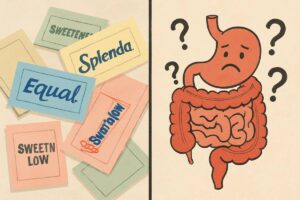
  • The “Zero-Calorie” Trap: Why Fake Sugar Messes Up Your Body

    The “Zero-Calorie” Trap: Why Fake Sugar Messes Up Your Body

    Artificial sweeteners promise to make things taste sweet without adding calories. But what if your body is sending you mixed signals? New research shows that these zero-calorie substitutes may be causing metabolic responses that weren’t expected, which could lead to the health problems they are supposed to prevent.

    The Sweet Trick: How Your Brain Plays Tricks on Your Body

    At first, your brain doesn’t know the difference between real sugar and fake sugar when you taste something sweet. Your body gets ready for a sugar rush as soon as you taste diet soda. This is known as the cephalic phase response. It is a very complicated biological system that has been improved over thousands of years.

    This is where things get interesting and hard.

    Your pancreas makes insulin in case glucose comes, but it never does. It’s as if your body is throwing a metabolic party, but the guest of honor, real sugar, never shows up.

    The Insulin Confusion: When Signals Get Mixed Up

    Recent studies show that things are not looking good. Dr. Kushagra Mathur’s research on diabetic patients found something interesting: people who used artificial sweeteners had much higher insulin resistance than people who didn’t. The numbers don’t lie: the average HOMA-IR value for people who used artificial sweeteners was 7.39, while the average value for people who didn’t use them was only 2.6.

    But not all sweeteners work the same way. Studies show that stevia lowered insulin levels more than aspartame and regular sugar. Sucralose, on the other hand, seems to be especially bad, as some studies have shown that it makes healthy people less sensitive to insulin.

    The Metabolic Mayhem Begins

    There is more confusion than just insulin. When your body thinks it will get glucose but doesn’t, a number of things happen one after the other:

    • Glucose transporters become overactive, which could lead to fat buildup in cells
    • Insulin sensitivity decreases over time with repeated exposure
    • Blood sugar regulation becomes impaired, which raises the risk of diabetes

    Dr. Sabyasachi Sen’s groundbreaking research at George Washington University showed that sucralose causes fat to build up in a dose-dependent way, which means that more sweetener means more fat is stored.

    The Link Between the Gut Microbiome

    Your gut bacteria may be the most interesting and worrying thing you find out. These tiny creatures that live in your intestines are very important for metabolism, and artificial sweeteners are throwing off their delicate balance.

    Research shows that artificial sweeteners like saccharin and sucralose greatly lower the number of different types of microbes. It’s not just that you have fewer types of bacteria; you also lose the good ones that help keep your metabolism in check.

    The Battlefield of Bacteria

    When scientists looked into what happens to gut bacteria when they are exposed to different sweeteners, they found some worrying trends:

    • Sucralose increased harmful bacterial families like Enterobacteriaceae
    • Natural sweeteners increased helpful bacteria like Lachnospiraceae
    • Saccharin changed important bacterial genera that are linked to liver inflammation

    What does this mean? Your friendly gut bacteria, which help break down food and control inflammation, are being replaced by bacteria that could be bad for you.

    The WHO’s Warning Shot

    The World Health Organization sent a warning to the artificial sweetener industry in May 2023. Their thorough review found that non-sugar sweeteners don’t help with long-term weight control and may even raise the risk of type 2 diabetes, heart disease, and death in adults.

    Francesco Branca, WHO’s Director for Nutrition and Food Safety, said, “People need to think about other ways to cut down on free sugars.” The group stressed that artificial sweeteners “have no nutritional value” and suggested cutting back on the overall sweetness of the diet.

    The Mystery of Individual Differences

    Not everyone reacts to artificial sweeteners in the same way. Studies show that only some people, called “responders,” have strong insulin responses to sweeteners like sucralose. This genetic lottery decides if your body gets stuck in the metabolic confusion trap.

    The shape is also important, which is interesting. Solid foods with artificial sweeteners caused stronger insulin responses than drinks. That diet yogurt you eat in the morning might mess up your metabolism more than that diet soda you drink in the afternoon.

    The Problem of Duration

    Long-term use seems to make these effects stronger. Mathur’s research showed that the longer you use artificial sweeteners, the more insulin resistance you will have. It’s not just about having one diet drink; it’s about the long-term effects over months and years.

    Some long-term studies of people found that eating artificial sweeteners at levels that were thought to be “safe” caused problems with blood vessels and made them store more fat.

    Beyond Diabetes: The Bigger Picture of Health

    The metabolic confusion goes beyond just problems with blood sugar. Studies indicate that artificial sweeteners may play a role in:

    • Metabolic syndrome development
    • Cardiovascular disease risk
    • Obesity paradoxically, despite zero calories
    • Inflammation and dysfunction of the liver
    • Accelerated aging processes

    Dr. Sen’s research even found that sucralose makes oxygen radicals build up, which are very reactive particles that hurt cells and slow down metabolism.

    What Science Says About the Confusion

    Artificial sweeteners affect taste receptors not only in your mouth, but also in your entire digestive system. These receptors, which evolved to detect natural sugars, send mixed signals when they come into contact with synthetic sugars.

    For example, the compound sucralose turns on the T1R2 and T1R3 taste receptors, which stimulate the intestines and raise levels of hormones like GIP and GLP-1 in the blood. This can cause hyperinsulinemia. Your body’s old sugar-detection system just wasn’t made to work with these new chemical fakes.

    Understanding Mixed Messages

    The research landscape is not entirely unidimensional. Some studies that last a shorter amount of time show little effect, while others show big changes in metabolism. This inconsistency probably comes from differences in people’s genes, eating habits, and study methods.

    But the evidence is starting to point to caution. The WHO’s recommendation is the most thorough evaluation to date, based on systematic reviews of the evidence that is available.

    The Way Forward: What This Means in Real Life

    What should people who care about their health do now that there is new evidence? The study proposes various strategies:

    Gradual reduction of overall sweetness preference, commencing early in life, seems to be the most advantageous. Instead of using artificial sweeteners instead of sugar, the goal should be to retrain your taste buds to enjoy less sweet foods.

    Natural alternatives like small amounts of stevia have better metabolic profiles. If you need to use sweeteners, plant-based ones may be better for your gut microbiome than synthetic ones.

    Individual monitoring is very important for people with diabetes or other metabolic issues. Because people respond so differently, it makes sense to work with healthcare providers to keep track of your own metabolic markers.

    The claim that artificial sweeteners have no calories may not be true, and they may have hidden metabolic costs. Even though they might help you lose weight in the short term, the long-term effects on insulin sensitivity, gut health, and diabetes risk show that biology doesn’t like being tricked. Sometimes, the body’s ancient knowledge is better than modern food science.

    Your metabolism developed over millions of years to process the natural sugars found in whole foods. If we try to trick this system with chemical substitutes, our bodies might end up outsmarting us instead.

  • Diet Soda and Losing Weight: A Secret Sabotage?

    Diet Soda and Losing Weight: A Secret Sabotage?

    It’s a scene that happens a lot. You’re looking through the drink aisle, determined to pick a healthier option. Your hand hovers for a moment before confidently grabbing the diet soda. No sugar, no calories. It feels like a win without guilt, a smart way to cheat in the hard game of losing weight. But what if that sweet, fizzy drink isn’t your friend after all? What if it’s working against you without you knowing?

    More and more scientific studies are starting to show what is really going on with drinks that are sweetened with artificial sweeteners. The story that is coming out is a lot more complicated than the labels make it seem. Even though these drinks don’t have any calories, they might be causing a chain reaction of biological and behavioral responses that could, strangely, cause weight gain instead of loss. It’s a trip that takes us deep into the brain’s complex wiring and the delicate dance of our metabolism.

    The Zero-Calorie Promise: A Temptation That Isn’t Real?

    At first glance, the idea of using diet soda to lose weight makes sense. A regular can of cola has about 140 calories and a lot of sugar. Over time, switching to a zero-calorie option can help you get rid of thousands of “empty” calories from your diet. For a lot of people, this easy change seems like a basic step toward their health goals.

    But the data from the real world often tells a different, more complicated story. Several big studies have found a strange connection between drinking diet soda regularly and an increase in waist size and body weight over time. For instance, a study that lasted 10 years found that people who drank diet soda every day had waistlines that grew almost four times as much as people who didn’t drink it.

    Of course, this doesn’t mean that the drinks are to blame right away. Researchers talk about a phenomenon called “reverse causation,” which means that people who are already overweight or at risk of becoming overweight are more likely to choose diet drinks in an effort to lose weight. This can make it seem like the drinks are making you gain weight when they might just be a sign of a problem that was already there.

    But that’s not the whole story. Other studies point to something more direct that happens as soon as you taste artificial sweetness.

    Brain Games: How Sweeteners Might Trick Your Body

    Evolution has wired the human brain to connect sweetness with energy, or calories. It’s a simple way to stay alive that has been around for a long time. When you eat something sweet, your brain’s reward centers light up, and your body gets ready for a rush of energy. This system doesn’t work well with artificial sweeteners. They taste very sweet but don’t have any calories, which some scientists call a “predictable relationship” disruption.

    A new study from the Keck School of Medicine at the University of Southern California showed exactly how this happens. The study, which was published in JAMA Network Open, found that drinks with sucralose, a common artificial sweetener, could greatly increase appetite.

    Dr. Katie Page, a doctor who specializes in obesity and was the study’s lead author, said, “We found that women and people who were obese had more brain reward activity after eating the artificial sweetener.”

    Her team used functional MRI scans to see that areas of the brain that control hunger and cravings became more active in these groups after they drank the sucralose-sweetened drink. The brain was promised a reward by the sweet taste, but when the calories didn’t come, it wanted more. Laura Schmidt, a professor at the University of California, San Francisco, said that this could mean that “artificial sweeteners could be getting the brains of obese people ready to want high-calorie foods.”

    The study went on. Researchers also discovered that in women and individuals with obesity, consuming the diet beverage resulted in a decrease in the hormones that indicate satiety. When these people were given a buffet after the experiment, they ate more food than when they drank a regular sugary drink. It looks like the “diet” drink not only didn’t fill them up, but it also made them hungrier.

    Metabolic Mayhem: A Hidden Problem

    Diet soda may have effects on more than just brain chemistry and cravings; it may also mess with our body’s basic metabolic processes. One of the main worries is insulin, the hormone that helps sugar move from the blood into our cells so they can use it for energy.

    When you eat sugar, your body usually makes insulin. But some studies show that artificial sweeteners can make the brain release insulin on its own because they are so strongly linked to sugar. A study discovered that the ingestion of sucralose resulted in elevated blood glucose and insulin levels.

    What does this mean? It can be confusing if your body is constantly releasing insulin when there isn’t any sugar to deal with. These frequent insulin spikes can lead to insulin resistance over time. This means that your cells don’t respond as well to the hormone’s signals. Insulin resistance is a big reason why people get Type 2 diabetes.

    This is related to larger worries about metabolic syndrome, which is a group of problems that includes high blood sugar, too much belly fat, high blood pressure, and cholesterol levels that are not normal. Drinking diet drinks has been strongly linked to a higher risk of metabolic syndrome. In some cases, the belly fat that people want to lose by switching to diet soda could actually get worse. Some studies have shown that people who are overweight and switch to diet soda may end up eating more calories than people who stick with regular soda.

    The Full Picture: Conflicting Results and Questions That Remain

    It’s important to remember that the science on fake sugars isn’t settled yet. Some studies show different results, so the picture is complicated. For every study that raises a red flag, there is another that says diet drinks might not be as bad as they seem and might even help you lose weight in some cases.

    One study, for example, found that people who drank diet soda lost more weight than people who only drank water. Another study found that drinks with artificial sweeteners don’t seem to have a big effect on metabolic risk factors, either way.

    These contradictory results highlight the intricacy of the matter. It is very hard to study how people eat and act. It is difficult to separate the effect of one dietary component because of things like the quality of the overall diet, exercise habits, and individual genetics. Susan Swithers, a behavioral scientist at Purdue University, says that research into the complicated ways that artificial sweeteners affect our weight and metabolism is still very much going on.

    It’s not as easy as saying “good” or “bad” when it comes to diet soda. It’s a complicated issue that probably changes from person to person. Your current weight, your biological sex, and even the specific bacteria in your gut may all affect how the effects work.

    So, what does that mean for you, standing in the drink aisle? The main point is not to be afraid of diet soda, but to be careful. It’s not a quick fix for losing weight, and for some people, it might be a hidden problem. It might be more accurate to think of it as a less-bad substitute for sugary sodas than as a “health” drink. The evidence indicates that prioritizing water and understanding the impact of these sweeteners on your body’s hunger and craving signals is the most judicious course of action. There is still no clear answer on diet drinks, but the research is helping us figure out what questions we should be asking.

  • Too Much Spice: 7 Side Effects of Consuming Spicy Food Everyday

    Too Much Spice: 7 Side Effects of Consuming Spicy Food Everyday

    Spicy food is a culinary thrill that adds heat, flavor, and richness to dishes from all over the world. Chili peppers are now an important part of many diets. They are in everything from hot Indian curries to Mexican salsas and Thai stir-fries. But what if the hot kick happens every day? Eating spicy foods every day might have some health benefits, but it might also have some drawbacks. In this article, we talk about the seven most serious side effects of eating spicy food every day, according to science, and give tips on how to keep a healthy balance.

    1. Digestive Distress: Irritation and Heartburn

    One of the quickest and most noticeable consequences of consuming spicy food on a daily basis is its impact on the digestive system. Capsaicin, a chemical responsible for the heat in chili peppers, has the ability to irritate the lining of the stomach, particularly when taken in big or frequent amounts.

    Symptoms include:

    • Heartburn or acid reflux
    • Stomach cramps or pain
    • Nausea
    • A burning sensation in the gut

    Capsaicin is able to unwind the lower esophageal sphincter, the mechanism that divides the stomach from the esophagus. This enables stomach acid to creep upward, creating the noxious burning sensation of heartburn. Spicy meals once a day may aggravate symptoms in those with gastroesophageal reflux disease (GERD) or sensitive stomachs.

    Tip: Combine spicy food with non-acidic, high-fiber foods such as rice or yogurt to cushion the irritation.

    2. Bowel Irregularities and Diarrhea

    Another spicy food health consequence commonly felt, particularly by those who are sensitive, is spiciness-induced diarrhea. Capsaicin has the ability to activate receptors within the intestines, which sends signals for more motility, thus accelerating digestion and causing loose stools.

    How and why it occurs:

    • Capsaicin acts on TRPV1 receptors lining the gut, which activate pain and heat.
    • This action can accelerate gut transit time, leading to diarrhea.
    • In others, it can cause burning or pain in the rectum during bowel movements.

    Not hazardous in moderation, but chronic bowel changes from spicy foods can sometimes reflect gut inflammation or irritable bowel syndrome (IBS) that is worsened.

    Interesting fact: Habitual consumers of spicy foods might develop tolerance to the effects of capsaicin over time, according to research. Still, this doesn’t rule out the underlying strain on the GI tract.

    3. Gastric Ulcer Worsening (Myth vs. Reality)

    Despite common perception, hot food does not result in ulcers per se. Ulcers are mostly caused by Helicobacter pylori infection or the abuse of NSAIDs (such as ibuprofen). Daily consumption of hot food, however, can aggravate ulcer symptoms and delay healing.

    What hot food does:

    • Triggers excess production of gastric acid
    • Irritates pre-existing lesions of the stomach lining
    • Worsens the pain, nausea, and bloating of ulcer patients

    In addition, repeated daily use may cover up more severe disease symptoms, such as gastritis or peptic ulcer disease by causing prolonged desensitization of pain receptors.

    Medical advice: If you have recurring stomach pain, see a medical professional before staying on a spicy-heavy diet.

    4. Skin and Sweat Gland Reactions

    Do you sweat or flush after eating something spicy? You’re not alone. Spicy food may cause visible reactions in the skin, particularly with repeated consumption.

    Potential effects:

    • Overactive sweating (gustatory sweating)
    • Redness or flushing of the face
    • Breakouts of acne or rosacea
    • Allergic reactions or hives in a small percentage of people

    Capsaicin stimulates heat receptors on your skin, which makes your body sweat to cool itself. For people with rosacea, regular consumption of spicy food can cause flare-ups because it increases blood circulation close to the surface of the skin.

    Side note: In some countries, capsaicin is applied externally in cream form for arthritis and muscle aches. However, internally, it still produces inflammation-like reactions in sensitive skin.

    5. Oral Health Issues: Burns and Taste Changes

    While others relish the mouth-burning heat of spicy foods, the heat can lead to minor burns or irritation in the mouth and throat, particularly when consumed daily.

    What to look out for:

    • Inflammation or soreness of the tongue
    • Dry mouth
    • Desensitization of taste buds
    • Canker sores or oral ulcers

    Spicy food can also upset the oral microbiome, possibly causing bad breath or low-grade infections. In addition, long-term frequent consumption of excessive spice may blunt your sensitivity to subtle flavors so that you become reliant on intense seasoning.

    Pro tip: Wash your mouth with water and milk after spicy meals to calm irritation and keep your mouth clean.

    6. Sleep Disturbance and Night Sweats

    Consuming spicy food on a regular basis, particularly dinner, can disrupt sleeping patterns. The body’s reaction to spice raises metabolic rate, body temperature, and even heart rate, making it more difficult to relax at night.

    Typical sleep symptoms:

    • Insomnia
    • Night sweats
    • Vivid or disruptive dreams
    • Acid reflux at night

    A 2019 study in the journal Appetite discovered that subjects who ate spicy food in the evening had decreased slow-wave sleep and elevated core body temperature, both of which are known to interfere with restorative sleep.

    Hack: If you enjoy spicy food, have it for lunch instead of dinner to reduce the effects at night.

    7. Potential Long-Term Health Hazards

    While moderate daily use of chili peppers has been associated with long life and various cardiovascular benefits, too much on a daily basis may cause longer-term health problems, particularly with the inclusion of a poor-quality overall diet.

    Possible harms include:

    • Long-term increase in gastric cancer incidence among groups having a high-spice, high-sodium diet
    • Establishment of food addiction or eating compulsion
    • Upsetting the balance of gut microbiota
    • Interference in the absorption of certain nutrients (i.e., iron, zinc)

    Scientists in China have found a link between excessive chili consumption and mental deterioration in the elderly. Although additional research is necessary, the findings indicate that chronic capsaicin consumption may be neurotoxic when it is accompanied by nutritional deficiencies.

    Balance is everything: Add cooling herbs such as mint, basil, or milk to counterbalance extreme heat in your diet.

    When Spicy Food Is Helpful

    It’s worth noting that not all spicy food is bad, and in moderation, it can offer several health perks. Capsaicin has been linked to:

    • Boosted metabolism
    • Appetite control
    • Pain relief
    • Anti-inflammatory properties
    • Cardiovascular protection

    It also contains antioxidants and has antimicrobial effects that can support the immune system. The key lies in moderation and individual tolerance.

    Expert tip: If you’re new to spice, introduce it gradually and observe how your body reacts before making it a staple.

    Tips for Enjoying Spice Without Side Effects

    If you enjoy the excitement of chili peppers but don’t want the negatives, here are some intelligent strategies:

    Practice Portion Control

    Don’t overdo it. A little spice can do a lot in flavor and health advantages.

    Cook with Milder Peppers

    Use peppers such as jalapeños, poblanos, or sweet chili peppers instead of the extremely hot ghost or Carolina reaper peppers.

    Match with Cooling Foods

    Neutralize the heat and calm digestion with dairy (milk, yogurt), avocados, or cucumbers.

    Drink Plenty of Water

    Spicy food leads to dehydration, particularly if it triggers sweating. Stay hydrated by drinking water all day.

    Watch Your Body

    Maintain a food diary if you do not know whether spice is impacting your health. Monitor for symptoms such as bloating, skin, or sleep cycles

    Final Thoughts: Should You Eat Spicy Food Daily?

    Spicy foods can add flavor and even be good for you, but eating them every day could be bad for your health. Chili pepper risks should not be ignored, especially if you are having ongoing problems like digestive issues or trouble sleeping.

    The bottom line is? Pay attention to your body. Some people can handle spice just fine, but others may need to tone it down. If you like spicy food, try switching between spicy and non-spicy days. Also, make sure to eat foods that are good for your gut and full of nutrients.

    Reference

    Spicy Food and Chili Peppers and Multiple Health Outcomes

  • How the Junk Food Intake Can Influence Your Health

    How the Junk Food Intake Can Influence Your Health

    Have you ever found yourself reaching for that bag of chips or looking at the drive-thru on your way home from work? You are not alone. Most people around the world eat junk food because it’s easy to get and tastes good. But have you ever thought about what these foods are doing to your body and mind? Let’s go on a trip to find out the truth about junk food and how it affects our health.

    What is Junk Food Exactly

    Before we get into the impact, let’s define what we’re referring to by “junk food.” Generally speaking, these are foods that are calorie-dense but not very nutritious. Consider:

    • Sweets: Candies, chocolates, and pastries.
    • Salty snacks: Chips, pretzels, and salted nuts.
    • Fast food: Burgers, fries, and pizzas.
    • Sweet drinks: Sodas, energy drinks, and sweet teas.

    These foods tend to include too much sugar, salt, unhealthy fats, and artificial additives, and not enough nutrients such as vitamins, minerals, and fiber.

    The Immediate Aftermath: Short-Term Effects


    Eating junk food now and then may not seem so bad, but even short-term consumption can have noticeable consequences

    Energy Highs and Crashes

    Ever had a sudden energy spurt after a sweet treat, only to feel exhausted a little later? This ride is because of sudden spikes and crashes in blood sugar levels, causing tiredness and crankiness

    Digestive Uncomfort

    Excessive fat and minimal fiber content in most junk foods can make digestion slow, resulting in bloating and discomfort. These foods also interfere with the balance of the gut bacteria, which is responsible for healthy digestion.

    Poor Concentration

    That lethargy after a fast meal is not imaginary. Saturated-fat and sugar-rich diets can slow down brain function, making it difficult to focus and impair memory.

    The Cumulative Toll: Long-Term Health Risks

    Junk food habits aren’t just accumulating around the waistline; they’re setting the stage for a range of chronic diseases.

    Weight Gain and Obesity

    Junk foods contain high calories and tend to be eaten in excess. The outcome? Unwanted weight gain and, eventually, obesity. Worryingly, research has demonstrated that ultra-processed food diets are firmly linked to weight gain and obesity.

    Heart Disease

    Large amounts of trans fats, saturated fats, and sodium in junk foods tend to raise bad cholesterol (LDL) and blood pressure, putting one at a higher risk for heart disease and stroke. Diet plays an important part in coronary heart disease, with diet-related factors such as obesity and hypertension.

    Type 2 Diabetes

    Constant consumption of sugary foods and drinks can cause insulin resistance, a condition that often precedes type 2 diabetes. According to a 2023 meta-analysis, every 10% rise in the intake of ultra-processed foods contributed to a 12% greater risk of type 2 diabetes.

    Mental Health Implications

    The Science Behind the Addiction
    Ever wonder why you can’t seem to stop after just one chip? Junk food is designed to strike the “bliss point,” a sweet and fatty, salty mix that gets the reward system in your brain going, causing a rush of dopamine. The reaction is identical to that from addictive substances, and soon we’re in withdrawal, desiring more.

    Breaking the Cycle: Practical Strategies

    Knowledge is the beginning of understanding. Below is how you can cut back on junk foods:

    • Plan Your Meals: Cooking meals ahead of time can eliminate the urge for fast food.
    • Healthy Snacking: Eat fruits, nuts, and yogurt rather than chips and candies.
    • Stay Hydrated: At times, our bodies get confused between hunger and thirst. Drinking water can cut down on unnecessary snacking.
    • Mindful Eating: Listen to what and when you eat. Being aware of emotional eating can assist in making healthier food choices.

    Conclusion

    Eating junk food once in a while won’t hurt you, but doing it all the time can cause serious health problems, both physically and mentally. Being aware of these risks and making smart food choices can help you live a healthier, more active life. Don’t forget that it’s not about denying yourself; it’s about finding a balance that feeds both your body and your soul.

  • 5 Surprising Advantages of a No Sugar Diet

    5 Surprising Advantages of a No Sugar Diet

    Getting rid of sugar may not be the easiest thing to do, especially since it’s so well hidden in so many common foods. But the rewards can be amazing once you leap. Most people think of losing weight when they hear the term “sugar-free diet,” but there are some benefits that most people don’t know about that can help their health in ways they can’t even imagine. If you’ve been hesitant, here are five shocking benefits of a no-sugar diet that might completely change how you think.

    1. Your Skin Gets a Natural Glow

    One of the first things that many notice when they eliminate added sugar from their diet is their skin. Excessive sugar consumption can cause inflammation, which tends to manifest as acne, redness, or puffiness. Without sugar provoking those inflammatory reactions, your complexion could become clearer and more even. With time, your skin could look more radiant and youthful, all without the use of costly skincare products.

    2. You’ll Feel More Energized Throughout the Day

    Sugar tends to make your energy surge and then plummet, causing you to feel lethargic and drained. When you cut out sugar from your diet, your blood sugars remain stable, leading to a consistent supply of energy. You will find yourself experiencing fewer energy crashes in the afternoon, better endurance, and steadier moods. You can make it easily through the day without reaching for coffee or sugary treats.

    3. Mental Fog Starts to Lift

    If you’ve ever struggled to concentrate or felt like your thoughts were in a haze, your sugar intake might be partly to blame. Reducing sugar helps stabilize insulin levels, which plays a key role in cognitive performance. Many people who cut back on sugar report sharper focus, better memory, and improved mental clarity, making it easier to stay productive and alert.

    4. Your Immune System Is Boosted

    Another of the less expected advantages of a no-sugar diet is its impact on your immune system. Excessive consumption of sugar is known to impair your body’s defenses, which means it becomes more difficult to ward off colds and infections. With reduced consumption of sugar, your immune system operates more effectively, possibly leading to fewer days off work and faster recovery times.

    5. Your Gut Health Enhances

    Your digestive system also improves when you eliminate sugar. Sugar provides energy for the bad bacteria in your gut, which creates an imbalance that can cause bloating, gas, and discomfort. When you eliminate sugar, you promote the growth of good bacteria, which aids in improved digestion and overall gut health. A healthier gut can also positively impact your mood and immune system.

    Final Thoughts

    There are many unexpected benefits of a no-sugar diet that go beyond losing weight. The benefits can be both mental and physical, such as clearer skin, more energy, sharper thinking, and a stronger immune system. If you don’t want to give up all sugars, cutting back on processed foods and sugary drinks is an easy way to get healthier. Try it for a few weeks; you’ll be amazed at how good you feel.

  • Hair Loss Alopecia Explained: Symptoms and Treatments

    Hair Loss Alopecia Explained: Symptoms and Treatments

    Let’s talk about something very personal and, for many, very upsetting: hair loss and alopecia. For a lot of people, their hair is a big part of who they are, how they feel about themselves, and how confident they are. It can be scary to find more hair than usual on your brush, in the drain, or in areas that are getting thinner. But you aren’t the only one. Alopecia, or hair loss, happens to millions of men and women around the world for a lot of different reasons.

    The goal of this article is to make alopecia hair loss less mysterious. We’ll talk about the normal cycle of hair growth, the different types of alopecia, the usual causes of hair loss, how it’s diagnosed, and, most importantly, the different ways to treat it and deal with it that are available right now. The first step to finding effective solutions and getting some control over your hair loss is to understand the “why” and “what” of it.

    The Life Cycle of Your Hair: A Quick Primer

    Before we discuss why hair loss occurs, it’s helpful to know how hair grows normally. Every hair follicle on your head works separately, going through three phases of existence:

    • Anagen (Growth Phase): This is the proliferative growth phase. Hair follicles develop hair fibre, and the hair shaft elongates. This phase lasts anywhere from 2 to 7 years and determines the length of your hair. At any time, around 85-90% of your scalp hairs are in the anagen phase.
    • Catagen (Transition Phase): A Brief transitional phase that lasts around 2-3 weeks. Hair growth ceases, and the hair follicle becomes slightly smaller, breaking away from its blood supply. Only approximately 1-2% of your hair is in this phase.
    • Telogen (Resting Phase): The follicle rests for approximately 3-4 months. The previous hair stays in position, but it’s no longer growing. This resting hair is eventually lost (usually when you brush or shampoo your hair) as a new anagen hair starts to grow underneath it, displacing it. Approximately 10-15% of your scalp hairs are usually in the telogen phase.

    You would typically lose around 50 to 100 telogen hairs daily. This is completely normal and typically unnoticed since new hairs continuously begin their anagen stage. Hair loss alopecia results if this process is interrupted – either by additional hairs entering the telogen stage too early, the anagen stage decreasing, or the follicle damaged or destroyed.

    What Exactly is Alopecia?
    Alopecia is just the technical name for loss of hair, without regard to cause or distribution. It is not one disease but a symptom that may be due to several underlying diseases or causes. It can occur in many forms:

    • Thinning of hair on top of the head (most common form).
    • Circular or patchy baldness.
    • Sudden shedding and loosening of hair.
    • Hair loss on the entire body.
    • Hair loss with scaling or redness on the scalp.

    It may be temporary or permanent, be limited to the scalp or the whole body, and happen at any age, but it gets more prevalent as we age.

    Unpacking the Various Types of Hair Loss: Alopecia

    Alopecia is not a condition that fits all. Knowing which particular type you may be suffering from is the first step to identifying the best solution. Here are some of the most prevalent types:

    What it is: This is the most common form of hair loss, commonly called male-pattern baldness or female-pattern baldness. It’s highly associated with genetics and the effect of androgens (male hormones), especially dihydrotestosterone (DHT).
    How it looks: In men, it typically starts with a receding hairline and thinning at the crown, potentially progressing to partial or complete baldness. In women, it usually presents as diffuse thinning over the entire scalp, particularly at the part line, while the frontal hairline is often preserved. Complete baldness is rare in women.
    Mechanism: Hair follicles that are responsive to DHT slowly shrink (miniaturize). This decreases the anagen (growth) phase and prolongs the telogen (resting) phase, leading to thinner, shorter hairs until finally, growth is completely halted.
    Alopecia Areata:

    Androgenetic Alopecia (Pattern Hair Loss):

    • What it is: An autoimmune disorder in which the body’s immune system mistakenly attacks healthy hair follicles, creating inflammation and hair loss. The cause is unknown, but genetics and environmental factors are suspected to be involved.
    • How it appears: Involves abrupt onset of smooth, circular, coin-shaped bald patches on the scalp or body hair-bearing areas (beard, eyebrows). It may be one or more patches (Alopecia Areata monolocularis/multilocularis) or complete loss of scalp hair (Alopecia Totalis) or all body hair (Alopecia Universalis).
    • Prognosis: The pattern is unpredictable. The hair will regrow on its own, sometimes a different colour or texture at first, or the loss can continue or recur.

    Telogen Effluvium (TE):

    What it is: A form of diffuse hair loss that results when a major stressor forces a large number of hair follicles too early into the telogen (resting/shedding) phase.

    • Triggers: General triggers are major physical stress (surgery, high fever, childbirth, serious illness such as COVID-19), extreme emotional stress, extreme weight loss, nutritional deficiencies (particularly iron), thyroid issues, and some medications.
    • How it looks: Presented by increased shedding throughout the entire scalp, commonly observed 2-4 months following the trigger event. It usually causes appreciable thinning but not actual bald patches.
    • Prognosis: Typically temporary. Once the causative underlying factor is reversed or eliminated, the hair growth cycle usually returns to normal within 6-9 months, although healing may seem to be slow. Chronic Telogen Effluvium is possible, but it is not as prevalent

    Anagen Effluvium:

    • .What it is: Sudden and diffuse loss of hair due to damage to hair follicles during the anagen (growing) phase.
    • Causes: Most frequently linked to chemotherapy or head radiation therapy, which affects quickly dividing cells, including hair follicles. Certain poisons may also cause it.
    • How it appears: Sudden loss of most scalp hair shortly after the causative agent has been encountered.
    • Prognosis: Hair generally returns after the treatment (such as chemotherapy) has been discontinued, as the follicles are injured but not usually killed

    Traction Alopecia:

    • .What it is: Hair loss due to repeated or constant tension on the hair follicles.
    • Causes: Specific hairstyles that draw on the hair tightly, including tight ponytails, braids, cornrows, dreadlocks, and hair extensions, particularly when worn for extended periods. Heat and chemical treatment can cause the weakening of the hair, which makes it vulnerable.
    • How it appears: Usually involves the hairline (frontal and temporal regions) or regions subject to chronic tension. At first, it may appear as minute bumps near follicles (folliculitis), then breakage and thinning of the hair.
    • Prognosis: Curable if discovered early and the tension is relieved. Chronic, prolonged traction can, however, cause permanent follicle damage and scarring and result in irreparable loss of hair.

    Cicatricial Alopecia (Scarring Alopecia):

    • What it is: A collection of uncommon inflammatory conditions that destroy the hair follicle and replace it with scar tissue. This results in permanent hair loss.
    • Causes: May be caused by many conditions, such as Lichen Planopilaris, Frontal Fibrosing Alopecia, Central Centrifugal Cicatricial Alopecia (CCCA), Discoid Lupus Erythematosus, and Folliculitis Decalvans. The cause usually has an underlying inflammation targeted at the top of the hair follicle.
    • How it appears: Dependent on the particular type, but can include patchy hair loss with associated signs such as itching, burning, pain, redness, scaling, or pustules of the scalp. The scarred scalp skin can appear smooth and shiny.
    • Prognosis: Permanent loss of hair in scarring. Treatment is directed towards halting the inflammation and preventing further hair loss

    What Causes and Raise the Risk of Hair Loss Alopecia?

    .Knowledge of the possible triggers is essential for prevention and treatment. Important causes of hair loss, alopecia, are:

    Genetics (Heredity): The most prevalent cause of pattern hair loss (Androgenetic Alopecia). If your parents or immediate relatives suffered from hair loss, your risk is increased.
    Hormonal Changes: Changes or imbalances can lead to hair loss. This includes:

    • Pregnancy and Childbirth (often causing temporary Telogen Effluvium).  
    • Menopause.
    • Thyroid disorders (both hyperthyroidism and hypothyroidism).  
    • Polycystic Ovary Syndrome (PCOS).  

     Medical Conditions:

    • Autoimmune diseases (Alopecia Areata, Lupus).  
    • Scalp infections (like ringworm or tinea capitis).  
    • Skin disorders (psoriasis, seborrheic dermatitis on the scalp).  
    • Conditions causing nutritional deficiencies.

    Medications and Treatments:

    • Chemotherapy and radiation therapy.
    • Certain drugs are used for arthritis, depression, heart problems, high blood pressure, and gout.
    • High levels of Vitamin A.
    • Birth control pills (sometimes when beginning or ceasing).
    • Anabolic steroids.


    Nutritional Deficiencies: Insufficiency of necessary nutrients may affect hair well-being. Iron, protein, zinc, biotin, and essential fatty acid deficiencies are commonly involved. Crash dieting or malnutrition may cause TE.
    Stress: Extreme physical or emotional stress may cause Telogen Effluvium. Ongoing stress may also worsen other forms of hair loss.
    Hair Care Habits and Therapies:

    • Traction Alopecia due to tight hairstyles.  
    • Chemical damage from aggressive chemical treatments (perms, relaxers, color).  
    • Excessive heat use.

    Age: Hair naturally will thin, and hair density can slow down as we get older, even without a distinct alopecia disorder. Follicles can simply become less efficient over time.

    Getting a Diagnosis: When to See a Doctor

     While a little shedding is to be expected, it’s a good idea to see a doctor or dermatologist if you experience:

    • Sudden or patchy hair loss.
    • Excessive overall shedding for a few weeks.
    • Itching, painful, red, or scaly scalp with hair loss.
    • You’re concerned about your pattern of hair loss.
    • Hair loss is affecting your self-esteem.

    A dermatologist specializing in hair loss (sometimes called a trichologist, though ‘trichologist’ isn’t always a regulated medical title – ensure they are a board-certified dermatologist) can help determine the cause. Diagnosis typically involves:  

    • Medical and Family History: Discussing your health, medications, diet, stress levels, hair care routine, and family history of hair loss.
    • Physical Exam: Carefully looking at your hair loss pattern, scalp, and quality of the hair shaft. They may use a dermatoscope (a type of magnifying lens) to take a closer look at the follicles and scalp skin.
    • Pull Test: Lightly tugging a short section of hair (about 40-60 hairs) to observe how many fall out with ease. A number greater than a few hairs could indicate active shedding (such as in TE).
    • Blood Tests: To identify underlying conditions such as thyroid disease, iron deficiency (anemia), hormonal imbalances, or vitamin deficiencies.
    • Scalp Biopsy: In a few instances, particularly if scarring alopecia or an inflammatory process is suspected, a small piece of scalp skin (typically 4mm) is taken under local anesthesia and viewed under the microscope.

    Treatment Options for Hair Loss Alopecia: Finding What Works

    The ideal treatment largely varies with the type and reason for your alopecia hair loss. It is important to be properly diagnosed before initiating treatment. Depending on your case, the following are options that vary from medications and procedures to lifestyle modifications:
    Over-the-Counter (OTC) Treatments:

    • Minoxidil (Rogaine®): A topical liquid or foam put directly on the scalp. It’s FDA-approved for androgenetic alopecia in men and women and is also said to help some individuals with alopecia areata or TE. It extends the anagen phase and perhaps enlarges follicles. It doesn’t always work, needs to be used continuously to sustain results, and takes a couple of months to become effective.  

    Prescription Medications

    • Finasteride (Propecia®): Oral medication for men with androgenetic alopecia. It is an inhibitor of the enzyme (5-alpha-reductase) that converts testosterone into DHT, the hormone causing follicle miniaturization. It is typically more effective in slowing loss and stimulating regrowth at the crown than at the hairline. Not generally used in women of childbearing age because it poses risks to the fetus if a woman were to become pregnant.
    • Spironolactone: An oral drug sometimes used off-label for female pattern hair loss. It’s an anti-androgen, which counteracts the hormonal impact on hair follicles.
    • Corticosteroids: To decrease inflammation in conditions such as Alopecia Areata and certain Scarring Alopecias. Can be administered as injections into the involved scalp areas, applied topically (creams/lotions), or orally (generally for extensive or severe cases, with more possible side effects).
    • Other Immunosuppressants (e.g., Methotrexate, JAK inhibitors): Occasionally used for resistant or severe Alopecia Areata or some inflammatory Scarring Alopecias. These need to be monitored closely because of side effects.
    • Antifungals: For fungal infection-induced hair loss, such as tinea capitis.

    Medical Procedures:

    • Hair Transplantation: A surgical operation by which hair follicles are transferred from a donor site (often the back or sides of the head, which are less susceptible to balding) to balding or thinning spots. Methods include Follicular Unit Transplantation (FUT or strip procedure) and Follicular Unit Extraction (FUE). Ideal for Androgenetic Alopecia or chronic Scarring Alopecia after the inflammatory process has been brought under control. The outcome is usually long-lasting but costly.
    • Platelet-Rich Plasma (PRP) Therapy: Involves taking your own blood, processing it to thicken the platelets (growth factor-rich), and injecting the PRP into the scalp. It’s believed to awaken latent hair follicles and stimulate growth. Evidence continues to develop, but it’s applied to Androgenetic Alopecia and occasionally Alopecia Areata. Repeated sessions are typically required.
    • Low-Level Laser Therapy (LLLT): Equipment (helmets, helmets, combs, bands) releases red light wavelengths believed to stimulate cellular function in follicles, which could extend the anagen phase and boost hair density. FDA cleared for Androgenetic Alopecia. Must use regularly over several months; success is variable.

    Lifestyle and Home Remedies:

    • Gentle Hair Care: Shun harsh treatments, heat, and tight styles. Use a wide-tooth comb, particularly on wet hair. Select mild shampoos.
    • Balanced Diet: Take sufficient protein, iron, zinc, biotin, omega-3 fatty acids, and vitamins. Treat diagnosed nutritional deficiencies with supplements if advised by your physician.
    • Stress Management: Methods such as yoga, meditation, exercise, or therapy can manage stress, possibly preventing TE or stress-induced worsening of other conditions.
    • Scalp Massage: Can enhance circulation to the scalp, although strong evidence for meaningful regrowth is scarce.

    Cosmetic Solutions:

    • Wigs and Hairpieces: Excellent quality in synthetic or human hair, providing instant coverage and styling flexibility.
    • Hair Fibers and Concealers: Sprays or powders that stick to the remaining hair, giving the illusion of thicker hair and covering thinning spots.
    • Strategic Hairstyling: Thin hair can be disguised by a well-cut style. Layering or texturizing will help.

    Can Hair Loss Be Prevented?

    Although genetically caused hair loss (Androgenetic Alopecia) is predetermined to a great extent, you can do much to reduce other forms or retard progress:

    • Maintain a Healthy, Balanced Diet: Essential for hair health in general.
    • Be Kind to Your Hair: Evade tight hairstyles, rough chemicals, and excessive heat.
    • Reduce Stress: Develop healthy coping skills.
    • Treat Underlying Illnesses: Early treatment of thyroid disorders, infections, or deficiencies.
    • Review Medications: If you have reason to believe a drug is triggering hair loss, speak with your doctor (do not discontinue medication without consultation).
    • Avoid Smoking: Some research indicates that smoking has been implicated as a potential factor in the risk for Androgenetic Alopecia.

    The Emotional Side of Hair Loss: Alopecia

    It is essential to note that alopecia hair loss can have a great effect on emotional well-being. Anxiety, depression, low self-esteem, embarrassment, and withdrawal from social contact are usual. Hair is frequently linked to cultural definitions of beauty and youth.

    If hair loss is impacting your mental health:

    • Seek Support: Discuss with friends, family, or support groups (online or face-to-face) for individuals suffering from hair loss. Exchanging experiences can be extremely validating.
    • Focus on What You Can Control: This could be researching treatment, experimenting with cosmetic solutions, or concentrating on other areas of your health and well-being.
    • Consider Counseling: A therapist can offer coping mechanisms and assist in working through the emotional aftermath.
    • Educate Yourself: Knowing your particular type of alopecia can empower you.

    Moving Forward with Hope

    It can be lonely, but remember that it’s a common problem with many causes and more ways to manage it every day. There are ways to move forward once you know what the problem is and have tried treatments like minoxidil, finasteride, PRP, or hair transplantation. Cosmetics and changes to your lifestyle can also help.

    The most important thing to do is to talk to a dermatologist. They will be able to help you understand the details of your case, give you personalized advice, and give you realistic hopes. Not all hair loss can be fixed, but many can be treated or managed, which will help you feel more confident and hopeful about the future.

  • Why Everyone Needs to Consider Taking Vitamin D3 with K2 for Optimal Health

    Why Everyone Needs to Consider Taking Vitamin D3 with K2 for Optimal Health

    Vitamin D, also known as the “sunshine vitamin,” is something we hear a lot about. Most of us know that it’s important for strong bones and a healthy immune system, but a lot of people are missing it. Because of this, Vitamin D supplements are very popular now. But are you getting the most out of your Vitamin D? There is more and more proof that Vitamin K2 is needed for Vitamin D to work best and safest. This article talks about how taking Vitamin D3 and K2 together isn’t just a fad, but could be a good way to improve your health. It also talks about how these two vitamins work together to improve your bones, heart, and more. For many years, people were mostly interested in Vitamin D3 as a way to absorb calcium.

    But we now know that just taking in calcium isn’t enough. We need to make sure that the calcium gets to the right places (like our bones and teeth) and stays away from the wrong places (like our arteries and soft tissues). Vitamin K2 comes into play here; it acts like a smart traffic cop for calcium in the body. To get the most out of vitamin D supplements and improve your health, you need to understand how these two things work together. Let’s look at each of these important nutrients one at a time before talking about how they work together.

    Understanding Vitamin D3: More Than Just Sunshine

    Vitamin D is a fat-soluble vitamin that acts like a hormone in the body and has an effect on many different physiological processes.
    Our bodies can make Vitamin D when our skin is exposed to UVB sunlight. This is why it is also called the “sunshine vitamin.” However, where we live, the season, our skin color, our age, and even the sunscreen we use can all make it much harder for our bodies to make it. There are food sources, like fatty fish, egg yolks, and fortified foods, but they often don’t provide enough to meet daily needs, especially if you don’t get much sun.

    Why D3 (Cholecalciferol)?  

    There are two primary types of Vitamin D: D2 (ergocalciferol, in plants and fortified foods) and D3 (cholecalciferol, made in the skin and present in animal sources). Studies in general suggest that Vitamin D3 is more efficient in elevating and sustaining blood levels of Vitamin D than D2, and thus it is the form of choice for supplementation.

    Important Functions of Vitamin D3

    • Calcium Absorption: It is perhaps its most well-known function. Vitamin D3 is necessary to absorb calcium from the diet in the intestines. Without sufficient D3, we may only absorb 10-15% of the calcium in our diet.
    • Bone Health: By aiding the absorption of calcium, D3 is important for developing and maintaining healthy bones and teeth, preventing disorders like rickets in children and osteomalacia/osteoporosis in adults.
    • Immune System Modulation: Vitamin D receptors are expressed on most immune cells (T cells, B cells, macrophages). D3 serves to regulate immune reactions, which may decrease infection susceptibility and influence autoimmune diseases.
    • Mood Regulation: Vitamin D deficiency has been associated with mood disorders such as depression and seasonal affective disorder (SAD), though the precise relationship remains under investigation.
    • Muscle Function: Sufficient D3 levels are essential for muscle strength and function. Deficiency can result in muscle pain and weakness.
    • Cell Growth and Development: Vitamin D is involved in the proliferation and differentiation of cells.


    The Problem of Deficiency:

    Vitamin D deficiency is a worldwide health problem. Signs may be nonspecific and easy to overlook, including:

    • Fatigue and tiredness
    • Bone pain or aches
    • Muscle weakness, aches, or cramps
    • Mood changes, such as depression
    • Increased infection susceptibility
    • Hair loss (severe)

    Due to its critical functions and prevalence of deficiency, supplementation is commonly advocated, particularly in individuals with minimal sun exposure, elderly people, individuals with darker skin pigmentation, and those with certain medical conditions.

    Understanding Vitamin K2: The Calcium Navigator

    Vitamin K is another fat-soluble vitamin, best recognized for its function in blood clotting (that’s Vitamin K1, or phylloquinone, which occurs plentifully in leafy green vegetables). But Vitamin K2 (menaquinone) has a somewhat different but equally important function, mainly related to calcium metabolism and heart health.

    Vitamin K2 is not a single molecule but a group of similar compounds known as menaquinones. The best-researched forms are MK-4 and MK-7.

    • MK-4: Present in some animal foods such as butter, egg yolks, and organ meats (grass-fed animals usually have higher levels). It has a short half-life in the body.
    • MK-7: It can be found in fermented foods, predominantly Natto (fermented soybeans), also in a few cheeses and curds. It has a significantly longer half-life, so it is active longer in the body. Most supplements use the MK-7 form for this reason.

    Important Functions of Vitamin K2:

    • Calcium Guidance: This is the key to its collaboration with D3. Vitamin K2 triggers proteins, which assist the body in using calcium correctly.
    • Bone Mineralization: K2 activates Osteocalcin, a protein secreted by bone-forming cells (osteoblasts). Activated Osteocalcin fixes calcium directly onto the bone matrix, assisting in the formation of strong, dense bones. Without sufficient K2, Osteocalcin is inactive and cannot efficiently add calcium to bone tissue.
    • Cardiovascular Health: K2 activates another essential protein known as Matrix Gla Protein (MGP). MGP is present in the smooth muscle cells lining blood vessel walls and is a very effective inhibitor of vascular calcification. By activating MGP, K2 prevents calcium from accumulating in arteries, cartilage, and soft tissues, hence ensuring cardiovascular flexibility and health.
    • Dental Health: Osteocalcin, which is stimulated by K2, also contributes to the development of dentin (the calcified substance beneath tooth enamel). Proper K2 could lead to healthier teeth and the prevention of cavities

    The Challenge of K2 Intake

    Compared to Vitamin K1, which is not too hard to get from leafy greens, Vitamin K2 is not as common in the average Western diet. Unless an individual eats Natto (which tastes and feels very strong) or a lot of grass-fed animal foods and some cheeses, K2 consumption may be inadequate. This increases the likelihood of a need for supplementation, particularly when taking Vitamin D3.

    The Synergy: Why Taking Vitamin D3 with K2 is Important

    Now, let’s put it all together. Here’s why the combination is critical:

    Vitamin D3 boosts gut absorption of calcium. This is great for getting calcium into the body, but it doesn’t ensure where that calcium goes. Consider D3 as opening the floodgates for calcium.
    Vitamin K2 guides ingested calcium to the proper locations. It is similar to a traffic cop or a GPS for the augmented calcium burden mediated by Vitamin D3.

    For Bones: K2 turns on Osteocalcin, instructing the calcium, “Go here, into the bone matrix.”

    For Arteries: K2 turns on MGP, instructing the calcium, “Stay out of here; don’t deposit in the blood vessel walls.”

    The Potential Danger of D3 Alone (Especially in High Dosages):

    When you ingest large doses of Vitamin D3 without adequate Vitamin K2, you raise the levels of calcium in your blood (hypercalcemia in the worst-case scenario).
    In the absence of K2 to trigger MGP, this excess calcium is more likely to accumulate in arteries and other soft tissues, which in the long run may trigger artery stiffness and cardiovascular issues.

    Although Vitamin D toxicity is uncommon and almost necessitates extremely high dosing, the issue is how to maximize the effects of supplemental D3 and avoid any adverse effects of elevated calcium circulation. Consuming D3 could increase the body’s need for K2 to hold the excess calcium in check.

    Essentially:

    • D3 + K2 for Bone Health: D3 makes the calcium absorb; K2 makes sure it gets incorporated into the bone. This combination is perhaps more beneficial for bone strength and density than taking D3 separately.
    • D3 + K2 for Heart Health: D3 has numerous areas of benefit for health, but K2 serves to counter the possible detrimental effect of D3-increased calcium–calcification of arteries-by triggering MGP.

    This complementary interaction emphasizes the reason why the use of Vitamin D3 in combination with K2 is deemed by most health practitioners to be a wiser, safer, and more effective method of supplementation than the use of D3 alone, especially at higher levels or for extended periods.

    The Combined Benefits of Vitamin D3 and K2

    When combined, Vitamin D3 and K2 provide a variety of potential health benefits beyond what each would provide separately:

    • Optimized Bone Health: This is the best-documented synergistic benefit. By making sure that calcium is absorbed (D3) and adequately deposited into the bone matrix (K2-activated Osteocalcin), the synergy aids in higher bone mineral density, possibly lowering the risk of fracture and osteoporosis. Research indicates that taking D3 and K2 together can be more effective than either supplement alone at enhancing bone health metrics.
    • Increased Cardiovascular Protection: This is probably the most important rationale for the combination. Although D3 has multifaceted effects on cardiovascular health, the function of K2 in activating MGP allows for a straightforward mechanism to suppress vascular calcification. In preventing calcium deposits in arteries, the D3/K2 combination maintains arterial pliability and potentially lowers the risk factors in cardiovascular disease. Studies have associated greater K2 consumption with decreased coronary artery calcification rates and lower cardiovascular mortality.
    • Better Dental Health: Just like K2 directs calcium to bones, it also assists with dental health through Osteocalcin activation and the development of strong dentin. Proper calcium metabolism is important for tooth strength.
    • Potential Immune Support: Although D3 is the main agent for immune modulation, maintaining optimal calcium metabolism with K2 may add to general cellular health and functionality, which can indirectly play a role in optimal immune function. The direct synergistic impact on immunity requires more study.
    • Safe High-Dose D3 Supplementation: In individuals who require higher levels of Vitamin D3 to restore a deficiency, the addition of K2 adds a safety factor by assisting with the handling of the higher calcium load and reducing the hypothetical risk of soft tissue calcification.

    Who Should Take Vitamin D3 with K2?

    Although seeing a health care provider is always the initial recommendation, some populations may especially want to consider a combined D3/K2 supplement:

    • Anyone on Vitamin D3 supplements: Particularly if taking medium to high doses (e.g., greater than 2000 IU per day) or supplementing chronically.
    • Postmenopausal Women: They are at increased risk for osteoporosis, and the combined effect is especially relevant.
    • Older Adults: Bone density declines with age, and cardiovascular risks are heightened, so the D3/K2 combination is helpful on both fronts.
    • Individuals Who Are Concerned About Cardiovascular Health: Patients with risk factors for heart disease or established arterial calcification may find K2’s protective action beneficial in addition to D3.
    • Individuals with Diets Low in K2: Vegans, vegetarians, and individuals who do not consume Natto, grass-fed meat/dairy, or certain aged cheeses on a regular basis may have inadequate K2 intake.
    • Persons with Nutrient Absorption Conditions: Such conditions as Crohn’s disease, celiac disease, or cystic fibrosis can interfere with fat-soluble vitamin (both D and K) absorption.
    • Those with Diagnosed Vitamin D Deficiency: Maintaining adequate K2 status in correcting D deficiency appears to be wise.

    Vital Disclaimer: The information provided herein is for academic purposes only and is not intended to be considered as medical advice. Always visit your physician or a qualified health practitioner before implementing any new regimen of supplements, particularly if you have pre-existing medical conditions or are on medication.

    Practical Considerations: Dosage, Forms, and Safety

    If you and your physician determine that supplementing with Vitamin D3 and K2 is suitable, then these are some practical considerations:

    Dosage: This can vary significantly based on personal requirements, blood levels (particularly for D3), age, health, and diet.

    • Vitamin D3: Typically given 1000 IU to 5000 IU daily, although higher amounts can be administered to replete deficient patients in the short term as directed by laboratory testing (25-hydroxyvitamin D). Adults are typically put on a level established by the tolerable upper intake level set at 4000 IU/day by the US National Institutes of Health, though even greater dosages are sometimes employed under close physician supervision.
    • Vitamin K2 (MK-7): Typical dosages are between 90 mcg and 200 mcg daily. MK-7 is usually taken because it has a longer half-life. No UL for Vitamin K has been established, but extreme doses should be used with caution.
    • Ratio: A few products provide a ratio (e.g., 100 mcg K2 per 1000-5000 IU D3), but no one has ever come to a consensus on the perfect ratio. The emphasis should be placed on adequate provision of both nutrients, depending on individual requirements.


    Types of K2: As noted, MK-7 is the most prevalent form in supplements because it is more bioavailable and active for longer periods than MK-4. Ensure that supplements indicate the type and amount of K2.
    Quality of Supplements: Opt for well-known companies that are tested third party for purity and strength (e.g., NSF, USP, ConsumerLab).
    Timing: Since both D3 and K2 are fat-soluble, taking them with a meal containing some healthy fats can improve absorption.  
    Getting Tested: Regularly testing your Vitamin D (25-hydroxyvitamin D) level is crucial to guide appropriate D3 dosage. Routine testing for K2 status is less common and standardized, so intake is often based on dietary assessment and the factors mentioned above.
    Contraindications (Critical!): Vitamin K (both K1 and K2) can interfere with blood-thinning medicines like Warfarin (Coumadin). If you take Warfarin or other anticoagulants, DO NOT initiate Vitamin K2 supplements without specifically discussing it with your prescribing physician. They will need to check your clotting time (INR) frequently and possibly alter your medication dosage. This is an important safety concern

    Every day, the science gets clearer: Vitamin D3 and Vitamin K2 are not two different nutrients; they work together. Vitamin D3 is important for letting calcium into your body, but Vitamin K2 is the most important because it makes sure that calcium makes your bones and teeth stronger instead of building up in your arteries and possibly harming your heart.
    A more advanced way to take supplements is to know why Vitamin D3 with K2 is a good idea. It does more than just help the body absorb more calcium; it also makes sure that calcium is being used correctly and safely throughout the body. If you take Vitamin D, especially in higher doses or for longer periods of time, and you care about your bone and heart health, it seems like a good idea to take a D3/K2 supplement.
    Keep in mind that the best health often comes from the combination of nutrients. By accepting the partnership of Vitamin D3 and K2, you could be making a huge step toward a stronger, healthier future. As always, learn as much as you can, but talk to a healthcare professional who knows your personal needs and medical history before making decisions about your health regimen.

  • Is Eating Eggs Every Day Bad? Everything you need to know

    Is Eating Eggs Every Day Bad? Everything you need to know

    Eggs. They’re a breakfast staple, a baking must, and a fast protein food eaten around the world. They’re not expensive, convenient, and full of nutrients. But for decades, they’ve been the centre of a nutrition controversy, mainly over cholesterol. So many have wondered: Is daily egg consumption bad for you? It’s a question that comes up often, driven by changing dietary advice and sometimes confusing health reports.

    If you’ve been wondering if your morning omelette or boiled egg habit is doing you more harm than good, you’re not alone. The debate about eggs and the daily eating of them has swung one way and then the other. Formerly demonised for their cholesterol levels, eggs are now often promoted for their nutritional value. So what’s the truth? Can you indulge in eggs every day and get away with it, or must there be moderation?

    In this article, we’ll crack open the facts on daily egg eating. We’ll look at the nutritional powerhouse that is the egg, review the history and current knowledge of the cholesterol controversy, review the benefits and dangers, and talk about how many eggs are best for you. Let’s unscramble the facts and get to the bottom of whether eating eggs daily is bad.

    What Are You Eating? The Nutritional Content of an Egg

    Let’s see what’s inside that shell before we decide if eating eggs daily is bad. One large egg (around 50g) is a treasure trove of nutrients:

    1. High-Quality Protein:

    Eggs contain roughly 6 grams of complete protein, or all nine amino acids our bodies cannot synthesize by themselves. These are essential for tissue building and repair, enzyme and hormone production, and general body function. Egg protein is also very nutritious in terms of bioavailability, or how easily and well our bodies can absorb and use it.

    2. Key Vitamins:

    Eggs are an important source of many key vitamins:

    Eggs are an important source of many key vitamins
    • Vitamin D: Important for bone health, immune function, and mood. One of the limited natural food sources of Vitamin D.
    • Vitamin B12 (Cobalamin): Necessary for nerve function, red blood cell production, and DNA synthesis. Important for vegetarians who may not find sufficient elsewhere (though eggs are not technically vegetarian).
    • Vitamin A: Essential for eyesight, the immune system, and skin.
    • Vitamin B2 (Riboflavin): Assists in burning food for energy.
    • Vitamin B5 (Pantothenic Acid): Also a part of energy metabolism.
    • Folate: Essential for cell growth and metabolism, especially needed during pregnancy.
    • Vitamin E: A powerful antioxidant that safeguards cells against damage.

    3. Essential Minerals:

    Don’t overlook the minerals filled with:

    • Selenium: A strong antioxidant that guards against cell damage and maintains thyroid function.
    • Phosphorus: Needed for bone health and energy metabolism.
    • Iron: Necessary for transporting oxygen in the blood (although the iron in eggs, non-heme iron, isn’t as easily absorbed as heme iron from meat).
    • Iodine: Needed for the production of thyroid hormones.
    • Zinc: Needed for immune function and wound healing.

    4. Choline:

    Eggs are an excellent source of choline, a nutrient that is essential for brain growth, liver function, nerve function, and muscle contraction. It’s especially important during pregnancy and lactation for the brain development of the fetus

    5. Antioxidants (Lutein and Zeaxanthin):

    Present mainly in the yolk, these strong antioxidants settle in the retina of the eye. They have an important role in preventing age-related macular degeneration and cataracts, two primary reasons for vision loss and blindness.

    6. Healthy Fats:

    Healthy Fats: There are approximately 5 grams of fat in an egg, and it’s mainly monounsaturated and polyunsaturated fats, which are the heart-healthy fats. Yes, it does have saturated fat (approximately 1.6 grams in a large egg), which we will talk about further.
    This list indicates that eggs provide a wide range of beneficial nutrients. But cholesterol and saturated fat content have dominated these advantages at all times.

    The Great Cholesterol Debate: Unscrambling the Facts


    For decades, dietary recommendations cautioned against the intake of foods high in cholesterol, such as eggs, out of concern that they would cause a direct rise in blood cholesterol levels and thus heart disease risk. One large egg has about 185-200 mg of cholesterol, all in the yolk. With earlier recommendations that you keep your daily intake of dietary cholesterol below 300 mg, even consuming two eggs might exceed that level.Antioxidants (Lutein and Zeaxanthin): The Great Cholesterol Debate: Unscrambling the Facts
    For decades, dietary recommendations cautioned against the intake of foods high in cholesterol, such as eggs, out of concern that they would cause a direct rise in blood cholesterol levels and thus heart disease risk. One large egg has about 185-200 mg of cholesterol, all in the yolk. With earlier recommendations that you keep your daily intake of dietary cholesterol below 300 mg, even consuming two eggs might exceed that level.

    However, scientific understanding has evolved significantly. Here’s what we now know:

    • Dietary vs. Blood Cholesterol: As it happens, for most of us, the cholesterol you consume (dietary cholesterol) has a surprisingly minor effect on the cholesterol in your blood (serum cholesterol). Your liver makes most of the cholesterol in your body because it’s needed to construct cells and make hormones. When you consume more cholesterol, your body usually makes less.
    • The Contribution of Saturated and Trans Fats: More research now indicates that saturated fats and, particularly, trans fats play a much more significant role in increasing unhealthy LDL (“bad”) cholesterol levels than does dietary cholesterol. Although eggs do contain some saturated fat, their fat profile in general is very positive compared to many processed foods or fatty meats that are rich in saturated and trans fats.
    • Individual Variability: It’s important to note that responses to dietary cholesterol can vary. A portion of the population, sometimes referred to as “hyper-responders,” may experience a more significant increase in blood cholesterol levels after consuming cholesterol-rich foods. People with certain health conditions, like type 2 diabetes or existing hypercholesterolemia (high blood cholesterol), might also need to be more cautious.
    • Changing Guidelines: Reflected in this new understanding, large health organizations have relaxed their recommendations on dietary cholesterol. For example, the Dietary Guidelines for Americans eliminated the exact upper limit for dietary cholesterol in their 2015-2020 edition, instead emphasizing the reduction of saturated fat intake and healthy eating patterns overall.


    Therefore, the once-upon-a-time fear of clogging your arteries by merely consuming egg yolks is mostly a relic for the general healthy individual. The emphasis has now turned to the overall diet trend.

    Potential Health Benefits of Adding Eggs to Your Everyday Diet

    Since their high nutrient content and the updated knowledge on cholesterol, adding eggs every day could have many health benefits:

    • Maintains Muscle Health: Eggs’ excellent quality protein offers the required amino acids for muscle repair, regrowth, and maintenance. Good for sportspeople, fit individuals, and older persons prone to sarcopenia (muscle wasting that occurs with aging).
    • Enhances Brain Activity: Choline is essential to cell membrane structure and the manufacture of acetylcholine, a neurotransmitter essential to memory, mood, and intellectual performance. Proper intake of choline, aided by eggs, might help support healthy brain function at any age.
    • Encourages Eye Health: Lutein and zeaxanthin in egg yolks shield the eyes against damaging high-energy light waves (such as UV rays) and lower the risk of chronic eye diseases.
    • Assists with Weight Control: Eggs are very satiating, i.e., they make you feel full and content for a longer period of time. Adding eggs to breakfast, say, may lower calorie consumption later in the day, possibly helping with weight control. The protein content also assists in maintaining muscle mass during weight reduction.
    • Nutrient Density: Eggs are a very broad range of necessary vitamins and minerals packed into a fairly modest calorie package (around 70-80 calories per large egg), which makes them a nutrient-dense food option.
    • Heart Health (in Moderation): Although this was the most worrisome area, numerous large observational studies have concluded no substantial link between consumption of up to one egg per day and higher heart disease or stroke risk in overall healthy populations. Several even indicate benefits as a result of their nutrient composition, although that is usually attributed to substituting less healthy morning meals.

    Are There Risks? Challenging Fears Over Daily Consumption of Eggs


    Despite the advantages, one should also take into account the possible downsides or certain situations under which daily egg intake may be inadvisable

    • Is Eating Eggs Daily Harmful to Cholesterol Levels in Everyone? While dietary cholesterol isn’t the villain it was once thought to be for most people, the “hyper-responder” group does exist. If you have genetically high cholesterol (familial hypercholesterolemia) or find that your cholesterol levels are sensitive to dietary changes, monitoring your intake and consulting with a healthcare provider is wise. They can help determine if limiting eggs or other cholesterol sources is necessary for your specific situation.
    • Saturated Fat Content: While not excessively high, eggs do carry saturated fat (approximately 1.6g per large egg). Current advice tends to suggest keeping saturated fat intake below 10% of daily calories. If your diet already contains large quantities of saturated fat from other foods (such as red meat, processed meats, full-fat dairy, baked foods, fried foods), having several eggs a day might put you above the suggested limit. The solution is looking at eggs in the context of your overall diet.  
    • Risk for People with Type 2 Diabetes: This is a topic with mixed research. A few large studies have hinted at a possible connection between greater egg intake (more than one per day) and a greater risk of heart disease in people with type 2 diabetes. Other research hasn’t identified this connection. The reasons are not entirely understood, but it may have something to do with variations in cholesterol metabolism in people with diabetes or confounding variables involving overall diet quality. Individuals with diabetes should talk to their physician or registered dietitian about their egg intake.
    • Cooking Methods: How you prepare your eggs significantly impacts their healthfulness. Frying eggs in butter, unhealthy oils, or alongside bacon and processed sausages adds substantial amounts of saturated fat, sodium, and calories, negating many potential benefits. Healthier methods include boiling, poaching, scrambling with minimal healthy fat (like olive oil) and plenty of vegetables, or baking.  
    • Food Safety (Salmonella): Raw or under-cooked eggs can be contaminated by Salmonella bacteria, leading to food poisoning. Diarrhoea, fever, and cramps in the stomach are the signs. Keeping the eggs refrigerated and cooking thoroughly (both white and yolk set) lessens this chance. Those having weak immune systems, young kids, elderly adults, and pregnant women need extra vigilance.
    • Egg Allergies: Egg allergy is one of the most common food allergies in children, though many outgrow it. Reactions can range from mild skin rashes to severe anaphylaxis.  

    How Many Eggs Are Safe to Eat Daily? Finding Your Balance

    So, what’s the magic number? Unfortunately, there isn’t a single, universal answer. However, based on current research, here are some general guidelines:

    • For Healthy Adults: Healthy adults can probably eat up to one whole egg daily as a component of a heart-healthy diet without harm to their heart disease risk. Some evidence indicates that even up to seven eggs weekly is well within healthy dietary patterns.
    • Considering Specific Health Goals: Athletes or highly active individuals needing more protein might consume more, often focusing on egg whites if saturated fat or calorie intake is a concern (though remember the yolk holds many key nutrients).
    • For People with Health Issues: Those who have high LDL cholesterol, type 2 diabetes, or current heart disease need to see their doctor or registered dietitian. They may advise limiting whole eggs to several times a week or checking blood lipid levels more often if they are consumed every day.
    • Listen to Your Body and Think About Your Overall Diet: Finally, the “right” number is a function of your personal health status, genetics, and, most importantly, the rest of your diet. One egg per day in a diet full of fruits, vegetables, whole grains, lean protein, and healthy fats is quite different from one egg per day with processed foods, sugary beverages, and lots of saturated fat.

    The Bigger Picture: Eggs are Only a Small Part of the Picture

    It’s important to keep in mind that nutrition is multifaceted, and concentrating too much on one food item – either positively or negatively – can be unhelpful. Is it bad to eat eggs daily? It largely depends on what the rest of your plate and life are like.
    Consider:

    • What you have with your eggs: Scrambled eggs with spinach and whole-wheat toast are nutritionally distinct from fried eggs with bacon, sausage, and white bread.
    • Your overall eating pattern: Are you eating a Mediterranean-style diet, a plant-based diet, or a typical Western diet with lots of processed foods? Eggs will fit differently into each.
    • Your cooking techniques: As noted, boiling or poaching is usually healthier than frying in unhealthy fats.
    • Your lifestyle: Daily exercise, stress reduction, sufficient sleep, and not smoking are all equally important elements of cardiovascular wellness that may have greater influence than arguing the use of one additional egg each week.

    Rather than keeping eggs separate, think of them as just a part of a diverse and balanced diet. They can be a good addition to healthy eating, but they are not a quick fix, and neither are they probably dietary villains for the majority of individuals when eaten responsibly.

    Busting Common Egg Myths

    Let us quickly dispel a couple of popular myths:

    • Myth: Brown eggs are healthier than white eggs.
    • Fact: The color of the eggshell is entirely determined by the breed of the hen and is irrelevant to the nutritional value or flavor of the egg. Use either or whatever is cheaper!
    • Myth: You can only eat egg whites to avoid fat and cholesterol.
    • Fact: Although egg whites are nearly pure protein and have fewer calories, the yolk holds the overwhelming majority of the vitamins, minerals, choline, and protective antioxidants such as lutein and zeaxanthin. Throwing away the yolk is sacrificing substantial nutritional value. Unless you have a valid medical reason to drastically restrict fat or cholesterol recommended by a health expert, consuming the entire egg is usually more beneficial.

    Conclusion: The Verdict on Daily Egg Consumption

    So let’s circle back to our central question: Is daily egg consumption bad?
    On the basis of the burden of available scientific evidence, for most healthy individuals, the answer will probably be no. Having up to one egg per day is safe and even potentially helpful as part of an overall and diverse diet. Eggs are nutrient-rich powerhouses containing high-quality protein, necessary vitamins, minerals, and special substances such as choline and antioxidants that protect the eyes.
    The decades-long anxiety about their cholesterol levels has largely disappeared, with studies indicating that dietary cholesterol has little effect on blood cholesterol in most of the population relative to saturated and trans fats.

  • Eating Eggs Raise Your Cholesterol: Science Surrounding the Controversy

    Eating Eggs Raise Your Cholesterol: Science Surrounding the Controversy

    Do eggs raise your cholesterol levels? People who care about their health have been asking this question because dietary advice is always changing, and reports sometimes contradict each other. If you’ve ever stood there for a moment, unsure of whether or not to crack an egg into the pan, you’re not alone. The person is hesitant because they know that high levels of blood cholesterol are a major risk factor for heart disease.

    Many studies have looked at the complicated relationship between the cholesterol we eat (dietary cholesterol) and the cholesterol in our blood (blood cholesterol) over the years. Science has come a long way, and the early warnings didn’t tell the whole story. This article wants to look into that science, bust the myths, and talk about how eggs can be part of a heart-healthy diet in the modern age. We’ll look at what cholesterol is, how eggs are good for you, how our bodies break down dietary cholesterol, and what the most recent research says about how eating eggs affects our blood cholesterol levels and heart health.

    First Things First: Understanding Cholesterol

    Before going into eggs in particular, let’s get a better understanding of what cholesterol is. It’s always talked about in a negative context, but cholesterol is a waxy, fat-like molecule that’s life-essential. Your body requires it to carry out a variety of important functions, including:

    • Creating Cell Membranes: Cholesterol gives form and flexibility to the outside covering of all your cells.
    • Creating Hormones: It’s a precursor to steroid hormones such as estrogen, testosterone, and cortisol.
    • Producing Vitamin D: Cholesterol in your skin is processed into vitamin D when exposed to the sun.
    • Producing Bile Acids: Your liver synthesizes bile acids from cholesterol, which are important for the digestion of fats.

    Your liver is the main producer of cholesterol in your body – it produces all the cholesterol you require. Cholesterol is also present in foods of animal origin, including meat, poultry, dairy foods, and, yes, egg yolks. This is referred to as dietary cholesterol.

    Good vs. Bad Cholesterol: HDL and LDL Explained

    Cholesterol moves in your blood bound to proteins. These are referred to as lipoproteins. You’ve probably heard of the two most common ones:

    • Low-Density Lipoprotein (LDL): Also known as “bad” cholesterol. High LDL cholesterol levels may cause plaque (a fatty buildup) to form in your arteries, a condition known as atherosclerosis. This hardens the arteries and raises the risk of heart attack, stroke, and peripheral.
    • High-Density Lipoprotein (HDL): Sometimes referred to as “good” cholesterol. HDL is a scavenger that collects excess cholesterol from your arteries and brings it back to the liver, where it is eliminated from the body. Increased levels of HDL cholesterol are usually thought to be protective against heart disease.

    When physicians speak of your “cholesterol levels,” they are most often discussing a lipid panel test, which tests for total cholesterol, LDL cholesterol, HDL cholesterol, and triglycerides (another fat in your blood). It’s the relative balance between LDL and HDL, more so the amount of LDL, that is an important marker of cardiovascular risk.

    Dietary Cholesterol vs. Blood Cholesterol: The Important Difference

    This is where a lot of the egg confusion comes in. For many years, it was believed that consuming foods with high dietary cholesterol would have a direct and significant effect on raising blood cholesterol levels, especially the “bad” LDL cholesterol. This made sense.

    But the human body has a highly developed system for controlling cholesterol levels. When you eat cholesterol, your liver will usually counteract it by making less cholesterol of its own. For most individuals, this protective mechanism results in dietary cholesterol having a surprisingly minor impact on their total blood cholesterol levels. The effect is different from one person to another, but overall, the connection isn’t as direct or as powerful as was thought.

    The Nutritional Powerhouse: What’s in an Egg?

    Eggs contain a lot more than cholesterol. They contain an impressive array of important nutrients, making them one of the most nutrient-dense foods around. One large egg (around 50 grams) has about:

    • Calories: Around 70-80
    • Protein: 6 grams of top-quality protein (with all nine essential amino acids)
    • Fat: 5 grams (including beneficial unsaturated fats)
    • Cholesterol: About 185-200 milligrams (mostly contained in the yolk)
    • Vitamins: Good sources of Vitamin D (essential for bone health and immunity), Vitamin B12 (essential for nervous function and formation of red blood cells), Riboflavin (B2), Folate (B9), Vitamin A, and Vitamin E.
    • Minerals: Well-sourced minerals of Selenium (an essential antioxidant), Phosphorus, and Iron.
    • Choline: An Essential nutrient essential to brain function, memory, the functioning of the liver, and fetal development. Eggs are one of the highest food sources for choline.
    • Antioxidants: Lutein and Zeaxanthin, both of which occur in the yolk, promote good eye health and have been shown to cut the risk of age-related macular degeneration and cataracts.

    A large percentage of these beneficial nutrients, including choline, vitamin D, lutein, and zeaxanthin, are all contained within the yolk – the same part where the cholesterol also occurs. To throw away the yolk is to miss out on all the considerable health advantages.

    The Historical Perspective: Why Eggs Got a Bad Rap

    The issue with eggs and cholesterol has been around for decades. Early studies were very much concerned with the quantity of cholesterol in foods. Since egg yolks were found to be one of the highest dietary sources of cholesterol (one of the highest dietary sources in the average diet), recommendations were put forward suggesting very tight restrictions on egg intake, sometimes as few as two or three whole eggs per week. This was under the presumption that cholesterol from diet was a key cause of high cholesterol in the blood and heart disease.

    These guidelines were built into public health counsel for decades, causing a general assumption that eggs were bad for one’s health, especially heart health. Yet as nutritional science continued to advance, scientists started questioning this linear correlation.

    Contemporary Science: Does Consuming Eggs Increase Your Cholesterol Levels Considerably?

    This leads us back to our original question, with a better knowledge of cholesterol and the egg diet. So, does egg consumption increase your cholesterol according to available evidence?

    The overwhelming opinion of many large studies and meta-analyses in the last several decades is that for most healthy individuals, egg consumption in reasonable amounts will not raise blood cholesterol levels or the risk of heart disease significantly.

    Here’s why the thought process has changed:

    • Limited Effect of Dietary Cholesterol: As stated above, the body adjusts for dietary cholesterol consumption. Studies have revealed that for approximately 70-75% of the population (sometimes referred to as “normal responders” or “hypo-responders”), consuming cholesterol-rich foods such as eggs has no effect or very little effect on their blood LDL or total cholesterol levels. Their bodies effectively regulate internal cholesterol production.
    • Attention Focused on Saturated and Trans Fats: Scientific studies have indicated over decades now that saturated fats and, in particular, man-made trans fats play much stronger roles in elevating blood levels of LDL (“bad”) cholesterol than does dietary cholesterol. Food sources high in these fats include fatty meats, processed meats (such as sausage and bacon), butter, full-fat dairy products, fried foods, shortening-based baked products, and many ultra-processed snack foods. Eggs per se are quite low in saturated fat (approximately 1.6 grams per large egg).
    • HDL (“Good”) Cholesterol: There is even a hint from some studies that consuming eggs may increase HDL (“good”) cholesterol slightly in some people, which might be helpful for heart health. The total cholesterol to HDL cholesterol ratio is sometimes a better predictor of risk of heart disease than total cholesterol, and eggs don’t appear to negatively impact this ratio in most people.
    • Nutrient Synergy: The dense nutrient package of eggs (protein, vitamins, minerals, antioxidants) can potentially provide health benefits that negate any possible slight impact of their cholesterol content.
    • Population Studies: Large observational cohorts with thousands of individuals followed for many years have largely been unable to detect a significant association between moderate egg eating (up to one egg daily) and increased risk of heart disease or stroke in the general population.

    What About “Hyper-Responders”?

    Most individuals adapt to dietary cholesterol easily, but there is a smaller group of people (estimated at 25-30%) that consists of “hyper-responders” or “hyper-responders.” In these individuals, the intake of dietary cholesterol does result in a greater rise in both LDL and HDL cholesterol levels

    Genetics also has an important role to play in establishing if a person is a hyper-responder or not. Individuals with specific genetic inclinations, along with individuals with existing ailments such as type 2 diabetes or familial hypercholesterolemia (a genetic disorder that leads to extremely high cholesterol levels), may have to watch their dietary cholesterol more carefully, including from eggs.

    Saturated Fat: The Bigger Dietary Culprit for Blood Cholesterol

    It’s important to distinguish the impacts of dietary cholesterol from saturated and trans fats. When you consume foods rich in saturated fat, your liver’s reaction is to create more LDL cholesterol. Trans fats (located in partially hydrogenated oils, although largely phased out of most food supplies) are worse because they not only increase LDL but decrease protective HDL cholesterol.

    Think about the way eggs tend to be consumed:

    • Fried in butter or oil.
    • Served with bacon, sausage, or ham (saturated fat and sodium content high).
    • Scrambled with cheese (contains saturated fat).

    In these instances, likely it is the foods eaten alongside the eggs and the ways they are cooked, not the eggs themselves, which most directly raise blood cholesterol and heart disease risk. When you boil or poach your eggs and serve them with whole-grain toast and avocado, you have a very different effect on your cholesterol level than you would if you had them fried, topped with processed meats.

    Beyond Cholesterol: The Many Health Benefits of Eggs

    Only looking at cholesterol misses the important positive roles eggs play in a nutritious diet:

    • High-Quality Protein: Necessary for tissue building and repair, muscle maintenance, and immune system support. Protein also helps with fullness, which can assist with weight control.
    • Brain Health: Choline is essential for making neurotransmitters (acetylcholine) and brain development before birth and in early life. Proper choline consumption is associated with improved cognitive function and memory.
    • Eye Health: Lutein and zeaxanthin concentrate in the retina and protect eyes against damaging blue light and oxidative stress, possibly lowering the risk of cataracts and macular degeneration.
    • Weight Management: The protein-fat combination in eggs makes you feel fuller for longer, which can lower total calorie consumption and support weight management efforts.
    • Nutrient Density: Eggs offer a wide range of fundamental vitamins and minerals in proportion to their calorie count, making eggs a very effective method of augmenting nutrient intake.

    How Many Eggs Are Acceptable to Eat?

    According to contemporary scientific opinion, advice has evolved dramatically

    For Healthy People: The majority of major health organizations now concur that eating up to one entire egg every day is included in a healthy eating pattern for the general population and does not raise the risk of heart disease. There is a suggestion from some studies that healthy people might be able to tolerate even higher levels, but one a day is a commonly held guideline.
    For Those with Risk Factors: Those with type 2 diabetes, a history of heart disease, or who are hyper-responders to dietary cholesterol might be told to reduce their egg yolk intake. Some recommendations include limiting intake to a few yolks a week. But this can differ, and these individuals need to talk to a doctor or registered dietitian about their diet. Egg whites, being protein without fat or cholesterol, may typically be eaten more liberally.
    Emphasize the Overall Diet: The most crucial aspect may be that foods are viewed in the context of the overall diet. A diet full of fruits, vegetables, whole grains, lean meats, and healthy fats (such as the Mediterranean or DASH diets) is essential for heart health. An egg in such a pattern is quite different from an egg eaten in a diet with a high content of processed foods, added sugars, and unhealthy fats.

    Cooking Styles Make a Difference

    The way you cook your eggs can greatly influence their nutritional profile

    Healthier Choices: Boiling, poaching, scrambling, or making omelets using less oil (using non-stick utensils or a pinch of olive/avocado oil), and adding vegetables are good options.

    Less Healthy Choices: Cooking eggs in large quantities of butter, coconut oil, or other saturated fats, or pairing them with high-fat, processed sides such as sausage and bacon, contributes large amounts of saturated fat, sodium, and calories.

    The Bottom Line: Eggs and Your Cholesterol

    So let’s go back to the main question one last time: Does eating eggs increase your cholesterol?

    The response is complex but overall comforting for the majority of individuals. Though eggs do bear dietary cholesterol, studies find that for the majority of the population, this has little effect on their blood cholesterol levels, particularly when compared to the influence of saturated and trans fats. The body’s regulatory system typically replaces the cholesterol absorbed from food.

    Eggs are nutritional dynamos, providing first-class protein, vitamins, minerals, and helpful substances such as choline and antioxidants. Healthy individuals can include eggs (e.g., a daily maximum of one) as part of an overall diet filled with whole foods and be largely safe, if not even healthful.

    Attention to keeping cholesterol levels healthy and minimizing heart disease risk should center on:

    • Limit Saturated and Trans Fats: Decrease consumption of fatty meats, processed meats, fried foods, and commercially baked snacks.
    • Increasing Fiber Intake: Consume a lot of fruits, vegetables, whole grains, and legumes.
    • Healthy Fats: Use unsaturated fats in olive oil, avocados, nuts, and seeds.
    • Healthy Weight: Equilibrate calorie consumption with activity.
    • Regular Exercise: Aim for a minimum of 150 minutes of moderate-intensity aerobic physical activity per week.
    • Not Smoking: Smoking harms blood vessels and greatly raises the risk of heart disease.

    It’s more beneficial to pay attention to your general eating habits and lifestyle rather than fearing eggs. You can probably still eat eggs occasionally as part of a varied and well-balanced diet if you enjoy them. It is always best to consult your doctor or registered dietitian for personalized advice tailored to your needs and current health status if you have any health conditions, such as diabetes, heart disease, or extremely high cholesterol. They can tell you how foods like eggs fit into your heart-healthy diet.

  • The Keto Diet: A Comprehensive Guide to Weight Loss and Health Benefits

    The Keto Diet: A Comprehensive Guide to Weight Loss and Health Benefits

    The Keto Diet has taken the health and wellness world by storm, promising quick weight loss, clearer thinking, and better metabolic health. But what is this diet really, and does it really work? This in-depth guide will look at the science behind the keto diet, its pros and cons, tips for making it work, and common myths. This article gives you evidence-based advice to help you make smart, data-driven decisions, whether you’re new to keto or want to improve your plan.

    The Keto Diet: How It Works

    The ketogenic (keto) diet is a way of eating that is high in fat and low in carbs. Its goal is to get your body into a state of ketosis. Normally, your body gets its energy from glucose, which comes from carbs. When you cut back on carbs a lot (usually to 20–50 grams a day), your body starts to use fat for energy. The liver turns fats into ketones, which the brain and muscles can use as fuel instead of glucose.

    Key Principles of the Keto Diet:

    • Low Carbs: 5–10% of daily calories from carbohydrates.
    • High Fat: 70–80% of calories from healthy fats.
    • Moderate Protein: 15–20% of calories from protein.

    This macronutrient balance not only encourages fat burning but also maintains blood sugar and insulin levels within a healthy range.

    Benefits of the Keto Diet

    Scientific research and personal accounts point to several possible benefits of the keto diet:

    Benefits of the Keto Diet
    • Weight Loss: By reducing hunger and increasing fat burning, keto can result in dramatic weight reduction. A review of the British Journal of Nutrition in 2013 discovered that keto dieters lost more weight than low-fat dieters over six months.
    • Better Blood Sugar Control: A study in Nutrition & Metabolism (2018) indicates that keto could lower HbA1c levels, which is helpful for those with type 2 diabetes or prediabetes.
    • Improved Brain Function: Ketones are a productive fuel for the brain, possibly enhancing concentration and lessening brain fog.
    • Seizure Control: First formulated in the 1920s as an epilepsy treatment, the keto diet is still a treatment for drug-resistant epilepsy.
    • Cardiovascular Health: If executed well (focusing on unsaturated fats), keto can enhance HDL cholesterol and triglycerides.

    Foods to Enjoy on the Keto Diet

    Structuring a keto plate involves strategically choosing nutrient-rich, low-carb foods

    • Healthy Fats: Avocados, olive oil, coconut oil, nuts, seeds, and fatty fish such as salmon.
    • Proteins: Grass-fed meats, poultry, eggs, and tofu.
    • Low-Carb Vegetables: Spinach, kale, broccoli, cauliflower, and zucchini.
    • Dairy: Full-fat cheese, butter, and unsweetened Greek yogurt.
    • Beverages: Water, herbal tea, and black coffee.

    Avoid: Sugary snacks, grains, legumes, starchy vegetables (potatoes, corn), and most fruits (except berries in small amounts).

    Potential Side Effects and How to Manage Them

    Switching to keto may produce short-term side effects, commonly referred to as the “keto flu”:

    • Fatigue
    • Headaches
    • Nausea
    • Constipation

    Solutions:

    • Hydrate and replenish electrolytes (sodium, potassium, magnesium).
    • Taper off carbs gradually rather than an immediate change.
    • Add fiber-rich, low-carb vegetables to facilitate digestion.

    Most symptoms disappear within a week as the body adjusts.

    7 Tips for Being Successful on the Keto Diet

    • Plan Meals: Pre-cook keto essentials such as cauliflower rice or grilled chicken.
    • Monitor Macros: MyFitnessPal-type apps enable monitoring of carb consumption.
    • Experiment with Recipes: Experiment with keto pancakes (almond flour + eggs) or zucchini noodles.
    • Watch for Hidden Carbs: Read labels for sugars in sauces, dressings, and processed foods.
    • Get Moving: Exercise speeds up ketone production and burning fat.
    • Sleep Well: Poor sleep disrupts ketosis and heightens cravings.
    • Consult an Expert: A nutritionist can make the diet specific to you.

    Debunking Common Keto Myths

    • “Keto Means Eating Unlimited Bacon”: Although keto is fat-heavy, quality is more important. Use avocados and nuts instead of processed meats
    • Keto is Unsustainable.”: Most use cyclical keto (5–6 keto days with 1–2 higher-carb days) to maintain long-term compliance.
    • “Keto Causes Muscle Loss”: Proper protein intake maintains muscle mass, particularly when combined with strength training.

    The Science Behind the Keto Diet

    Recent research supports its effectiveness:

    • A 2020 meta-analysis in Obesity Reviews upheld keto’s advantage over low-fat diets for short-term weight loss.
    • Cell (2017) research associated ketosis with less inflammation and a longer lifespan in mice.

    Long-term effects (more than 2 years) are still poorly researched.

    Who Should Not Follow the Keto Diet?

    Safe for the majority, keto is not ideal for

    • Pregnant or lactating women.
    • People with pancreatitis, liver disease, or unusual metabolic disorders.
    • Those with a history of eating disorders.

    Always consult a medical professional before beginning.

    Conclusion

    The keto diet is an interesting way to lose weight and improve your metabolism, and new research backs it up. But to be successful, you need to plan ahead, pay attention to your body, and choose your food carefully. You can decide if keto is right for you by weighing the pros and cons. Keep in mind that there is no one-size-fits-all answer. Balance and sustainability are the keys to staying healthy for a long time.

  • Faster Way to Fat Loss: Calorie Deficit and Metabolic Adaptation

    Faster Way to Fat Loss: Calorie Deficit and Metabolic Adaptation

    Keeping a steady calorie deficit makes the body use fat that it has stored as fuel. But very strict calorie restriction can slow down metabolism and cause muscle loss. For long-term fat loss of about 0.5–1 kg (1–2 pounds) per week, a moderate calorie deficit of about 500–750 calories per day is best. This won’t have any bad effects.

    Excess Post-Exercise Oxygen Consumption (EPOC)

    Doing high-intensity workouts raises your EPOC, which is the amount of oxygen your body needs to get back to its normal state after working out. This means you burn more calories for hours after working out. HIIT is a good way to lose fat quickly because of this effect.

    Muscle Preservation Through Resistance Training

    Maintaining lean muscle mass is essential for sustaining a high resting metabolic rate. Resistance training activates muscle protein synthesis, reversing age-related muscle loss and increasing daily energy expenditure. Adding full-body strength training sessions can result in more fat loss than non-exercisers, even with equal calorie intakes

    Dietary Strategies for Accelerated Fat Loss

    High-Protein Approaches

    Eating sufficient protein (1.6–2.2 g/kg body weight) enhances satiety, maintains muscle mass, and enhances the thermic effect of food, the energy cost of digestion. A high-protein diet with a balance of lean meat, legumes, and dairy maintains fat loss while delivering important nutrients.

    Controlling Carbohydrates and Fats

    Decreasing the consumption of refined carbs (e.g., white bread, pasta) reduces insulin spikes and promotes fat mobilization. Adding healthy fats, such as those from avocados, olive oil, and nuts, facilitates the production of hormones and satiety, but they need to be consumed in moderation because of their energy density.

    Intermittent Fasting (IF)

    Time-restricted eating regimens, including the 16:8 or 5:2 approaches, are as effective as conventional calorie restriction for weight loss with maintenance of lean mass. IF provides a convenient and potentially more effective method for dieting, possibly enhancing adherence and long-term outcomes.

    Exercise Strategies to Accelerate Fat Loss

    Faster Way to Fat Loss: High-Intensity Interval Training

    HIIT involves interspersing brief periods of maximum effort activity with rest, providing similar or superior benefits to steady-state cardio but in a shorter time frame. Standard protocols (e.g., 30 seconds of running as fast as possible followed by 60 seconds of rest, for 10–15 repetitions) can significantly enhance calorie expenditure and raise EPOC.

    Resistance Training

    Adding 2–4 times per week resistance training involving all major muscle groups maintains and augments lean mass, increasing fat-burning capability overall. Using compound exercises such as squats, deadlifts, and presses optimizes hormonal responses to aid in fat loss.

    Cardio and Strength Combination

    Balancing 2–3 cardio (including HIIT) and 2–3 strength training sessions per week has been found to yield superior fat loss than either modality in isolation. Focusing on intensity and progressive overload guarantees ongoing improvements in body composition.

    Lifestyle Changes for Greater Gains

    Sleeping Prudently

    Adults need 7–9 hours of good-quality sleep at night. Poor sleep can raise cortisol levels, stimulate appetite (especially for high-calorie foods), and lower insulin sensitivity, all of which work against fat loss.

    Stress Management

    Chronic stress results in raised cortisol levels, which stimulate fat storage, particularly visceral fat, and disrupt recovery. Adding stress-reduction methods like mindfulness, yoga, or deep breathing exercises can counteract these effects.

    Hydration and Fiber Intake

    Pre-meal consumption of drinking water can decrease calorie intake and enhance metabolic rate for a short time. Ingestion of high-fiber foods (25 g/day for women; 38 g/day for men) enhances satiety and intestinal health, indirectly contributing to fat loss.

    Typical Mistakes to Steer Clear Of

    • Overtraining: Too much exercise without proper recovery time may contribute to hormonal problems, elevated injury risk, and plateaus.
    • Dependence on Fad Diets: Severe or highly restrictive diets usually lead to rebound weight gain and deficiencies of essential nutrients.
    • Neglect of Protein Intake: Too little protein intake contributes to muscle loss, decelerates metabolism, and increases long-term upkeep difficulty.
    • Missing Strength Training: Dissing resistance training misses lean mass, lowering resting energy expenditure.
    • Unsteady Monitoring: Miss monitoring food consumed and activity rates that can contribute to calorie consumption, negatively affecting attempts to lose fat.

    Conclusion

    To lose fat more quickly, you need to make sure that your diet, exercise, and lifestyle are all working together in a way that is easy to keep up with. Focus on eating fewer calories while still getting enough protein and balanced meals. Include HIIT and strength training to burn the most calories and keep your muscles. Get enough sleep, manage your stress, and drink plenty of water to help your body recover and keep your hormones in balance. To keep long-term results, you need to be consistent, patient, and check your progress often. You can start today by using one new strategy, like an HIIT workout or a meal replacement high in protein, and then add more as you go. Now is the time to start losing weight in a healthy and lasting way!

  • Intermittent Fasting: Unlocking Health Benefits and Practical Guide

    Intermittent Fasting: Unlocking Health Benefits and Practical Guide

    Intermittent fasting is a way of eating based on time that can help with weight control, metabolic health, cellular renewal through autophagy, brain health, and maybe even living longer. However, people need to be careful about possible side effects like hunger, overeating, and heart problems. This article talks about intermittent fasting, its most common forms, how it works, its proven benefits and risks, practical advice, and tips for success.

    What Is Intermittent Fasting?

    Intermittent fasting is a way of eating that involves fasting and eating at certain times, rather than telling you what foods to eat or how much of each macronutrient to eat. It usually includes cycles of daily time-restricted windows and weekly whole-day fasts. Intermittent fasting limits the time of day when a person can eat, and it has become a popular way to lose weight and improve health. People eat very few or no calories during fasting periods, and then they go back to their regular diet.

    Intermittent Fasting Types

    Time-Restricted Eating (TRE)

    The most popular type of intermittent fasting, sometimes referred to as the 16/8 method, is to fast for 16 hours and eat within an 8-hour window daily. Some people do variations such as 14/10 or even narrower 4- to 6-hour windows, depending on their lifestyle and preference.

    Eat-Stop-Eat

    This method involves a complete 24-hour fast one or two times a week. Supporters claim that it can be more complicated and might involve experience with previous fasting to endure it comfortably.

    5:2 Diet

    With this regimen, one eats normally five days per week and limits caloric intake to about 500–600 calories on two non-consecutive days. Research demonstrates this strategy achieves weight-reduction outcomes similar to, and sometimes superior to, calorie restriction on every occasion.

    Alternate-Day Fasting (ADF)

    ADF varies between days of free eating and days of complete or partial fasting, usually in the range of 25% of normal calorie intake. Meta-analyses indicate ADF might produce more fat-mass loss and improved compliance compared to usual calorie-restricted diets.

    Periodic Fasting

    Periodic fasting comprises longer fasts (2–7 days) repeated at long intervals, i.e., monthly or quarterly.
    This strategy, otherwise referred to as extended or periodic fasting, is being explored for its impact on healthspan as well as disease prevention.

    How Intermittent Fasting Works

    Energy Metabolism Shift

    Intermittent fasting prolongs the amount of time that the body has depleted stored glucose (glycogen) and has started mobilizing fat reserves as fuel, increasing fat-burning effectiveness.

    Cellular Repair and Autophagy

    Fasting initiates autophagy, a cellular “cleanup” mechanism that degrades and recycles faulty cells.

    Hormonal Adjustments

    Fasting may enhance insulin sensitivity and lower insulin levels, enabling fat loss. The release of growth hormone could increase, helping maintain muscle and regulating metabolism.

    Circadian Rhythm Alignment

    Synchronizing eating periods with daylight can perhaps maximize circadian biology, helping to improve sleep, digestion, and metabolic benefits.

    Health Benefits of Intermittent Fasting

    Weight Loss and Metabolic Health

    Several trials document weight loss between 0.8% and 13% of initial body weight without serious adverse events, with results comparable to standard calorie-restriction diets. Time-restricted eating has been associated with decreased fat mass and enhanced compliance relative to continuous restriction. In type 2 diabetics, fasting has shown increased weight loss and blood sugar levels compared to control diets.

    Cellular Repair and Disease Prevention

    With heightened autophagy, alternate-day fasting can prevent the occurrence of faulty proteins and cellular debris associated with senescence and diseases like Alzheimer’s and Parkinson’s.Periodic fasting is being researched for its ability to delay cellular aging and decrease disease risk factors.

    Brain Function and Cognitive Health

    Cognitive effects research is inconsistent: short-term trials in healthy individuals reveal no distinct cognitive improvements, whereas other studies indicate enhancements in executive function and memory in certain groups. Animal and initial human research indicate that intermittent fasting can enhance brain resilience through metabolic and cellular processes.

    Longevity and Healthspan

    Evidence from animal models and new human studies suggests that periodic and intermittent fasting can enhance physiological function, increase physical performance, and retard aging markers, possibly increasing healthspan.

    Risks and Considerations

    Although usually safe for normal-weight adults, intermittent fasting can produce side effects like hunger, headaches, irritability, and disrupted social interactions from meal timing limitations. Consuming excess calories during eating windows can counteract caloric deficits, sabotaging weight-loss efforts.
    Some observational data associate strict time-restricted eating (e.g., 8-hour windows) with increased cardiovascular mortality risk, although causation is not established, and more studies are required.
    Long-term evidence proposes a possible doubled risk of fatal cardiac events relative to more extended meal schedules, advising caution for cardiovascular risk factor sufferers. Intermittent fasting might not be appropriate for pregnant or breastfeeding women, people with a history of eating disorders, young children, or those with some chronic diseases unless monitored by healthcare providers.

    How to Begin Intermittent Fasting

    • Select a Method: Pick a fasting regimen (e.g., 16/8, 5:2, ADF) that suits your lifestyle and comfort level.
    • Gradual Adjustment: Start with a shorter fasting period (e.g., 12 hours) and gradually advance to your desired duration to avoid discomfort.
    • Hydrate: Consume water, herbal tea, or black coffee during fasting periods to suppress hunger and sustain energy.
    • Attentive Eating: Eat nutrient-dense, whole foods during eating periods to facilitate satiety and overall health.
    • Consult Healthcare Providers: Individuals with pre-existing medical conditions or concerns must consult a professional before they start fasting.

    Success Tips for Intermittent Fasting

    • Stick to a Routine Schedule: Sync fasting and eating periods with your daily schedule to create a lasting habit.
    • Balance Macronutrients: Focus on sufficient protein, healthy fats, and fiber-dense carbohydrates to remain full and satiated.
    • Monitor Progress: Monitor body measurements, energy levels, and blood markers (if accessible) to determine benefits and make adjustments.
    • Be Patient: Metabolic changes can take weeks; regular practice usually provides more accurate results than sudden alteration.

    Frequently Asked Questions

    Q: Will intermittent fasting slow my metabolism?
    A: Preliminary short-term studies indicate that metabolism is maintained or can even rise somewhat during fasting, as a result of hormonal feedback such as increased norepinephrine.
    Q: Can I work out while fasting?
    A: Mild to moderate exercise is usually okay; pay attention to your body and stay hydrated. For intense workouts, some do not like working out while they are fasting.
    Q: Is calorie restriction the same as intermittent fasting?
    A: Although both target lowering total caloric consumption, intermittent fasting emphasizes timing over constant counting of calories. Both have similar weight-reduction results, according to studies.

    Conclusion

    Intermittent fasting offers a flexible, evidence-based approach for improving weight management, metabolic health, cellular repair, and potentially cognitive function and lifespan. It looks promising, but it needs to be used carefully and with care to avoid side effects, especially by people who already have health problems. People can get the most out of intermittent fasting as a long-term, healthy way of life by choosing the right fasting method, sticking with it, and focusing on balanced nutrition.

  • Eat Your Way Smarter: Top 10 Brain-Boosting Foods & How They Work

    Eat Your Way Smarter: Top 10 Brain-Boosting Foods & How They Work

    Do you think your brain could use a little work? You might have trouble focusing during a long day at work, can’t remember names anymore, or just want to keep your mind sharp as you get older. Don’t worry, you’re not alone! It’s never been more important to improve cognitive function because of how busy we are. The good news is that one of the best things you can do for your brain is right on your plate. Welcome to the interesting world of brain-boosting foods. These tasty, nutrient-rich foods can help feed your mind, boost your memory, and help you focus. This article will look at the top 10 foods that are known to be good for your brain and explain the science behind how they work.

    We often think about diet when we want to lose weight or have a healthy heart, but there is a deep connection between what we eat and how we feel. Even though our brain only makes up about 2% of our total weight, it burns about 20% of the calories we eat each day! It’s a hungry organ that needs a steady supply of certain nutrients to work well. It’s not about taking a magic pill or becoming a genius overnight; it’s about giving your brain the building blocks it needs to stay healthy, strong, and perform at its best all the time. So, let’s go on this food journey to get a sharper, healthier mind!

    Why Does What We Eat Matter So Much for Our Brain?

    Before we get into the particular foods, let’s take a quick look at why nutrition is so important to brain health.

    • Energy Supply: As noted, the brain requires a great deal of energy, and it gets it mainly from glucose (carbohydrates). But the quality of carbohydrates makes a difference. Complex carbs offer a slow release, whereas simple sugars lead to energy highs and lows, influencing concentration and mood.
    • Building Blocks: Fats, especially Omega-3 fatty acids, are essential structural building blocks of brain cell membranes. They ensure fluidity and act as facilitators for neuron-to-neuron communication. Proteins offer amino acids, which are the building blocks of neurotransmitters – chemical messengers that control mood, sleep, focus, and more.
    • Protection: The brain is very vulnerable to oxidative stress, a process induced by unstable molecules known as free radicals that have the potential to harm cells. Antioxidants, which are present in high amounts in most plant foods, neutralize free radicals, shielding brain cells from harm and inflammation.
    • Blood Flow: Proper circulation is essential to bring oxygen and nutrients to the brain. Some foods can promote healthy blood vessels and enhance blood flow, enhancing overall cognitive function.
    • Inflammation Control: Ongoing inflammation has been associated with many health problems, including cognitive impairment. Many of the nutrients in whole foods possess anti-inflammatory effects that can protect the brain.

    In essence, a diet rich in the right nutrients supports the brain’s structure, fuels its activity, shields it from harm, and provides it with what it requires through healthful blood flow. Now, let’s get to the superstars – the top 10 brain-boosting foods.

    The Top 10 Brain-Boosting Foods List

    Below are ten great foods renowned for their beneficial effects on cognitive wellness:

    1. Fatty Fish: The Omega-3 Powerhouse

    (Examples: Salmon, Mackerel, Trout, Herring, Sardines)
    Why it’s a Brain Booster: Fatty fish are teeming with omega-3 fatty acids, specifically docosahexaenoic acid (DHA) and eicosapentaenoic acid (EPA). Your brain contains approximately 60% fat, and half of that fat consists of omega-3s, mostly DHA.

    How it Works:

    • Structural Component: DHA is necessary for constructing and maintaining the structure of brain cell membranes (neurons). Healthy membranes are important for the transmission of nerve signals.
    • Anti-inflammatory: Omega-3s possess strong anti-inflammatory properties, which can potentially shield the brain from conditions associated with chronic inflammation.
    • Neuroprotection: Research indicates that omega-3s may boost blood flow to the brain, promote the development of new nerve cells, and, possibly, reduce levels of beta-amyloid, the protein that aggregates to form clumpy proteins in the brains of individuals with Alzheimer’s disease.

    Cognitive Benefits: Associated with enhanced memory, enhanced learning abilities, improved mood, and reduced risk of age-related cognitive impairment and dementia.
    How to Add It: Shoot for at least two servings of fatty fish a week. Grill, bake, or steam it. If you don’t like fish, try a high-quality fish oil or algae-based omega-3 supplement (talk to your doctor first).

    2. Blueberries: The Antioxidant Champions

    (Also include other intensely colored berries such as blackberries, raspberries, strawberries)
    Why it’s a Brain Booster: Blueberries are full of antioxidants, specifically a class known as flavonoids, and anthocyanins are the heroes behind their intense blue/purple color.

    How it Works:

    • Fights Oxidative Stress: Anthocyanins and other antioxidants kill off destructive free radicals that will destroy brain cells and lead to aging and neurodegenerative diseases.
    • Lowers Inflammation: These substances also contain anti-inflammatory properties, further safeguarding brain tissue.
    • Enhances Cell Signaling: Blueberry compounds are found to be accumulated in the brain and facilitate enhanced communication between cells in the brain. They have the potential to enhance neuroplasticity – the adaptability and flexibility of the brain

    Cognitive Benefits: The studies attribute the consumption of blueberries to postponing short-term memory loss, enhancing motor abilities, and lesser the risk of cognitive decline due to age.
    How to Incorporate It: Take a handful of fresh or frozen. Use them as add-ins to smoothies, yogurt, oatmeal, salads, or enjoy as a quick snack.

    3. Turmeric: The Mind-Boosting Golden Spice

    (Active Constituent: Curcumin)
    Why it’s a Brain Power Boost: This bright yellow spice found in curry powder has a mighty compound, curcumin.

    How it Functions:

    • Powerful Anti-inflammatory & Antioxidant: Curcumin acts directly against inflammation and oxidative stress, both of which are central to brain aging and neurodegenerative diseases.
    • Crosses the Blood-Brain Barrier: Importantly, curcumin can cross the blood-brain barrier, so it can act directly within the brain.
    • Boosts BDNF: Curcumin may increase levels of Brain-Derived Neurotrophic Factor (BDNF), a growth hormone that functions in the brain, helping neurons survive, grow, and form new connections. Low BDNF levels are linked to depression and Alzheimer’s.  
    • May Clear Amyloid Plaques: Some research suggests curcumin might help clear the amyloid plaques characteristic of Alzheimer’s disease

    .Cognitive Benefits: Associated with enhanced memory, fewer depressive symptoms, and possibly slowing age-related mental decline.
    How to Incorporate It: Mix turmeric into curries, soups, stews, rice, or scrambled eggs. Prepare “golden milk” (turmeric latte). Mix with black pepper (which has piperine) to greatly boost curcumin absorption.

    4. Broccoli: The Green Guardian

    (Also, other cruciferous vegetables such as cauliflower, kale, and Brussels sprouts)

    Why it’s a Brain Booster: Broccoli is a nutrient powerhouse, full of antioxidants and containing a high amount of Vitamin K.

    How it Works:

    • Vitamin K: This fat-soluble vitamin is necessary for creating sphingolipids, a form of fat tightly compacted into brain cell membranes. Greater Vitamin K consumption is associated with improved memory and cognitive functioning.
    • Antioxidant & Anti-inflammatory: Broccoli is rich in various powerful antioxidant and anti-inflammatory agents, some of which, like sulforaphane, have cell-damage-protecting effects. Sulforaphane could also produce neuroprotective effects.
    • Vitamin C: Rich in Vitamin C as well, another key antioxidant.

    Cognitive Benefits: Maintains the formation of memories, shields cells from oxidative damage, and promotes maintenance of general brain health.
    How to Add It: Steam, roast, stir-fry, or have it raw with dip. Mix it into soups, stews, pasta, or omelets. Steaming saves more nutrients than boiling.

    5. Pumpkin Seeds: Small Seeds, Big Minerals

    Also pepitas)
    Why it’s a Brain Booster: These tiny seeds are very dense in several micronutrients essential for brain function: zinc, magnesium, copper, and iron.

    How it Works:

    • Zinc: Essential for transmitting nerve signals and plays a role in memory, thinking. It is associated with neurological diseases such as Alzheimer’s and depression.
    • Magnesium: Needed to learn and memorize. There is an association between low levels of magnesium and migraines, depression, and epilepsy. It facilitates nerve transmission, neuromuscular conduction.
    • Copper: Copper is utilized by your brain to assist in controlling nerve impulses. A deficiency of copper may promote neurodegenerative disorders.
    • Iron: Iron deficiency has been described in terms of “brain fog” and impaired cognition, since iron is essential for oxygen delivery to the brain as well as the synthesis of neurotransmitters.

    Cognitive Benefits: Facilitates nerve conduction, memory, learning, and guards against neurological disorders associated with mineral deficiencies.
    How to Include It: Snack on them raw or toasted. Sprinkle them over salad, yogurt, oatmeal, or soups. Mix into homemade granola or trail mix.

    6. Dark Chocolate & Cocoa Powder: A Delicious Dose of Flavonoids

    (Look for 70% cocoa solids or higher)
    Why it’s a Brain Booster: Dark chocolate and cocoa powder are rich in brain-friendly ingredients, such as flavonoids, caffeine, and antioxidants.

    How it Works:

    • Flavonoids: These plant compounds build up in parts of the brain that are used for learning and memory. They are powerful antioxidants and anti-inflammatories. Studies indicate they can increase neuroplasticity and increase blood supply to the brain.
    • Caffeine & Theobromine: Natural stimulants that can improve alertness and mood in the short term.
    • Improved Blood Flow: Flavonoids can cause relaxation of blood vessels, possibly improving blood flow to the brain

    .Cognitive Benefits: Can improve memory, enhance concentration and attention span, elevate mood, and ward off age-related cognitive decline. The more cocoa, the better (and less sugar).
    How to Incorporate It: Savor a small piece (about 1 ounce) of dark chocolate (70 %+) as a treat. Add unsweetened cocoa powder to smoothies or healthy baking. Use in moderation because of calories and caffeine.

    7. Nuts: Nature’s Brain Food Nuggets

    (Especially Walnuts, Almonds, Hazelnuts)
    Why it’s a Brain Booster: Nuts are rich in healthy fats, antioxidants (such as Vitamin E), and other useful nutrients.

    How it Works

    • Healthy Fats: Supply energy and maintain brain cell structure (like fatty fish, although plant-based omega-3s such as ALA in walnuts require conversion in the body, which is less effective than receiving DHA/EPA directly).
    • Vitamin E: A powerful antioxidant that guards cell membranes against free radical damage. Greater Vitamin E intake is linked to reduced cognitive slowdown.
    • Other Nutrients: Nuts are also sources of minerals and B vitamins useful to the brain. Walnuts are especially emphasized for containing more ALA omega-3 fatty acids and special antioxidants.

    Cognitive Advantages: Attributed to improved overall cognition, enhanced memory, and a reduction in age-related cognitive impairment. Frequent nut eating has been linked to more acute thinking later in life.
    How to Incorporate It: A small serving of assorted nuts is an excellent snack. Sprinkle chopped nuts over salads, oatmeal, yogurt, or stir-fries. Spread nut butter on whole-grain bread or fruit.

    8. Oranges (and other Vitamin C foods)

    (Examples: Bell Peppers, Guava, Kiwi, Strawberries, Tomatoes)
    Why it’s a Brain Booster: Oranges are renowned for their Vitamin C content, a potent antioxidant that is vital for brain function.

    How it Works:

    • Powerful Antioxidant: Vitamin C fights off free radicals that can harm brain cells. It is crucial in preventing mental decline.
    • Neurotransmitter Synthesis: It’s responsible for the production of neurotransmitters such as dopamine and norepinephrine, which influence mood and cognitive function.
    • Supports Overall Brain Health: Having sufficient Vitamin C levels is important as we get older. Research indicates increased blood levels of Vitamin C are linked to improvements in tasks requiring attention, memory, focus, and decision speed.

    Cognitive Benefits: Prevents age-related mental decline, supports neurotransmitter function, and guards against oxidative stress.
    How to Include It: Eat one medium orange to get nearly your entire recommended daily amount of Vitamin C. Enjoy other Vitamin C-rich fruits and vegetables daily. Eating the whole fruit is better than juice due to the fiber content.  

    9. Eggs: Choline Champions

    Why it’s a Brain Booster: Eggs are a great source of various nutrients linked to brain functioning, such as B vitamins (B6, B12, folate) and, not insignificantly, choline.
    How it Works:

    • Choline: Your body employs choline to produce acetylcholine, an important neurotransmitter that is necessary for memory, mood control, and muscle contraction. Increased choline consumption has been associated with improved memory and cognitive functioning. Egg yolks are among the richest sources of choline.
    • B Vitamins (Folate & B12): These vitamins contribute to brain health by helping slow down cognitive decline. They do so partially by assisting with the breakdown of homocysteine, an amino acid whose elevated levels have been found to increase the risk of dementia and Alzheimer’s disease.
    • B6: Also contributes to the synthesis of important neurotransmitters.

    Cognitive Benefits: Supports memory formation, mood regulation, and helps prevent age-related cognitive decline and brain shrinkage.
    How to Include It: Enjoy eggs boiled, poached, scrambled, or in omelets. They are versatile and can be part of breakfast, lunch, or dinner.

    10. Green Tea: Calm Focus in a Cup

    Why it’s a Brain Booster: Green tea offers a unique combination of compounds that benefit the brain.  
    How it Works:

    • L-Theanine: An amino acid present in green tea that can cross the blood-brain barrier. It enhances the activity of the inhibitory neurotransmitter GABA, which has a calming effect. It enhances dopamine and alpha wave activity in the brain, inducing relaxation without causing drowsiness and enhancing concentration.
    • EGCG (Epigallocatechin Gallate): A highly effective polyphenol and antioxidant that has antioxidant effects in brain cells and can have neuroprotective properties.
    • Caffeine: Gives a subtle increase in alertness and performance (less jittery than coffee for many because of L-theanine). The combination of L-theanine and caffeine is especially useful for enhancing attention and concentration.

    Cognitive Benefits: Increases alertness, concentration, memory, and working memory. Reduces anxiety and induces relaxation. Shields against neurodegenerative diseases.
    How to Incorporate It: Steep green tea with water that is not boiling (about 80°C or 175°F) to prevent bitterness. Drink 1-3 cups daily. Matcha, a powdered green tea, provides a more concentrated amount of these health-promoting compounds.

    Developing a Diet Full of Brain-Enhancing Foods: Beyond the Top 10

    While concentrating on these top 10 brain foods is a good beginning, keep in mind that overall eating habits are most important. Here are a few additional suggestions

    • Hydration: Your brain contains approximately 75% water! Dehydration can rapidly impair concentration, memory, leading to brain fog. Drink lots of water during the day.
    • Gut Health: The gut-brain axis is a popular topic for a reason. A balanced gut microbiome (the collection of bacteria in your intestines) affects brain health and mood. Add prebiotic fiber (from vegetables, fruits, and whole grains) and probiotic foods (such as yogurt, kefir, and sauerkraut) to maintain gut health.
    • Limit Harmful Foods: Equally important as adding healthy foods is restricting those that can hurt brain health. These include:

    Sugary beverages and highly refined sugars can cause energy crashes, inflammation, and weakened memory.
    Refined carbs (white bread, pasta, pastry – same effects as sugar).
    Trans fats (in some packaged foods) are associated with cognitive loss.
    Highly processed foods (usually high in sugar, bad fats, and low in nutrients).

    • Variety is Key: Don’t just stick to these 10 foods. Opt for a varied diet with plenty of various fruits, vegetables, whole grains, lean proteins, and healthy fats to maximize the intake of a wide variety of nutrients. The Mediterranean dietary pattern, for example, is consistently associated with improved brain health.
    • Combine with Lifestyle: Keep in mind that diet works synergistically with other health behaviors. Regular physical exercise, sufficient sleep (7-9 hours), stress management, and ongoing learning are all critical parts of keeping your brain sharp and healthy.

    Conclusion: Feed Your Brain!

    Feed Your Brain

    Your brain controls everything you think, feel, and do, so it’s the most important thing you have.
    One of the best things you can do for your mental health and cognitive performance in the future is to feed it the right foods. Adding foods that are good for your brain, like fatty fish, blueberries, turmeric, broccoli, pumpkin seeds, dark chocolate, nuts, oranges, eggs, and green tea, to your daily diet can give you the nutrients you need to work at your best, remember things, concentrate, and stay healthy. Not perfect, but better. Start by adding one or two of these foods to your meals each week. Over time, small, gradual changes can lead to big benefits. So, eat well, stay interested, and take the trip to a healthier, sharper you, one tasty bite at a time!

  • Top Habits That Harm Your Brain: What to Avoid for Long-Term Cognitive Health

    Top Habits That Harm Your Brain: What to Avoid for Long-Term Cognitive Health

    Keeping your brain healthy for life is important to live independently and happily. But some habits can make your brain older, make you forget, impair your judgment, and increase your risk of dementia. In this article, we will find out how high alcohol consumption, smoking, high sugar intake, and sleeplessness affect brain health. Knowing them will help you make intelligent decisions to protect your brain well.

    How Excessive Drinking Affects Cognitive Function

    Excessive drinking has a deep impact on the brain. Even moderate drinking (more than 8 drinks a week) can increase the risk of brain lesions by 133% which are linked to cognitive impairment and Alzheimer’s disease.

    How Alcohol Harms the Brain

    How Alcohol Harms the Brain
    • Brain Shrinkage: Long-term alcohol consumption decreases brain volume, especially in regions involved in decision-making and memory.
    • Memory Impairment: Alcohol interferes with neurotransmitter balance, disrupting memory development and recall.
    • Enhanced Risk for Dementia: Chronic alcohol use is associated with an increased risk of developing dementia, including alcohol-related dementia with symptoms of memory difficulties and an inability to complete complex tasks.

    Mitigating the Risks

    To safeguard your cognitive well-being, alcohol consumption should be kept to a minimum. Dieticians suggest that one drink a day for women and two for men is acceptable. Alcohol intake should be cut back to avoid neurodamage and the loss of brain function.

    Smoking: A Driver of Cognitive Decline

    Smoking causes many toxins to enter the body, some of which are harmful to the brain. Smokers are 30% more likely to suffer from dementia than non-smokers

    Effects of Smoking on the Brain

    • Accelerated Cognitive Decline: Middle-aged male smokers undergo faster cognitive deterioration compared to non-smokers.
    • Loss of Brain Volume: Smoking is linked to increased age-related brain volume reduction, impacting areas essential for memory and decision-making.
    • Increased Risk of Stroke: Smokers are at a higher risk of experiencing strokes, which have the potential to cause severe cognitive impairments.

    Benefits of Quitting Smoking

    The good news is that quitting smoking can reverse some of its harmful effects. Within five years of cessation, the risk of stroke decreases to that of a non-smoker. Additionally, quitting can lead to positive structural changes in the brain’s cortex, improving cognitive functions over time.

    High Sugar Intake and Its Cognitive Consequences

    Eating excessive sugar is not just unhealthy for the body but also extremely dangerous to brain health.

    Sugar and Brain Function

    • Memory and Learning Decline: Excessive sugar consumption has an inverse correlation with overall cognition, episodic memory, semantic memory, working memory, and perceptual speed.
    • Increased Risk of Dementia: People in the top quintile for sugar intake have twice the likelihood of developing Alzheimer’s dementia as those in the bottom quintile.
    • Neuroinflammation: Too much sugar can produce inflammation in the brain, upsetting normal neuronal functioning and leading to cognitive impairment.

    Strategies to Reduce Sugar Consumption

    To protect your cognitive health, try these

    • Restrict Added Sugars: Pay attention to hidden sugars in processed foods and drinks.
    • Select Whole Foods: Select natural sweet sources, such as fruits, that contain important nutrients and fiber.
    • Read Labels: Read nutrition labels to track sugar levels in processed foods.

    The Essential Function of Sleep for Cognitive Health

    Proper sleep is essential for memory consolidation, emotional regulation, and general cognitive function. Ongoing sleep deprivation can have drastic effects on brain health.

    Cognitive Effects of Sleep Deprivation

    • Memory Consolidation Disruption: Sleep is necessary for the transfer and consolidation of memories. Sleep loss interferes with this process, causing forgetfulness and learning problems
    • Increased Risk of Alzheimer’s: Poor quality sleep has been linked to increased risk for Alzheimer’s disease through the buildup of beta-amyloid brain proteins.
    • Emotional Instability: Sleep deprivation impacts the amygdala, resulting in increased emotional reactivity, mood fluctuations, and greater stress.

    Improving Sleep Quality

    To enhance sleep and safeguard cognitive health:

    • Use a Regular Sleep Routine: Sleep and rise at the same time every day.
    • Establish a Comfortable Sleeping Environment: Make your bedroom quiet, dark, and cool.
    • Have Limited Screen Time Before Bed: Steer clear of electronic devices at least one hour before bedtime to limit blue light exposure.
    • Steer Clear of Stimulants: Avoid the use of caffeine or nicotine near bedtime.

    Conclusion

    Cognitive health in the long term is determined by everyday habits. Excessive drinking, smoking, excessive sugar consumption, and sleep deprivation are major risk factors for cognitive impairment and dementia. By adopting mindful lifestyle modifications, like controlling alcohol consumption, stopping smoking, limiting sugar intake, and focusing on quality sleep, you can safeguard your brain health and improve your quality of life.

  • Which Cooking Oil Has the Highest Smoke Point?

    Which Cooking Oil Has the Highest Smoke Point?

    When cooking, it’s very important to use the right oil. One thing to look for is cooking oil with a high smoke point. The oil you use can change the taste, texture, and even the healthiness of the food you are cooking. Anyone who wants to get the best results in the kitchen, whether they’re a beginner or a pro, needs to know about the smoke point.

    Decoding Smoke Point: What It Is and Why It Matters

    The smoke point of cooking oil is the temperature at which it starts to break down and make smoke that can be seen. The heat breaks down the fats in the oil, which is what causes this. You might see the oil sparkle in the pan before this happens.

    This breakdown process is not just a visual cue; it’s also a change in the oil’s chemical makeup. When oil gets too hot, it lets out free radicals and a chemical called acrolein. Acrolein gives food a bad taste and smell that smells like burnt and bitter. The fumes will also make your eyes water and make your kitchen smell bad.

    Using cooking oil past its smoke point is bad for your health because it releases toxic substances. There are free radicals that are linked to oxidative stress in the body. More importantly, as the oil gets worse, it gets closer to its flash point, which is the temperature at which it releases gases that can catch fire. There is no risk of spontaneous combustion when cooking normally, but it is still a safety risk that should be avoided. For many ways to cook, it’s important to use oil that has the right smoke point.

    Oils that can handle a lot of heat, like searing, deep frying, and stir frying, need to be able to handle temperatures over 400°F (205°C). Using an oil with a low smoke point in these processes not only makes your food taste bad, but it also makes it less healthy. The data that has been collected over and over again shows that going over the smoke point not only makes the food taste bad, but it could also be bad for your health because it releases harmful substances. This shows how important it is to know and think about smoke points when cooking with oils and fats..

    The Quest for the Highest Smoke Point: Unveiling the Top Contenders 

    The quest for the oil that has the best smoke point is usually followed by a debate about various oils and how they are processed. Normally, refined oils will have higher smoke points than their unrefined counterparts. Refining oils eliminates impurities and free fatty acids, which are recognized to reduce the smoke point of an oil.

    Among vegetable oils, refined avocado oil often finds itself to be a top candidate for having the highest smoke point. The average range of its smoke point is near 520°F (271°C).
    Refined safflower oil is another oil that has a very high smoke point. Its smoke point, when averaged, is typically reported at approximately 510°F (266°C).

    Surprisingly, algae oil was determined to possibly possess the absolute highest smoke point of traditionally debated cooking oils. Its smoke point can go as high as 535°F (279°C). Nevertheless, it should be added that algae oil may not be as widely accessible for consumers as some of the more popular choices, such as avocado or safflower oil.

    Outside of these leading contenders, several other oils have high smoke points (over 450°F), such as refined rice bran oil, refined peanut oil, refined soybean oil, and corn oil. Refined avocado and safflower oils are always among the best performers, but algae oil has a potentially even higher smoke point. This would indicate a relatively newer or less popular choice for those who prefer cooking at very high temperatures.

    A Closer Examination of High Smoke Point Cooking Oils

    For a better comprehension of which cooking oil possesses the highest smoke point and which would be best for you, let’s examine a few of the best in greater detail.

    Refined Avocado Oil

    Refined avocado oil is obtained from the pulp of the avocado fruit and is widely valued due to its versatility as well as its high smoke point. The smoke point of refined avocado oil is often quoted as 520°F (271°C), though some sources quote a marginally lower range of 480-520°F.

    The taste of refined avocado oil is, in general, deemed to be neutral, which makes it a good all-around option that won’t have a heavy impact on the flavor of your dish. Unrefined avocado oil, on the other hand, still has a very light, butty, and occasionally grassy taste.

    With its high smoke point, the refined avocado oil is great for a wide range of high-heat cooking techniques such as deep-frying, searing, stir-frying, grilling, and baking. Nutritionally, it is rich in monounsaturated fats, specifically heart-healthy oleic acid. The key difference is between unrefined and refined avocado oil. The refined one values high smoke point and neutral taste and is highly versatile for high-heat procedures, while the unrefined one is more suitable for uses where its taste is wanted and lower heat is applied.

    Refined Safflower Oil

    Refined safflower oil comes from the seeds of the safflower plant and is also a very good choice for high-heat cooking because of its remarkable smoke point. The smoke point is often stated at about 510°F (266°C), though some state it between 450-500°F.   Just like refined avocado oil, refined safflower oil possesses a mild and neutral taste. This quality makes it fit for a broad variety of food uses without overwhelming the flavor of the other food ingredients.

    Refined safflower oil is suitable for high-heat cooking techniques like frying, stir-frying, sautéing, roasting, and baking. Several refined safflower oils are rich in monounsaturated fats, especially oleic acid, which makes them stable and have a high smoke point. The high oleic acid content of refined safflower oil makes it stable and can handle high temperatures, and thus it is an ideal choice for different cooking techniques where a neutral taste is desired.

    Algae Oil

    Algae oil is a relatively new player in the cooking oil industry and is distinguished by having a very high smoke point. It has a smoke point of as much as 535°F (279°C), which makes it one of the best choices for cooking at high heat.

    The taste of algae oil is characterized as neutral and clean, which means it will not alter the flavor of your foods. That is why it is best suited for cooking at high temperatures, such as searing and deep-frying. Nutritionally, algae oil contains heart-healthy omega-9 fatty acids. Although its extremely high smoke point and neutral taste make it a great option for cooking at high heat, and its omega-9 content is a nutritional plus, its availability may be a limiting factor for some consumers over more established brands.

    Comprehensive Comparison of Cooking Oil Smoke Points

    For a quick reference, the following table provides a comparison of the smoke points of various common cooking oils:

    Oil NameRefined/UnrefinedSmoke Point (°F)Smoke Point (°C)
    Refined Avocado OilRefined480-520249-271
    Unrefined Avocado OilUnrefined350-400177-204
    Refined Safflower OilRefined450-510232-266
    Unrefined Safflower OilUnrefined225107
    Algae OilRefined535-540279-282
    Refined Rice Bran OilRefined450-490232-254
    Unrefined Rice Bran OilUnrefined450232
    Refined Peanut OilRefined450232
    Unrefined Peanut OilUnrefined320-350160-177
    Refined Soybean OilRefined450232
    Unrefined Soybean OilUnrefined320160
    Refined Corn OilRefined400-450204-232
    Unrefined Corn OilUnrefined352178
    Refined Sunflower OilRefined450232
    Unrefined Sunflower OilUnrefined225-320107-160
    Light/Refined Olive OilRefined390-470199-243
    Extra Virgin Olive OilUnrefined325-410163-210
    Canola OilRefined400-475204-246
    Unrefined Canola OilUnrefined375-450190-232
    Ghee (Clarified Butter)Clarified375-485190-252
    Coconut OilRefined400-450204-232
    Coconut OilUnrefined350177
    ButterUnrefined302-350150-177

    This table offers a convenient way for readers to compare the smoke points of various frequently used cooking oils. Including both Fahrenheit and Celsius caters to a wider audience. Specifying whether an oil is refined or unrefined is crucial because this significantly impacts its smoke point. The data presented is compiled from multiple sources to provide a comprehensive and well-rounded overview, acknowledging potential variations in reported values.

    Factors That Influence a Cooking Oil’s Smoke Point

    There are a number of factors that can affect the smoke point of a cooking oil. Knowing these factors will allow you to make better decisions in the kitchen.

    The degree of processing, or refinement, is the most important aspect. Refining raises the smoke point by eliminating impurities like sediment and free fatty acids. Unrefined or “virgin” oils contain more of these solids, which burn at lower temperatures, causing a lower smoke point. This is why there are usually separate smoke points for the same oil, depending on whether it is refined or not.

    The level of free fatty acid (FFA) content in an oil is also very important. FFAs are not as stable as fatty acids that are in triglyceride form and will smoke at lower temperatures. FFAs increase when oils are heated, and this is why repeated heating of cooking oil is usually not advisable, since it reduces the smoke point with every repeated heating.
    Sedimentation, or residual solids from the oil’s processing (more common in crude oils), also influences the smoke point. The solids will burn at lower temperatures than the pure oil, lowering the smoke point overall.

    Last, the storage and age of the oil can influence its smoke point as well. Exposure to air, heat, and light can also break down the oil over time, which will reduce its smoke point. Thus, it is important to store your cooking oils properly in a dark, cool place in tightly closed containers to preserve the quality and smoke point of your cooking oils. Processing level is the most significant factor that determines a cooking oil’s smoke point. It explains why the refined and unrefined forms of the same oil tend to have varied smoke points.

    Pairing Smoke Point to Cooking Technique:

    Cooking Technique

    Selecting the right oil with the correct smoke point for your cooking technique is the key to maximizing results and preventing the adverse effects of overheating oil. For cooking techniques involving high heat, such as deep-frying, searing, and stir-frying, oils with smoke points higher than 400°F (205°C) are preferable. Some good options in this group are refined avocado oil, refined safflower oil, algae oil, refined peanut oil, refined soybean oil, refined corn oil, and light refined olive oil.  

    Medium-heat cooking, such as sautéing, pan-frying, and baking, is ideally suitable for oils of medium smoke point, commonly around 350-400°F (177-204°C). The following are oils of such type: unrefined avocado oil, extra virgin olive oil, refined coconut oil, grapeseed oil, and canola oil.

    Low-heat cooking, including gentle sautéing and low-heat baking, uses oils with lower smoke points, typically below 350°F (177°C). Choices here include unrefined coconut oil, unrefined sesame oil, and butter.
    For no-heat uses such as salad dressings and finishing oils, oils with very low smoke points may be employed. These oils, for example, flaxseed oil, walnut oil, and other non-refined nut oils, tend to be selected for their specific flavors and nutritional values when consumed raw. Various cooking techniques require varying amounts of heat and, therefore, varying smoke points.

    Offering specific oil recommendations for each technique provides useful advice and aids the reader in putting their knowledge of smoke points into practice.

    Beyond the Smoke: Other Key Considerations When Cooking Oils

    Though the smoke point is important, it’s not the only detail to pay attention to when selecting a cooking oil. The taste of an oil can greatly influence the flavor of your finished dish. Neutral oils, like refined avocado, safflower, canola, vegetable, corn, soybean, rice bran, and peanut oil, are safe choices and won’t overwhelm the other flavors in your dish.   Conversely, oils with strong flavors, such as olive oil, sesame oil, and nut oils, may impart distinctive and favorable attributes to specific foods.

    The nutritional value of various cooking oils is also a significant factor to consider. Oils have different types of fats, such as monounsaturated, polyunsaturated, and saturated fats, with varying health effects. Certain oils are also higher in certain vitamins or antioxidants, which can also play a role in overall health.
    Lastly, the price and accessibility of some oils may also determine a consumer’s decision. Although a high smoke point may be preferable for some types of cooking, the usability of accessing and paying for a specific oil is also important to many home cooks. Although smoke point is a top consideration, flavor, nutrition, and usability are also important considerations that people make when choosing cooking oils. Recognizing these elements gives a more holistic view.

    Conclusion: Making Knowledgeable Choices for High-Heat Cooking.

    It’s very important to know the smoke point of the oils you use for cooking, especially when you cook at high temperatures. Choosing an oil that can handle the temperatures needed for your cooking method will make the food taste better, keep harmful chemicals from getting out, and make the kitchen safer.

    Refined safflower oil, refined avocado oil, and algae oil are the best choices for cooking oil with the highest smoke point. Refined avocado oil is a common product that has no taste and a smoke point of about 520°F. Refined safflower oil is another great choice because it has a similar smoke point and no taste. Algae oil has a higher smoke point (535°F) and a pure taste, though it may be harder to find.

    Finally, the best cooking oil for you will depend on how you cook, your taste, your nutritional needs, and what you can find. You can make better choices about the cooking oils you use and have more fun in the kitchen by using the information given.

  • Can Egg Increase Cholesterol? What Science Really Says

    Can Egg Increase Cholesterol? What Science Really Says

    Most people who eat a moderate amount of eggs do not see a big rise in their blood cholesterol levels. This is because the body adjusts cholesterol production to match intake, and saturated fat raises LDL cholesterol more than dietary cholesterol does. People respond differently: “hyper-responders” may see small increases in LDL and HDL levels, but the ratio of LDL to HDL usually stays the same. Meta-analyses show that eating one egg a day is usually good for your heart, but eating more than that can be good or bad for some groups of people, depending on their overall health and diet quality. Eggs are a great source of protein and important micronutrients, and they are also very filling. When eaten with other heart-healthy foods, eggs can be a great addition to a well-planned meal.

    Can eggs make cholesterol levels go up? This question has caused decades of arguments between nutritionists, cardiologists, and health-conscious consumers. Eggs are a cheap and easy way to get a lot of high-quality protein, but their yolks have a lot of dietary cholesterol—about 186–210 mg per large egg. In the past, nutritional guidelines said to limit egg consumption to lower serum cholesterol. However, new research suggests that dietary cholesterol may not have as big of an effect on blood cholesterol as was previously thought.

    Introduction

    Cholesterol is a waxy material necessary for cell membranes, hormone synthesis, and vitamin D production. The body receives cholesterol from two sources: endogenous synthesis (mainly in the liver) and dietary absorption. Low-density lipoprotein (LDL) delivers cholesterol to tissues, whereas high-density lipoprotein (HDL) returns excess cholesterol to the liver for elimination. High LDL cholesterol is an established risk factor for atherosclerosis and cardiovascular disease (CVD), while increased HDL is usually protective.

    Dietary vs. Blood Cholesterol

    In most individuals, dietary cholesterol has a minor impact on blood cholesterol due to the liver reducing cholesterol output in response to increased intake. In about 15–25 percent of the population, also referred to as “hyper‑responders,” there are larger increases in serum LDL and HDL following intake of dietary cholesterol, but usually, the ratio of LDL to HDL does not change significantly, offsetting CVD risk.

    Egg Nutritional Profile

    A big chicken egg (~50 g) contributes approximately 70 calories, 6 g of protein, 5 g of fat (including 1.6 g saturated fat), and 186–210 mg of cholesterol, all being in the yolk; there is water and protein only in the white. Apart from cholesterol, eggs have essential nutrients in the form of vitamins D, B12, A, and E, minerals like selenium and phosphorus, and choline, a critical nutrient ensuring brain health as well as intact cell membranes.

    Can Eggs Increase Cholesterol? What the Science Says

    Randomized Controlled Trials

    Subsequent systematic reviews and meta-analyses of randomized controlled trials have concluded that egg addition to the diet raises total cholesterol, LDL‑C, and HDL‑C versus no‑egg diets but not versus low‑egg control diets; the size of the difference is small and inconsistent between studies. Another analysis concluded that each 100 mg of dietary cholesterol increased LDL by approximately 1.9 mg/dL and HDL by approximately 0.4 mg/dL, changes not likely to greatly modify cardiovascular risk in most individuals.

    Observational Cohort Studies

    Prospective studies that follow tens of thousands of adults for decades typically have no robust correlation between moderate egg consumption (up to one egg per day) and an increased risk of coronary heart disease or stroke in healthy groups. A meta-analysis published in the Journal of the American College of Nutrition found that up to one egg per day did not increase CVD risk, but greater intakes had inconsistent results based on the health and eating habits of participants.

    Subgroup Considerations

    • Type 2 Diabetes: Certain studies reported that in people with type 2 diabetes, increased egg intake (greater than one per day) is associated with higher CVD risk, perhaps because of differences in metabolism and dietary confounding factors.
    • Genetic Predisposition: Hyper‑responders, approximately 15–25 percent of the population, have small increases in both LDL and HDL cholesterol but preserve a constant LDL/HDL ratio, indicating minimal effect on CVD risk.
    • Overall Diet Quality: Eggs in the context of an overall good, plant‑rich diet are associated with healthier cardiovascular results than eggs eaten in the context of high‑saturated‑fat foods such as bacon and butter.

    Mechanisms Behind the Response

    Dietary cholesterol affects serum levels via feedback responses: excess intake downregulates hepatic cholesterol production and upregulates LDL receptor activity, which facilitates cholesterol removal from blood. Saturated and trans fatty acids, and not dietary cholesterol, exert a more predictable effect on elevating LDL cholesterol and advancing atherogenesis.

    Practical Recommendations

    Practical Recommendations

Dietary cholesterol.
    • Restrict Saturated Fat Emphasize reduction of high‑saturated‑fat foods (e.g., processed meat, whole-fat dairy) instead of strictly cutting dietary cholesterol.
    • Include Eggs in a Balanced Diet. One egg per day is safe for most healthy adults; two eggs a day may be tolerated in older adults with normal LDL.
    • Combine Eggs with Heart‑Healthy Foods. Eat eggs with vegetables, whole grains, and healthy fats (olive oil, avocado) to maximize nutrient benefits and reduce harmful effects.
    • Watch for Individual Response. Individuals with hypercholesterolemia, diabetes, or genetic susceptibility should speak with healthcare providers and track lipid profiles when changing egg consumption.

    Frequently Asked Questions

    Q: Does consuming egg whites rather than whole eggs resolve cholesterol issues?
    Egg whites have no cholesterol or fat and offer protein but not the micronutrients in the yolk, such as choline and vitamin D.

    Q: Might fortified or omega-3-enriched eggs be beneficial?
    A few studies suggest that omega‑3 fortified eggs may enhance lipid profiles without increasing LDL cholesterol, possibly because of supplemental unsaturated fats and vitamins.

    Q: Are free‑range eggs healthier?
    Free-range eggs have slightly higher intakes of specific nutrients (e.g., omega-3s), but have the same cholesterol effect as traditional eggs.

    Conclusion

    Can eggs make cholesterol levels go up? Most people can eat up to one egg a day without significantly raising their blood cholesterol or heart disease risk, as long as they eat a diet low in saturated fat and high in plant-based foods. Individual differences exist, so choosing what to eat based on lipid monitoring and expert advice keeps eggs a healthy and heart-friendly option.

  • Will Eating Eggs Raise Cholesterol? A Science-Backed Insight

    Will Eating Eggs Raise Cholesterol? A Science-Backed Insight

    Eating one egg a day is not bad for a healthy person’s blood cholesterol levels. Meta-analyses of randomized trials and extensive cohort studies indicate that moderate egg consumption does not elevate cardiovascular risk; however, a small subset of “hyper-responders” may experience an increase in LDL (“bad”) cholesterol levels..

    Cholesterol: Types and Functions

    Cholesterol is a waxy, fat-like material vital for cell membrane function, hormone production, and the production of vitamin D. In the blood, it is carried in lipoproteins:

    • LDL (Low-Density Lipoprotein): Delivers cholesterol to tissues; elevated levels are associated with the development of plaque in arteries.
    • HDL (High-Density Lipoprotein): Carries excess cholesterol from tissues to the liver to be eliminated; considered preventive against heart disease.

    Notably, food cholesterol is different from blood cholesterol (in the bloodstream), and the two do not relate as closely as previously thought.

    The Relationship Between Dietary Cholesterol and Blood Cholesterol

    In the past, people were told to limit their dietary cholesterol to 300 mg/day, which made many people avoid egg yolks. More recently, scientists have come to agree that dietary cholesterol doesn’t raise blood LDL as much as saturated and trans fats do. The 2020 U.S. Dietary Guidelines did away with the cholesterol limit and instead focused on how people eat in general..

    Will Eggs Impact Cholesterol Levels?

    When we inquire about whether eggs impact cholesterol, research demonstrates:

    • Nutritional Profile of Eggs. Egg intake raises total cholesterol and both LDL‑C and HDL‑C by comparable amounts, with little change in the LDL‑C: HDL‑C ratio.
    • A randomized controlled trial concluded that the consumption of 12 fortified eggs per week did not increase LDL‑C relative to consuming fewer than two eggs per week; some measures improved.
    • Observational cohort trials mostly show no meaningful correlation between moderate egg consumption (≤1 egg/day) and cardiovascular events in the general population.

    Nutritional Profile of Egg

    A big (50 g) whole egg contains:

    • Cholesterol: ~186 mg (all in the yolk)
    • Protein: ~6 g of excellent, complete protein.
    • Healthy fat: ~5 g of both monounsaturated and polyunsaturated fat.
    • Vitamins & minerals: A, D, E, B12, riboflavin, folate, selenium, choline, and lutein/zeaxanthin for eye health.

    Egg whites have no cholesterol from the yolk, so they are a cholesterol‑free protein choice.

    What Science Says: Research Evidence

    Observational Cohort Studies

    Large prospective cohorts demonstrate no excess cardiovascular disease (CVD) risk from moderate egg consumption (up to 1 egg/day) in apparently healthy individuals. However, certain studies in individuals with diabetes result in an additional slight CVD risk, potentially as a result of confounding diet.

    Randomized Controlled Trials

    • A systematic review reinforced that eggs elevate both LDL‑C and HDL‑C, but neither changes their ratio, an important predictor of CVD risk.
    • A trial detected no harmful lipid changes after 4 months’ consumption of 12 enriched eggs per week; some subjects experienced decreased insulin resistance.

    Meta‑Analyses & Umbrella Reviews

    • An umbrella review concluded there was no relation between up to one egg a day and risk of CVD in the general population.
    • However, a prospective meta‑analysis noted a small relationship between increased egg consumption and CVD in specific high‑risk populations, highlighting the requirement for tailored advice.

    Factors Influencing Individual Response

    Why do others observe larger cholesterol changes?

    • Genetics: Approximately 25% of individuals are “hyper‑responders” whose LDL increases more dramatically with dietary cholesterol.
    • Baseline lipid profile: Those with pre-existing elevated LDL can have larger relative increases.
    • Total diet: Saturated fat intake exaggerates LDL response more than dietary cholesterol by itself.
    • Lifestyle factors: Physical activity, weight status, cigarette smoking, and other lifestyles regulate cholesterol metabolism.

    Practical Recommendations for Egg Consumption

    • General healthy adults: One egg per day as part of a balanced diet is healthy and safe.– Target reducing saturated fats (fatty meats, butter) instead of eggs.
    • High cholesterol or diabetics:– Limit to 4–5 eggs per week; use egg whites and vegetable proteins.– Keep an eye on lipid profile with periodic check‑ups and decrease intake accordingly.
    • Persons with familial hypercholesterolemia:– See a healthcare provider for individualized dietary advice; egg limitation may be recommended.
    • Tips for cooking:– Use boiling, poaching, or low‑oil frying to reduce added saturated fats.– Accompany eggs with vegetables, whole grains, and healthy fat sources (olive oil, avocado) for a healthy heart meal.

    Conclusion

    So, will eggs affect cholesterol? For most people, eating a moderate amount of eggs doesn’t raise blood cholesterol or the risk of heart disease. Eggs are a great source of essential nutrients, high-quality protein, important vitamins, and healthy fats. When eaten with fruits, vegetables, whole grains, and lean proteins, they can be part of a heart-healthy diet. People who already have lipid disorders or are genetically prone to them should change how many eggs they eat with the help of a doctor. You can eat eggs and still be healthy if you focus on broad patterns of eating instead of individual nutrients.

  • Hairfall in Men Explained: Causes, Prevention, and Effective Treatments

    Hairfall in Men Explained: Causes, Prevention, and Effective Treatments

    Have you ever looked at those small clumps in the shower drain and thought, “Really?” You’re not the only one. Believe it or not, hair loss in men is one of the most common problems. But before you freak out or grab your hat collection, let’s talk about what’s going on, why it matters, and most importantly, what you can do about it.

    Quick snapshot:

    • What? Your precious strands are making a break for it.
    • Who? Approximately 50% of men experience noticeable hair thinning by the age of 50.
    • Why? A cocktail of genetics, hormones, lifestyle… and sometimes, just plain bad luck.
    • How to fix? From science-backed treatments to simple home tweaks.

    Ready? Let’s dive in.

    The Usual Suspects: Why Your Hair Might Be Checking Out

    1. Genetics (The Big G)
      • Family history isn’t just about your dad’s cheekbones or your uncle’s height. If men in your family tree have sported a receding hairline or a thinning crown, odds are you might too.
      • Funny thing is, this “androgenetic alopecia” sounds fancy, right?, ‘s super common: up to 70% of men will show some signs in their lifetimes. Random? Not really. If the gene’s in play, DHT (dihydrotestosterone) messes with your follicles, making them shrink and produce finer hair until, eventually, they stop altogether.
    2. Hormones & DHT Drama
      • Dive deeper into that acronym: DHT is a testosterone byproduct, and while it’s crucial for male development, it also binds to hair follicles.
      • Result? Miniaturized follicles, thinner shafts, fewer happy hairs.
      • By the time your 30s hit, if you’re prone, you’ll likely notice more hair in your brush, or patches that feel airier than they used to.
    3. Stress: The Sneaky Saboteur
      • Who doesn’t stress? Work deadlines, personal drama, that huge presentation… it adds up. And hair? It feels it.
      • Telogen effluvium, anyone? It’s a fancy term for stress-induced shedding: your follicles go into premature “rest” mode, and hairs tumble out.
      • (If you’ve ever had a shock, illness, surgery, or even a scary breakup, you might’ve seen this firsthand.)
    4. Nutritional Gaps
      • You are what you eat… or not.
      • Protein, iron, zinc, vitamin D, and B vitamins all play starring roles in healthy hair growth.
      • Skipping meals, fad diets, or living on energy drinks? Your follicles throw up their hands. Literally.
    5. Scalp Health & Hygiene
      • Too much scrubbing? You could irritate the scalp, inflame follicles, and trigger shedding.
      • Too little washing? Oils build up, pores clog, and you guessed it, follicles suffocate.
      • Balance is key. Kinda like Goldilocks: not too hot, not too cold.
    6. Environmental & Lifestyle Culprits
      • Pollution, UV exposure, harsh styling products… they all chip away at hair integrity.
      • Smoking? It restricts blood flow, meaning less oxygen to your scalp.
      • All-nighters and poor sleep? Your body’s repair crew never shows up on time.

    Solutions That Don’t Suck: From Lab to Lifestyle

    Hair loss solution

    Here’s the kicker: some fixes are high-tech, some are low-key, but most work best when you combine them. Mix and match like your favorite playlist.

    1. FDA-Approved Treatments
      • Minoxidil (Rogaine): Applied topically, it can kick-start follicles into growth mode. Side effects? Sometimes itching or dryness, but hey, worth a shot if you’re losing ground.
      • Finasteride (Propecia): A daily pill that reduces DHT levels by blocking the enzyme 5-alpha reductase. Not for everyone (ask your doc), but it’s been shown to slow, even reverse, hair loss in many men.
    2. Laser Therapy & DIY Gadgets
      • Low-level laser therapy (LLLT) caps or combs.
      • Sounds sci-fi? It’s thought to boost circulation and cellular activity in the scalp.
      • Studies show moderate gains, perfect if you’re on the fence about pills.
    3. Platelet-Rich Plasma (PRP) Injections
      • By the time you read this, your blood could be working overtime, thanks to centrifuge magic that concentrates growth factors.
      • Painful? Mild. Effective? Many report thicker hair within months.
      • Costly? Yes. Worth it? Depends on your budget and commitment.
    4. Hair Transplants: The Real Deal
      • Follicular Unit Extraction (FUE) or Transplantation (FUT).
      • Doctors harvest healthy follicles, usually from the back of your head, and graft them to thinning areas.
      • Recovery takes weeks, but the results can last a lifetime.
    5. Scalp Care Rituals
      • Gentle shampoo, scalp massage, exfoliation (yes, exfoliation!).
      • Try a tea-tree or salicylic acid formula to keep pores clear.
      • Weekly massage (even 5 minutes) boosts blood flow, think of it as cardio for your head.
    6. Diet & Supplements (The Inside Job)
      • Lean proteins: fish, chicken, legumes.
      • Iron-rich foods: spinach, lentils, and pumpkin seeds.
      • Omega-3s: salmon, flaxseed, walnuts.
      • Biotin, zinc, and vitamin D are considered quality supplements if you’re low on the essentials.
      • Hydrate. Water = highway for nutrients to reach your follicles.
    7. Stress Management & Sleep
      • Mindfulness, meditation, yoga… pick your chill pill.
      • Aim for 7–9 hours nightly.
      • (Bonus: better sleep = better everything.)
    8. Lifestyle Tweaks
      • Ditch smoking: your scalp will thank you.
      • UV protection: hats, scarves, SPF sprays.
      • Moderate styling: loosen that ponytail, ease up on heat tools, and give harsh chemicals a miss.

    Putting It All Together: Your Personalized Game Plan

    So, lots of options. But where to begin?

    1. Assess the damage.
      • Mirror check. Brush check. Pinpoint the pattern.
      • Snap a few photos; compare monthly.
    2. See a pro.
      • Dermatologist or trichologist? They’ll diagnose whether it’s genetic, stress-related, or something else.
      • Get labs: thyroid, iron levels, hormone panels.
    3. Start small, then level up.
      • Maybe minoxidil + scalp massage for starters.
      • Add in dietary tweaks.
      • Reassess in 3–6 months.
    4. Stay consistent.
      • Hair cycles are slow. Patience is more than a virtue; it’s essential.
      • Missing doses or skipping weeks? You’ll lose momentum.
    5. Be flexible.
      • If one tactic fizzles, try another.
      • Combine low-tech and high-tech as needed.
    6. Mind the psychology.
      • Hair loss can hit self-esteem hard.
      • Talk to friends, join a support group, or see a counselor if it’s dragging you down.

    Wrapping Up: Why It’s More Than Just Hair

    Hair loss isn’t just a cosmetic problem. It can be a sign of health problems, lower self-esteem, and even change the way you interact with the world. Who would have thought a string could be so strong?

    But the most important thing is that you have choices. A lot of them. From drugstore bottles to the newest clinics. It’s all about finding the right mix for your hair story, budget, and way of life.

    Try it out. Keep going. (And yes, those little “baby hairs” will probably show up, real champions.) Every strand counts on this journey… And you do too.

  • Uric Acid Diet Guide: Foods to Eat and Avoid for Healthy Levels

    Uric Acid Diet Guide: Foods to Eat and Avoid for Healthy Levels

    The numbers might have been slightly off during a routine check-up. Or perhaps you are all too familiar with the tale of waking up to a big toe that is throbbing, irate, and unable to bear the weight of a bedsheet. You wouldn’t want your worst enemy to experience such a beautiful and fiery pain. That’s the hallmark of gout, the most well-known and excruciating side effect of uric acid, my friend.

    You’re here for whatever reason. You’ve been instructed to monitor your levels, and your plate should be the first thing you check. And perhaps you’re a little bitter about having to give up some of your favorite foods because you’re feeling a little overwhelmed? Breathe deeply. You’re in the proper location.

    Because this isn’t just another list of “eat this, not that” that is sterile and dull. Not at all. This is a genuine discussion about food, lifestyle, and regaining control. It’s not just about preventing a flare-up; it’s about living well. Without making you feel as though you are facing a life sentence of boring, uninteresting meals, we will delve into the specifics, the whys, and the hows.

    It may surprise you to learn that controlling your uric acid can be empowering. It’s an opportunity to become more aware of your body and learn what triggers its reactions. Are you prepared to begin? Let’s get started.

    What’s the Big Deal with Uric Acid, Anyway?

    Before we start ransacking your pantry, let’s get one thing straight. Uric acid isn’t some evil villain. It’s a normal, naturally occurring substance in your blood. Your body produces it when it breaks down chemicals called purines.

    Think of it like this: your body is a busy workshop, constantly building and repairing. Purines are like the raw materials, the sawdust and leftover scraps from all that work. Your kidneys are the cleanup crew, filtering this “sawdust” (uric acid) out of your blood and sending it out of your body via your urine. It’s a pretty slick system, most of the time.

    The problem starts when the system gets out of whack.

    Gout Development Process

    Either your body starts producing way too much sawdust, maybe you’re feeding it a ton of purine-rich materials, or your cleanup crew (the kidneys) gets a bit sluggish and can’t sweep it all away efficiently. When that happens, the uric acid builds up in your blood. It has nowhere to go. So it travels around your body, looking for a place to settle, and it has a particular fondness for cooler spots, like your joints.

    And when will it settle? It forms tiny, sharp, needle-like crystals. Ouch. That’s not a metaphor; that’s literally what’s happening. Those urate crystals are what trigger the intense inflammation and agonizing pain of a gout attack. It’s not just a pain; it’s a fire. A full-on, five-alarm blaze in your joint. And over time, this can lead to not just more frequent attacks, but also chronic joint damage and even kidney stones.

    Scary stuff, right? But here’s the kicker: you have way more control over this than you think. And it starts with the fuel you put in your body.

    The Game-Changer: Your Plate

    When it comes to managing uric acid, your diet is, without a doubt, the single biggest lever you can pull. It’s the game-changer. It’s how you go from being a victim of your symptoms to the master of your well-being.

    The core principle is simple: manage your purine intake. Now, this doesn’t mean you have to eliminate every single purine from your life. That’s practically impossible, and frankly, it wouldn’t be healthy. Lots of very nutritious foods contain purines. The key isn’t elimination; it’s strategy. It’s about knowing which foods are packed to the gills with purines and which ones are safe to enjoy freely.

    It’s time to know your friends from your foes.

    The ‘Green Light’ List: Foods to Embrace and Enjoy

    Let’s start with the good news. The great news. The list of foods you can and should be eating is long, vibrant, and delicious. This is about abundance, not deprivation. Get ready to pile your plate high.

    Fruits: Nature’s Candy and Your New Best Friend

    If there’s one food group to fall head over heels for, this is it. Most fruits are wonderfully low in purines and packed with things that actively help your cause.

    • Cherries, Cherries, Cherries! Okay, let’s just get this one out of the way. Cherries are the undisputed heavyweight champion in the fight against uric acid. They are legendary. They contain powerful antioxidants called anthocyanins, the stuff that gives them that gorgeous, deep red color, which have incredible anti-inflammatory properties. Some studies suggest that eating cherries or drinking tart cherry juice can lower uric acid levels and slash the risk of a gout attack. So, yes, believe the hype. A cup a day might just keep the doctor away. Seriously.
    • Vitamin C Powerhouses: Your body loves Vitamin C. And you know what else loves it? Your kidneys. Vitamin C has been shown to help the kidneys excrete more uric acid. So, load up! Think oranges, grapefruits, kiwi, and strawberries. A simple orange for a snack? That’s not just a snack; that’s a strategy.
    • Apples & Bananas: The humble apple contains malic acid, which is thought to help neutralize uric acid. Bananas are low in purines and a great source of potassium, which helps prevent uric acid from crystallizing. Easy, portable, and effective. What’s not to love?

    Vegetables: A Rainbow of Goodness

    Now, vegetables can feel like a bit of a minefield because of some old, outdated advice. The truth? Plant-based purines just don’t seem to affect your body in the same way animal-based ones do. So, while some veggies are higher in purines than others, the consensus now is that the benefits of eating a wide variety of vegetables far, far outweigh any potential risk.

    • The All-Stars: Cucumbers, bell peppers (all colors!), carrots, broccoli, squash, and potatoes are all low-purine heroes. They are hydrating and full of fiber and vitamins. Roast them, steam them, eat them raw in a giant salad. Go crazy.
    • What About Spinach and Asparagus? Ah, the age-old question. Yes, foods like spinach, asparagus, mushrooms, and cauliflower have a moderate amount of purines. For years, they were on the “avoid” list. Funny thing is, recent research has thrown that into question. Studies have failed to show a link between eating these vegetables and an increased risk of gout attacks. So, unless you find they are a personal trigger, there’s no need to banish them. Just don’t eat a whole pound of asparagus in one sitting. Common sense, you know?

    Dairy: The Unexpected Secret Weapon

    Here’s a fun surprise. Low-fat dairy is not just safe; it’s actively beneficial. Believe it or not, dairy products seem to have a special power; they promote the excretion of uric acid through your urine.

    • Milk & Yogurt: A glass of skim milk or a bowl of low-fat yogurt can literally help flush the bad stuff out. We’re talking a measurable effect here. Greek yogurt, in particular, is a fantastic, protein-packed option for breakfast or a snack. Just make sure you’re choosing the low-fat or non-fat versions, as high-fat dairy doesn’t seem to have the same protective effect.

    Grains & Starches: Choose Your Carbs Wisely

    Carbohydrates are your friend, but the type of carbohydrate matters.

    • Go for Whole Grains: Think brown rice, whole wheat bread, quinoa, and oats. These are complex carbohydrates that are good for your overall health, help with satiety, and are generally low in purines.
    • Ditch the White Stuff: Highly processed, refined carbohydrates, white bread, white rice, sugary cereals, cakes, cookies are another story. They can spike insulin levels, which in turn can reduce how much uric acid your kidneys get rid of. It’s a sneaky backdoor effect that many people miss.

    Beverages: Hydrate, Hydrate, and Caffeinate?

    • Water is Your Superpower: If cherries are the champion, water is the god-tier superpower. You need to drink it. Lots of it. All day. Think of your body as a system of pipes. Water is what flushes those pipes clean, clearing out all the excess uric acid before it has a chance to set up camp in your joints. Aim for at least 8-10 glasses a day, maybe more if you’re exercising or it’s hot out. Carry a bottle with you everywhere. This is non-negotiable.
    • Coffee Lovers, Rejoice! Here’s the best news you might hear all day. Multiple large-scale studies have shown that regular coffee consumption is associated with lower uric acid levels. Yes, you read that right. The effect is seen with both regular and decaf coffee, which suggests it’s not just the caffeine but other compounds in the coffee that are helping out. So, that morning cup (or three)? It’s probably helping.
    • Green Tea: Not a coffee person? Green tea is another excellent choice, loaded with antioxidants and beneficial compounds.

    The ‘Yellow Light’ List: Proceed with Caution

    Life is about balance, right? Not everything is a hard yes or a hard no. This is the zone of moderation. These are foods that aren’t necessarily off-limits forever, but you need to be smart about them. It’s about portion size and frequency.

    • Lean Meats: We’ll get to the big, bad red meats in a moment, but what about chicken? A small, palm-sized portion of chicken or turkey breast, a couple of times a week, is generally considered okay for most people. The key is lean and small. A giant fried chicken dinner? That’s venturing into the red zone. But a simple grilled chicken salad for lunch is a different story entirely.
    • Oatmeal: Oatmeal is fantastic for you, full of soluble fiber. It does have a moderate level of purines, though. Is this a problem? For most people, no. The benefits are too great to ignore. Just don’t make it your only food source. Having a bowl for breakfast is a world away from having it for every meal.
    • Lentils and Legumes: Beans, lentils, and peas are a wonderful source of plant-based protein and fiber. They also carry a moderate purine load. Like the controversial veggies, they used to be on the “no” list, but a new school of thought sees them as a much, much safer bet than animal protein. They are a fantastic substitute for red meat.
    • Some Fish: This is a tricky one. We know that some seafood is disastrous for uric acid (more on that below). But what about the others? Fish like salmon, while having more purines than, say, a carrot, are also packed with anti-inflammatory omega-3 fatty acids. For many, a small serving of a lower-purine fish like salmon or trout once in a while might be a reasonable trade-off. This is where you have to listen to your body.

    The ‘Red Light’ District: Foods to Seriously Avoid

    Okay, time for some tough love. Some foods are just, if I’m being honest, purine-delivery systems. They are so high in these compounds that they can send your uric acid levels soaring and trigger a flare-up with shocking speed. These are the foods to either eliminate or save for the rarest of rare, special occasions.

    • Organ Meats: This is the absolute top of the list. Liver, kidneys, sweetbreads, pâté. These are purine bombs. No way around it. They are incredibly dense in purines because of their metabolic function in the animal. Sorry, but these have to go. End of story.
    • Red Meat: Beef, lamb, pork, and game meats like venison are all very high in purines. This is often the hardest one for people to swallow, but cutting way back on red meat can make a monumental difference. Think of it as a “once in a blue moon” food rather than a weekly staple.
    • Certain Seafood: While some fish are on the yellow list, others are squarely in the red. Anchovies, sardines, herring, mussels, scallops, and mackerel are notoriously high in purines. If you see anchovies on a pizza menu, just walk away.
    • Alcohol, Especially Beer: Ah, alcohol. This is a double-whammy. Or rather, a triple-whammy.
      1. Beer is the worst offender. Why? It’s made from brewer’s yeast, which is fantastically high in purines. It directly adds fuel to the fire.
      2. Alcohol itself speeds up purine production in the liver. So it’s making your body produce more of the bad stuff internally.
      3. Alcohol dehydrates you and forces your kidneys to work overtime processing the alcohol, which means they do a much worse job of filtering out and excreting uric acid. So, beer delivers purines and makes your body produce more uric acid and making it harder to get rid of it. It’s the perfect storm for a gout attack. Hard liquor is also problematic. Wine, in very strict moderation (like one small glass), seems to be less of a threat, but honestly, the safest bet is to dramatically reduce your intake across the board.
    • The Hidden Villain: High-Fructose Corn Syrup (HFCS): This is the one that surprises everyone. It’s the secret enemy. HFCS contains no purines at all, yet it is one of the worst things you can consume for your uric acid levels. Here’s how it works: your body burns through a lot of energy to process fructose, and this process stimulates the production of uric acid like crazy. It revs up the “sawdust” machine in your workshop to a terrifying degree. Where do you find it? Sugary drinks. Sodas, sweetened iced teas, many fruit juices (yes, even the ones that seem healthy!), and countless processed foods and snacks. You must become a label detective. Cutting out sugary beverages is as important, if not more important, than cutting out red meat.

    Beyond the Plate: Lifestyle Tweaks That Make a World of Difference

    Your diet is the cornerstone, but a few other lifestyle changes can support your efforts and make you feel a whole lot better.

    • Weight Management: This is a delicate subject, but it’s crucial. Carrying extra weight puts more strain on your joints, but it also increases your body’s production of uric acid, making it harder for your kidneys to eliminate it. Losing even a small amount of weight, such as 5-10% of your body weight, can have a significant impact on your uric acid levels and the frequency of gout attacks. Frame it not as a punishment, but as an act of kindness to your body. It’s not about looking a certain way; it’s about taking a burden off your system so it can function better.
    • Gentle Movement: Regular exercise is fantastic for your overall health, weight management, and stress levels. But you need to be smart. High-impact, joint-jarring exercise can be a bad idea, especially if your joints are already sensitive. Think gently. Walking is amazing. Swimming is even better; it’s zero-impact and works your whole body. Cycling and yoga are also wonderful choices. The key is consistency.
    • Stress Less, Seriously: Who doesn’t have stress? But chronic stress can contribute to inflammation throughout your body. Finding ways to manage it can only help. It doesn’t have to be complicated. Five minutes of deep breathing, a short walk in the middle of the day, and listening to some music; these small acts can make a big difference in your overall state of well-being.

    You’ve Got This. Really.

    This is a lot of information, I realize. It may seem as though your life has been completely redesigned. However, don’t treat it like a mountain that you must climb all at once. Consider it a single step.

    Begin modestly. Make one change this week. Perhaps it’s switching to sparkling water with a squeeze of lemon instead of your usual soda. Perhaps it’s packing a large salad for lunch. Or perhaps it’s simply committing to always have a water bottle on hand.

    This is a process rather than a final destination. You will occasionally get a piece of pizza. Cake will be served at the birthday celebrations. It’s alright. That is what it means to be human. Progress, not perfection, is the aim. It’s about feeling better, having more energy, and not having to worry about that next painful, unexpected attack.

    Now you know. You are familiar with the low-fat yogurt, the water, the cherries, and the heroes. The villains, beer, organ meats, and sugary drinks are all familiar to you. You’re not in the dark anymore.

    So, go ahead. Enter your kitchen. Consider it a pharmacy rather than a minefield. A healing place. A position of authority. One tasty, wise, and filling meal at a time, regain your health. Your joints in particular will appreciate it. You’re capable.

  • Walk This Way to Better Health: Exploring the Benefits of Different Walking Styles

    Walk This Way to Better Health: Exploring the Benefits of Different Walking Styles

    Without giving our gait much thought, we all fasten our shoelaces and go for a stroll. Beyond the well-established advantages of exercise, however, recent studies suggest that your gait may have some unexpectedly significant health impacts. Your walk may hold the secret to a host of unanticipated health advantages, ranging from boosting cognitive function to developing specific muscles.

    The Foundation: Advantages of Walking Daily

    We all tie our shoelaces and take a walk without really thinking about how we walk. However, new research indicates that your gait may have some surprisingly important health effects in addition to the well-known benefits of exercise. From improving cognitive function to building particular muscles, your walk could be the key to some unexpected health benefits.

    Step It Up the Intensity: The Benefits of Brisk and Power Walking

    For those who want to step up the health benefits, taking your step can pay off. Brisk walking, usually described as walking at over 100 steps per minute or approximately 3 to 4 miles per hour, has been associated with greater heart health and longevity. Studies have shown that converting a leisurely 14-minute walk to a brisk 7-minute walk may cut your risk of heart disease by 14%. In the long run, walking briskly may even result in your biological age being up to 16 years younger than that of those who walk slowly. Simply incorporating a brief, 10-minute brisk walk into daily life has been estimated to enhance life expectancy. Interestingly enough, the pace of your gait may be a better predictor of your likelihood of dying of heart disease than the usual suspects, such as blood pressure and cholesterol.

    One step further is power walking, which is usually at an average of 4 to 5.5 miles per hour. This more intense type of walking provides similar benefits to jogging, including a heightened heart rate and calories burned, but with decreased joint impact. Power walking has been found to decrease the risk of developing high blood pressure, high cholesterol, and diabetes. It can also lead to bone strength and greatly reduce the risk of hip fractures. In addition, it will tone muscles in your glutes, calves, core, arms, shoulders, and back. In addition to the physical benefits, power walking will also benefit your mental state in terms of decreased anxiety and depression, and cognitive function improvement, as well as sleep quality.

    Hiring More Muscles: The Nordic Walking Method

    For a total workout that utilizes both upper and lower body muscles, try Nordic walking. This technique consists of using specially adapted poles to push yourself along actively, working your arms, shoulders, and core as well as your legs. Research has established that Nordic walking is more efficient than fast walking without poles in heart rate, oxygen uptake, and exercise capacity. It has also proved to be advantageous for individuals with other conditions, such as reducing resting heart rate, blood pressure, and exercise tolerance. In addition, Nordic walking may reduce pain and tiredness in individuals with chronic illnesses such as back pain and fibromyalgia. It can also enhance upper-body strength, cardiovascular fitness, and flexibility, which makes it most suitable for older adults.

    The Unexpected Twist: Health Gains from Backward Walking

    In an unexpected finding, studies have uncovered distinct advantages to walking backward, or retro walking. This opposite direction of walking activates muscles differently than forward movement, including your hip flexors, glutes, quadriceps, hamstrings, and calves. Backward walking studies estimate that it strengthens back muscles and increases hamstring flexibility. It can also aid in the strengthening of ankles and enhancing balance, posture, and coordination. For lower back pain sufferers, walking backwards may provide relief and can be easier on the knee and hip joints. Surprisingly, it is connected to heightened activity in the prefrontal cortex, the part of the brain related to problem-solving and decision-making. Physiologically, it is more strenuous than forward walking, burning more calories. Backward walking has also been found to enhance gait, walking pace, and balance, particularly in recovery from an injury.

    Finding Your Inner Peace: The Benefits of Mindful Walking

    Turn your ordinary walk into a mind-body practice by practicing mindfulness. Mindful walking brings together physical movement, attentive focus, awareness of the sensations in your body, and regulated breathing. The emphasis lies in being entirely present with each step, instead of focusing on the goal of reaching somewhere. The practice has been found to help decrease stress by reducing cortisol levels. Mindful walking also activates the release of endorphins, which are natural mood elevators, and can also help lead to better sleep. By heightening your awareness of your body, you can increase self-awareness, possibly resulting in healthier lifestyle habits. Research has also shown that mindful walking can enhance metabolic health, such as maintaining blood pressure and blood sugar levels.

    Walk This Way: The Significance of Proper Technique

    No matter what kind of walking style you adopt, you must have an appropriate technique to achieve maximum benefits and avoid injuries. Professionals suggest keeping your head in a raised position, gazing forward, releasing your shoulders, swinging your arms naturally, using your core, and involving a heel-to-toe roll in every step. Steer clear of slouching, taking unusually long strides, and wearing proper shoes as well.

    Listen to Your Body: When to Exercise Caution

    Walking is generally safe, but in certain situations, precautions or adjustments may be necessary. It is important for people with neurological conditions, musculoskeletal conditions, joint disorders, arthritis, or balance issues to understand their limitations. A medical professional should always be consulted, especially when starting a new or more demanding walking technique.

    You can tailor your daily walk to target specific fitness goals and overall health by learning about the surprising health benefits of various walks. A healthier and happier you can achieve by varying your walking routine, whether you choose to increase your pace with brisk or power walking, work more muscles with Nordic walking, challenge your body and mind with walking backwards, or develop inner peace with mindful walking.

    Table: Summary of Key Health Benefits by Walking Style

    Walking StyleKey Benefits
    Regular WalkingImproved cardiovascular health, blood sugar control, weight management, sleep quality, mental well-being, and reduced risk of chronic diseases
    Brisk WalkingEnhanced cardiovascular benefits, increased calorie expenditure, reduced risk of heart disease and early death, and potential for increased life expectancy
    Power WalkingSimilar benefits to jogging, with lower joint impact, increased calorie burn, muscle toning, improved VO2 max, enhanced mental health, and cognitive function
    Nordic WalkingUpper body engagement, increased energy expenditure, improved cardiovascular fitness, benefits for chronic pain, back pain, diabetes, and cardiovascular disease, enhanced balance and posture
    Backward WalkingStrengthens specific muscle groups (quadriceps, glutes, hamstrings), improves balance and coordination, has potential cognitive benefits, increases calorie burn, and may ease knee and back pain
    Mindful WalkingStress reduction, improved mood, enhanced body awareness, potential positive impacts on metabolic health (blood pressure, blood sugar), increased sense of presence and gratitude
  • Does Egg Affect Cholesterol? Unscrambling the Science

    Does Egg Affect Cholesterol? Unscrambling the Science

    For decades, there has been debate about eggs and their effect on cholesterol. There has been a long-running debate about whether eggs affect cholesterol levels, and it has changed with the latest research. This article tries to make things clear by going through the current evidence. We will look at the link between eating eggs, cholesterol in the diet, and cholesterol in the blood, separating fact from fiction. Eggs are an easy-to-get food that is full of nutrients like protein, vitamins, and minerals. Previous dietary guidelines often linked dietary cholesterol to blood cholesterol levels. Because they are high in dietary cholesterol, eggs were limited. More recent studies, on the other hand, have shown that this is too simple. Also, the foods eaten with eggs and the way they are cooked may make heart disease more likely than just eating eggs. 

    What is Cholesterol and Why Is It Important?

    Cholesterol is a fat that is essential for the formation of cell membranes, hormone production such as estrogen and testosterone, and fat digestion in the form of bile.
    Cholesterol circulates in the bloodstream on lipoproteins. Low-density lipoprotein (LDL) is sometimes called “bad” cholesterol since it can cause fatty deposits to build up within arteries. High-density lipoprotein (HDL) or “good” cholesterol transports cholesterol away from the arteries into the liver for breakdown. Excess LDL cholesterol can build up in artery walls and cause the formation of plaque. This plaque can constrict the arteries, limiting the flow of blood and the potential for blood clots, heart attack, and stroke. HDL is a scavenger that removes excess cholesterol, including LDL, from the arteries and carries it back to the liver, where it’s excreted from the body. Dietary cholesterol is the cholesterol that we eat in food, mostly from animal sources such as eggs, meat, and milk. Blood cholesterol is the cholesterol present in our body, which is controlled by dietary intake and the body’s own manufacturing. Our liver is the chief organ that produces cholesterol, and it produces enough to satisfy the body’s basic requirements. Without this basic information, people may misunderstand the connection between the role of dietary cholesterol and overall heart health. Describing LDL and HDL explains why cholesterol levels are measured. Furthermore, when we eat more cholesterol, the body can have less of it produced, and vice versa, to have a balance. This system of control makes the straightforward correlation between what we eat and blood concentrations difficult.

    The Cholesterol Content in Eggs

    Eggs, particularly the yolk, are indeed a good source of food cholesterol. One large egg will have about 186 to 200 milligrams of cholesterol, all of which is found in the yolk. The egg white contains virtually no cholesterol. Despite their cholesterol content, eggs are a nutritional powerhouse, providing high-quality protein, essential vitamins like A, D, and B12, and minerals such as selenium and choline. It’s important to provide a balanced perspective. Focusing solely on the cholesterol content might lead readers to avoid a nutrient-rich food. Highlighting the other benefits encourages a more informed view.

    Does Egg Consumption Affect Cholesterol Levels?

    An Examination of the Historical Concerns  

    For decades, health organizations recommended reducing the consumption of foods with cholesterol, such as eggs, on the theory that dietary cholesterol itself contributes to elevated blood cholesterol levels and coronary heart disease risk. The American Heart Association (AHA) previously suggested limiting dietary cholesterol to less than 300 mg daily and egg intake to no more than three whole eggs weekly.
    These earlier suggestions instilled an unfavorable image of eggs that persists for a few individuals

    Evolving Scientific Environment.

    However, more recent evidence has shown that in most individuals, the eggs’ cholesterol does not appreciably increase blood levels of cholesterol. Research has indicated that the body’s own production of cholesterol adapts in response to diet.   For instance, a major study revealed that eating as many as one egg a day was not linked to an elevated risk of heart disease in healthy people. Likewise, a study of almost 40,000 men and more than 80,000 women discovered that up to one egg per day was not linked to a higher risk of heart disease.
    A few meta-analyses, which together tally the findings of many studies, have suggested that moderate egg eating is not linked with an elevated risk of cardiovascular disease among the population in general. The scientific view changed, with most studies now indicating that dietary cholesterol has a lesser impact on blood cholesterol compared to what was formerly believed.

    The Importance of Saturated and Trans Fats

    Experts now focus on the fact that saturated and trans fats, which occur in fatty meats, processed foods, as well as in some baked foods, play a much more significant role in increasing LDL cholesterol levels than the cholesterol in eggs. In most cases, eggs are eaten together with foods containing high levels of saturated fat, i.e., bacon and sausage. Such accompanying foods tend to have a more damaging effect on cholesterol levels.   The emphasis has changed from restricting individual nutrients such as cholesterol to advising total healthy eating habits high in fruits, vegetables, whole grains, and lean protein. The quality rather than the quantity of fat eaten is more important for controlling cholesterol levels.

    Individual Responses to Dietary Cholesterol

    While the majority of people will experience little change, a group of the population, “hyper-responders,” will have a varying, more dramatic rise in blood cholesterol when they ingest higher amounts of dietary cholesterol. Genetic variations affect the way our bodies absorb and metabolize cholesterol, which causes differences in people’s responses to food intake. In most, the body does an incredible job of maintaining cholesterol levels. As dietary intake goes up, the liver can decrease its cholesterol production to keep the body in balance.
    Individual metabolic variability can produce mixed reactions to dietary cholesterol, and thus, dietary counseling may require tailoring.

    Eggs and Heart Health: What Does the Research Say?

    Numerous studies have found that moderate egg intake (about one per day) is not linked with an elevated risk for heart disease in healthy adults. Some studies even indicate the possibility of a protective effect against stroke. Some studies, however, report that persons with type 2 diabetes may experience an increased risk of cardiovascular disease as egg intake increases. Likewise, those with a high genetic predisposition toward high cholesterol will also have to be careful. On the other hand, other research has established an association between increased egg and dietary cholesterol consumption and greater cardiovascular disease and death risk.   In these studies, the cholesterol content is usually noted as a causative factor. It’s important to put such findings in the context of the overall diet, lifestyle, and other health status of the participants.
    What people consume with the egg profoundly determines the net effect on cardiovascular health. The relationship between egg consumption and heart health is complex and may vary depending on individual health status and overall diet. Some studies suggest that the cooking method and what eggs are eaten with can influence their impact on heart health.

    Beyond Cholesterol: The Nutritional Powerhouse of Eggs

    Eggs are packed with essential nutrients, including vitamin A for vision, vitamin D for bone health, B vitamins for energy metabolism, and minerals like selenium for thyroid function and iron for oxygen transport. They are also an excellent source of complete protein, containing all nine essential amino acids. Egg yolks are a rich source of lutein and zeaxanthin, two potent antioxidants that are associated with decreased risk of age-related macular degeneration and cataracts. Choline is a vital nutrient essential for brain development, nerve function, and metabolism. Eggs are a major source of choline in the diet. The protein content in eggs is high and can contribute to feelings of satiety and fullness, leading to a potential reduction in overall calorie consumption for weight management.   Being an extremist about cholesterol, however, misses the strong nutritional role that eggs play.

    Current Dietary Recommendations regarding Egg Consumption

    Healthy individuals are now recommended by the American Heart Association to consume up to one egg per day as part of an overall heart-healthy eating plan. Up to two eggs per day may be suitable for older adults with normal cholesterol levels. The Dietary Guidelines for Americans have eliminated the prior advice to restrict dietary cholesterol intake, acknowledging that the data do not significantly favor a direct association between dietary cholesterol and blood cholesterol levels. The Heart Foundation of New Zealand says people who are at higher risk of heart disease can consume up to six eggs a week as part of a healthy heart diet. The Australian Heart Foundation recommends no egg intake restriction for healthy people. The World Health Organization recommends that healthy people consume a maximum of seven eggs a week. Major health agencies have generally shifted towards less stringent restrictions on egg intake for the general healthy population.
    Table 1: Nutritional Content of One Large Egg

    NutrientAmount (approx.)
    Calories72-78
    Protein6-6.3 g
    Total Fat4.8-5.3 g
    Saturated Fat1.6 g
    Monounsaturated Fat1.8-2.0 g
    Polyunsaturated Fat0.7-1.0 g
    Cholesterol186-200 mg
    Vitamin D41-44 IU
    Vitamin B120.45-0.555 µg
    Selenium15.4 µg
    Choline126-147 mg

    Table 2: Summary of Major Health Organization Recommendations on Egg Consumption

    OrganizationRecommendation for Healthy AdultsRecommendation for Individuals with High Cholesterol/Heart Disease Risk
    American Heart AssociationUp to one whole egg daily, up to two for older adults.Caution is advised for those with abnormal blood cholesterol, especially with diabetes or risk of heart failure.
    Dietary Guidelines for AmericansNo specific limit on dietary cholesterol. Emphasizes overall healthy eating patterns.Advised to eat as little dietary cholesterol as possible while maintaining a healthy eating pattern.
    Heart Foundation of New ZealandUp to six eggs per week as part of a heart-healthy diet.Up to six eggs per week as part of a heart-healthy diet.
    Australian Heart FoundationAustralian Heart FoundationSuggests a limit to fewer than 7 eggs per week for those with type 2 diabetes or CVD requiring LDL cholesterol-lowering interventions.
    World Health OrganizationUp to seven eggs per week.Suggests a limit of fewer than 7 eggs per week for those with type 2 diabetes or CVD requiring LDL cholesterol-lowering interventions.
    • Myth: Eggs are harmful to your cholesterol
    • Fact: Moderate egg eating has little effect on raising blood cholesterol levels for most people. Saturated and trans fats are more important.
    • Myth: Consuming food that contains a high amount of cholesterol will directly increase your blood cholesterol.
    • Fact: Cholesterol from food is less potent in raising blood cholesterol than saturated and trans fats. The liver controls the production of cholesterol as well.
    • Myth: Cholesterol from eggs is the primary dietary offender for elevated blood cholesterol.
    • Fact: Saturated and trans fats in other foods are greater contributors to high LDL cholesterol.  
    • Myth: You can just consume egg whites to exclude cholesterol.
    • Fact: Egg whites have no cholesterol but are rich in protein, while the yolk has numerous key vitamins, minerals, and antioxidants.
    • Myth: Brown eggs are healthier to eat than white eggs.
    • Fact: The eggshell color is determined by the hen’s breed and has little impact on egg nutritional value

    Adding Eggs to a Healthy Heart Diet

    Although moderate egg intake is safe for most people, patients with high cholesterol or heart disease should speak with their physician regarding proper consumption. Add eggs to lunches and dinners that include generous helpings of vegetables and whole grains to make a healthy and heart-healthy meal.  
    When preparing eggs, use heart-healthy oils such as olive oil or avocado oil rather than saturated fats such as butter. Pay attention to what you’re eating with your eggs. Select lean meats and avoid processed types such as bacon and sausage. If you worry about cholesterol consumption, replacing eggs with egg whites will decrease the level of dietary cholesterol but still offer protein. Keep in mind that the overall quality of your diet contributes more to heart health than any one food.

    Conclusion

    In summary, existing research indicates that for most healthy individuals, moderate egg consumption is unlikely to significantly impact their cholesterol levels adversely. The answer to the question of whether eggs affect cholesterol is complicated and depends on a number of personal factors and the overall diet. For many people, the effect is small compared to other foods that are high in saturated and trans fats. Most people can eat eggs as part of a healthy diet that is good for their hearts.

  • The Secret World of High Smoke Point Oils

    The Secret World of High Smoke Point Oils

    Let’s be honest. The majority of us don’t really stop to think deeply when we reach for an oil bottle. Olive oil? Yes. Canola? Why not? The worst part is that there are a ton of high-smoke-point oils out there that are just waiting to be found. oils that add a little extra flair to your food while literally withstanding the heat. (And, to be honest, to your life.)

    What exactly is the “smoke point” anyway? Why is it important? Furthermore, why should you give a damn about oils that you’ve probably never heard of? Hold on tight. We will soon reveal the information.

    What’s a Smoke Point, and Why Should You Care?

    Okay, quick science detour (promise, it’s painless). The “smoke point” is just the temperature where oil starts to smoke, like, actually smoke. Not in a cool, mysterious way. More like, “Oh no, the fire alarm’s going off again” kind of way. When oil hits this point, it breaks down, and not in a good way. We’re talking bitter flavors, weird smells, and, here’s the not-so-fun part, potentially harmful compounds.

    So, if you’re searing, frying, roasting, or just cranking up the heat, you want an oil that can handle it. Otherwise, you’re basically sabotaging your own dinner. (And who wants that?)

    Meet the Underdogs: Avocado, Grapeseed, and Peanut Oil

    Avocado Oil: The Green Gold

    First up, avocado oil. If you’ve never tried it, you’re in for a treat. This stuff is like the Swiss Army knife of oils. It’s got a smoke point that’s, frankly, kind of ridiculous (up to 520°F for the refined stuff). That means you can crank your stove, oven, or grill and not worry about burning your oil or your food.

    Why You’ll Love It

    • Flavor: Buttery, a little nutty, and somehow both rich and light. (Unrefined is greener and more flavorful; refined is almost neutral.)
    • Health Perks: Packed with monounsaturated fats (the “good” kind), vitamin E, and even lutein for your eyes. It’s basically a salad in a bottle.
    • How to Use: Sear steaks, roast veggies, deep-fry chicken, or just drizzle it on a salad. It’s that versatile.

    Funny thing is, avocado oil doesn’t taste like guacamole. Not even close. It’s subtle, so it plays nice with whatever you’re cooking. And if you’re into baking? Swap it for butter or canola. Your banana bread will thank you.

    Grapeseed Oil: The Quiet Achiever

    Grapeseed oil is like that friend who never makes a fuss but always shows up when you need them. Light, clean, and almost flavorless, it’s the oil you reach for when you want your food to shine, not the oil.

    Why It’s a Game-Changer

    • Smoke Point: Around 420–450°F. Not the highest, but plenty for most high-heat jobs.
    • Flavor: Practically invisible. Seriously, it lets your ingredients do the talking.
    • Health Angle: Loaded with polyunsaturated fats and vitamin E. Some folks say it’s good for your heart, but, you know, moderation is key.

    Use it for stir-fries, baking, homemade mayo, or salad dressings. Ever tried making a herby vinaigrette and found the oil just overpowers everything? Grapeseed won’t do that. It’s the ultimate team player.

    Peanut Oil: The Deep-Fry Darling

    If you’ve ever had real-deal fried chicken or a proper Asian stir-fry, odds are you’ve tasted peanut oil. It’s a staple in Chinese, Thai, and Southern kitchens for a reason.

    What Makes It Special

    • Smoke Point: 450–475°F (refined). That’s hot. Like, “bring on the wok” hot.
    • Flavor: Mildly nutty, but not in-your-face. Just enough to add a little something.
    • Health Stuff: Good mix of mono- and polyunsaturated fats. Plus, vitamin E. (But, obviously, skip it if you have a peanut allergy.)

    Deep-frying? This is your oil. Stir-frying? Ditto. Even for sautéing, it’s a solid choice. And here’s a little secret: it makes the crispiest fries you’ll ever eat. No joke.

    But Wait, There’s More! (Because of Course There Is)

    You thought we were done? Not even close. There’s a whole cast of high smoke point oils out there, each with its own quirks and charms.

    Other Oils Worth a Second Look

    Oils Worth
    • Safflower Oil (High Oleic): Super neutral, sky-high smoke point (up to 510°F). Great for frying, roasting, or when you just want the oil to stay out of the way.
    • Sunflower Oil (High Oleic): Similar deal. Light, clean, and can take the heat.
    • Rice Bran Oil: Slightly nutty, popular in Asian kitchens, and doesn’t soak into food as much, so your tempura stays crisp, not greasy.
    • Refined Almond Oil: Mild, a little sweet, and perfect for baking or sautéing.
    • Light Sesame Oil: Not the toasted kind (that’s for drizzling). This one’s pale, mild, and great for high-heat cooking.

    Honestly, it’s like discovering a secret menu at your favorite restaurant. Once you know, you can’t go back.

    How to Pick the Right Oil (Without Overthinking It)

    Let’s keep it simple. Here’s a cheat sheet:

    • Deep-Frying: Avocado, peanut, safflower, or sunflower oil.
    • Stir-Frying: Peanut, rice bran, or light sesame oil.
    • Baking: Grapeseed, almond, or avocado oil.
    • Dressings/Finishing: Unrefined avocado, almond, or extra virgin olive oil (for flavor, not heat).

    If you’re ever on the fence, just ask yourself, “Will this oil burn before my food is done?” If the answer is yes, swap it out for something with a higher smoke point. Easy.

    Storage Hacks (Because Rancid Oil Is the Worst)

    Quick tip: Oils hate light, heat, and air. Store them in a cool, dark place, keep the cap tight, and don’t let them hang out by the stove. If it smells weird, like crayons or old nuts, toss it. Life’s too short for bad oil.

    Real Talk: Why This Actually Matters

    Here’s the thing. Using the right oil isn’t just about avoiding smoke or weird flavors (though, let’s be honest, that’s a big part of it). It’s about making your food taste better, keeping it healthier, and, maybe most importantly, having more fun in the kitchen.

    Who doesn’t love a good surprise? Next time you’re roasting potatoes or firing up the wok, reach for something new. Try avocado oil for that steak. Use grapeseed in your next batch of brownies. Go wild with peanut oil for homemade tempura. You might just find a new favorite.

    Quick Recap (Because We All Love a Good List)

    • High smoke point oils = less smoke, better flavor, and healthier food.
    • Avocado, grapeseed, and peanut oil are MVPs.
    • There’s a whole world beyond olive and canola; explore it!
    • Store your oils right. Trust your nose.
    • Experiment. Have fun. Eat well.

    Final Thoughts: Go Forth and Sizzle

    Therefore, don’t just grab the typical item the next time you’re in the oil aisle. Take a chance. Try something different. Both your taste buds and your smoke detector will appreciate it.

    Don’t keep it to yourself if you find a new favorite or a killer combo. Spread the love. Good food is meant to be shared, after all. Try it out. You might be surprised.

  • Rajma’s Fiber: The Complete Guide to Cooking Kidney Beans for Maximum Nutrition

    Rajma’s Fiber: The Complete Guide to Cooking Kidney Beans for Maximum Nutrition

    Rajma is not only a hearty North Indian dish, but it’s also very good for you. But there’s a twist: kidney beans (or “rajma” in Hindi) can be even better for your health, especially when it comes to fiber, if you know how to use them. Want to know how to make your favorite rajma dish better for your gut, heart, and more? Let’s go over everything.

    What Is Rajma?

    Let’s start at the beginning. Rajma, or red kidney beans, are a staple legume in Indian cuisine and worldwide. While native to Mexico and Central America, these beans made their mark, particularly in the northern regions of India, earning superstar status with dishes like “rajma chawal” (kidney beans with rice).

    Those little red beans? They’re loaded with plant-based protein, complex carbs, and, yes, tons of fiber.

    The Fiber Factor: Why It Matters

    Here’s the deal: One of rajma’s biggest nutritional selling points is dietary fiber. This isn’t just about “feeling full” (though, side note, it totally helps you manage weight).

    Fiber in kidney beans plays a deep role in…

    • Regulating digestion and preventing constipation
    • Supporting healthy blood sugar levels (big news for folks dealing with diabetes or prediabetes)
    • Lowering LDL (“bad”) cholesterol, protecting your heart
    • Helping maintain healthy gut bacteria

    Fiber Content, By the Numbers

    Let’s get specific:

    Rajma Type / PreparationFiber per 100g (approx)
    Raw/dry25g
    Cooked (boiled)6.4–8.5g
    1 cup cooked13g

    Pretty impressive. But here’s the kicker: You can boost that fiber further just by adjusting how you cook and what you pair with your beans.

    How Cooking Methods Affect Fiber Content

    Funny thing is, not all rajma is created, or cooked, equal.

    Soaking: Your Very First Step

    Don’t skip it. Soaking dry kidney beans for 8–12 hours:

    • Softens beans for easier (faster) cooking
    • Reduces anti-nutrients like phytic acid and lectins (they can block mineral absorption and cause tummy troubles)
    • Makes beans easier to digest and less likely to cause that unwanted bloating or gas

    Here’s a little pro tip: Always discard the soaking water and rinse beans well before cooking. That gets rid of even more of the pesky stuff.

    Boiling/Pressure Cooking: Getting It Just Right

    • Pressure cook soaked beans for tender, creamy rajma that’s easy on the gut.
    • Overcooked or mushy beans aren’t a problem; they’re often even easier to digest.
    • Simmer with the lid slightly askew to help break down fiber without too much nutrient loss.

    Add Digestive Spices

    If I’m honest, Indian cooks have known it all along: Spices like cumin, ginger, ajwain, turmeric, and hing (asafoetida) don’t just taste great, they help break down beans and cut digestive discomfort. Plus, these “warming” spices may help your body absorb more fiber and nutrients.

    Should You Use Canned Rajma?

    Sure, it’s fast. But. Canned beans often contain more sodium and preservatives. Cooking beans fresh from dry yields better texture, more flavor, and, oddly enough, a chance for higher fiber intake, depending on soaking and draining habits.

    Pairings That Pack a Punch: Simple Veggies to Maximize Rajma’s Fiber

    How’s this for a hack? Adding fiber-rich vegetables to your rajma takes your meal from “great” to “superfood” territory.

    According to nutrition experts and the USDA, try:

    • Carrots: 23.6g fiber/100g (dehydrated); 3.4g (frozen/cooked). Their soluble fiber boosts gut health and slows the absorption of sugars, keeping blood sugar more stable.
    • Spinach: Rich in both soluble and insoluble fiber. Bonus: more iron and antioxidants.
    • Cauliflower: Surprisingly high in fiber, packs vitamins too.
    • Broccoli: Fiber, vitamin C, and a lovely crunch.
    • Peas: Plant protein and dietary fiber with a sweet, starchy note.

    How to use them? Dice or shred, and toss into the simmering beans. For best results, add at the last stage of cooking, just enough to soften, but not so much that they become mushy.

    Pro Tips for Maximizing Fiber in Every Serving

    1. Always Soak and Rinse: 8–12 hours, ideally overnight. Reduces anti-nutrients, bumps up digestibility, and can improve fiber effectiveness in your system.
    2. Cook Thoroughly: No shortcuts. Kidney beans need to be tender, all the way through. Undercooked beans can be tough to digest, leading to, well, you know…
    3. Go Easy on the Oil, Heavy on the Veggies: Minimal oil keeps calories in check; fiber-rich veggies boost volume, nutrition, and, yes, taste.
    4. Add Spices for Digestion: Cumin, ginger, turmeric, ajwain, and hing help your body handle all that fiber.
    5. Pair with Brown Rice: Whole-grain rice adds another fiber boost and helps round out the amino acid profile, giving you “complete” protein from a vegetarian meal.
    6. Don’t Overdo Salt or Processed Ingredients: Canned or packaged beans lose nutrition (and add sodium). Fresh is best for flavor and health.
    7. Skip Cream and Butter for Vegan/Low-Fat Options: Coconut cream or vegan butter can be tasty if you’re in the mood, but skip them to keep the focus on high-fiber, low-fat nutrition.

    Nutritional Breakdown: Rajma at a Glance

    Nutrient (per 100g cooked)AmountWhy It Matters
    Calories127Moderate; fills you up, not out
    Water67%Hydrating
    Protein8.7gMuscle repair, energy for vegetarians
    Carbohydrates22.8gComplex carbs: slow-release energy
    Fiber6.4–8.5gKey for digestion, satiety, heart & gut
    Fat0.3–0.5gVirtually none
    Iron2–3mgCrucial for blood & energy
    Potassium350–1,400mgRegulates blood pressure
    Magnesium37–63mgMuscle & nerve health
    Calcium31–54mgBone strength
    Folate (B9)160µgEssential for cell repair and pregnancy
    Zinc~1mgImmunity, metabolism
    Vitamins A, C, K, EPresentAntioxidant-supporting

    That’s a lot of nutrition… for a bean.

    Health Benefits, Backed by Science

    Digestion & Gut Health

    Rajma’s high fiber, both soluble and insoluble, acts like a broom for your gut. It “sweeps out” waste, feeds good bacteria (prebiotic fiber), and cuts the risk of constipation. Some studies even link regular bean intake to a lower risk of colon cancer.

    Heart Health

    Dietary fiber, magnesium, and potassium together:

    • Lower LDL cholesterol
    • Improve blood flow
    • Support normal blood pressure

    Blood Sugar Regulation

    With a low glycemic index (ranging 32.47 to 52.99), rajma won’t spike blood sugar dramatically. That steady energy is especially helpful for anyone managing diabetes or prediabetes.

    Weight Management & Satiety

    High levels of both protein and fiber mean rajma helps you feel full longer, naturally curbing overeating. Great news if you’re working on shedding pounds or just want stable energy all day.

    Bone & Muscle Strength

    Contributing calcium, magnesium, phosphorus, and plant protein, these beans help maintain strong bones and support everyday muscle functions.

    Antioxidant Power

    Red kidney beans are rich in polyphenols, anthocyanins, and other antioxidants. Put simply? They fight free radicals, supporting your long-term health and potentially reducing the risk of some chronic conditions.

    “Don’t Beans Cause Gas?” Real Talk on Side Effects

    Yep, fiber is amazing, but if your body’s not used to it, you may experience bloating or gas (especially at first). Here’s how to skip the discomfort:

    • Soak overnight and rinse thoroughly, flush out those gas-causing compounds
    • Cook beans completely, no “al dente” allowed
    • Start with smaller portions, gradually building up so your gut adjusts

    If you have any underlying digestive conditions, always check with a health professional before changing your diet. Raw or undercooked kidney beans should never be eaten, they contain phytohaemagglutinin, which is toxic in high amounts. Cooking beans properly eliminates this risk.

    Instructions

    1. Soak Beans: Rinse thoroughly, soak 8–12 hours (overnight). Drain and rinse again.
    2. Cook: In a pressure cooker, cook with water until tender (4–5 whistles or ~15 minutes in an Instant Pot). Test softness, beans should mash easily between your fingers.
    3. Sauté Base: In another pan, heat a teaspoon of oil. Add cumin seeds, optional hing, then sauté onions until golden. Add ginger, then tomatoes and any remaining spices.
    4. Mix In Veggies: Stir in your chosen vegetables. Sauté until just soft.
    5. Combine: Add cooked beans and their water (add more if needed for the desired consistency). Simmer 10–15 minutes, mashing some beans to thicken the curry.
    6. Season and Serve: Add salt, garnish with coriander, and maybe a squeeze of lemon. Serve with brown rice or whole-grain roti for a complete meal.

    More Ways to Sneak In Fiber

    • Salads: Slice boiled rajma and toss with cucumbers, tomatoes, onions, and lemon.
    • Soups: Stir in carrots, spinach, or kale for even more fiber.
    • Wraps: Use spicy rajma and grilled veggies for a grab-and-go meal.

    Key Takeaways: Why Rajma Is a Smart, High-Fiber Choice

    • Packed with protein, complex carbs, and, most importantly, fiber
    • Helps digestion, heart health, blood sugar balance, weight management, and more
    • Cooking right + veggie additions = maximum nutrition

    Bottom line

    With a few changes to your kitchen, you can turn your everyday rajma into a real nutritional powerhouse, one bowl at a time. If you want to eat better without spending a lot of money or time, a steaming hot bowl of classic rajma with lots of vegetables is a great option.

  • Science-Proven Health Benefits of Carrots: Nutrition Facts, Skin and Eye Health

    Science-Proven Health Benefits of Carrots: Nutrition Facts, Skin and Eye Health

    You might not believe it, but carrots aren’t just for cartoon rabbits or salads on the side. These crunchy orange veggies are at the center of modern nutrition research. What are their health benefits? Well, they are truly amazing. Carrots can really help your body by improving your eyesight and heart health.

    Why Carrots Deserve a Closer Look

    Carrots, rich in vitamin A, a powerhouse of beta-carotene, and loaded with dietary fiber, have been a staple in kitchens the world over. But the science behind their health impact is just as vivid as their color. Whether you munch, juice, roast, or puree these humble root vegetables, you might be surprised how much good they’re doing for your body. Let’s dig in.

    Carrot Nutrition at a Glance

    Before getting to the juicy details, here are some key carrot nutrition facts per 100g raw portion:

    • Calories: 41
    • Water: 89%
    • Carbohydrates: 9g (mainly sugars and starch)
    • Fiber: 2.7g
    • Protein: 0.8g
    • Fat: 0.1g
    • Beta-carotene: 5,050mcg
    • Vitamin A (from beta-carotene): 509mcg RAE
    • Vitamin C: 3.6mg
    • Vitamin K1: 8.1mcg
    • Potassium: 195mg
    • Lutein & Zeaxanthin: 156mcg

    Funny thing is, one medium carrot can provide more than half your daily vitamin A. Science-Backed Health Benefits of Carrots

    Carrots Promote Eye Health

    Let’s start with the superpower everyone knows.

    Carrots are packed with beta-carotene, a pigment your body transforms into vitamin A, which is critical for maintaining healthy vision. Deficiency in vitamin A can lead to night blindness and dry eyes, so eating carrots can directly support everything from seeing in dim light to preventing age-related vision loss. Even yellow and orange carrots offer lutein and zeaxanthin, nutrients proven to help slow the progression of macular degeneration, a leading cause of blindness among older adults. Beta-carotene, vitamin A, lutein, zeaxanthin

    How to boost absorption: Combine carrots with a bit of healthy fat (like olive oil or avocado) and cook them lightly; this increases the bioavailability of carotenoids.

    Carrots Support a Healthy Immune System

    You want your body’s defense system in top shape; carrots help.

    Vitamin A and beta-carotene work hand in hand to stimulate the production of white blood cells and antibodies. Plus, carrots supply vitamin C, which aids wound healing and infection resistance. A steady diet of carotenoid-rich foods like carrots has been linked to a lower risk of infectious diseases and faster recovery from illnessKey nutrients: Beta-carotene, vitamin C, vitamin A

    Carrots Improve Skin Health

    Here’s the kicker: Beta-carotene is not just good for your eyes; it’s a powerful skin protector.

    Regular carrot consumption nourishes skin, enhances cell turnover, and helps maintain elasticity and moisture. Research shows vitamin A (mostly from beta-carotene in carrots) can even slow the effects of aging, improve hydration, and shield against sunburn. Vitamin C in carrots supports collagen production, vital for skin strength and structure. Beta-carotene, vitamin C, and vitamin A

    Carrots Reduce the Risk of Heart Disease

    If you’re working to keep your ticker healthy, carrots offer a helping hand.

    Carrots are rich in potassium, which helps regulate blood pressure. An impressive mix of antioxidants (carotenoids, including beta-carotene, and anthocyanins) works to reduce oxidized LDL (“bad” cholesterol) and, in turn, protects your arteries. Even red carrots offer lycopene, linked to reduced heart disease risk. Several long-term studies connect eating carrots with lower cardiovascular risk overall. Key nutrients: Potassium, beta-carotene, lycopene, fiber

    Carrots Aid Digestion and Support Gut Health

    You heard right, crunchy carrots are your digestive tract’s best friend.

    High in both soluble and insoluble fiber, carrots support regularity, ease constipation, and feed beneficial gut bacteria. Pectin, the main soluble fiber in carrots, helps slow sugar digestion, stabilize blood sugar, and reduce cholesterol absorption. Insoluble fibers, cellulose, hemicellulose, and lignin keep things moving smoothly. Key nutrients: Fiber (soluble and insoluble), pectin

    Carrots Lower Cholesterol

    Let’s not gloss over this: Eating carrots has been linked to reduced cholesterol levels.

    Fibers in carrots bind bile acids, helping to flush excess cholesterol from your body. Lower cholesterol means less risk of clogged arteries and heart attacks, making carrots perfect for heart-smart dietsKey nutrients: Soluble fiber, beta-carotene

    Carrots Help Balance Blood Sugar

    You might think “sweet = sugar spike,” but not with carrots.

    Non-starchy vegetables like carrots rank low on the glycemic index. Eating carrots slows the absorption of sugars, leading to steady blood sugar. They’re a safe choice for most people managing diabetes or pre-diabetes, and some studies even suggest regular intake can lower diabetes risk. Key nutrients: Fiber, vitamin A

    Carrots Support Bone Health

    Believe it or not, carrots supply more than just vitamins; they contain bone-friendly minerals.

    Calcium and vitamin K1, both found in carrots, play a role in maintaining bone density and supporting the healing of bone tissue. These nutrients are crucial as you age and may help reduce the risk of osteoporosis. Key nutrients: Calcium, vitamin K1

    Carrots May Reduce the Risk of Certain Cancers

    Stunning evidence here: Carrots, because they’re packed with carotenoids and other antioxidants, show promise in cancer prevention.

    Scientists have found strong links between carotenoid-rich diets (think lots of carrots) and lower risks for breast, lung, colon, and even pancreatic cancers. Compounds like alpha-carotene, polyacetylenes, and anthocyanins in different carrot varieties add to their protective arsenal. Want the best results? Eat a mix of carrot colors: orange, purple, and red. Key nutrients: Beta-carotene, alpha-carotene, polyacetylenes, anthocyanins, lycopene

    Carrots Help with Weight Management

    Short on calories, big on satisfaction, carrots can help you feel full without overeating.

    A medium carrot contains about 25 calories, with a generous dose of fiber to curb hunger. This combination supports healthy weight loss over time. Studies consistently show fibrous veggies like carrots lead to smaller waistlines when paired with a balanced diet and exercise, of course. Key nutrients: Fiber, low-calorie content

    More Surprising Benefits and Uses

    • Oral Health: Chewing raw carrots cleanses teeth and gums, removing surface stains and plaque. Some call it “nature’s toothbrush
    • Wound Healing: Carrots’ vitamin C and antioxidants aid recovery and support healthy skin formation.
    • Blood Pressure Regulation: High potassium helps keep blood pressure in check, reducing stroke risk
    • Cognitive Support: There’s preliminary evidence connecting beta-carotene to slower cognitive decline in aging adults.
    • Liver Health: Carrot juice and carrots themselves may help liver detoxification, according to emerging research

    Beta-Carotene, The Star Player

    Beta-carotene is responsible for that unmistakable orange hue, and it’s not just about looks.

    • The body converts beta-carotene into vitamin A at a variable rate.
    • Cooking carrots improves beta-carotene absorption and conversion.
    • Adding fat (like oil or cheese) to carrots further increases uptake, scientifically proven!
    • Beta-carotene from plants isn’t converted as efficiently as retinol from animal sources, but it remains vital, especially for vegetarians. Vitamin A, as produced in your body from beta-carotene, impacts far more than eyesight. It supports immune function, reproductive health, cellular communication, and organ function (heart, lungs, kidneys).

    Carrots offer roughly 2–3g of fiber per serving

    • Soluble fiber (pectin): Slows digestion, stabilizes blood sugar, and lowers cholesterol.
    • Insoluble fiber (cellulose, hemicellulose, lignin): Prevents constipation and maintains gut health.

    Carrots in All Colors, More Than Just Orange

    Don’t stop at orange, carrots come in red, purple, yellow, and even black.

    • Red carrots: Loaded with lycopene, a heart-protective compound.
    • Purple carrots: Abundant in anthocyanins, antioxidants linked to lower inflammation and cancer risk.
    • Yellow carrots: Offer more lutein and zeaxanthin, targeting eye health.
    • Black carrots: Rare, but they have bioactives helpful in controlling blood glucose and cholesterol.

    Mixing carrot colors in your diet can diversify the phytochemical profile, amplifying health benefits.

    Getting the Most Nutrition From Carrots

    Maximizing Beta-Carotene and Vitamin A Absorption

    Here’s how to get the best bang for your carrot buck:

    • Cook Carrots: Lightly steaming, roasting, or boiling carrots helps release beta-carotene from tough cell walls.
    • Add Fat: Toss carrots in olive oil, eat them with hummus or dip, or add avocado to carrot salads. Fats make nutrients accessible to your body.
    • Eat a Rainbow: Choose carrots of different colors for a wider antioxidant range.
    • Raw vs. Cooked: Both have benefits. Raw carrots offer fullness and crunch, but cooked carrots deliver more absorbable carotenoids.
    • Juicing: Great for concentration of nutrients, but watch the sugar content and consider pairing with healthy fats for absorption enhancement.

    Safe Handling, Storage, and Preparation Tips

    • Store carrots in sealed plastic bags in the fridge; trim off greens to preserve moisture and nutrients
    • Washing and peeling carrots before eating reduces the risk of consuming pesticide residues.
    • Carrots are available year-round: fresh, frozen, canned, juiced, and pickled. All forms deliver nutrition, though fresh or lightly cooked offer the most bang for your buck.

    Are Carrots Safe For Everyone?

    Almost everyone can enjoy carrots. However:

    • Excessive carrot intake (several servings/day for a prolonged period) may turn skin slightly orange, a harmless effect called carotenemia.
    • People with conditions affecting fat absorption (e.g., certain GI diseases) may not convert beta-carotene to vitamin A efficiently.

    But, unless your doctor says otherwise, carrots are a healthful, low-risk addition to virtually any diet.

    How To Add Carrots To Your Diet

    Carrots to your Diet
    • Raw Snacks: Dip in hummus or yogurt dressing
    • Roasted: Toss in olive oil, sprinkle with herbs, until tender
    • Soups & Stews: Add chopped carrots for sweetness and texture
    • Smoothies: Blend with fruit and leafy greens (add nut butter for healthy fat)
    • Juices: Mix with celery, ginger, and a splash of citrus
    • Salads: Grate or slice, combine with seeds, nuts, and dried fruit
    • Baked Goods: Use in carrot cakes, muffins, or pancakes
    • Pickled: Make tangy carrot pickles for probiotic support

    Conclusion: Crunch On This, Carrots Are a Science-Backed Superfood

    If you want a simple and effective way to boost your health, carrots are the way to go. They are cheap, useful, and good for your health in many ways, including your eyes, skin, immunity, heart, bones, and digestion. You can get the most nutrition out of carrots by choosing them in different shapes and colors and adding a little fat to them.

    So go ahead. Put a few in tonight’s dinner. Or make juice out of them for breakfast. No matter how you look at it, carrots give you more reasons than ever to crunch with confidence.

    Quick Reference: Health Benefits of Carrots

    • Eye health (beta-carotene, lutein, vitamin A)
    • Immunity support (vitamin C, beta-carotene)
    • Skin protection and healing (vitamin A, vitamin C)
    • Heart health (potassium, antioxidants, fiber)
    • Digestive support (fiber, pectin)
    • Cholesterol control (soluble fiber)
    • Blood sugar regulation (low glycemic index, fiber)
    • Bone strength (calcium, vitamin K1)
    • Cancer risk reduction (carotenoids, anthocyanins, polyacetylenes)
    • Weight management (fiber, low calories)
  • Simple Ways to Remove Microplastics from Your Drinking Water: A Practical Guide

    Simple Ways to Remove Microplastics from Your Drinking Water: A Practical Guide

    Have you ever wondered what’s in the water when you drink from the tap? That’s what it is: tiny pieces of plastic. Microplastics have gotten into our water supplies all over the world, which has scientists and regular people worried. But here’s some good news: you don’t need any fancy tools to fight back. Recent research shows that there are simple ways to get rid of these annoying particles right in your own home.

    In this article, we’ll talk about the details of microplastics in drinking water, how they get there, why they matter, and, most importantly, how to get rid of them. We’ll talk about everything from a surprisingly easy way to boil water to more advanced ways to filter it. Stay with us; it could change the way you drink water.

    What Are Microplastics, Anyway? A Quick Primer

    Microplastics. Those are the minuscule plastic fragments, often smaller than a grain of rice, breaking down from larger items like bottles, bags, and even synthetic clothes. They measure under 5 millimeters, sometimes dipping into the nano range, and are invisible to the naked eye.

    They crop up everywhere. From ocean depths to mountain streams, these bits hitch rides through wastewater, runoff, and even the air. Believe it or not, they’re in our rivers, lakes, and yes, the tap water flowing into your kitchen. Studies show they’re pervasive in both bottled and municipal supplies, with concentrations varying by location.

    Why care? Well, they’re not just floating harmlessly. Research links them to potential health issues, though experts stress more studies are needed. For now, it’s about minimizing exposure, kind of like cutting back on junk food, you know?

    The Growing Concern: Microplastics in Our Daily Drink

    Picture this: you’re filling a glass from the faucet. Unseen, microplastics might be tagging along. Global surveys reveal they’re in 80% or more of tap water samples tested across continents. In some spots, counts reach hundreds per cubic meter.

    How do they invade? Mostly through human activity. Plastic waste degrades, fibers shed from laundry, and microbeads from old cosmetics all contribute. Wastewater treatment plants catch some, but not all, especially the tiniest ones slip through.

    Here’s the kicker: even treated water isn’t immune. A study in Switzerland found microplastics lingering post-filtration in conventional plants. Raw water there showed 19 to 143 particles per cubic meter, dropping significantly after processing, but not to zero. It’s a wake-up call for better defenses at home.

    Health Risks: What Science Says So Far

    No one’s panicking yet, but caution is key. Microplastics can carry chemicals or toxins, potentially messing with our bodies over time. Animal studies hint at inflammation, gut issues, or even reproductive woes, though human impacts remain unclear.

    One worry? They might accumulate. Researchers have detected them in blood, lungs, and placentas. A recent review tied higher exposure to risks like infertility or certain cancers, but correlations aren’t causations. Still, reducing intake makes sense, especially for vulnerable groups like kids or pregnant folks.

    Funny thing is, we’re already ingesting them through food, too, seafood, salt, even beer. Water’s just one piece of the puzzle. The goal? Cut down where we can, starting with that daily glass.

    A Simple Hack: Boiling Your Way to Cleaner Water

    Now, onto the star of the show. Worried about microplastics in drinking water? Try boiling it first. Sounds too easy, right? But science backs it up. Researchers in China tested this on tap water, adding nano and microplastics to mimic real contamination.

    They boiled samples, then filtered out the gunk. Results? Up to 90% removal in hard water,  that’s the mineral-rich kind common in many areas. Why? Heating causes calcium carbonate, or limescale, to form. It traps plastics like a net, encasing them in a crust you can skim off.

    Soft water saw less success, around 25-30% removal, but still worthwhile. The team used a basic stainless steel mesh, like a tea strainer, to catch the residue. No high-tech needed, just your stove and a simple filter.

    Believe it or not, this could be a game-changer globally. In places with hard water, it’s especially potent, potentially slashing human intake through everyday consumption. And get this: it works on nanoplastics too, those ultra-tiny invaders.

    Step-by-Step: How to Boil and Filter at Home

    Ready to try? It’s straightforward. Here’s a quick guide, broken down:

    • Gather your tools. A pot, tap water, and a filter, like a coffee filter or fine mesh strainer. Nothing fancy.
    • Boil it up. Pour water into the pot and bring to a rolling boil for a few minutes. Let it cool slightly; that helps limescale form.
    • Filter away. Pour through your strainer. The chalky bits? That’s limescale trapping plastics. Discard and enjoy.
    • Pro tip: For best results, use hard water. If yours is soft, consider adding a pinch of baking soda to mimic minerals, though test small batches first.

    Simple as that. One study showed 84-90% efficiency at higher hardness levels. Repeat for batches, and you’re set. Oh, and if I’m honest, it might even improve taste by reducing other impurities.

    Beyond Boiling: Advanced Filtration Methods

    Boiling’s great, but not always practical, say, for large quantities or on the go. Enter filters. These come in various flavors, each tackling microplastics differently.

    Activated carbon filters, for instance, adsorb contaminants. Their porous surfaces snag plastics alongside chlorine and lead. Ceramic options work similarly, trapping particles via tiny pores.

    Reverse osmosis? That’s the heavy hitter. It pushes water through a semi-permeable membrane, blocking even nano-sized bits. Efficiency? Often 99% for micros, per lab tests.

    Don’t forget portable solutions. Filtering water bottles with built-in tech let you sip safely anywhere. Just refill from taps, and they handle the rest, removing plastics, bacteria, and more.

    Coagulation and Flocculation: The Science Behind Better Removal

    Ever heard of coagulation? It’s a process used in treatment plants, but you can mimic it at home with additives. Chemicals neutralize particle charges, clumping them for easier filtering.

    In one pilot study, adding coagulants boosted removal to 97% for microplastics over 63 microns. Without? Around 89%. Synthetic fibers saw similar jumps, from 81% to 96%.

    At home, it’s trickier; stick to commercial filters that incorporate this. Or, in a pinch, alum-based kits for water purification. But always follow instructions; safety first.

    This nesting of methods, boiling plus filtration, say, amps up effectiveness. Layer them, and you’re covering more bases.

    Real-World Studies: Efficiency in Action

    Let’s look at the data. A Geneva plant study tracked microplastics from raw to treated water. Raw counts: 19.5 to 143.5 per cubic meter. After sand and activated carbon filters? Down to 0-8, with coagulants helping.

    Another from China: Boiling hard water at 300 mg/L calcium carbonate nabbed 90% of nano/microplastics. Softer stuff? Less, but still notable.

    Globally, tap water contamination varies. EU samples average lower, 3.6 particles per liter, versus higher in the US or India. Treatment plants retain most, but home steps bridge the gap.

    Here’s a stat to chew on: One review found 89% retention without extras, jumping with advanced tech. It’s progress, yet room for improvement remains.

    On-the-Go Solutions: Filtering Bottles and More

    Traveling? Don’t fret. Portable filters are lifesavers. Bottles with integrated carbon or ceramic elements remove microplastics as you drink. Check specs: some last hundreds of uses before needing replacement.

    Replace filters regularly, every few months, depending on usage. That ensures peak performance, keeping plastics and other nasties at bay.

    For offices or homes, dispensers with patent-pending tech filter and even add minerals. Flavors, too, if that’s your thing. It’s convenient, cutting single-use plastics while purifying.

    Environmental Angle: Why Reducing Microplastics Matters Broader

    This isn’t just about your glass. Microplastics harm ecosystems. Fish ingest them, mistaking them for food; birds, too. They disrupt food chains, ending up on our plates.

    Sources? Laundry’s a biggie; synthetic fibers wash into sewers. Tires wear down, releasing particles via roads. Cutting personal use helps: opt for natural fabrics, air-dry clothes, use laundry bags that catch fibers.

    Policy plays a role. Bans on microbeads in cosmetics have curbed some influx. Wastewater upgrades trap more at the source. Your actions? They ripple out.

    Home Tips: Preventing Microplastic Entry

    Prevention beats cure. Install mesh screens on drains to catch fibers. Choose glass or metal over plastic containers, less.

    Filter washing machine outflow if possible. And boil that water; it’s dual-purpose, killing bacteria too.

    For bottled water fans: it’s not always cleaner. Studies show similar or higher microplastic levels in some brands. Tap, treated right, often wins.

    Challenges in Removal: What to Watch For

    Not everything is perfect. Boiling works best in hard water; soft water needs some changes. Over time, filters get clogged and need to be cleaned.

    Size is important; nano bits are the hardest to catch. Advanced membranes are helpful, but they cost more.

    How much? Boiling: free. Good filters cost between $20 and $200 up front, plus the cost of replacements. Think about the health benefits.

    To be honest, no method is perfect. For the best odds, mix them together.

    Future Outlook: Innovations on the Horizon

    Science isn’t going to stop. New technologies, such as magnetic nanoparticles, can pull plastics with magnets. It looks like biodegradable filters made from natural materials will work.

    More research is needed to improve detection and removal rates. The goal of global efforts is to stop plastic pollution at its source.

    Keep up with the news. Strategies change as studies change. That boiling pot is a good start for now.

    Wrapping It Up: Take Control of Your Water

    So there you have it. Microplastics in drinking water are a modern headache, but solutions abound, from a humble boil to high-tech filters. Start simple, build from there.

    Remember, every drop counts. Cleaner water means a healthier you… and planet. Give it a shot next time you fill up. You might be surprised.