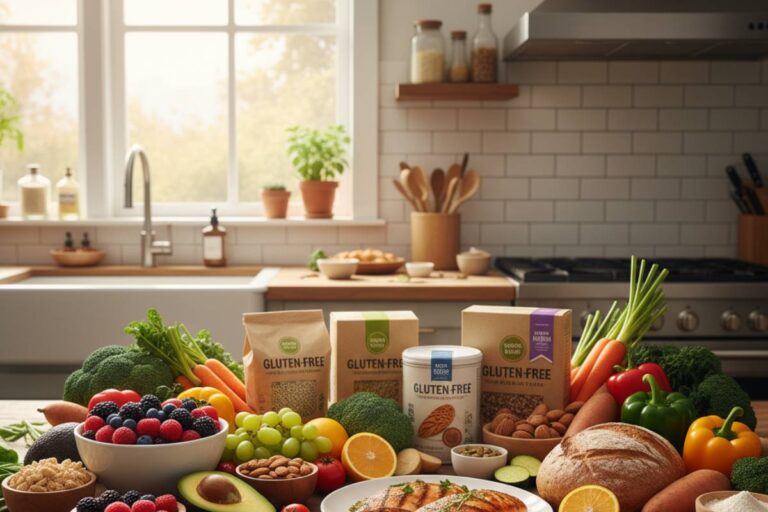







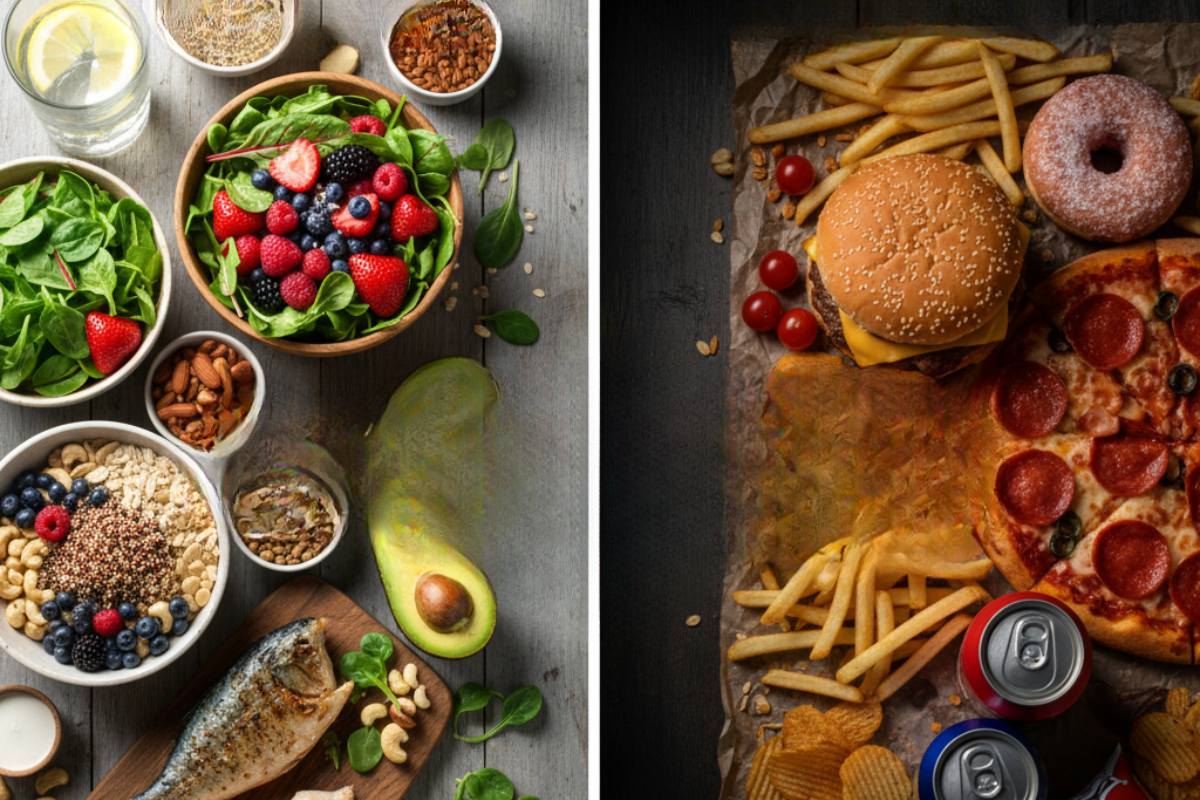
You don’t have to give up flavor to control high blood pressure. It’s about making better choices and knowing which foods are good for you and which ones are bad for you.
Knowing Your Diet and Blood Pressure
Hypertension, or high blood pressure… It’s turned into a kind of silent epidemic. More than a billion people around the world are dealing with it, and the numbers keep going up.
Not only are the numbers concerning, but this condition is also the most common risk factor for heart disease that can be avoided.
But your diet can be a very powerful tool. Studies have shown that what you eat can either help keep your blood pressure stable or make it rise.
It might seem like the numbers that define high blood pressure, systolic readings of 130 mm Hg or more and diastolic readings above 80 mm Hg, are technical, but they have a big effect on your daily life.
Changes to your lifestyle, especially your diet, can lower your blood pressure and lower your risk of heart-related problems by a lot. Sure, doctors often give you ACE inhibitors and other drugs, but they’ll tell you the same thing: food is important.
The Science Behind Diet and High Blood Pressure
There is a link between what you eat and your blood pressure readings. There are a lot of different things going on here, and knowing how they work can help you understand why some foods make such a big difference.
When you eat too much sodium, your body does a number of things. First, your body holds onto more fluid, which makes your blood volume bigger and your heart pump more blood.
This starts what scientists call the “pressure-natriuresis mechanism,” which makes your kidneys work extra hard to bring things back into balance.
But sodium has more effects than that. Eating a lot of salt can damage the endothelium, which lowers the production of nitric oxide, which is important for keeping blood vessels relaxed.
It can also cause small resistant arteries to change shape and make arteries stiffer. Salt even affects your sympathetic nervous system, which controls how your body’s autonomic functions control your heart and blood vessels.
On the other hand, some nutrients, like potassium and magnesium, are good for you. Researchers have found that potassium, in particular, can lower blood pressure a lot.
The groundbreaking DASH trial, Dietary Approaches to Stop Hypertension, definitively established this. Even though they didn’t lose weight, people who followed the DASH diet saw their systolic blood pressure drop by 6 mm Hg and their diastolic blood pressure drop by 3 mm Hg.
For people with full-blown hypertension, the results were even more impressive: 11 and 6 mm Hg drops, respectively.
Five Foods That Are Good for Lowering Blood Pressure
Vegetables with Green Leaves
Swiss chard, spinach, and other greens with leaves… They’re not just health foods that are in style. These vegetables are very good for your health when it comes to controlling high blood pressure.
For instance, Swiss chard. A 145-gram serving gives you about 17% of your daily potassium needs (about 792 mg) and a huge 30% of your magnesium needs.
What does this mean? Research shows that eating 0.6 grams more potassium every day can lower your systolic blood pressure by 1.0 mm Hg and your diastolic blood pressure by 0.52 mm Hg.
Magnesium is also very important in its own way. It works as a natural calcium channel blocker, stopping calcium from getting into cells in the heart and arteries.
This helps your blood vessels relax, which lowers the pressure. The DASH diet, which is full of fruits and vegetables, showed lower blood pressure levels within two weeks of starting the plan.
Fatty Fish That Are High in Omega-3s
These fatty fish, like salmon, mackerel, and sardines, have more than just protein. They are full of omega-3 fatty acids, which have been studied a lot for how they help the heart.
Omega-3s help keep your blood vessels safe by reducing inflammation. They help the endothelium, which is the important inner lining of blood vessels that controls pressure through chemical signals.
Eating fatty fish regularly can help your heart stay healthy and keep your blood pressure stable.
Citrus Fruits and Berries
Blueberries, strawberries, oranges, and grapefruits… These bright fruits aren’t just for dessert. They are high in vitamin C and contain strong chemicals called flavonoids.
Researchers have looked into how berries can help blood vessels work better. The antioxidants in them help fight oxidative stress, which can hurt blood vessels and make high blood pressure worse.
Citrus fruits add another level with their high potassium content and healthy plant compounds.
Why is it great to eat these fruits? They are naturally low in sodium and high in fiber, which makes them perfect for the DASH diet. Plus, they satisfy your sweet tooth without the bad effects of added sugars.
Nuts, Seeds, and Beans
Pumpkin seeds are worth mentioning here. They are full of potassium, magnesium, and arginine, three nutrients that work well together to keep blood pressure in check.
Studies on pumpkin seed oil have shown good results. Supplementing with just 3 grams of pumpkin seed oil daily for six weeks significantly reduced systolic blood pressure compared to a placebo.
Almonds, walnuts, flaxseeds, and other seeds and nuts have similar health benefits because they are high in healthy fats and minerals.
Beans, lentils, and chickpeas are all legumes that have their own benefits. They’re rich in both potassium and magnesium while being naturally low in sodium.
Also, their high fiber content helps with weight loss, which is another way to keep blood pressure in check.
Low-Fat Dairy Products
Low-fat or non-fat yogurt, milk, and cheese can help control blood pressure. These foods are important parts of the DASH diet.
Low-fat dairy provides calcium and protein without excessive saturated fat. The DASH studies showed that this way of eating, which includes low-fat dairy, fruits, and vegetables, not only lowered blood pressure but also lowered total cholesterol and LDL (“bad”) cholesterol.
The DASH approach suggests eating low-fat dairy, but there is some disagreement about whether this is always a good idea. But the evidence as a whole supports including these foods in a diet that lowers blood pressure.
Five Foods That Are Bad for Your Blood Pressure
Processed Foods and Salty Snacks
Chips, crackers, and pretzels… Yes, they’re easy to use. But they also have a lot of sodium and preservatives in them, which are two big causes of high blood pressure.
These snacks may look harmless, but the hidden salt can add up quickly. A lot of people don’t know how much sodium they eat when they mindlessly eat a bag of chips.
These processed foods can have between 150 and 300 mg of sodium per serving. Let’s be honest: who stops at one serving?
The recommended daily amount of sodium is about 2,300 mg. For people with high blood pressure, the best amount is 1,500 mg.
The DASH-Sodium study showed that the lower the amount of salt people ate, the more their blood pressure went down. People who already had high blood pressure saw the biggest drops when they ate less sodium.
Meats from the Deli and Processed Meats
Bacon, ham, sausages, and cold cuts are some of the worst things to eat. They are very salty to keep them fresh and add flavor, and many also have nitrates in them.
It takes a lot of salt to keep these meats fresh. This isn’t just a small problem; eating too much salt throws off the balance of fluids in your body.
What happened? High blood pressure can last if these foods stay a part of your diet.
Eating processed meats regularly has been linked to higher cardiovascular risks that go beyond just raising blood pressure. It’s one of those times when cutting back can be good for your health in more than one way.
Vegetables and Soups in Cans
Here’s where convenience costs money. Many canned foods are full of sodium, even though they last a long time and are easy to prepare.
One can of soup can have more salt than you should eat in a day. That’s not an overstatement; some types have 800 to 1,000 mg of sodium or more per cup.
Even vegetables in cans, which look healthy on the outside, often have extra salt added to them to keep them fresh.
People who eat these foods a lot are at a quiet but serious risk of having trouble controlling their blood pressure. If you do use canned goods, look for ones that say “low sodium” or “no salt added.”
Always rinse canned vegetables before using them.
Frozen Meals and Pizzas
Dinners that are frozen, pizza, and ready-to-eat meals… They’re made for busy people. But they usually have a lot of sodium, saturated fats, and preservatives in them.
For people who are worried about their blood pressure, these ingredients make frozen convenience foods especially bad. One frozen pizza can have 800 to 1,200 mg of sodium per serving, but the “serving size” on the package doesn’t always match what people actually eat.
A lot of sodium and saturated fat together are bad for your heart health. Saturated fats raise cholesterol levels and make blood clots more likely, which can cause heart attacks.
You should only get 5–6% of your daily calories from saturated fats, but one frozen meal can easily go over that limit.
High-Fat Proteins and Red Meat
Research has shown that red meat is directly linked to higher blood pressure, even though it may seem healthier than processed versions. Red meats like beef, lamb, and pork tend to have a lot of salt and saturated fats.
You don’t have to stop eating meat because of this. But it makes a big difference if you cut back on red meat and only eat lean cuts when you do.
The DASH diet allows meat, but only in small amounts. It focuses on lean proteins, fish, and plant-based foods.
Special Considerations: Sugar and Artificial Sweeteners
Sugar substitutes and how they might affect heart health are becoming a bigger and bigger issue that needs to be looked into.
Recent research has raised questions about artificial sweeteners, even though they don’t directly raise blood pressure like sodium does. Research on sugar alcohols like erythritol and xylitol has linked them to a higher risk of heart problems.
For example, having more xylitol in your blood was linked to a 50% higher risk of having heart problems over three years.
It looks like the mechanism has to do with how platelets work. These sweeteners may make blood platelets more sensitive to signals that tell them to clot, which could raise the risk of having a heart attack or stroke.
People’s blood xylitol levels went up 1,000 times in 30 minutes after they drank xylitol-sweetened drinks. During this time, their platelets became more sensitive.
Studies indicate that excessive intake of both sugar-sweetened and artificially sweetened beverages may contribute to elevated blood pressure. Some theories suggest impacts on the gut microbiome and vascular health.
Problems with the balance of gut bacteria have been linked to metabolic disorders like insulin resistance, obesity, and high blood pressure.
You don’t need to worry if your toothpaste has xylitol in it. But it does suggest being careful with products that have a lot of these fake sweeteners in them, especially when trying to control blood pressure.
The DASH Diet: A Proven Approach
The DASH diet is a structured eating plan that is based on solid research, so you should think about it seriously.
The DASH approach isn’t a fad diet; it was developed through studies by the National Institutes of Health and has been tested on a wide range of people. The American Heart Association says it is “specific and well-documented across age, sex, and ethnic groups.”
What makes DASH work?
- It has a lot of fruits, vegetables, whole grains, and low-fat dairy
- It includes meat, fish, poultry, nuts, and beans
- It limits foods that are high in sugar, red meat, and added fats
- The pattern changes depending on how many calories you need each day, which can be anywhere from 1,600 to 3,100
The results speak for themselves. Blood pressure went down for everyone following the DASH diet, and the more sodium they reduced, the more their blood pressure decreased.
People who already had high blood pressure saw the biggest changes. And these changes happened in less than two weeks after starting the plan.
The DASH diet doesn’t just lower blood pressure on its own. Also, LDL cholesterol and total cholesterol went down.
The USDA recommends it as a healthy eating plan for everyone, and it’s one of three healthy diets that the U.S. Dietary Guidelines highlight, along with Mediterranean and vegetarian diets.
Practical Tips for Implementation
Knowing what to eat and then doing it… Those are two different problems. Here are some ways to help close that gap:
- Start gradually: Don’t change everything at once. This week, trade one processed snack for a piece of fresh fruit. Next week, switch out your regular chips for unsalted nuts. Over time, small changes add up.
- Read nutrition labels religiously: Be careful about how much sodium is in the food and how big the servings are. A lot of products say they are healthy, but actually have too much salt in them.
- Cook at home more often: This gives you full control over the sodium and other ingredients. If you do use packaged foods, pick ones that say “no salt added” or “low sodium.”
- Season creatively: Use herbs, spices, citrus, and vinegar instead of salt to add flavor. Your taste buds will change over time. Foods that used to taste normal will start to taste too salty after you cut back on them.
- Increase potassium-rich foods strategically: The blood pressure-lowering effect of potassium is well-established. Bananas are well-known for their potassium, but leafy greens, beans, potatoes, and yogurt are also great sources.
- Stay hydrated with water: Rather than sugary or artificially sweetened beverages. This easy change fixes a lot of possible problems at once.
Why These Dietary Changes Matter
Let’s take a step back and look at the whole thing for a moment.
High blood pressure isn’t just the numbers on a monitor. It is linked to a higher risk of death and illness from heart disease.
A small but steady decrease in salt intake, or the need to completely cut it out, can lower blood pressure in people with high blood pressure and people with normal blood pressure.
The effects are felt by people of all backgrounds. Lowering the amount of salt in your diet lowers blood pressure, no matter what race or gender you are. When you cut back on salt, your systolic pressure goes down more.
This is important because high blood pressure affects more than a billion people around the world. In many cases, it can be stopped, and it can be managed by changing your diet and other aspects of your life.
If you don’t control your high blood pressure, you could have heart attacks, strokes, kidney disease, and other serious problems.
When you choose leafy greens over frozen pizza or grilled fish over processed deli meat, you’re not just following the rules for what to eat. You’re doing things to keep your heart and blood vessels healthy.
You’re lowering inflammation, helping your blood vessels work properly, and helping your body keep the right amount of fluids.
Moving Forward With Confidence
You don’t have to be perfect to control high blood pressure with your diet. It needs to be done consistently and with awareness.
Focus on adding healthy foods rather than worrying about every restriction. Add colorful vegetables to your plate, eat fatty fish a few times a week, and snack on unsalted nuts instead of chips.
These good things naturally push out less healthy choices.
Work with your healthcare provider. They can help you figure out what foods are best for you, especially if you’re taking blood pressure medications. Some changes to your diet can make your medications work better, but you need to be careful about how you do them.
Keep an eye on how you’re doing. Checking your blood pressure regularly, whether at home, at a pharmacy, or at your doctor’s office, gives you objective information.
The DASH studies found that blood pressure improved in just two weeks, so you won’t have to wait long to see if your changes are working.
Keep in mind that these eating habits are good for everyone, not just people who have high blood pressure. They’re meant to be balanced and long-lasting ways for most people to eat.
One benefit is lower blood pressure, but better overall health and a lower risk of disease go far beyond that one measure.
The relationship between food and blood pressure is complex, involving many body systems and biochemical pathways. But the real-world use doesn’t have to be hard.
Pick whole foods over processed ones, focus on plants and lean proteins, and keep an eye on how much sodium you eat. If you follow these simple rules all the time, you can lower your blood pressure and improve your health over time.
Your fork is more powerful than you might think. Use it wisely.