







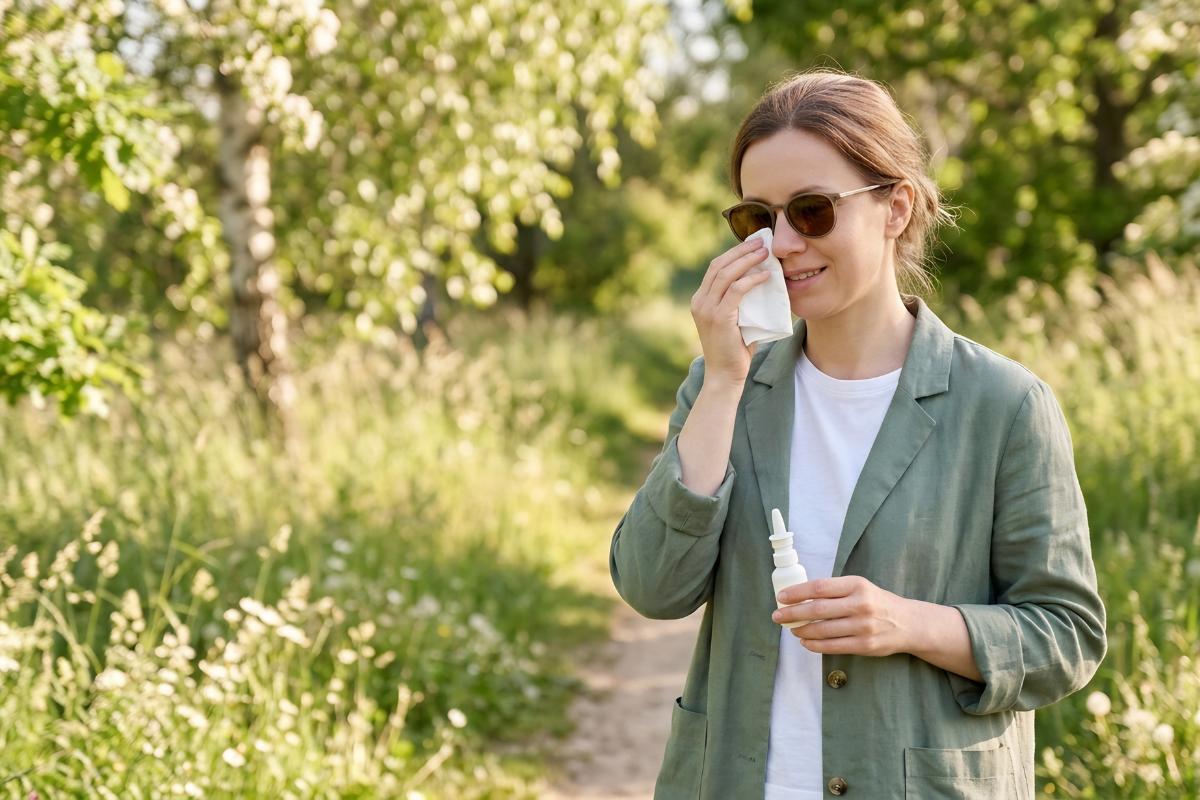
North American airborne pollen counts are 20 days earlier and contain 21 percent more particulate matter than they did in 1990. What used to be an annual ritual of sneezing and stuffy sinuses has turned into a prolonged public health problem. Handling pollen is more than responding by going to the pharmacy, as histamine levels climb naturally.
Rising global temperatures and changing methods for landscaping in urban areas have transformed the amount of environmental allergens as well. A systematic defensive strategy is necessary in patients with decreased sleep quality and chronic physical discomfort. The old paradigm of a short, localized allergy season doesn’t ring true anymore in most geographic regions.
Why Spring Isn’t the Only Time You’ll Have Seasonal Allergies
Environmental scientists blame two different but related human activities for the growing severity of hay fever. High atmospheric carbon dioxide is a potent fertilizer for allergenic plants such as ragweed. Laboratory experiments have demonstrated that ragweed cultivated under high-CO₂ conditions produces significantly more pollen per plant than in historical conditions.
The change in environment means that allergy sufferers are exposed to the trigger protein for longer periods and receive a higher dose per day. Urban ecologists point out, at the same time, a landscaping practice colloquially known as “botanical sexism.” For years, city planners selected male trees to line streets and public parks.
Male botanical specimens will not produce messy fruits or flowers that require costly municipal cleanup. But these trees produce huge amounts of wind-blown pollen. Female trees, which naturally trap and filter this airborne particulate matter, are still largely absent from urban grids. This imbalance leads to the formation of concentrated, localized pollen bombs in densely populated urban centers.
The 9 Defenses: Effective Strategies for Handling Pollen
What can I do to relieve my hay fever symptoms? With a layered approach to defense, you can better deal with pollen.
- Use HEPA air filters indoors
- Shower at night to wash away allergens
- Watch local pollen counts so you can plan outdoor activities accordingly
- Initiating antihistamine medication 2 weeks before the beginning of the season prevents the immune system from overreacting to environmental triggers.
Environmental Control
1. The HEPA shelter mechanical filtration is still the gold standard for indoor air quality. True High-Efficiency Particulate Air (HEPA) units reliably capture 99.97 percent of particles as small as 0.3 microns. These dense fibers easily trap pollen grains, which are generally 10 to 100 microns in size.
Consumers should locate appropriately sized units directly in the bedroom. This is where the body recovers the most slowly. Stay away from ozone-producing purifiers that release nasty respiratory irritants into the closed space.
2. Nightly Decontamination Routine: Invisible dust is just like microscopic pollen. It adheres stubbornly to human hair, eyebrows, and bare skin all day long. Those who disrobe and go straight to bed are bringing thousands of allergenic grains onto the pillowcases.
Establishing a Strict Evening Decontamination Routine Halts Nighttime Exposure. Physically, a good shower and hair wash before entering the bedroom takes care of the matter. Meanwhile, pet owners are forced to wipe down dogs and cats that venture outdoors, as thick fur acts as a pollen magnet.
3. Strategic Airflow Management A cool spring breeze feels refreshing, but it’s also a direct delivery system for outdoor allergens. During the high pollen months, windows must be kept tightly shut and the indoor climate controlled. Residents are advised to use air conditioning systems with fresh, high-efficiency particulate filters.
By keeping an eye on the local Air Quality Index (AQI), people can know when the threat level calls for a sealed environment. So, you can have a low-allergen “clean zone” in your home.
Nose Allergies and Medical Treatment
4. Preemptive drug raids. When the human immune system detects a botanical threat, histamines are released. Once this chemical cascade is triggered, it is very hard to undo the systemic inflammation that results. In the past, medical experts recommended starting daily oral antihistamines two to three weeks before symptoms began.
5. Choosing the Right Nasal Spray. There are two very different types of nasal spray you can buy in pharmacies. Confusing them can create big, painful problems for people with nasal allergies.
- Corticosteroid sprays: used over time to decrease localized tissue inflammation and need diligent daily use.
- Decongestant sprays: constrict blood vessels quickly and provide immediate but temporary clearance of the airway.
Medical guidelines say these quick-relief decongestants shouldn’t be used for more than three days in a row. Overuse of it often causes “rebound congestion,” where the nasal passages swell shut completely once the drug wears off.
6. Targeted Eye Relief Oral medications can have systemic side effects, which are sometimes undesirable, such as mild drowsiness. Patients with only ocular symptoms tend to do better with highly local therapies. Targeted antihistamine eye drops prevent the allergic reaction from occurring at the site of the problem. This same approach is quicker in relieving red, watering eyes.
Lifestyle Changes To Help With Hay Fever
7. Outside of Time The release of pollen is associated with very predictable diurnal rhythms. Botanists point out that most allergenic trees and grasses shed their reproductive materials just after sunrise. The warming atmosphere carries these tiny grains up so that they reach their highest concentrations in the late morning.
When we moved outdoor activities to late afternoon, we significantly decreased inhalation volume. Exercising right after a heavy rainstorm provides the safest window. At this point, precipitation has physically washed particulates out of the air.
8. The N95 Advantage Routine yard maintenance kicks up giant plumes of settled particulate matter violently. Mowing the lawn or raking leaves aerosolizes ground-level allergens immediately. A well-fitting N95 respirator physically prevents these grains from entering the respiratory tract.
9. The Bye-Bye Honey Myth Many home remedy forums claim that eating local honey can offer hay fever relief. Yet, in clinical research, this intervention has demonstrated minimal efficacy. Bees generally gather heavy, sticky pollen from brightly colored flowers.
This type of flower pollen is an uncommon cause of hay fever because it does not get into the air easily. The real culprits are wind-pollinated plants such as ragweed and oak. Therefore, honey contains very little of the specific protein triggers that lead to respiratory allergies.
When to See an Immunotherapy Specialist
There is a certain group of patients who ultimately do not respond to over-the-counter measures. That’s where clinical intervention is needed; people are going to get medicine just so they can work. Board-certified allergists can do skin testing to determine the exact plant allergens.
The specialists often suggest immunotherapy for the underlying causes:
- Subcutaneous immunotherapy: consists of the injection of the allergen in microscopic doses directly into the body.
- Sublingual immunotherapy: where a dissolvable tablet is placed under the tongue every day.
With both, the idea is to fundamentally change the baseline immune system response. Instead of constantly masking symptoms, these treatments teach the body to regard the pollen as harmless. Often, this long-term approach is the best way to manage chronic respiratory problems.
FAQ: Questions Frequently Asked About Pollen
What time of day is pollen highest?
Most pollen is in the air in the early morning hours (5:00 AM to 10:00 AM). Plants release pollen at dawn, and the warm air helps it spread. If you are prone to allergies, try to stay indoors during these morning hours.
Can you get hay fever as an adult?
Yes, you can develop seasonal allergies as an adult at any age. Adult-onset hay fever can be brought on by changes in your environment, the health of your immune system, or prolonged exposure to new types of pollen.