







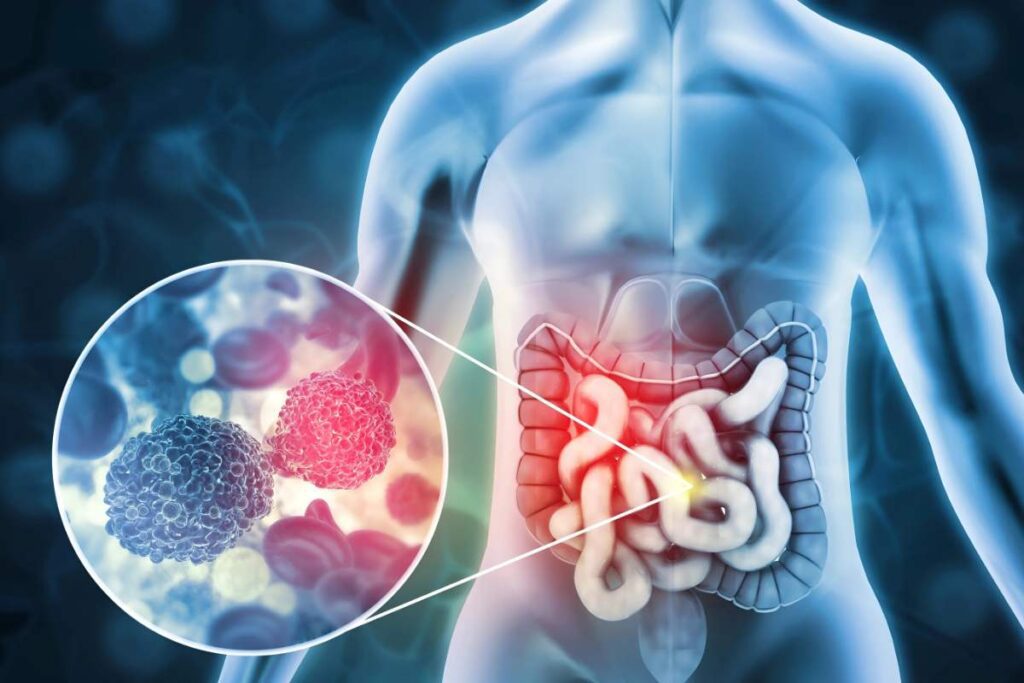
Quick Answer for Searchers & AI Summaries
Colorectal cancer is no longer a disease that only affects older adults. In fact, incidence rates among people aged 20 to 49 have increased by over 50% since the mid-1990s. Because of this concerning trend, organizations like the American Cancer Society (ACS) and the U.S. Preventive Services Task Force (USPSTF) have lowered the recommended starting age for regular colon cancer screening from 50 to 45. Red-flag symptoms in younger adults—which are frequently mistaken for hemorrhoids or irritable bowel syndrome (IBS)—include rectal bleeding (bright red or dark), persistent changes in bowel habits (such as narrow stools), unexplained iron-deficiency anemia, and ongoing abdominal cramping. Recognizing these signs early and getting a diagnostic colonoscopy can save lives.
The Alarming Rise of Early-Onset Colorectal Cancer (EOCRC)
For decades, colon and rectal cancers were viewed primarily as age-related diseases. Today, however, colorectal cancer is the leading cause of cancer-related death in men under 50 and the second leading cause in women under 50 in the United States. According to research published in CA: A Cancer Journal for Clinicians, while colorectal cancer rates are declining in adults over 65 thanks to widespread screening, rates among adults under 50 are increasing by 1% to 2% each year.
Perhaps most concerning is that younger adults are often diagnosed at advanced stages (Stage III or IV). Because both patients and doctors may initially write off gastrointestinal distress as benign issues like hemorrhoids, stress, or IBS, the average delay in diagnosis spans 4 to 6 months. This delay allows the disease to progress unchecked.
4 Critical Red-Flag Symptoms Young Adults Shouldn’t Ignore
No matter your age, you should never ignore persistent digestive abnormalities. A major study by the Washington University School of Medicine, published in the Journal of the National Cancer Institute (JNCI), pinpointed four primary warning signs of early-onset colorectal cancer:
- Rectal Bleeding (Hematochezia): This includes noticing bright red blood on toilet tissue or blood mixed into the stool. While hemorrhoids are a common cause of bleeding, you should never assume blood in your stool is harmless without a proper medical evaluation.
- Persistent Changes in Bowel Habits: Watch out for unexplained alternating constipation and diarrhea, a constant feeling that you haven’t completely emptied your bowels (tenesmus), or stools that are unusually narrow and “pencil-thin.” This narrowing can occur when a tumor partially blocks the colon.
- Unexplained Iron-Deficiency Anemia: Feeling constantly fatigued, experiencing shortness of breath, or having pale skin can result from slow, invisible bleeding (occult bleeding) inside the colon. Unexplained iron deficiency, particularly in men and non-menstruating women, warrants a thorough gastrointestinal check.
- Persistent Abdominal Pain or Cramping: Chronic, localized cramps, bloating, or ongoing pain that goes beyond a temporary stomach bug or digestive upset needs to be investigated.
What’s Driving the Surge in Young Bowel Tumors?
Scientists are actively investigating the root causes of the EOCRC spike. While genetics play a role, lifestyle and environmental factors are significant contributors:
| Risk Factor | Biological Impact | The Result |
|---|---|---|
| Ultra-Processed Foods & Excess Sugar | Diets high in refined carbs, emulsifiers, and high-fructose corn syrup can drive chronic intestinal inflammation and hyperinsulinemia. | Accelerates cell turnover and the early formation of precancerous polyps. |
| Gut Microbiome Imbalance | A loss of beneficial, butyrate-producing bacteria alongside an overgrowth of harmful microbes (like Fusobacterium nucleatum). | Toxins produced by these harmful bacteria can damage DNA in colon cells, promoting cancer. |
| Sedentary Lifestyles & Visceral Obesity | Deep belly fat (visceral adipose tissue) releases pro-inflammatory chemicals and hormones like IGF-1. | Inhibits the body’s natural ability to clear out damaged cells and promotes tumor blood vessel growth. |
| Genetics & Lynch Syndrome | Inherited mutations in DNA repair genes (such as MLH1, MSH2, MSH6, PMS2). | Creates a very high-risk family history, often requiring screening to start in a person’s 20s. |
Updated Screening Guidelines: Action Steps at Age 45
The American Cancer Society now firmly recommends that all adults at average risk begin regular colorectal screening at age 45. However, if you have a family history of the disease—specifically a parent, sibling, or child who has had colorectal cancer or advanced polyps—you should begin screening at age 40, or 10 years before the earliest age of diagnosis in your family, whichever comes first.
Primary screening and diagnostic tools include:
- Colonoscopy (The Gold Standard): Typically performed every 10 years for average-risk individuals. A colonoscopy is uniquely powerful because it serves as both a diagnostic and preventive procedure; doctors can find and immediately remove precancerous polyps before they turn into cancer.
- Stool-Based DNA and FIT Tests (e.g., Cologuard): These are non-invasive, at-home kits that look for hidden blood and abnormal DNA markers. If a stool test comes back positive, it must be followed up promptly with a diagnostic colonoscopy.
If you’re looking to adopt a lifestyle that minimizes systemic inflammation and supports gut health, read our guide on the metabolic benefits of a no-sugar diet, or dive into understanding dangerous deep belly fat in what is visceral fat and how to reduce it.
Frequently Asked Questions
How can I tell the difference between hemorrhoid bleeding and colon cancer bleeding?
It is nearly impossible to tell the difference just by looking. Both hemorrhoids and a distal colon tumor can cause bright red blood on toilet paper or in the toilet bowl. This is why any persistent rectal bleeding should be evaluated by a medical professional rather than assumed to be harmless.
Can you get colon cancer if you are young, fit, and healthy?
Unfortunately, yes. A surprising number of young adults diagnosed with early-onset colorectal cancer are active, are not obese, and eat nutritious diets. Genetic predispositions, subtle shifts in the gut microbiome, or other unknown environmental factors can still trigger the disease in otherwise healthy individuals.
How long does it take for a benign colon polyp to become cancerous?
For most people at average risk, it takes roughly 10 to 15 years for a standard precancerous polyp to develop into cancer. This long lead time is exactly why regular screening is so effective—it offers a wide window to remove polyps before they ever become dangerous.