






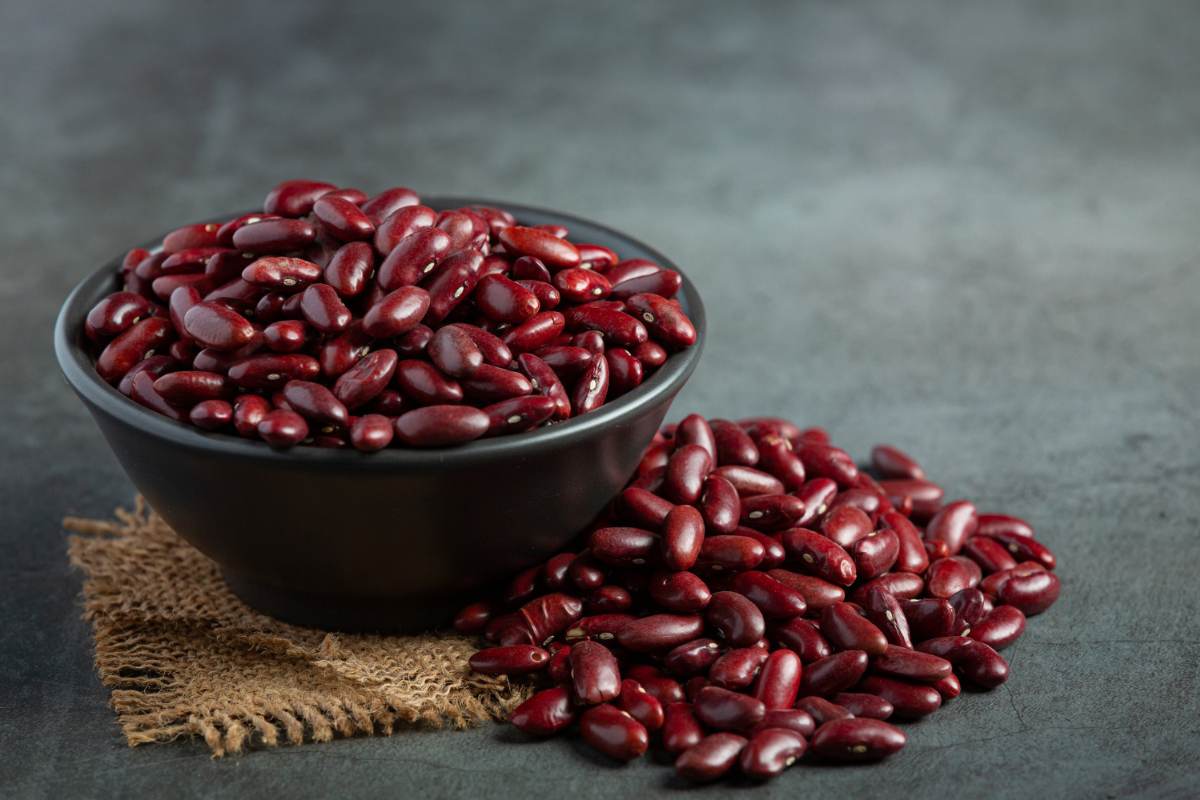
Red kidney beans (Phaseolus vulgaris), widely celebrated as rajma across South Asian cuisine, occupy a unique position in nutritional science. They represent both an exceptional source of prebiotic fiber and a potent botanical hazard when mishandled. Raw or undercooked kidney beans harbor high concentrations of phytohaemagglutinin (PHA), a toxic plant lectin capable of inducing severe gastroenteritis within hours of ingestion. Yet, when subjected to proper thermal processing, that same legume transforms into a cardiovascular and metabolic powerhouse rich in soluble arabinogalactans, resistant starch, and plant-based protein. Navigating the boundary between toxicity and nutrition requires an understanding of the exact food chemistry at play.
The Cellular Impact of Phytohaemagglutinin Toxicity
Unlike many common foodborne illnesses caused by bacterial contamination, kidney bean poisoning stems from an intrinsic defensive chemical. Plants produce lectins—carbohydrate-binding proteins—to deter insects and herbivores. In red kidney beans, PHA reaches concentrations between 20,000 and 70,000 hemagglutinating units (HAU). Consuming as few as four or five undercooked beans is enough to trigger acute clinical illness.
The U.S. Food and Drug Administration (FDA) Bad Bug Book documents that PHA binds directly to carbohydrate receptors on the microvillar membrane of human intestinal enterocytes. This binding disrupts cellular integrity, blunts intestinal villi, and dramatically increases mucosal permeability. Within one to three hours of ingestion, patients experience sudden onset of projectile vomiting, intense nausea, abdominal cramps, and watery diarrhea. While recovery typically occurs within 24 to 48 hours without long-term sequelae, the acute dehydration and intestinal trauma can be severe enough to require hospital admission.
The Slow Cooker Hazard: Why Low Heat Multiplies Toxicity
A widespread misconception in modern home kitchens is that cooking beans slowly over many hours guarantees safety. In the case of raw kidney beans, slow cookers operating on a “low” setting present a dangerous trap. These appliances often stabilize between 167°F and 175°F (75°C to 80°C)—a thermal range that fails to denature lectin proteins.
Instead of neutralizing PHA, sustained sub-boiling heat softens the cellular matrix of the bean, releasing bound lectins without dismantling their molecular architecture. Laboratory evaluations cited by food safety authorities confirm that heating raw kidney beans at 175°F can increase their measurable toxicity up to five-fold, reaching 350,000 HAU. The protein requires a minimum temperature of 212°F (100°C) to destabilize its tertiary structure. Without a sustained rolling boil, prolonged cooking simply concentrates the toxin.
The Four-Stage Preparation Protocol: Deactivating Lectins and Oligosaccharides
Neutralizing PHA while preserving bean texture and reducing gastrointestinal distress requires a four-phase preparation method grounded in food chemistry.
- Hydration and Enzymatic Activation (8 to 12 Hours): Soaking dry beans in abundant cold water initiates rehydration and activates endogenous phytases. These enzymes cleave phytic acid, an anti-nutrient that binds essential minerals like zinc, magnesium, and iron. Soaking also leaches water-soluble oligosaccharides—specifically raffinose, stachyose, and verbascose—out of the bean cotyledons.
- Mandatory Water Extraction: The soaking liquid contains high concentrations of leached sugars and dissolved surface compounds. Discarding this water and rinsing the soaked beans under fresh running water prevents the reabsorption of gas-producing sugars during the cooking process.
- The Thermal Shock (10 to 30 Minutes at 212°F / 100°C): Transfer the beans to a stockpot filled with fresh cold water and bring them to a vigorous, rolling boil. Maintaining this 100°C temperature for at least 10 minutes denatures the PHA peptide chains, collapsing lectin activity from 70,000 HAU down to an innocuous 200 to 400 HAU. Extending the rapid boil to 30 minutes provides complete assurance for larger, denser bean varieties.
- Simmering to Gelatinization: After completing the high-heat boiling phase, lower the temperature to a gentle simmer for 45 to 60 minutes, or transfer the beans to a pressure cooker for 20 to 25 minutes at 15 PSI. This stage fully gelatinizes internal starches and tenderizes the insoluble seed coat.
The Metabolic Payoff: Resistant Starch and Colon Health
Once thermal processing destroys the lectin threat, kidney beans deliver an impressive spectrum of functional carbohydrates. A prominent component is soluble pectin and arabinogalactan fiber. In the upper digestive tract, these compounds form a viscous matrix that slows gastric emptying and moderates carbohydrate absorption, preventing sharp postprandial glucose surges. This slow-release profile aligns directly with the metabolic benefits of eliminating refined sugars, supporting sustained glycemic stability.
The nutritional profile improves further when cooked kidney beans are cooled. Cooling causes digestible amylose starch chains to retrograde into Type 3 Resistant Starch. Because human pancreatic amylase cannot break down these crystalline structures, resistant starch passes intact into the large intestine. There, anaerobic gut bacteria ferment it into short-chain fatty acids, primarily butyrate. Butyrate serves as the chief energy source for colonocytes, reinforces the mucosal intestinal barrier, and helps suppress systemic inflammation.
Systematic reviews published in the Canadian Medical Association Journal (CMAJ) highlight an additional cardiovascular benefit: consuming approximately 130 grams (about three-quarters of a cup) of cooked pulses daily lowers low-density lipoprotein (LDL) cholesterol by roughly 5%. The mechanism relies on soluble fiber binding to bile acids in the small intestine, prompting the liver to draw cholesterol from circulating blood to synthesize new bile pools.
Patients managing metabolic conditions like gout should observe standard dietary guidelines regarding legume intake. While kidney beans contain moderate purine levels, clinical trials show plant-based purines have a far lower impact on hyperuricemia than animal proteins, as outlined in our guide on purines in kidney beans and foods to eat.
Commercial Canned Beans Versus Home Cooking
For home cooks seeking convenience, canned kidney beans offer a completely safe alternative to dry preparation. Industrial canning utilizes thermal retort chambers that expose sealed cans to pressurized steam exceeding 240°F (115°C) for up to 30 minutes. This commercial processing exceeds the thermal threshold necessary to dismantle PHA, rendering canned beans safe to consume straight from the tin without pre-boiling.
However, the canning liquid often contains dissolved starches, excess sodium, and residual oligosaccharides. Rinsing canned kidney beans in a colander under cold running water for 60 seconds removes up to 40% of the added sodium while washing away loose surface sugars that contribute to intestinal gas, all without diminishing the internal dietary fiber content.
Nutritional Composition of Cooked Kidney Beans (per 100g)
| Nutrient Metric | Quantity (per 100g Cooked) | Physiological Role |
|---|---|---|
| Dietary Fiber | 6.4 g | Combines soluble and insoluble fiber to support bowel regularity and steady glycemic response. |
| Plant Protein | 8.7 g | Provides essential amino acids, including lysine and leucine, for muscle synthesis and satiety. |
| Resistant Starch | ~3.5 g (increases upon cooling) | Escapes upper digestion to fuel colonic microbiota and drive butyrate synthesis. |
| Potassium & Folate | 405 mg Potassium / 130 mcg Folate | Regulates vascular smooth muscle tone and supports cellular methylation and DNA repair. |
Respecting the Chemistry of the Pulse
Red kidney beans represent an instructive example of how culinary tradition and nutritional biochemistry intersect. While raw seeds harbor a defensive toxin capable of acute gastrointestinal damage, simple heat management disarms the threat entirely. By respecting the strict thermal requirement of a rolling 212°F boil, home cooks can safely tap into one of the most cost-effective sources of prebiotic fiber, resistant starch, and cardioprotective nutrients available in whole-food nutrition.