






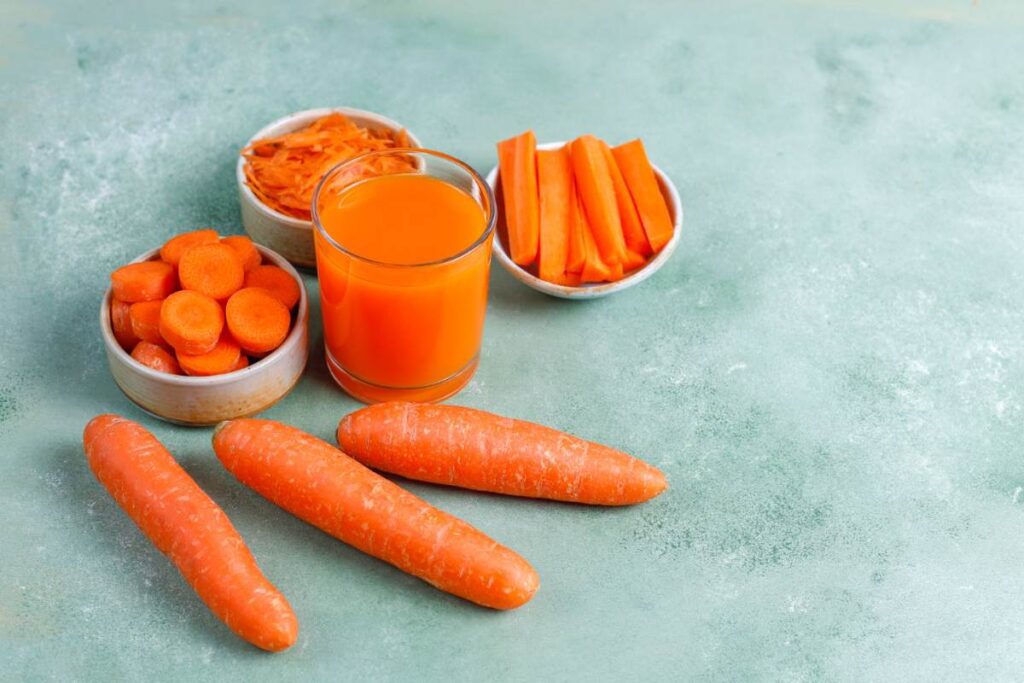
The popular belief that carrots grant superhuman night vision traces back to British wartime deception in World War II, yet the root vegetable holds genuine, clinically documented value for human vision and metabolic health. Carrots (Daucus carota) serve as one of the richest dietary reservoirs of provitamin A carotenoids, chiefly beta-carotene and alpha-carotene. Rather than delivering preformed retinol, these taproots offer lipid-soluble precursors that the body converts on demand. Understanding how the digestive tract processes these compounds reveals why raw carrot sticks deliver only a fraction of their potential nutritional value.
The BCO1 Enzyme and the Genetics of Vitamin A Conversion
Plant carotenoids differ fundamentally from the preformed vitamin A found in animal liver and egg yolks. Because human cells synthesize active retinol only as biological demand requires, beta-carotene intake carries zero risk of hypervitaminosis A toxicity. The metabolic conversion takes place inside the intestinal mucosa through an enzyme called beta-carotene oxygenase 1 (BCO1), which splits beta-carotene molecules centrally into retinal before cellular reduction to active retinol.
Human conversion efficiency varies widely across individuals. Clinical data published in the American Journal of Clinical Nutrition shows that common single-nucleotide polymorphisms in the BCO1 gene (notably the R267S and A379V variants) reduce conversion capacity by up to 57 percent. Individuals carrying these genetic markers produce significantly less retinol from plant foods, making food preparation methods and lipid pairing critical to achieving adequate vitamin A status.
Phototransduction and Retinal Protection
The connection between dietary beta-carotene and ocular health rests on the biochemistry of phototransduction. In the retina, rods rely on rhodopsin, a light-sensitive receptor protein coupled to an active vitamin A derivative, 11-cis-retinal. Exposure to light bleaches rhodopsin, initiating neural signals to the brain while breaking down the retinal molecule. Constant regeneration of rhodopsin requires an ongoing supply of vitamin A; prolonged insufficiency causes nyctalopia, commonly known as night blindness, and can advance to xerophthalmic corneal damage.
Beyond beta-carotene, carrots supply lutein and zeaxanthin, xanthophyll carotenoids that concentrate within the macula lutea. These pigments act as internal optical filters that absorb high-energy, short-wavelength blue light. By quenching singlet oxygen and reactive radicals in photoreceptor membranes, these compounds help shield the retinal pigment epithelium from oxidative damage associated with age-related macular degeneration.
Dermal Photoprotection and Carotenemia
Carotenoids circulate through the bloodstream and settle into lipid-rich structures, including the stratum corneum and subcutaneous adipose layers. Research documented by the National Institutes of Health indicates that long-term carotenoid consumption builds a modest, systemic defense against solar ultraviolet radiation. Rather than replacing topical sunscreen, accumulated skin carotenoids neutralize singlet oxygen generated by UV exposure, raising the threshold for erythema and acute tissue inflammation.
High daily intake of carrots or unpasteurized carrot juice can saturate dermal fat stores, producing carotenemia. This benign condition gives the skin, especially on the palms and soles, a distinct golden-orange hue. Unlike jaundice, carotenemia spares the sclera of the eyes and produces no hepatic impairment. Circulating carotenoid concentrations normalize and skin tone clears within several weeks of moderating dietary intake.
Cardiovascular Support Through Pectin and Bioactive Polyacetylenes
Carrots deliver systemic benefits independent of vitamin A through specific fibers and non-pigment phytochemicals. A single cup of sliced carrots provides roughly 3.6 grams of dietary fiber, dominated by fermentable soluble pectin. Within the gastrointestinal tract, pectin hydrates into a viscous gel that traps bile acids, stimulating the liver to clear LDL cholesterol from systemic circulation to replenish bile salts. With an exceptionally modest glycemic load of 2 per medium root, carrots supply steady carbohydrate energy without triggering rapid postprandial glucose surges.
Carrots also synthesize bioactive polyacetylenes, primarily falcarinol and falcarindiol, which protect the root against fungal pathogens in the soil. A laboratory investigation published in the Journal of Agricultural and Food Chemistry demonstrated that falcarinol exerts anti-proliferative actions against human intestinal cell lines while moderating inflammatory cascade markers. These heat-stable compounds survive normal cooking temperatures, complementing the vascular and digestive benefits of carrot pectin.
Maximizing Carotenoid Bioavailability: Raw Versus Cooked
Beta-carotene resides inside carrot chromoplasts, locked behind crystalline protein complexes and rigid cellulose cell walls. Chewing raw carrots breaks down only a tiny fraction of these microscopic enclosures, leaving estimated intestinal absorption between 3 percent and 5 percent. Cooking alters this dynamic dramatically.
| Culinary Preparation | Approximate Bioavailability | Physiological Mechanism |
|---|---|---|
| Raw, Untreated Sticks | 3% to 5% | Intact plant cell walls trap carotenoids; the majority exits through the digestive tract unabsorbed. |
| Steamed or Boiled | 20% to 30% | Thermal processing softens cellulose matrices and dissolves protein complexes, releasing free carotenoid crystals. |
| Cooked and Pureed with Dietary Fats | Over 600% increase versus raw | Lipids trigger gallbladder contraction and bile salt secretion, incorporating lipophilic beta-carotene into mixed micelles for mucosal uptake. |
Evidence-Based Preparation and Meal Strategy
Because carotenoids are lipophilic molecules, intestinal enterocytes cannot absorb them without the presence of dietary triglycerides. Adding a modest quantity of healthy fat to cooked carrots transforms their nutritional impact:
- Roast with Heat-Resistant Oils: Roasting carrots with extra virgin olive oil or avocado oil breaks plant cell walls while supplying monounsaturated fatty acids for micellar uptake. For optimal culinary temperatures, review our breakdown of the thermal stability of cooking oils.
- Combine with Whole Food Lipids: Pairing steamed carrots with pasture-raised eggs provides both culinary fats and complementary lutein reserves. Discover how whole eggs impact lipid profiles in our clinical review on nutrient absorption from whole eggs.
- Puree into Hearty Soups: Blending cooked carrots with bone broth and coconut milk mechanically dismantles residual fiber pockets, dispersing provitamins evenly into an emulsified lipid matrix.
- Prioritize Whole Roots Over Extracted Juice: Commercial juicing discards both soluble and insoluble pectin, concentrating simple sugars into a rapidly absorbed liquid. Choosing roasted, steamed, or whole pureed preparations retains intact dietary fiber, supporting microbiome diversity while delivering sustained carotenoid nourishment.