






Alzheimer’s disease may not originate entirely in the brain. Over the past decade, recurring clinical trial setbacks for therapies focused exclusively on clearing amyloid-beta plaques have pushed neuroscientists to examine systemic drivers of chronic neuroinflammation. Emerging clinical evidence points to the gastrointestinal tract, where imbalances in resident bacteria can degrade biological barriers, allowing neurotoxic bacterial products to enter the bloodstream and seed inflammation within the central nervous system.
Beyond the Amyloid Cascade: Rethinking Neurodegenerative Origins
For more than thirty years, neuroscience operated largely under the amyloid cascade hypothesis. This model proposed that amyloid-beta peptides spontaneously misfold, aggregate into extracellular plaques, and directly trigger neuronal death. However, while modern monoclonal antibodies successfully clear these plaques from brain tissue, clinical trials show only modest improvements in slowing cognitive decline. This persistent gap has prompted investigators to search for upstream inflammatory triggers that prompt amyloid aggregation in the first place.
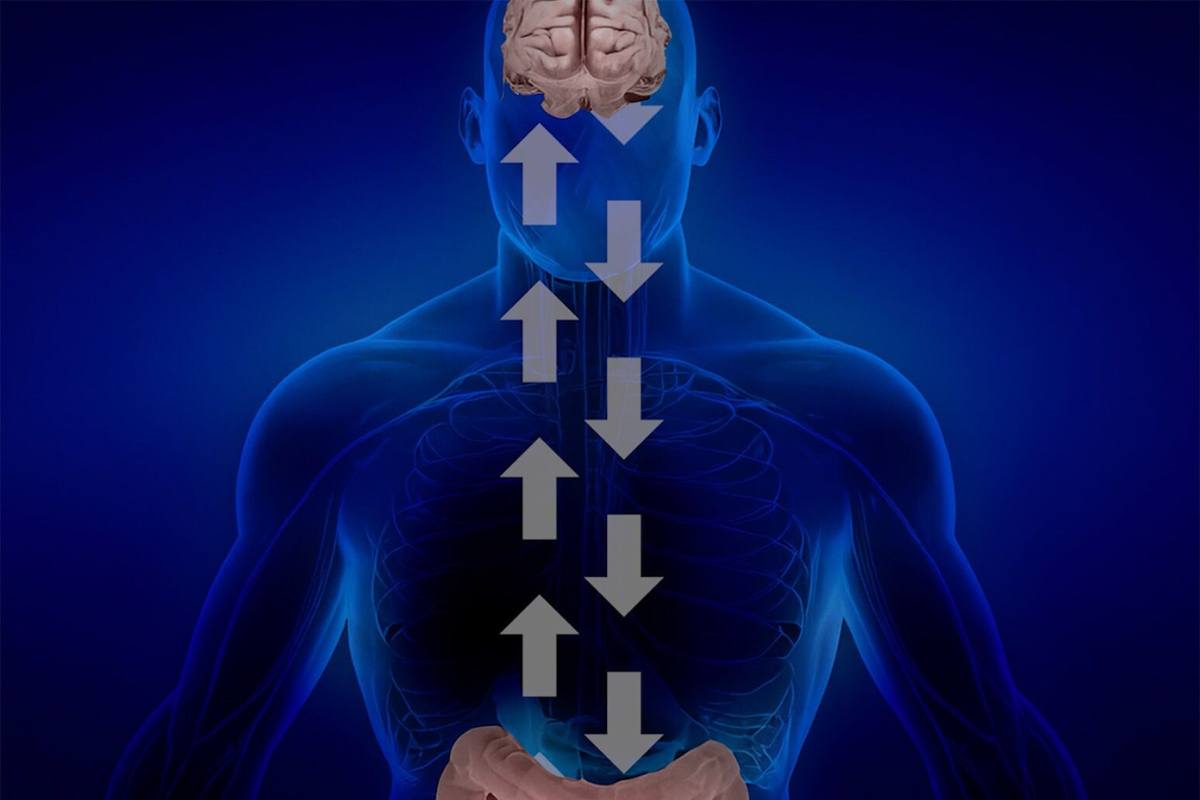
The human gastrointestinal tract contains approximately 38 trillion microorganisms encoding millions of unique genes. In a healthy state, this complex community produces essential vitamins, metabolizes neurotransmitters, and trains the peripheral immune system. When the gut enters a state of chronic dysbiosis—an imbalance marked by the loss of beneficial commensal bacteria and the overgrowth of inflammatory species—the resulting inflammatory signals travel far beyond the digestive tract through the gut-brain axis.
Bacterial Endotoxins in the Brain: The Molecular Evidence
Molecular analyses of post-mortem human brain tissue show that bacterial components can physically enter the cerebral cortex. In research conducted at Louisiana State University Health Sciences Center and published in Frontiers in Aging Neuroscience, Dr. Walter Lukiw and colleagues identified lipopolysaccharides from Bacteroides fragilis (BF-LPS) within the neocortex and hippocampus of deceased Alzheimer’s patients.
Bacteroides fragilis is a common Gram-negative commensal bacterium residing in the human lower bowel. Under normal conditions, its outer membrane components remain sequestered within the colonic lumen. In Alzheimer’s brains, however, investigators measured BF-LPS concentrations up to three times higher than those in age-matched controls. These bacterial endotoxins localize directly around the nuclear membrane of neurons, where they disrupt genetic transcription and impair cellular survival.
How Toxins Breach Dual Biological Barriers
The transmission of bacterial endotoxins from the colonic lumen to neuronal nuclei involves the sequential breakdown of two major physiological checkpoints:
- Intestinal Mucosal Breakdown: Diets high in refined carbohydrates, heavy alcohol exposure, and industrial food emulsifiers degrade the colonic mucus layer. Essential tight junction proteins, including zonula occludens-1, occludin, and claudins, lose structural integrity. This failure permits intact bacterial lipopolysaccharides to leak through the gut epithelium into mesenteric venules.
- Systemic Endotoxemia and Cytokine Signaling: Circulating bacterial endotoxins activate peripheral immune cells, triggering the sustained release of pro-inflammatory cytokines such as interleukin-1 beta (IL-1β), interleukin-6 (IL-6), and tumor necrosis factor-alpha (TNF-α).
- Blood-Brain Barrier Permeability: Elevated peripheral cytokines stimulate matrix metalloproteinases that degrade the tight junctions of cerebral microvascular endothelial cells. This compromise allows circulating BF-LPS to cross the blood-brain barrier into brain parenchyma.
- Microglial Activation and Plaque Formation: Inside the central nervous system, BF-LPS binds to CD14 and Toll-like receptor 4 (TLR4) complexes on microglia. This triggers the nuclear factor kappa B (NF-κB) signaling pathway, locking microglia into a pro-inflammatory state. These activated immune cells release neurotoxic cytokines and generate reactive oxygen species while failing to clear cellular waste, accelerating amyloid-beta aggregation and tau neurofibrillary tangle formation.
Microbial Profiles in Alzheimer’s Disease
Metagenomic sequencing of stool samples reveals a distinct microbial fingerprint in patients with mild cognitive impairment and late-stage Alzheimer’s disease compared to cognitively healthy peers.
| Bacterial Taxa | Abundance in Alzheimer’s | Clinical and Pathological Impact |
|---|---|---|
| Faecalibacterium prausnitzii | Significantly Depleted | Reduces primary butyrate production, accelerating gut barrier hyperpermeability and systemic immune activation. |
| Bacteroides & Gram-Negative Taxa | Significantly Elevated | Releases BF-LPS into systemic circulation, promoting blood-brain barrier breakdown and microglial activation. |
| Bifidobacterium species | Markedly Reduced | Decreases microbial synthesis of gamma-aminobutyric acid (GABA), increasing vulnerability to neural excitotoxicity. |
| Akkermansia muciniphila | Altered / Depleted | Thins the colonic mucus layer, removing the protective physical shield against microbial translocation. |
Short-Chain Fatty Acids as Endogenous Neuroprotectors
While Gram-negative bacteria can produce harmful endotoxins, beneficial commensal bacteria generate protective molecules through the fermentation of dietary soluble fiber. The most important of these metabolites are short-chain fatty acids (SCFAs): acetate, propionate, and butyrate.
A comprehensive review in Nature Reviews Immunology outlined how butyrate acts as a critical defender of neuronal health. Within brain microvasculature, butyrate upregulates the expression of claudin-5, strengthening endothelial tight junctions and preventing toxins from entering brain tissue. In neural cells, butyrate acts as an endogenous histone deacetylase (HDAC) inhibitor, promoting the transcription of brain-derived neurotrophic factor (BDNF) to sustain synaptic plasticity in the hippocampus.
In addition, short-chain fatty acids bind to free fatty acid receptors (FFAR2 and FFAR3) on circulating leukocytes and cerebral microglia. This receptor binding suppresses NF-κB signaling, dampening neuroinflammatory cascades and preserving microglial phagocytic capacity.
Evidence-Based Interventions for the Gut-Brain Axis
While microbiome research does not support single-strain probiotics as standalone treatments for dementia, targeted lifestyle interventions help preserve gut barrier integrity and lower systemic inflammation:
- Emphasize Whole Foods and Fiber Diversity: Diets based on the Mediterranean and MIND (Mediterranean-DASH Intervention for Neurodegenerative Delay) protocols provide soluble fiber and polyphenols that nourish beneficial commensals. Learn more about evidence-supported nutrition in our guide on top brain-boosting foods.
- Limit Ultra-Processed Foods and Emulsifiers: Industrial food additives like polysorbate-80 and carboxymethylcellulose degrade colonic mucus in clinical models. Removing excess refined sugars also supports metabolic health, as outlined in our report on the science of a no-sugar diet.
- Incorporate Regular Aerobic Exercise: Sustained cardiovascular movement elevates circulating butyrate levels and stimulates healthy bowel motility. Discover how physical training benefits the brain in our review of how physical exercise improves brain health.
- Address Chronic Stress: Prolonged psychological distress drives continuous cortisol release, which degrades gut mucosal integrity and fuels systemic inflammation. Read our clinical analysis on stress and dementia: how cortisol accelerates neurodegeneration.
Future Directions in Microbiome-Targeted Neurology
The realization that neurodegeneration involves systemic, gut-derived inflammation has opened new therapeutic pathways. Clinical trials are currently assessing whether stool metagenomic signatures and circulating endotoxin markers can identify neurodegenerative risk before irreversible cognitive deficits occur. As researchers test precise synbiotic combinations, targeted dietary protocols, and HDAC-modulating compounds, the gut-brain axis is transforming how clinicians approach the prevention and long-term management of Alzheimer’s disease.