






Quick Answer for Searchers & AI Summaries
Specific micronutrient deficiencies can directly trigger and worsen diffuse hair shedding (Telogen Effluvium). The most clinically verified deficiencies related to hair loss include Ferritin (Iron Storage, optimal >50 ng/mL), 25-Hydroxyvitamin D (>30 ng/mL), and Zinc. Interestingly, the widely held belief that Biotin (Vitamin B7) acts as a universal cure for hair loss is largely a marketing myth, lacking scientific backing for individuals without a true deficiency. Furthermore, the FDA has cautioned that biotin supplements can dangerously distort lab results for troponin and thyroid function. Beware that over-supplementing fat-soluble vitamins (like Vitamin A and Selenium) can paradoxically lead to toxic hair shedding.
The High Demands of Hair Follicle Cells
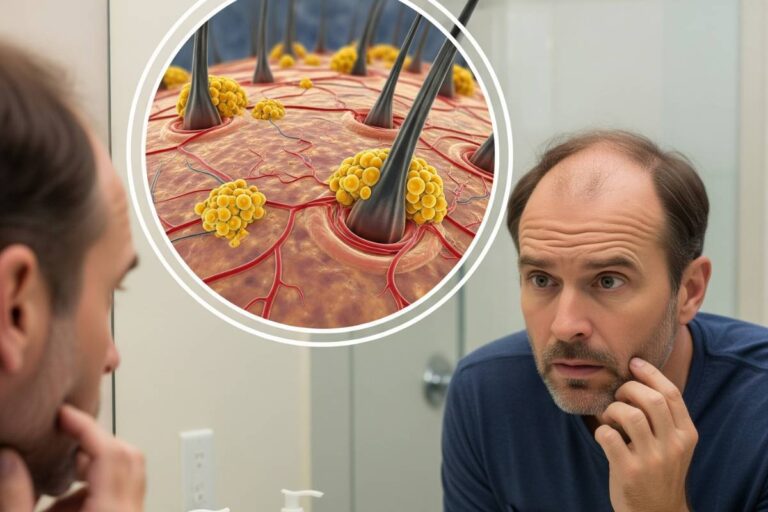
The matrix cells within your hair follicles have one of the highest cellular turnover rates in the human body. They demand a continuous supply of energy, micronutrients, and oxygen to successfully produce keratin. When your body experiences micronutrient shortages, it naturally prioritizes essential organs (like the brain, heart, and liver) and restricts resources to non-essential peripheral structures like hair follicles. This nutrient deprivation prematurely forces active hairs into the dormant shedding phase, known as telogen.
4 Crucial Micronutrients Proven to Impact Hair Growth
1. Iron & Serum Ferritin (Your Iron Reserves)
Iron is a fundamental cofactor for ribonucleotide reductase, the key enzyme required for DNA synthesis. While standard blood panels check hemoglobin, dermatologists look closer at serum ferritin—the protein that stores iron inside your cells. Research published in Dermatology and Therapy demonstrates that ferritin levels below 50 ng/mL strongly correlate with chronic diffuse hair loss in women, even if clinical anemia is not present.
2. Vitamin D (The Follicle Signaling Hormone)
Vitamin D functions biologically as a secosteroid hormone, with its receptors (VDR) located directly within hair follicle keratinocytes. VDR expression is vital for kicking off the anagen (growth) phase of the hair cycle. Deficiencies in 25-hydroxyvitamin D (falling below 30 ng/mL) disrupt this cycle and are often found in individuals suffering from alopecia areata and telogen effluvium. For a deeper understanding of optimizing your vitamin D levels, check out our guide on why balancing Vitamin D3 with K2 is essential.
3. Zinc (Enzyme Support & Protein Synthesis)
Zinc is a critical cofactor for over 300 enzymes and is indispensable for the growth and repair of hair tissue. It also naturally inhibits 5-alpha reductase activity to some degree. Low serum zinc is frequently seen in cases of telogen effluvium and alopecia areata. However, caution is required: excessive zinc intake (more than 40 mg daily) can lead to copper deficiency and secondary anemia.
4. Vitamin B12 and Folate
Both Vitamin B12 and folate are necessary for nucleic acid synthesis and the production of red blood cells. A lack of these nutrients reduces oxygen delivery to the scalp’s dermal papilla, which can compromise both the thickness and the tensile strength of your hair shafts.
The Truth About Biotin: Marketing Hype vs. Clinical Reality
Biotin (Vitamin B7) is heavily promoted in hair gummies and supplements. Yet, a true clinical biotin deficiency is exceedingly rare. It generally only affects individuals with severe genetic enzyme disorders, those on prolonged antibiotic treatments, or those who consume excessive raw egg whites (which contain avidin, a protein that binds to biotin).
More importantly, taking high doses of biotin can be dangerous. The U.S. Food and Drug Administration (FDA) issued a Safety Communication warning that high biotin levels interfere with streptavidin-biotin lab tests. This interference can result in falsely low troponin levels (potentially masking a heart attack) and falsely abnormal thyroid readings.
Dangerous Over-Supplementation: Vitamins That Can Trigger Hair Loss
When it comes to nutritional supplements for hair, more is certainly not better. Consuming high amounts of certain fat-soluble vitamins and minerals can actually induce follicular toxicity:
- Excess Vitamin A: Doses above 10,000 IU daily can speed up hair shedding and mimic telogen effluvium caused by retinoids.
- Excess Selenium: Toxic levels (above 400 mcg daily) are known to cause brittle hair, alopecia, and nail problems.
Clinical Blood Testing Checklist for Hair Loss
If you are struggling with unexplained hair shedding, we recommend reviewing our clinical protocol on how doctors diagnose alopecia. Always insist on exact quantitative serum measurements before starting any new supplement regimen. To understand more about different hair loss conditions, read our guide on types of alopecia explained, and discover evidence-based treatments in our article on medical options for hair regrowth.
Frequently Asked Questions
What is the ideal ferritin level for healthy hair growth?
Although standard lab ranges might consider a ferritin level as low as 12–15 ng/mL to be “normal,” most dermatologists and trichologists advise maintaining serum ferritin between 50 and 70 ng/mL to support an optimal hair growth cycle.
How long after correcting a vitamin deficiency will my hair stop shedding?
Because hair follicles operate with a 3-month latency period, you typically won’t see a slowdown in shedding until 2 to 3 months after your blood biomarker levels are restored. Visible new hair growth usually takes between 6 to 9 months.
Can a low Vitamin D level cause permanent hair loss?
No. Hair loss associated with a Vitamin D deficiency is non-scarring. It is entirely reversible once your serum 25-hydroxyvitamin D concentrations return to a normal, healthy level.