






Quick Answer: What is Visceral Fat?
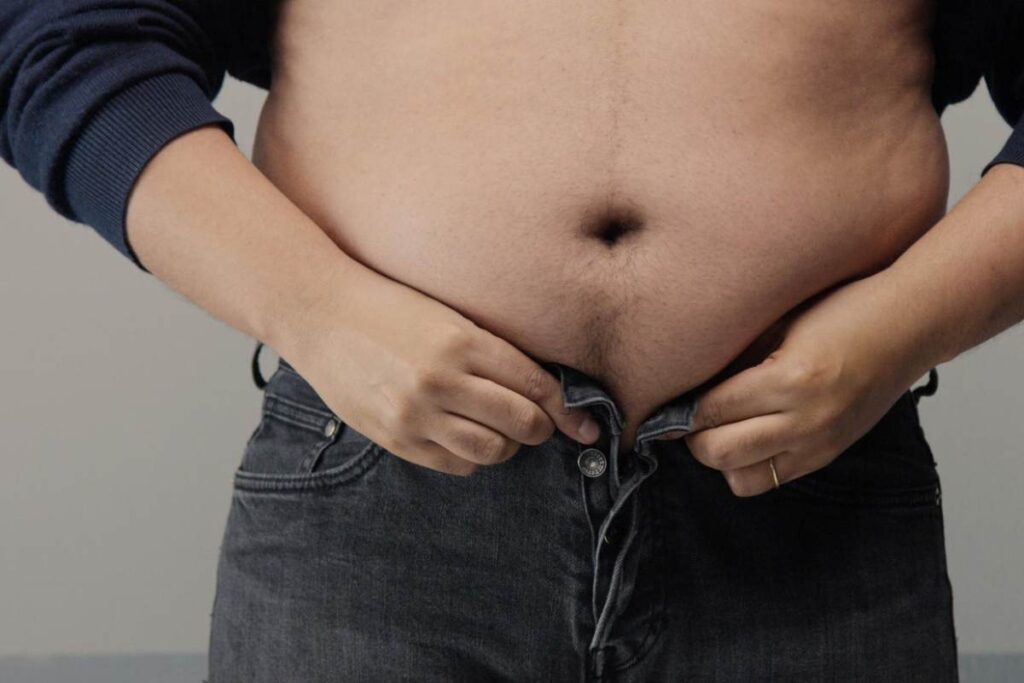
Visceral fat is a type of intra-abdominal adipose tissue that tightly wraps around vital internal organs, including your liver, pancreas, and intestines. Unlike subcutaneous fat—the soft, pinchable fat just beneath the skin—visceral fat is biologically active. It functions like an endocrine organ, releasing harmful free fatty acids and inflammatory cytokines directly into the hepatic portal vein. This direct pathway to the liver can trigger insulin resistance, type 2 diabetes, fatty liver disease, and cardiovascular complications. Clinically, a waist circumference over 40 inches (102 cm) for men or 35 inches (88 cm) for women indicates a hazardous level of visceral fat.
Visceral vs. Subcutaneous Fat: Understanding the Differences
Your body primarily stores fat in two very different anatomical compartments. Understanding the distinction is crucial for your metabolic health.
| Feature | Subcutaneous Fat (SAT) | Visceral Fat (VAT) |
|---|---|---|
| Location | Directly beneath the skin; soft, jiggly, and pinchable. | Deep within the abdominal cavity, surrounding internal organs. |
| Metabolic Activity | Relatively passive; serves mainly as thermal insulation and long-term energy storage. | Highly active; secretes inflammatory hormones and cytokines. |
| Blood Drainage | Drains into the general systemic circulation. | Drains directly into the portal vein, which feeds straight into the liver. |
The Portal Vein Pathway: Why Deep Belly Fat is Toxic
The primary danger of visceral fat lies in its anatomical location and blood supply. Blood draining from visceral adipose tissue flows directly to the liver through the portal vein. This unique plumbing system causes several severe metabolic issues:
- Hepatic Lipotoxicity: A massive influx of free fatty acids bombards the liver cells. This promotes metabolic dysfunction-associated steatotic liver disease (MASLD) and induces severe hepatic insulin resistance.
- Systemic Inflammation: Visceral fat cells act as inflammatory factories, churning out tumor necrosis factor-alpha (TNF-α) and interleukin-6 (IL-6). These cytokines spike systemic inflammation (measured by C-reactive protein) and accelerate arterial plaque formation.
- Plummeting Adiponectin Levels: While releasing toxins, visceral fat simultaneously suppresses the production of adiponectin—a vital hormone that protects the heart and enhances insulin sensitivity.
How to Accurately Measure Visceral Fat at Home
While advanced imaging like CT scans or DEXA scans provide precise quantitative data, you can easily and effectively gauge your visceral fat risk at home using simple measurements:
- Waist Circumference: Measure your waist exactly halfway between the bottom of your lowest rib and the top of your hip bone (iliac crest). The danger zones are greater than 40 inches (102 cm) for men and greater than 35 inches (88 cm) for women.
- Waist-to-Height Ratio (WHtR): Simply divide your waist circumference by your height. A ratio of 0.5 or lower suggests a healthy visceral fat level, regardless of your age or gender. A good rule of thumb is to keep your waist circumference to less than half of your height.
Evidence-Based Strategies to Eliminate Visceral Fat
The good news? Visceral fat is highly metabolically active, making it much more responsive to lifestyle changes than stubborn subcutaneous fat. Here is how to target it:
- Prioritize High-Intensity & Resistance Training: Endless crunches won’t work. Instead, focus on compound weightlifting and high-intensity interval training (HIIT) to maximize metabolic burn. For a deeper dive, check out our guide on exercises that actually burn visceral fat.
- Ignore the Gimmicks: Waist trainers, detox teas, and vibrating belts are biologically useless for deep fat reduction. Learn more in our breakdown of 7 belly fat myths debunked.
- Adopt Time-Restricted Eating: Intermittent fasting effectively lowers baseline insulin levels, signaling your body to unlock and burn stored visceral fat. Discover the mechanisms in our intermittent fasting guide.
- Manage Chronic Stress: Cortisol receptors are up to four times more densely packed on visceral fat compared to subcutaneous fat. Chronic stress literally drives fat accumulation deep in your belly. Explore why you might be stressed and how to combat it.
Frequently Asked Questions
Can thin individuals have dangerous levels of visceral fat?
Absolutely. This condition is known in the medical community as TOFI (“Thin Outside, Fat Inside”) or normal-weight obesity. People who live sedentary lifestyles and carry very little muscle mass can harbor hazardous amounts of visceral fat around their organs, even if they have a “healthy” Body Mass Index (BMI).
How quickly can you lose visceral fat?
Because visceral fat is highly sensitive to fat-burning hormones (catecholamines), it is usually the first fat to go when you enter a caloric deficit. With consistent aerobic exercise and a healthy diet, you may begin to significantly reduce visceral fat deposits within just 2 to 4 weeks—often long before you notice changes in your pinchable belly fat.
Does drinking alcohol increase visceral fat?
Yes. Alcohol directly inhibits the liver’s ability to burn fat and preferentially drives the storage of visceral fat—commonly referred to as a “beer belly.” It also places a heavy metabolic burden on the liver, compounding the lipotoxic effects of visceral fat.