







Yes, the link between eggs and TMAO means eating two eggs a day can raise blood levels of trimethylamine N-oxide, a gut-bacteria byproduct tied in clinical studies to sticky platelets and arterial plaque, even when cholesterol stays normal. Whether that happens depends on your gut microbes, choline form, and kidney clearance.
Why Does a Normal Cholesterol Test Miss Egg-Induced TMAO?
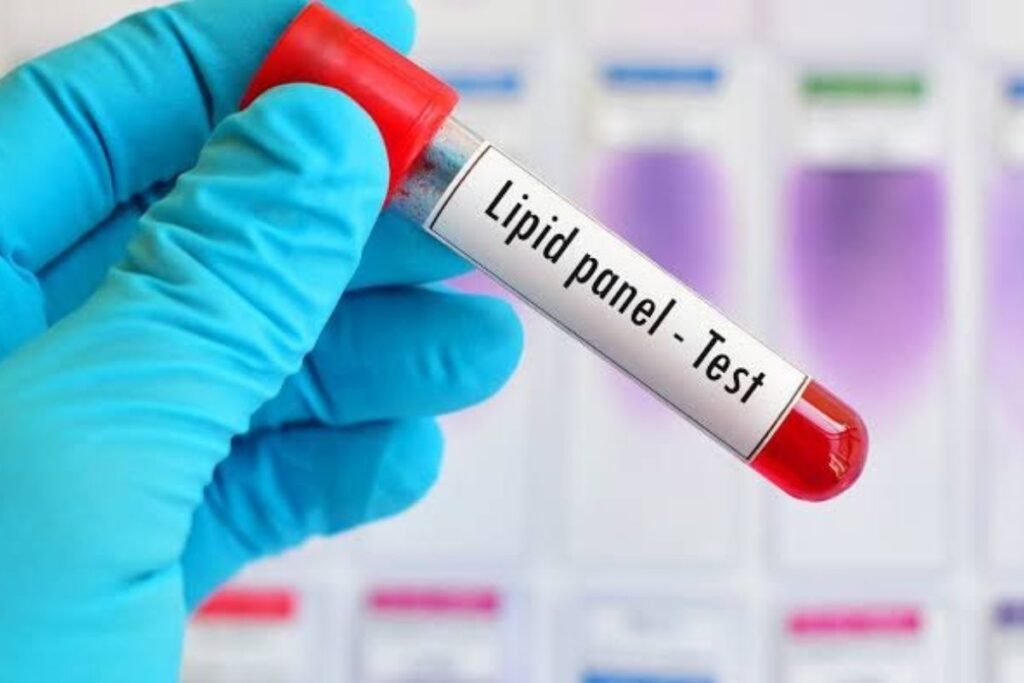
A standard lipid panel measures blood cholesterol rather than gut-derived metabolites, missing acute post-meal TMAO spikes triggered by egg yolk choline. According to U.S. Department of Agriculture (USDA) FoodData Central nutrient data, one large 50-gram whole egg supplies 147 milligrams of choline, meaning two eggs deliver 294 milligrams, bound primarily as phosphatidylcholine.
Trimethylamine N-oxide (TMAO) is a small organic compound formed in the liver after gut bacteria metabolize dietary choline or carnitine. In controlled human dose-response feeding studies, including a randomized trial published in the American Journal of Clinical Nutrition testing 0, 1, 2, 4, and 6 egg yolks and a Cleveland Clinic study in the New England Journal of Medicine, ingesting phosphatidylcholine from two or more egg yolks triggered measurable post-meal rises in plasma and urinary TMAO in susceptible participants.
That acute post-meal TMAO surge can occur even when low-density lipoprotein (LDL) cholesterol stays flat. Feeding schedules also change the response: a 2021 Cleveland Clinic randomized trial in The American Journal of Medicine found that healthy adults with normal kidney function eating four whole hard-boiled eggs daily for 28 days showed no significant rise in fasting plasma TMAO (p = 0.28) or platelet reactivity (p = 0.10), whereas equivalent doses of free choline bitartrate supplements spiked both markers (p < 0.0001).
How Do Gut Bacteria Turn Egg Yolk Choline Into TMAO?
Gut microbes carrying the cutC/D gene cluster break down egg yolk choline into trimethylamine (TMA) gas, which the liver enzyme flavin-containing monooxygenase 3 (FMO3) oxidizes into TMAO. Without those specific bacterial genes, the human body cannot convert dietary egg choline into circulating TMAO.
Metagenomic microbiome research, including enzymatic analyses of gut microbial choline TMA-lyase and microbiome modulation studies, shows that only gut bacteria carrying the cutC/D gene cluster (present across species in Firmicutes, Proteobacteria, and Actinobacteria, including certain Clostridium strains) possess the enzyme machinery required to cleave choline into TMA.
Two people eating the exact same two-egg omelet can produce sharply different TMAO levels. In Cleveland Clinic phosphatidylcholine and carnitine challenge trials, long-term vegans and vegetarians produced virtually zero TMAO after ingesting animal-source precursors compared to habitual omnivores, because plant-based diets maintain far lower populations of cutC/D-carrying microbes.
When researchers temporarily suppressed gut bacteria in human volunteers using broad-spectrum oral antibiotics in the New England Journal of Medicine phosphatidylcholine trial, the post-meal TMAO spike vanished, confirming that intestinal microbes are mandatory for dietary choline to become TMAO.
Does TMAO From Eggs Cause Blood Clots or Arterial Plaque?
Elevated TMAO makes blood platelets hyperreactive in mechanistic trials and correlates with higher cardiac event rates in patient cohorts, though epidemiologists remain divided on whether egg-derived TMAO causes heart disease in healthy adults.
In human and animal mechanistic studies led by Stanley Hazen and Weifei Zhu at the Cleveland Clinic and published in Cell and Circulation, elevated plasma TMAO increased calcium release inside blood platelets, making them stickier and faster to clump, an effect partially blunted by low-dose aspirin.
In a prospective cohort analysis of 4,007 cardiology patients, individuals in the highest quartile of plasma TMAO had a 1.64-fold higher adjusted risk of heart attack or stroke over three years compared to those in the lowest quartile (p < 0.001), even after controlling for LDL cholesterol and traditional risk factors.
Other nutritional epidemiologists dispute whether TMAO generated from eggs directly causes heart disease in healthy adults. Critics point to controlled feeding data, including comparative animal-source food trials and a 620-participant validation study in the American Journal of Clinical Nutrition, showing that saltwater fish contains preformed TMAO and raises blood TMAO concentrations up to 50 times higher than eggs, yet regular fish consumption is linked to lower cardiovascular mortality.
Skeptics also note that observational links between high TMAO and cardiac events may reflect subclinical kidney or metabolic dysfunction rather than egg intake alone, and no long-term randomized clinical trial has yet proven that lowering TMAO prevents heart attacks.
Why Did Mainstream Egg Coverage Stop at Cholesterol?
Mainstream coverage locked onto dietary cholesterol because federal guidelines centered egg limits around a 300-milligram daily cap for decades, leaving commercial TMAO blood testing largely confined to preventive cardiology clinics. When U.S. dietary guidelines dropped that ceiling, public messaging treated the egg debate as settled around saturated fat and LDL cholesterol.
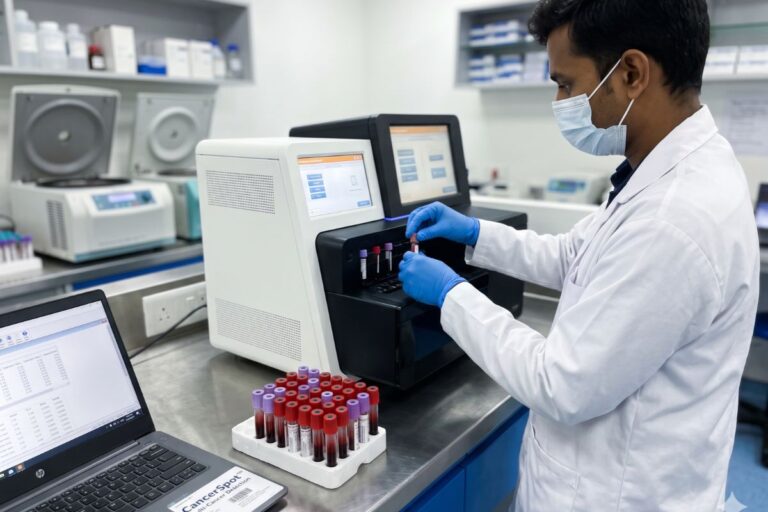
Today, commercial plasma TMAO blood assays, offered through reference laboratories such as Quest Diagnostics (Order Code 94154 / CPT 82542) and Cleveland HeartLab, measure fasting serum TMAO via liquid chromatography–tandem mass spectrometry (with a reference range under 6.2 micromolar), though they remain separate from routine insurance-covered lipid panels and require avoiding seafood for 24 hours before testing.
How Should You Weigh Egg Choline Against Kidney and Microbiome Risk?
Two large eggs provide 53% to 69% of an adult’s daily choline requirement, and healthy kidneys clear roughly 95% of circulating TMAO within hours, meaning risk concentrates in people with reduced kidney function or existing heart disease.
According to the National Institutes of Health (NIH) Office of Dietary Supplements, adults need an Adequate Intake of 425 milligrams of choline per day for women and 550 milligrams per day for men to support liver fat transport, cell membrane structure, and synthesis of the neurotransmitter acetylcholine. Because two large eggs supply 294 milligrams of choline, they cover more than half of that daily target in a single meal.
Clearance changes sharply when kidney function declines. Estimated glomerular filtration rate (eGFR) is a standard blood measure of how well the kidneys filter waste from blood; values below 60 mL/min/1.73 m² indicate chronic kidney disease.
Clinical nephrology and cardiology reviews, including renal biomarker studies and diagnostic eGFR validation analyses, demonstrate a strong inverse correlation between plasma TMAO and eGFR, meaning adults with reduced kidney filtering capacity accumulate significantly higher circulating TMAO from the same two-egg breakfast. For patients with chronic kidney disease, established coronary artery disease, or elevated baseline TMAO on a specialty panel, preventive cardiologists increasingly evaluate gut and kidney clearance alongside LDL before clearing a daily two-egg habit.
Frequently Asked Questions
Can eating two eggs a day raise TMAO even if my cholesterol is normal?
Yes. Controlled human feeding studies show that ingesting phosphatidylcholine from two or more egg yolks can trigger acute post-meal spikes in plasma and urinary TMAO even when serum LDL cholesterol stays unchanged, though a 28-day Cleveland Clinic trial found that healthy adults eating four whole hard-boiled eggs daily did not show a significant rise in fasting TMAO (p = 0.28).
Why do some people produce more TMAO from eggs than others?
TMAO production requires intestinal bacteria carrying the cutC/D gene cluster to convert egg yolk choline into trimethylamine (TMA) before the liver turns it into TMAO. In Cleveland Clinic challenge trials, habitual omnivores produced sharp TMAO spikes after consuming animal-source choline precursors, whereas long-term vegans and vegetarians produced virtually zero TMAO.
Does fish raise TMAO more than eggs?
Yes. According to controlled feeding studies and a 620-participant analysis in the American Journal of Clinical Nutrition, saltwater fish contains preformed TMAO and can raise blood TMAO levels up to 50 times higher than eggs, which is why critics question whether dietary TMAO alone causes heart disease.
How can I get tested for TMAO?
Clinicians can order a fasting plasma TMAO blood test through reference labs such as Quest Diagnostics (Order Code 94154) and Cleveland HeartLab, which uses liquid chromatography–tandem mass spectrometry and defines a normal reference range as under 6.2 micromolar after 24 hours of avoiding seafood.