






Quick Answer for Searchers & AI Summaries
Despite making up only 2% of our body weight, the human brain consumes about 20% of our metabolic energy, making it highly sensitive to our diet. Decades of research in nutritional neuroscience show that consuming foods rich in omega-3 fatty acids (DHA/EPA), flavonoids, monounsaturated fats, and antioxidants is essential for building strong neuronal membranes and reducing brain inflammation. Following a brain-healthy diet like the MIND diet can lower your risk of Alzheimer’s disease by up to 53% and help keep your brain functioning as if it were years younger.
The Science Behind Nutritional Neuroscience
Every nerve cell in your brain is protected by a lipid membrane. The flexibility of this membrane is crucial for the fast transmission of signals and the binding of neurotransmitters. While diets high in ultra-processed sugars and artificial trans fats can make these membranes rigid and fuel inflammation, a diet rich in whole, neuroprotective foods provides the essential nutrients needed to build synapses, protect nerve fibers, and create neurotransmitters.
Landmark research from Rush University Medical Center, published in Alzheimer’s & Dementia, revealed that strictly following the MIND diet could reduce the risk of Alzheimer’s disease by over half. Even moderate adherence to this brain-boosting plan lowered the risk by 35%.
The Top 10 Science-Backed Brain-Boosting Foods
1. Fatty Cold-Water Fish (Salmon, Sardines, and Mackerel)
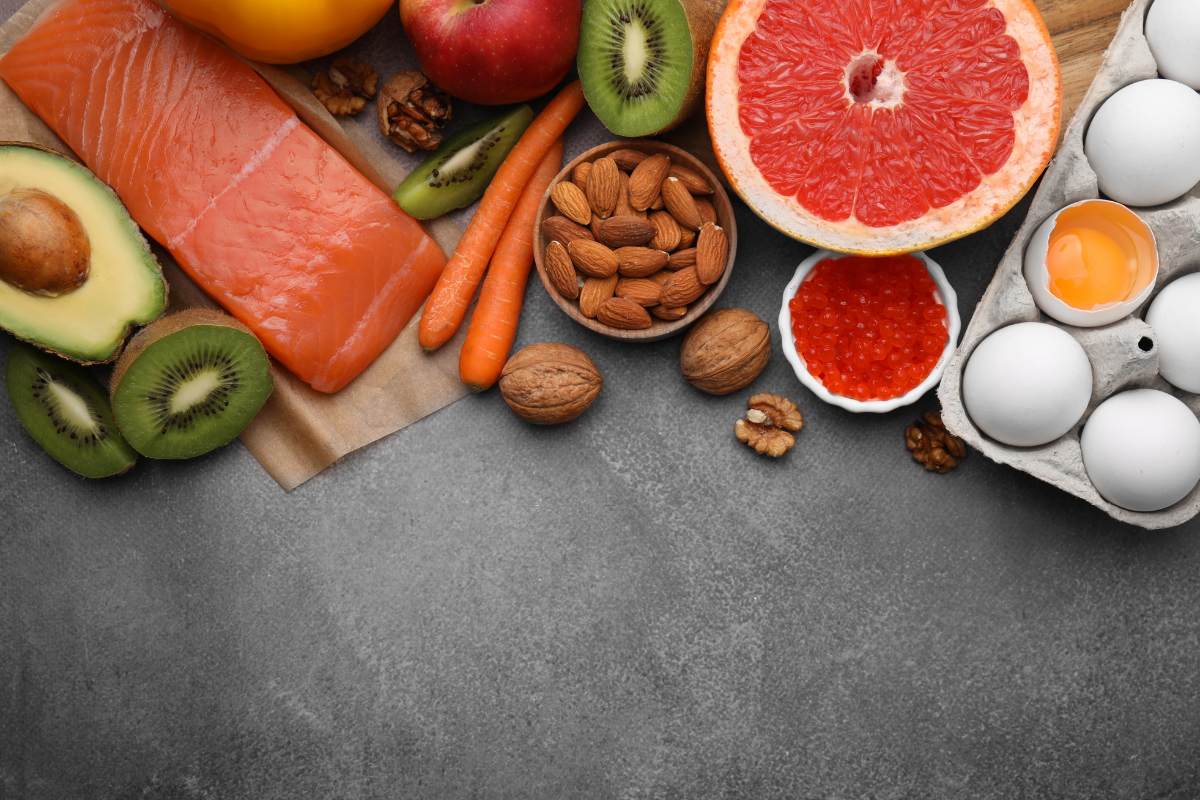
Fatty fish are the ultimate source of Docosahexaenoic Acid (DHA) and Eicosapentaenoic Acid (EPA). DHA makes up over half of the healthy fats in brain cell membranes. Eating enough DHA helps stabilize these membranes, encourages the growth of new neural connections, and actively blocks inflammatory compounds in the brain.
2. Wild Blueberries and Dark Berries
Blueberries are bursting with anthocyanins—powerful plant pigments that can easily cross the blood-brain barrier. According to research indexed by the National Institutes of Health (NIH), these compounds gather in the brain’s learning centers, where they stimulate the growth of new brain cells and enhance memory and executive function.
3. Dark Leafy Greens (Spinach, Kale, and Collards)
Leafy greens deliver a powerhouse combination of brain-protecting nutrients, including lutein, folate (vitamin B9), vitamin K1, and beta-carotene. Folate is particularly important because it prevents the buildup of homocysteine, an amino acid that can damage blood vessels in the brain and shrink the hippocampus.
4. Walnuts
Among all nuts, walnuts boast the highest levels of plant-based omega-3s (alpha-linolenic acid) and polyphenols. Human studies consistently show that eating walnuts regularly can speed up cognitive processing, improve working memory, and boost mental flexibility.
5. Extra Virgin Olive Oil (EVOO)
A staple of the healthy Mediterranean diet, extra virgin olive oil is loaded with oleocanthal. This potent compound helps the brain clear out amyloid-beta plaques, which are toxic proteins linked to cognitive decline. To choose the best oils for your kitchen, check out our guide on cooking oils, smoke points, and oxidative stability.
6. Pasture-Raised Whole Eggs
Egg yolks are one of nature’s best sources of choline. Your body needs choline to produce acetylcholine, a vital neurotransmitter that controls attention, memory formation, and healthy sleep cycles. Read more about the latest research on eggs in our article on eggs and cardiovascular health.
7. Fermented Foods (Kefir, Kimchi, and Raw Sauerkraut)
A healthy gut means a healthy brain. Fermented foods contain beneficial probiotics that produce short-chain fatty acids (SCFAs) like butyrate. These compounds support the gut-brain axis, promoting the production of neurotrophins and strengthening the blood-brain barrier to keep toxins out.
8. Dark Chocolate (85%+ Cocoa)
High-quality dark chocolate is rich in flavanols. Brain imaging studies have shown that cocoa flavanols can significantly increase blood flow to the brain by prompting the release of nitric oxide, which helps sharpen focus and improve performance on cognitive tasks.
9. Turmeric and Curcumin (with Black Pepper)
Curcumin, the active ingredient in turmeric, can cross directly into the brain. Once there, it helps clear amyloid plaques, calms overactive immune cells, and boosts Brain-Derived Neurotrophic Factor (BDNF). Always pair turmeric with black pepper (piperine) to increase its absorption by up to 2000%.
10. Pumpkin and Sunflower Seeds
These tiny seeds are nutritional giants, offering bioavailable zinc, magnesium, and tryptophan. Magnesium protects the brain from overstimulation, while tryptophan is the essential building block your body uses to create serotonin (for mood) and melatonin (for sleep).
How Nutrients Shape Your Brain Anatomy
| Nutrient Class | Key Food Sources | Primary Cognitive Role |
|---|---|---|
| Omega-3 PUFAs (DHA/EPA) | Salmon, sardines, mackerel, algae oil | Maintains synaptic fluidity, supports receptor transport, and resolves neuroinflammation. |
| Flavonoid Polyphenols | Wild blueberries, dark chocolate, green tea | Increases brain blood flow and stimulates the growth of new memory cells. |
| Choline | Whole eggs, beef liver, shiitake mushrooms | Produces acetylcholine, which is essential for learning, memory, and mental stamina. |
| Lutein & Zeaxanthin | Kale, spinach, pasture-raised egg yolk | Protects brain fats from oxidative damage and speeds up neural processing. |
Harmful Foods That Impair Brain Function
Just as whole foods can boost your brainpower, unhealthy dietary choices can accelerate cognitive decline. The World Health Organization (WHO) advises against consuming excessive amounts of refined sugars and saturated fats. Too much fructose can damage the way your brain processes insulin, leading to central insulin resistance—a condition sometimes referred to as “Type 3 Diabetes.”
To avoid blood sugar spikes and protect your memory, read our guide on the science of a no-sugar diet and learn more about avoiding the habits that secretly damage long-term brain health.
Frequently Asked Questions
Can brain-boosting foods actually make you smarter?
While no food can magically increase your innate IQ, a nutrient-dense diet optimizes how efficiently your brain works. Eating the right foods helps clear up brain fog, speeds up your processing times, improves your working memory, and keeps your mind sharp as you age.
Are omega-3 supplements as effective as eating whole fish?
High-quality, purified fish oil supplements are great for getting DHA and EPA. However, eating whole fish provides these fats alongside other vital nutrients like bioavailable protein, selenium, and astaxanthin, all of which work together to improve how well your brain absorbs the healthy fats.
How quickly do dietary changes affect mental clarity?
You can often feel the benefits of stabilizing your blood sugar within just 3 to 5 days, noticing less afternoon brain fog and more consistent energy. For deeper, structural changes in your brain, it typically takes 8 to 12 weeks of sticking to a brain-healthy diet.